
A lounge pass can feel like the smartest airport purchase of the day, until one overlooked rule keeps you at the door.
Airport lounges sell a simple promise: quieter seats, snacks, drinks, outlets, and a calmer wait before boarding. The catch is that lounge access is rarely as simple as buying a pass and walking in. The details that matter most are often tucked into app screens, card benefits, terminal maps, or small-print access rules. Check these five things before paying, upgrading, or counting on a lounge to rescue a long airport day.
The Terminal Trap
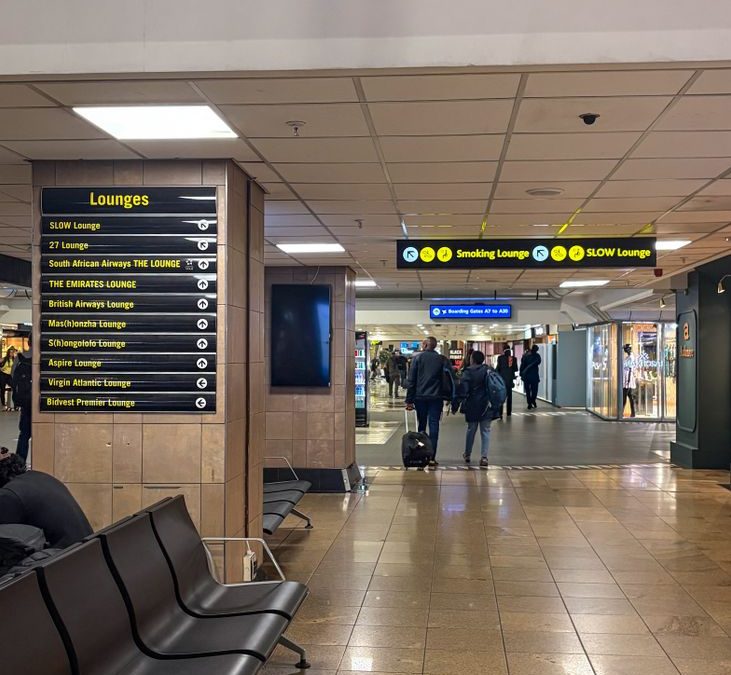
A lounge can be useless if it sits in the wrong terminal, behind the wrong security checkpoint, or in an area you cannot reach without leaving and re-clearing security. This matters most at large airports where terminals are separated by shuttle, train, or long walks. A pass may look valid in an app, but the location may not match your airline, gate, or timing.
- Check the map before paying: confirm the lounge is airside if you need it after security.
- Watch for terminal restrictions: some airports do not allow easy movement between concourses.
- Know your gate plan: a 20-minute lounge detour can become a boarding panic.
This helps families, business travelers, and anyone with tight connections avoid buying access to a room they technically can use but practically cannot reach.
The Three-Hour Door Rule
Many lounges limit entry to a set window before departure, often around a few hours, though exact rules vary by lounge, airline, card, airport, and itinerary. That detail can ruin the plan for travelers who arrive very early to beat traffic, return a rental car, or work before a late flight. Paying for access only to be told to come back later is not relaxing.
- Check the entry window: look for time limits before you leave for the airport.
- Ask about layovers: connecting passengers may have different rules than departing passengers.
- Do not assume all cards match: one lounge network may apply a different timing rule than another.
The rule affects early arrivers most, because the airport may still leave them buying meals elsewhere while they wait for the lounge clock to start.
The Guest Charge
Lounge access that feels free for one traveler can become expensive when a spouse, friend, teen, or child is added at the desk. Guest rules vary widely. Some benefits include a limited number of guests, some charge per person, some treat children differently by age, and some require the primary cardholder or eligible traveler to be present. The awkward part comes when the group has already planned around eating or waiting inside.
- Count every person: do not forget children, lap infants, or travel companions on separate bookings.
- Verify who must enter first: some access depends on the eligible member being present.
- Compare the real total: two guest fees can cost more than a regular airport meal.
This is especially important for vacationing couples and families, because the lounge value changes fast when only one person is covered.
The Capacity Waitlist

A lounge pass does not always mean immediate entry. Many lounges admit eligible travelers only when space is available, and crowding can be worst during holiday weeks, morning business waves, weather delays, and banked international departures. If the lounge is full, a traveler may be placed on a waitlist or turned away, even while holding a membership, card benefit, or paid pass.
- Look for capacity language: phrases such as subject to availability are worth taking seriously.
- Check pre-book options: some lounges let travelers reserve a slot, while others do not.
- Keep a backup plan: know where you would sit, eat, or charge a phone if entry fails.
This helps anyone traveling during peak times avoid spending on a benefit that might not be there when the airport is at its most stressful.
The Buffet Reality Check
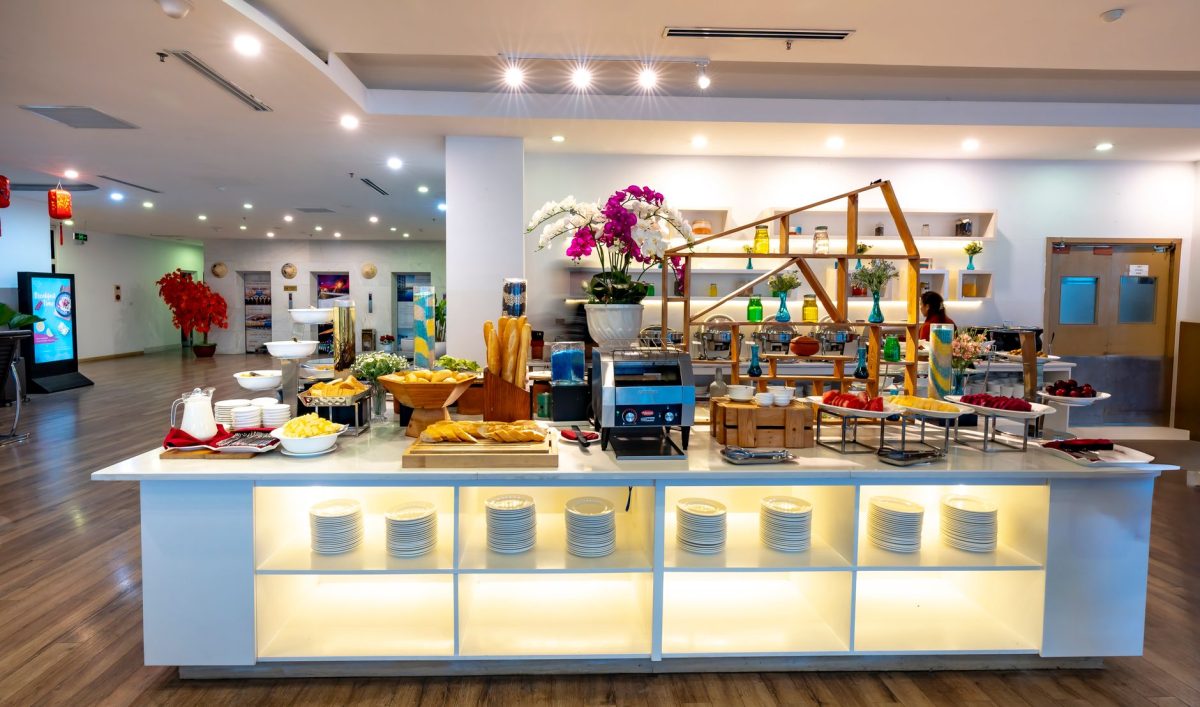
The value of a lounge depends on what is actually available during your visit, not what the marketing photo suggests. Some lounges have full meals, showers, quiet rooms, staffed bars, or work areas. Others may offer light snacks, crowded seating, limited hours, paid premium drinks, or amenities closed for cleaning or renovation. A pass can still be useful, but only if the real offer matches your need.
- Check current amenities: look for food, showers, workstations, family rooms, and opening hours.
- Match it to your trip: a shower matters after an overnight flight; a snack bar may not justify a short stop.
- Compare airport alternatives: sometimes a decent meal and a quiet gate seat cost less.
This matters because lounge access is only a good buy when it solves the problem you actually have that day.
Before treating lounge access as an automatic upgrade, check the terminal, entry window, guest rules, crowding language, and real amenities. If those details line up with your flight, the lounge may be worth it. If they do not, the smarter move may be saving the money for a meal, a better seat, or a less rushed airport plan.
This article was created with AI assistance and reviewed for clarity, sourcing, and editorial quality.
