
The fastest-looking airport line is not always the smartest one. These bag drop choices can make the difference between a calm start and a sweaty race to security.
The first hour at the airport often disappears in tiny decisions: which line to join, whether to print a tag, where the stroller goes, and why one counter is moving while another barely budges. Bag drop is where many travelers lose time they thought they had. Before you follow the crowd, these five choices are worth checking because the right one can spare you a rushed walk, a missed cutoff, or a very avoidable detour.
Online Check-In Bag Drop Lane
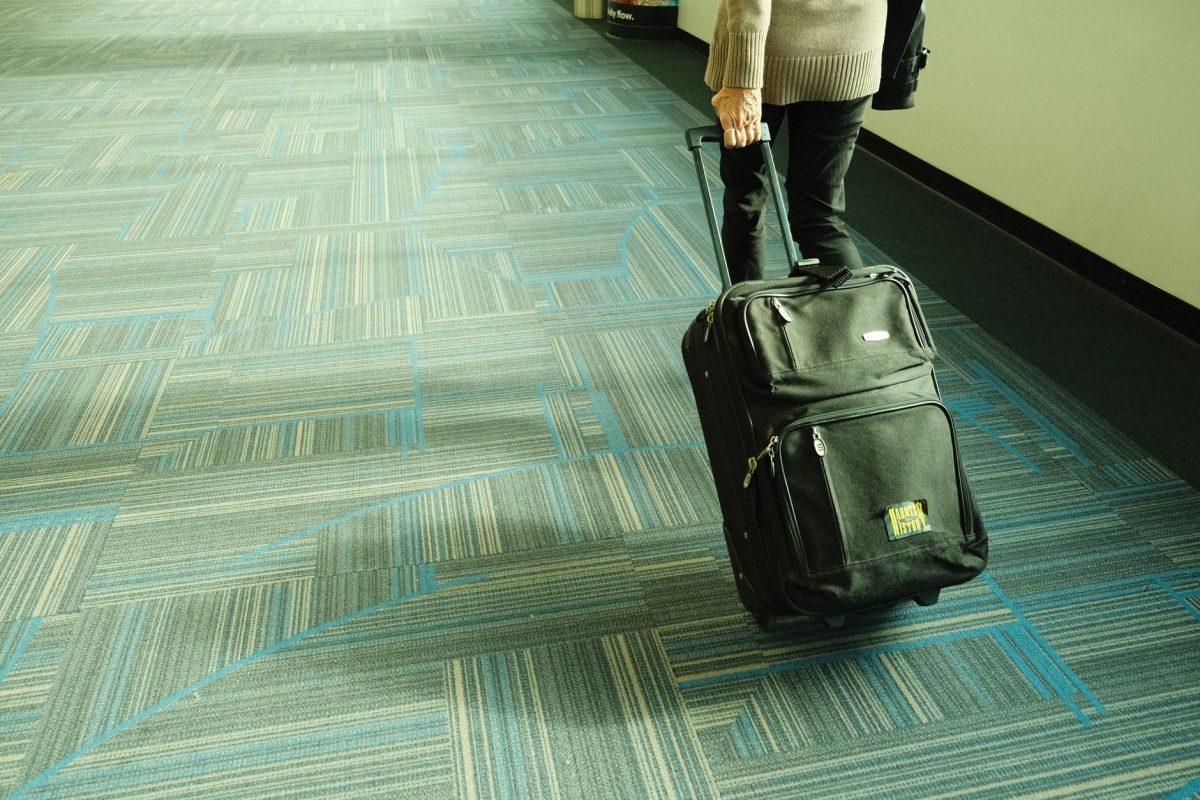
The bag drop lane for passengers who already checked in can be the quiet shortcut hiding in plain sight. At many airports, it is separate from the full-service check-in line, which means you are not waiting behind people changing seats, fixing documents, or asking about upgrades. It helps travelers who have boarding passes ready and only need to hand over checked luggage.
- Check first: whether your airline requires online check-in before you join.
- Watch out: some international trips still need a document check before a bag can be accepted.
- Best for: travelers with standard luggage, printed or mobile boarding passes, and no special requests.
The mistake is assuming every airline counter is doing the same job. If you join the full-service line by habit, you may spend your first hour solving problems other passengers brought with them.
Self-Service Kiosk and Tag Printer
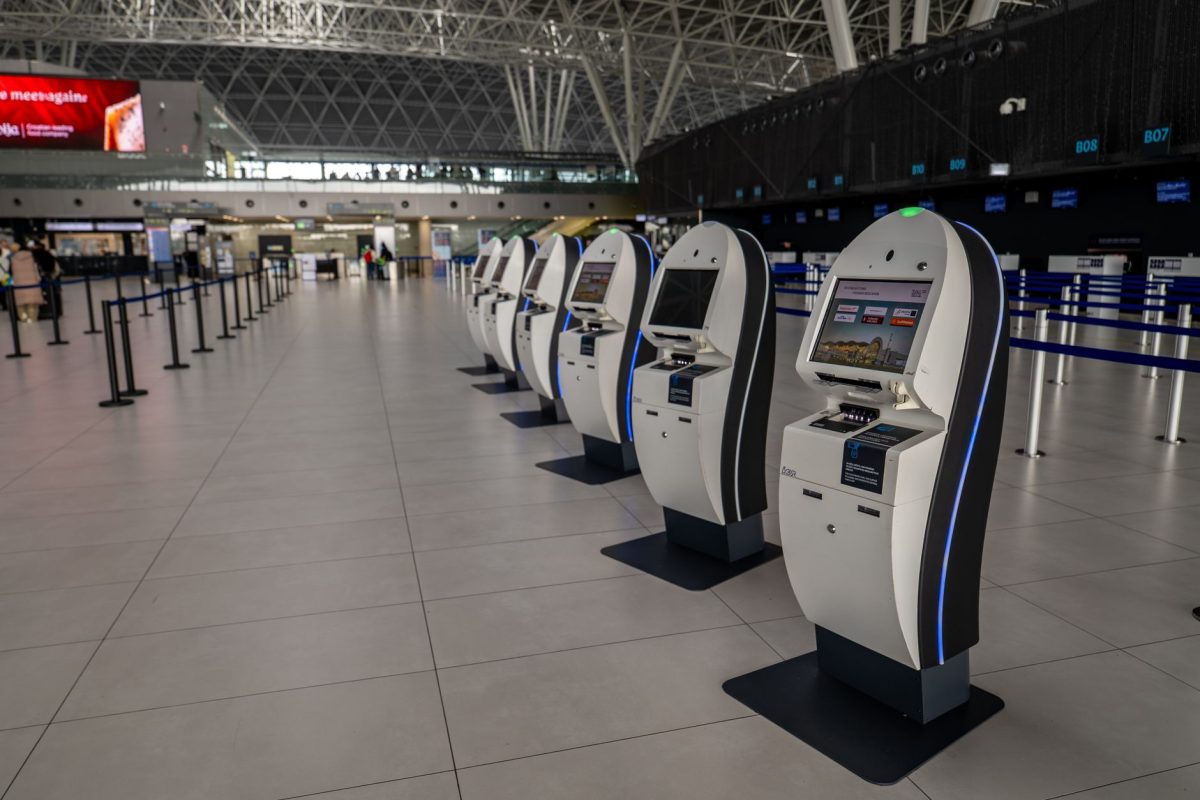
Self-service kiosks can feel intimidating when the airport is crowded, but they often remove the slowest part of the process: waiting for an agent to print a tag. For travelers with straightforward tickets, the kiosk can confirm the booking, print the bag tag, and point you toward the drop belt or staffed handoff. It is especially useful when the counter line is long but the machines are open.
- Check first: your name, destination, connection, and bag count before attaching the tag.
- Watch out: mistagged luggage can create a bigger problem than a slow line.
- Best for: travelers comfortable reading instructions and handling standard suitcases.
If the machine offers multiple languages, take the extra few seconds to switch to the one you understand best. Rushing through unfamiliar screens is how people end up needing an agent anyway.
Curbside Bag Check
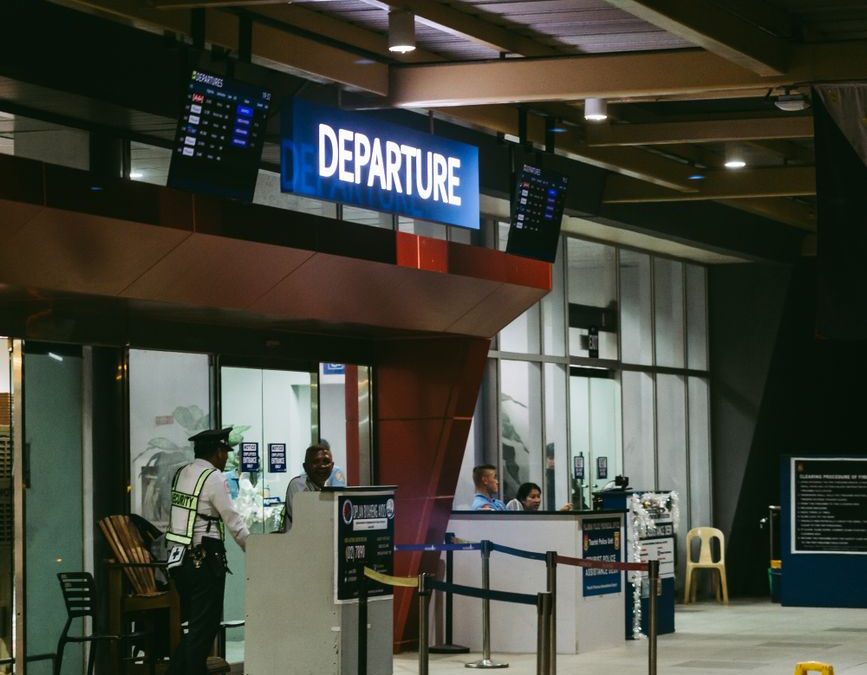
Curbside bag check can save a surprising amount of energy before you even enter the terminal. When it is available, it helps families, older travelers, and anyone juggling multiple suitcases avoid dragging bags through doors, elevators, and crowded check-in halls. It can also be useful when the airline counter inside is packed but curbside attendants are moving steadily.
- Check first: whether your airline, flight type, and departure time are eligible.
- Watch out: some curbside services may involve fees, tipping expectations, or earlier cutoff times.
- Best for: domestic trips, heavy luggage, and travelers being dropped off by car.
The risk is treating curbside as guaranteed. If it is closed, understaffed, or not accepting your flight, you still need enough time to head inside and use another bag drop option without panic.
Oversize Bag Counter
The oversize bag counter is the line travelers often discover too late. Golf clubs, skis, surfboards, musical instruments, large strollers, and bulky hard cases may not go through the same belt as ordinary suitcases. If you wait in the regular bag drop line first, an agent may tag the item and then send you across the terminal to a separate counter, burning the time you were trying to protect.
- Check first: your airline rules for size, weight, packaging, and special handling.
- Watch out: oversize counters can close earlier or sit far from the main check-in desks.
- Best for: sports gear, baby gear, instruments, and unusually shaped luggage.
This choice matters most for travelers connecting through unfamiliar airports. A five-minute question at the start can prevent a fifteen-minute walk with an awkward bag when the clock is already tight.
Off-Site Bag Drop Desk

Off-site bag drop is not offered everywhere, but when it exists, it can change the whole first hour of travel. Some airports, airlines, hotels, cruise areas, or airport-linked train stations may let eligible passengers check bags before reaching the terminal. That means less luggage on public transit, less crowding at the airport entrance, and fewer decisions once you arrive.
- Check first: the exact airline, route, operating hours, ID requirements, and bag cutoff time.
- Watch out: off-site drop may not handle special baggage, late departures, or certain international flights.
- Best for: travelers with long layovers in a city, cruise passengers, and hotel guests heading to the airport later.
The catch is that convenience depends on rules. Confirm it through the airport, airline, or official service provider before planning your morning around it.
The best bag drop choice is not always the newest machine or the shortest line. It is the option that matches your ticket, luggage, timing, and comfort level. Before your next flight, check your airline app, airport map, and baggage rules the night before. A few minutes of planning can turn the airport’s most rushed hour into a calmer handoff and a faster walk to security.
This article was created with AI assistance and reviewed for clarity, sourcing, and editorial quality.
