
A ferry ticket feels simple until the dock has cutoff times, vehicle measurements, ID checks, and separate boarding lanes.
Ferries look relaxed from the outside: a ticket, a dock, a short wait, then open water. The catch is that many routes run more like small airports than casual buses, especially when cars, bikes, pets, luggage, or international crossings are involved. The rules vary by operator, but these are the details that often surprise travelers who thought they had already planned everything.
The Vehicle Cutoff
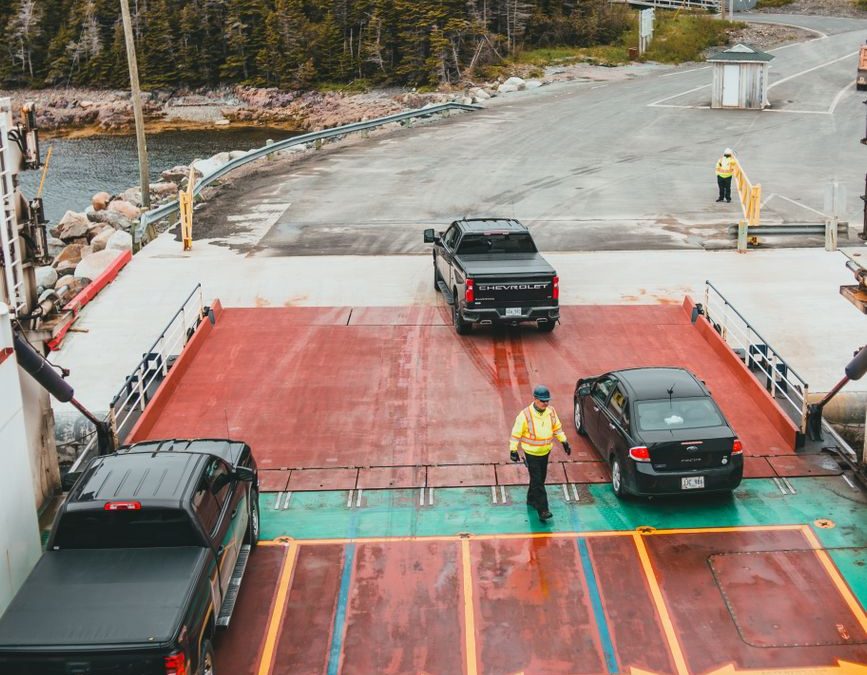
A ferry reservation for a vehicle usually does not mean you can roll up at the last minute. Many operators set a separate arrival or cutoff time for cars, vans, motorcycles, trailers, and RVs because crews need to balance the deck, load vehicles in order, and close the ramp safely. Miss that window and your paid space may be released to standby traffic.
- Check the fine print: look for vehicle check-in, not just departure time.
- Build in dock traffic: terminal queues can move slowly even when the sailing is on schedule.
- Know the risk: a late arrival may mean waiting for the next sailing, paying a change fee, or losing the reservation.
This matters most for travelers with hotel check-ins, dinner reservations, or long drives after landing. Treat the vehicle cutoff as the real deadline, and plan to be in the correct lane before that time, not pulling into the terminal.
The Foot Passenger Window
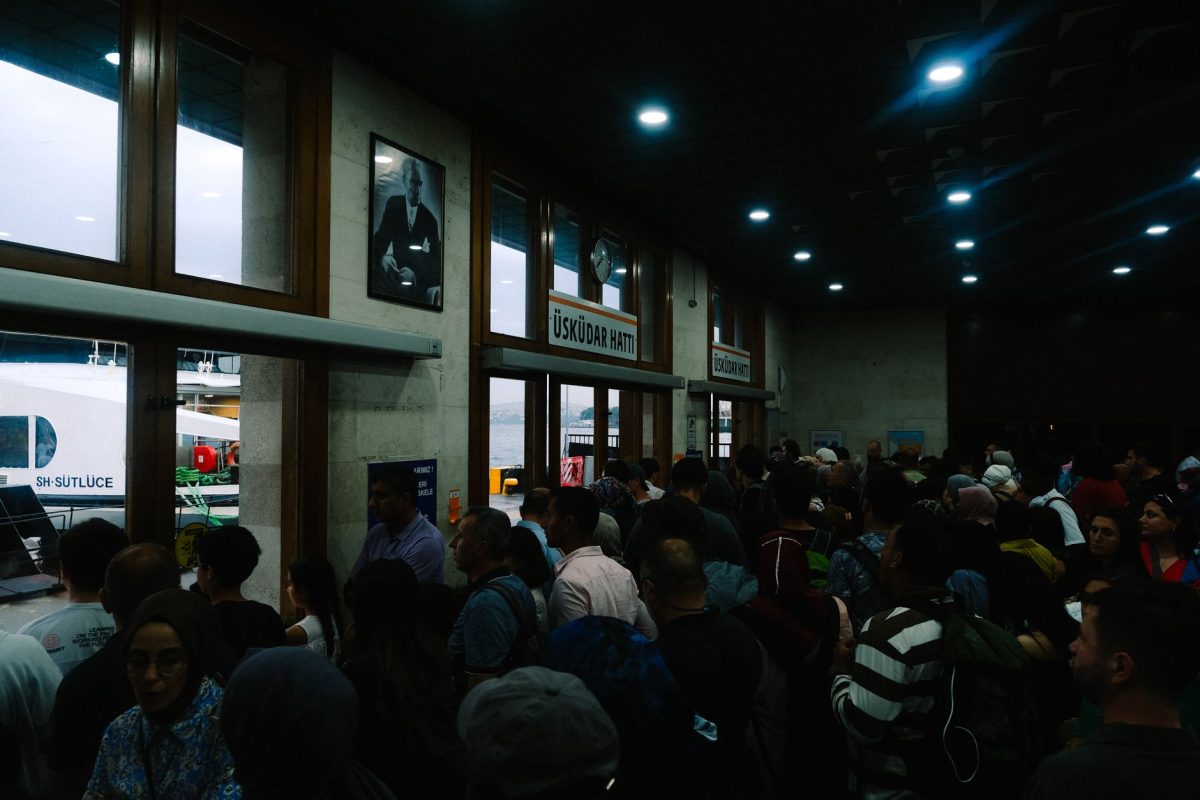
Foot passengers sometimes assume they can board until the ramp closes, especially on short scenic routes. In reality, some terminals stop issuing tickets or checking passengers in before the posted sailing time. The crew may need a final passenger count, the gangway may close early, or the terminal may require everyone to be past a gate before loading starts.
- Watch for two times: ticket sales cutoff and boarding cutoff may be different.
- Do not rely on visible boarding: seeing people walk on does not guarantee new passengers are still accepted.
- Have backup plans: late foot passengers can face sold-out later sailings during weekends or holidays.
This affects day-trippers, commuters, and anyone connecting from a train, bus, rideshare, or parking lot. If the route matters, arrive early enough to buy or scan the ticket, use the restroom, and reach the gate without sprinting.
The Photo ID Gate
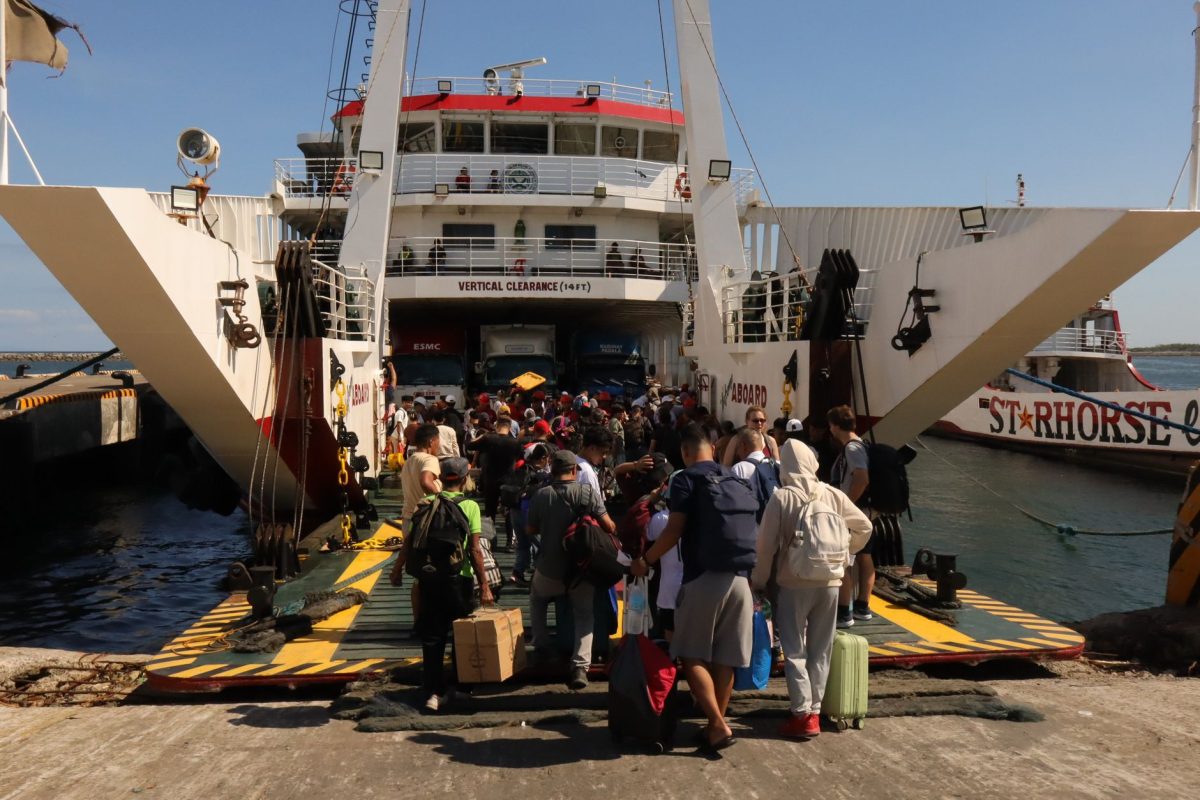
Not every ferry asks for photo ID, but the ones that do can be strict. International routes, routes serving islands with controlled access, concession fares, resident discounts, and some advance bookings may require the name on the ticket to match a passport, government ID, or membership document. A well-packed bag will not help if the document is in the car, at the hotel, or saved on another traveler’s phone.
- Match the names: check spelling, initials, and passenger details when booking.
- Carry the original: some operators may not accept a photo of an ID for certain trips.
- Review children’s rules: minors can have different document requirements, especially across borders.
This is the rule that catches organized families and groups because one person often books for everyone. Before departure day, send each traveler the document requirements and confirm who is carrying which ID.
The Roof Box Measurement
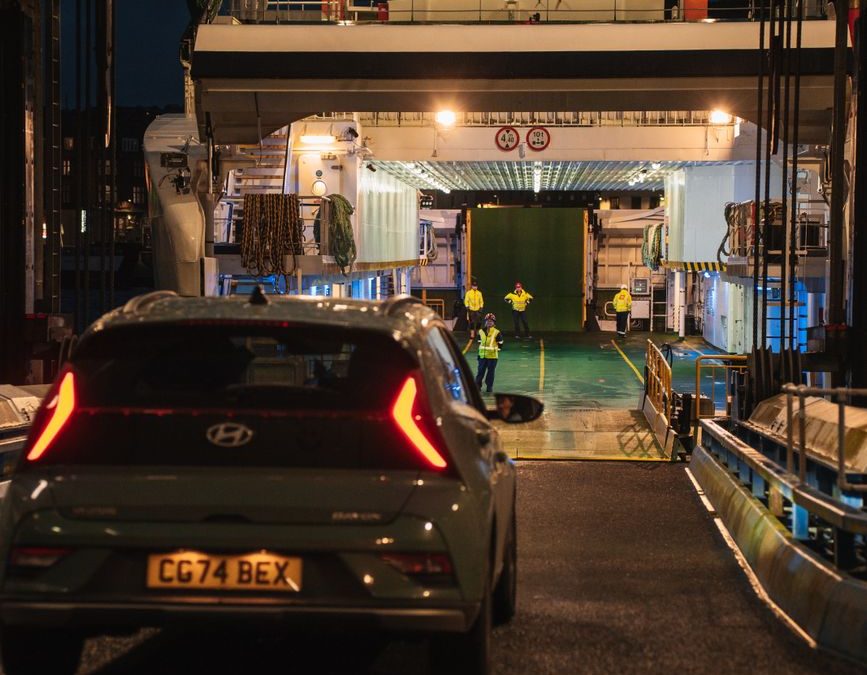
Vehicle bookings often depend on more than length. Ferries may price or assign deck space by height, width, trailer length, roof rack, bike rack, rear cargo box, or tow hitch. A car that was booked as a standard vehicle can become oversized once a rooftop carrier, kayaks, bicycles, or a small trailer is attached. If the measurement is wrong, the terminal may need to reclassify the vehicle or move it to a different lane.
- Measure the full setup: include anything attached to the roof, back, or tow bar.
- Update the booking early: deck space for taller vehicles can be limited.
- Check fuel and cargo rules: propane, gas cans, and certain hazardous items may have restrictions.
This helps road-trippers, campers, and families packing extra gear. The safest move is to measure the vehicle after it is fully loaded, then compare that number with the ferry operator’s categories before leaving home.
The Pet and Bike Lane
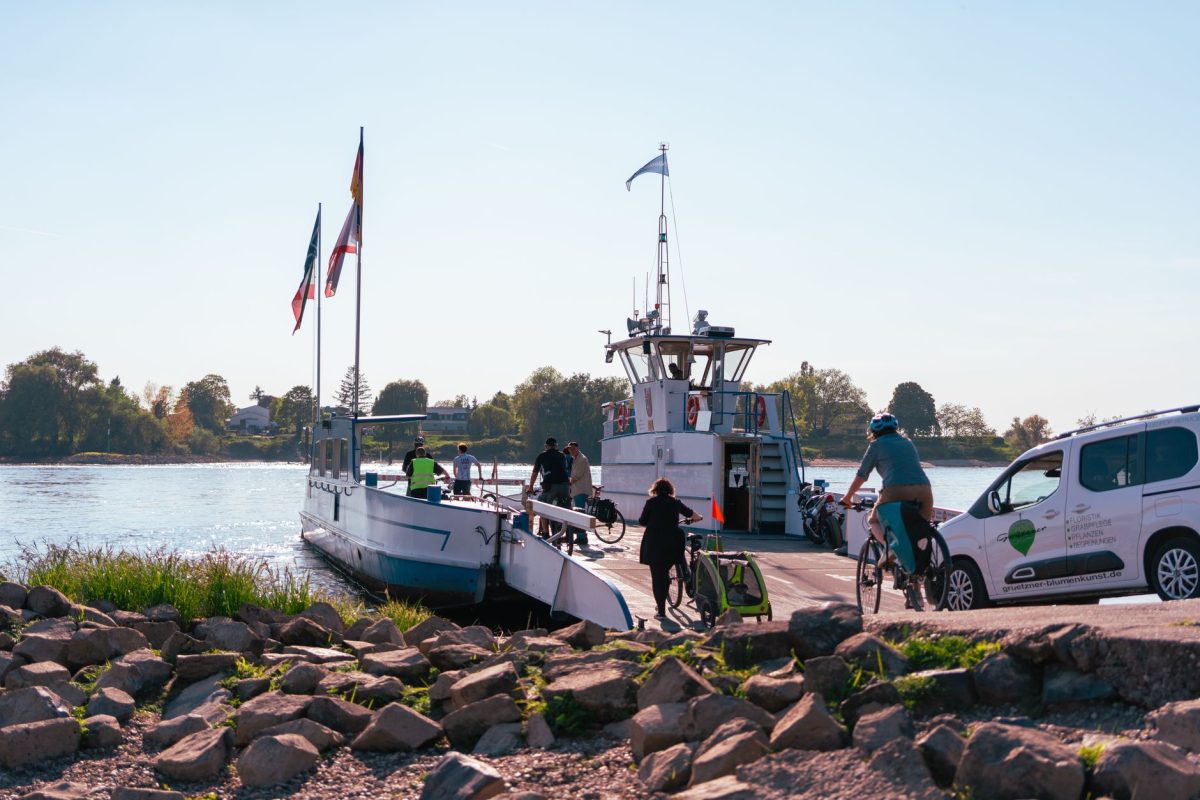
Bikes and pets can make ferry travel easier, but they can also change how and where you board. Some ferries load bicycles through a separate lane, require cyclists to walk bikes on the ramp, or limit where bikes can be stored. Pets may need to stay in a vehicle, remain in a carrier, use designated outdoor areas, or avoid passenger lounges altogether. The rules are not always obvious from the basic ticket page.
- Look for boarding instructions: bike lanes and pet areas may be away from the main passenger entrance.
- Pack the small gear: leash, carrier, waste bags, water, and a lock can prevent awkward delays.
- Ask before upgrading seats: some reserved cabins or lounges may not allow animals.
This affects cyclists, pet owners, and families splitting up between a car deck and passenger areas. Check the route-specific policy so nobody is sent to the wrong entrance when boarding begins.
The easiest ferry mistake is treating every route like the last one you took. Before you leave for the dock, confirm the real check-in deadline, document rules, vehicle category, baggage limits, and any pet or bike instructions for that specific sailing. A five-minute check can prevent a missed boat, a surprise fee, or a stressful argument at the ramp.
This article was created with AI assistance and reviewed for clarity, sourcing, and editorial quality.
