
Pretty streets, staged-looking storefronts, and spotless main squares can make a town feel unreal. Here is what to notice before you write it off.
Some tourist towns are so tidy, photogenic, and coordinated that the first reaction is not wonder but suspicion. Are you walking into a real place, or a postcard with parking? The surprise is that many of these polished-looking towns still have texture if you know where to look. The trick is separating the staged first impression from the local details hiding just off the main drag.
Celebration, Florida
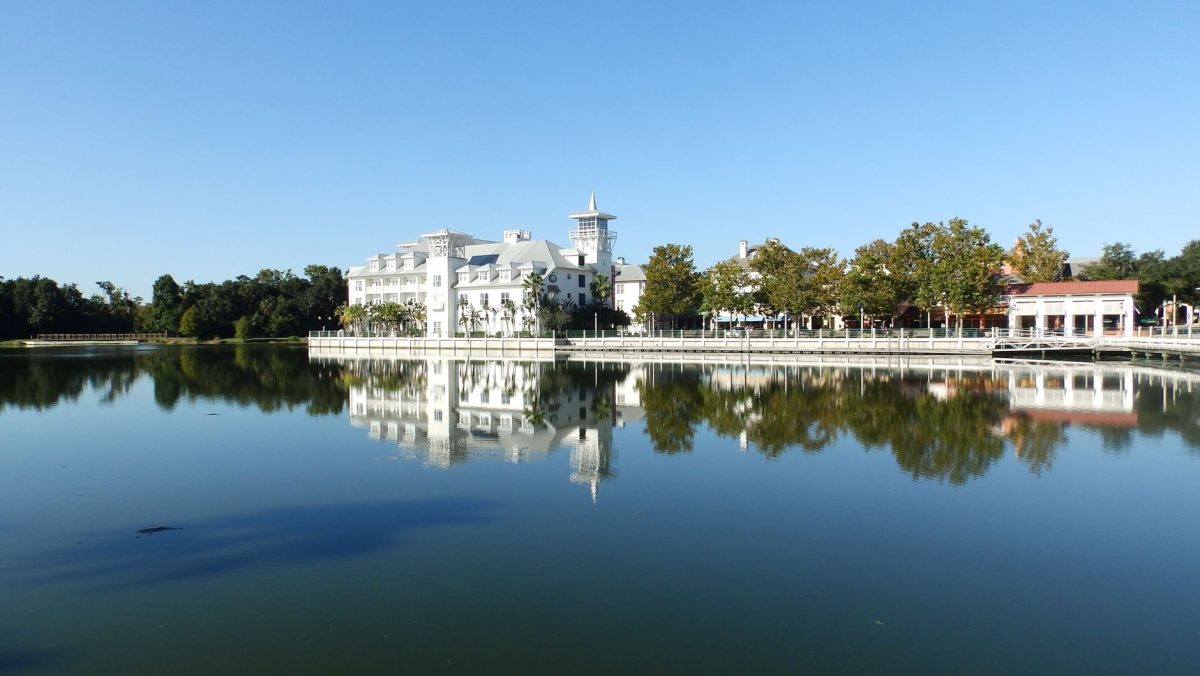
Celebration can feel unusually controlled at first because its streets, porches, signs, and public spaces look carefully coordinated. That polish is part of the initial fascination, but it can also make visitors wonder if they are seeing a community or a set piece. The best approach is to slow down and treat the town center as a starting point, not the whole story.
- Walk near the lake instead of only photographing the storefronts.
- Look for everyday routines, like dog walkers, cyclists, and coffee runs.
- Check nearby neighborhoods respectfully without treating homes like attractions.
It helps travelers who enjoy design, planning, and walkable streets, but it can disappoint anyone expecting rough edges or spontaneous nightlife.
Carmel-by-the-Sea, California
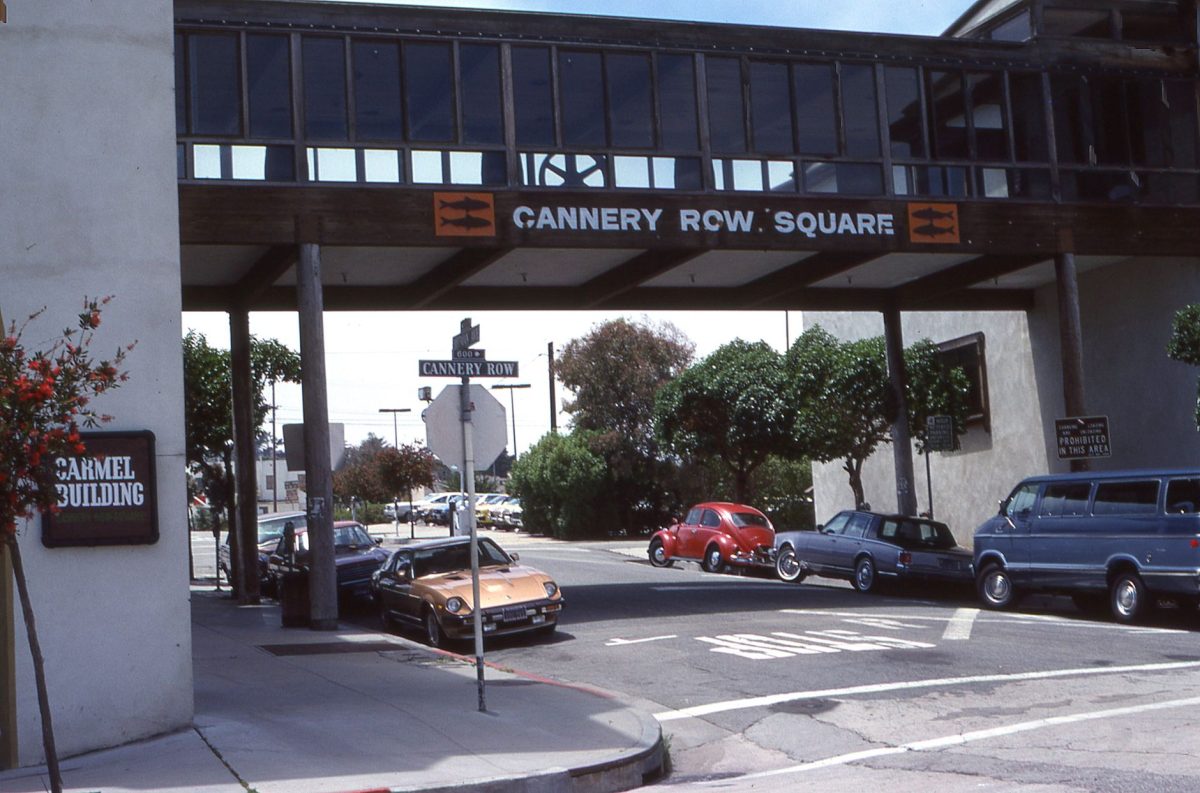
Carmel-by-the-Sea has the kind of beauty that can look almost suspiciously arranged: curled rooflines, flower boxes, polished boutiques, and a village center built for lingering. The first glance may feel too precious, especially for travelers who prefer gritty neighborhoods or unplanned discoveries. Yet the town becomes more interesting when you connect the pretty streets to the coast, galleries, bakeries, and quiet residential lanes.
- Do not judge it only by the most photographed storefronts.
- Walk toward the beach for a less packaged sense of place.
- Watch prices carefully, since charm can make spending feel effortless.
This town rewards visitors who like atmosphere, slow mornings, and compact wandering, but it is less ideal for bargain hunters.
Leavenworth, Washington
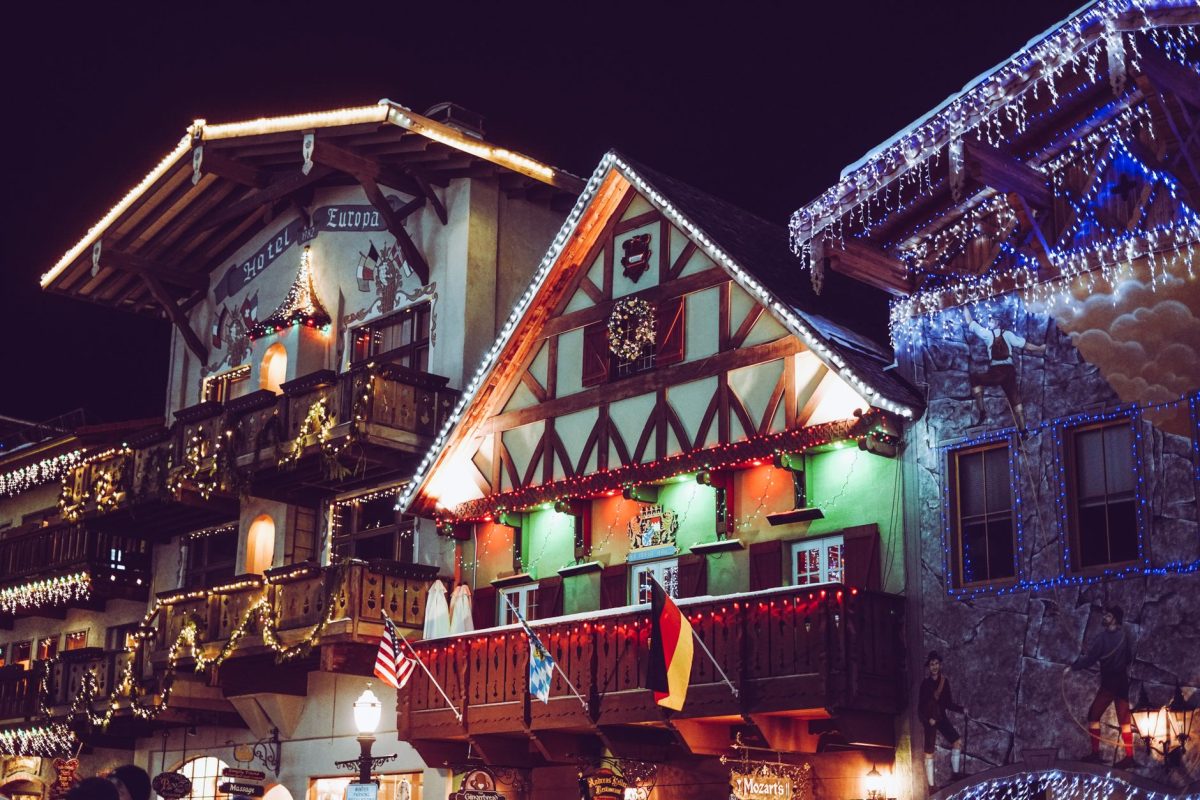
Leavenworth makes a bold first impression because the Bavarian theme is not subtle. Timbered facades, alpine signs, beer halls, and seasonal decorations can make the town feel like a carefully dressed stage. That can be fun, but it can also overwhelm visitors who expected a typical mountain community. The key is to decide whether you want the theme, the surrounding outdoors, or both.
- Pair the central village with nearby trails, rivers, or scenic drives.
- Expect crowds during festivals and holiday weekends.
- Check menus and lodging rates before assuming it is a quick cheap stop.
It helps families and first-time visitors who want instant atmosphere, while quieter travelers may prefer visiting early or midweek.
Solvang, California
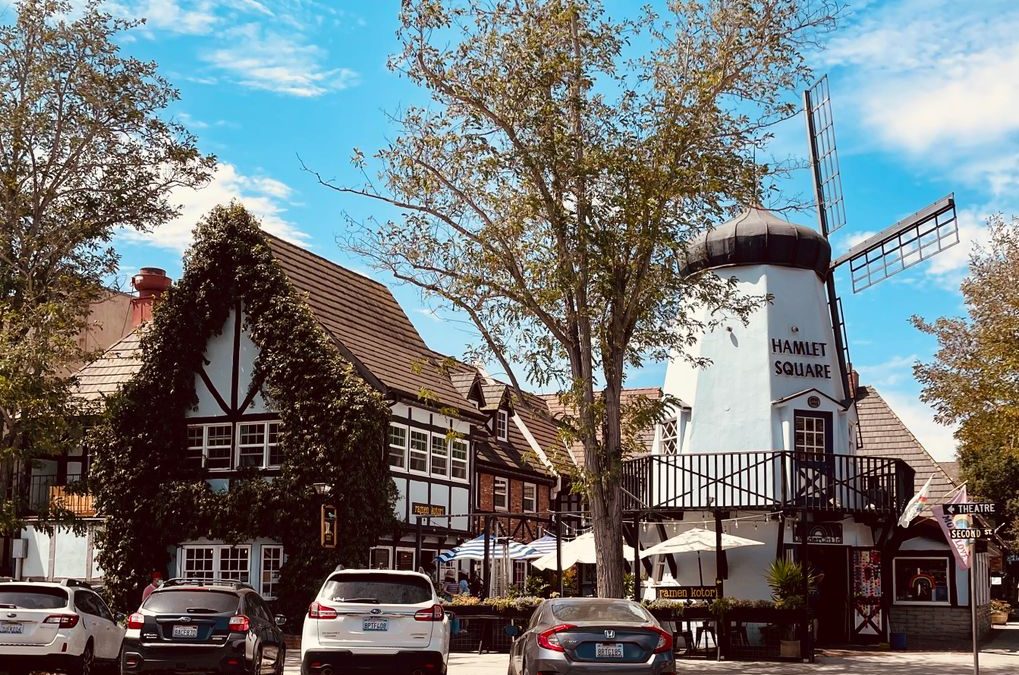
Solvang can feel almost too neat because its Danish-inspired architecture, windmills, bakeries, and souvenir shops create an immediate theme-park feeling for some visitors. That does not mean the town is fake; it means the tourist-facing core is doing a very specific job. The smartest visit balances pastry stops and photos with nearby wine country, history, and quieter side streets.
- Try one or two bakeries, but compare menus before joining the longest line.
- Look beyond the main corners for smaller shops and courtyards.
- Plan parking early on busy weekends.
Solvang works well for road-trippers who want a playful stop, but it may feel overly curated if you never leave the central strip.
Seaside, Florida

Seaside is famous for a kind of coastal perfection: white fences, pastel cottages, walkable lanes, and a town center that photographs beautifully from almost any angle. That polished look can be delightful, but it can also feel expensive and insulated if you arrive expecting a rough-and-ready beach town. Visitors should know what kind of trip they are buying into before booking nearby lodging.
- Check beach access rules, parking, and rental terms before committing.
- Use bikes or walking paths if you want the town to make sense.
- Budget for convenience, because the prettiest locations often cost more.
It helps travelers who love design-forward beach escapes, but spontaneous day-trippers may find the logistics more restrictive than expected.
A polished tourist town is not automatically a tourist trap. Sometimes the surface is carefully managed, and sometimes that care protects walkability, architecture, and a slower pace. The useful move is to look one block past the postcard view, check prices before the charm takes over, and decide whether the town offers more than a pretty first impression.
This article was created with AI assistance and reviewed for clarity, sourcing, and editorial quality.
