
Solo travel in 2026 is more accessible than ever. Budget airlines, translation apps, and remote work have made long-term independent travel a realistic option for millions of people. That accessibility comes with a trade-off: traveling alone means there is no one else to notice when something goes wrong, no second opinion when a situation feels off, and no backup when plans fall apart.
These nine tips cover the practical foundations of solo travel safety, whether the trip is a long weekend or several months abroad.
1. Research Before You Land
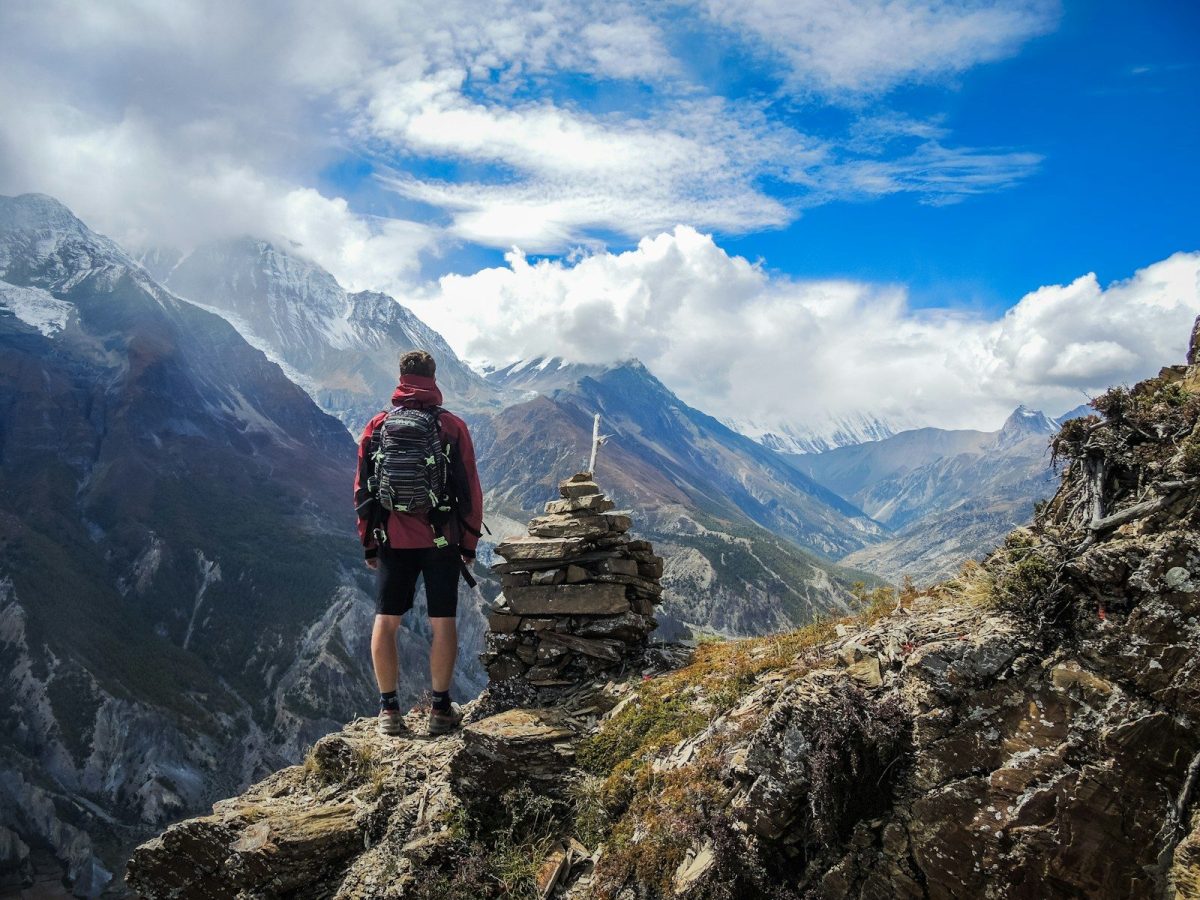
Start with official government travel advisories. The U.S. State Department and similar agencies publish regularly updated assessments covering crime, political unrest, and health risks. Cross-reference those with recent traveler accounts on forums and blogs for a street-level picture that official sources rarely capture.
Download offline maps before departure. Cellular data abroad can be expensive or unavailable, and navigating without a connection has saved countless travelers from bad situations.
2. Share Your Itinerary

Share a detailed itinerary with at least two trusted contacts before every trip. Include hotel names, addresses, flight numbers, and expected check-in times. Set a check-in schedule so those contacts know when to expect updates, and give them clear instructions for what to do if communication stops for longer than an agreed window.
Avoid posting real-time location updates publicly on social media. Announcing a current location can signal to the wrong people that an accommodation is unoccupied.
3. Get Proper Travel Insurance

A single medical evacuation from a remote destination can cost over $100,000. A comprehensive policy covering emergency medical treatment, evacuation, trip cancellation, and gear replacement is not optional for solo travelers.
Read the exclusions carefully. Many standard policies do not cover adventure activities like scuba diving, high-altitude trekking, or motorcycle riding. If the trip includes any of these, upgrade the policy accordingly. Keep the emergency claims number saved and accessible at all times.
4. Trust Your Instincts

When something feels wrong, the brain has already processed dozens of subtle signals before the conscious mind catches up. That feeling deserves action, not dismissal.
Before entering any unfamiliar environment, take thirty seconds to identify the exits, the direction back to a main road, and the safest option if something goes sideways. Stepping into a busy shop, reversing direction, or calling transportation the moment a situation feels off costs very little. Ignoring that feeling can cost considerably more.
5. Secure Your Digital Presence

Use a VPN on any network that is not personally controlled, which covers almost every connection made while traveling. Enable two-factor authentication on all financial and personal accounts, and use a password manager so a lost phone does not mean lost access to everything.
Photograph all critical documents before departure: passport, visa, insurance card, and both sides of every payment card. Store those photos in an encrypted folder, not the standard camera roll.
6. Keep a Low Profile

Leave expensive jewelry at home. Use a plain bag rather than a branded one. Study the route before leaving accommodation so navigation does not happen on a busy street corner.
Learn ten to fifteen phrases in the local language. Basic greetings, a request for directions, and the phrase for “please call the police” cover most situations and signal a level of awareness that reduces the likelihood of being targeted.
7. Manage Your Money With Redundancy

Split cash and cards across multiple locations: a standard wallet, a hidden money belt, and a separate backup card stored away from the main wallet. Notify the bank before departure and carry cards from at least two different payment networks.
Use ATMs inside or attached to bank branches during daylight hours. Cover the keypad when entering a PIN regardless of whether anyone appears to be nearby.
8. Choose and Secure Accommodation
Read recent reviews with attention to neighborhood safety and staff responsiveness. Star ratings measure amenities. Reviews from travelers with similar circumstances measure something more relevant.
On arrival, test the door lock, use any secondary latch available, and locate the emergency exits before unpacking. A portable door alarm is a small investment that adds meaningful protection.
9. Connect and Ask for Help

Joining a guided walking tour on the first day in an unfamiliar city provides orientation, introduces fellow travelers, and builds relationships with locals who know the area. Those connections become genuine resources if something goes wrong later.
Asking for help is not an imposition. Police stations, hotel staff, tourist offices, and ordinary locals are far more willing to assist than most travelers expect. Preparation and connection together create the conditions for travel that is both safe and worth having.
