
There is something about a place that has been left behind with no voices, no footsteps, no hum of daily life. Just stone and rust and silence, and the slow, patient work of nature reclaiming what was once built by human hands.
Each of the nine places below holds a story: of disaster, ambition, conflict, or time simply running out. Some can still be visited, for now. All of them will stay with you long after you’ve read about them.
1. Hashima Island, Japan
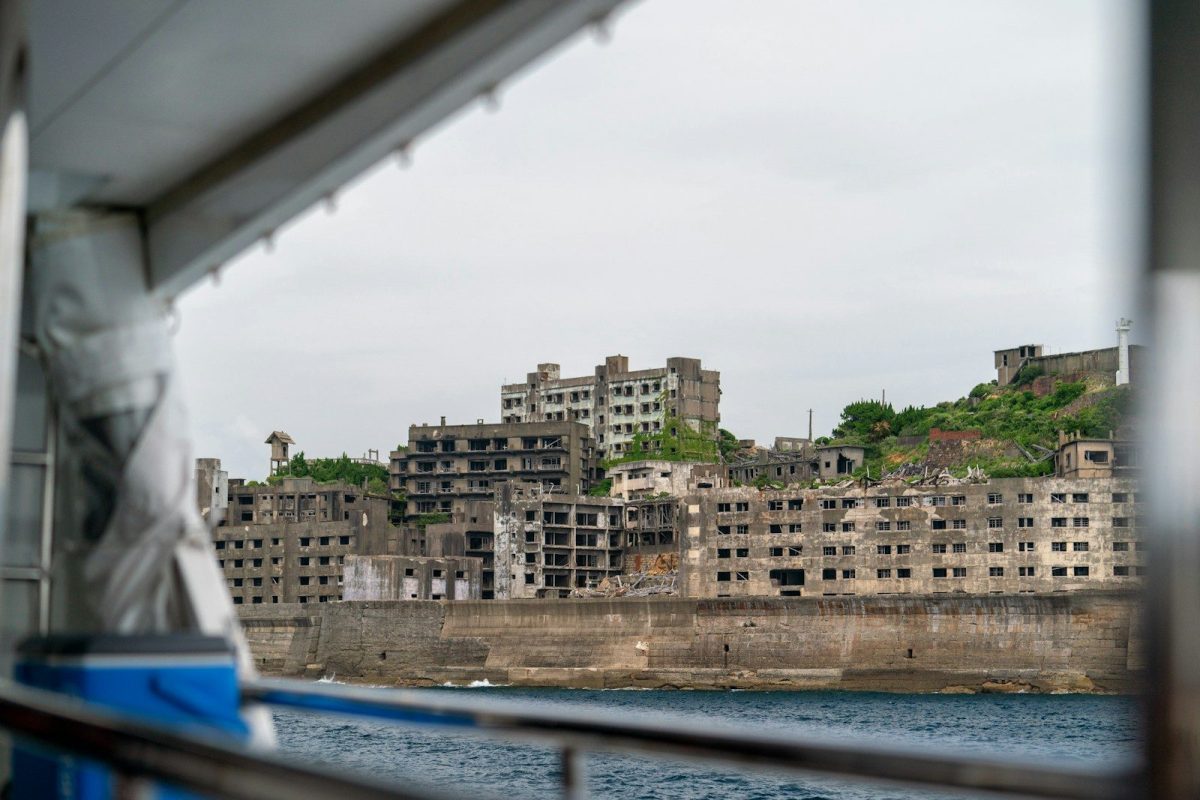
Off the coast of Nagasaki sits a small concrete island that was once the most densely populated place on earth. Hashima housed over 5,000 coal miners and their families on just 16 acres. There was a school, a hospital, a cinema, and apartment blocks stacked so tightly that sunlight rarely reached the lower floors.
When the coal ran out in 1974, the entire population left within three months. Everything else stayed. Guided tours have been available since 2009, though access is limited to a small section. The rest is too structurally dangerous to enter.
2. Pripyat, Ukraine
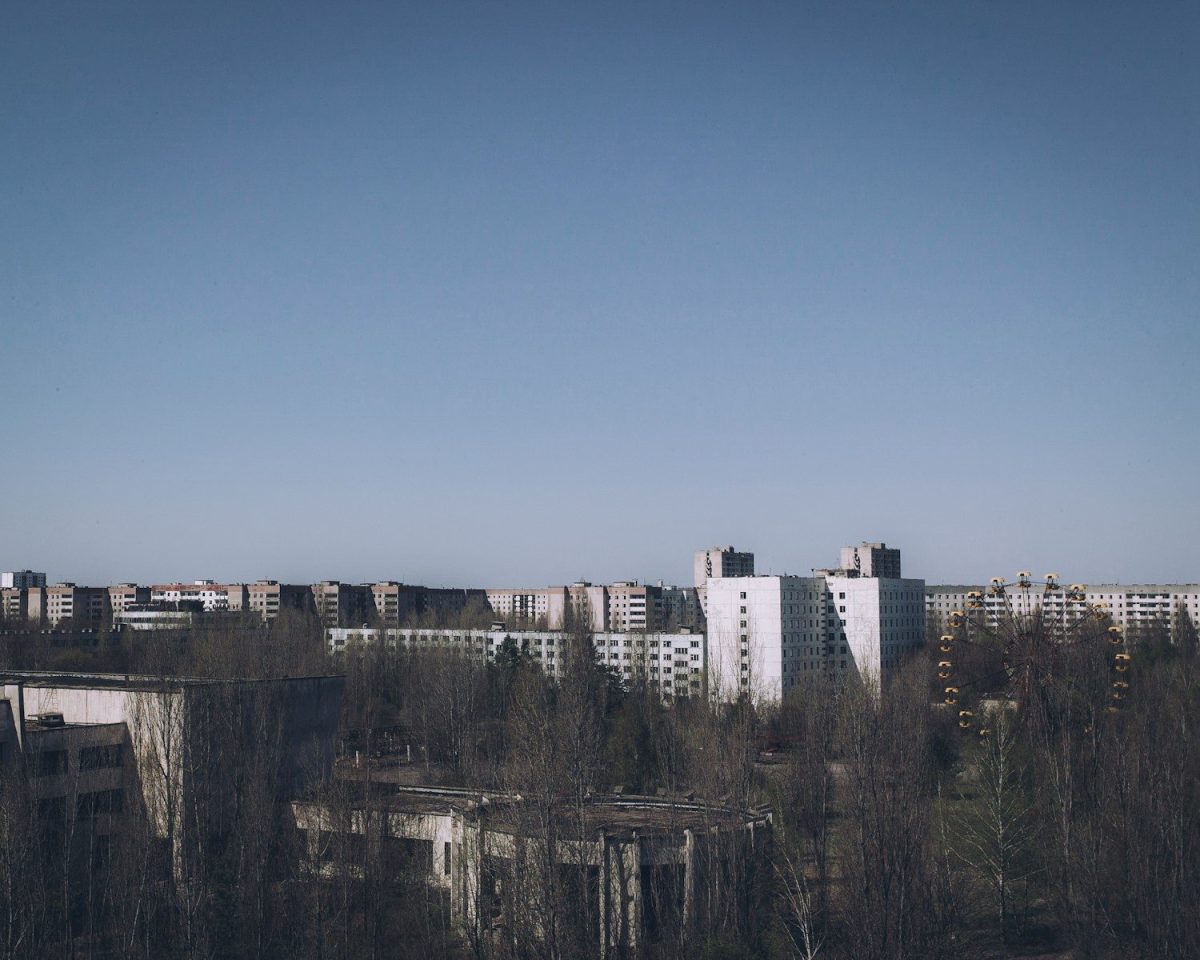
Built in 1970 as a model Soviet city for Chernobyl power plant workers, Pripyat was home to around 49,000 people. On April 26, 1986, Reactor No. 4 exploded. Residents were told to pack for three days. Most never returned.
Today the city is a time capsule: scattered textbooks in classrooms, a Ferris wheel that never opened to the public, and forests that have grown back wild over four decades. Wolves, lynx, and elk now move through the streets freely. Guided tours into the Exclusion Zone operate under strict safety protocols as of 2026.
3. Kolmanskop, Namibia
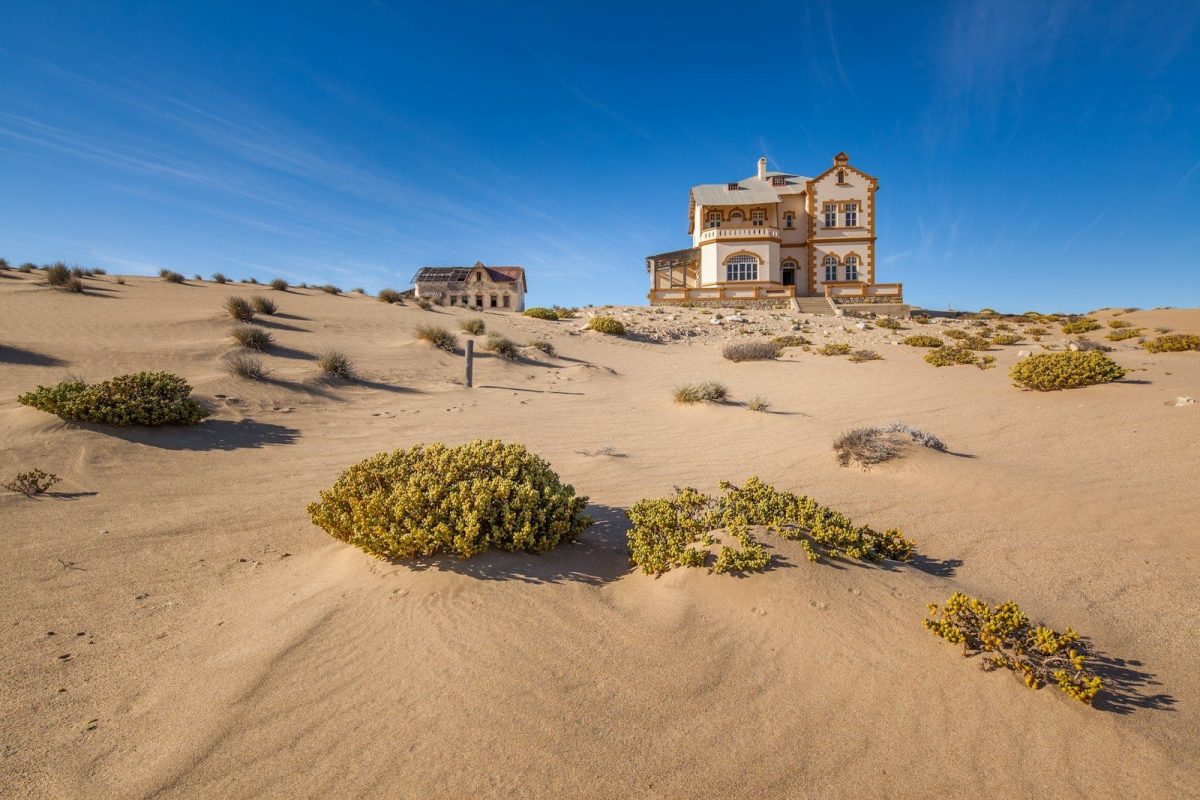
In 1908, a railway worker found a diamond in the Namibian sand. Within months, a German colonial town had been built in the middle of the Namib Desert, complete with a casino, ballroom, and the first X-ray machine in the southern hemisphere. When the diamond-rich ground shifted south after World War I, the population followed. By 1956, the town was empty.
The desert moved in without hesitation. Sand dunes now fill rooms to waist height, and light cuts through broken windows in sharp diagonal beams. Kolmanskop remains one of the most photographed abandoned sites on earth.
4. Ta Prohm, Cambodia
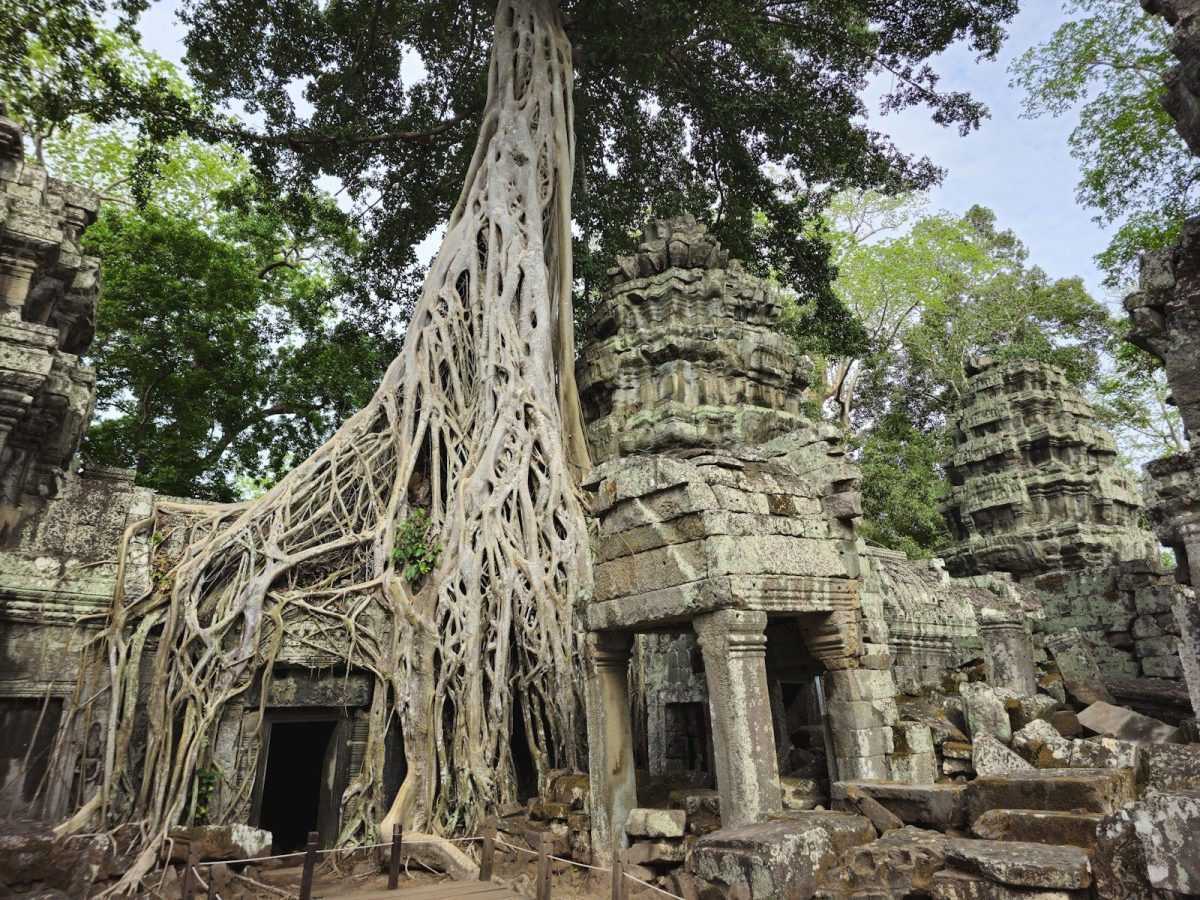
Built around 1186 AD as a Buddhist monastery and university, Ta Prohm was consumed by jungle after the fall of the Khmer Empire. It was intentionally left in a semi-ruined state during restoration efforts at Angkor, and the result is extraordinary.
Enormous silk cotton and strangler fig trees have pressed their roots along stone corridors, into archways, and around carved reliefs over the course of centuries. In certain sections, the stone and the living wood have merged so completely that removing one would destroy the other. Most visitors to Angkor make Ta Prohm their second stop. It tends to be the one they remember longest.
5. Craco, Italy
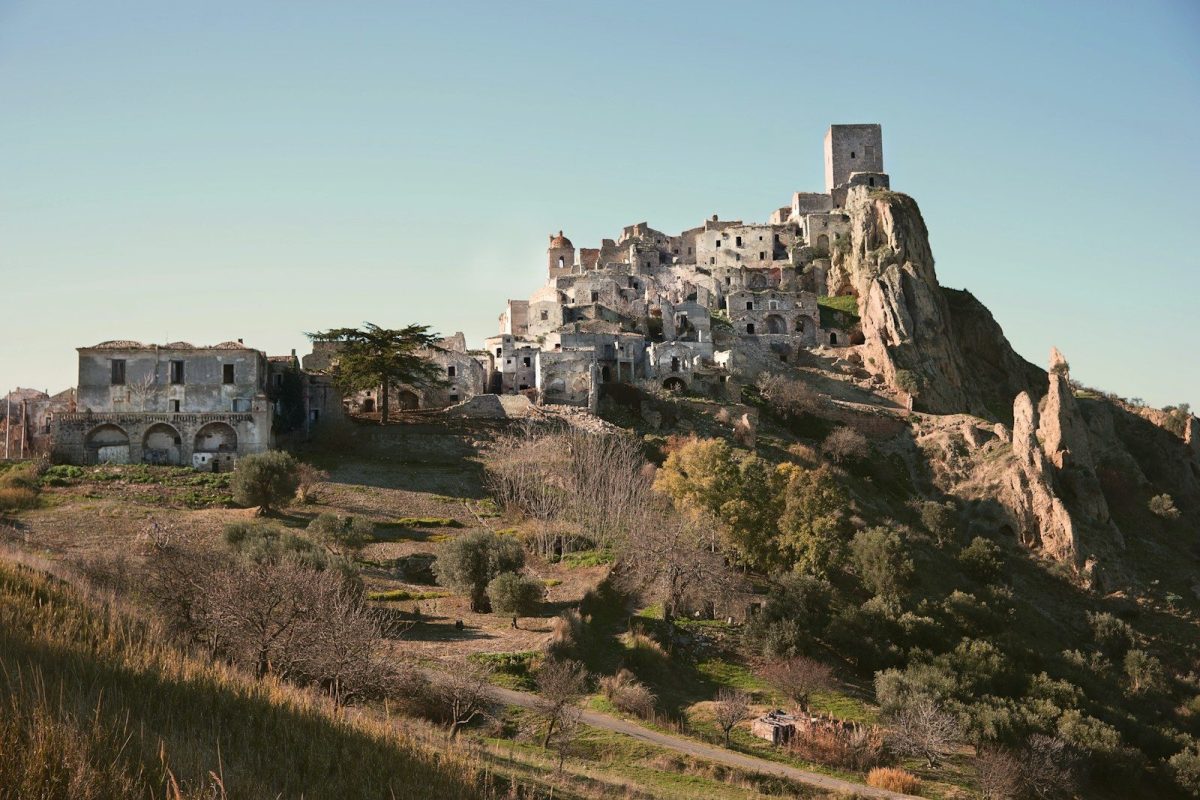
Craco sits on a rocky spur in southern Italy’s Basilicata region, inhabited for over a thousand years before a series of landslides between 1963 and 1980 forced the last residents to relocate to the valley below. What remains is a shell of stone houses, a leaning church tower, and narrow cobblestone streets with views across deeply eroded clay hills.
Filmmakers have used Craco as a location repeatedly, including as a biblical village in Mel Gibson’s 2004 film “The Passion of the Christ.” Guided tours are available, though visitors are kept clear of the most structurally compromised areas.
6. Centralia, Pennsylvania
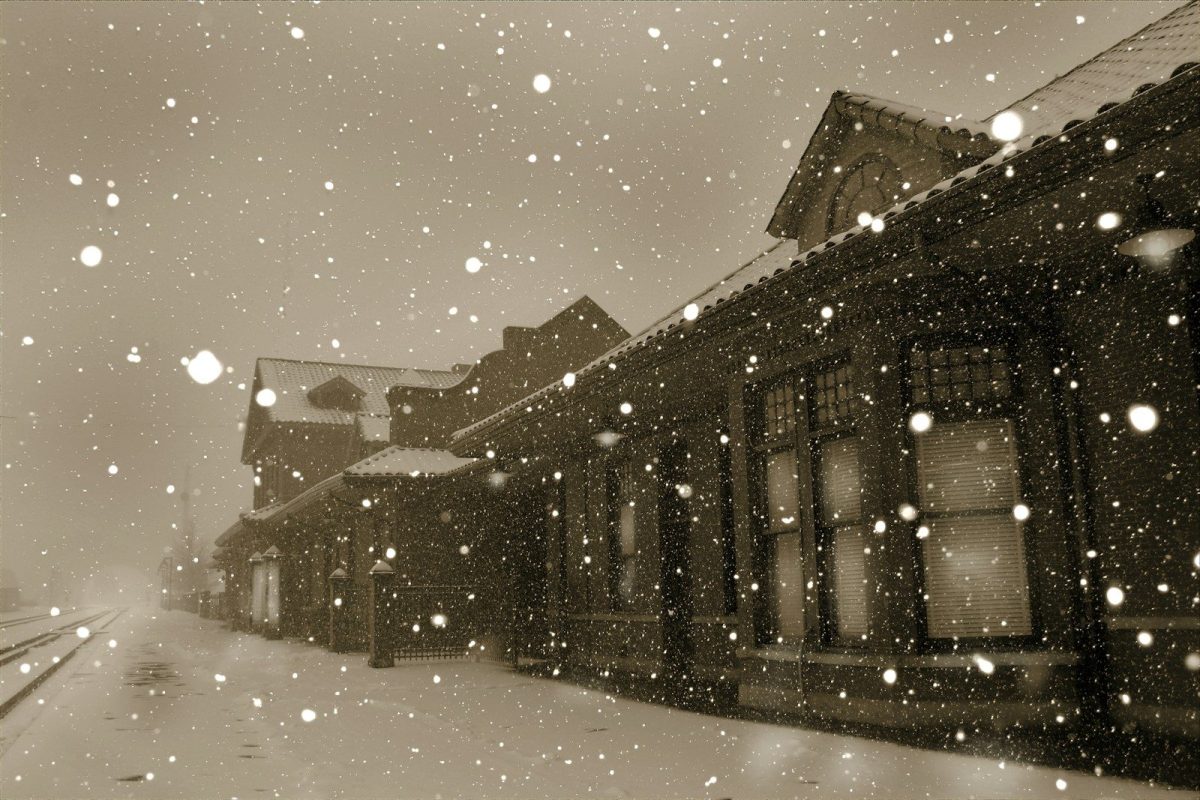
A coal seam beneath Centralia has been burning continuously since 1962, ignited during a controlled landfill burn. By the early 1980s, sinkholes were opening and carbon monoxide levels inside homes had become dangerous. The state bought out nearly all residents and demolished most buildings.
What remains is a grid of empty streets, cracked sidewalks, overgrown lots, and ground that still emits wisps of smoke. The underground fire could continue burning for another 250 years. Centralia is widely credited as the inspiration for the “Silent Hill” franchise, and the resemblance, walking those streets today, is immediate.
7. Bodie, California
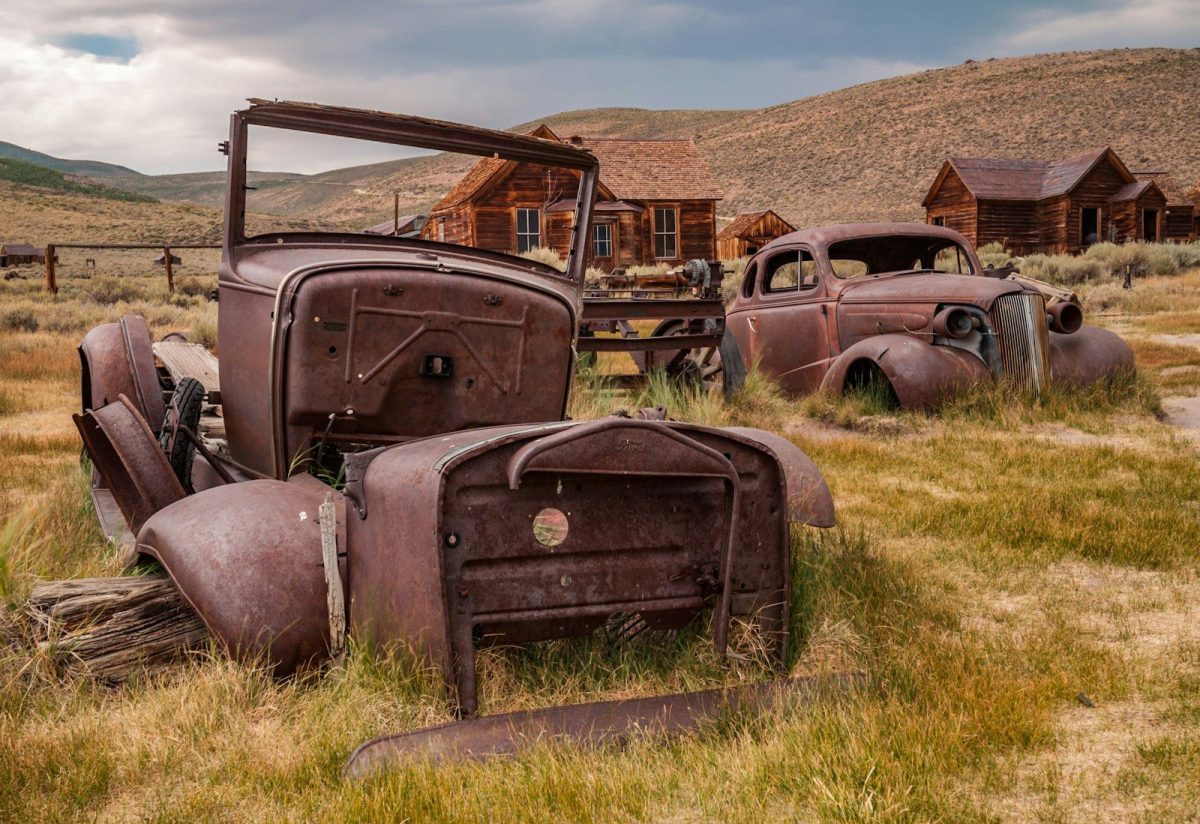
At nearly 8,400 feet in the eastern Sierra Nevada, Bodie peaked at around 10,000 residents during the gold rush of the late 1870s before emptying over the following decades. California designated it a State Historic Park under a policy of “arrested decay.” Buildings are stabilized but never restored.
Dishes remain on tables. Old cars rust in driveways. The road closes entirely in winter, and the silence in summer is absolute.
8. Varosha, Cyprus
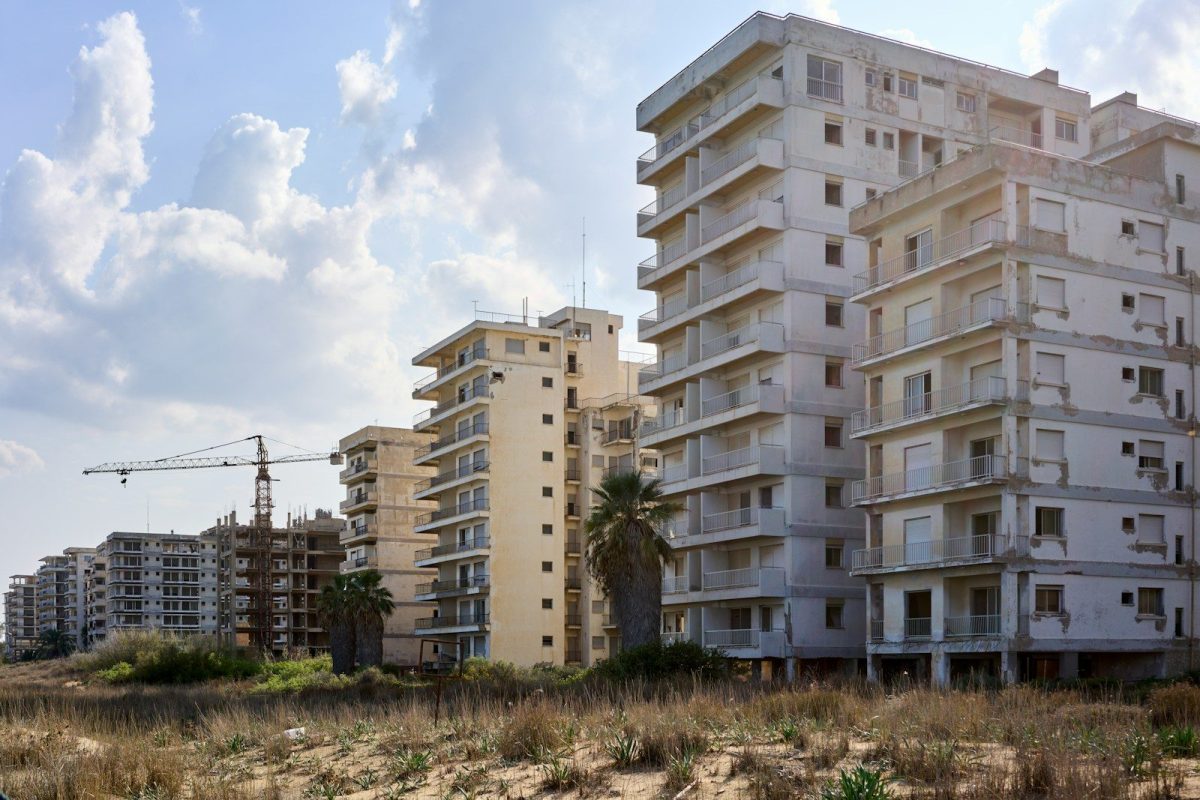
Varosha was among the Mediterranean’s most fashionable resort destinations in the early 1970s, its beachfront hotels hosting celebrities including Elizabeth Taylor and Brigitte Bardot. Turkey’s military intervention in Cyprus in August 1974 triggered a rapid evacuation of around 39,000 residents. The area was sealed behind barbed wire and left untouched for decades.
Partial reopening began in 2020. As of 2026, some streets and beachfront sections are accessible, with new businesses operating alongside buildings sealed since the mid-1970s. The frozen past and the returning present share the same block.
9. Fordlândia, Brazil
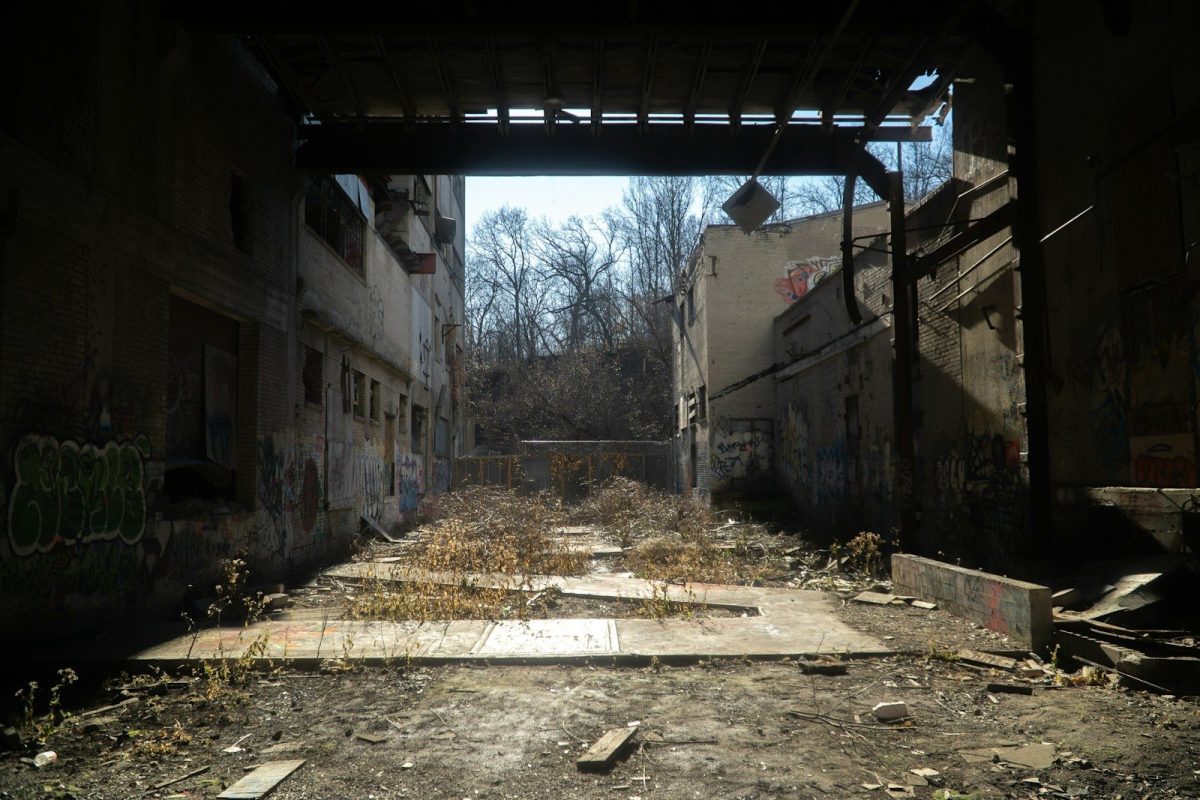
In 1928, Henry Ford purchased a vast tract of Amazon rainforest in Brazil’s Pará state, intending to grow rubber and house workers in a self-sufficient American-style town. Leaf blight destroyed the rubber trees. Workers rioted over the food and rigid rules. Flooding and disease compounded everything. Ford sold the operation at a loss in 1945 and never visited once.
The ruins remain: water towers, factory buildings, rusting machinery, and American-style houses being slowly absorbed by forest. Every place on this list was built by people who believed it would last. What they left behind is evidence of how people lived, what forced them out, and what the earth does the moment human attention moves elsewhere.
