
Travel is not only about seeing new places. It is also about showing respect to the people who live there.
When Americans travel to another country, small words can make a big difference. Some phrases may sound normal at home, but they can feel rude or careless in another place.
Here are seven things American travelers should avoid saying abroad, and what to do instead.
1. “What is the price in dollars?”

The U.S. dollar is important, but it is not used everywhere.
In many countries, people use their own money. Asking a shopkeeper to tell you the price in dollars can sound rude. It may also make it seem like you did not prepare for the trip.
Before you travel, learn the name of the local money. You can also use a currency app on your phone. This helps you understand prices without making the seller do extra work.
It also shows that you respect the country you are visiting.
2. “Everything is so cheap here.”
This may sound harmless, but it can feel hurtful.
A place may feel cheap to a visitor because wages, living costs, and money values are different. For local people, those prices may not feel cheap at all.
Saying this out loud can make you sound unaware. It can also make people feel like you are looking down on their country.
A better way is to simply be thankful. You can say, “This is a good price,” or “Thank you, I really appreciate it.”
That sounds kinder and more respectful.
3. “What state are you from?”
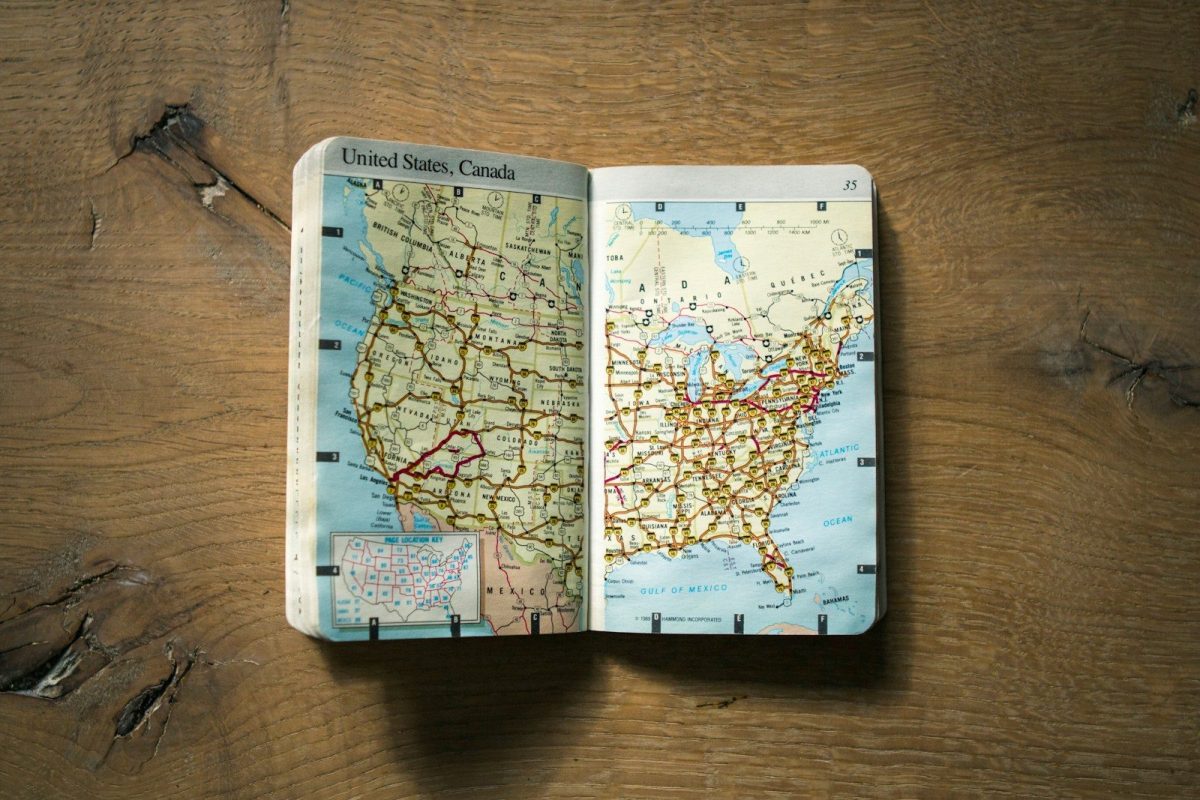
Not every country has states.
Some countries have provinces. Some have regions. Some are small city-states and may not be divided the same way as the United States.
When you ask someone what state they are from, it can show that you are thinking only in American terms.
A better question is, “Which part of the country are you from?” This works almost anywhere. It also sounds more open and polite.
Travel is a chance to learn how other places are set up. Small changes in your words can show that you care.
4. “Where is Starbucks?”

There is nothing wrong with liking a familiar coffee shop. Many travelers enjoy something they know, especially after a long flight.
But if the first thing you ask for is a big American chain, you may miss the best part of travel.
Local cafés often show you more about a place. You can try local coffee, local snacks, and meet people who live there. You may find something better than what you drink at home.
Instead of asking for Starbucks right away, try asking, “Is there a good local café nearby?”
You may end up with a much better memory.
5. “Your English is very good.”

This phrase may sound like a compliment, but it can feel strange.
Many people around the world speak English very well. In some countries, English is an official language. In others, people learn it in school or use it at work every day.
When you act surprised that someone speaks good English, it can sound like you had low expectations.
A better choice is to just keep the conversation going. If someone helps you in English, you can say, “Thank you for helping me.” That is simple and polite.
You do not need to comment on their language skills unless the moment truly calls for it.
6. “This is a third-world country.”

This phrase can sound very judgmental.
It can make a country seem poor, backward, or less important. That is not a kind way to speak about a place where people live, work, raise families, and build their lives.
Travelers should be careful with labels. A country can have challenges and still have beauty, culture, history, and strong communities.
If you need to talk about a country’s growth or economy, use simple and respectful words. You can say “developing country” if it fits the topic.
But in normal travel talk, it is often better not to label the country at all.
7. “This is not how we do it back home.”

This is one of the fastest ways to sound rude while traveling.
Different countries do things in different ways. Meals may be served differently. Shops may open at different times. People may speak, dress, drive, or act in ways you are not used to.
That is part of travel.
If you keep comparing everything to home, you may miss the chance to enjoy something new. You may also make local people feel judged.
Instead, try saying, “That is different from what I am used to.” This sounds more curious and less critical.
Travel works best when you stay open-minded.
Good travel manners are not hard. You do not need to know everything about every country before you go.
But you should try to be aware. Learn a few local words. Understand the local money. Support small local businesses when you can. Ask questions with respect.
You are a guest when you visit another country. The goal is not to act perfect. The goal is to be thoughtful.
When you speak with care, people often respond with kindness. And your trip becomes better because of it.
