
Travel advice gets passed around constantly online, but not all of it is accurate anymore. Some travel “rules” that people still follow today are outdated myths that can actually make trips more expensive, stressful, or less enjoyable.
As travel trends and technology continue changing, many old assumptions no longer apply the way they once did. Understanding which travel myths are false can help travelers save money, reduce stress, and make smarter decisions before their next trip.
Booking flights on Tuesdays no longer guarantees the cheapest fares
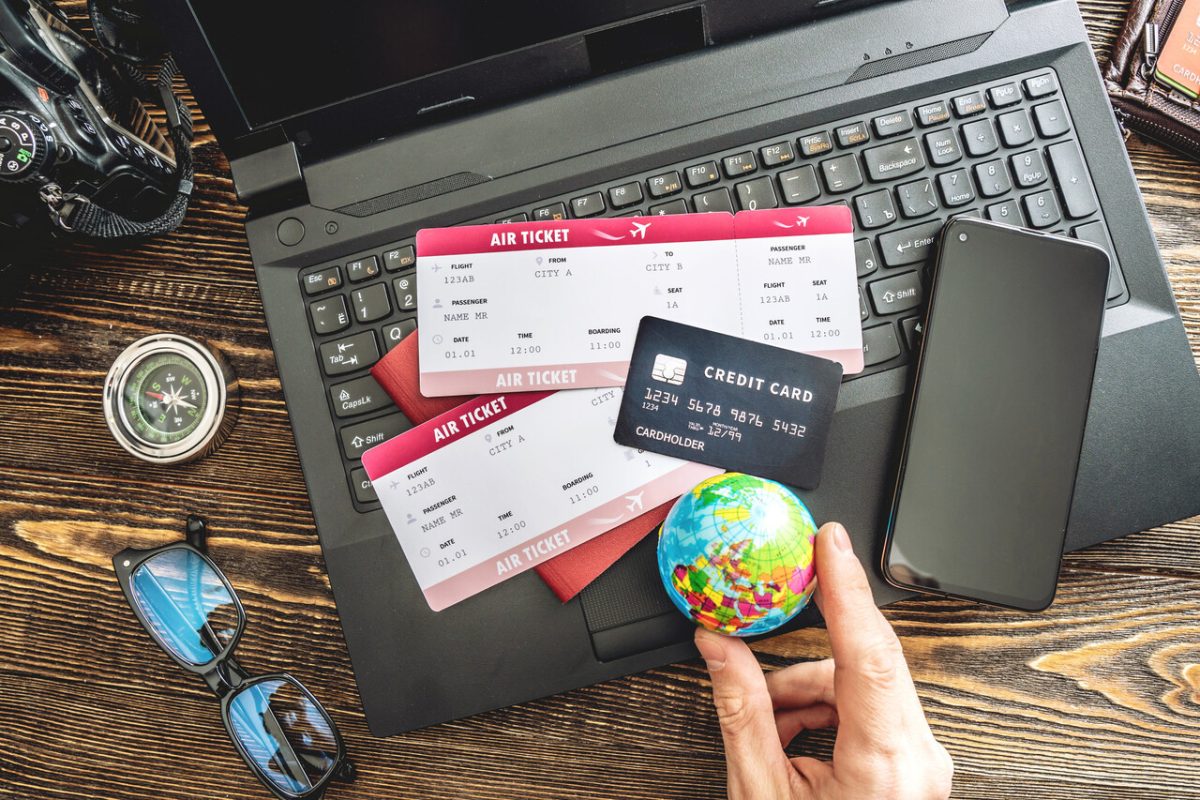
For years, travelers believed Tuesday was always the best day to find cheap airfare. While this occasionally worked in the past, modern airline pricing systems now change fares constantly using automated algorithms.
Flight prices can rise or fall multiple times a day depending on demand and competition. Flexible travel dates and price tracking apps are now far more useful than relying on a specific weekday.
Clearing browser cookies does not magically lower ticket prices
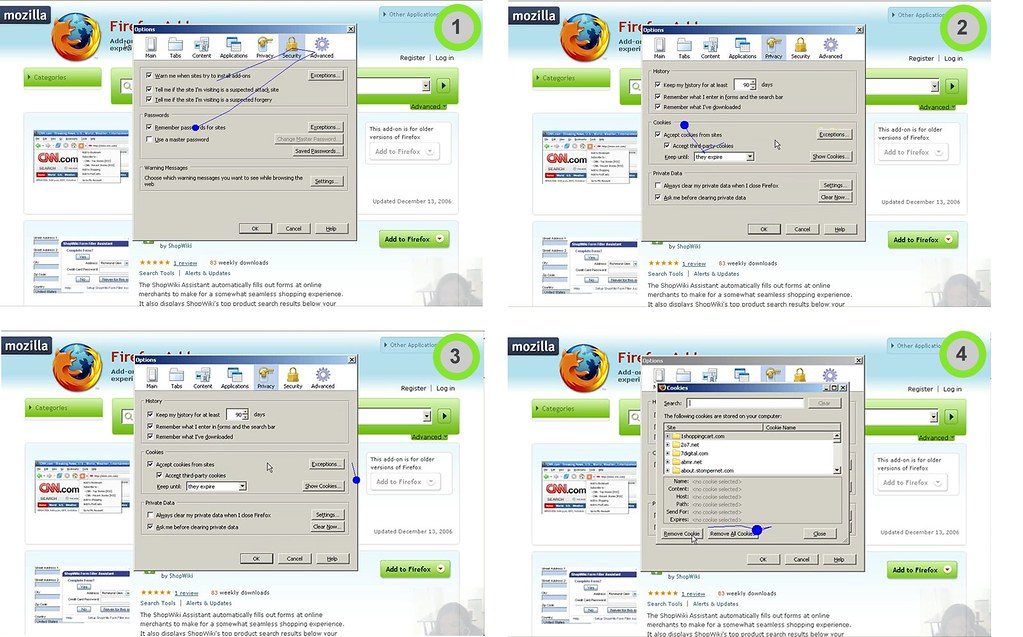
Many travelers still believe airlines raise prices simply because someone repeatedly searches for the same flight online. In reality, most airfare changes are driven by demand, seat availability, and automated pricing systems.
While prices can increase during repeated searches, it usually happens because inventory is changing in real time. Using comparison tools and fare alerts is generally more effective than clearing cookies.
Last-minute bookings are not always cheaper

Some travelers still wait until the final days before a trip hoping hotel or flight prices will suddenly drop. While occasional deals exist, last-minute bookings often become more expensive during busy travel seasons.
Hotels and airlines now use advanced pricing systems that adjust rates based on demand forecasts. Booking too late can sometimes lead to fewer choices and significantly higher costs.
Currency exchange at airports is rarely the best option
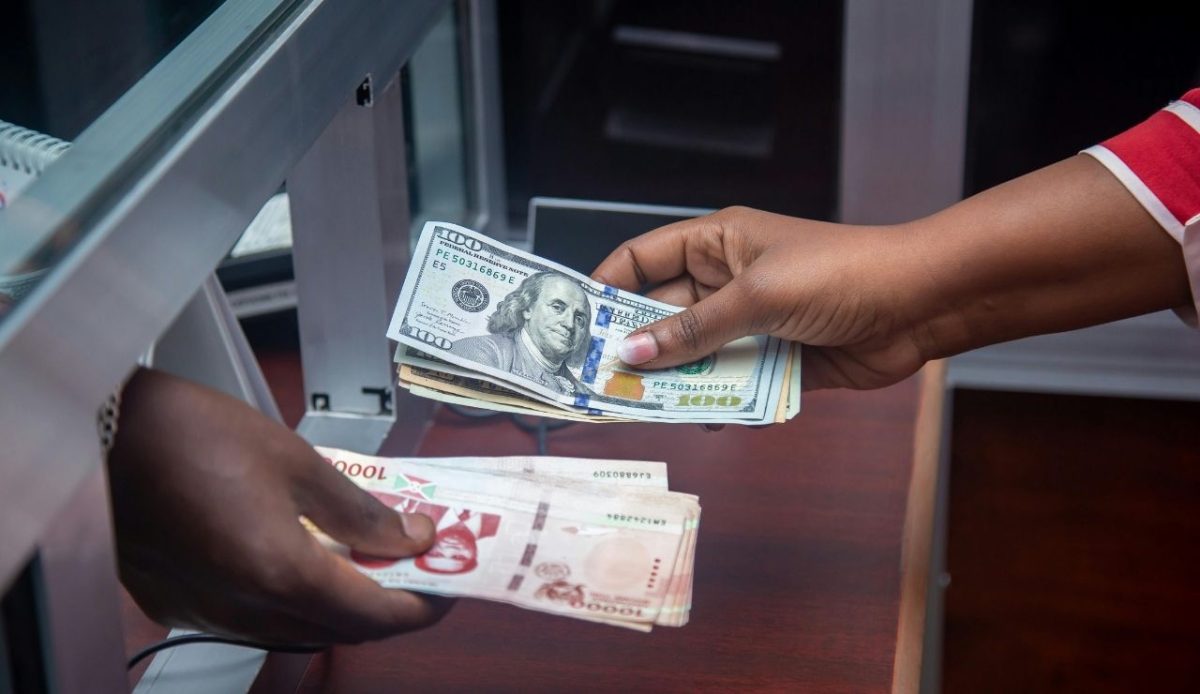
Airport exchange counters remain convenient, but they usually offer worse exchange rates and higher fees. Many travelers still lose unnecessary money by waiting until they arrive at the airport to exchange cash.
Using bank cards with low foreign transaction fees or withdrawing money from trusted ATMs is often cheaper. Planning currency needs before traveling usually leads to better overall rates.
More expensive hotels do not always mean better experiences

Many travelers assume luxury hotels automatically provide the best vacations, but smaller properties often deliver more personal experiences. Boutique hotels and locally owned stays can sometimes offer better service and unique local character.
Modern travelers increasingly prioritize location, atmosphere, and local culture over luxury branding alone. In many cases, mid-range accommodations provide better overall value.
Why modern travelers are questioning old travel advice

Travel has changed dramatically because of technology, dynamic pricing, and changing traveler priorities. Advice that worked years ago may no longer apply in today’s fast-moving travel industry.
More travelers are now relying on real-time tools and flexible planning instead of outdated myths. Understanding how modern travel actually works can lead to cheaper, smoother, and more enjoyable trips.
