
Viking River Cruises were not something that immediately came to mind for many travelers. They are often associated with older guests, quiet itineraries, and structured sightseeing. That perception changed after a personal family trip along the Danube River, following a previous Rhine River cruise taken by parents years earlier.
What started as a hesitant decision quickly turned into a very different travel experience than expected, beginning the moment a Viking-appointed driver met passengers at midnight in Budapest after a long and disrupted journey from the United States through multiple layovers in Europe.
From that moment, it became clear that river cruising operates in a completely different travel rhythm.
The unexpected comfort of a fully managed journey
One of the most noticeable differences on a Viking River Cruise is how much is handled by the cruise line from the start.
Airport transfers are arranged, luggage is collected and delivered directly to the cabin, and assistance is provided even when flights are delayed or connections are missed. In cases of travel disruptions, support staff help coordinate solutions and keep passengers informed.
For travelers used to planning every detail themselves, this level of coordination feels unfamiliar at first, but quickly becomes one of the most appreciated parts of the experience.
A travel experience built around ease and consistency
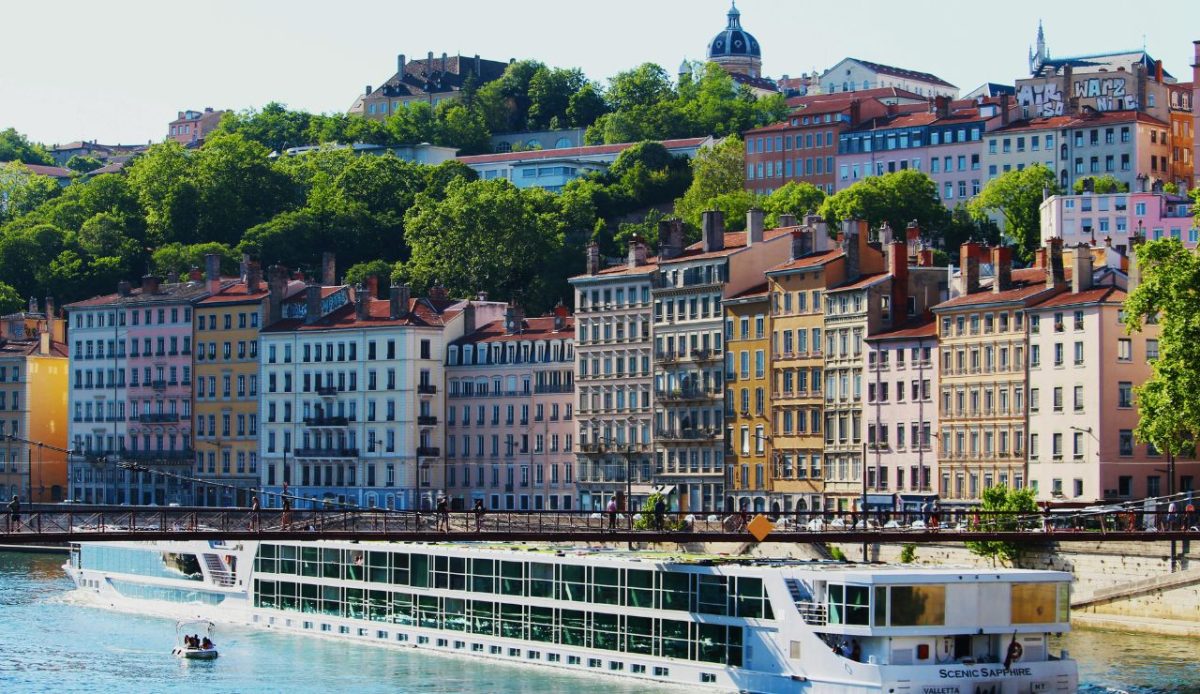
Onboard, the ship is described as modern, clean, and designed with a Scandinavian aesthetic. Large windows in shared spaces create an open atmosphere, and the scenery outside becomes part of the experience throughout the day.
Service is consistently highlighted as a strong point, with staff offering attentive and friendly support. Meals are structured but varied, with regional dishes included at dinner and multiple dining options available throughout the day.
Drinking water is provided regularly without needing to think about it, which stands out as a small but meaningful detail during travel.
Included excursions change the pace of sightseeing
Another defining feature is the inclusion of guided excursions at nearly every stop.
Instead of independently researching attractions, transportation, and routes, passengers join organized tours led by local guides. These excursions are designed to cover key highlights of each destination, offering structure and context without the need for planning.
While efficient and informative, this format naturally limits flexibility, as time in each location is scheduled and group-based.
A strong sense of community on board
The social environment on a river cruise is notably different from many other types of travel.
Passengers quickly become familiar with one another through shared meals, group excursions, and onboard presentations. Conversations develop easily, and many travelers are experienced and open to social interaction.
At the same time, the demographic tends to be older, and solo travelers often choose the experience for its built-in community.
However, for those who prefer solitude, the constant social interaction can sometimes feel overwhelming.
Tradeoffs that come with structured travel
While the experience offers convenience and comfort, there are limitations that first-time travelers may not anticipate.
Onboard fitness options are minimal, and space in cabins is compact, especially in entry-level rooms. Internet connectivity can also be unreliable depending on location and route.
Excursion schedules mean that time in each destination is limited, which reduces opportunities for spontaneous exploration or extended stays in a single place.
There is also a strong group structure throughout the journey, which can make the experience feel less independent compared to traditional travel.
A different way to experience Europe
Viking River Cruises offer a highly organized and comfortable way to see multiple European destinations without the stress of constant planning.
The experience is shaped by convenience, guided exploration, and a steady pace that emphasizes relaxation over independence.
For many travelers, especially first-timers, the biggest surprise is not what is included, but how different the entire style of travel feels compared to traditional trips.
It is not just transportation between cities. It is a fully structured way of seeing Europe, with its own rhythm, routines, and expectations.
