
Travel in 2026 is starting to look very different. Instead of rushing through airports, ticking off landmarks, and hopping between cities every other day, more people are choosing to slow things down. This new mindset, known as slow travel, has gone from a small lifestyle choice to one of the biggest travel trends of the year.
At its core, slow travel is simple. It is about spending more time in fewer places and actually experiencing them instead of just passing through.
From checklist trips to real experiences
For years, many travelers followed the same pattern. Fly into a city, visit the top attractions, take a few photos, and move on. But that style of travel often leaves people feeling tired instead of refreshed.
Slow travel is a reaction to that. In 2026, travelers are focusing less on how many places they can visit and more on how deeply they can connect with one destination.
Instead of changing cities every two days, people are now staying in one place for a week or more. They explore local neighborhoods, sit in cafés, talk to residents, and try to understand daily life.
The goal has shifted from “seeing everything” to “feeling a place.”
Why more travelers are slowing down
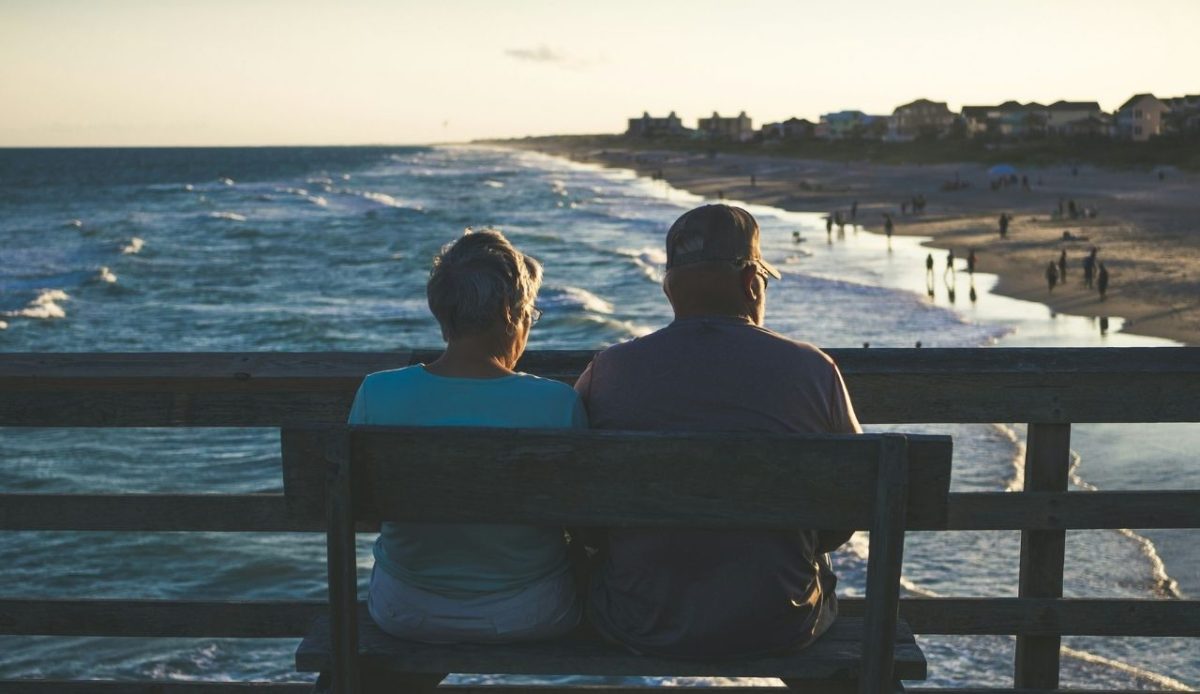
Several reasons are driving this change.
One big factor is burnout. After years of busy schedules and constant digital noise, many travelers want vacations that feel peaceful instead of rushed.
Another reason is climate awareness. More people are choosing trains or buses over short flights and looking for ways to reduce their travel footprint.
There is also a growing interest in “cooler” destinations like mountain regions and northern countries, where the pace of life naturally feels slower.
Travel becomes the journey, not just the destination
Slow travel also brings back the joy of the journey itself. Train travel, especially, has seen a major comeback. Instead of flying over landscapes, travelers are watching them unfold from their window seat.
Walking and biking are also becoming more popular, especially in cities designed for pedestrians. The focus is on enjoying the in-between moments, not rushing past them.
Living like a local
One of the most important parts of slow travel is connection. Travelers are staying in locally owned guesthouses, shopping at neighborhood markets, and eating at small family-run restaurants.
This creates a very different experience compared to staying in large hotels or rushing through tourist-heavy areas. Over time, travelers start to feel less like visitors and more like temporary locals.
Simple routines, like returning to the same bakery each morning or greeting the same café owner, become part of the trip experience.
The rise of simple and quiet stays
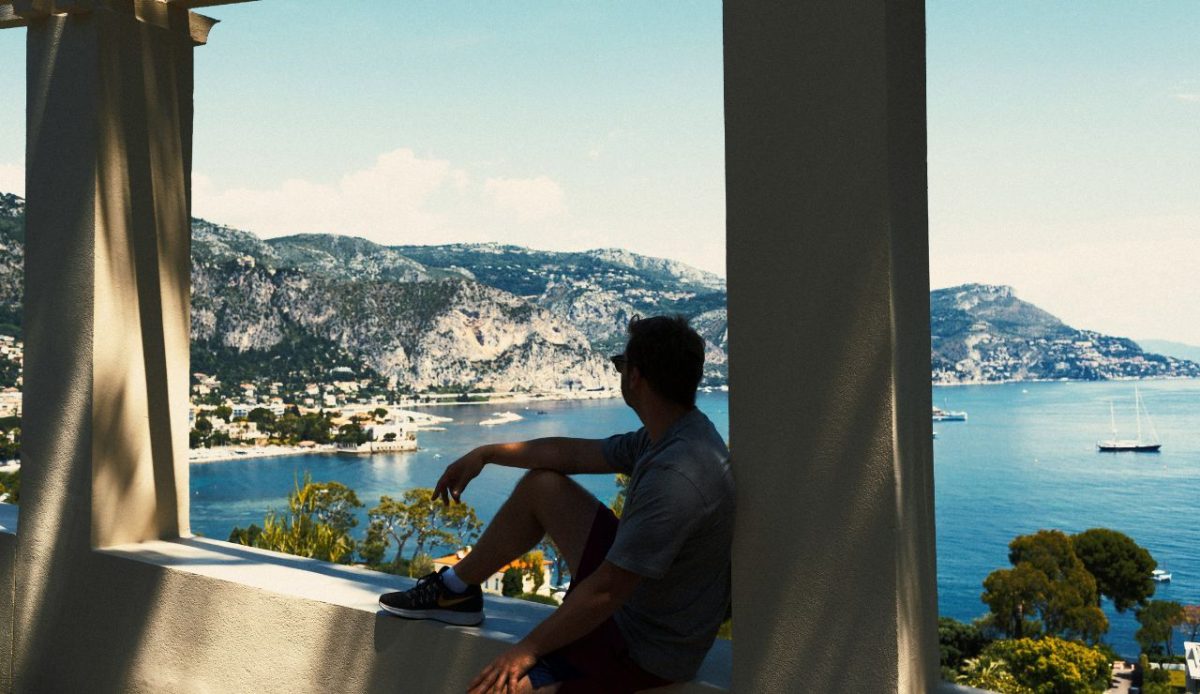
Slow travel has also led to the rise of farm stays and countryside retreats. Many travelers are choosing places where they can disconnect from screens, enjoy nature, and take part in everyday activities like gardening or cooking with local hosts.
These trips are less about planning every detail and more about just being present in the moment.
Why people love slow travel
The benefits of slow travel go beyond sightseeing.
It helps people feel more relaxed because there is no pressure to constantly move. It allows for deeper cultural understanding since travelers spend more time in one place. It can also be more affordable, especially when staying longer in one accommodation or eating like locals.
Most importantly, it creates stronger memories. Instead of remembering a blur of airports and landmarks, travelers remember conversations, small moments, and familiar streets.
A calmer way to see the world
Slow travel is not about doing less. It is about experiencing more in a meaningful way.
In 2026, as more travelers look for balance and authenticity, this approach is becoming less of a trend and more of a new normal. It is a reminder that sometimes the best way to see the world is not by moving faster, but by slowing down.
