
Nashville’s live music culture is adjusting to tighter entry routines as venues, festivals, and downtown events put more emphasis on screening, bag checks, and arrival timing.
Official venue policies at places such as the Ryman Auditorium, Grand Ole Opry House, and Brooklyn Bowl already require searches and prohibit oversized bags or certain items, while Metro event rules set clearer limits for amplified sound and end times.
For audiences, the change is less about reducing access than about making entry more controlled, predictable, and security-focused across a busy entertainment market for both locals and visitors.
Entry Now Starts Earlier Than Fans Expect
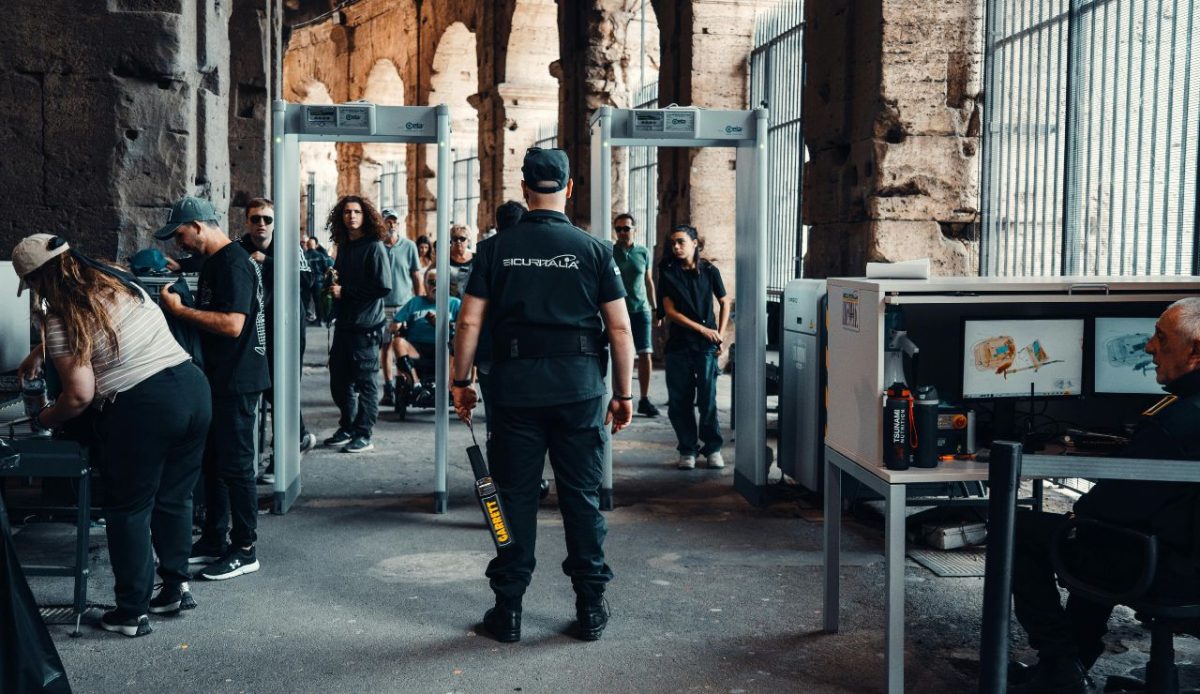
Venue entry now starts earlier than many fans expect. The Grand Ole Opry House advises guests to arrive early because metal detector screening and bag checks are part of the standard process, and Brooklyn Bowl likewise encourages early arrival because everyone entering may be searched.
That changes the rhythm of a Nashville night out: less last-minute dash from dinner to doors, more time built in for security lines, ticket checks, and secondary screening when needed.
In practical terms, the pre-show window has become part of the event rather than a quick step before the music begins for the night.
Bag Rules Are Part Of The Experience
Bag policies are also becoming more central to the concert experience. At the Opry, oversized bags are not allowed unless medically necessary, while the Ryman prohibits oversized bags and backpacks and subjects bags to search.
Brooklyn Bowl says it does not require clear bags, but large bags and backpacks are still not allowed, and all bags are searched. That mix of similar goals and different house rules means visitors cannot assume one standard works everywhere.
In Nashville, the safe approach is to carry less, check venue guidance in advance, and treat entry rules as venue-specific, not citywide.
Identification Checks Matter More At Some Stops

Identification rules are shaping access as much as security screening. Brooklyn Bowl Nashville says it accepts physical government-issued identification, including a driver’s license, non-driver ID, or passport, and some events on its calendar are age-restricted.
That matters in a city where one evening can include a historic theater, a Broadway club, and a late set elsewhere. Fans now have to think about more than ticket possession alone.
The practical expectation is simple: bring a valid physical ID, review any age limits before leaving, and assume digital shortcuts may not solve an issue at the door.
Operators Are Balancing Access And Compliance
The adjustment is affecting operators as well as audiences. Metro Nashville’s special event permit rules require events to end by 11:59 p.m., and any amplified sound must end by or before 11 p.m.
Planning discussions have also highlighted concerns that additional regulation can create barriers for independent venues, especially where outdoor sound and nightlife overlap with nearby residential areas.
That leaves promoters balancing safety, crowd flow, neighborhood impact, and show timing at once. In Nashville, compliance is increasingly part of venue management rather than a separate backstage detail.
The Scene Feels More Structured, Not Less Musical

For performers and fans, the result is a music scene that feels more structured without losing its identity. The songs, stages, and neighborhoods are still the draw, but the path into the room is more managed than it once was.
Weapons bans, prohibited-item lists, bag searches, and walk-through detection are now ordinary parts of the guest experience at major venues. Nashville’s music culture has long thrived on spontaneity, yet its current model leans toward preparation.
The people who adapt best are usually the ones who arrive early, pack lightly, and treat venue rules as part of the night’s plan.
