
Dubai runs on apps, cards, and official portals for parking, utilities, and permits. That convenience can be copied. Many fraud cases are built on imitation, not force, and the first hook is usually a message that looks routine.
Targets include tourists who do not know local payment paths and residents juggling fast alerts. A link, a QR code, or a phone call can push a quick action. When credentials or payment details get shared, losses can spread across accounts.
Each section explains one mechanism and the weak point it exploits. The aim is practical recognition. If the trigger and the request do not match a verified channel, the safest move is to stop, verify, and report.
1. Fake Police Fine Links
A text claims a traffic fine is due and adds a short deadline. The sender label mimics an authority name, and the link resembles a government address, so fear of penalties pushes fast payment.
The page copies familiar logos and form fields. Card numbers and one-time codes are entered, then a transfer is triggered, or the card is stored for later charges that may appear days after the first click.
Real fines are checked through official apps or portals, not through unsolicited links. If a notice arrives, search the fine using an official site you open yourself and report the message if it looks suspicious.
2. Parking QR Sticker Traps
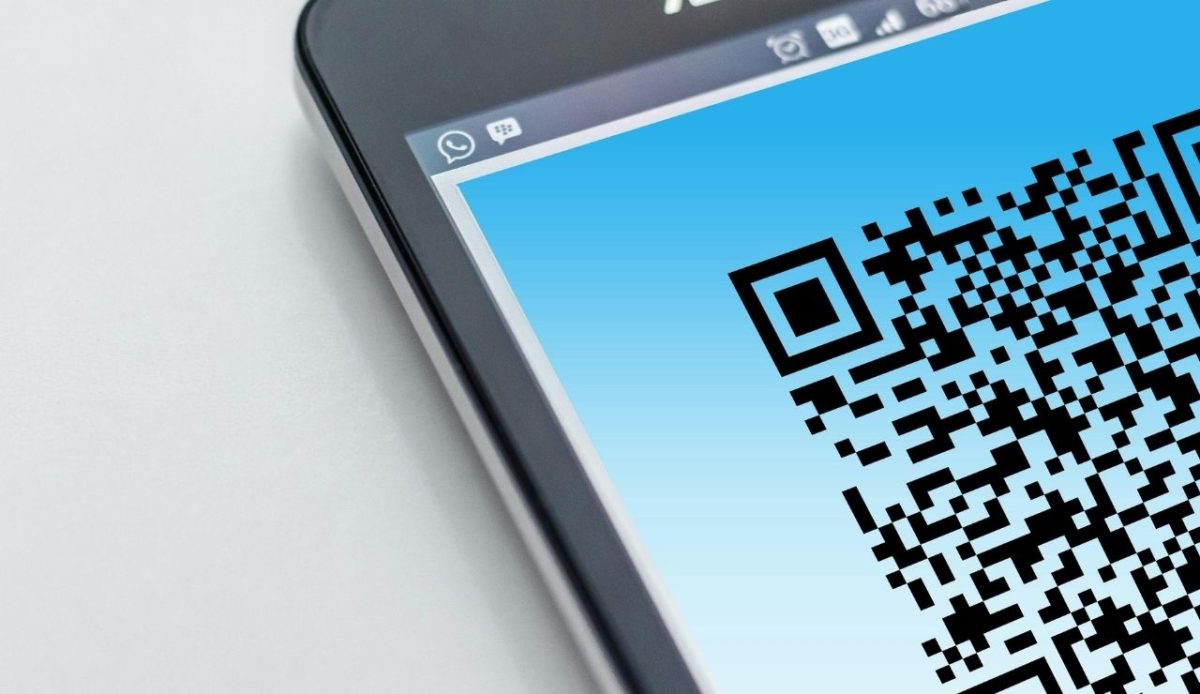
A QR sticker is placed over a legitimate parking label on a meter or sign. Scanning feels normal when a driver is rushed, and the sticker can blend in by copying colors and icons.
The code sends the phone to a fake checkout page that requests card details or wallet approval. Data is captured, and small test charges may run first before larger withdrawals are attempted.
Official parking payments use approved apps, SMS numbers, or machines. If the code looks pasted on, damaged, or mismatched with the location, pay through the official method and report the tampered sign.
3. Rental Deposit Before Viewing
A rental listing shows a low price and claims high demand. The contact pushes urgency and requests a holding deposit to reserve the unit, often insisting that a viewing can happen later. A story about travel or an agent holding keys is used to justify it.
After the transfer, the listing disappears, or the agent becomes unreachable. Photos may be lifted from other ads, and the address can point to a building that was never tied to the offer.
Do not send money before a verified viewing and documented contract steps. Use licensed brokers and confirm ownership records. If payment is demanded immediately, treat the deal as high risk. Ask for a trade license and verify it.
4. Job Offer With Upfront Charges

A recruiter offers quick hiring and promises visa handling. The applicant is told a fee is needed for medical tests, onboarding, or document stamps, and the payment is framed as refundable. Offer letters can be copied from real brands with minor edits.
After payment, new fees appear, and the start date keeps moving. ID scans and bank details may be requested, which can be reused for identity fraud beyond the initial loss.
Employers normally cover visa processing costs. Verify the company through official registries and contact details you find independently. Any job that requires payment from the candidate should be rejected. Keep copies of messages as evidence.
5. Pilgrimage Package and Visa Fraud

Ads offer discounted pilgrimage trips with limited slots. The seller claims visas and flights can be arranged quickly if a deposit is sent at once, often through social media chats. Photos of past groups and hotel vouchers may be reused.
Documents may be forged or never delivered. Victims learn the truth when trying to verify permits or when travel is denied, after funds have been routed through hard-to-trace accounts.
Use approved travel agents and confirm visa routes through official authorities. Avoid offers that demand instant transfers and refuse to provide verifiable licensing details or clear refund terms. Insist on agency licensing proof in writing.
6. Fake Official Letters and Invoices
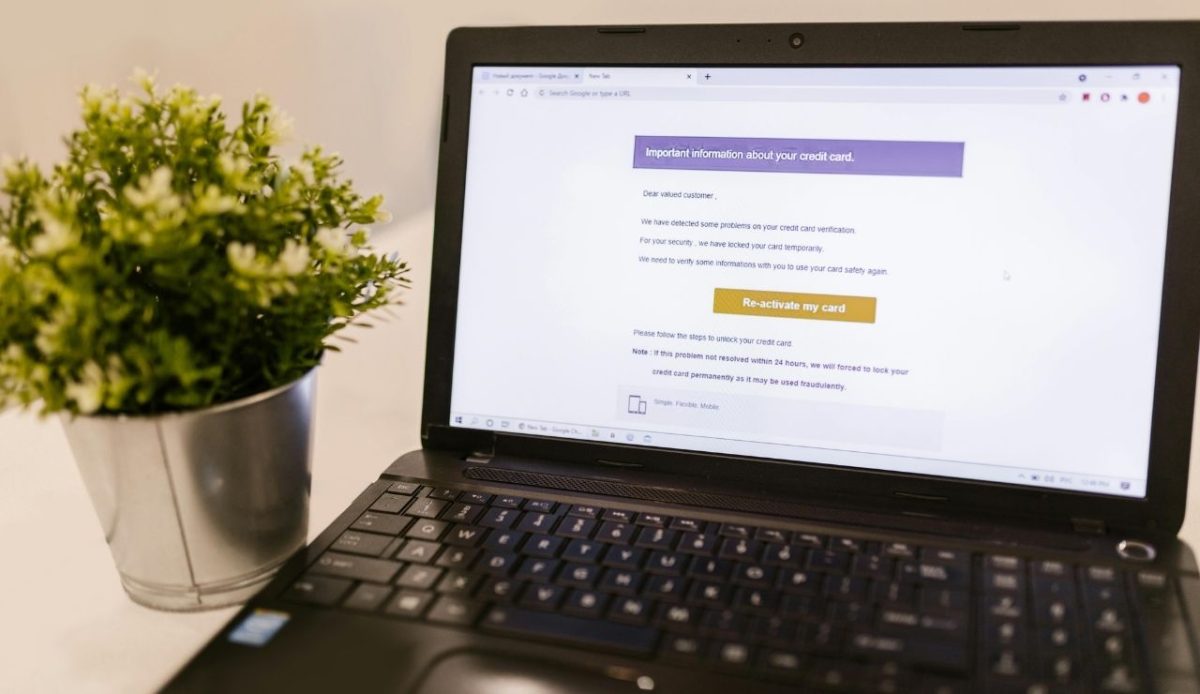
An email attachment claims a court notice, municipality fee, or service invoice. Formal language and seals are used to create authority, and a payment deadline is added to push action. Sender addresses can be spoofed to resemble official domains. Small errors in names or logos can appear.
Payment details often point to a private account or a link that imitates a payment gateway. If paid, follow-up is blocked, and the victim may face more demands using the same threat pattern.
Official notices can be verified through government portals or known phone numbers. Do not pay from the emailed bank details. Confirm first through an official channel you locate, and avoid opening unknown files.
7. Prize Call With Release Fee

A caller announces a prize or cash reward and asks for a fee to release it. The script claims the money covers processing, tax, or activation, and the story is kept friendly and calm. The caller may reference a mall draw or event entry to sound familiar.
Once paid, more payments are requested, and the promised transfer never arrives. Details shared during the call can also be used later for targeted phishing or account reset attempts. The caller may demand secrecy to isolate you.
Treat unexpected prize claims as suspicious. Legit promotions do not require advance fees to receive winnings. End the call and verify on the brand site you find yourself, not from a number provided.
8. Unlicensed Ride Overcharge
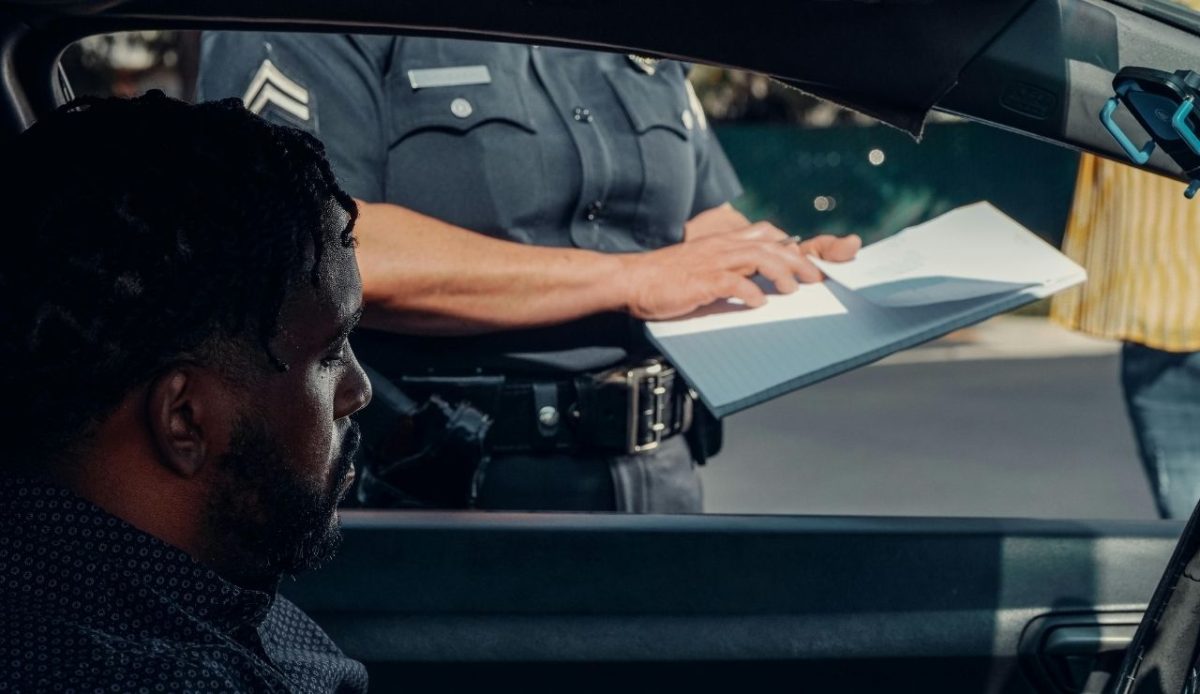
An unlicensed driver offers a ride near hotels or malls and quotes a flat fare. The pitch relies on convenience when queues are long, and the driver may claim that regulated taxis are unavailable. The driver may offer to skip queues or claim a special rate.
The vehicle may have no meter, or a fake meter may be used. Overcharges occur, and receipts are missing, leaving little basis for recovery. Detours may be added to raise the total and confuse the route. Route changes are used to justify the price.
Use regulated taxis or approved ride apps and confirm plate and driver details in the app. If a driver avoids official booking, declines, and moves to a legal pickup area where pricing rules apply.
9. Fake Bank Security Alert

A message claims suspicious activity and urges immediate verification. It may arrive by SMS, email, or chat and includes a link or a request for a code that looks like a normal security step. The wording often urges action within minutes.
The link collects login data, or the caller asks for one-time passwords that enable account takeover. Transfers can be initiated quickly, and limits may be changed once access is gained.
Banks do not ask for passwords or codes through messages. Use the bank app or the number on your card. If concerned, freeze the card through official tools and call the bank to confirm activity.
10. Utility Disconnection Pressure
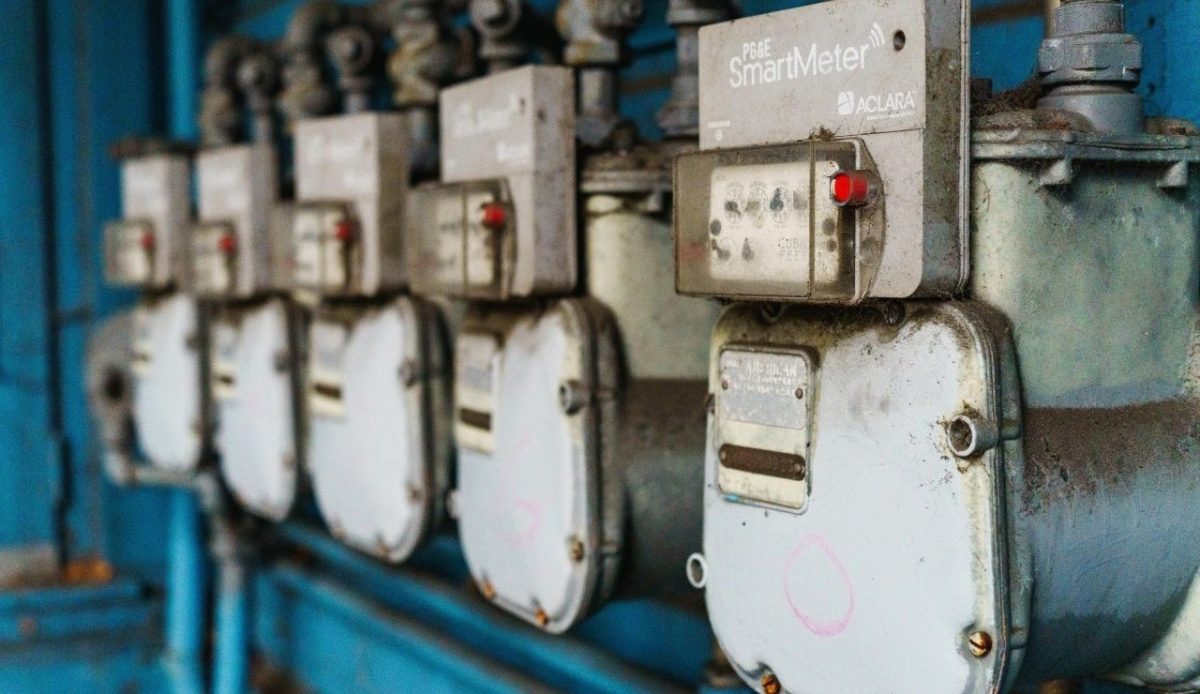
A message warns that power or water will be cut off unless the bill is paid immediately. The scam works because interruption feels urgent, and the amounts requested are often plausible. A reference number may be included to make the notice look routine.
The link leads to a fake bill page that captures card details. Some variants ask for a code to confirm payment, which can be used to authorize a transfer instead of a bill settlement.
Pay utilities only through the official app, kiosk, or portal you access directly. If a disconnection threat arrives, verify through your account login, not through the link, and contact support using a known number.
11. Parcel Held Customs Fee
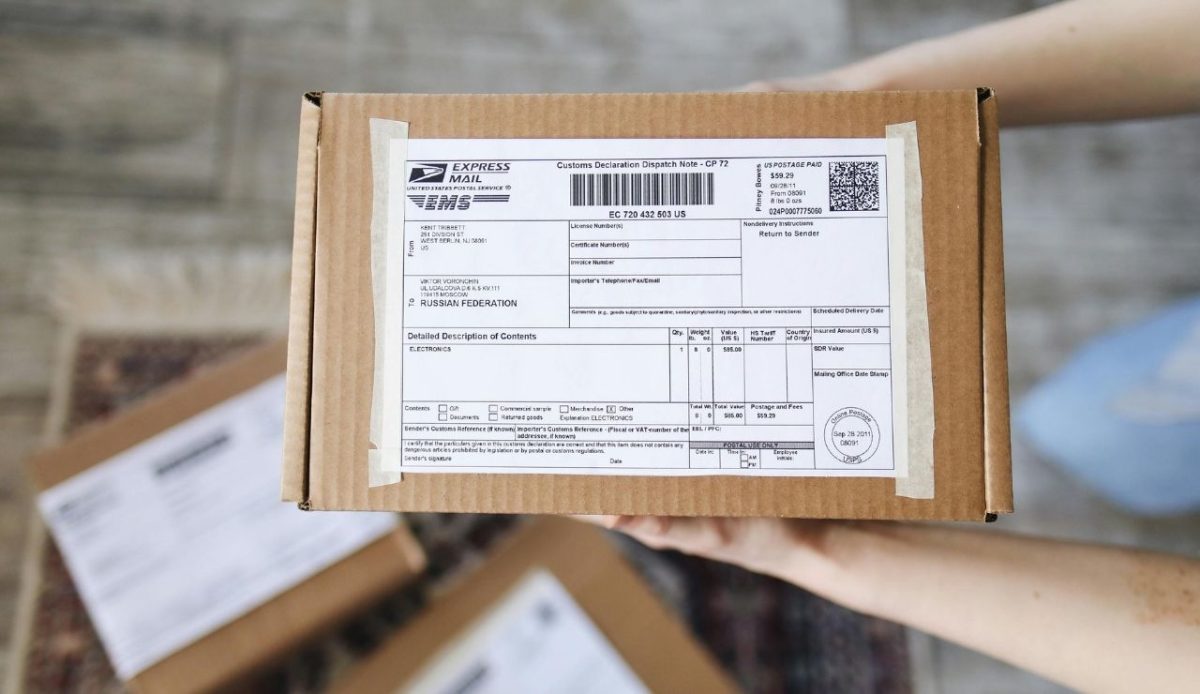
A notice claims a package is held, and a small customs or redelivery fee is required. It includes a tracking-like number and a short window, pushing the victim to pay quickly. It often targets people who recently ordered goods, so it feels plausible.
The payment page is fake and collects card data. After a small debit, repeated charges may follow because the details were harvested, and address data can be used for later targeting. A small debit may be used as a test.
Type the carrier site address yourself and check tracking there. If you did not expect a parcel, do not pay any fee. Report the sender to the carrier fraud channel and request a new card if you paid.
