
Burnout shows up as shallow sleep, low patience, and a crowded mind. Spring travel helps when the season makes basics easier: mild temperatures, longer daylight, and fewer peak season disruptions that can keep nerves on edge for days.
These destinations are picked for spring advantages you can verify: steadier transit, open trails before heat spikes, and visitor levels that stay manageable. That means fewer lines, simpler days, and less planning churn.
Aim for one main plan daily, then leave space for meals and rest. With predictable timing and lower noise, the trip can rebuild energy, steady sleep, and bring back clear attention at home again.
1. Azores, Portugal
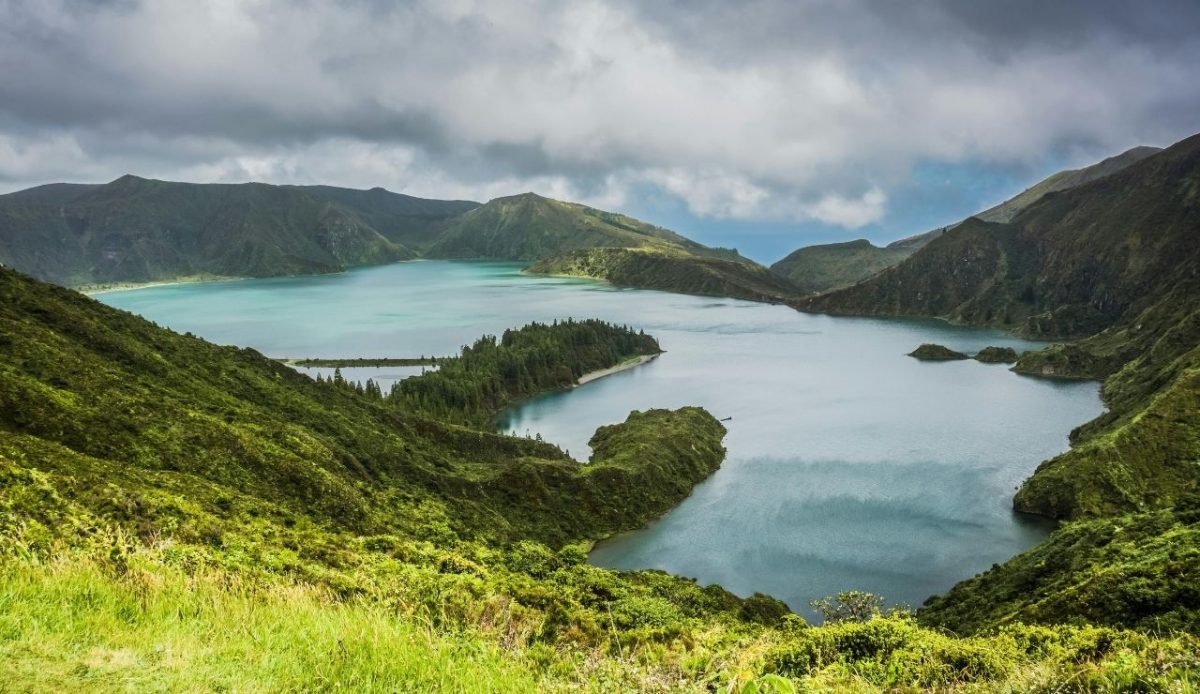
April and May are prime months for whale and dolphin watching in the Azores, tied to well-documented migratory movement across the mid-Atlantic. Spring also brings cooler, steadier conditions than summer heat, and crowds are typically lighter before peak travel.
On São Miguel, short drives link crater lakes, coastal lookouts, and gentle thermal areas, so long transfers are avoided. Many walks are graded and clearly signed, which keeps the effort moderate while still getting daily movement.
Flights connect through Lisbon, and local services run on fixed timetables, so days can stay predictable. With a stable lodging supply in spring, a longer stay in one base can be planned, which lowers decision fatigue and supports recovery.
2. Madeira, Portugal
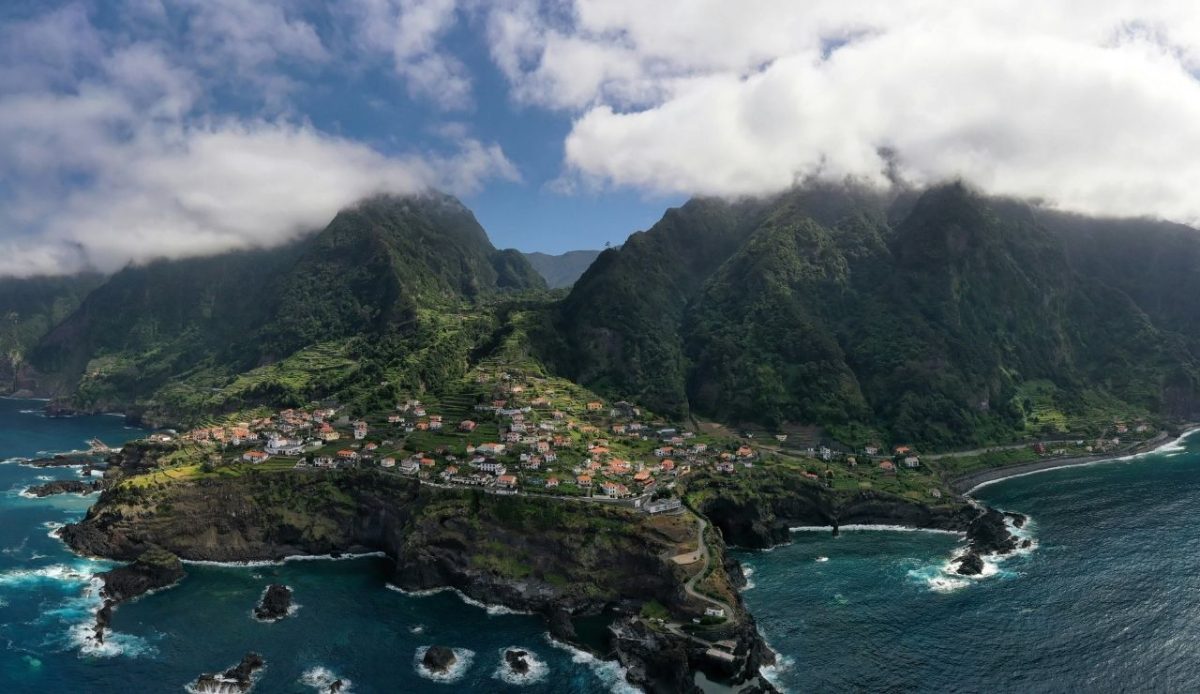
Madeira’s spring weather stays in a narrow comfort range because the ocean moderates swings, which lowers cancellation risk. The Funchal Flower Festival is scheduled in spring, and outside the busiest parade days, the city tends to feel calmer than mid-summer.
Levada routes were built for water management, so many paths hold steady grades and consistent footing. That design supports low-strain walking, which is often recommended for stress recovery when intense workouts feel counterproductive.
Funchal is compact, and taxis and buses cover key areas, so planning stays simple. Spring prices are usually below high season levels, and reservation pressure is reduced, which helps travelers keep a slow pace and protect sleep.
3. Jeju Island, South Korea
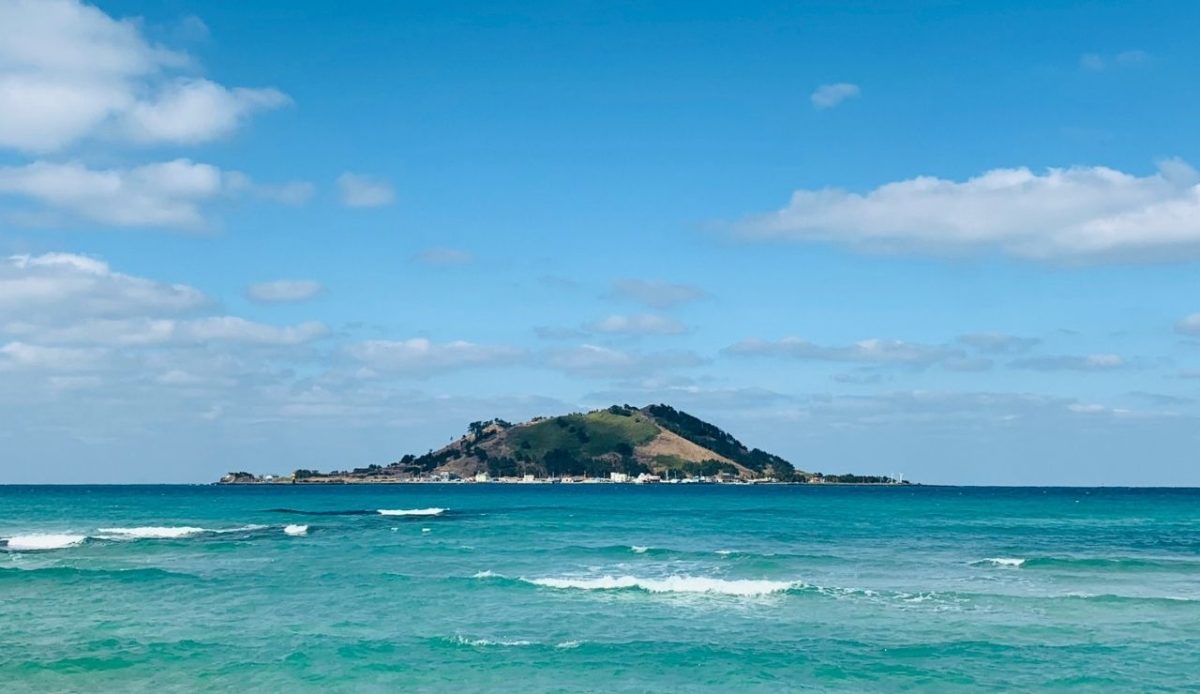
Jeju’s most reliable spring window is generally March and April, when humidity is lower and major storms are less common than later in the year. That steadier weather supports outdoor time without the stop-start pattern that can drain tired travelers.
Canola blooms spread across multiple districts, so crowds can be managed by choosing less-promoted fields and visiting early. Easy coastal paths and short forest walks offer movement without heavy elevation or long drives.
Public buses, taxis, and ring roads connect the main areas with predictable travel times. Spring demand rises near festival weekends, but midweek stays still tend to be smoother, which helps preserve energy and keep daily plans flexible.
4. Interlaken and Lauterbrunnen Valley, Switzerland
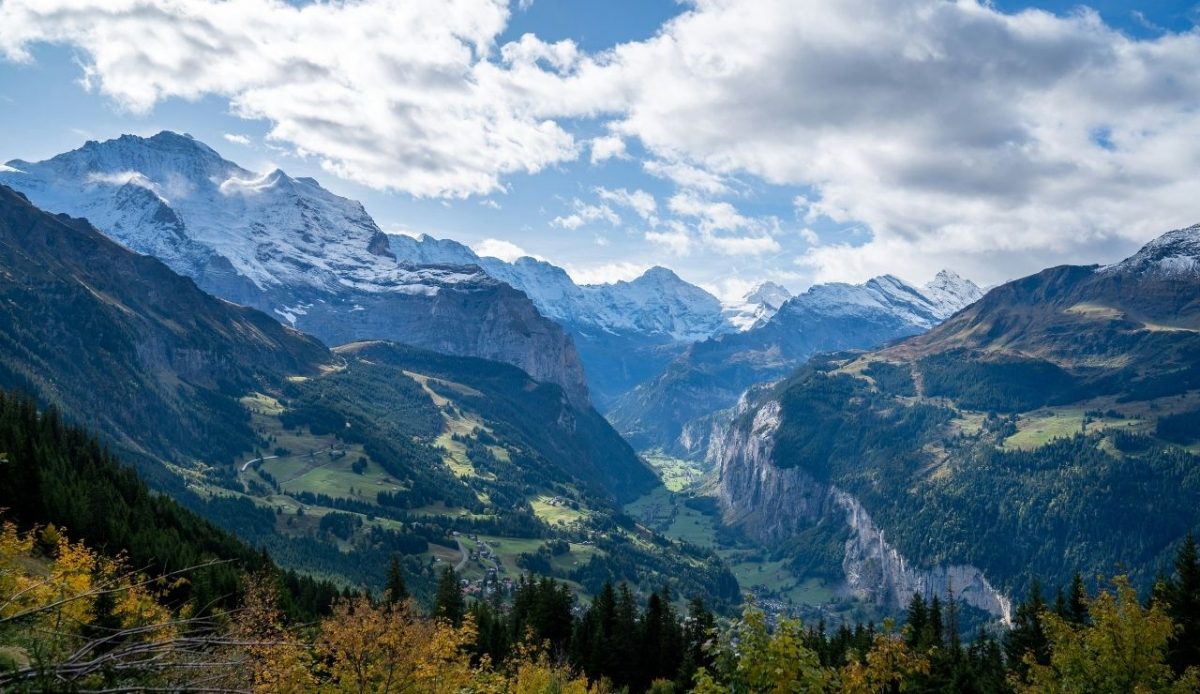
March through May is a shoulder season in the Bernese Oberland, so rail travel and village streets are often quieter than in summer. Valley access remains strong while the highest routes may still be limited, which encourages a gentler itinerary.
Spring snowmelt increases waterfall flow in Lauterbrunnen, so the scenery is amplified without hard hiking. Many lower trails and riverside paths are maintained, making them suitable for steady walking and frequent breaks.
Swiss trains run on fixed schedules year-round, so transfers can be planned with low uncertainty. With more hotel availability in spring, check-in flexibility improves, and recovery is supported by a stable base and early nights.
5. Lake Bled, Slovenia
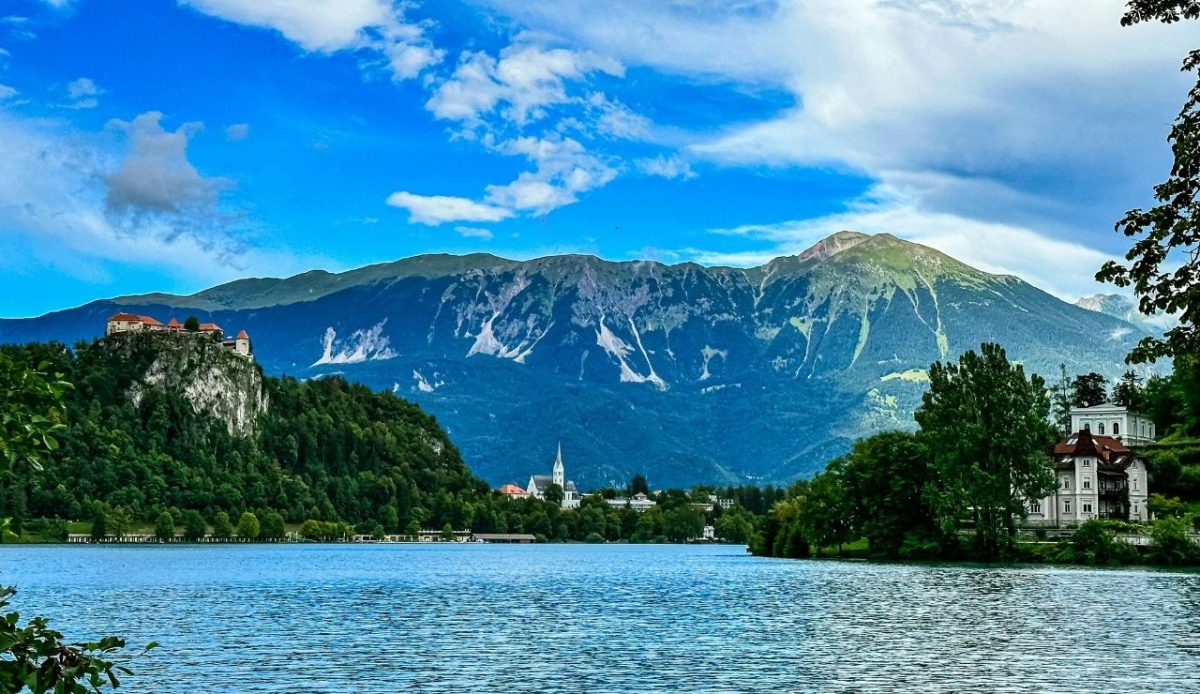
Lake Bled is easier in April and May, when temperatures are mild, and the summer tour surge has not fully arrived. That timing reduces queues for viewpoints and boats, which matters when mental fatigue makes waiting feel heavier.
The main loop around the lake supports a low decision day. A flat shoreline path allows slow walking, and short rides reach Vintgar Gorge or nearby villages without long transfers or complex ticketing.
Spring lodging supply is broader than peak months, so prices and options are steadier. A two or three-night stay lets travelers repeat simple routines, which reduces planning load and helps sleep patterns reset without rushing.
6. Ljubljana, Slovenia
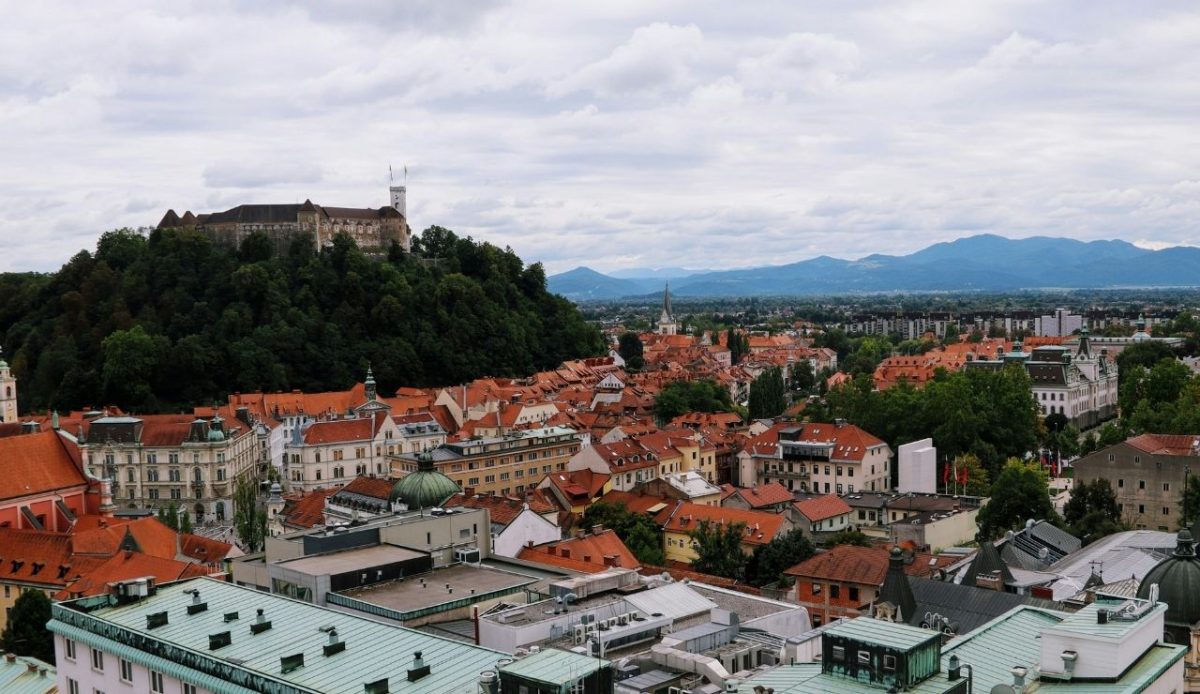
Ljubljana works well in late spring because temperatures are comfortable while big summer groups are still ramping up. Crowd levels tend to stay manageable, which keeps noise lower and makes cafés, markets, and river walks feel unpressured.
The center is compact and largely walkable, so a calm day can be built around the Ljubljanica riverfront and nearby parks. Short distances reduce transit friction and help travelers conserve attention and energy.
As a base, Ljubljana offers simple rail and bus links to Bled, Postojna, or the coast, allowing day trips only if the energy is strong. Regular schedules and clear wayfinding support predictable pacing and better recovery.
7. Queenstown, New Zealand
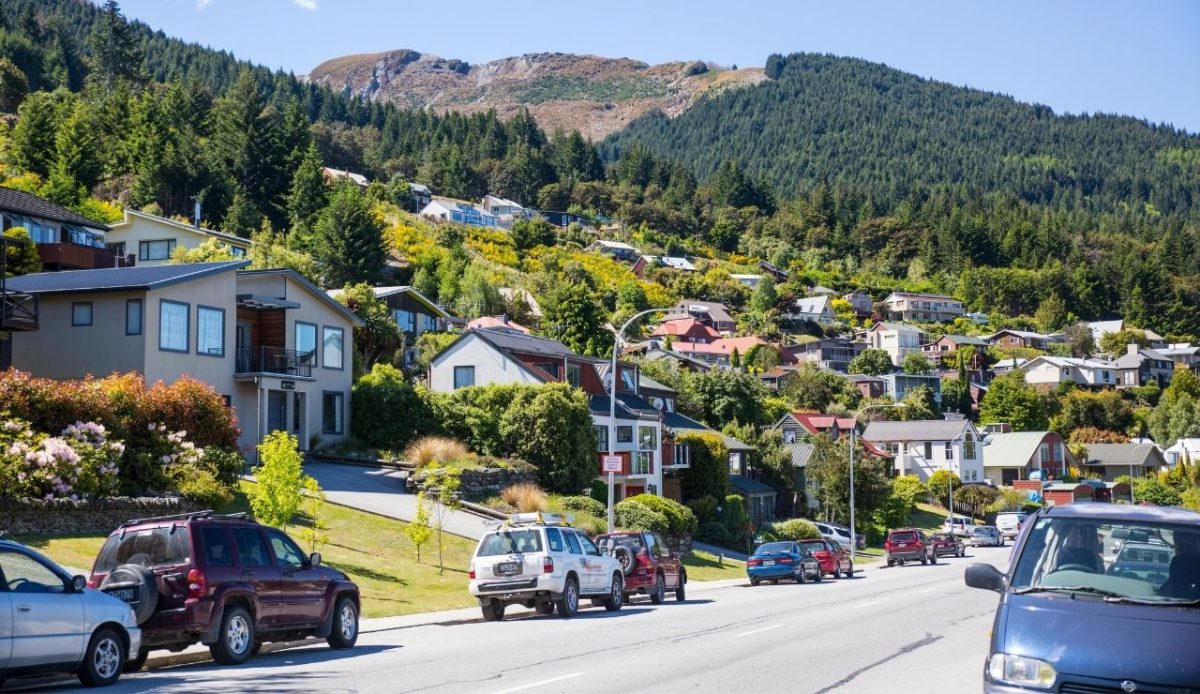
In New Zealand, spring runs from September to November, bringing longer daylight before the busiest summer holiday period. In Queenstown, that shoulder season often means better availability and less crowd pressure than January peaks.
Recovery-focused days can center on the lakefront path, a gondola ride for views, or short walks with clear turnaround points. These options allow movement without committing to high-adrenaline activities that can exhaust tired travelers.
Stable planning is easier when one lodging is kept for several nights, and day trips are limited to close areas like Arrowtown or Glenorchy. With milder temperatures, sleep tends to be easier, supporting a real reset.
8. Hirosaki, Aomori, Japan
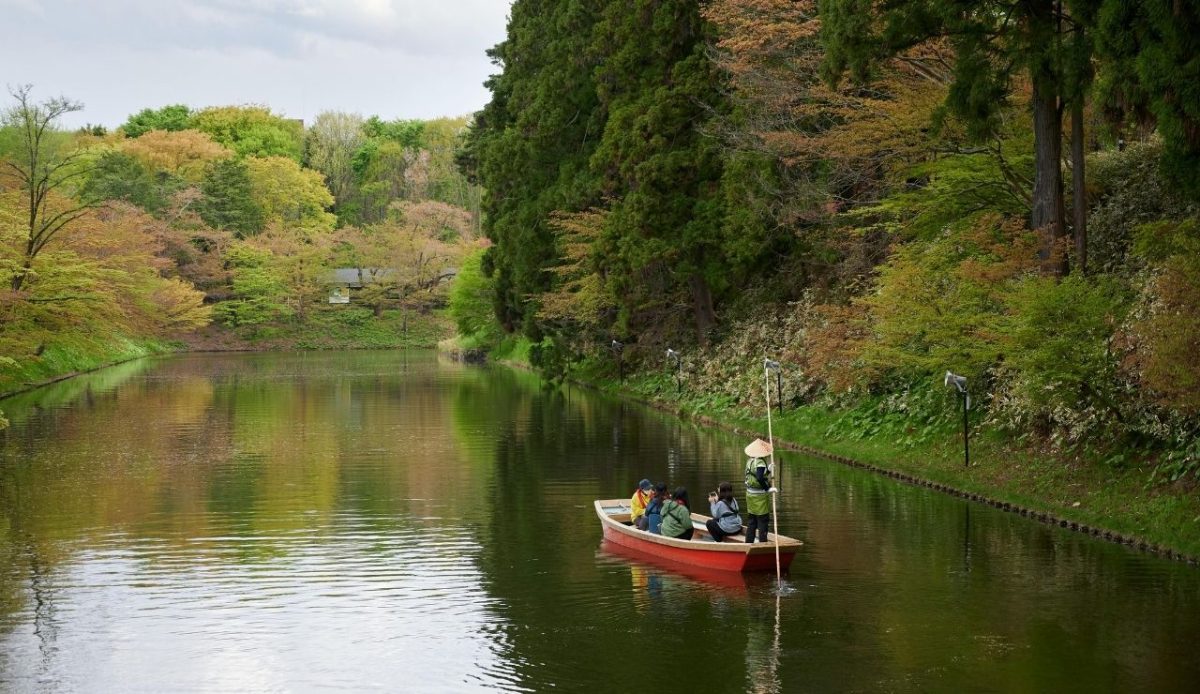
Hirosaki offers cherry season later than central Japan, with peak bloom often lasting from mid-April into early May. That timing is supported by local bloom tracking and festival scheduling, and it can reduce the crush seen in larger spring hotspots.
Hirosaki Park concentrates the main sights into one walkable area, which simplifies planning. Early entry and a single loop route limit decision load, while calm side streets make it easy to step away when crowds build.
Rail access from Aomori and the smaller city scale keeps logistics straightforward. Choosing weekdays and booking lodging early helps keep costs steady and protects quiet hours, which makes the trip more restorative.
9. Lake Ohrid, North Macedonia
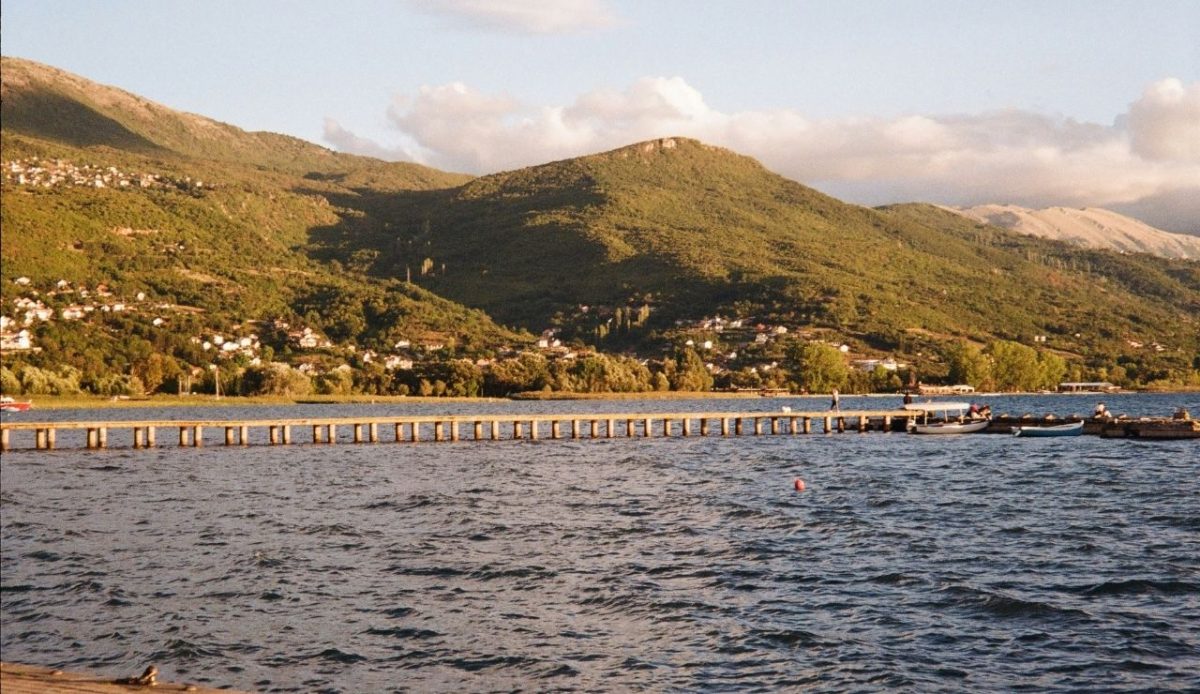
Lake Ohrid is most restorative in April and May, when the days warm up, but summer beach crowds have not yet arrived. Shoulder season conditions often mean quieter streets and easier dining, which reduces stress for travelers running low on energy.
The lakeside promenade and old town can be covered in short loops with frequent rest stops. Simple outings to churches, viewpoints, and waterfront cafés keep movement light while still offering structure.
Services are concentrated near the center, so a well-placed hotel reduces transport needs. Prices tend to be steadier than in July, and a slower schedule can be maintained, supporting sleep recovery and a calmer mood.
10. Pamukkale, Turkey
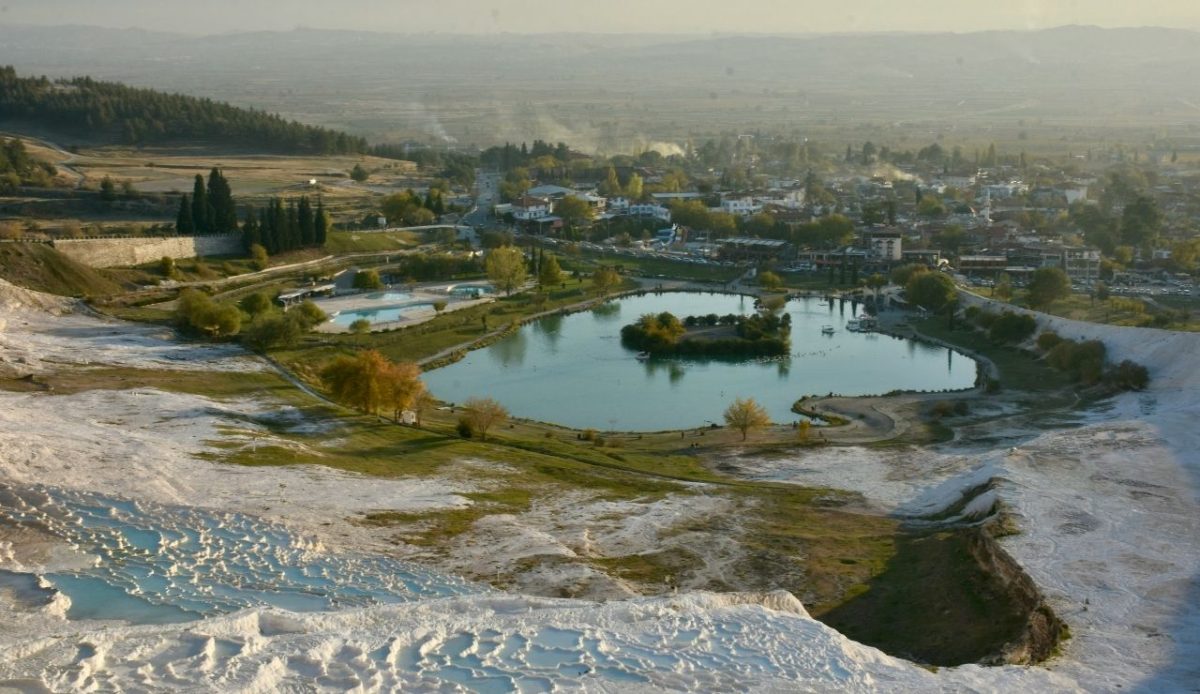
Pamukkale is better in spring because the travertine terraces can be visited without midsummer heat stress. April into early June is widely treated as the most comfortable window, and it also avoids the harsh midday conditions that shorten visits later.
A recovery-friendly plan uses an early start, a slow walk on the terraces, then a rest block at Hierapolis or a hotel pool. One main activity per day keeps exertion controlled and reduces the pressure to maximize time.
Denizli connections by bus or train keep logistics simple, and many hotels bundle transport, lowering planning load. Spring pricing is often lower than peak months, helping travelers keep the trip steady and low-stress.
11. Big Sur, California, USA
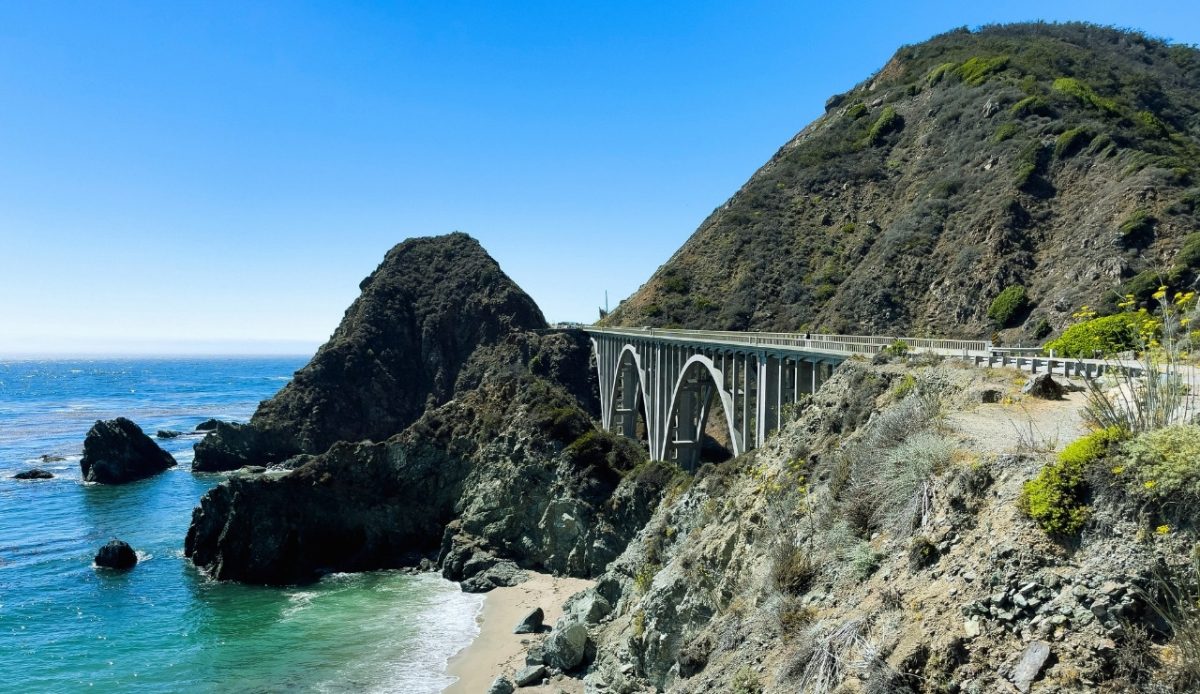
Big Sur can recharge burned-out travelers in spring because temperatures are mild and summer traffic has not reached its peak. April through June often bring good hiking conditions and seasonal wildflowers, while coastal fog and heat are lower than in late summer.
The best approach is to keep the route short and repeat simple stops like overlooks, short trails, and early dinners. Limited cell coverage along the coast can reduce notifications, which helps recovery when screens feel exhausting.
Planning must include a road status check because Highway 1 closures can change access. Caltrans posts current conditions, and building flexible drive days prevents last-minute stress. With one base, pacing stays steady and restorative.
