
Some destinations that once radiated energy and charm are now struggling to maintain their vibrancy. Factors like overtourism, environmental stress, rising costs, and commercial overdevelopment can subtly erode the experiences that first drew visitors. What was once a lively streetscape, pristine beach, or cozy village can feel crowded, overpriced, or overly commercialized. In this article, we explore ten destinations that travelers say are losing their spark fast, highlighting the reasons behind their declining allure while encouraging visitors to experience them responsibly before their character changes further.
1. Venice, Italy
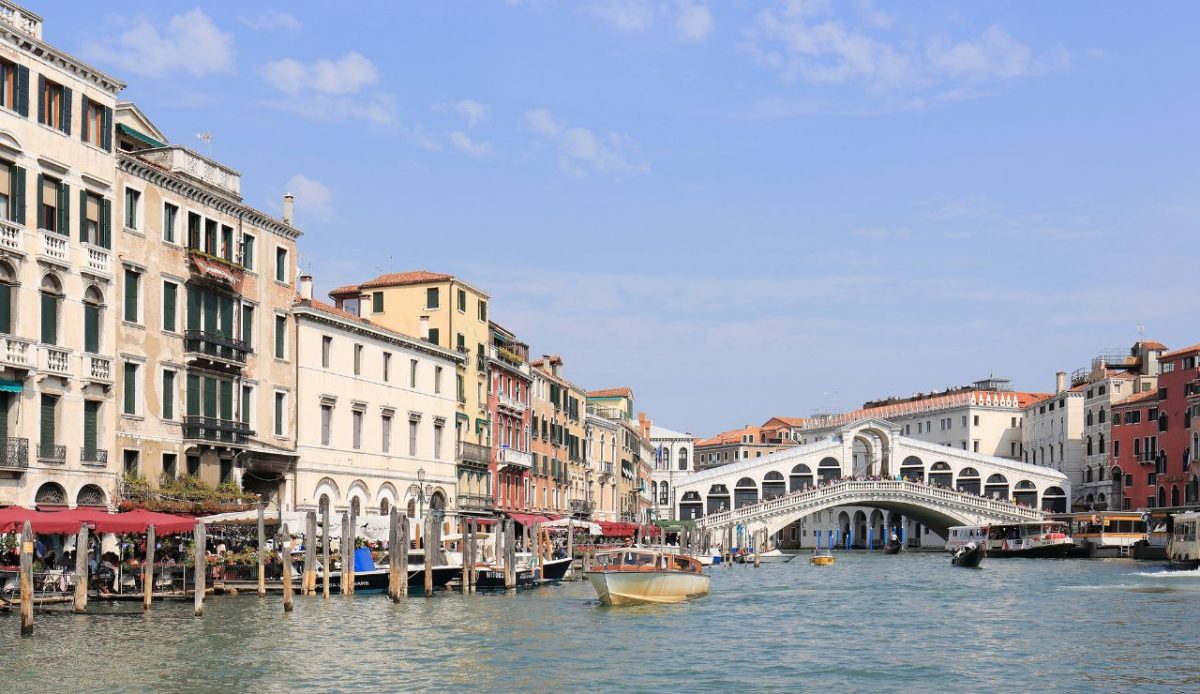
Venice, Italy, is an enchanting city of canals, gondolas, and Renaissance architecture, yet it struggles under overtourism. Narrow streets are often congested, and the rise of cruise ship visitors impacts both local life and infrastructure. Floating markets and piazzas feel increasingly commercialized, while historic buildings require constant restoration due to environmental and human pressures. Despite this, Venice still offers a unique cultural and historical experience, though visitors may find it less serene than in the past. Travel wisely to witness its beauty while minimizing disruption to the fragile city.
2. Barcelona, Spain
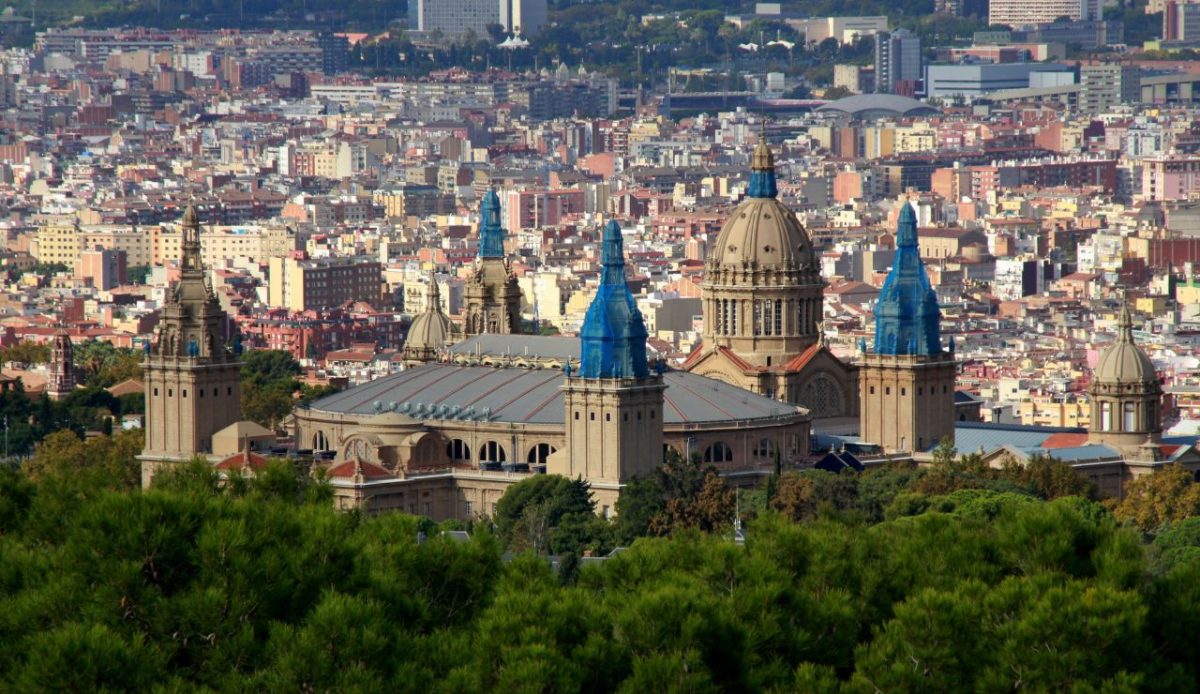
Barcelona has long dazzled travelers with its Gaudí architecture, sun-soaked beaches, and vibrant nightlife. However, the city faces challenges from overcrowding, short-term rental booms, and rising living costs for locals. Neighborhoods that were once charming feel increasingly tourist-oriented, while popular spots like La Rambla and Park Güell can feel hectic. Environmental impacts and traffic congestion also affect visitor experience. While still captivating, Barcelona’s blend of culture and beach life now requires planning and patience to fully enjoy without contributing to the pressure threatening its once-effervescent charm.
3. Phuket, Thailand
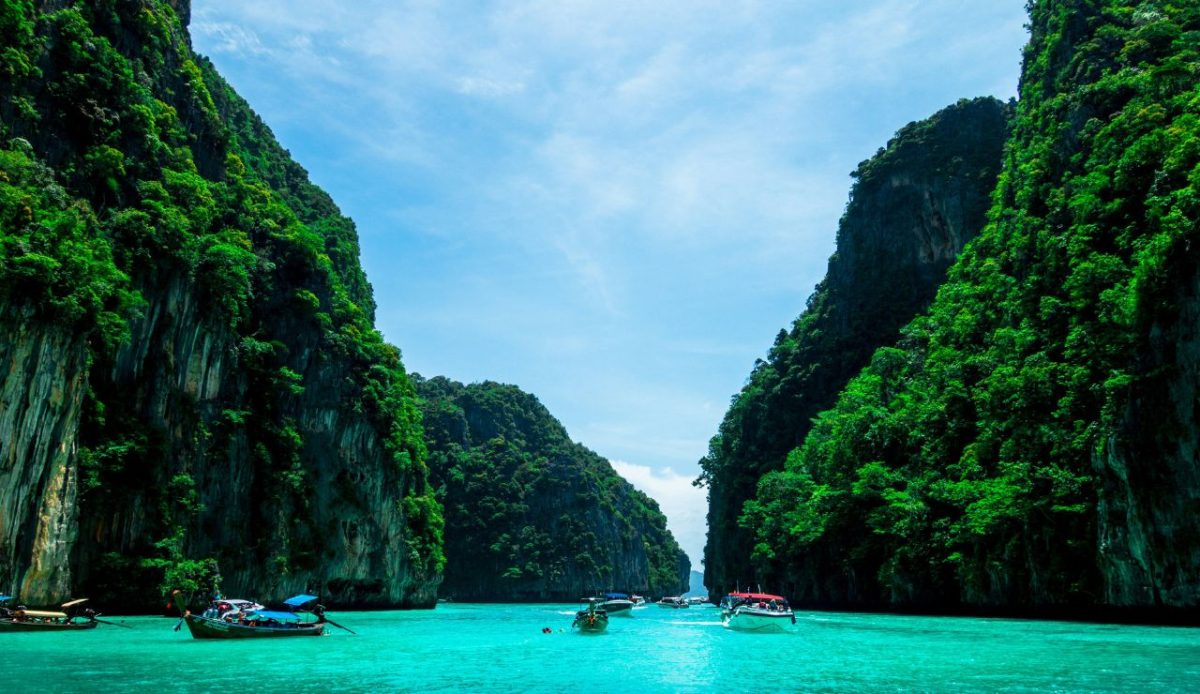
Phuket remains a tropical hotspot, renowned for turquoise waters, lively nightlife, and island adventures, but rapid tourism growth has affected its allure. Beaches can be crowded, and resorts dominate stretches of once-pristine coastline. Environmental pressures, such as coral reef degradation and waste accumulation, also challenge sustainability. Local culture and quieter coastal villages are increasingly overshadowed by commercial tourism. While Phuket still offers sun, stunning views, and water-based activities, travelers note that its original charm and laid-back vibe are gradually diminishing under mass tourism.
4. Mykonos, Greece
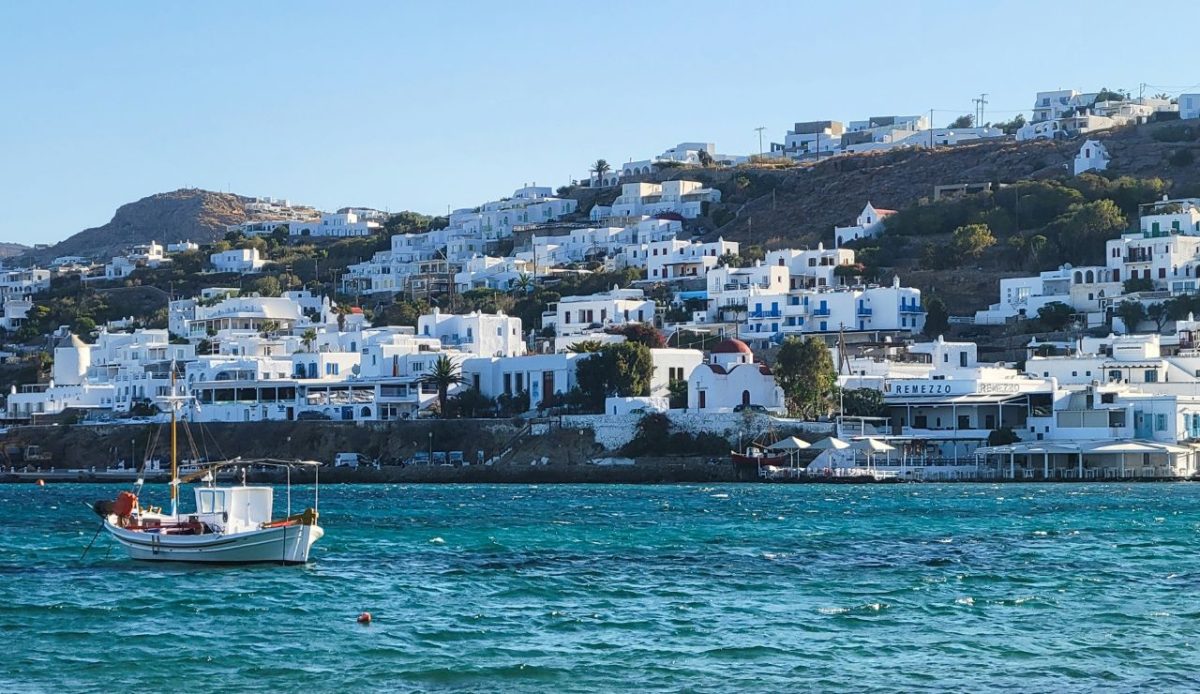
Mykonos has been celebrated for dazzling beaches, whitewashed architecture, and nightlife, yet the influx of high-end tourists has altered its character. Small villages are crowded, boutique shops cater heavily to visitors, and nightlife districts feel commercialized. Popular beaches experience congestion, and accommodation prices have risen. Despite the vibrant energy, many visitors feel the island’s original charm and authenticity are fading. Travelers seeking the balance of culture, history, and scenic beauty may explore off-peak areas or nearby lesser-known islands to enjoy Greece’s true allure.
5. Dubrovnik, Croatia
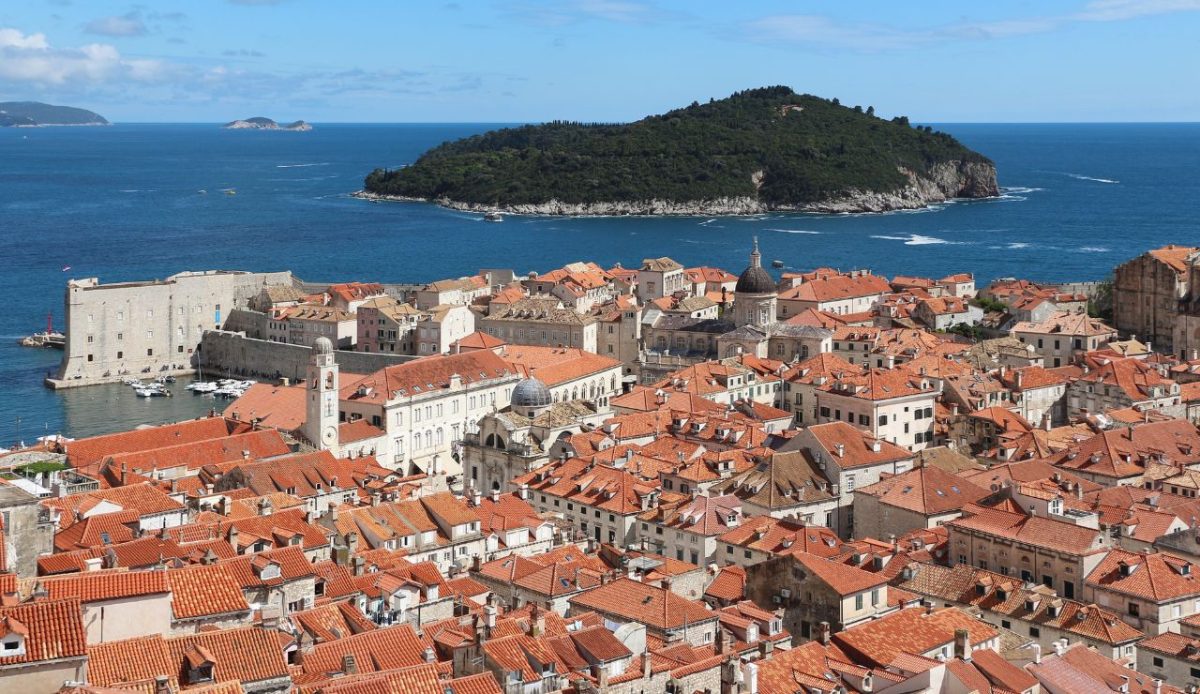
Dubrovnik, known as the “Pearl of the Adriatic,” has grown exceedingly popular thanks to its medieval city walls and coastal beauty. Cruise ships bring waves of day-trippers, creating congestion in historic streets and plazas. Rising tourism impacts local life, with shops and restaurants increasingly catering to visitors rather than residents. While still breathtaking, some travelers feel the experience has become more commercialized, making it harder to enjoy the city’s historic charm in peace. Visiting early in the day or in shoulder seasons is advised to capture Dubrovnik’s beauty before crowds diminish the atmosphere further.
6. Bali, Indonesia
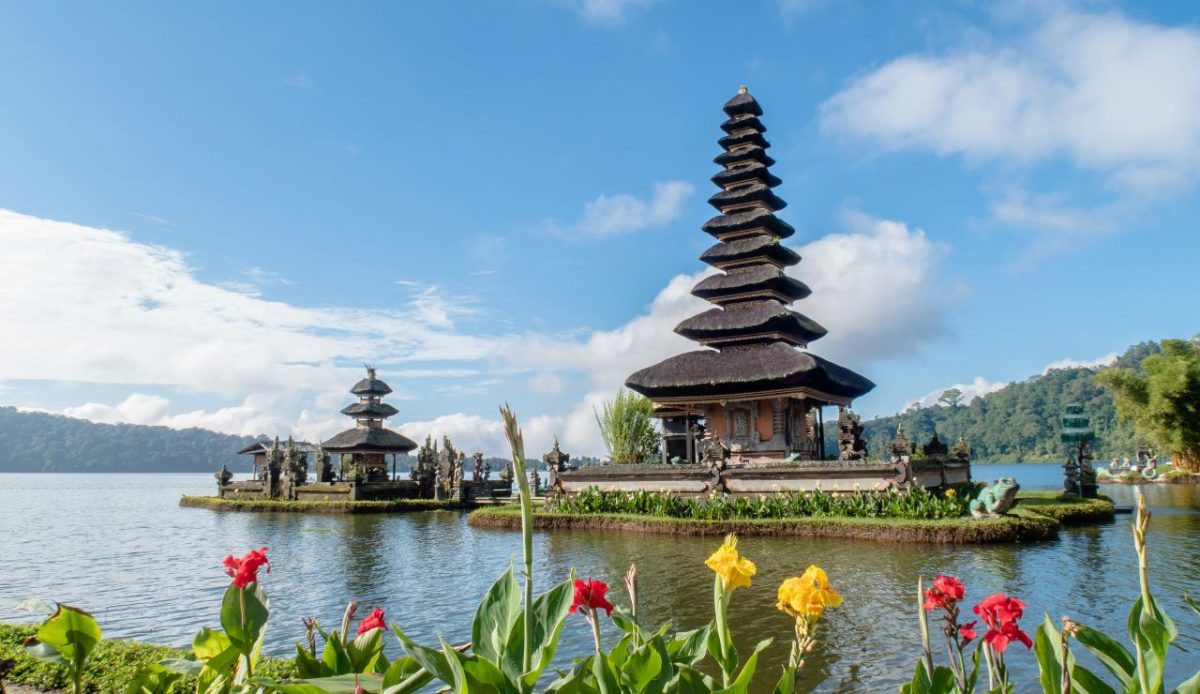
Bali remains a tropical paradise, attracting visitors with its beaches, rice terraces, and cultural rituals. Yet uncontrolled tourism has affected both infrastructure and the environment. Popular beaches and temples are crowded, plastic pollution impacts coastlines, and some villages feel commercial rather than authentic. High tourist demand drives up prices for accommodations and activities. Despite this, Bali’s natural beauty and vibrant culture continue to attract travelers. Those seeking a more tranquil experience are advised to explore less-visited regions, respect local customs, and visit during quieter periods.
7. Santorini, Greece
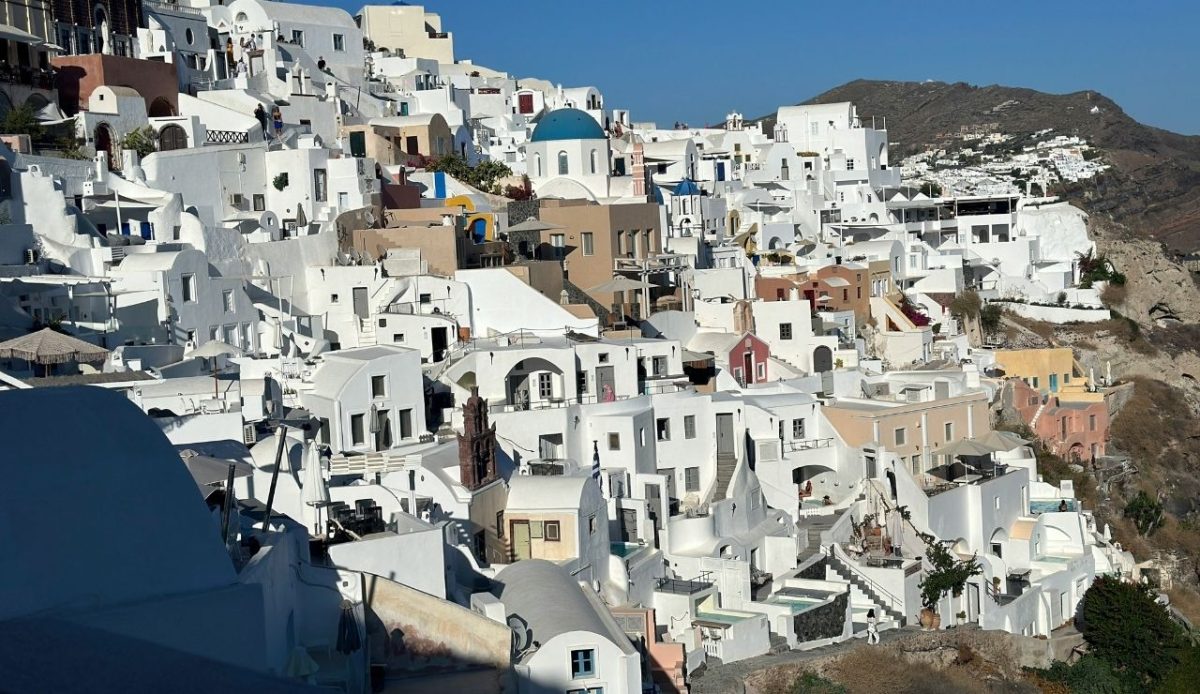
Santorini’s whitewashed villages and caldera views are breathtaking, yet visitor numbers strain its charm. Narrow streets are congested, hotels dominate once-quaint neighborhoods, and peak-season crowds make it difficult to enjoy scenery. Cruise passenger influx intensifies congestion and affects local life. While still visually stunning, Santorini’s intimacy and quiet allure are eroding. Travelers may need to plan carefully, visiting early mornings or off-peak months, to witness its beauty and experience the island’s architecture and sunsets before mass tourism diminishes its celebrated spark.
8. Cancun, Mexico
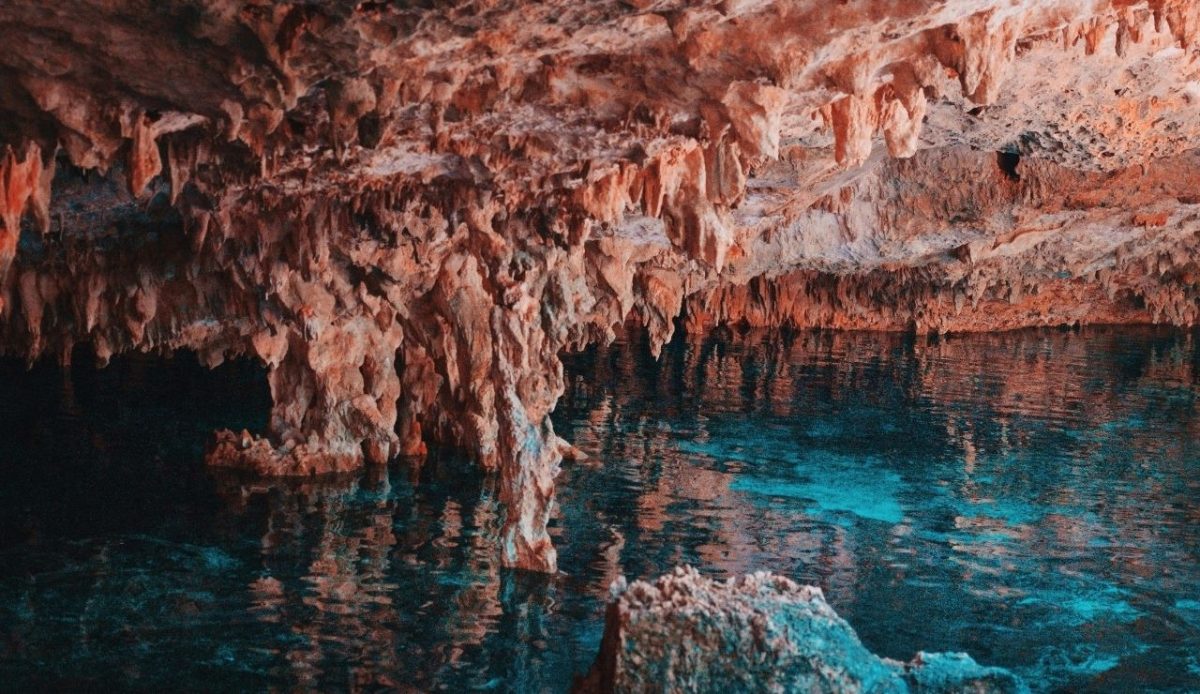
Cancun has been a staple for spring breakers and sun-seekers, yet overcrowding and rapid development are affecting the region. Hotels and resorts line beaches, leaving fewer spaces for quiet relaxation. Tourist-centric areas dominate local culture, and pollution concerns affect beaches and nearby ecosystems. Despite these challenges, Cancun still offers turquoise waters, nightlife, and all-inclusive resorts. Visitors note that its vibrancy can feel artificial compared to quieter destinations, so exploring lesser-known beaches nearby helps maintain an authentic experience while enjoying the tropical appeal.
9. Ibiza, Spain
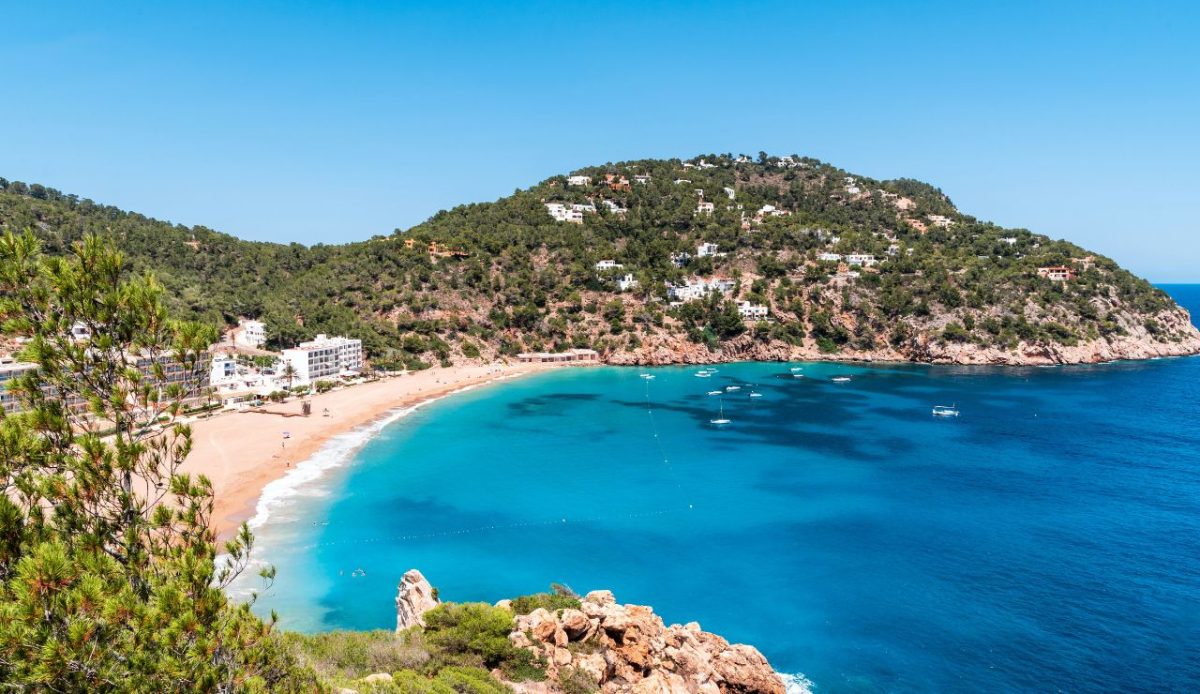
Ibiza’s legendary party scene and Mediterranean beaches attract thousands annually, but overtourism reduces its appeal. Nightclubs dominate much of the entertainment, while quieter villages are losing their traditional character. Popular beaches experience congestion and environmental strain, including litter and coastal erosion. While still offering nightlife, turquoise waters, and scenic beauty, many travelers note that the island’s original charm and relaxed vibe are overshadowed by commercialization. Seeking quieter areas or off-season visits helps visitors enjoy Ibiza before its sparkle fades further.
10. Las Vegas, Nevada
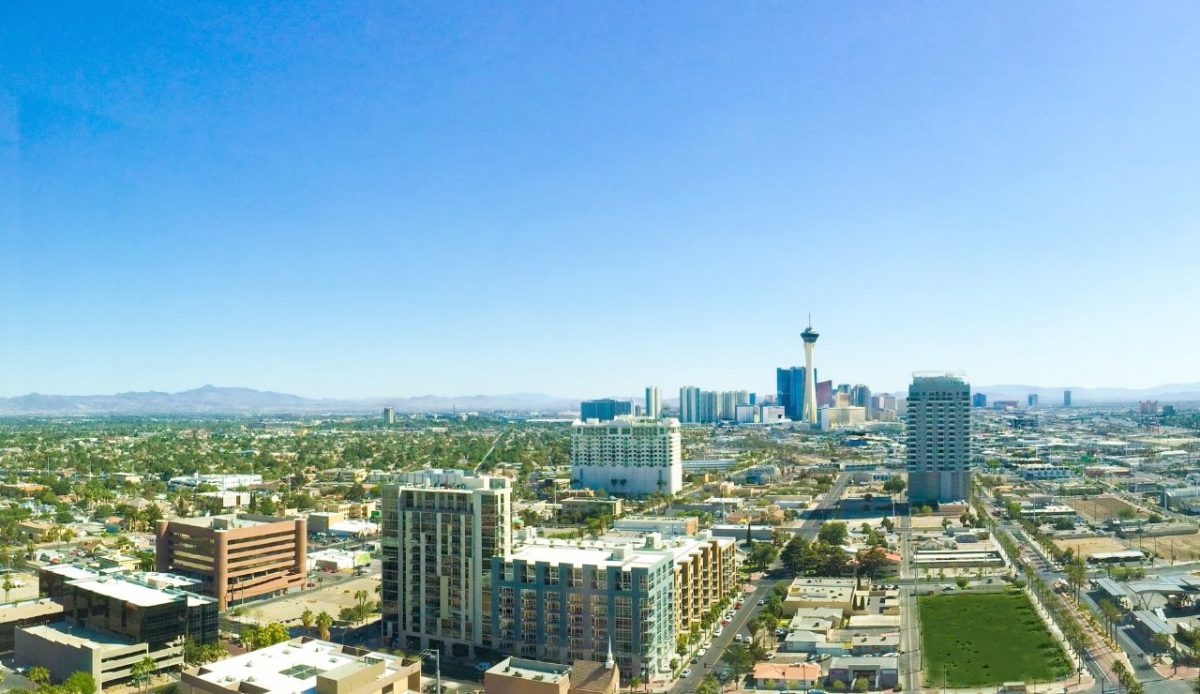
Las Vegas continues to dazzle with casinos, entertainment, and nightlife, yet some travelers feel its energy is waning amid commercialization and tourist density. Resorts compete for attention with high costs, while streets like the Strip are crowded and chaotic. The influx of visitors and mega-events can diminish the excitement that once defined the city. Despite this, Las Vegas still offers entertainment, shows, and unique experiences, but travelers seeking a vibrant urban experience may need to explore newer attractions or visit during less congested periods to enjoy its spark before the city’s charm is diluted further.
