
West Coast beaches attract millions of visitors every year, drawn to their sun, surf, and scenic beauty. Yet many of these coastal destinations are feeling the strain of overtourism. Erosion, pollution, crowded facilities, and pressure on local ecosystems are increasingly visible. Residents sometimes struggle with congestion, while wildlife habitats face disruption. Travelers may find popular spots less enjoyable due to overcrowding. In this article, we explore 10 West Coast beaches where overtourism is taking a toll, highlighting the need for sustainable practices and mindful visitation to preserve these iconic coastal landscapes.
1. Santa Monica Beach, California
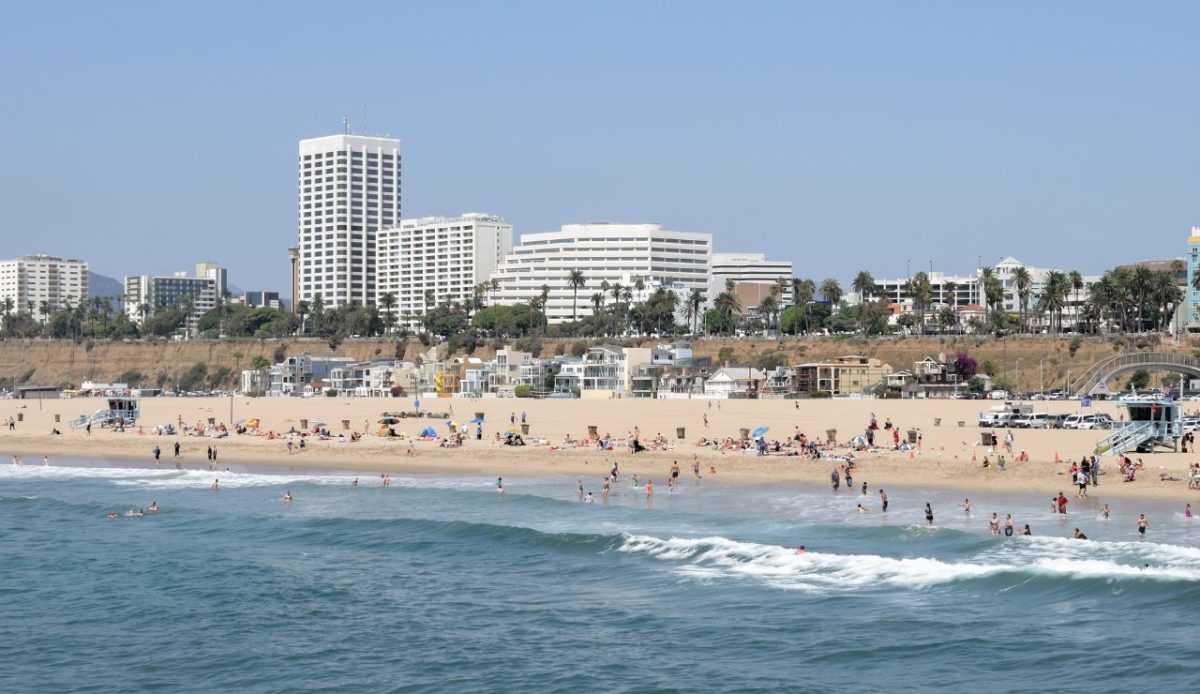
Santa Monica Beach is a quintessential West Coast destination, but its popularity has led to overcrowding, traffic congestion, and environmental pressure. Visitors flock to the pier, shops, and wide sandy stretches, making it difficult to find quiet spots. Increased foot traffic accelerates dune erosion, and littering can harm local wildlife. Parking shortages and congestion affect both tourists and residents. Efforts to maintain clean beaches and regulate visitor flow are ongoing, but first-time visitors may be surprised by how crowded this iconic California beach can feel despite its scenic beauty and entertainment options.
2. Venice Beach, California

Venice Beach is famous for its eclectic boardwalk, street performers, and colorful murals, yet overtourism has strained both infrastructure and atmosphere. The mix of locals, tourists, and vendors creates congestion, making it challenging to enjoy the sand or nearby shops peacefully. Environmental concerns include pollution and litter, which affect both the shoreline and marine life. Venice Beach maintains its charm through ongoing clean-up initiatives, but visitors should expect crowded walkways and busy parking areas. Despite these challenges, its vibrant culture and unique character continue to attract travelers year-round.
3. Malibu Surfrider Beach, California

Malibu’s Surfrider Beach is a surfing paradise with iconic waves and scenic cliffs, yet overtourism has intensified its environmental footprint. Parking is limited, coastal erosion is accelerating, and foot traffic impacts fragile dune ecosystems. Crowds can diminish the serene experience many seek when visiting. Local authorities have implemented measures to protect natural habitats and enforce beach regulations, but visitors must remain aware of environmental impact. Despite congestion, Surfrider Beach continues to draw surfers, photographers, and travelers seeking adventure and scenic coastal views.
4. Cannon Beach, Oregon
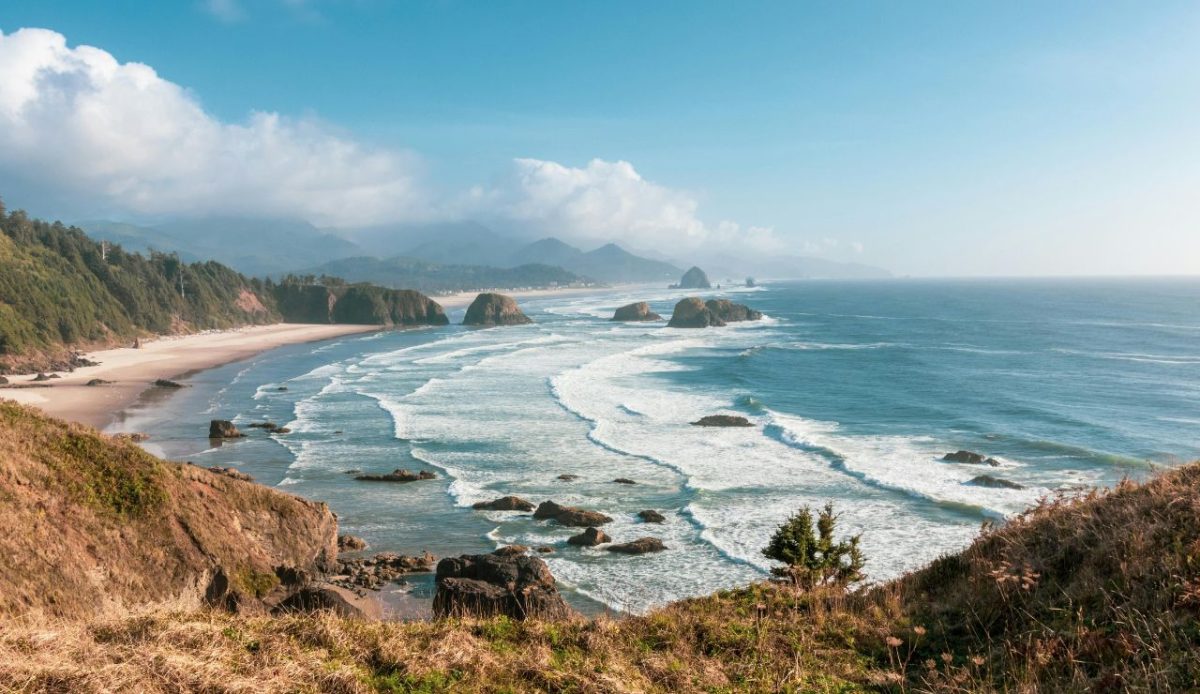
Cannon Beach, famous for Haystack Rock, experiences a heavy influx during peak seasons. The iconic rock and shoreline attract photographers and families, but crowds can limit personal space and disturb nesting seabirds. Parking and lodging become scarce, and erosion along cliffs and dunes accelerates with foot traffic. Conservation efforts focus on preserving habitats and promoting responsible tourism. Visitors are encouraged to respect local regulations and timing, such as avoiding nesting periods, to help maintain Cannon Beach’s charm and ecological integrity amid increasing tourism pressures.
5. Long Beach, Washington
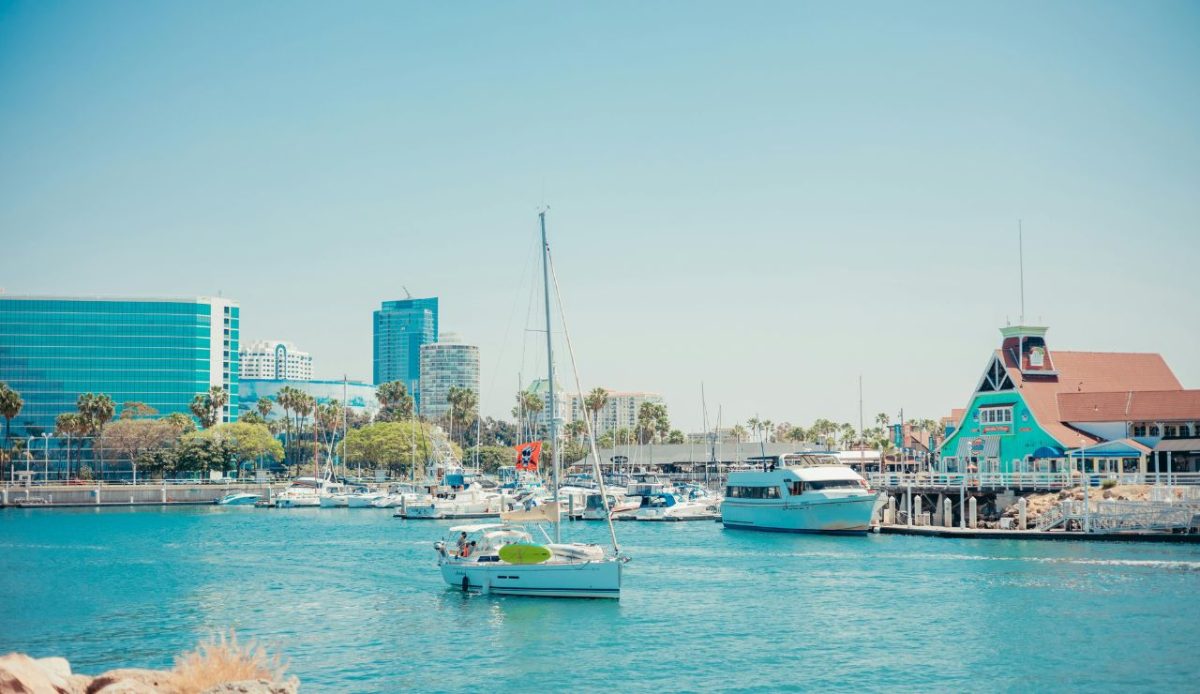
Long Beach, Washington, is known for its wide sandy stretches and kite-flying events, but rising tourist numbers have begun straining infrastructure. Parking, restrooms, and waste management facilities face high demand during the summer. Dune erosion and disturbance to native plants are growing concerns. Local businesses benefit economically, yet residents sometimes face traffic congestion and crowded boardwalks. Travelers should plan off-peak visits and follow sustainable practices. Despite challenges, Long Beach’s coastline and recreational opportunities remain popular for families and outdoor enthusiasts.
6. La Jolla Shores, California

La Jolla Shores attracts beachgoers for gentle waves, tide pools, and family-friendly fun, yet increasing visitors create pressure on parking, lifeguard services, and marine ecosystems. Tide pools are sensitive to foot traffic, and littering threatens wildlife. Popularity among tourists and locals results in crowded beaches and limited space. Conservation programs and visitor education aim to reduce environmental impact. Despite challenges, La Jolla Shores remains a beloved coastal destination, offering scenic beauty and water activities while highlighting the importance of responsible tourism.
7. Pfeiffer Beach, Big Sur, California
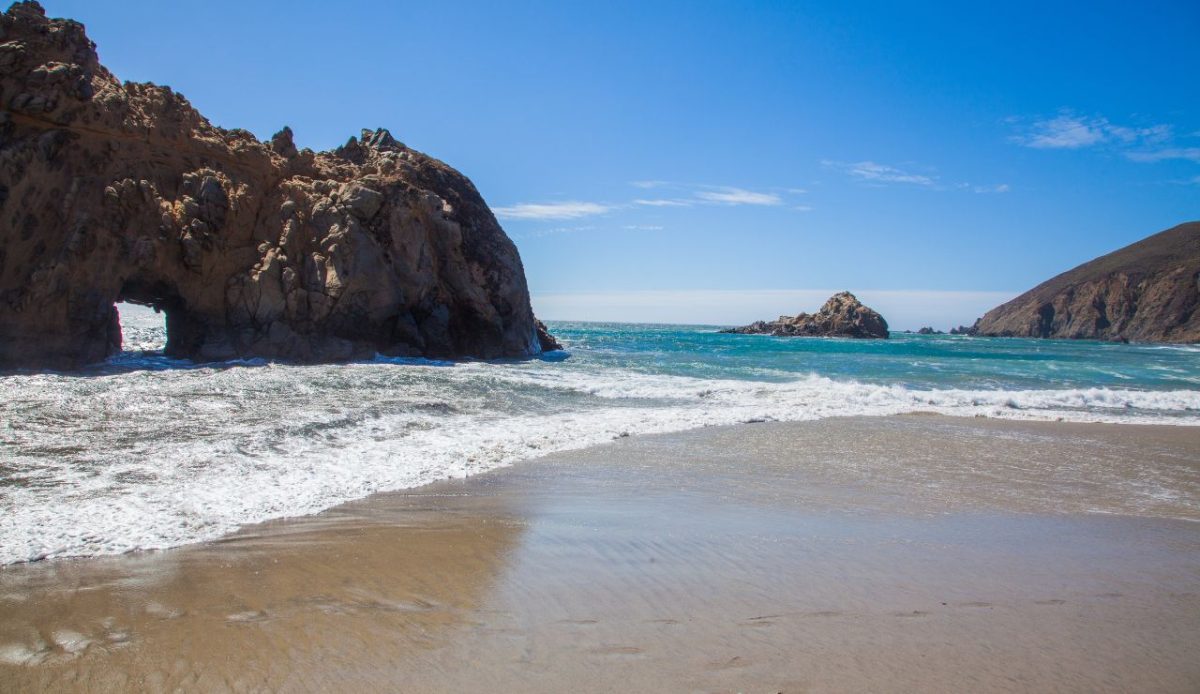
Pfeiffer Beach in Big Sur is famous for its purple sand, dramatic cliffs, and iconic rock formations, but its popularity has led to overtourism pressures. Narrow access roads and limited parking create congestion during peak months, while foot traffic threatens fragile dune vegetation. The beach’s unique landscape draws photographers and nature lovers, making quiet moments harder to find. Local authorities encourage responsible visitation and adherence to designated paths to preserve ecosystems. Despite the challenges, Pfeiffer Beach remains a breathtaking coastal destination, offering solitude and stunning scenery for those who plan ahead.
8. Pismo Beach, California
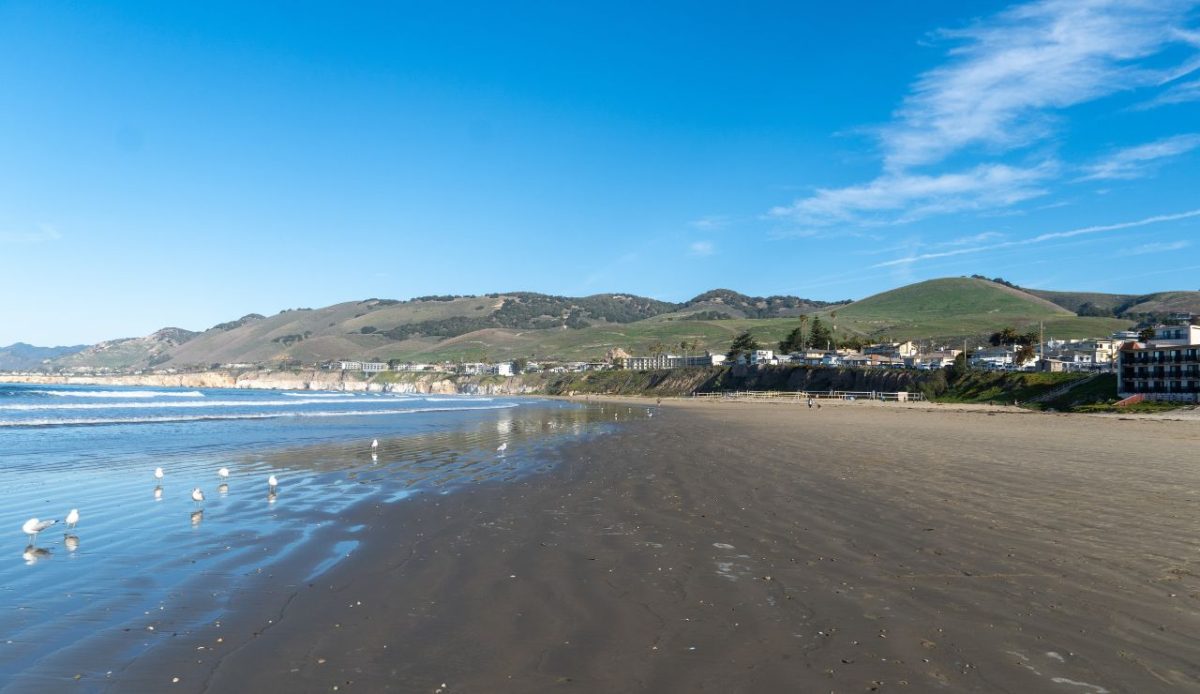
Pismo Beach is known for sandy shores, dunes, and clam digging, but overtourism has created congestion and environmental challenges. Beachgoers impact fragile dunes, while increased vehicle access and foot traffic threaten local habitats. Parking and lodging can be difficult during peak seasons, and crowds may limit access to popular spots. Conservation initiatives aim to balance tourism with ecosystem preservation. Despite challenges, Pismo Beach remains a favorite for surfing, family outings, and coastal photography. Visitors are encouraged to follow sustainable practices and respect wildlife to maintain the beach’s natural beauty.
9. Santa Cruz Beach, California
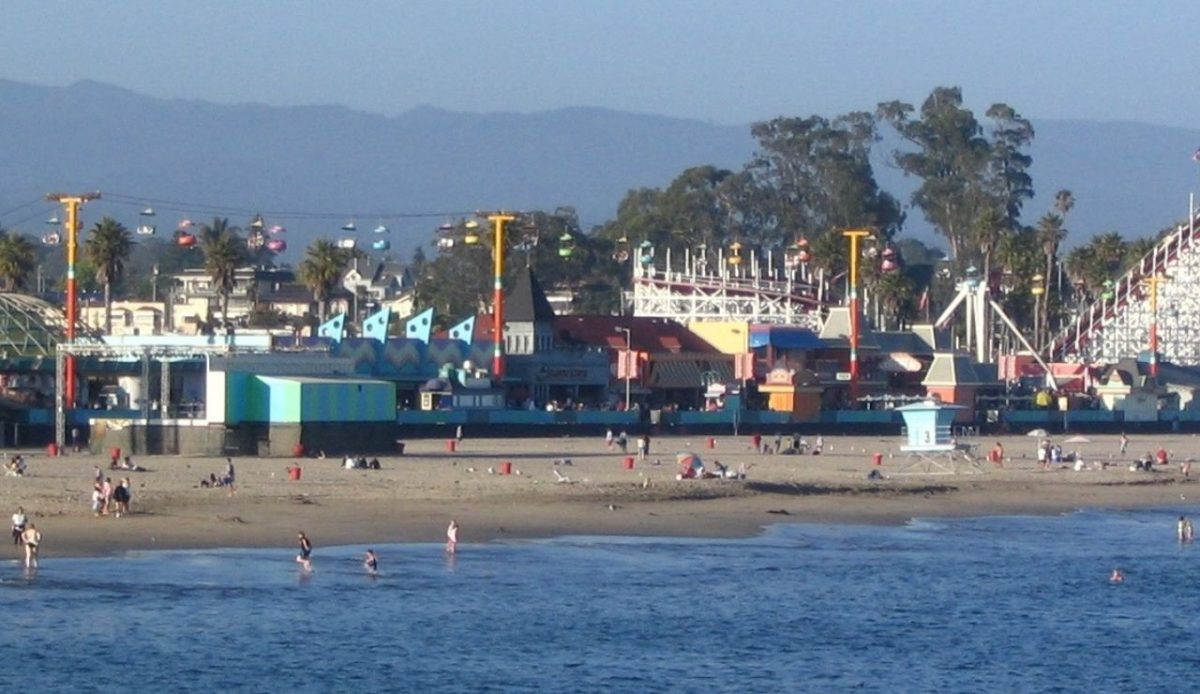
Santa Cruz Beach attracts thrill-seekers with its boardwalk, surf culture, and amusement rides, but overtourism has intensified congestion and environmental pressure. Sand dunes and coastal habitats face erosion, while high visitor numbers strain parking and local services. Crowded conditions can reduce the enjoyment of seaside activities and limit relaxation. Local authorities and volunteer organizations run clean-up initiatives to preserve the beach’s charm. Visitors should plan for peak times, respect wildlife, and maintain cleanliness to help protect both natural ecosystems and the vibrant cultural atmosphere Santa Cruz offers.
10. Newport Beach, California
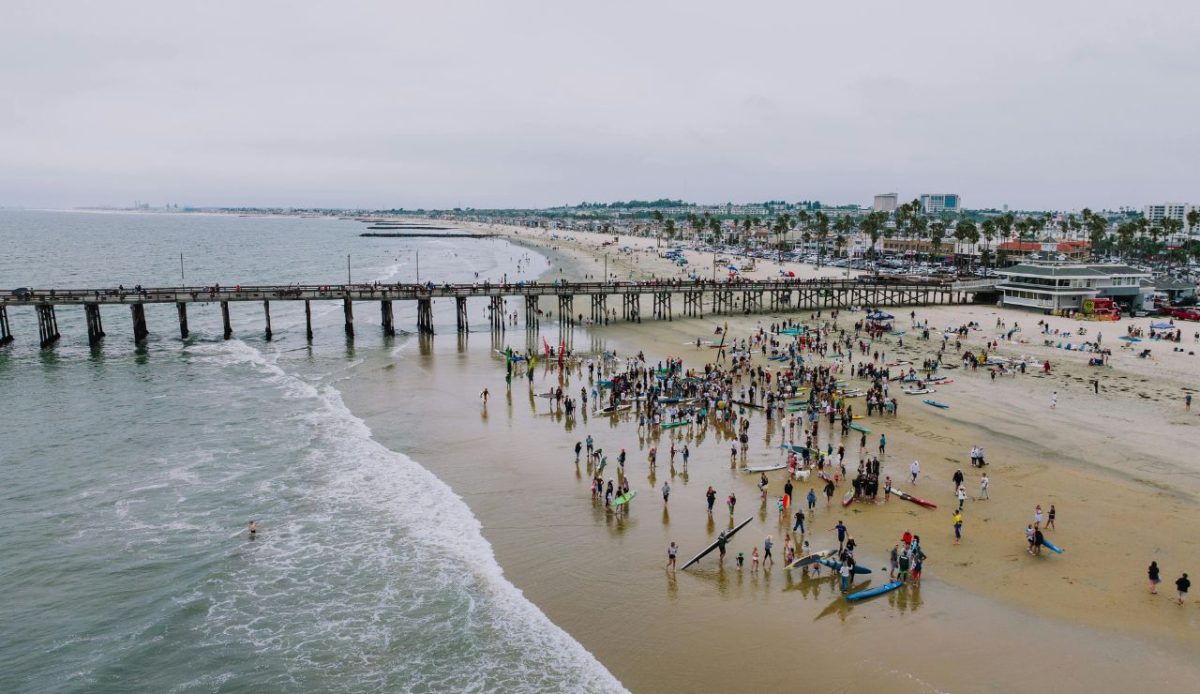
Newport Beach is a popular Southern California destination for sunbathing, surfing, and boating, yet overtourism has affected both residents and ecosystems. Parking shortages, crowded beaches, and coastal erosion are common during peak months. Public services, lifeguard staffing, and sanitation face higher demands, while wildlife habitats are vulnerable. Local authorities run beach maintenance and protective regulations, but visitors must remain mindful of environmental impact. Despite challenges, Newport Beach offers scenic beauty, recreational activities, and a classic California beach experience when approached responsibly.
