
World-famous museums often promise unforgettable encounters with art, and history, yet many travelers report mixed reactions once inside. Long lines, packed galleries, rigid routes, and overwhelming scale can reshape expectations quickly. Visitors may feel rushed through exhibits they hoped to absorb slowly, while others find the experience emotionally distant despite iconic collections. These museums remain culturally important, but popularity introduces challenges that affect enjoyment. This list explores 15 cities with legendary museums some travelers find overrated, showing how crowd control, layout, and visitor flow shape experiences.
1. Paris, France
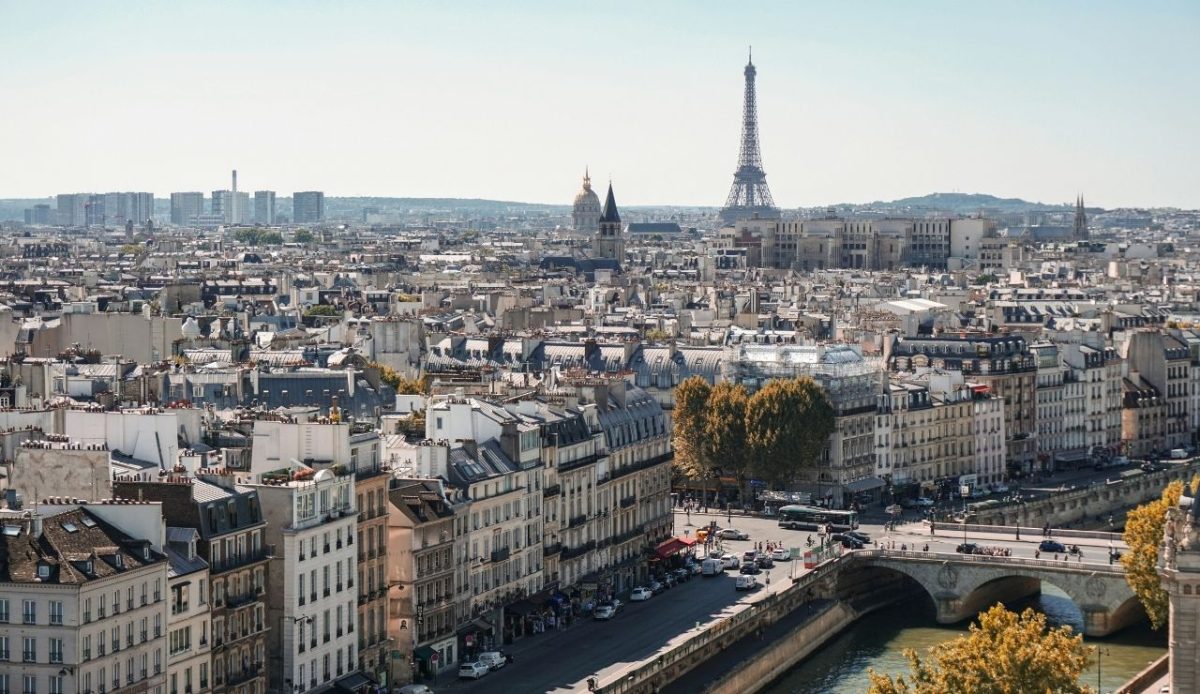
Paris is home to some of the world’s most celebrated museums, yet many visitors describe the experience as exhausting rather than inspiring. At major institutions, crowds gather early and remain constant, limiting time spent with individual works. Travelers often report navigating dense rooms where movement feels restricted and viewing angles are brief. The sheer size of collections can make it difficult to focus, turning visits into endurance exercises rather than moments of reflection. While the art itself remains extraordinary, some visitors feel the atmosphere prioritizes volume over meaningful engagement.
2. London, England
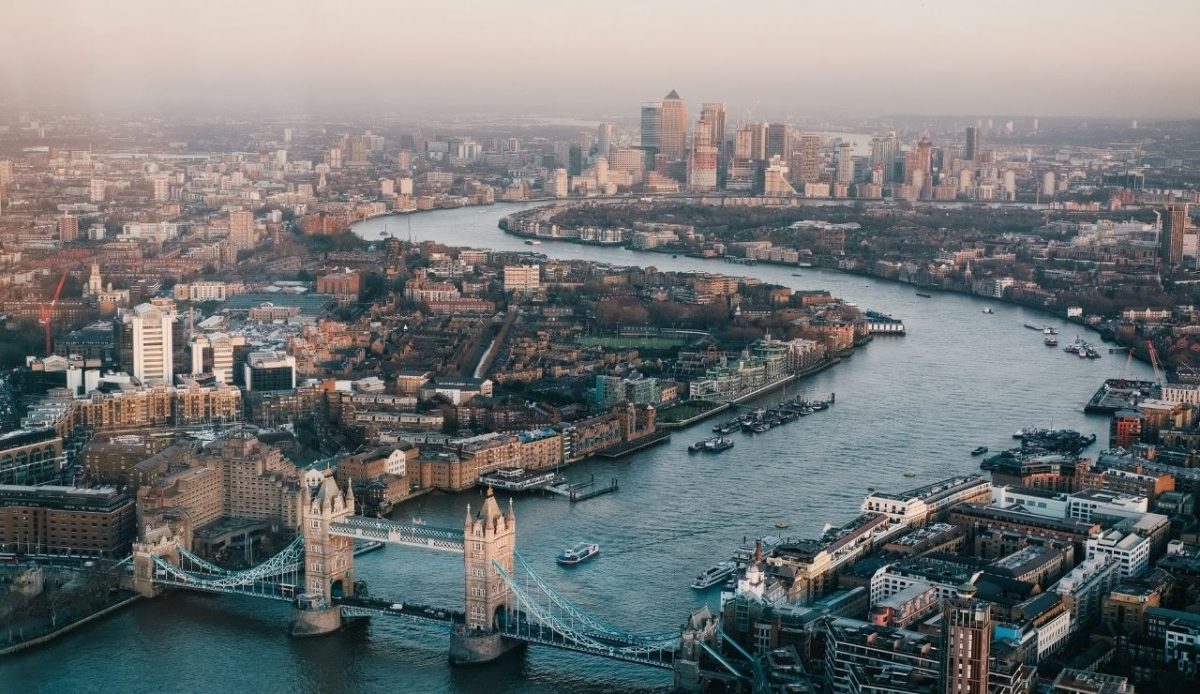
London’s museums are praised for accessibility and scale, but that same scale can overwhelm visitors. Popular galleries frequently feel congested, making it hard to linger or absorb context. Travelers often note that navigating massive collections in limited time leads to surface-level experiences. While artifacts are globally significant, signage and layout can feel impersonal. Many visitors leave impressed by quantity rather than connection, reporting that the experience feels more educational than immersive. For casual museumgoers, the intensity and density can overshadow the enjoyment of discovery.
3. New York City, USA
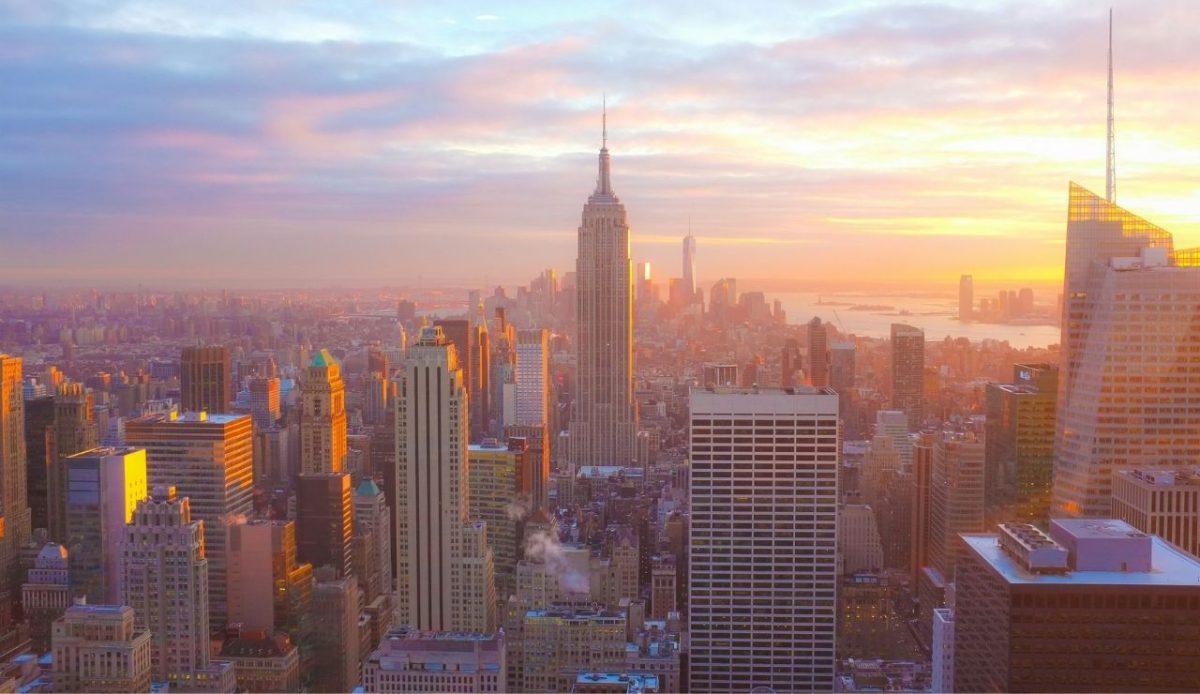
New York’s iconic museums attract global admiration, yet some travelers say expectations outpace reality. Large institutions require extensive walking and planning, which can lead to fatigue before key exhibits are reached. Crowded galleries often limit personal space, and popular rooms feel rushed. Visitors frequently report that one visit is insufficient, yet time constraints make return trips unlikely. While the collections are undeniably impressive, some travelers feel the experience becomes fragmented, leaving them with highlights rather than a cohesive understanding of the museum as a whole.
4. Rome, Italy
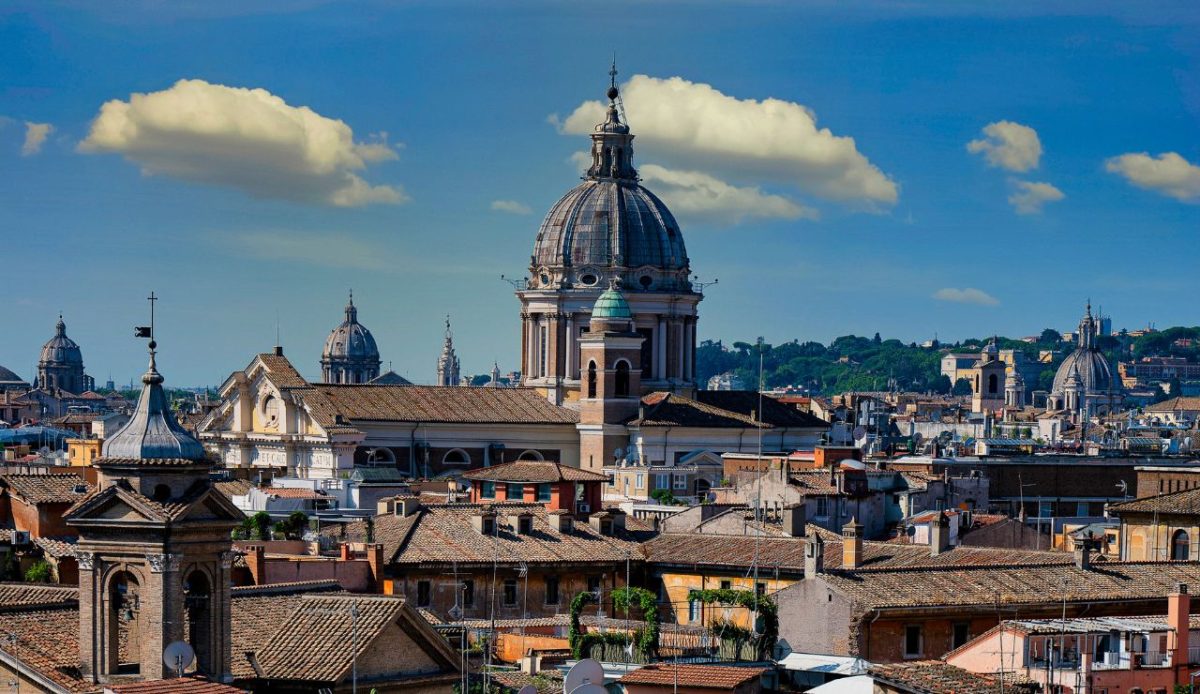
Rome’s museums showcase centuries of history, but visitor experiences are often shaped by congestion and scheduling limits. Timed entry systems and heavy foot traffic can create pressure to move quickly through exhibits. Travelers sometimes report feeling visually overwhelmed by the sheer number of artifacts presented in close succession. Instead of reflection, the experience can feel hurried and dense. While the historical significance is undeniable, some visitors feel they absorb less than expected, leaving with admiration but also a sense that the visit lacked breathing room and personal discovery.
5. Amsterdam, Netherlands
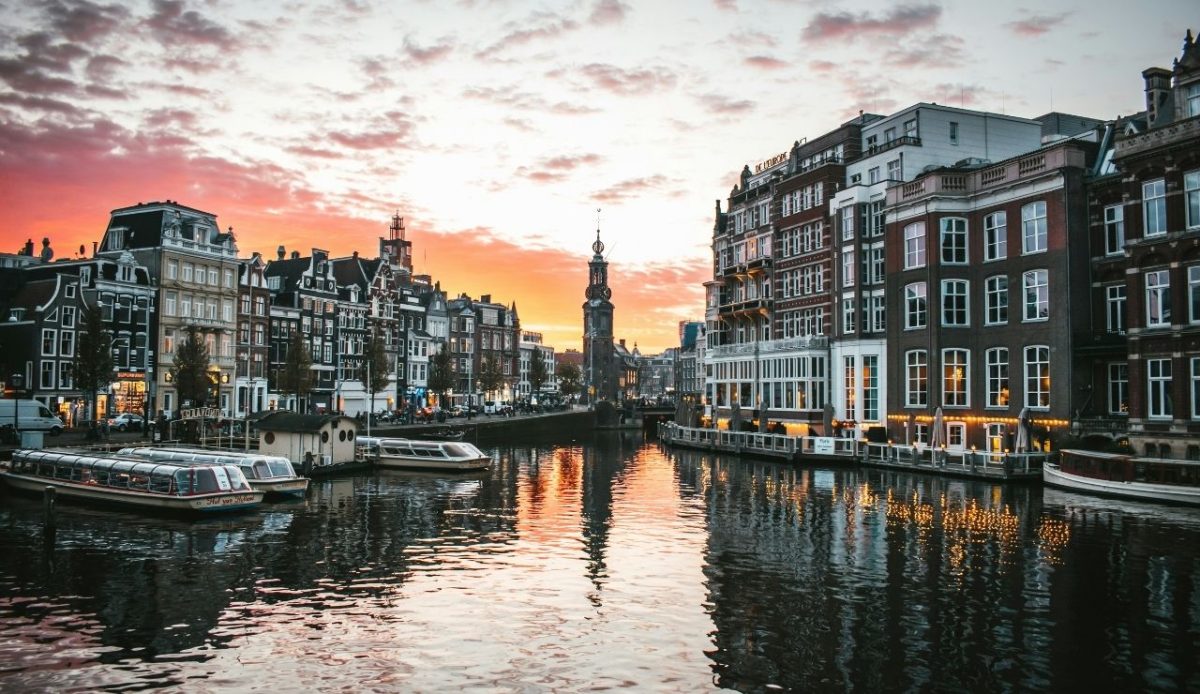
Amsterdam’s museum scene draws international attention, yet some travelers find the experience less satisfying than anticipated. Timed tickets, packed corridors, and limited viewing time for famous works often dominate feedback. Visitors frequently mention that crowd flow dictates pacing, reducing opportunities for personal engagement. While collections are meaningful and well-curated, the atmosphere can feel transactional during peak seasons. Some travelers leave feeling they saw what they came for, but without the depth or calm they expected from such highly regarded institutions, especially during busy travel months.
6. Madrid, Spain
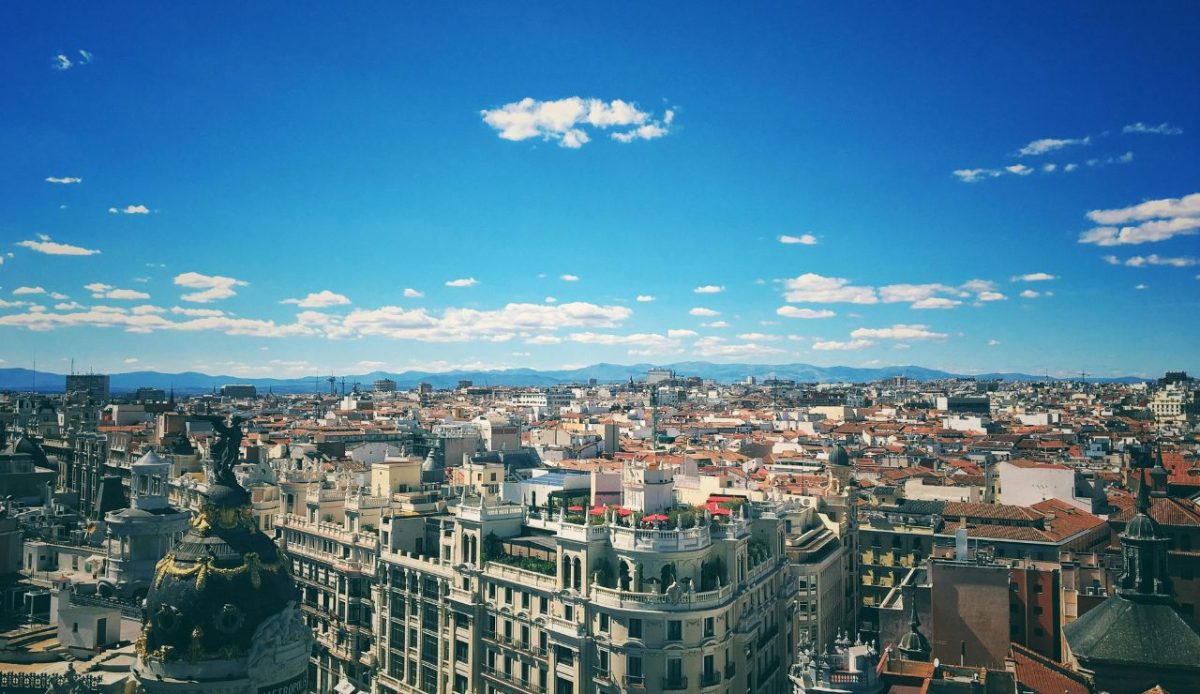
Madrid’s museums are deeply respected, yet some travelers find them demanding rather than enjoyable. Visitors often report that collections feel academically dense, with long galleries requiring sustained focus. Casual museumgoers sometimes struggle to connect emotionally, especially when exhibits rely heavily on background knowledge. Crowds during peak hours further reduce the ability to pause and absorb details. While art enthusiasts may appreciate the depth, others describe the experience as mentally tiring. For travelers expecting a lighter cultural stop, Madrid’s museums can feel more like an obligation than a highlight.
7. Berlin, Germany
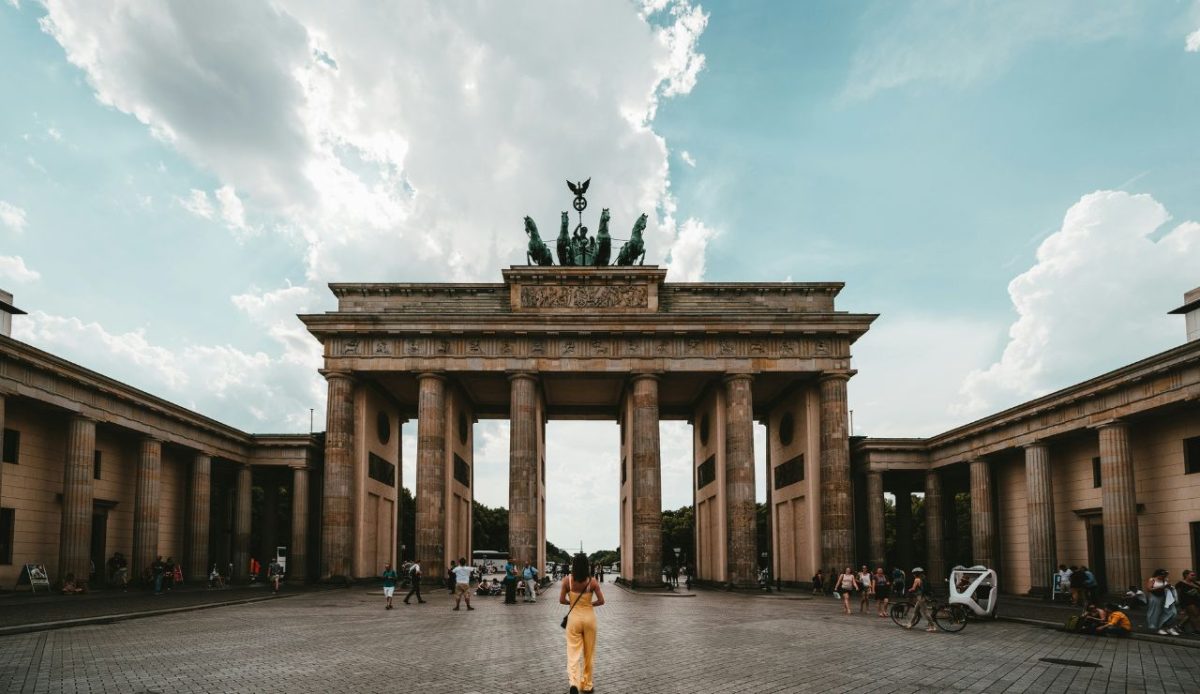
Berlin’s museums reflect the city’s complex history, but many visitors describe the experience as emotionally heavy. Exhibits often present dense historical narratives with minimal breaks, leading to information overload. Travelers report that moving through multiple museums in a single day becomes exhausting rather than enlightening. Crowded halls and long text panels can limit engagement, especially for those unfamiliar with the historical context. While the content is important and well-researched, some visitors feel drained by the intensity, leaving with respect for the subject matter but limited personal connection.
8. Florence, Italy

Florence is often portrayed as an art lover’s paradise, yet some visitors feel the reality is less romantic. Long lines and strict crowd management reduce time spent with famous works. Travelers frequently mention that galleries feel rushed, with limited space to pause or reflect. Expectations shaped by reputation can clash with the fast-moving experience inside. While the artwork itself remains extraordinary, some visitors feel the setting discourages quiet appreciation. The result is admiration mixed with disappointment, especially for those seeking a slower, more intimate encounter with Renaissance art.
9. Vienna, Austria
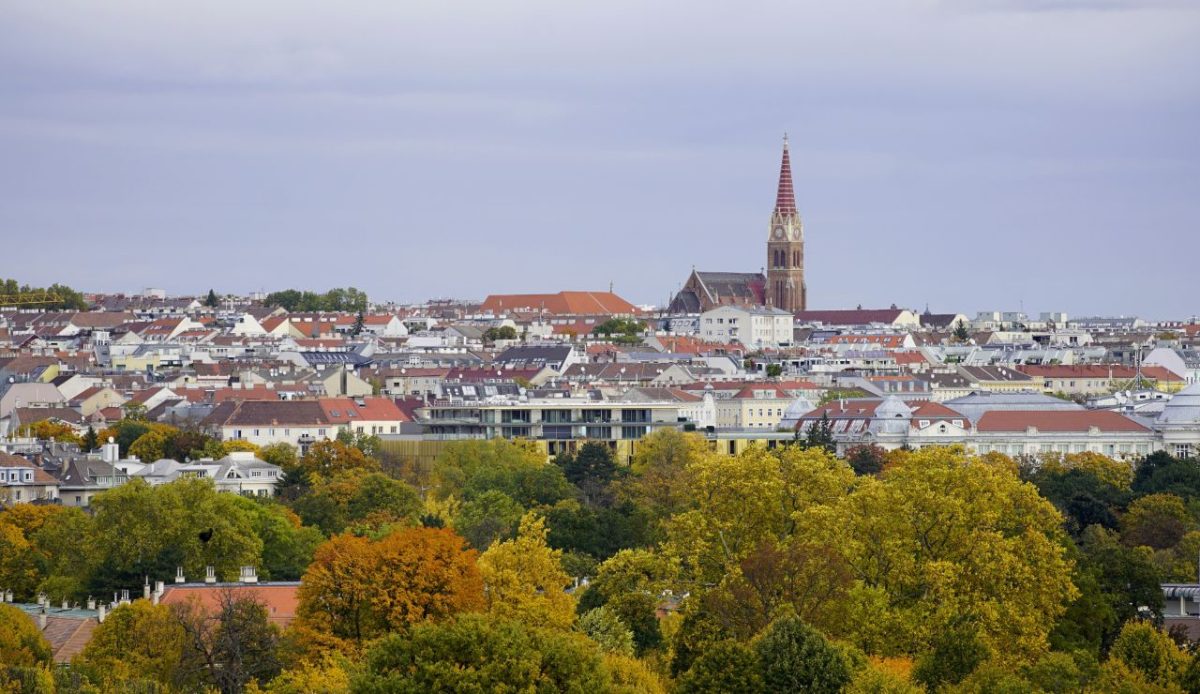
Vienna’s museums are elegant and comprehensive, but some travelers find them overly formal. Large galleries and extensive collections can feel intimidating, especially for visitors without a strong art background. Exhibits often prioritize scholarly presentation over accessibility, making it harder for casual audiences to stay engaged. Visitors report museum fatigue after navigating long corridors filled with detailed information. While the cultural value is undeniable, some travelers feel emotionally distant from the experience, describing it as impressive yet rigid rather than inspiring or memorable.
10. Tokyo, Japan
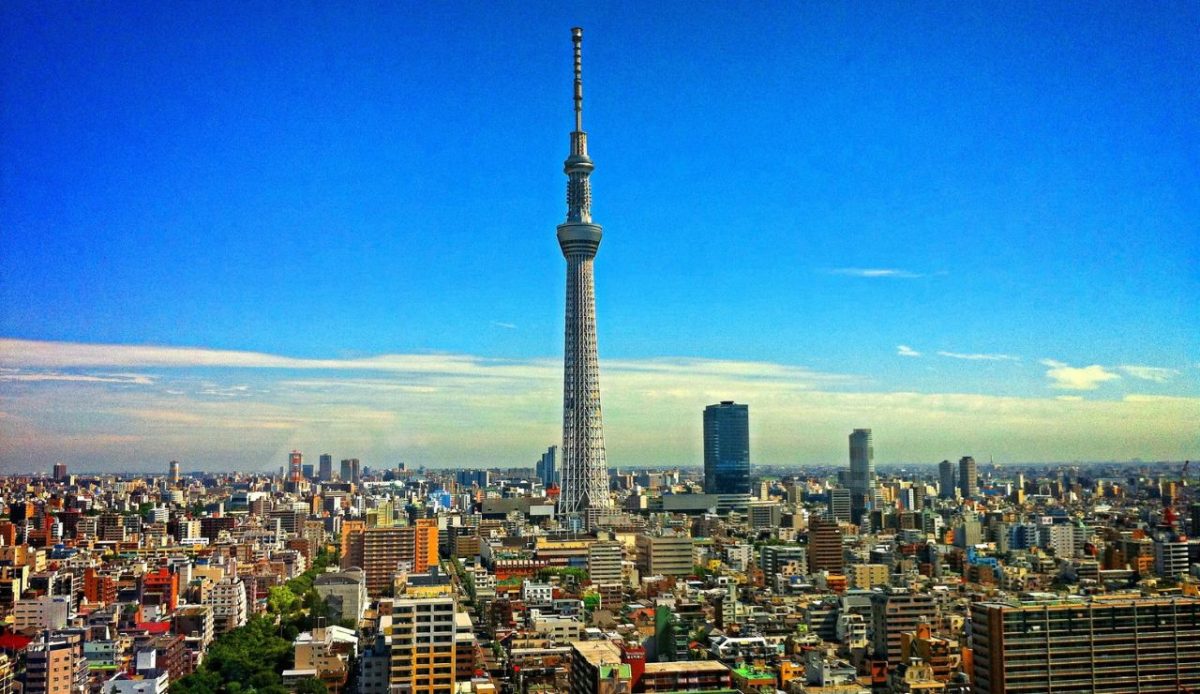
Tokyo’s museums balance tradition and innovation, but visitor impressions vary widely. Some travelers find exhibits highly structured, leaving little room for exploration at one’s own pace. Language barriers and limited multilingual explanations can reduce accessibility for international guests. While the presentation is polished, visitors expecting interactive or immersive storytelling may feel restrained. Crowds during weekends further impact comfort and engagement. Many leave appreciating the discipline and order, yet feeling the experience was more instructional than emotionally engaging or memorable.
11. Washington, D.C., USA
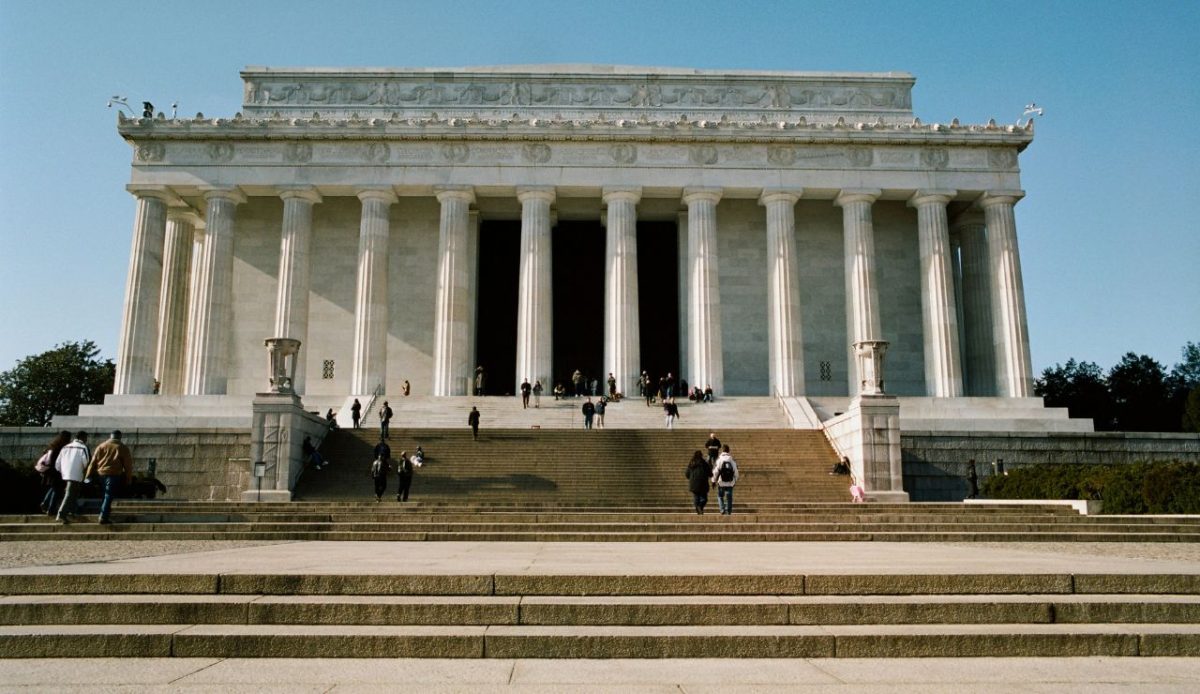
Washington, D.C., offers an unmatched concentration of museums, yet some visitors report feeling overwhelmed. Large institutions packed with information can make it difficult to absorb content meaningfully. Travelers often mention that after visiting multiple museums, experiences begin to blur together. While free entry encourages exploration, limited time leads to rushed visits. Some leave impressed by scale but exhausted by density. The abundance of exhibits can unintentionally reduce impact, causing visitors to skim rather than deeply engage with individual collections and miss smaller, fascinating details.
12. St. Petersburg, Russia
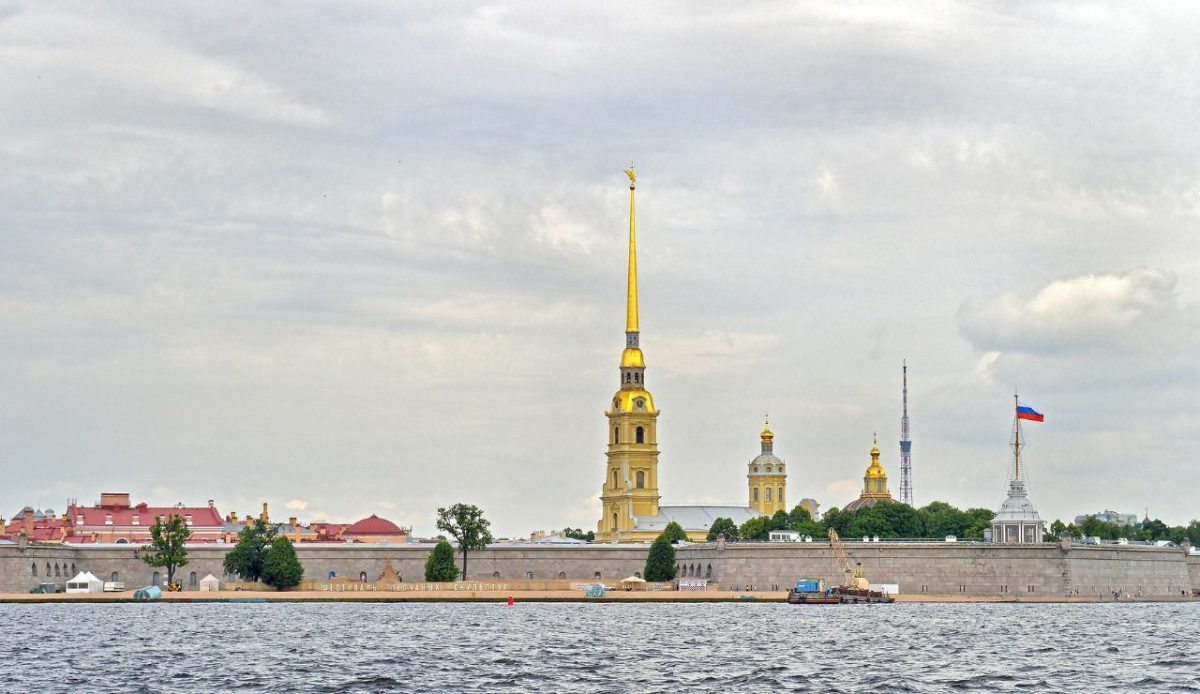
St. Petersburg’s museums are visually striking, but some travelers describe the experience as overwhelming. Expansive galleries filled with countless works make it difficult to focus on individual pieces. Strict rules and heavy crowds further limit personal exploration. Visitors often report feeling rushed despite the vast scale. While the collections reflect immense cultural heritage, the formal atmosphere can discourage relaxed viewing. Many leave impressed by grandeur but feel the experience prioritized spectacle over connection, especially for first-time visitors navigating the massive spaces.
13. Beijing, China
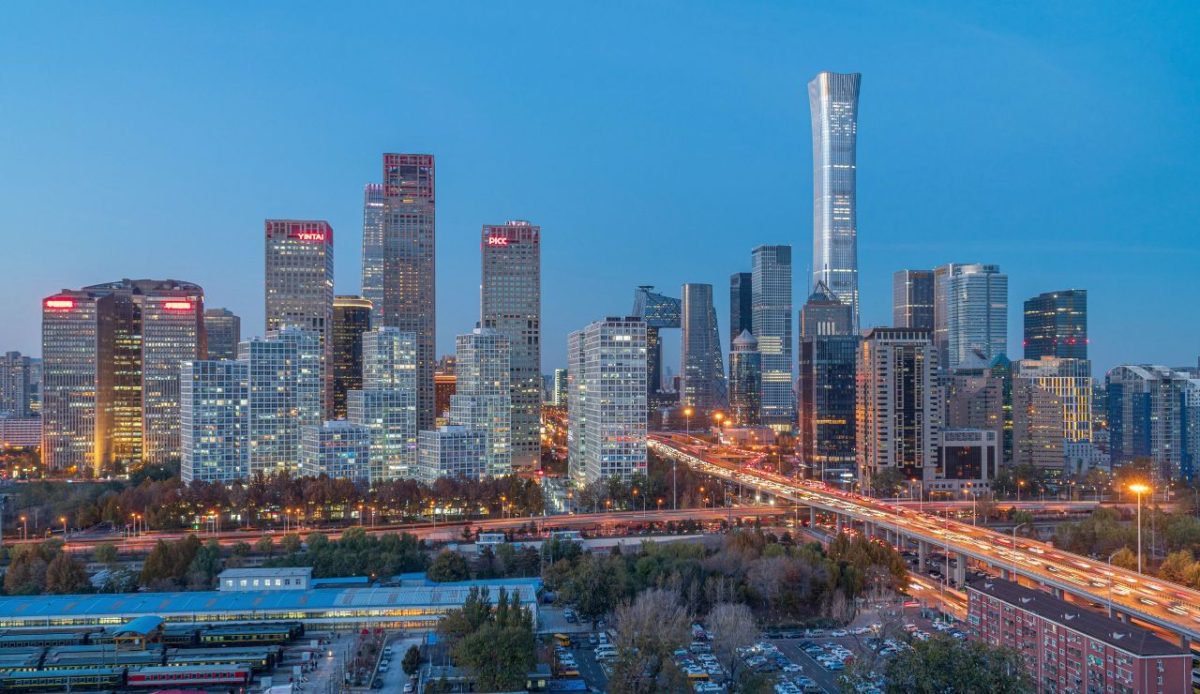
Beijing’s museums offer deep historical insight, yet visitor reactions are mixed. Some travelers report crowded conditions and controlled movement that restricts the time spent with exhibits. Language barriers and limited interpretive context can reduce engagement for international visitors. The experience often feels structured and procedural rather than exploratory. While the artifacts are historically significant, visitors sometimes struggle to form emotional connections. Those expecting immersive storytelling may leave feeling they observed history rather than experienced it firsthand during their visit.
14. Los Angeles, USA
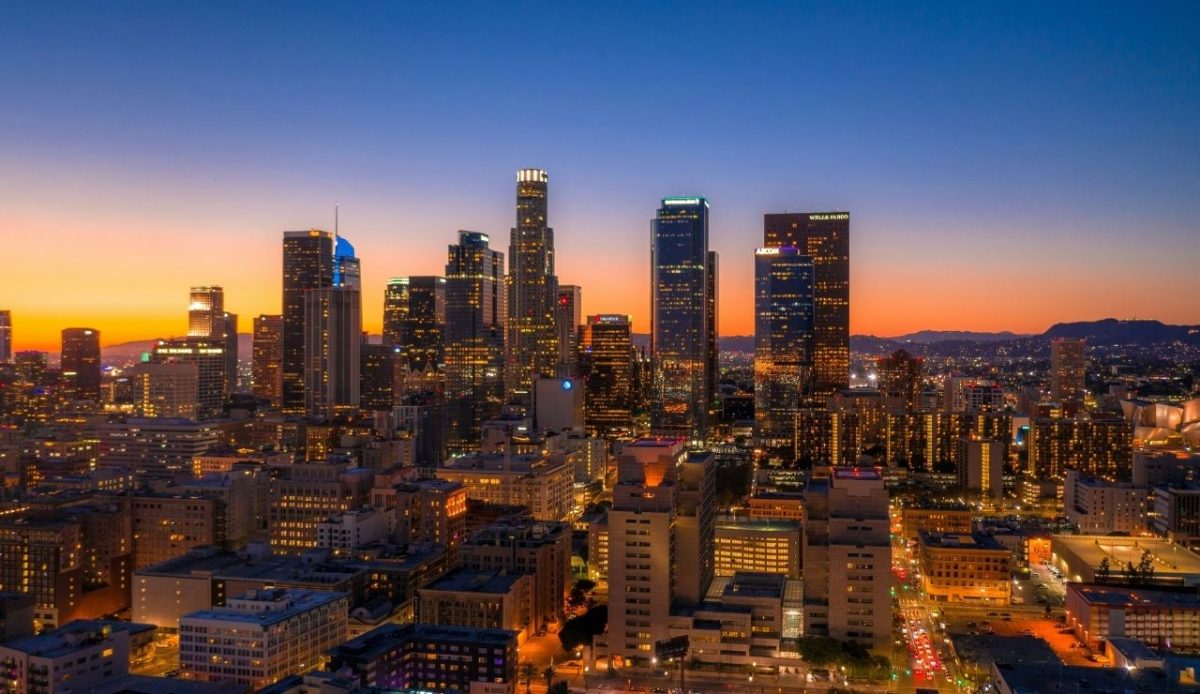
Los Angeles museums attract attention for architecture and prestige, but experiences can feel inconsistent. Travelers often note that exhibit quality varies widely, making visits unpredictable. Parking logistics, crowd levels, and large layouts can detract from enjoyment. While standout displays impress, others feel underdeveloped or lack context. Some visitors leave satisfied, while others feel expectations weren’t fully met. The overall experience often depends on timing and personal interest, leading some travelers to view the city’s museum scene as uneven rather than exceptional or fully immersive.
15. Moscow, Russia
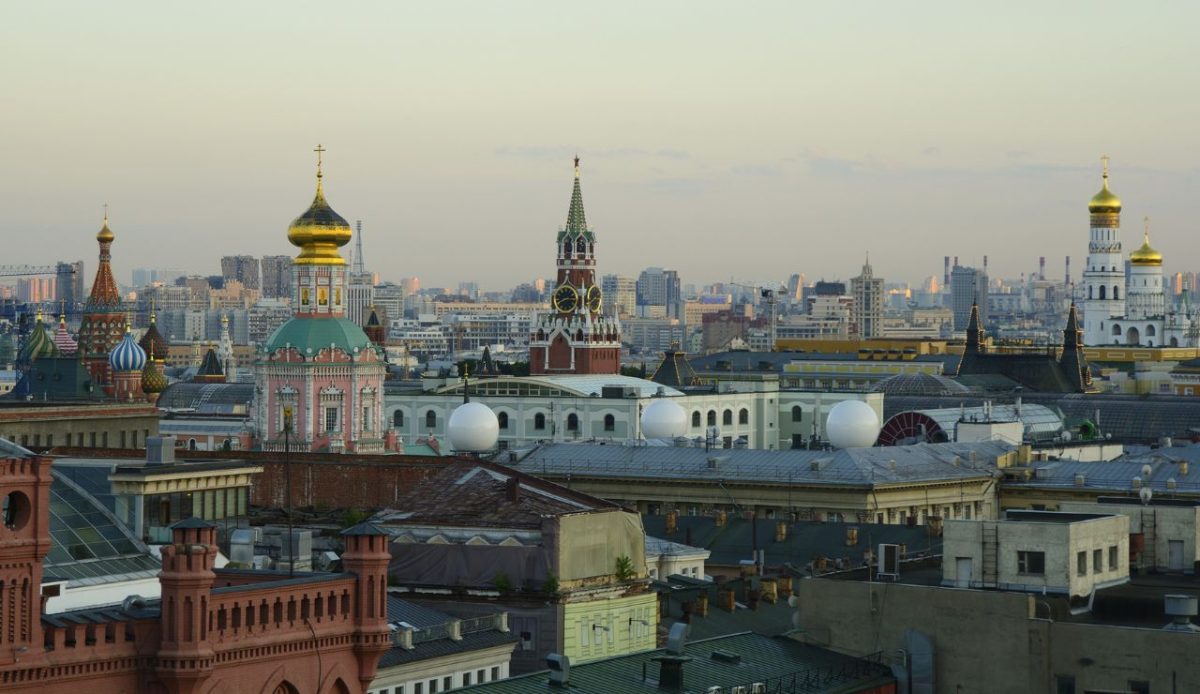
Moscow’s museums house vast collections, but many travelers find them demanding. Long galleries packed with artifacts can lead to sensory overload. Visitors frequently mention that pacing feels relentless, with limited opportunities to rest or reflect. Crowded rooms reduce personal space, making extended visits tiring. While the historical scope is impressive, some travelers struggle to maintain engagement throughout. The experience often feels monumental rather than personal, leaving visitors respectful of the collection but less emotionally connected than expected, especially when trying to see multiple museums in one visit.
