
Africa rewards first-time travelers who prepare for details that are enforced at airports, borders, and remote airstrips. Rules vary by country, and airline staff often apply them before you board. Many problems come from documents, health timing, luggage limits, and local laws rather than the trip itself. The sections below focus on common mistakes that repeatedly interrupt itineraries, plus the practical fix that keeps plans moving without stress or wasted money. It also covers issues that surprise visitors on safaris, city stays, and multi-country routes, including vaccines, permits, and everyday security habits.
1. Treating the Continent Like One Set of Rules
Many first-timers plan the continent like a single stop, then learn that entry rules change between neighbors and even between airports. Visa types, onward ticket checks, and health requirements can depend on your exact routing. Use an itinerary-based checker that airlines rely on and recheck before each leg, since requirements can change. Treat every border and transit as its own checkpoint and keep proof ready in carry-on. A small change, such as an extra connection, can trigger a new document request, so confirm details after booking changes and again a few days before departure. Do not rely on old forum posts.
2. Forgetting Blank Passport Page Requirements
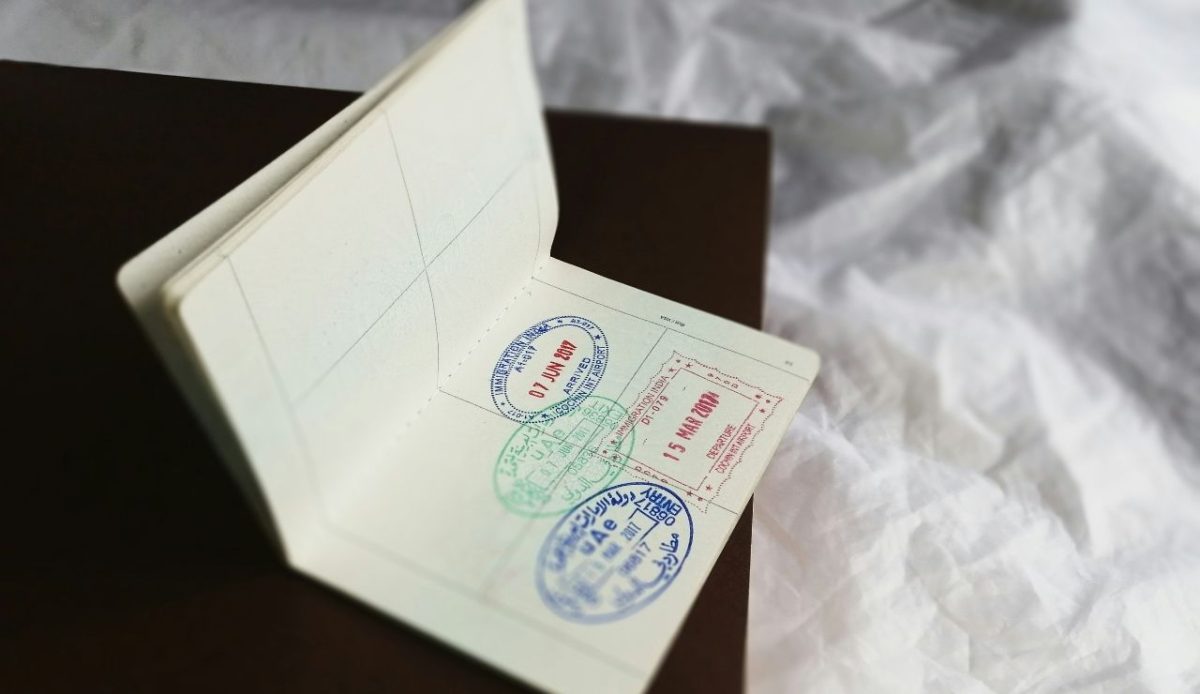
Many African countries strictly enforce passport page requirements, which catch first-time travelers by surprise. Some immigration authorities require two blank pages for entry stamps, not simply any empty page. Travelers with nearly full passports may be denied boarding even if the validity dates appear acceptable. This rule is applied consistently in parts of Southern Africa and is checked by airlines before departure. Renewing passports early prevents costly cancellations and missed flights. Travelers who add side trips often run out of space faster than expected, since each border can add multiple stamps. If your passport is near full, start the renewal process well ahead of peak travel months.
3. Traveling With a Passport That Expires Soon
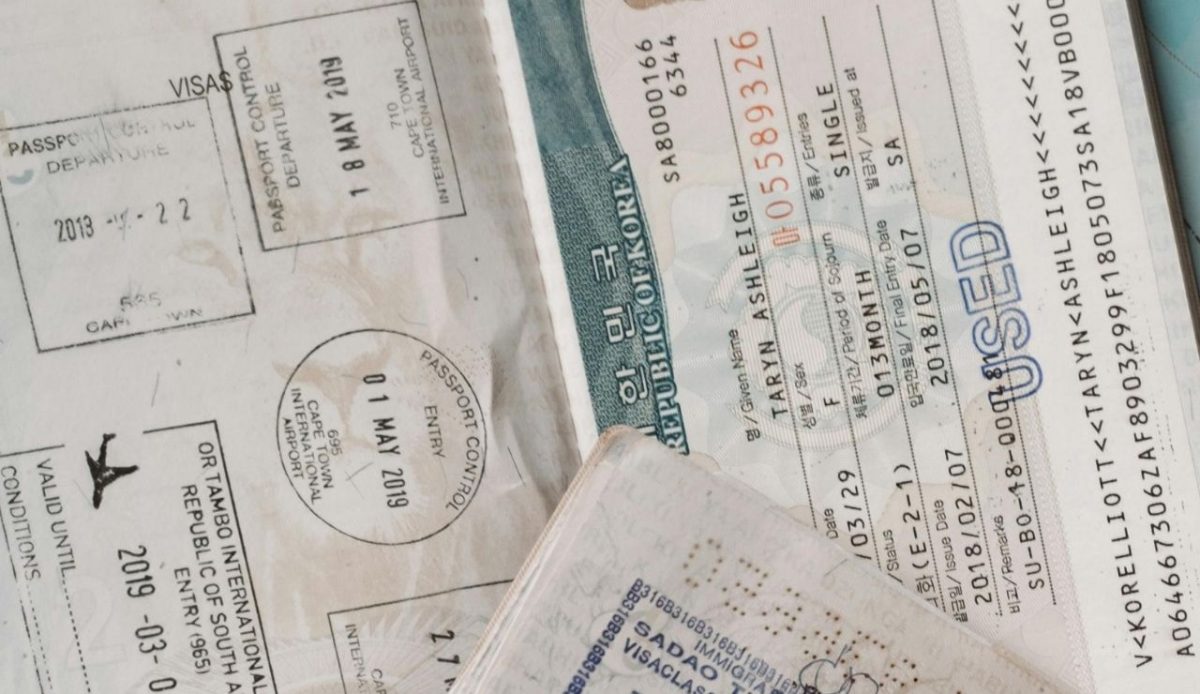
First trips get derailed when travelers arrive with a passport that expires soon, assuming the remaining time is enough. Many countries require at least six months of validity beyond entry or beyond the planned exit date. Check the rule for every stop and every transit country because it can differ. Renew early if your expiry is within nine months, since appointments and shipping can take longer than expected. Airline agents enforce these limits at the counter, so you may never reach immigration. Emergency travel documents are not always accepted for visa-free entry, which adds another reason to start with a fully valid passport.
4. Getting Yellow Fever Vaccinated Too Late
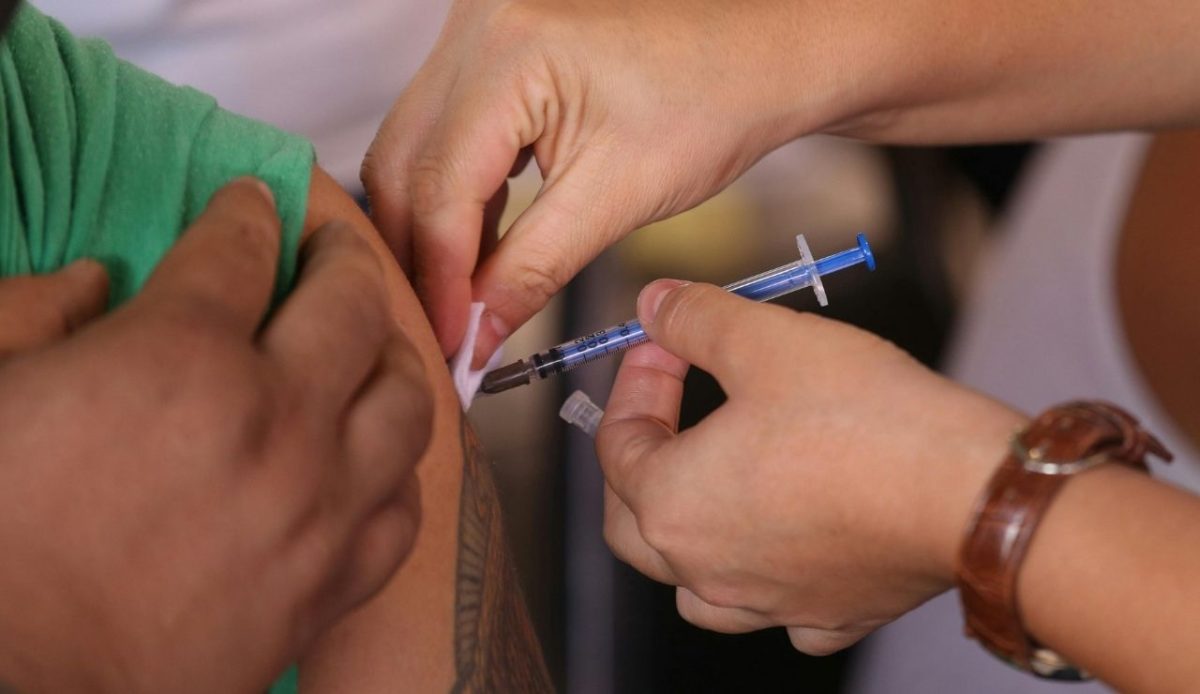
Yellow fever rules catch new visitors because the vaccine certificate is not valid right away. The international yellow card becomes valid ten days after the shot, so a last-minute clinic visit can still leave you noncompliant. Some checks are triggered by where you have been, including transits, not just where you land. Schedule the vaccine at least three weeks before departure to allow for timing, side effects, and paperwork corrections. If you change flights, review the route again, since a new connection can alter the requirement. Keep the certificate accessible during travel days because it may be requested more than once.
5. Not Carrying the Original Yellow Fever Booklet
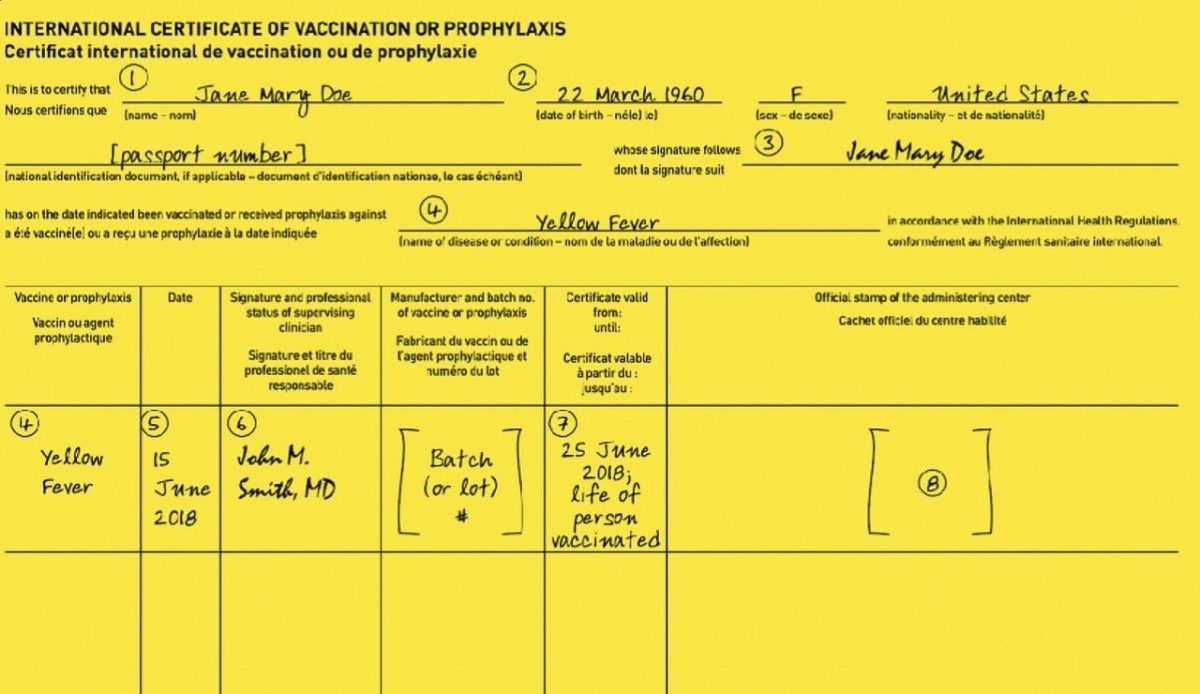
Many travelers assume a digital record or a pharmacy receipt will satisfy border control, but officials often require the original International Certificate of Vaccination with the correct stamp and date. Photos on a phone can fail when batteries die or signals drop. Carry the booklet in your hand luggage and protect it from water. If it is lost abroad, replacement is difficult because the issuing clinic may need to verify the lot and date. Keep a scanned copy in secure cloud storage and a paper copy in a different pocket, so you can prove history while arranging a replacement. Do not pack it in checked baggage.
6. Skipping Malaria Prevention Where It Applies

First-time visitors sometimes skip malaria tablets, thinking repellent alone is enough or that risk is limited to the deep jungle. In many regions, malaria remains a realistic threat, including near lakes, rivers, and some popular parks. A clinician should match prophylaxis to your route and medical history. Start pills on the recommended schedule, use long sleeves at dusk, sleep under screened nets when provided, and treat fevers after travel as urgent. Buy medication before departure to avoid stock issues and counterfeit products. Keep doses in the original packaging for border questions and set reminders so missed doses do not reduce protection.
7. Relaxing Food and Water Habits Mid-Trip
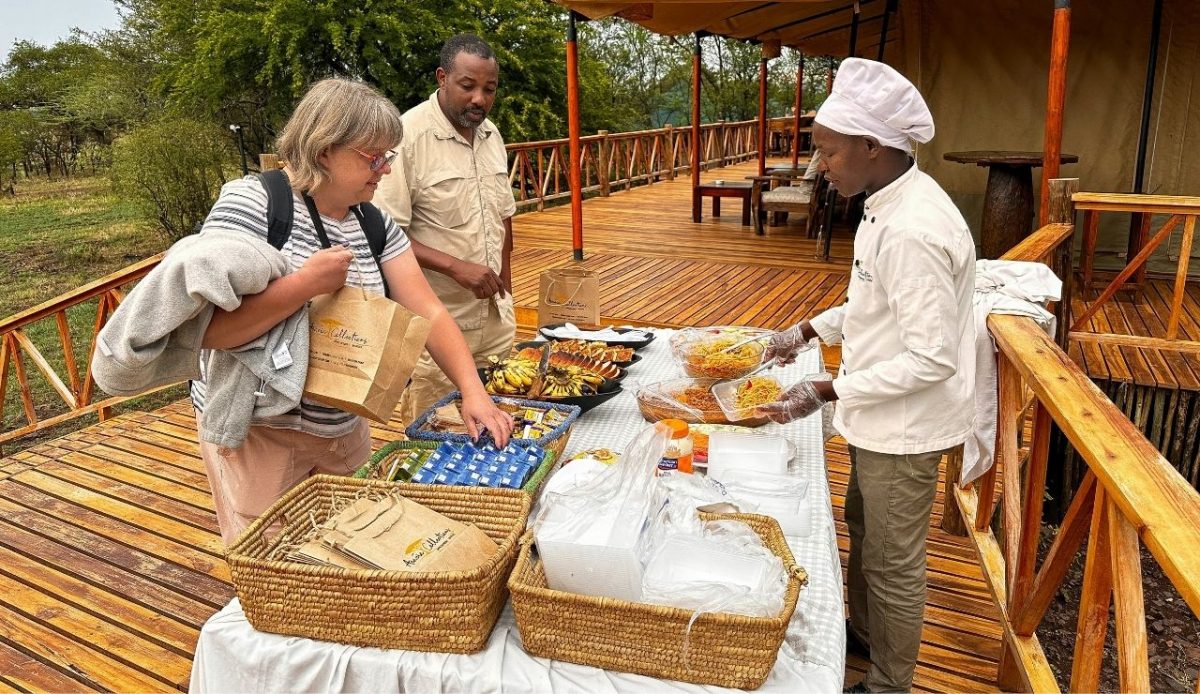
Food and water problems often appear after a traveler has felt fine for days, then eats from a buffet that has been sitting out or drinks from an open bottle. Standards can differ between a capital city hotel and a roadside stop on the same trip. Choose food that is cooked hot and served hot, peel fruit yourself, and avoid ice unless you trust the source. Carry oral rehydration salts and know where nearby clinics are located. Hand hygiene matters more than many expect, so use sanitizer before meals and after handling cash. For long drives, keep sealed water and a backup filter bottle so you are not forced into risky choices.
8. Relying on Outdated eVisa and Entry Advice
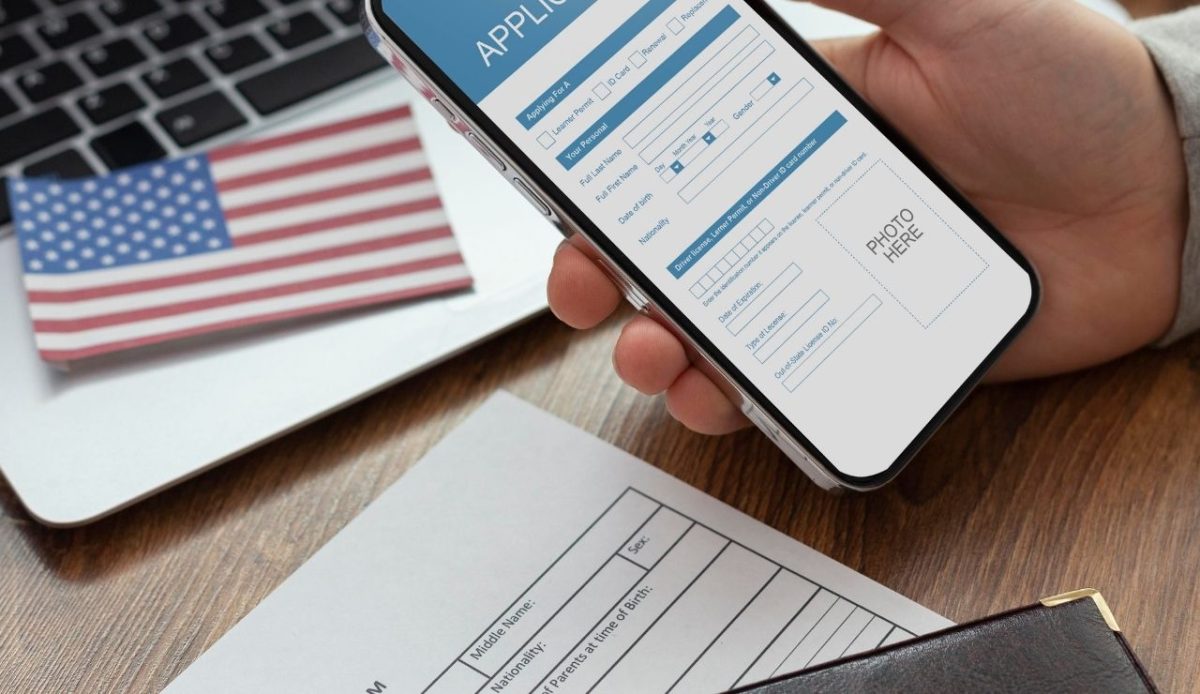
Visa rules can shift between seasons, and first-timers often trust a post that describes an older process or a visa on arrival that no longer applies. Airlines enforce requirements before departure, so a missing preapproval can stop travel at check-in. Apply through official portals, save the approval offline, and print a copy. Some stops ask for onward tickets, lodging details, or proof of funds. Review each field before paying, keep a screenshot and confirmation number, and confirm reentry permission if you plan a border hop. Fix typos quickly now because changes can require a new application.
9. Packing Plastic Carrier Bags Into Banned Countries

Plastic carrier bags cause trouble at some entry points because they are restricted or banned under local environmental laws. Visitors often pack them as laundry liners or shoe covers and forget they are there. Confiscation can slow immigration, and in strict locations, fines are possible. Swap to reusable fabric totes or zip pouches. Before flying, scan every pocket of your luggage for thin grocery bags and remove them. In Rwanda, they can be taken on arrival, and in Tanzania, travelers have reported surrender desks. Carry a small roll of paper bags for wet items instead. This avoids a surprise search.
10. Bringing a Hard Suitcase on Light Aircraft Legs
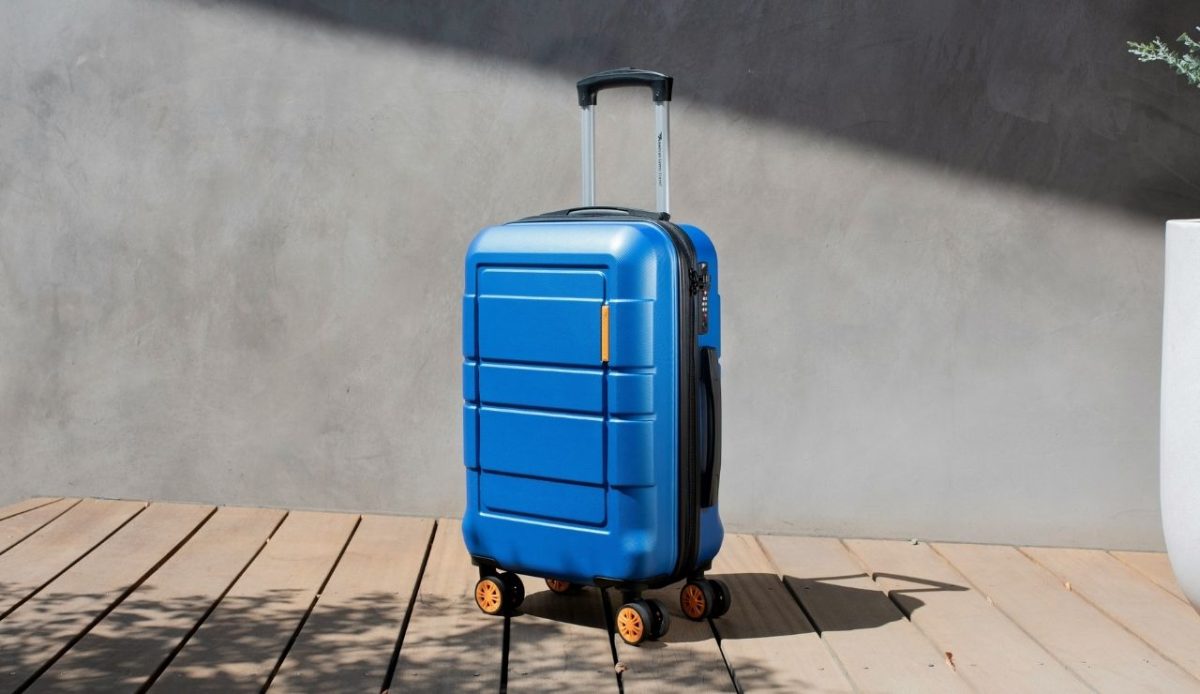
Safari routes often include small planes where luggage is limited by weight and by shape. Hard suitcases may not fit in the cargo bay, even if they are under the limit. When that happens, bags can be left behind, or you may be asked to repack at the airstrip. Use a soft duffel, keep gear compact, and weigh everything at home. Pack essentials like meds and a change of clothes in case your main bag is delayed. Many carriers count camera equipment toward the limit, so do not assume it rides free. Avoid oversized wheels and rigid frames, and keep a spare foldable tote for shopping that would otherwise push you over.
11. Bringing a Drone Without Clear Permission
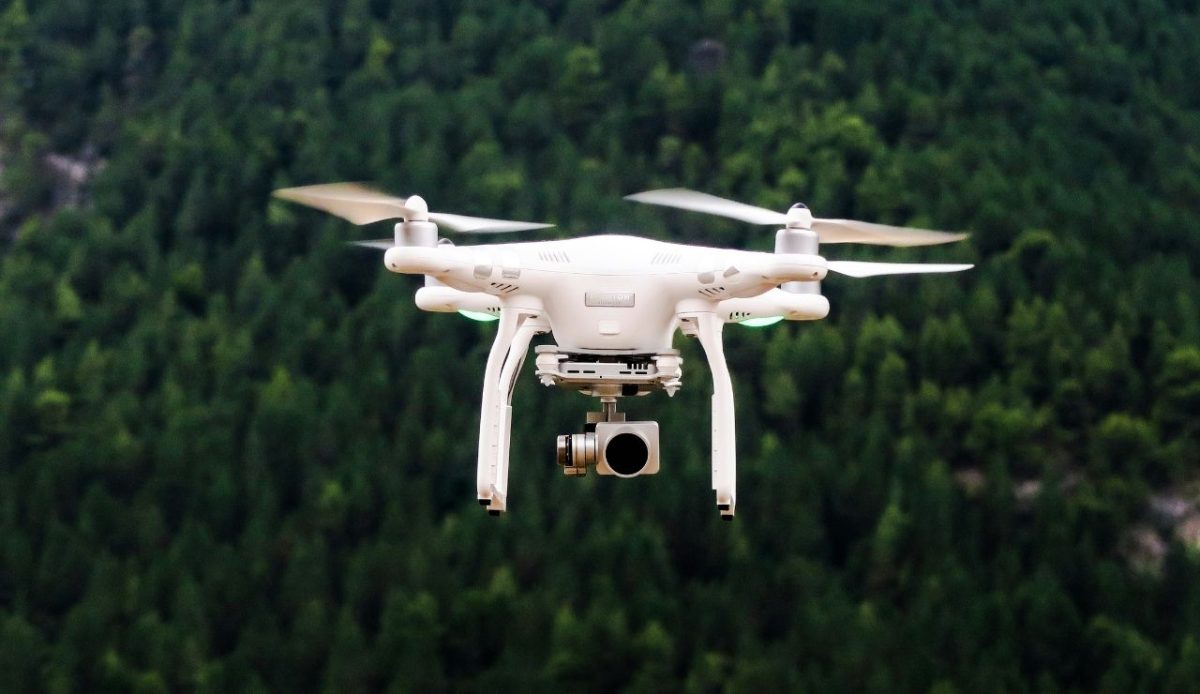
Drones can create serious issues because several countries treat them as regulated aircraft rather than tourist gadgets. Travelers sometimes bring one for scenic footage and learn at customs that an import permit or aviation approval is required. Devices may be held until departure, and the process to retrieve them can take time. Check the aviation authority rules for your destination, confirm whether import is allowed, and leave the drone at home if approval is uncertain. Even with approval, many parks and lodges ban drones to protect wildlife and privacy. Keep batteries in carry-on under airline rules.
12. Taking Photos in Restricted Areas
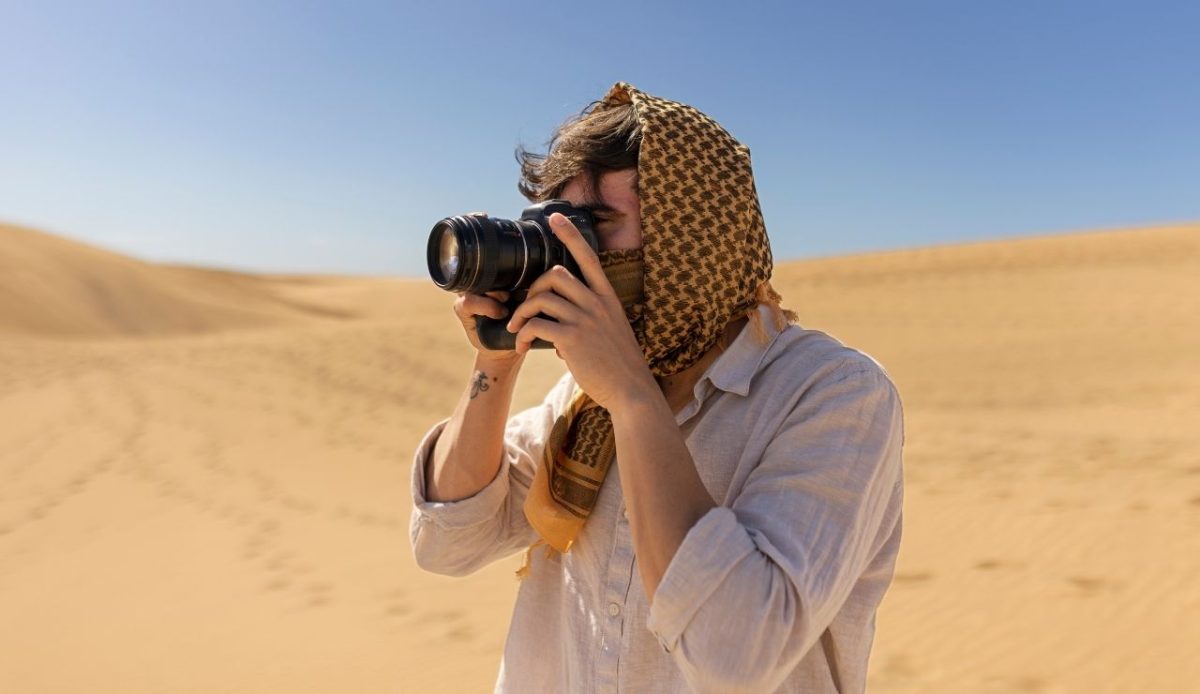
Photography feels harmless, yet restrictions are enforced around military facilities, police posts, airports, border crossings, and some government buildings. First-time visitors may snap a quick photo of a checkpoint or a bridge and draw attention. The result can be questioning, deletion requests, or temporary seizure of equipment. Ask before photographing people, avoid official sites, and keep your camera away during immigration and security checks. When in doubt, put the phone down. In some places, lenses and tripods can be viewed as professional tools that need permits. Save sightseeing shots for public areas and follow posted signs.
