
Glass roof railcars are built for places where scenery climbs above standard windows, so peaks, canyon walls, and forest canopies stay visible even on tight curves. The journeys below were chosen only when a transparent dome or roof glazing is a core feature, not a marketing label, and when operators describe the equipment and route in clear terms. Routes span Switzerland, North America, Peru, and India, and each one rewards daytime travel with sustained, high-impact views. Most require seat reservations, and the weather can change what gets seen, so planning for clear hours helps. A window seat is often preferred.
1. Bernina Express
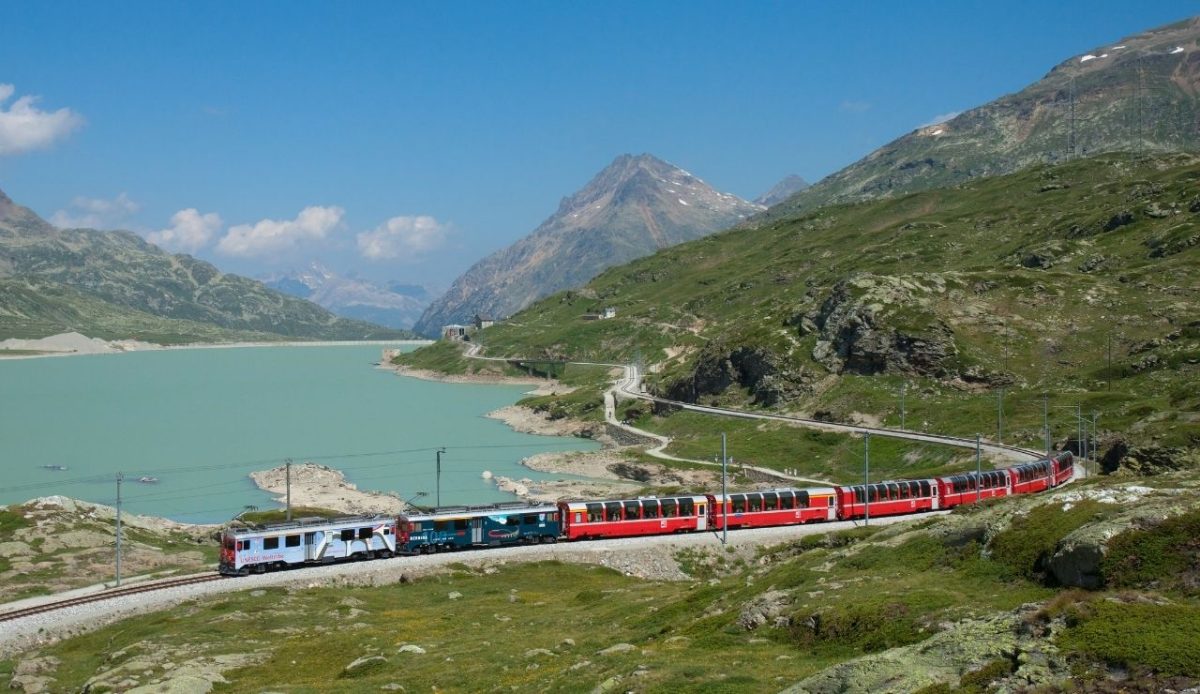
On the Bernina Express between Chur or St Moritz and Tirano, panoramic coaches curve glass upward into the roofline, so glaciers and high passes remain visible as the train turns through tight mountain geometry. The line crosses the Landwasser Viaduct and then climbs toward Bernina Pass, where lakes and snowfields appear above eye level. Because the route is engineered with loops and tunnels rather than rack traction, the view stays broad and uninterrupted for long stretches. The operator requires a seat reservation on these trains, which limits crowding in summer. Parts of the Albula and Bernina lines are recognized by UNESCO.
2. Glacier Express
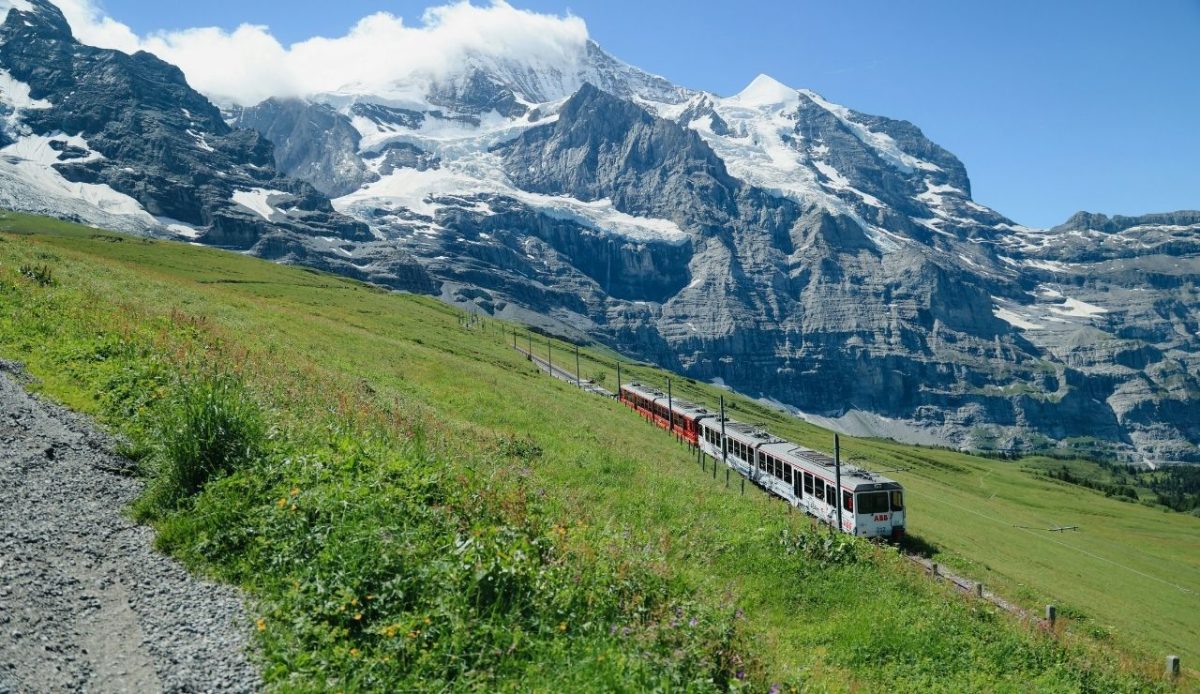
The Glacier Express runs between Zermatt and St Moritz with oversized panoramic windows that reach into the roof, turning the carriage into a moving lookout across deep gorges and clustered alpine villages. The slow pace matters on the Oberalp Pass and through the Rhine Gorge, where rock faces and pine slopes rise steeply beside the track. Dining is served at the seat, so passengers can keep attention on shifting light, bridges, and tunnel exits without leaving the view. The timetable covers hundreds of kilometers, and the brand highlights an unobstructed alpine panorama year-round, including options that guarantee a window seat.
3. Rocky Mountaineer
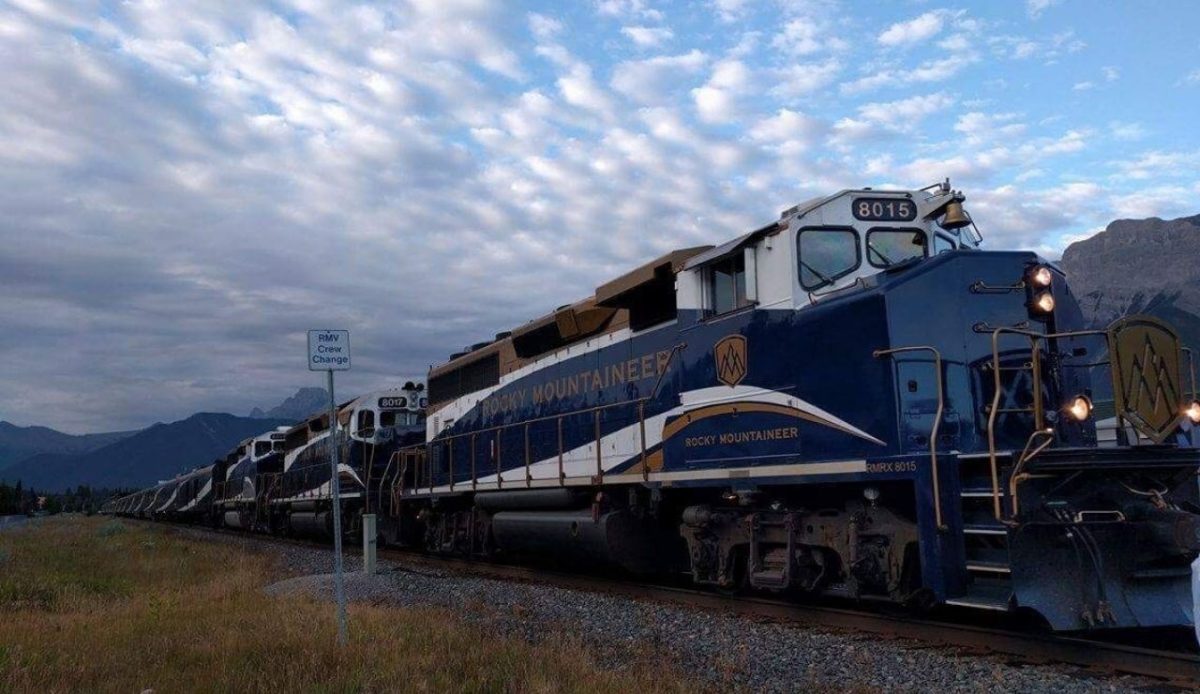
Rocky Mountaineer trains use glass dome coaches on daylight-only routes through Western Canada, so scenery is watched rather than slept through. On First Passage to the West, the line follows river valleys and then threads the Spiral Tunnels near Kicking Horse Pass, where cliffs and ledges tower above the track. The dome level lifts sightlines over trees and along canyon rims, and onboard hosts call out landmarks so the roof glazing pays off on both sides. Service includes meals delivered at the seat, limiting time away from the glass, and the company highlights Fraser and Thompson River canyon scenery as signature segments.
4. Alaska Railroad GoldStar
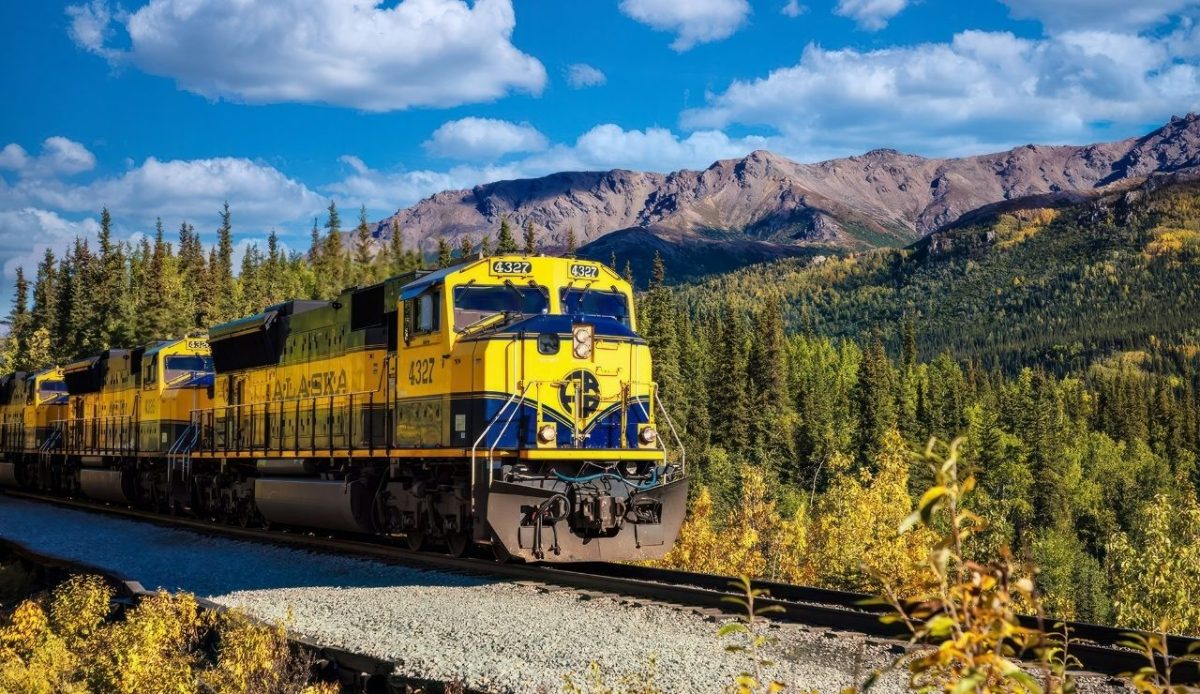
GoldStar Service on the Alaska Railroad places passengers beneath glass dome ceilings with an upper deck viewing platform, built for a landscape where mountains and wildlife often appear on higher ground. On the Anchorage to Denali and Anchorage to Fairbanks runs, broad river flats open suddenly, then ridgelines fill the top of the frame. Guides provide narration while meals are included, so the dome stays the main gathering point. Clear days can reveal Denali region peaks that standard windows only partially frame. The open-air platform adds photo angles when the train slows near rivers and road crossings.
5. VIA Rail The Canadian
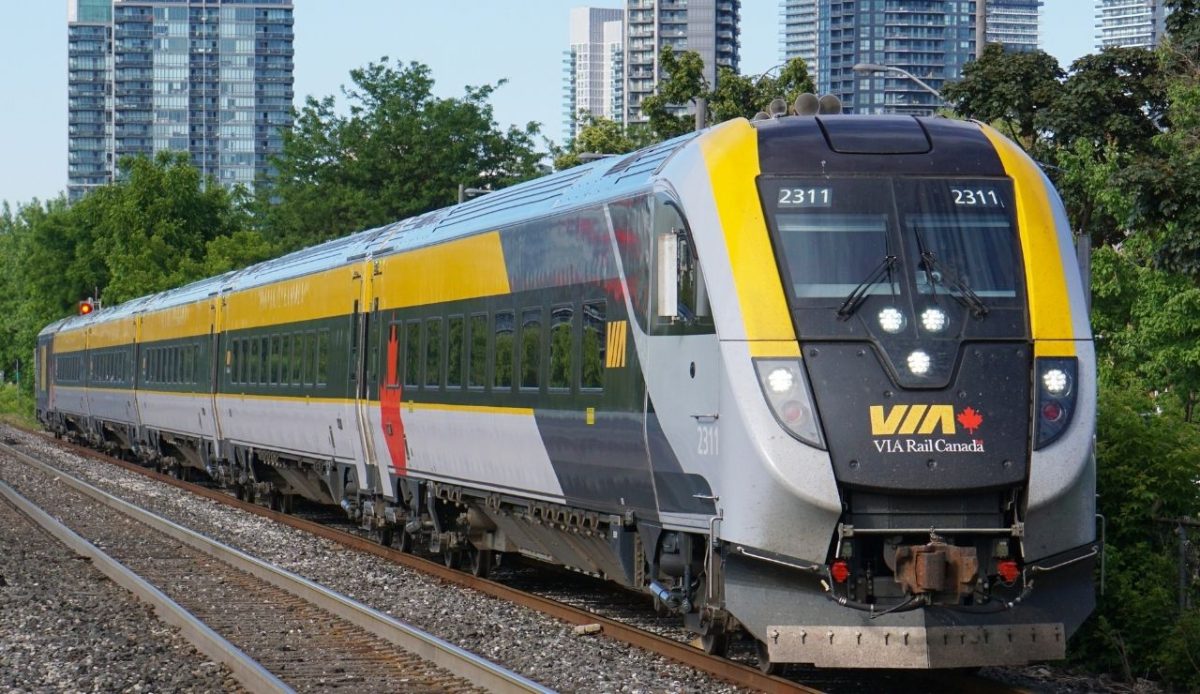
VIA Rail Canada runs The Canadian between Toronto and Vancouver, and its Skyline and Park cars include a glass dome that turns long-distance travel into a viewing session. Across the western provinces, the dome is most rewarding in the Rockies, where valleys drop away, and rock walls angle overhead on curves. Because the trip spans multiple days, passengers can watch weather fronts, sunsets, and night skies shift above the rail corridor. Access is shared among travelers, so timing a dome visit for daylight mountain hours makes the roof glazing count. VIA notes that dome windows use layered laminated glass designed for impact resistance.
6. PeruRail Vistadome Observatory
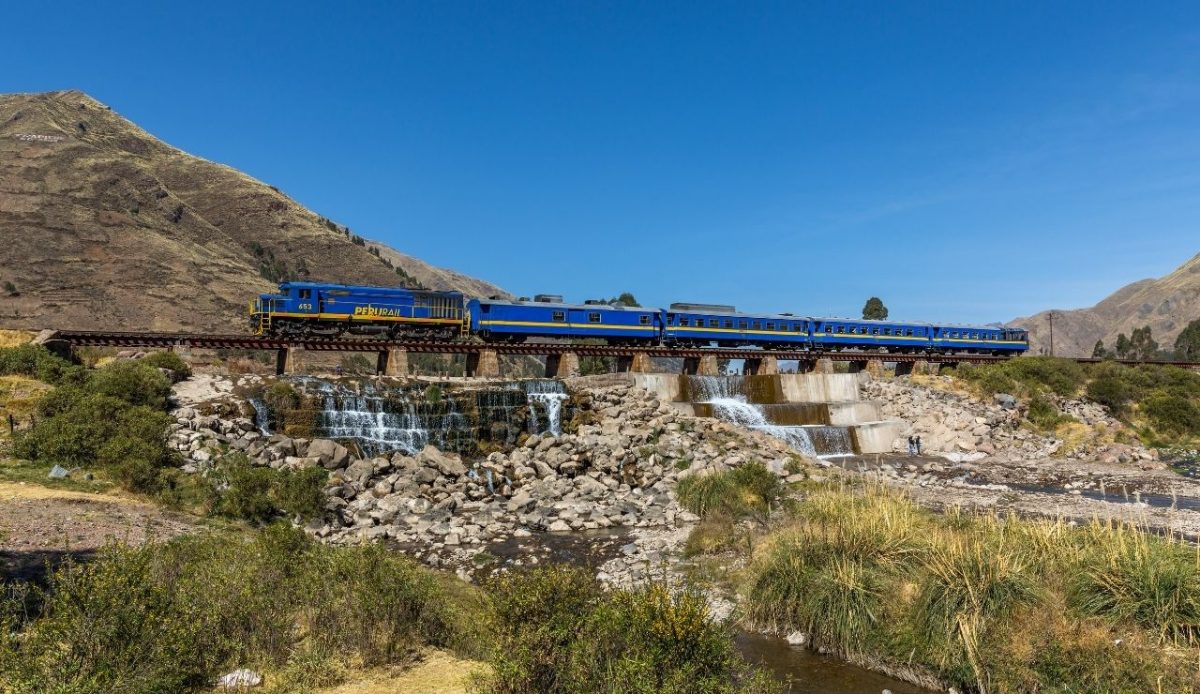
PeruRail Vistadome Observatory services to Machu Picchu are built around expansive windows and a transparent roof, so Andean peaks and river cliffs remain visible even when the train hugs the Urubamba Valley. Departures from Cusco area stations and the Sacred Valley pass farmland, stone terraces, and steep canyon walls that lean into the roof view on bends. An open-air balcony car is marketed for photos and fresh air, while onboard music and snacks keep the ride focused on scenery rather than logistics. PeruRail promotes 360-degree viewing, and the roof panels help on narrow bends when canyon walls and cloud layers crowd the skyline.
7. Kalka To Shimla Vistadome
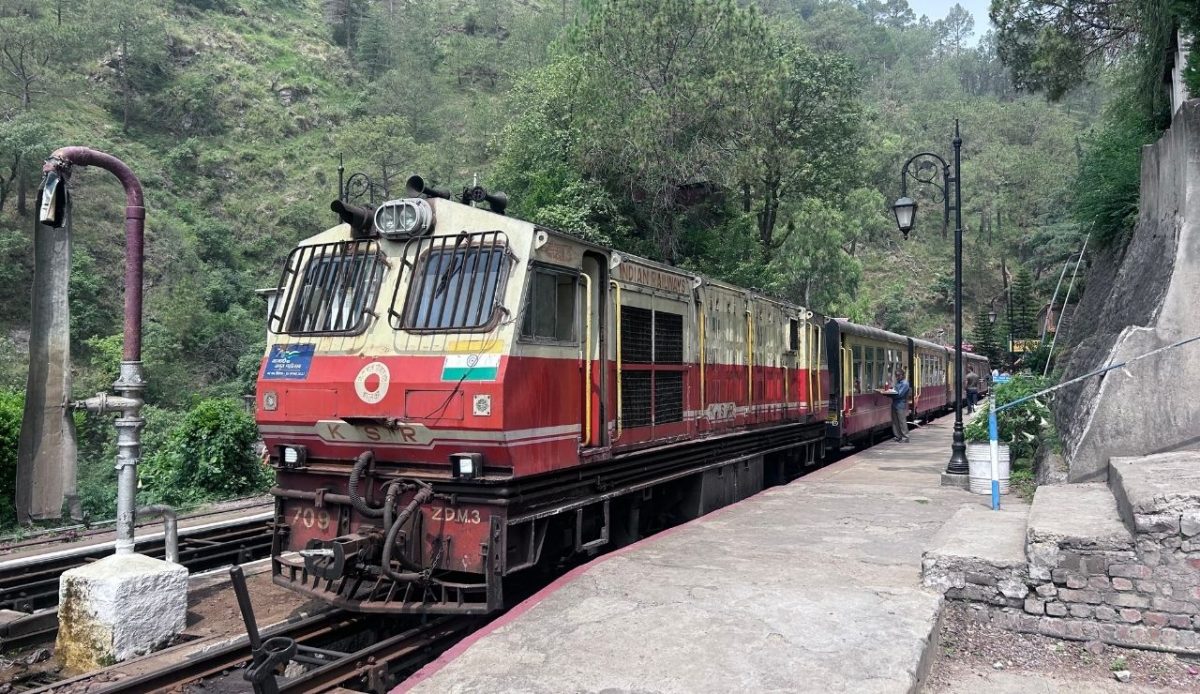
India’s Kalka to Shimla mountain railway offers a Vistadome coach on the heritage route, adding a glass rooftop to a line already packed with tunnels and bridges. As the train climbs, pine slopes and valley drops appear overhead when the track clings to hillsides and curves through stone cuttings. The roof glazing also helps during monsoon greenery, when branches and mist hang above the carriage rather than beside it. Tickets sell quickly on popular dates, so booking early can matter as much as the weather. UNESCO lists the line, and the steady sequence of tunnels, bridges, and sharp curves is exactly where a roof window earns its place.
