
Some American towns and cities give the impression of constant activity, bustling streets, and thriving communities, yet their populations and economies are surprisingly stagnant. Tourists, newcomers, and locals often feel these places are on the rise because of crowded shopping areas, traffic, or visible development projects. In reality, many of these locations maintain steady or declining growth despite appearances. Limited job creation, aging populations, or restrictive zoning laws contribute to this phenomenon. The following ten places are perfect examples of communities that look busy but aren’t expanding at the pace people assume.
1. Atlantic City, New Jersey
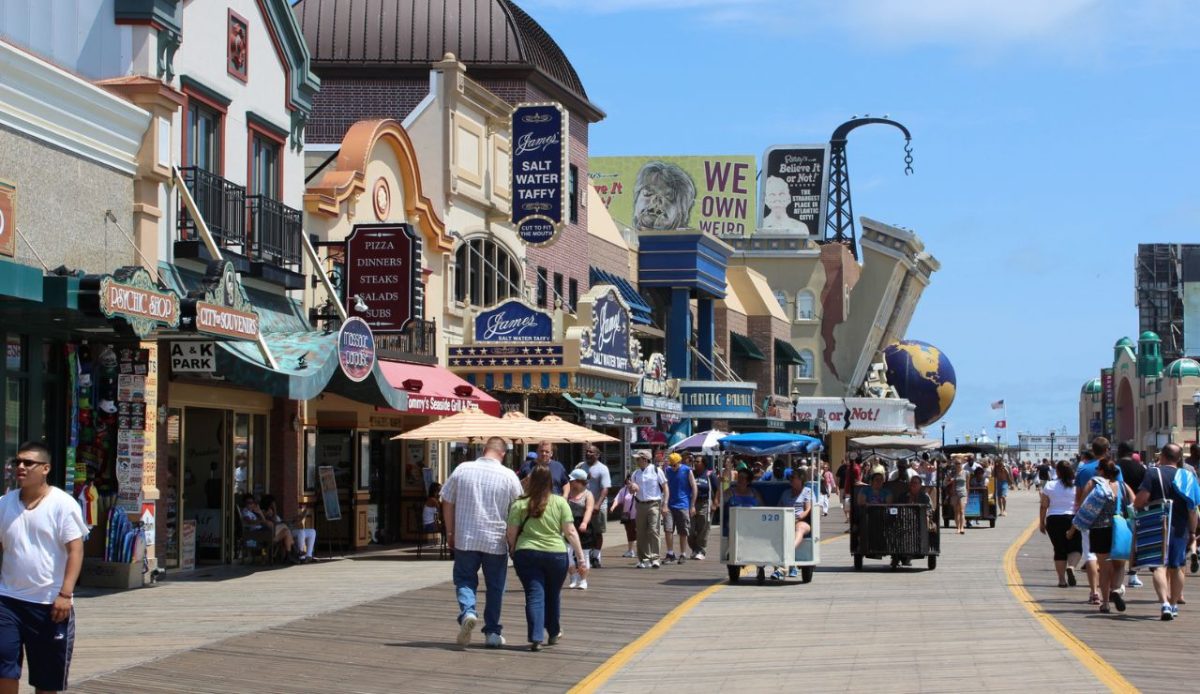
Atlantic City seems lively with its boardwalk, casinos, and entertainment options, but its population and economy have struggled for years. Many visitors assume the city is booming due to its tourist traffic, bright lights, and seasonal events. In reality, competition from neighboring casinos, high unemployment, and stalled redevelopment projects have kept growth modest. The city’s infrastructure has not expanded at the pace of its apparent activity, and local businesses often rely on a limited tourist season. While Atlantic City retains charm and attraction, its bustling appearance hides the slow pace of true economic and demographic growth.
2. Las Vegas, Nevada
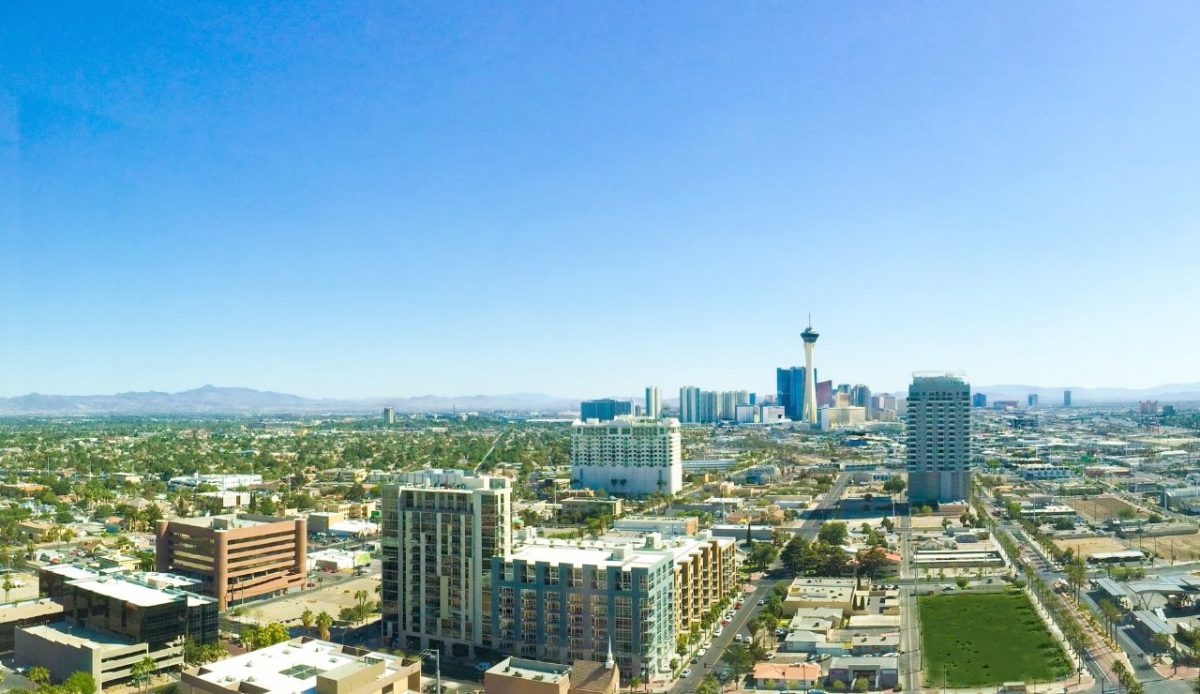
Las Vegas appears as a city that never sleeps, filled with tourists, casinos, and construction cranes, but parts of its local population growth are uneven. While the Strip thrives with visitors, residential growth in surrounding neighborhoods has slowed, and some communities face housing shortages or limited job expansion outside hospitality. Many perceive Las Vegas as constantly growing due to its 24/7 activity, yet a closer look shows stagnation in certain sectors. The contrast between visitor influx and slower local development makes Las Vegas a classic example of a city that feels busier than it truly is in terms of long-term growth.
3. Santa Monica, California
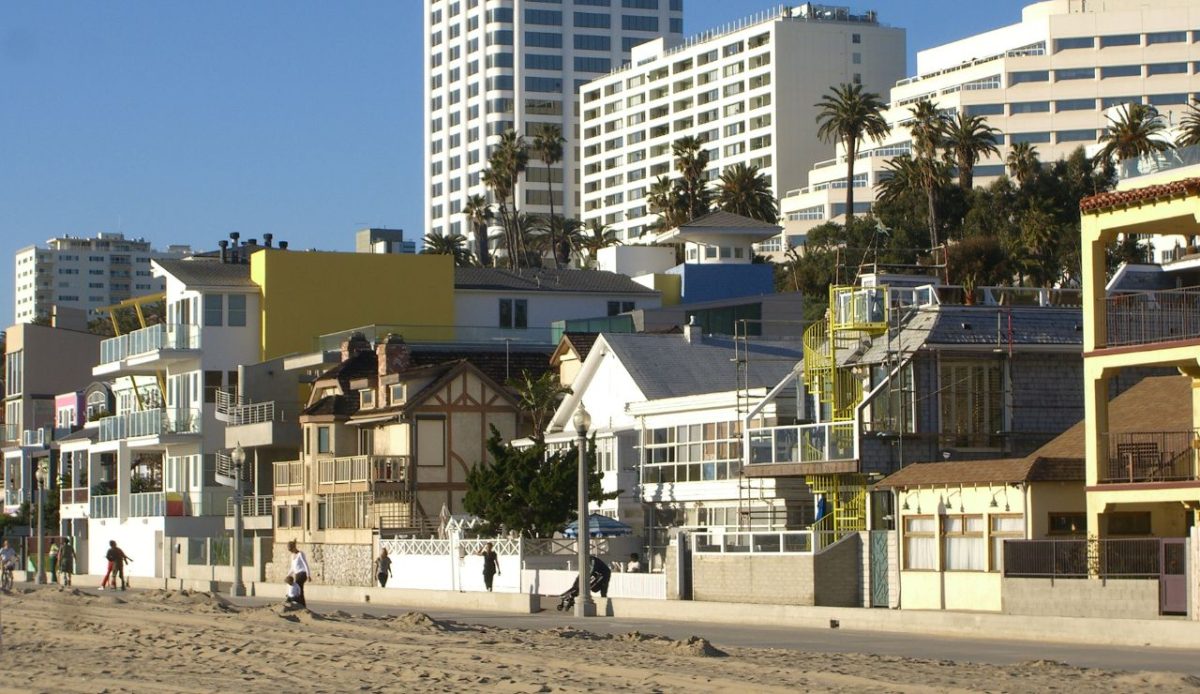
Santa Monica gives off a constant sense of movement with its busy beach, packed streets, and tourist-driven economy, yet its residential growth is limited. Strict zoning, high property costs, and preservation policies prevent large-scale expansion, keeping the population relatively steady. Locals often notice traffic and crowds, creating the impression of a booming city, but demographic growth remains constrained. The area thrives on tourism, culture, and retail activity rather than population or industrial expansion. Santa Monica is a prime example of a community that feels energetic, while actual growth remains slow and managed.
4. Key West, Florida
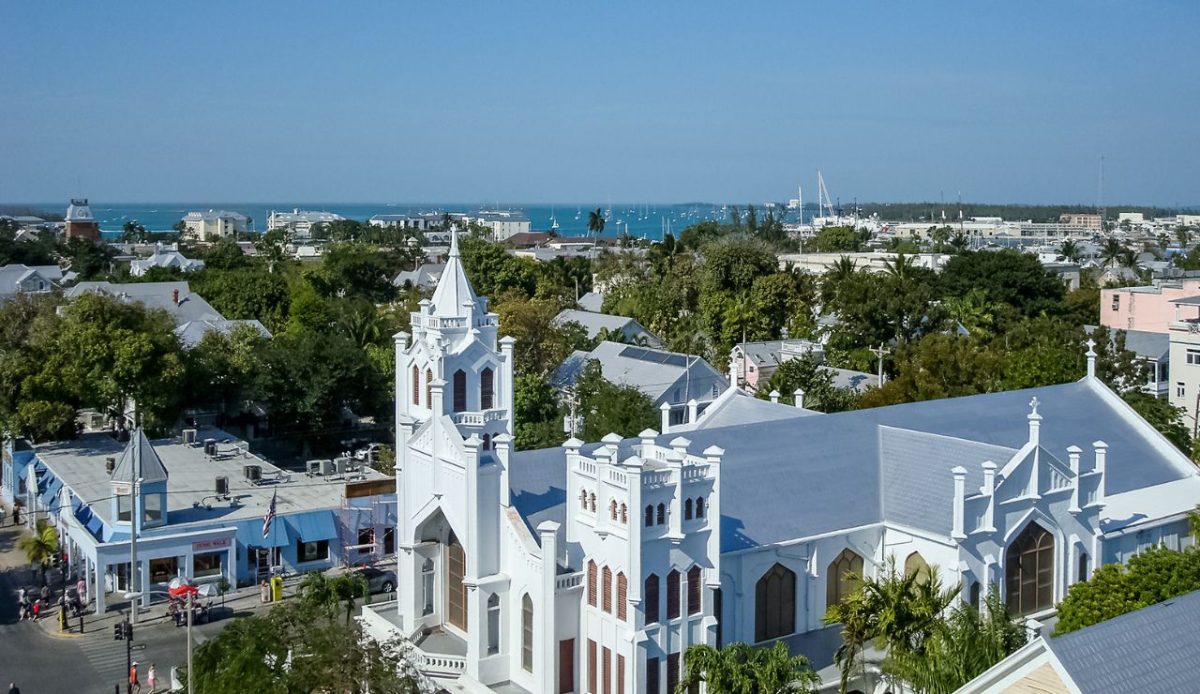
Key West feels like a nonstop hub of activity with its popular tourist attractions, festivals, and crowded streets, yet permanent resident growth is modest. The island’s limited land area, zoning restrictions, and high cost of living prevent significant population expansion. Businesses rely heavily on seasonal tourism, creating an impression of continuous growth that doesn’t match reality. While visitors may feel the town is expanding rapidly, the local community remains small, with slow demographic change. Key West shows how small areas can appear busy while remaining relatively stable in population and development.
5. Aspen, Colorado
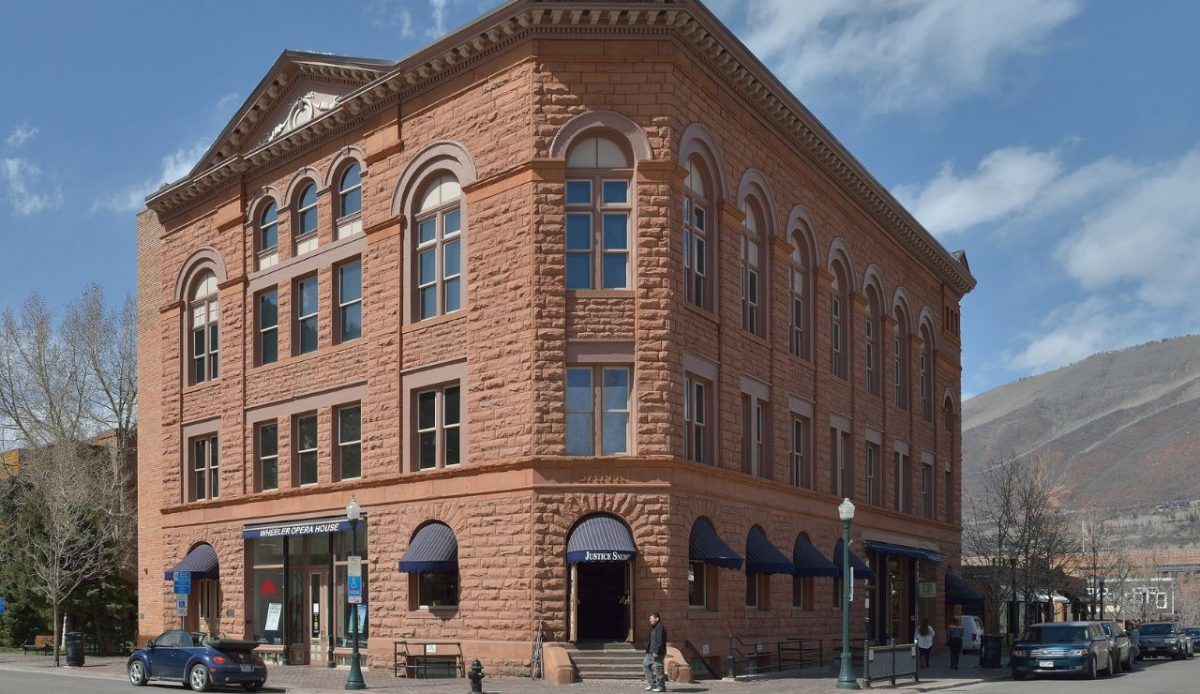
Aspen seems constantly bustling with tourists, skiers, and luxury development, giving the impression of a thriving town with ongoing growth. However, its high cost of living, limited housing availability, and strict building regulations slow population expansion and long-term growth. Seasonal fluctuations create temporary spikes in activity that can mask demographic stagnation. The local economy relies heavily on tourism, which adds vibrancy but doesn’t translate into sustained population or urban growth. Aspen demonstrates how a town can feel busy year-round while maintaining steady or even stagnant growth behind the scenes.
6. Miami Beach, Florida
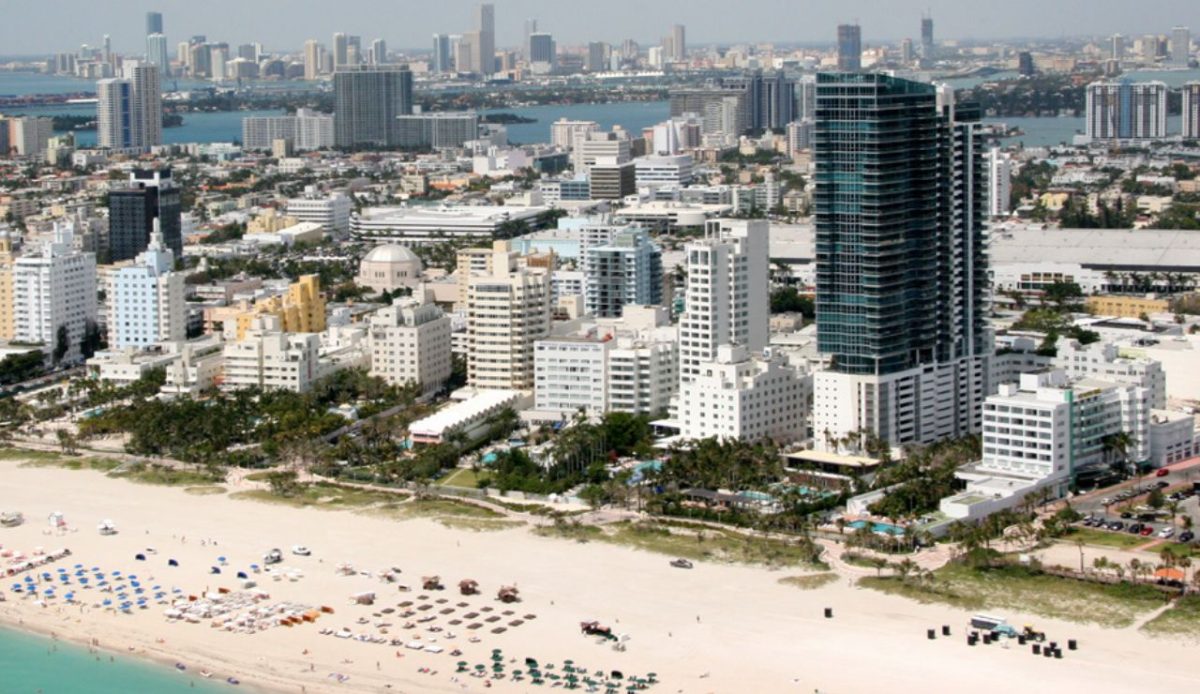
Miami Beach gives off a vibrant energy with crowded beaches, nightlife, and annual events that suggest continuous growth. Yet strict coastal regulations, rising property prices, and environmental constraints limit population expansion. While the area thrives as a tourist hotspot, residential growth is relatively stable, and many neighborhoods see little long-term demographic change. Visitors may assume the city is booming due to its visible activity and packed streets, but most of this energy stems from tourism rather than local expansion. Miami Beach perfectly illustrates how appearances can mislead about true growth.
7. Park City, Utah
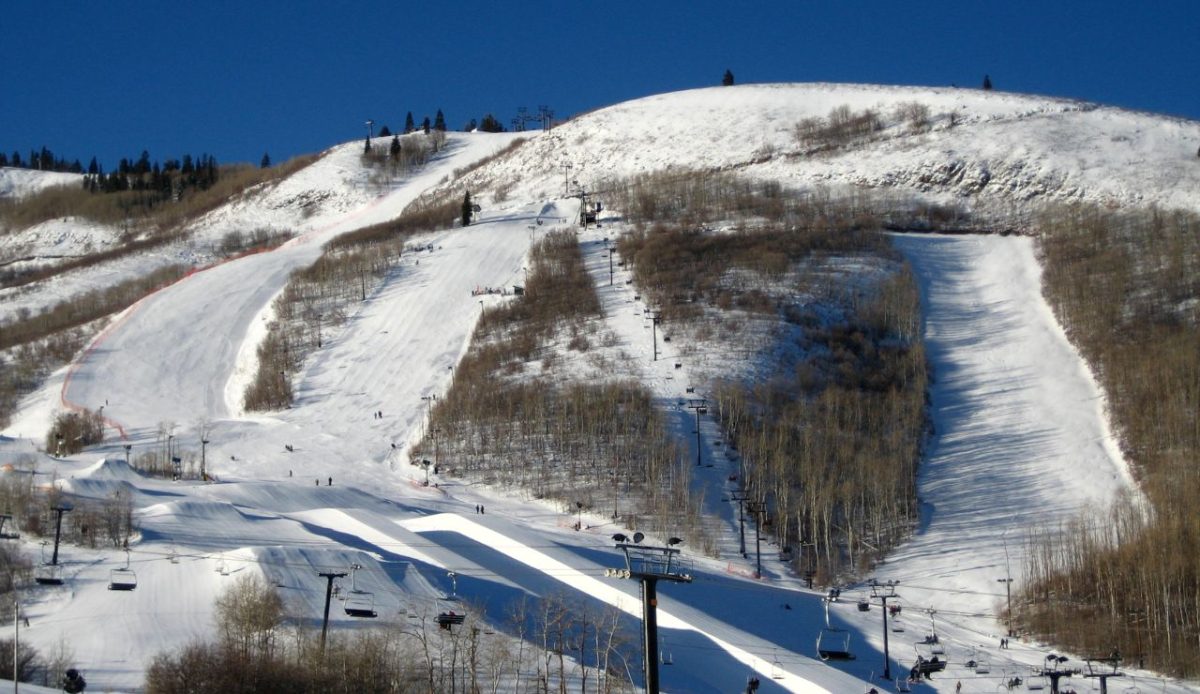
Park City is visually dynamic, full of tourists, events, and winter sports enthusiasts, yet its permanent population grows very slowly. Zoning laws, limited available land, and high property costs restrict residential expansion. The town’s apparent vibrancy is largely seasonal, tied to ski season and festivals, which inflates the perception of growth. Locals experience crowds and activity daily during peak periods, but the year-round population and infrastructure expansion remain modest. Park City shows how seasonal booms can create the impression of a bustling, growing city without reflecting long-term demographic or economic expansion.
8. Nantucket, Massachusetts
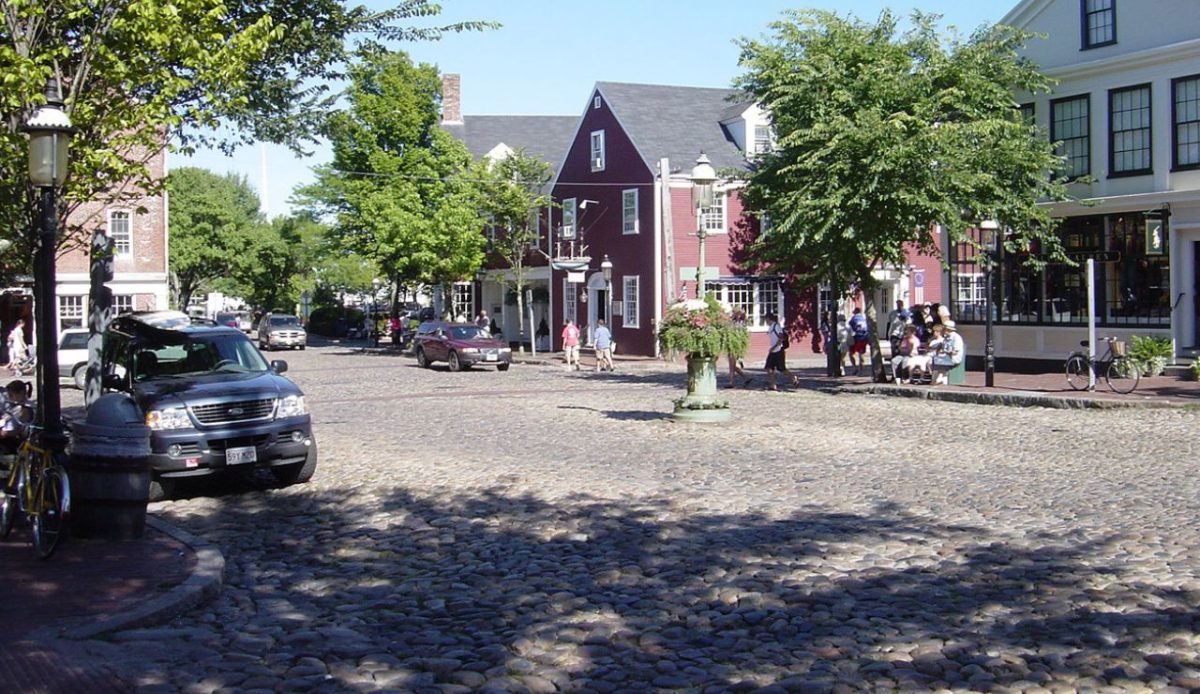
Nantucket feels lively with its picturesque streets, tourists, and summer events, but the permanent population remains small and changes little year to year. Land restrictions, historic preservation, and high housing costs prevent significant growth, keeping long-term development minimal. While seasonal activity creates a sense of vibrancy and ongoing commerce, the island does not experience the population or economic expansion that its busy appearance suggests. Locals rely heavily on tourism-driven businesses, and the town’s charm continues to attract visitors, making it seem busier than it truly is.
9. Carmel-by-the-Sea, California
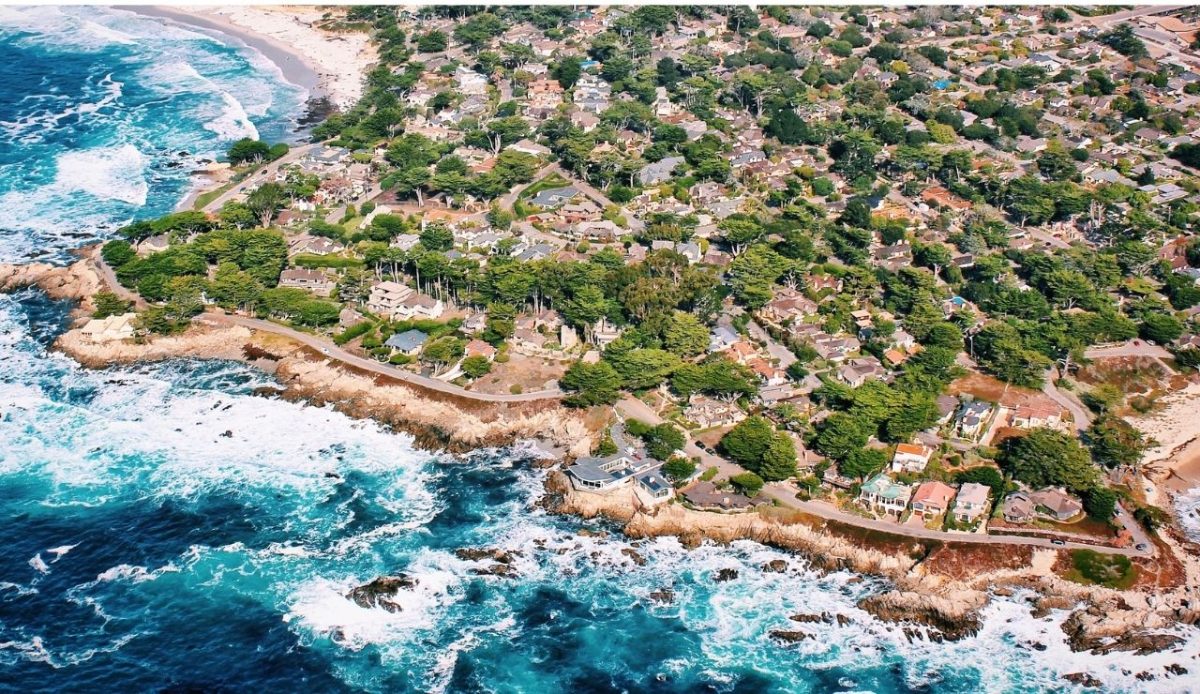
Carmel-by-the-Sea gives the impression of constant activity with its art galleries, boutiques, and busy streets, but actual growth is constrained. Strict building codes, limited land, and high property values keep the population steady, while tourism generates visible energy. Residents see packed streets and bustling downtown areas, but long-term demographic and infrastructure growth remains limited. Despite appearances, Carmel-by-the-Sea does not expand significantly, showing how aesthetic vibrancy and a high visitor presence can create the illusion of a booming town, even when residential and economic expansion is modest.
10. Lake Tahoe, California
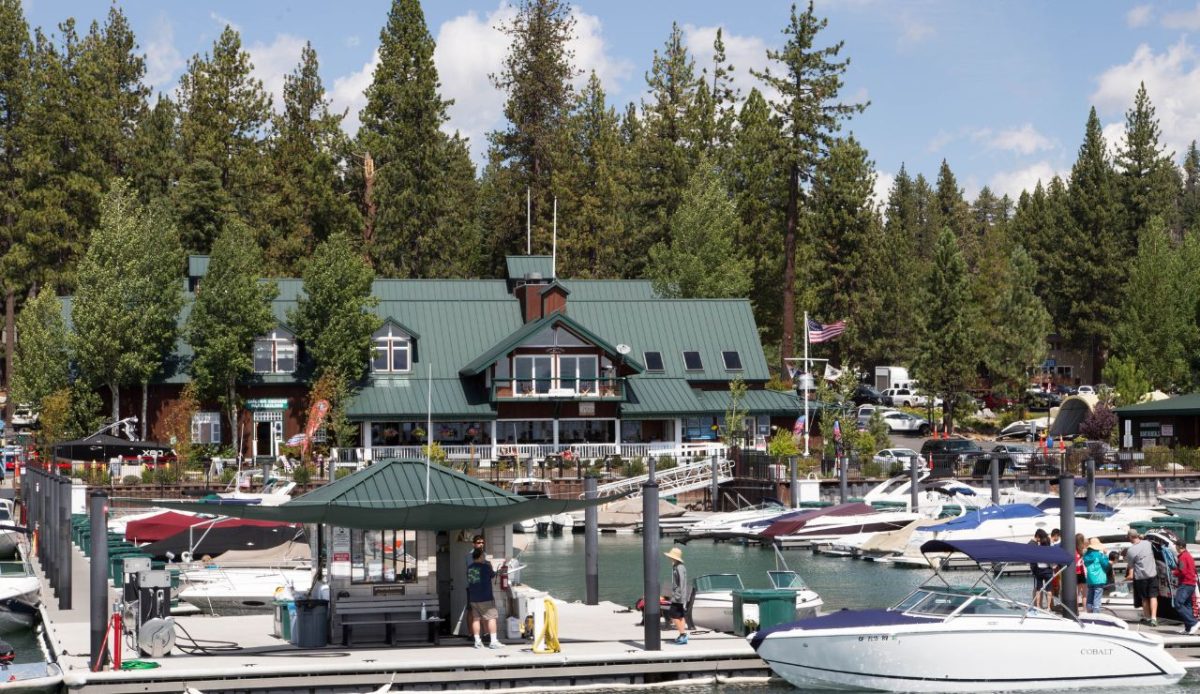
Lake Tahoe appears bustling with ski resorts, summer recreation, and year-round tourism, yet long-term growth is limited. Strict environmental regulations, land scarcity, and seasonal population swings prevent significant expansion. Visitors see crowded resorts, busy roads, and thriving hospitality businesses, but permanent residents experience a relatively stable community size. Seasonal activity creates the perception of a constantly growing region, though infrastructure and population growth remain slow. Lake Tahoe highlights how a place can feel energetic and busy without experiencing real long-term growth.
