
Drug markets are usually described through national statistics, yet the strongest economic effects can be seen in certain towns and districts. Where steady legal work is scarce, income may come from cultivation, street retail, transport, storage, or money movement linked to narcotics. That cash then pays for food, rent, vehicles, and local services, while also reinforcing informal power networks. The locations below are cited in reporting and field research as places where drug activity is tied to everyday livelihoods, not just occasional crime. This list uses specific place names rather than broad regions, so each entry keeps a local focus.
1. Cais Do Sodré, Lisbon, Portugal
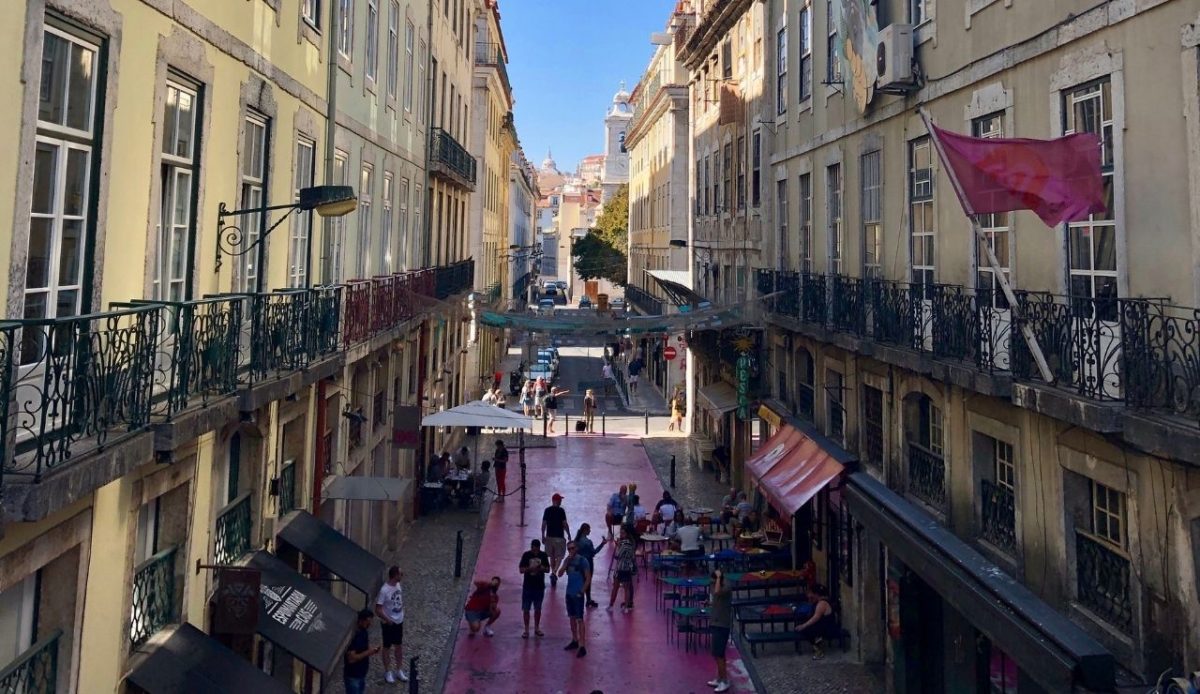
Cais do Sodré is a nightlife district where crowds, late transit, and dense streets create constant foot traffic, and an informal drug market has grown around that demand. Street sales provide income for people with limited access to formal jobs, including some migrants and underemployed residents. Small transactions are repeated night after night, and the money is spent nearby on shared rooms, meals, phone credit, and ride fares. Police pressure may shift corners and hours, but the basic cash loop remains tied to the night economy. Lookouts and runners rotate roles, so the trade also operates like casual work for an evening shift.
2. Bani Walid, Libya
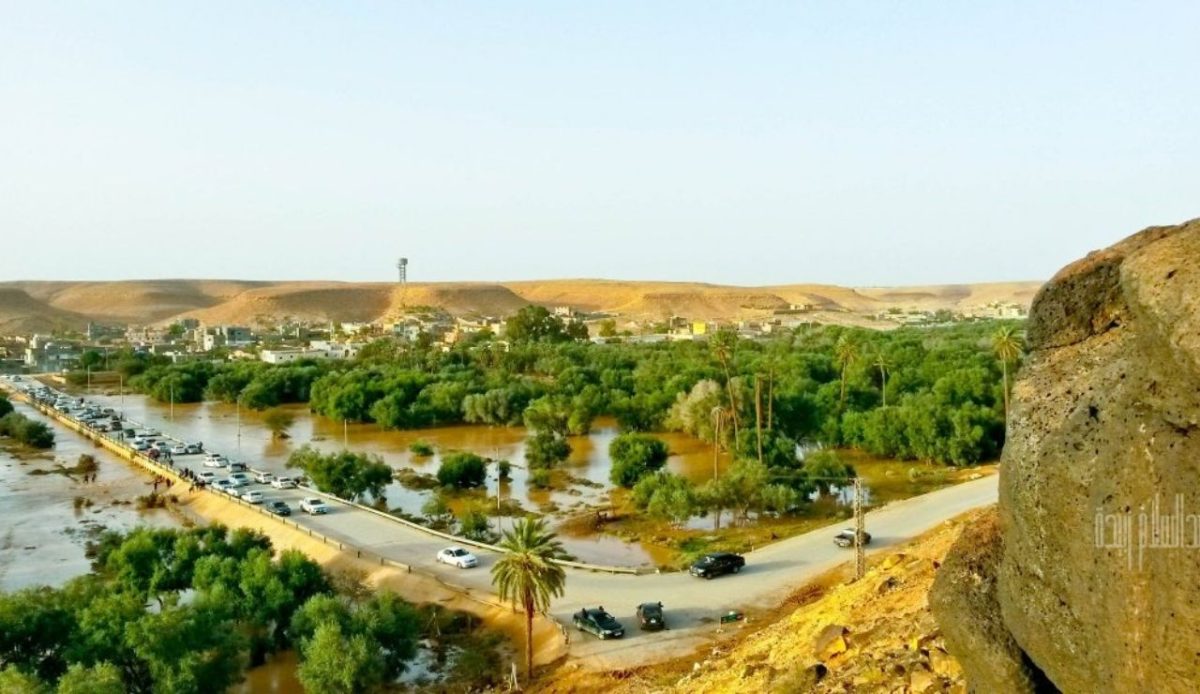
Bani Walid lies inland on routes linking Libya’s south to coastal corridors, and it has been described as a staging point for smuggling that can include narcotics. Trafficking work creates paid roles for drivers, guides, guards, and people who arrange storage, fuel, and communications. In a setting where state services have been uneven, illicit income can keep shops operating and vehicles running. Fees collected for passage and protection circulate through households, funding food, repairs, and payments to local armed actors who control movement. Cash moves in small bundles through brokers, linking local finance to the same routes.
3. Baalbek, Lebanon
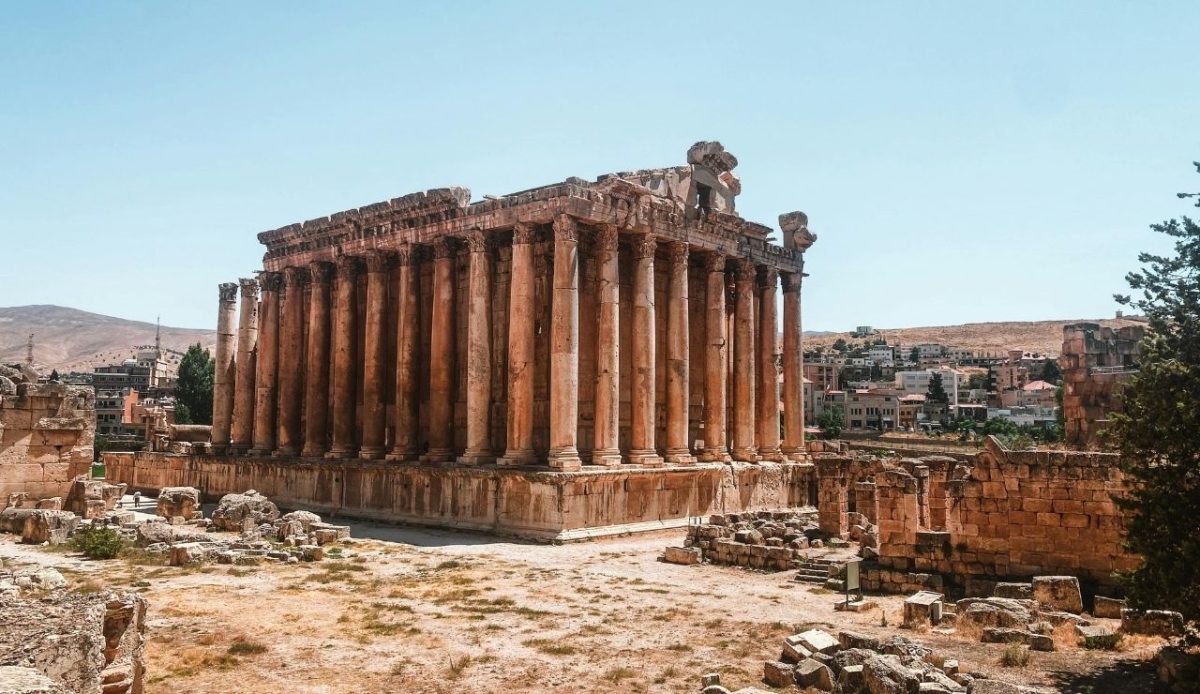
Baalbek, in Lebanon’s Beqaa region, is frequently linked to cannabis cultivation and the trade networks that move harvests onward. When conflict and weak oversight reduced other options, drug farming offered reliable cash for landowners and seasonal laborers. Work includes planting, guarding fields, drying, packing, and arranging transport through checkpoints. Profits can support large households, pay debts, and finance construction or weddings, while also feeding patronage systems that influence local politics and security. When eradication campaigns hit, growers may move plots or rely on stored product, keeping cash expectations in place.
4. Chatsworth, KwaZulu-Natal, South Africa

Chatsworth, a large township near Durban, has been cited in South African reporting for localized heroin markets, including products often called “sugars.” In areas with high unemployment, dealing, delivery runs, and guarding stash points can become a routine income. Distribution relies on short trips, discreet handoffs, and informal credit, so households may treat drug money like wages. Cash is then spent close to home on groceries, school fees, taxi rides, and prepaid electricity, making the market visible in daily spending patterns. Recruitment can be rapid, with teens used as couriers, spreading risk across many small actors.
5. Española, New Mexico, USA
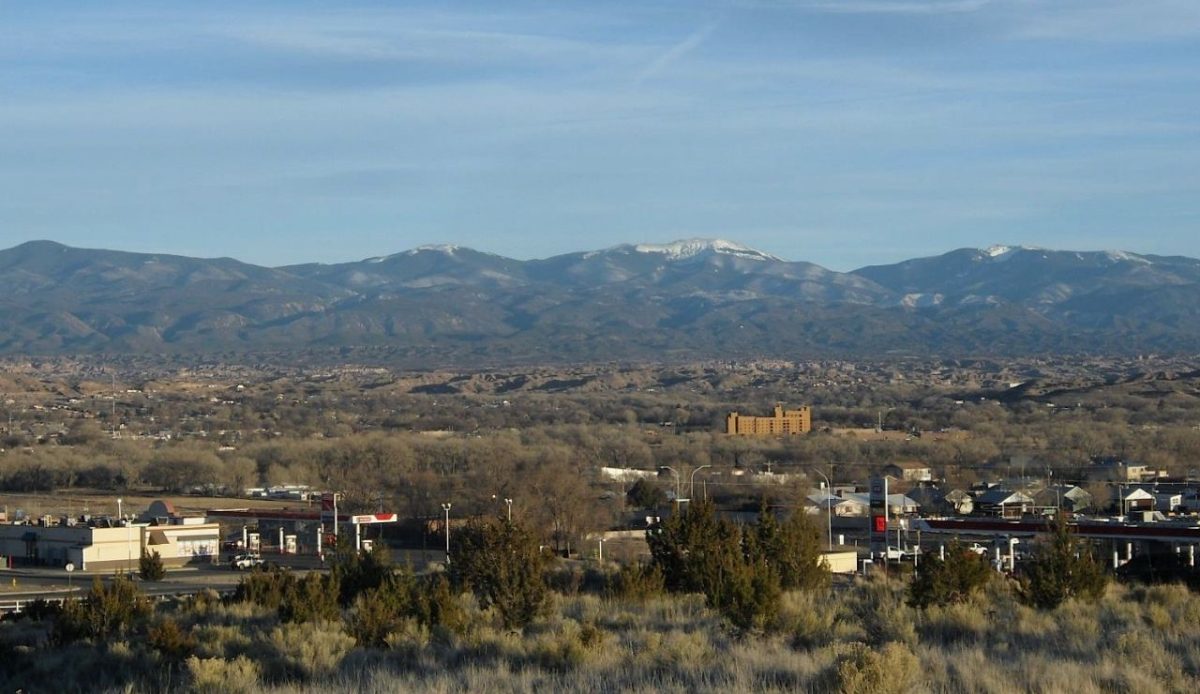
Española, New Mexico, has long been associated with severe opioid addiction and a persistent heroin market, creating steady demand for retail supply. While drugs are not produced there, repeated buying and selling can generate predictable cash for small networks. That underground income affects housing stability, petty crime, and the way families allocate money week to week. A visible service economy also grows around the crisis, including treatment providers, counseling work, policing, and court costs, all tied to the same cycle of use and sales. Local commerce feels it when paychecks are diverted, yet cash passes through motels and stores.
6. Maicao, La Guajira, Colombia
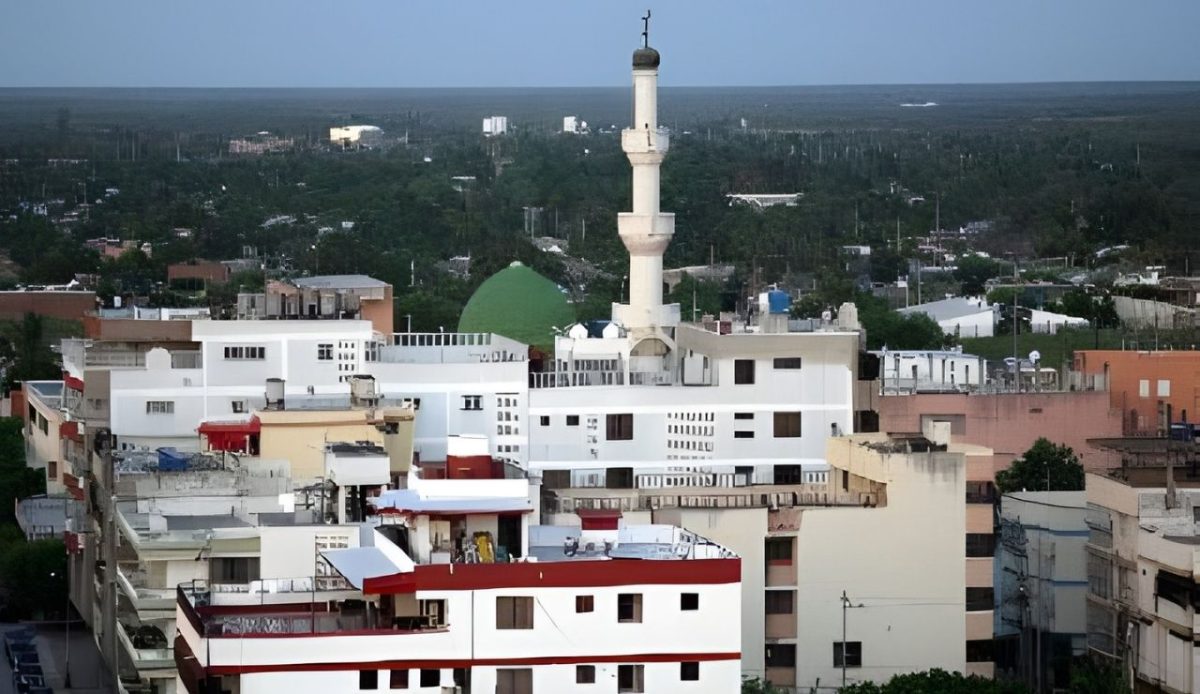
Maicao, in Colombia’s La Guajira near the Venezuela border, is often described as a logistics and finance node for cross-border smuggling that can include drugs. Trafficking profits may be converted through currency exchange, informal lending, fuel trade, and transport services that operate in cash. Drivers, fixers, and warehouse keepers benefit from steady demand for discreet movement and short-term storage. Because the border is busy and oversight can be limited, illicit payments can blend into everyday business, influencing prices for vehicles, rentals, and basic goods. Reputation and family ties often decide who gets the best-paid runs.
7. Sangin, Helmand Province, Afghanistan
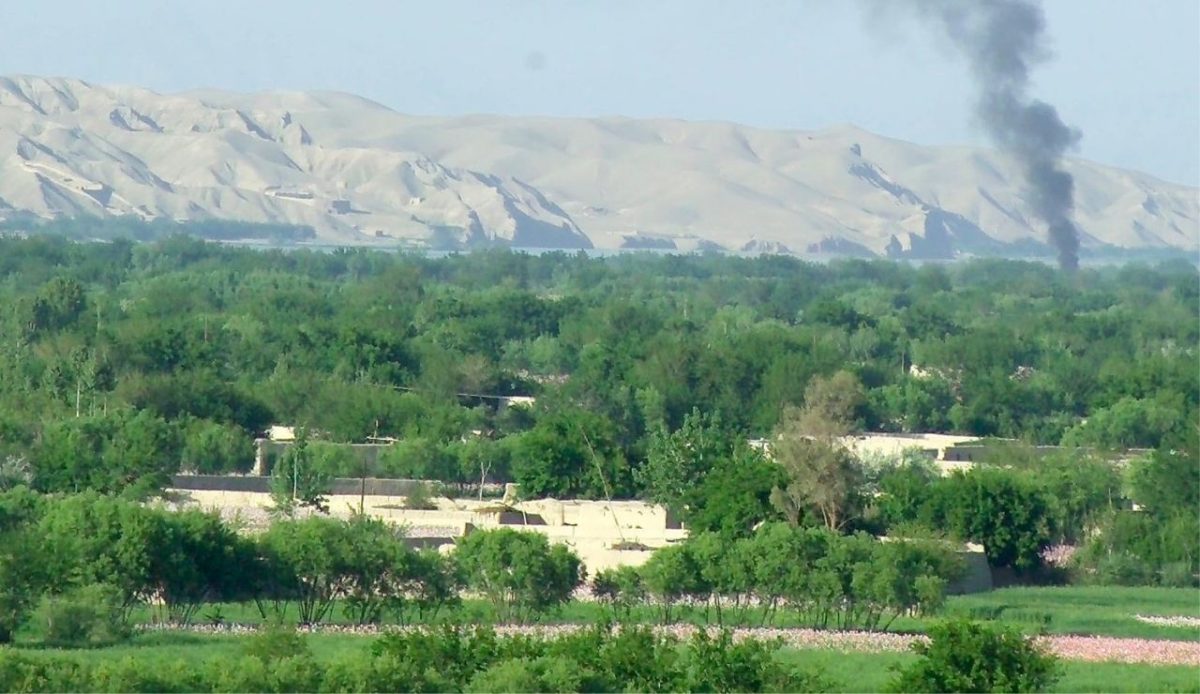
Sangin, in Helmand Province, is repeatedly cited as an opium-producing district where poppy cultivation can dominate rural income. Farm labor, irrigation work, harvesting, and processing create seasonal employment that outcompetes legal crops on price and certainty. Credit is often advanced before harvest, so farmers, traders, and lenders are linked through debt and repayment in product. Protection fees and transport arrangements add more paid roles, and the resulting cash flow sets local wages, land rents, and even the cost of everyday food. When fields are destroyed, families may sell assets or move, showing how dependent income has become.
8. Malana, Himachal Pradesh, India
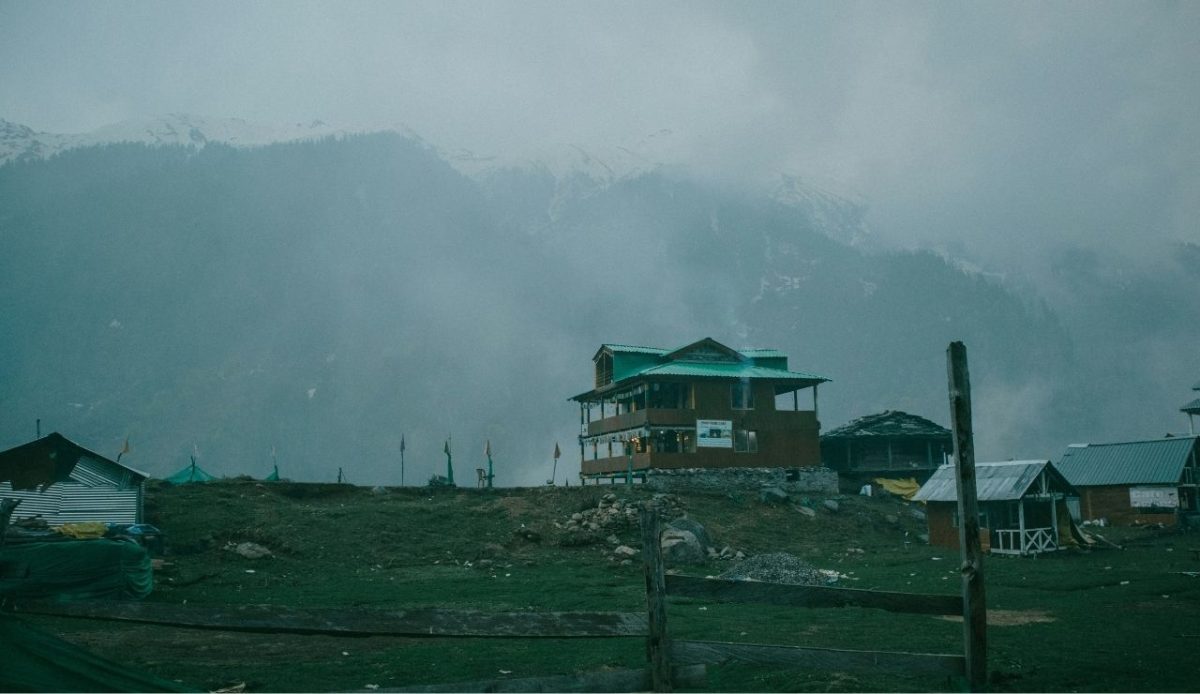
Malana, in Himachal Pradesh, is known for high-grade hashish that attracts buyers and middlemen despite difficult mountain access. Limited farmland and isolation make cannabis cultivation a major cash option for many households. Income is earned through growing, resin collection, packaging, and guiding outsiders who try to reach the village. Drug profits can pay for home repairs, generators, school costs, and winter supplies, while also creating conflicts over enforcement, local rules, and who negotiates with outside traders. Because the product commands a premium, a few weeks of work can equal months of legal wages, reinforcing the pattern.
