
The Balkans, a region where cultures, empires, and landscapes collide, remain one of Europe’s most underrated treasures. While tourists flock to Western capitals, these southeastern gems quietly preserve authenticity, beauty, and warmth. From Adriatic coastlines to alpine lakes and Ottoman-era towns, the Balkans offer a glimpse of Europe before mass tourism. Affordable, scenic, and full of character, they’re perfect for travelers seeking new horizons. Visit now, before the world catches on.
1. Kotor, Montenegro
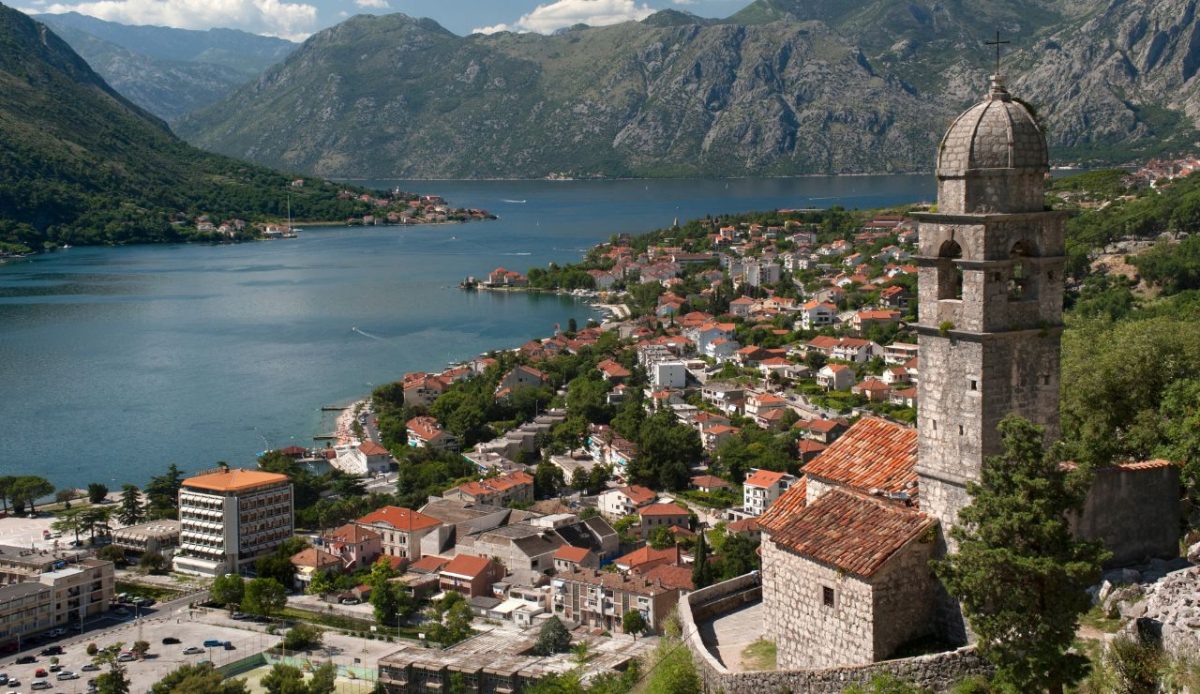
Tucked into a dramatic bay surrounded by limestone cliffs, Kotor feels like a secret whispered by the Adriatic. Its medieval walls, red-tiled rooftops, and labyrinthine streets recall Venice’s elegance but without the crowds. Climb the fortress for breathtaking views or wander the old town’s quiet cafés. Cruise ships stop here briefly, but evenings belong to locals. Kotor’s balance of serenity and grandeur makes it one of the Balkans’ purest coastal jewels.
2. Mostar, Bosnia and Herzegovina
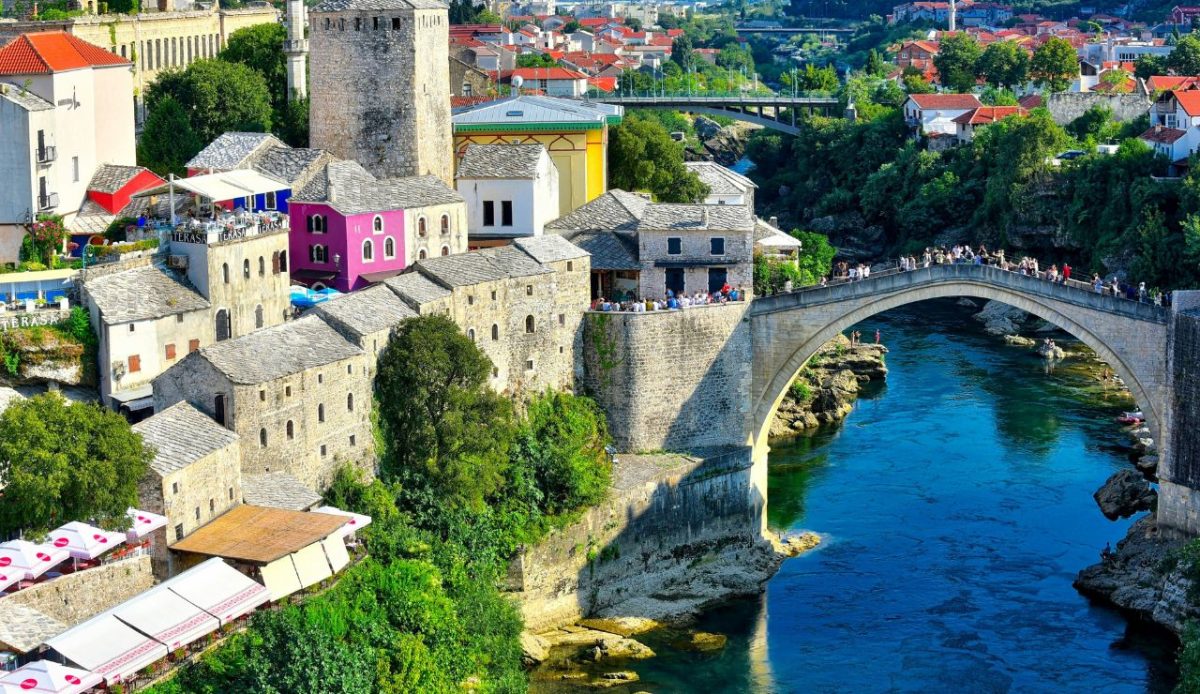
Mostar is one of the Balkans’ most captivating cities, centered around its iconic Stari Most bridge, a graceful stone arch spanning the turquoise Neretva River. Wander its cobblestone lanes lined with Ottoman shops, mosques, and cafés that blend East and West. Locals dive from the bridge in a centuries-old tradition, thrilling onlookers below. Despite a turbulent history, Mostar radiates resilience, beauty, and warmth, especially in the calm hours before the tourist buses arrive.
3. Ohrid, North Macedonia
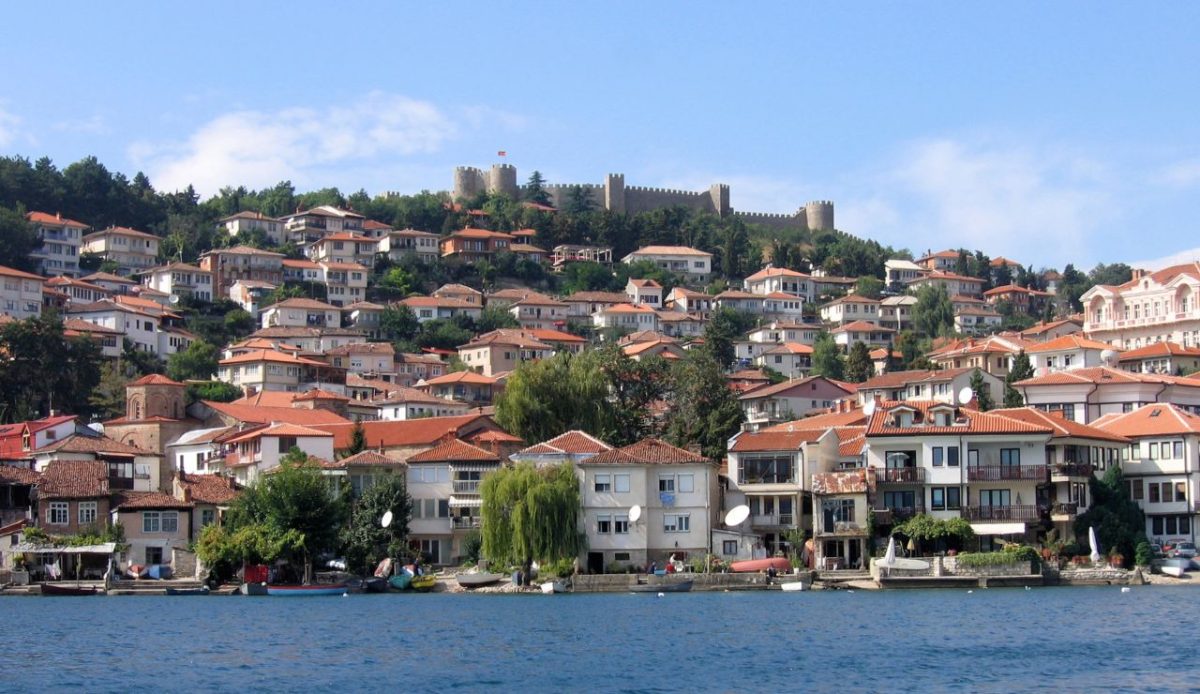
Perched beside a glistening lake framed by mountains, Ohrid is often called the “Jerusalem of the Balkans.” Its 365 churches, ancient amphitheater, and lakeside promenades create a timeless serenity. Fishermen mend nets as church bells echo across the water, and cobblestone paths climb to medieval fortresses. Affordable and peaceful, Ohrid remains an untouched escape where faith, history, and nature coexist beautifully, especially before summer crowds arrive from abroad.
4. Rovinj, Croatia
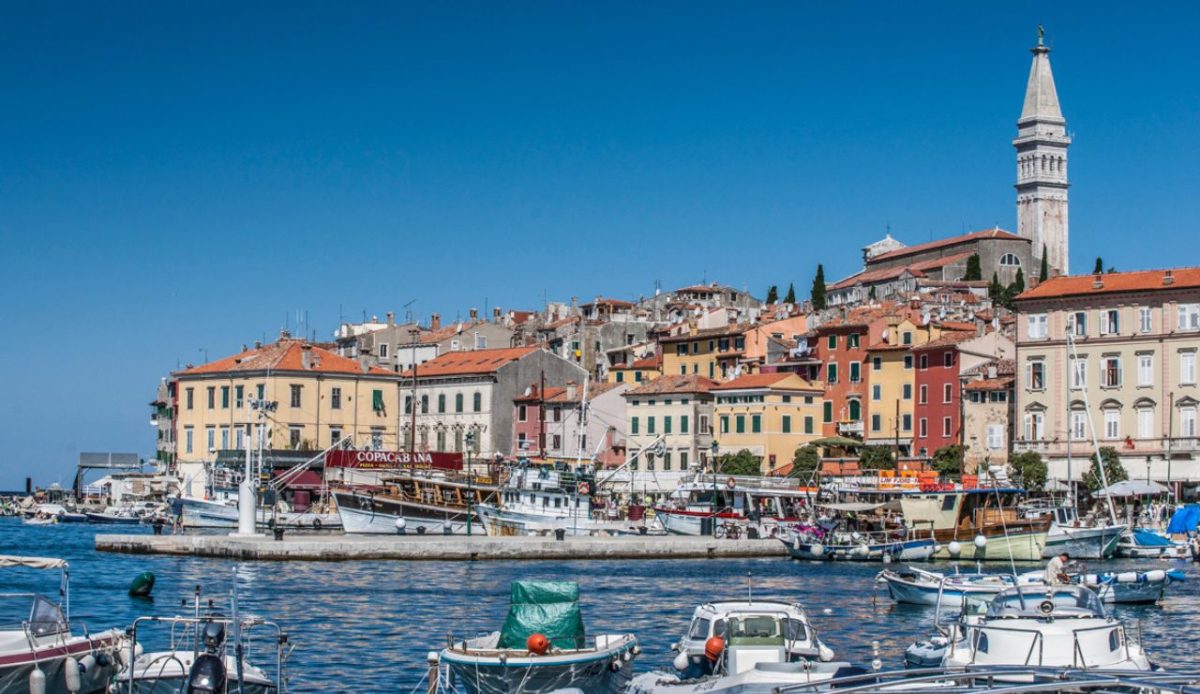
Rovinj, on Croatia’s Istrian coast, feels more Italian than Slavic, a colorful fishing town rising above a rocky peninsula. Narrow alleys spill into sunlit squares, and laundry flutters between pastel houses. The scent of espresso mixes with sea salt as locals chat along the harbor. Unlike Dubrovnik’s crowds, Rovinj keeps its charm quietly intact. It’s a coastal dream where sunsets glow crimson over tiled roofs and church towers.
5. Berat, Albania
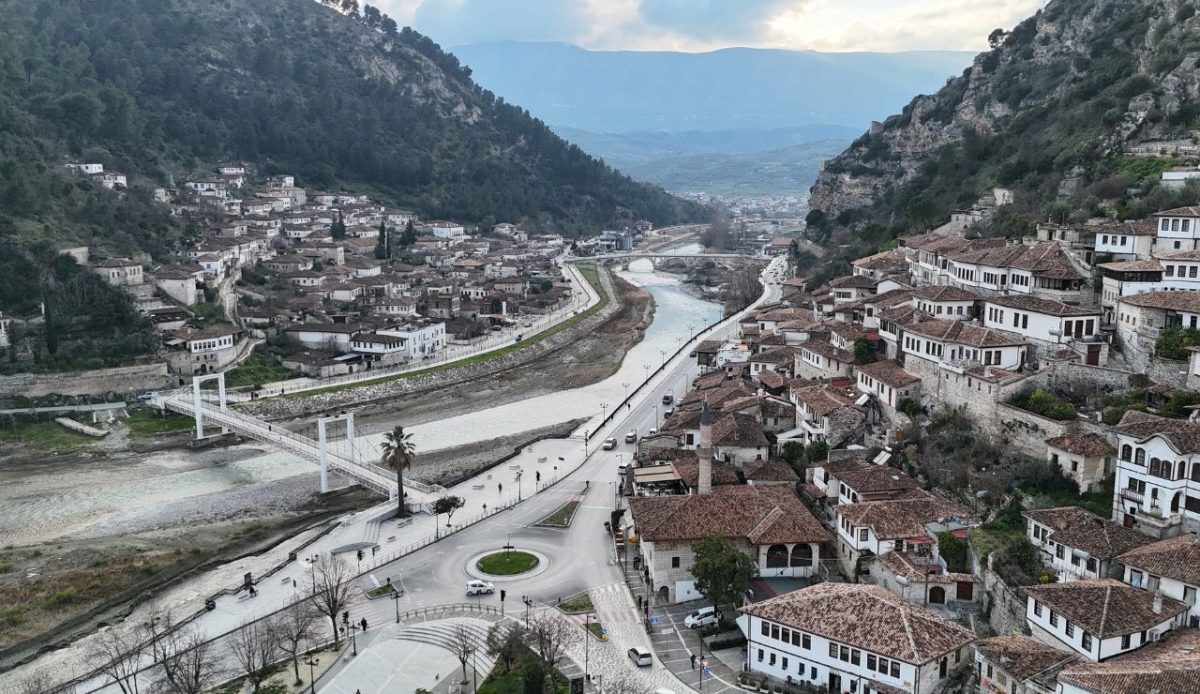
Nicknamed the “City of a Thousand Windows,” Berat is one of Albania’s most photogenic treasures. White Ottoman houses cascade down a hillside overlooking a tranquil river, while a hilltop castle guards centuries of history. Stroll through the Gorica and Mangalem quarters where locals greet strangers with smiles. Though slowly gaining fame, Berat remains deeply authentic, a harmonious blend of architecture, spirituality, and simple Balkan hospitality untouched by mass tourism.
6. Plovdiv, Bulgaria
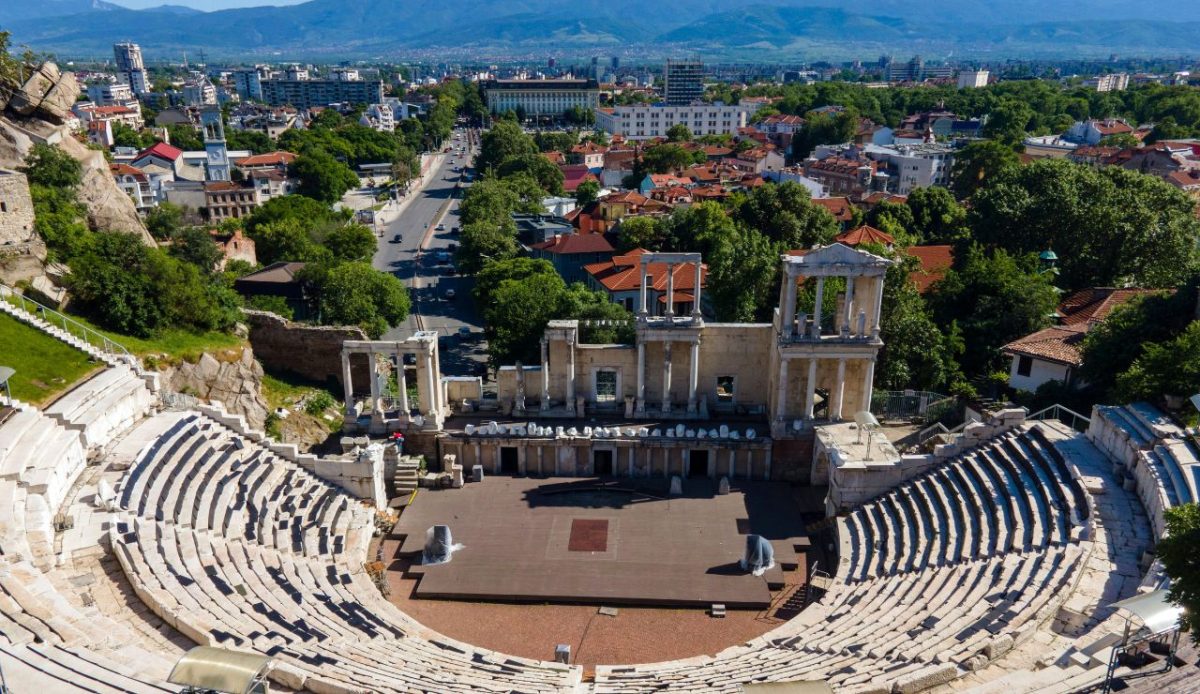
Plovdiv, one of Europe’s oldest cities, blends ancient ruins with bohemian creativity. Walk its cobblestone lanes lined with colorful 19th-century houses and modern art galleries. The Roman amphitheater hosts concerts under the stars, while cafés buzz with students and storytellers. Perched on seven hills, Plovdiv feels both timeless and young. It’s Bulgaria’s cultural heartbeat, where history and modern life intertwine effortlessly, and yet, it still feels like a hidden gem.
7. Lake Bled, Slovenia
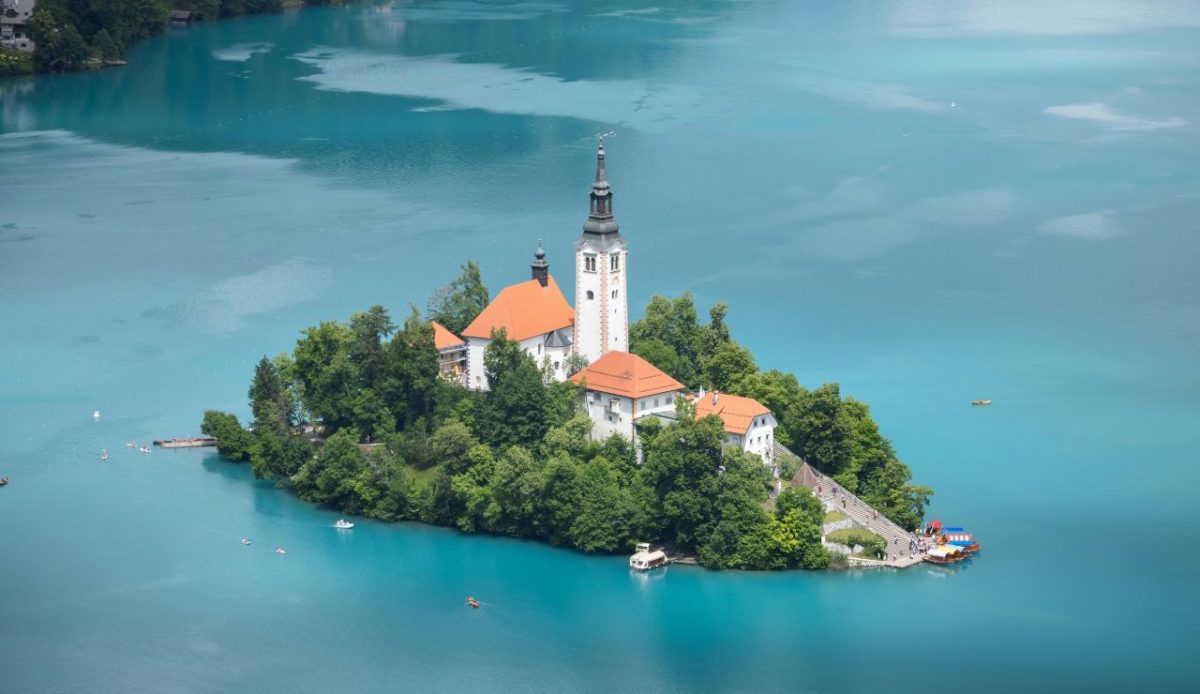
Few places capture serenity like Lake Bled, where a church-topped island floats peacefully on emerald water framed by snowcapped peaks. Walk the lakeside trail, paddle a pletna boat, or climb to Bled Castle for breathtaking views that feel straight from a fairytale. Though increasingly famous, early mornings still offer quiet reflection as mist curls above the water. Lake Bled’s mix of natural beauty, romance, and calm makes it a timeless Slovenian treasure to see before it’s overrun.
8. Sarajevo, Bosnia and Herzegovina
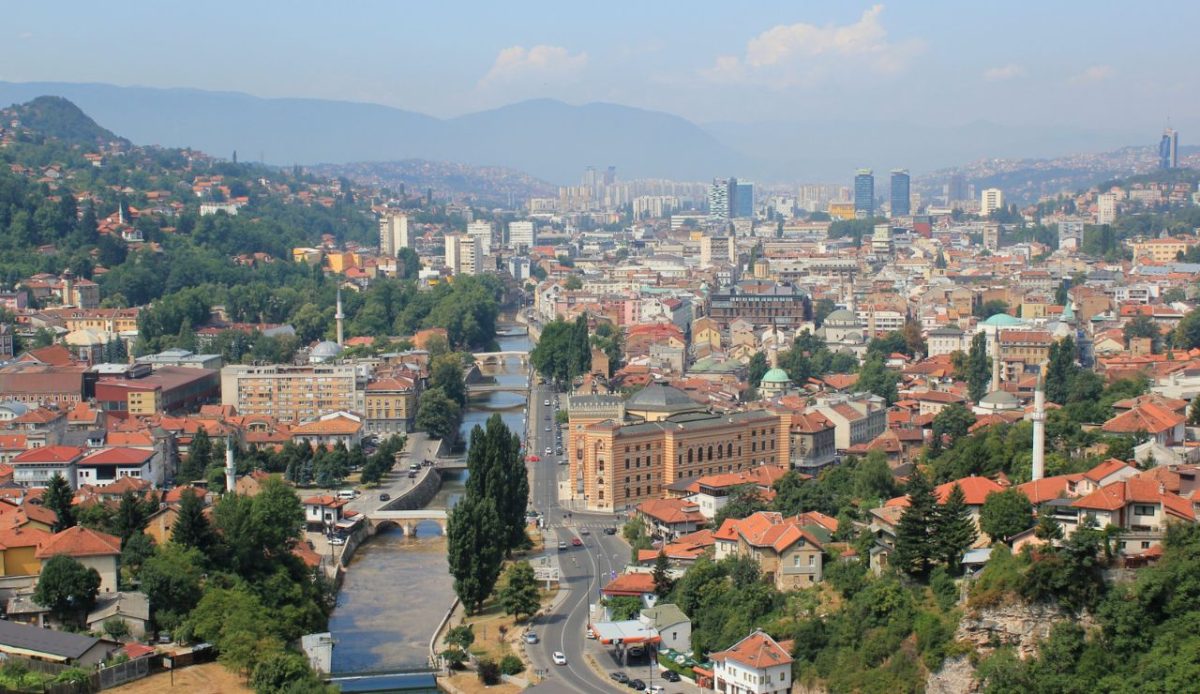
Sarajevo captivates with its rich contrasts, Ottoman bazaars, Austro-Hungarian streets, and modern cafés coexisting in harmony. Wander through Baščaršija Market where copper artisans still hammer by hand, or sip strong Bosnian coffee as the call to prayer echoes through the valley. History lives in every corner, yet the city radiates optimism. Few capitals feel as intimate and welcoming, making Sarajevo a soulful escape before crowds rediscover its magic.
9. Veliko Tarnovo, Bulgaria
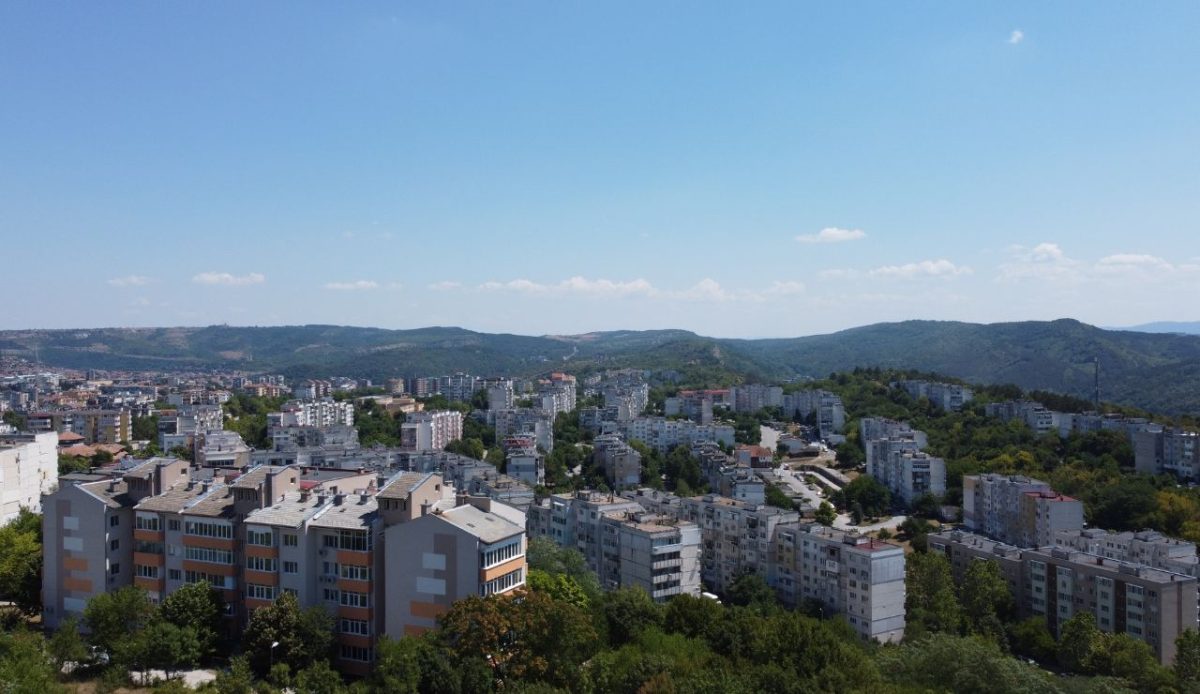
Once the medieval capital of the Bulgarian Empire, Veliko Tarnovo clings dramatically to steep hills above the Yantra River. Stone houses stack like steps beneath the fortress of Tsarevets, glowing gold at sunset. Its narrow lanes brim with craftsmen, bakeries, and art studios that keep the local spirit alive. Often skipped for Sofia or Plovdiv, Tarnovo rewards wanderers with cinematic views, historic depth, and the quiet grandeur of a forgotten capital.
10. Korčula, Croatia
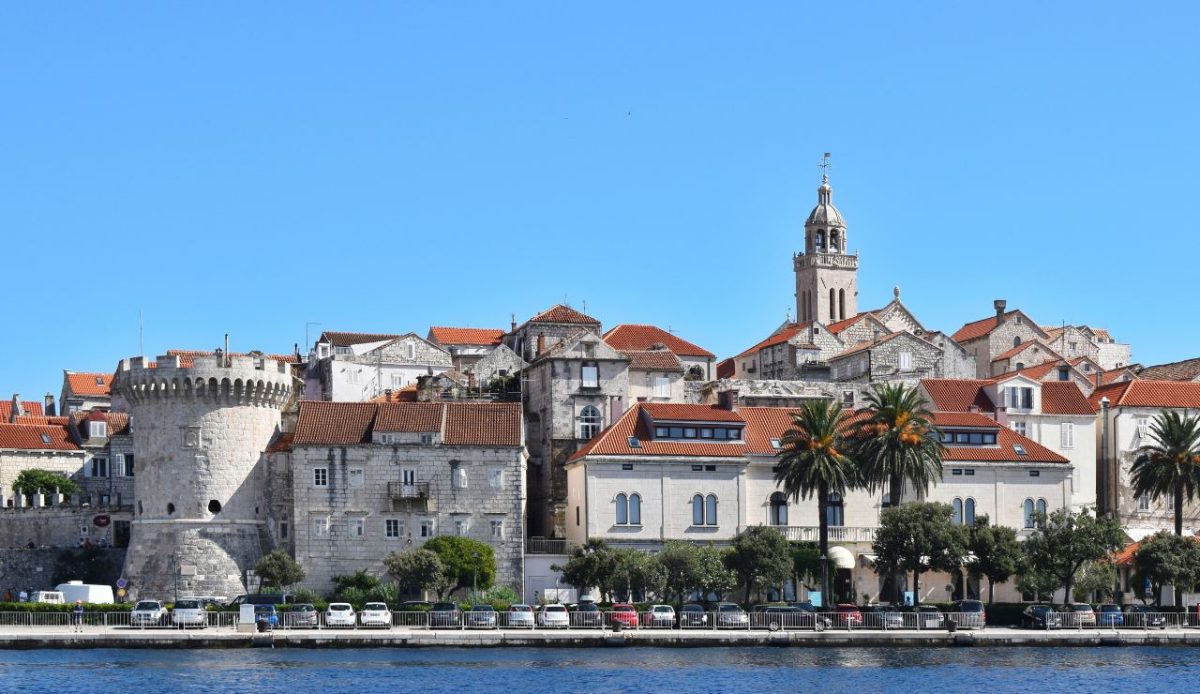
Korčula combines the medieval charm of Dubrovnik with the peace of an island escape. Encircled by limestone walls and narrow lanes, its old town feels like a miniature fortress floating in the Adriatic. Locals claim it as the birthplace of Marco Polo, and the seafaring heritage remains strong. Swim in hidden coves, sip local Grk wine, and enjoy sunsets that paint the horizon gold. Korčula’s magic lies in its authenticity, rich, quiet, and refreshingly uncrowded.
11. Meteora, Greece
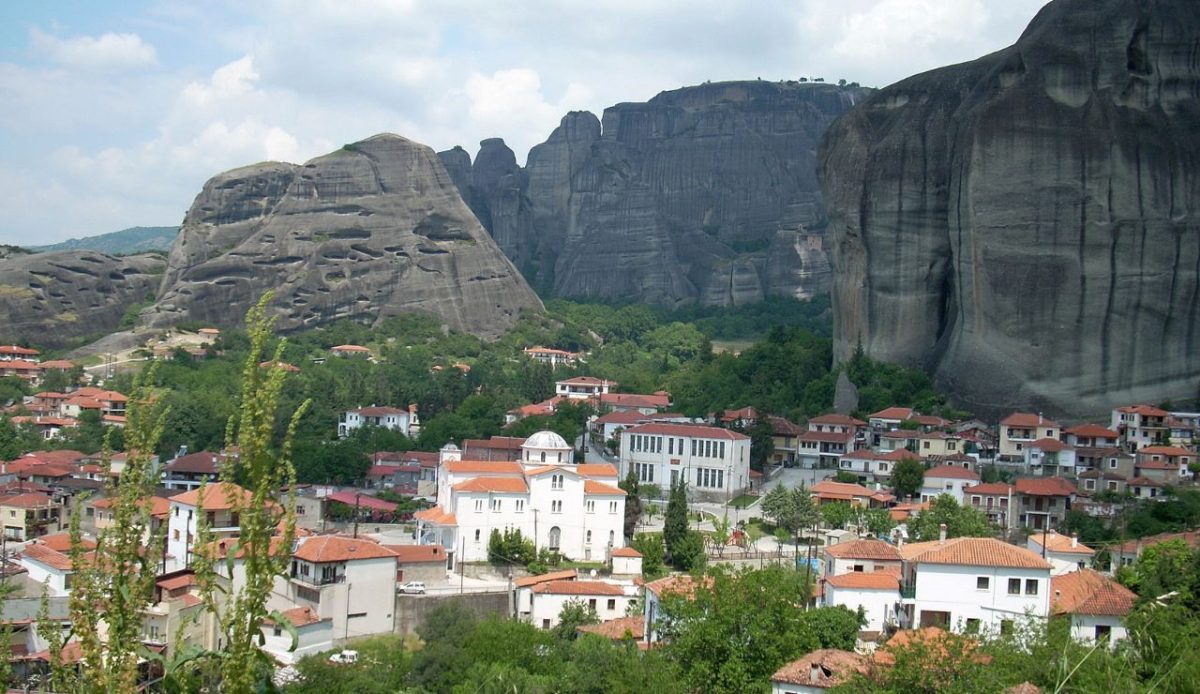
Meteora’s landscape looks otherworldly, colossal sandstone pillars crowned with monasteries that seem to float in the clouds. Walking paths wind through forests and viewpoints that reveal centuries of devotion and craftsmanship. Monks still inhabit some monasteries, maintaining an atmosphere of deep calm. Though tourism has grown, mornings and evenings remain hushed and mystical. Visiting Meteora on foot feels like stepping into a painting between heaven and earth.
12. Budva, Montenegro
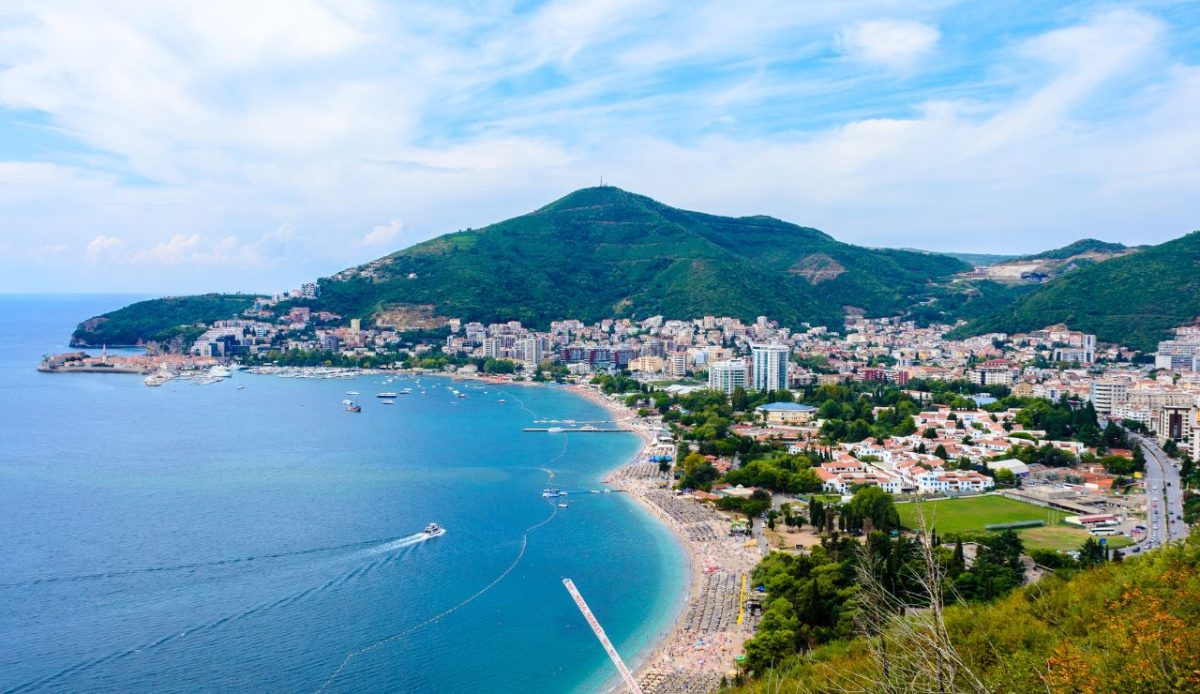
Budva’s old town, perched on the Adriatic, combines coastal glamour with ancient history. Stone walls, narrow streets, and turquoise waters frame this lively resort city. While summer nightlife attracts crowds, off-season Budva feels romantic and relaxed, its beaches nearly empty, its cafés quietly buzzing. Explore its citadel, stroll along the marina, or enjoy seafood by the shore. Visit soon, before its serene corners fade into full-time tourism.
