
There was a time when airports felt less like high-security zones and more like gateways to wonder. You could wave loved ones off at the gate, pack whatever you pleased, or stroll to your seat without removing half your outfit. Flying felt glamorous, not procedural. But as travel tightened after 9/11 and technology reshaped habits, many small joys quietly disappeared. Today’s airports are safer and sleeker, but they’ve lost much of the warmth they once had.
1. Walk to the Gate Without a Ticket
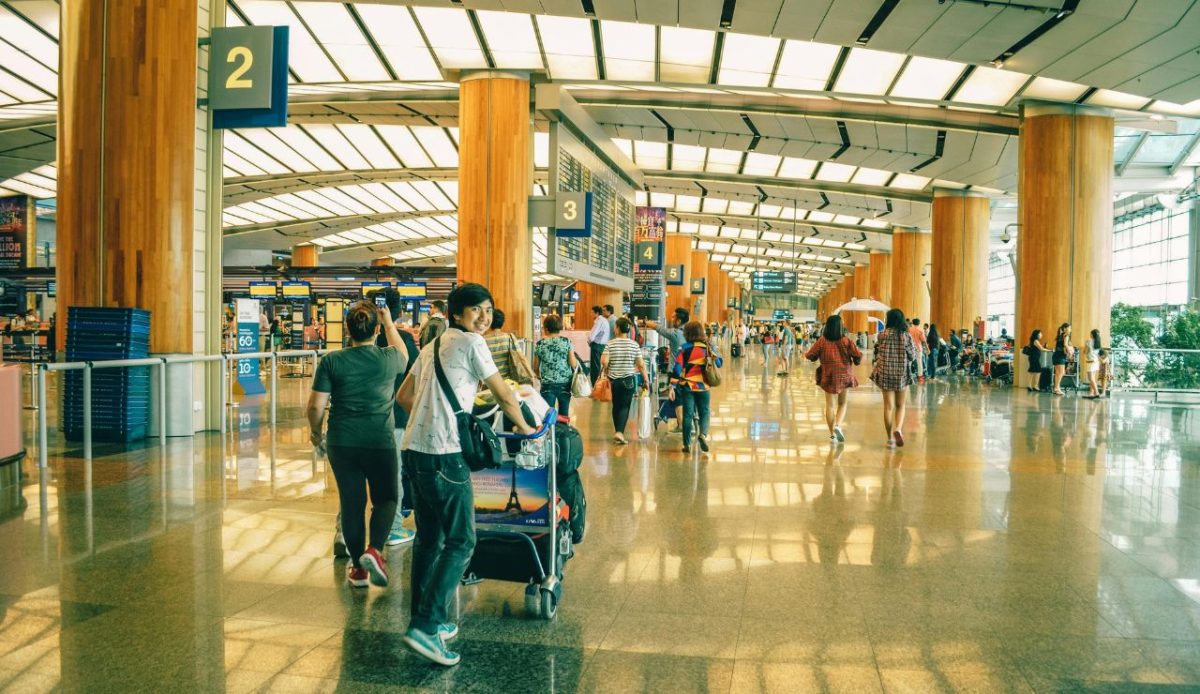
Before the rise of modern security, anyone could accompany travelers all the way to the gate, no boarding pass, no problem. Families shared emotional goodbyes beside the jetway, children waved as loved ones boarded, and farewells felt cinematic. Now, access beyond checkpoints is restricted to ticketed passengers only. Though it makes sense for safety, it erased one of travel’s most heartfelt traditions: those final hugs under the hum of departing planes.
2. Keep Your Shoes On Through Security
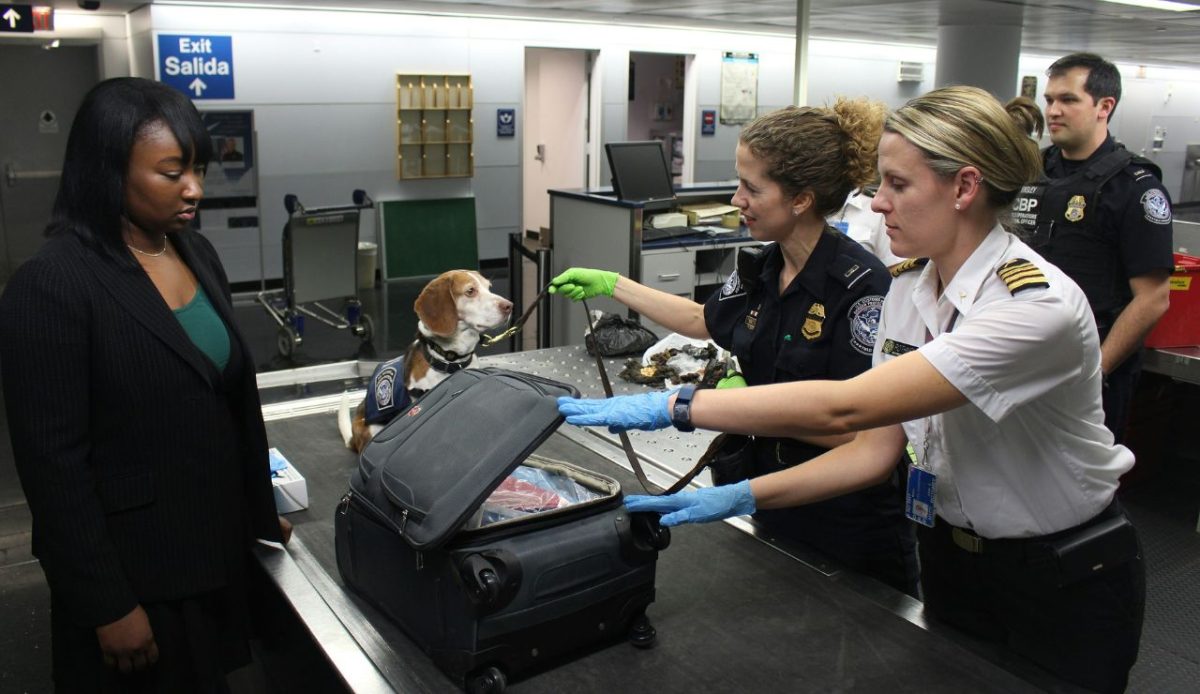
Once upon a time, airport security felt effortless. Passengers simply walked through metal detectors, no bins, no belts, no bare feet. That changed in the early 2000s, when shoe inspections became standard after attempted threats on flights. Today, travelers shuffle through checkpoints juggling electronics, jackets, and shoelaces. Programs like TSA PreCheck help, but the era of gliding fully dressed through security lines is a comfort long gone for frequent flyers.
3. Bring Full-Sized Liquids and Toiletries
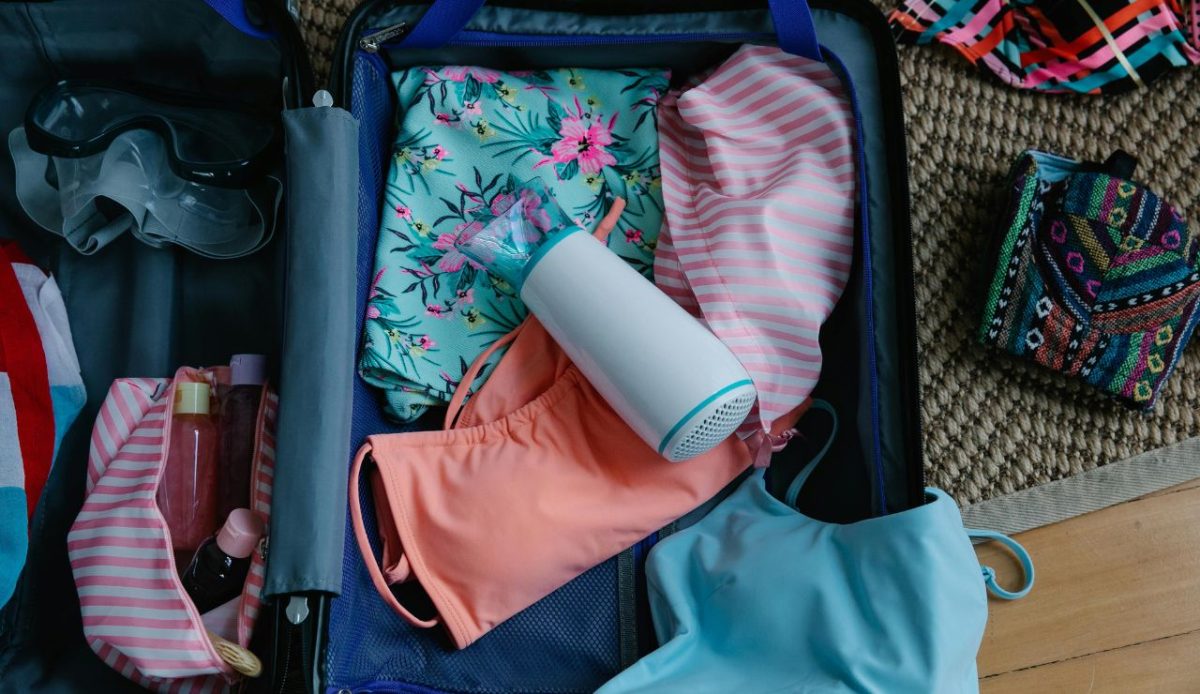
Remember tossing your favorite shampoo or perfume into your carry-on without a second thought? Those days ended in 2006, when new liquid restrictions capped containers at 3.4 ounces. The rule, a response to a foiled terror plot, made travelers rethink packing entirely. Now, toiletries live in tiny plastic bottles, sealed in quart-size bags. It’s practical, yes, but for many, it turned packing from a joy into a meticulous ritual of measuring and minimizing.
4. Greet Loved Ones at the Arrival Gate
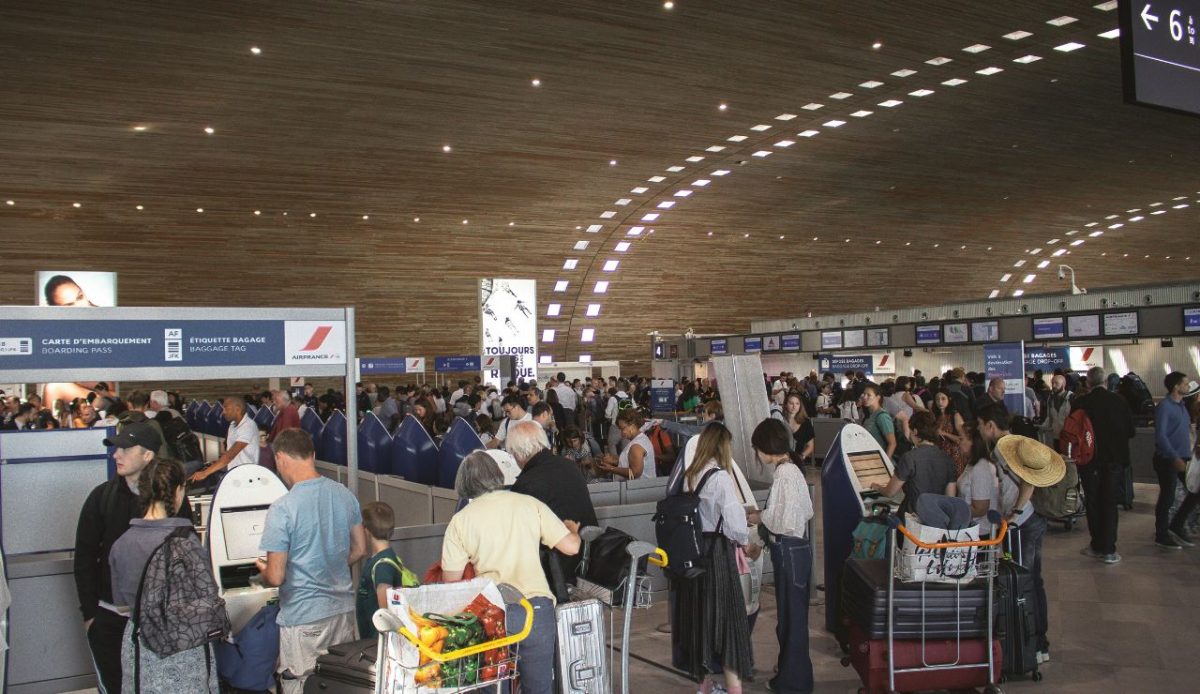
Airport reunions once happened steps from the runway. Families gathered at the gate, holding flowers, balloons, or homemade signs as passengers walked straight off the plane. It was emotional, spontaneous, and heartfelt. Post-9/11 security rules changed that forever. Now, loved ones must wait outside in baggage claim, separated by walls and checkpoints. While the hugs are still warm, that cinematic moment of seeing someone walk toward you from the jetway is gone.
5. Enjoy Free Checked Bags and Hot Meals
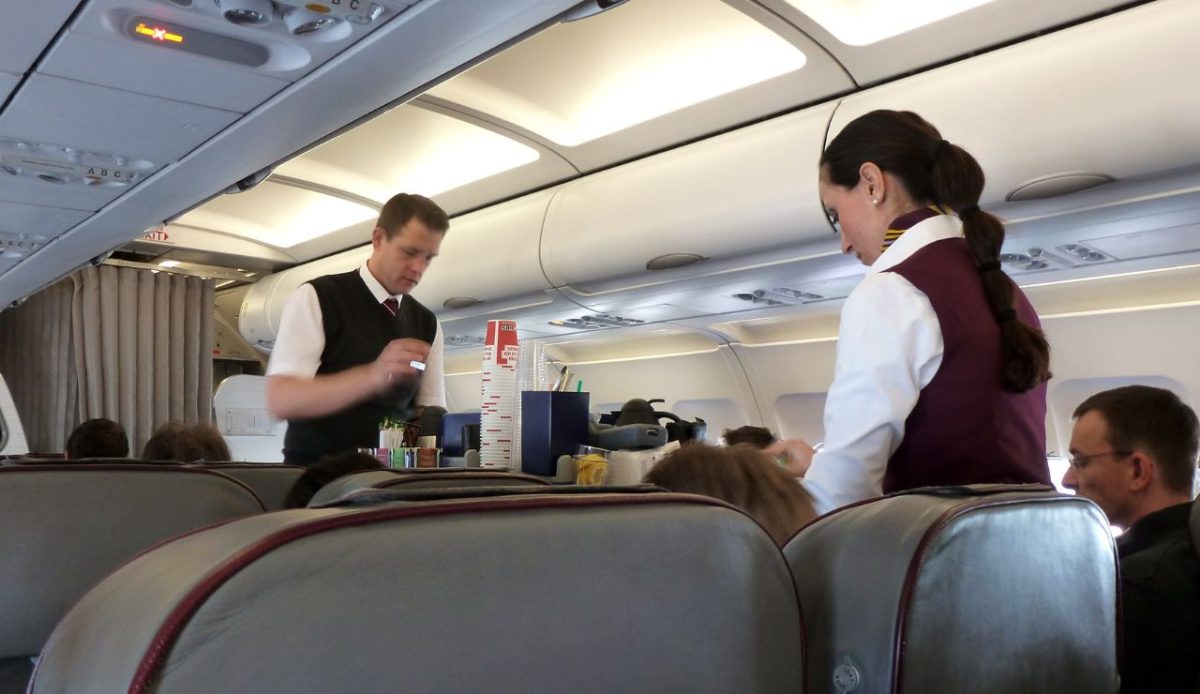
Flying used to feel indulgent, even in economy. Airlines offered hot meals, free checked bags, and comfortable legroom, luxuries included in your ticket price. Over time, budget carriers reshaped the industry, and full-service airlines followed, adding fees for nearly everything. Today, every convenience, from luggage to snacks, comes at a cost. While airfare is cheaper, the joy of all-inclusive air travel is now a nostalgic memory of simpler skies.
6. Smoke Inside Terminals
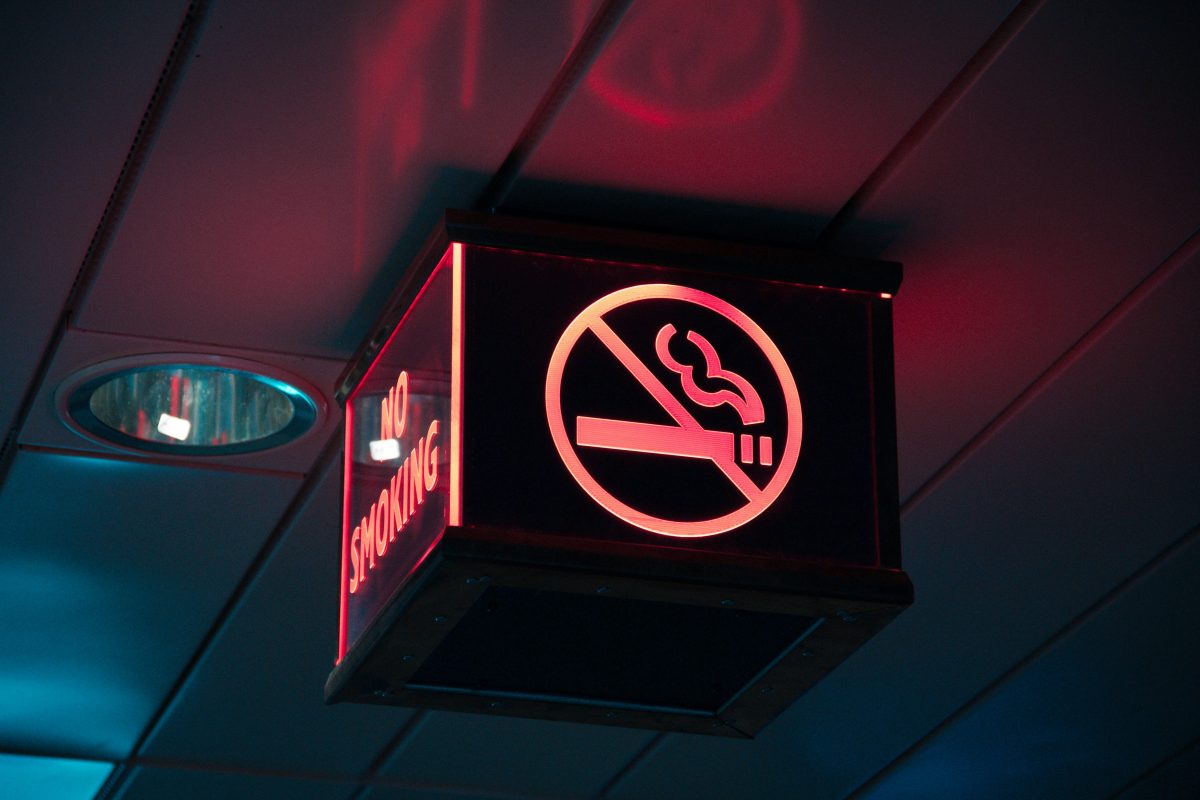
In the not-so-distant past, smoking lounges were airport staples. Travelers puffed cigars or cigarettes in designated lounges before boarding, their smoke curling through hazy air. It was part of the travel culture, a final indulgence before flight. As awareness of health risks grew, most airports phased out indoor smoking entirely. The terminals are cleaner now, but for some, the sterile atmosphere feels less lively than those smoky, cinematic scenes from decades past.
7. Board Without Endless Security Checks
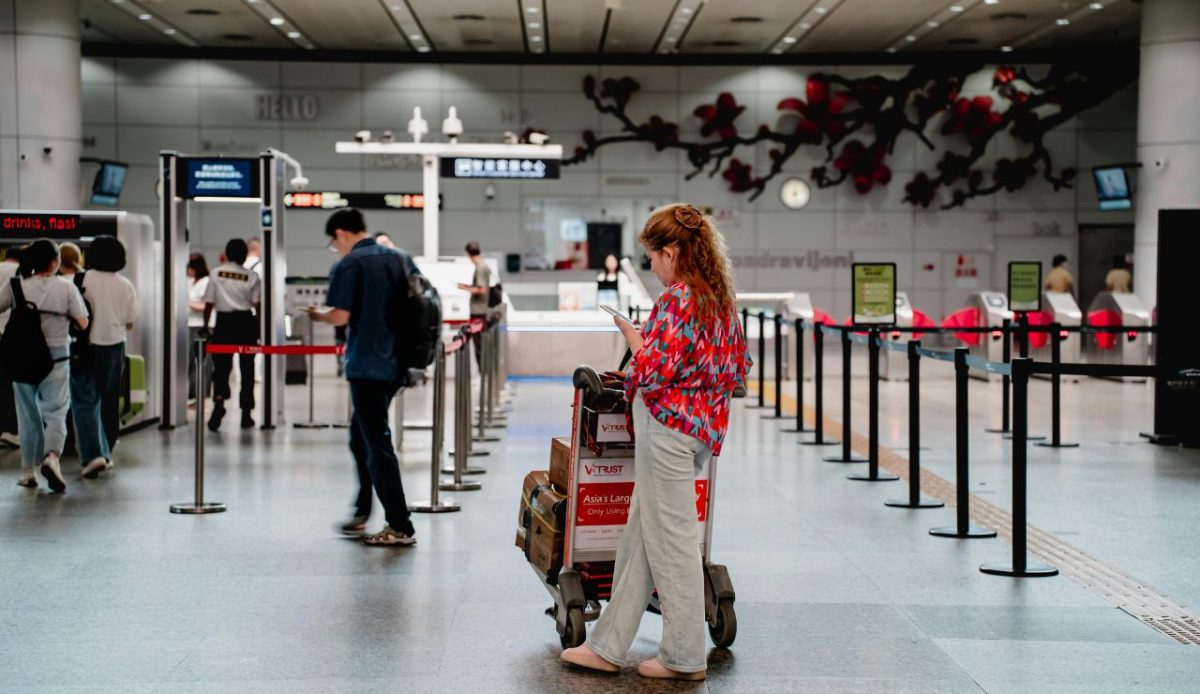
There was a time when airport screening took minutes. Metal detectors, a quick pat-down, and you were through. Then came full-body scanners, laptop removals, liquid bans, and ID checks at every turn. The process became longer, stricter, and far less personal. Today’s airport feels more like a fortress than a foyer. While the layers of protection are vital, many miss the freedom of showing up, breezing through, and feeling that travel was easy again.
8. Meet Pilots and Visit the Cockpit
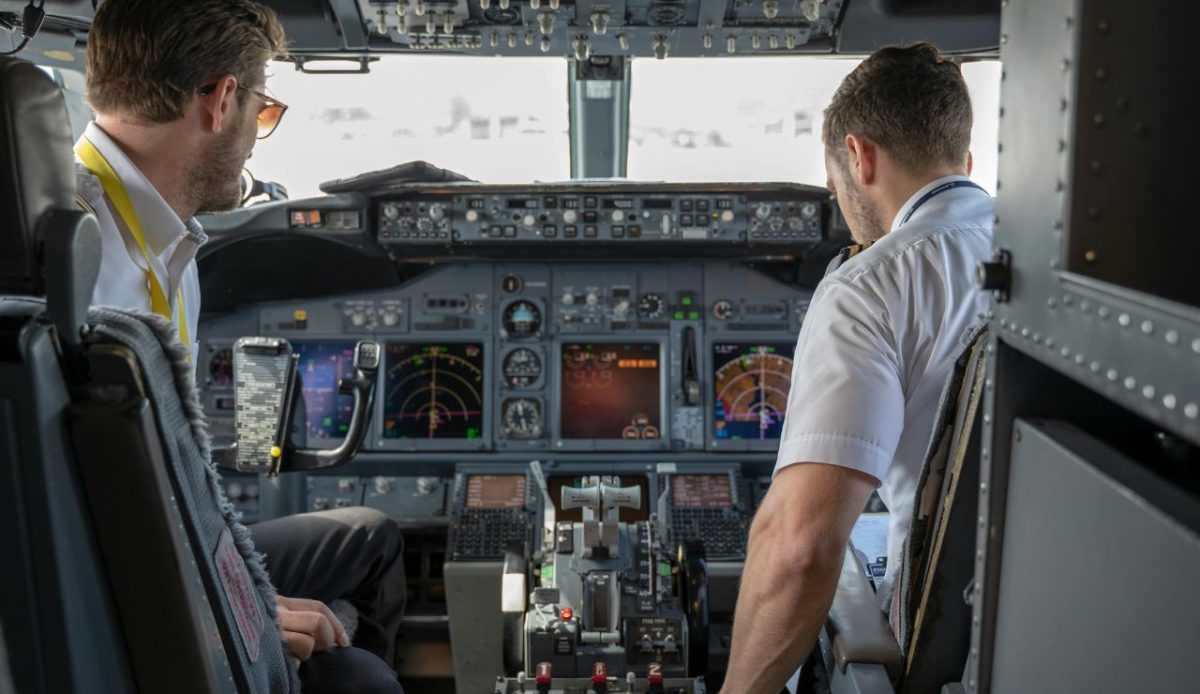
Not long ago, kids could visit the cockpit mid-flight or after landing, wide-eyed as pilots handed out souvenir wings. Sometimes, captains even have guests up front for photos. After 2001, cockpit doors were sealed permanently, and that hands-on magic vanished. Though stricter safety measures replaced it, many travelers still recall that moment of wonder when stepping behind the controls made flight feel human, inspiring, and full of childhood dreams.
9. Change Flights Easily at the Counter
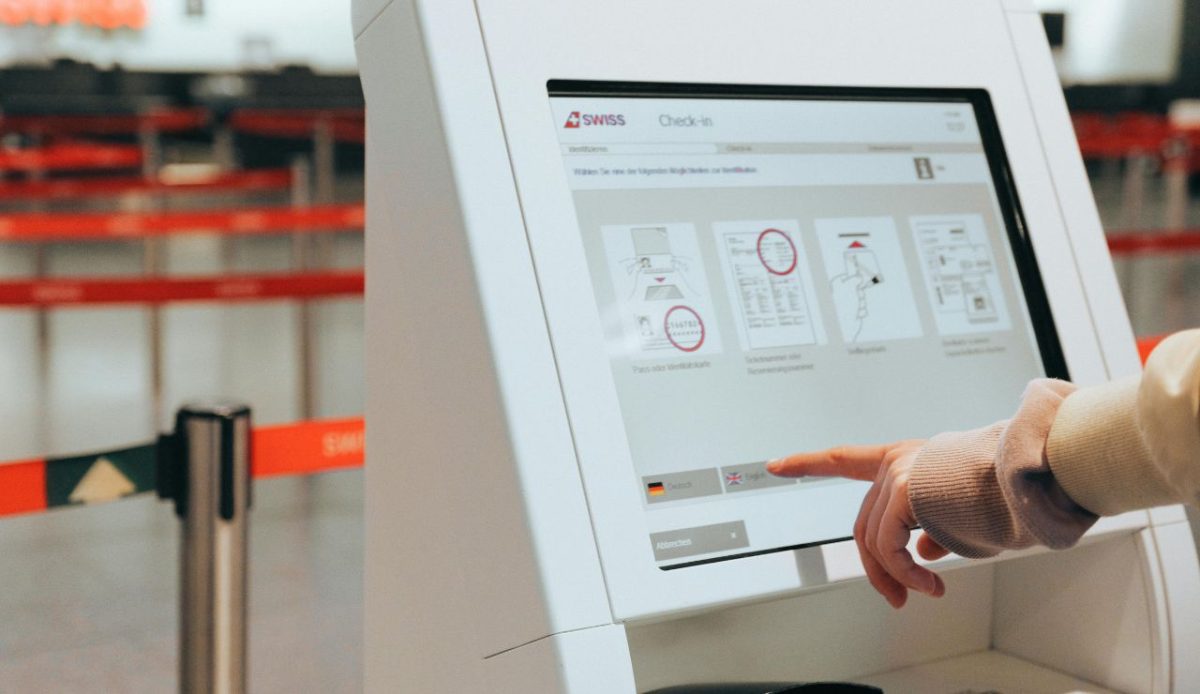
Before digital check-ins and fare restrictions took over, rebooking a flight was often just a matter of asking. Missed connections or delays could be fixed with a quick chat at the airline counter, where friendly agents printed new boarding passes in minutes, usually free of charge. Today, online forms, long hold times, and hefty change fees have replaced the human touch. Flexibility has become a luxury, and the days of simple, stress-free rebooking are now a wistful memory of friendlier travel.
10. Wander Terminals Without Constant Surveillance
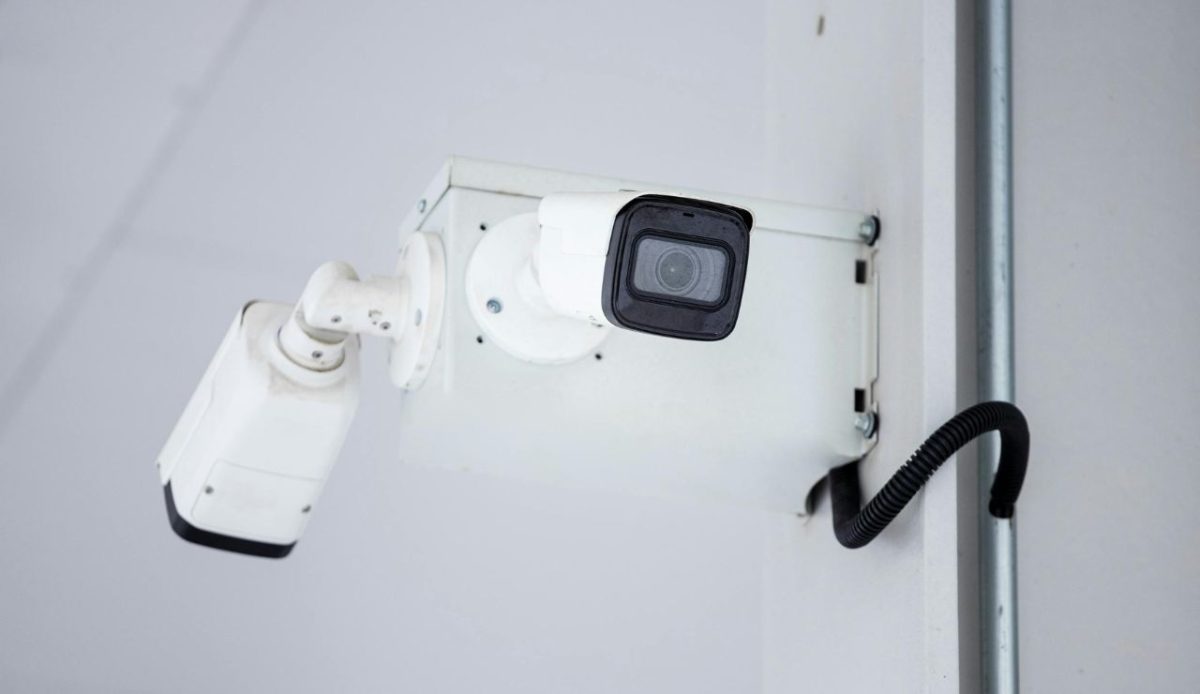
There was a time when airports felt open, places to people-watch, photograph planes, or simply explore while waiting. Modern surveillance, facial recognition, and restricted zones changed that freedom. Security cameras cover every corner, and lingering too long invites suspicion. While safety has improved, spontaneity has faded. Airports today are efficient but impersonal, trading curiosity for control. The thrill of wandering freely through terminals now exists only in travel nostalgia.
