
Capital cities carry big myths built by films, headlines, and travel ads. Visitors expect iconic views, smooth transit, and a sense of national pride on display. On arrival, daily friction often takes over, with queues, rule-heavy ticketing, and long rides between sights. Costs can feel sharper in capitals, and popular areas may be crowded from morning to late night. Research based on traveler surveys and large sets of online ratings shows a steady gap between hype and what is experienced. The nine capitals below are often named when reputation runs ahead of comfort and ease. Each example reflects complaints that appear again and again.
1. Paris
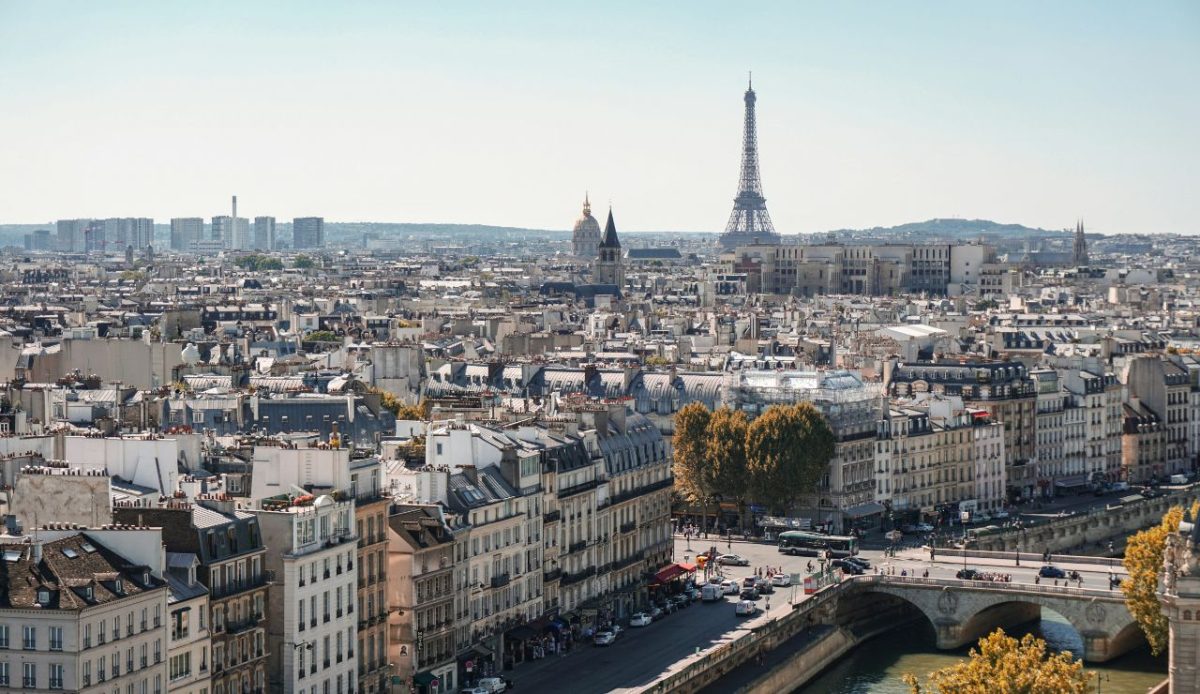
Paris is sold as effortless romance, yet many first-time visitors report a harsher street-level reality. High-density tourism around the Louvre, Eiffel Tower, and the Seine produces long waits and packed sidewalks. Service can feel abrupt when staff are stretched, and pickpocketing near major hubs is often mentioned in visitor warnings. Some travelers describe Paris Syndrome, where idealized expectations collide with fatigue, noise, and expense. The city still rewards slow trips, but short stays can feel stressful instead of magical. Reservation systems and timed entries also reduce spontaneity, which surprises many.
2. London
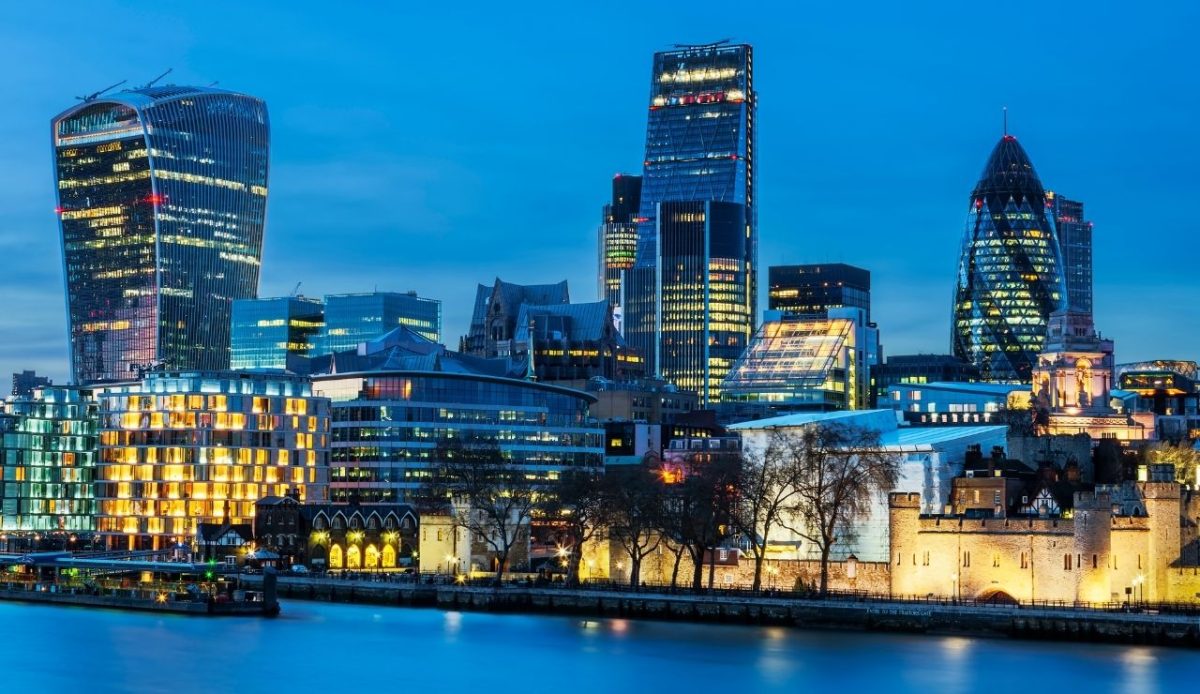
London’s reputation promises world-class museums, theater, and royal history, but the day-to-day cost shocks many visitors. Hotels, meals, and transit can consume a budget quickly, so value is judged harshly even when sights deliver. Crowded Tube lines and long walks between neighborhoods add fatigue, especially in peak season. Tourist hotspots like Westminster and Covent Garden can feel like managed corridors rather than living places. When rain or delays hit, plans become rigid, and disappointment grows because expectations were set so high. Many popular venues require advance slots, so last-minute wandering is harder than expected.
3. Brussels
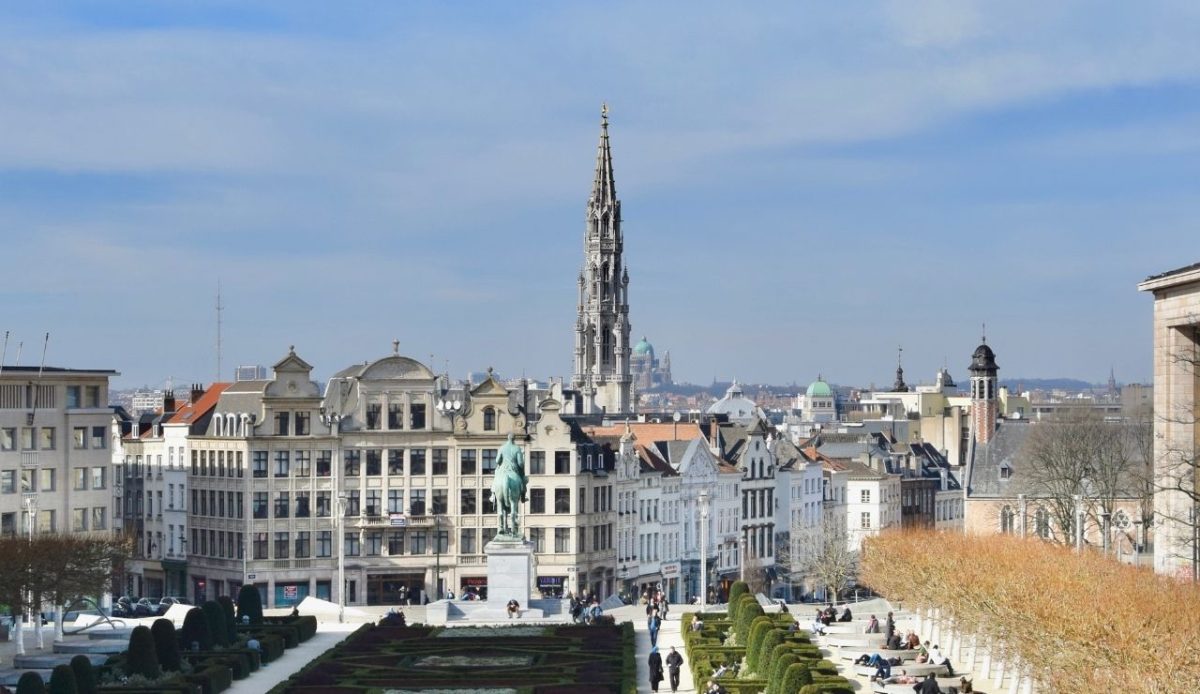
Brussels is known as a European power center, so travelers often expect a grand capital atmosphere. Instead, many find a small historic core surrounded by office districts that quiet down early. Visitors who plan only a brief stop may see construction, traffic, and bland streets between highlights. The city has a strong beer culture and good museums, yet they are spread out and require effort to link together. That gap between political fame and visitor energy leads some people to call it underwhelming compared with nearby capitals. Areas around some stations can feel rough at night, which can change comfort.
4. Bangkok
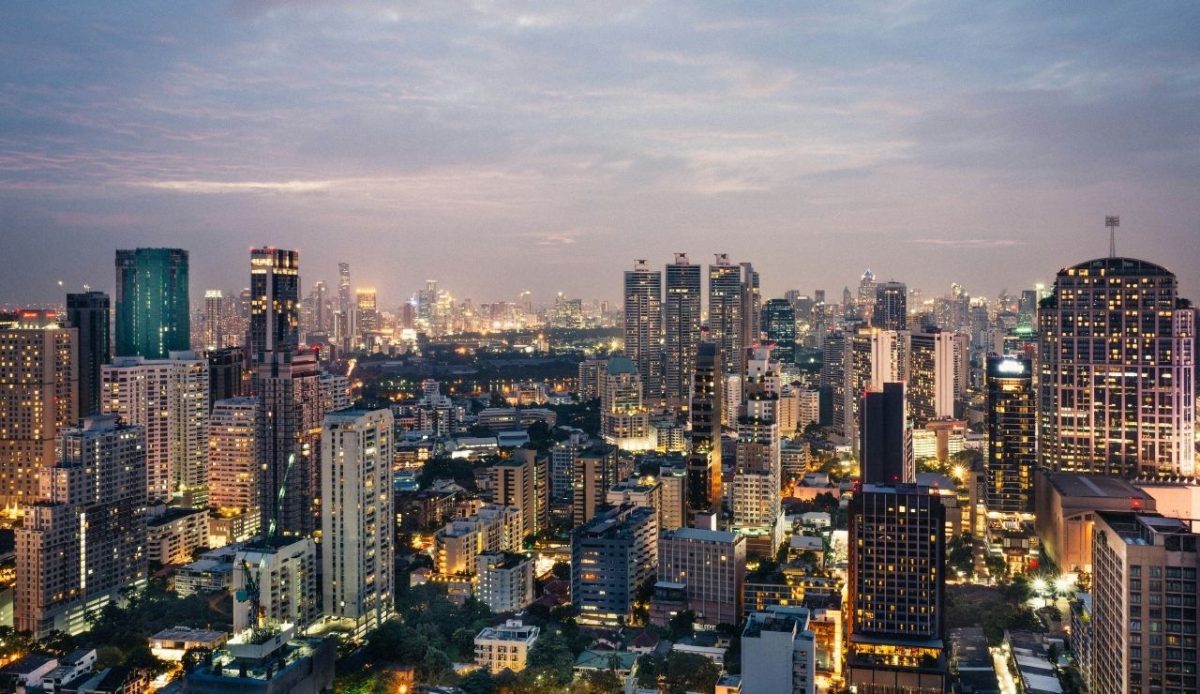
Bangkok is marketed as nonstop fun with temples, street food, and nightlife, yet the city’s intensity can wear people down. Gridlocked traffic and heavy humidity make simple transfers slow, so itineraries shrink fast. Air quality and noise are common complaints in traveler reviews, especially near major roads. First-timers also report hassles from aggressive sales pitches or taxi disputes in crowded zones. Bangkok remains rewarding for those who plan rest breaks and use rail lines, but visitors chasing a relaxed vibe may feel let down. Even famous markets can feel more like tight funnels than a casual stroll.
5. Jakarta
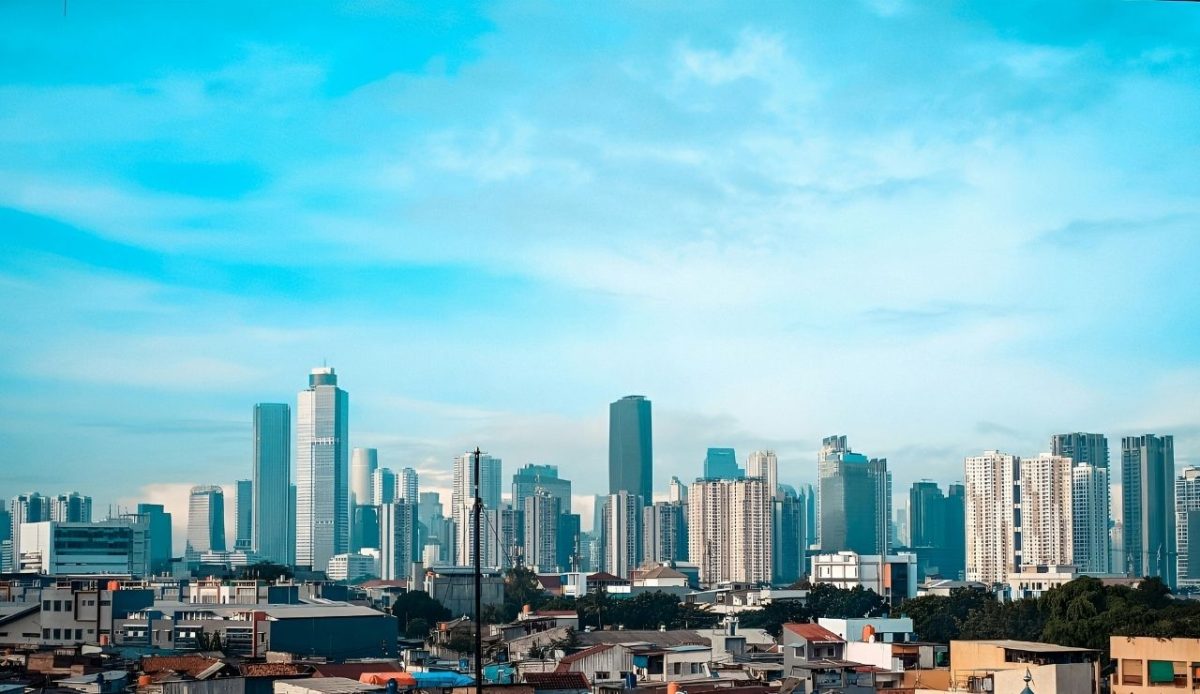
Jakarta surprises many travelers who arrive expecting an easy gateway to Indonesia’s beaches and islands. Traffic jams are legendary, and limited walkable areas mean short distances can take a long time. Heat, haze, and noise often dominate first impressions, while top attractions are scattered across a huge metro area. Visitors also note that the city offers fewer obvious sightseeing districts than other Asian capitals. Jakarta has great food and modern malls, yet for tourists on tight schedules, the effort to navigate can exceed the payoff. When rain causes delays, plans can fall apart quickly, and frustration rises.
6. Beijing
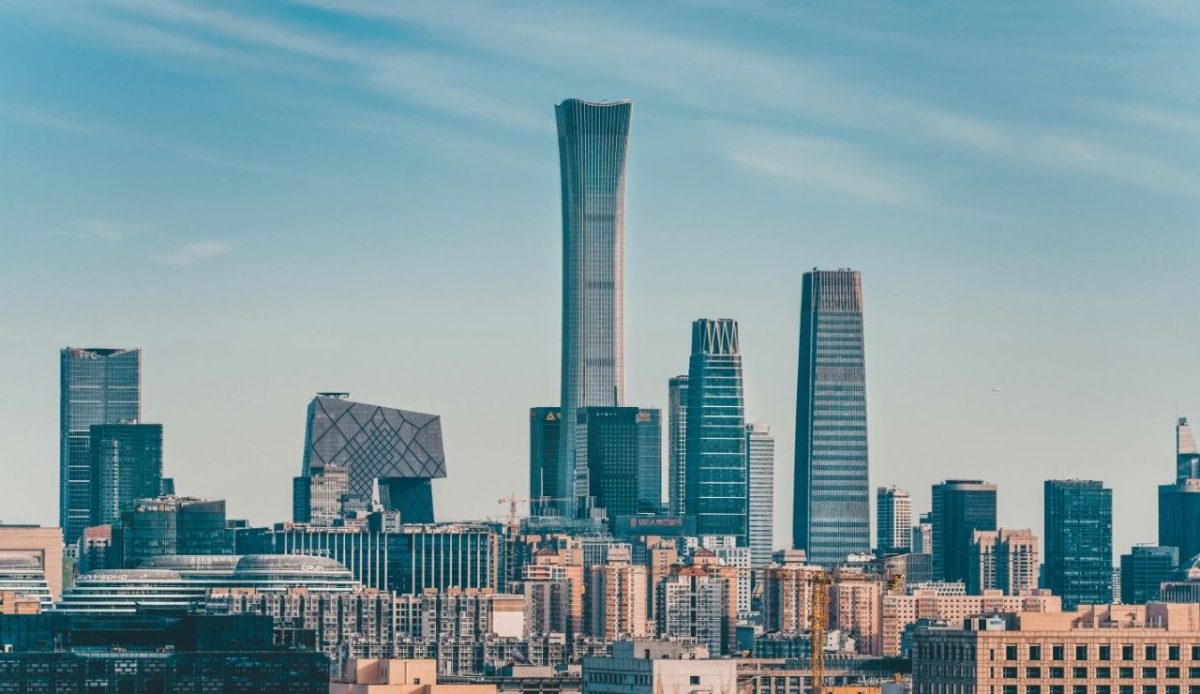
Beijing carries an image of imperial grandeur, but visitors often face barriers that blunt that promise. Major sites like the Forbidden City use timed ticketing and security checks that add lines and stress. The distance between districts is larger than many expect, so a day can be spent in transit. Air pollution has improved in recent years, yet haze still appears in complaints during certain periods. Language gaps and app-based payments can also confuse newcomers, making the city feel less welcoming than its fame suggests. Popular day trips to the Great Wall are crowded, and tour logistics can feel rushed and rigid.
7. Rome
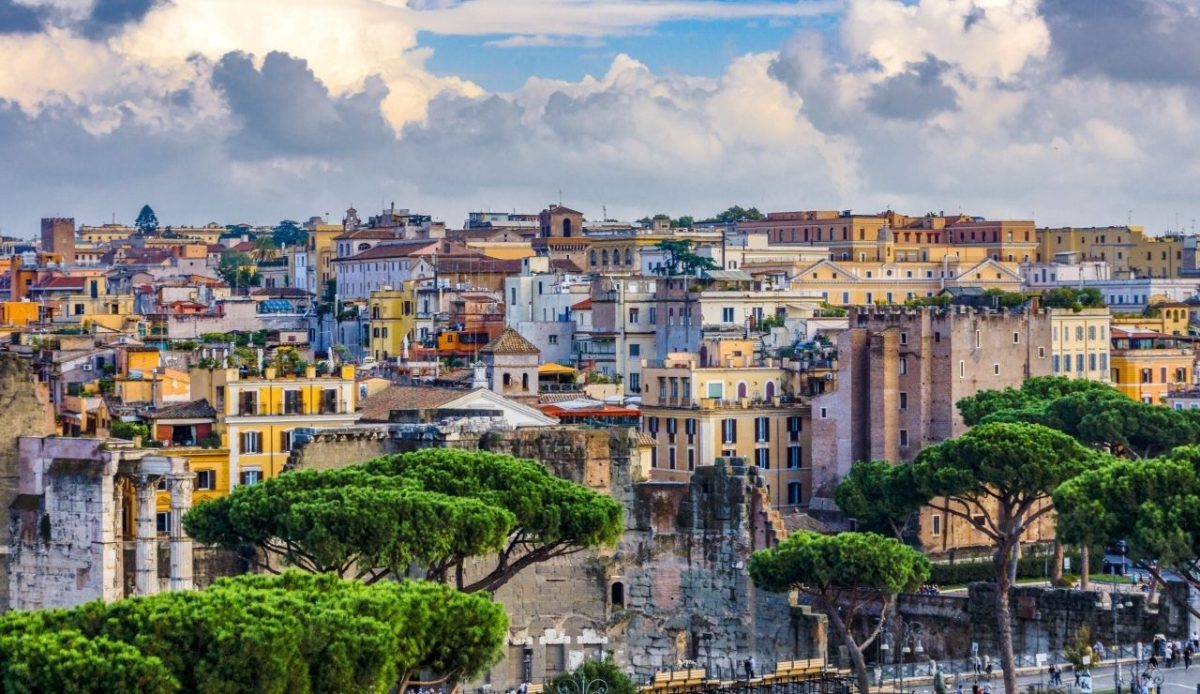
Rome’s reputation centers on open-air ruins and easy charm, yet many visitors meet crowds and chaos first. Lines at the Colosseum and Vatican Museums can dominate a limited trip, even with advance tickets. Traffic, uneven sidewalks, and limited public toilets add friction, especially for families. Scam complaints around busy landmarks also appear regularly in travel advisories and reviews. Rome is extraordinary when time is allowed for neighborhoods and quiet churches, but a rushed itinerary can feel like a space battle. Summer heat amplifies the strain, and service can be curt when venues are overloaded.
8. Washington, D.C.
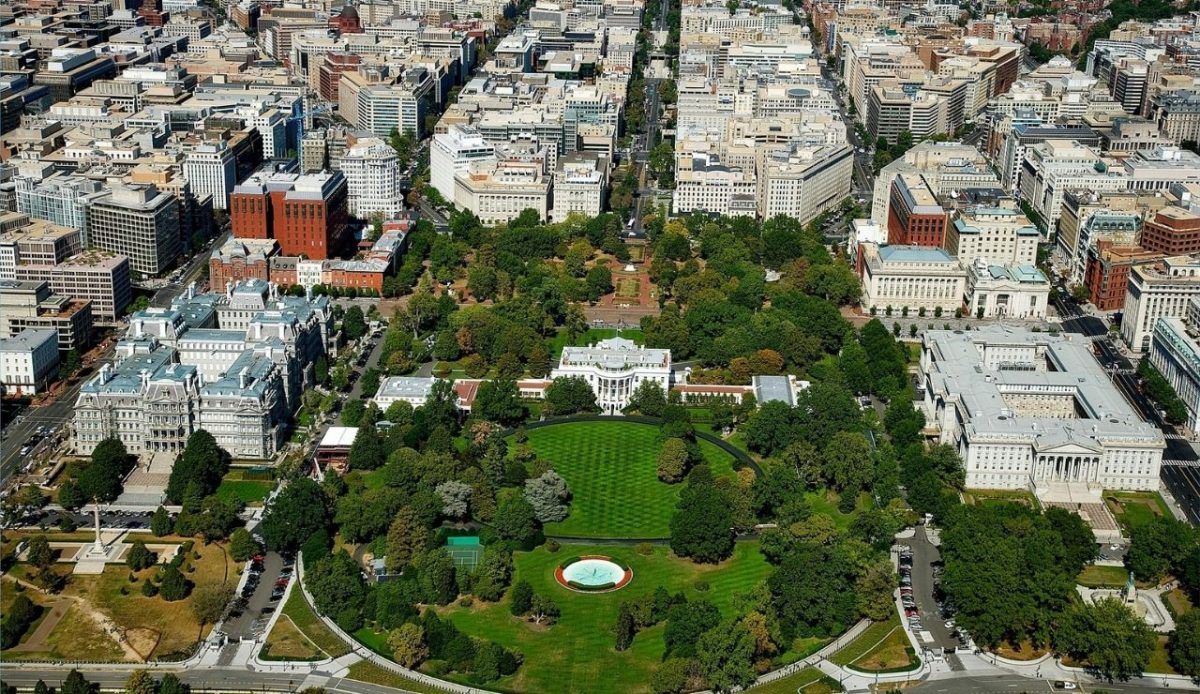
Washington, D.C., is promoted as a free museum capital with clean monuments, but expectations can clash with logistics. Peak season brings heavy security zones, road closures, and long bag checks that slow simple walks on the National Mall. Some visitors are surprised by the limited late-night transit and the distance between neighborhoods. Hotel prices near core sites can be high, so people stay farther out and spend more time commuting. The museums remain excellent, yet the trip can feel more controlled and tiring than the glossy image suggests. During school breaks, popular exhibits fill fast, and timed passes can disappear early.
9. New Delhi
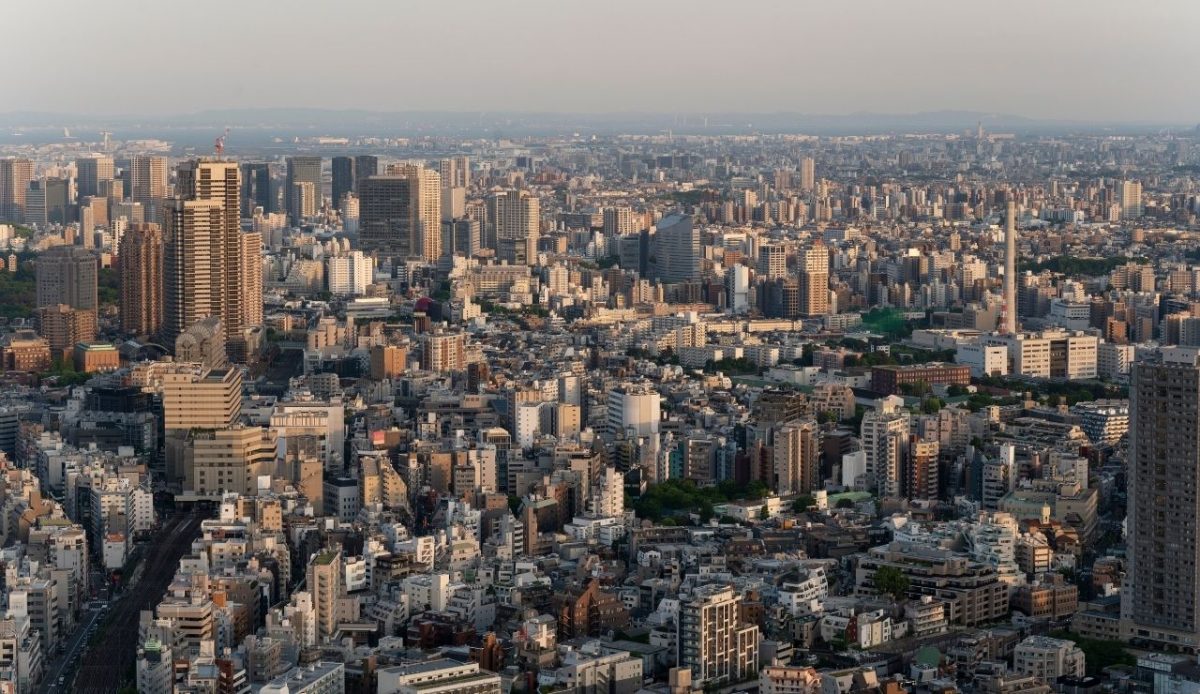
New Delhi is expected to offer grand architecture and rich culture, but many travelers struggle with sensory overload. Traffic congestion, noise, and aggressive touting can make the first days feel exhausting. Air quality is a frequent concern in cooler months, and visitors report irritation and reduced visibility. Distances between major sites are larger than maps suggest, and heat can drain energy quickly. Delhi has remarkable food, markets, and museums, yet without careful planning and trusted transport, the city can feel daunting rather than inspiring. Caution around water and stomach illness is also common advice, which adds worry.
