
Sardinia and Sicily attract travelers who want reliable wine experiences paired with clear views, organized tastings, and access to vineyards shaped by island climates. The regions offer long summers, coastal breezes, inland hills, and volcanic slopes that influence grape development. Many wineries provide structured tours that explain seasonal work, fermentation steps, and aging practices. Visitors value calm environments, direct explanations, and routes that let them observe vineyard layouts and production rooms. Together, these estates represent stable and informative wine experiences for travelers who appreciate organized visits and scenery that reflects each island’s agricultural identity.
1. Sella and Mosca, Alghero, Sardinia
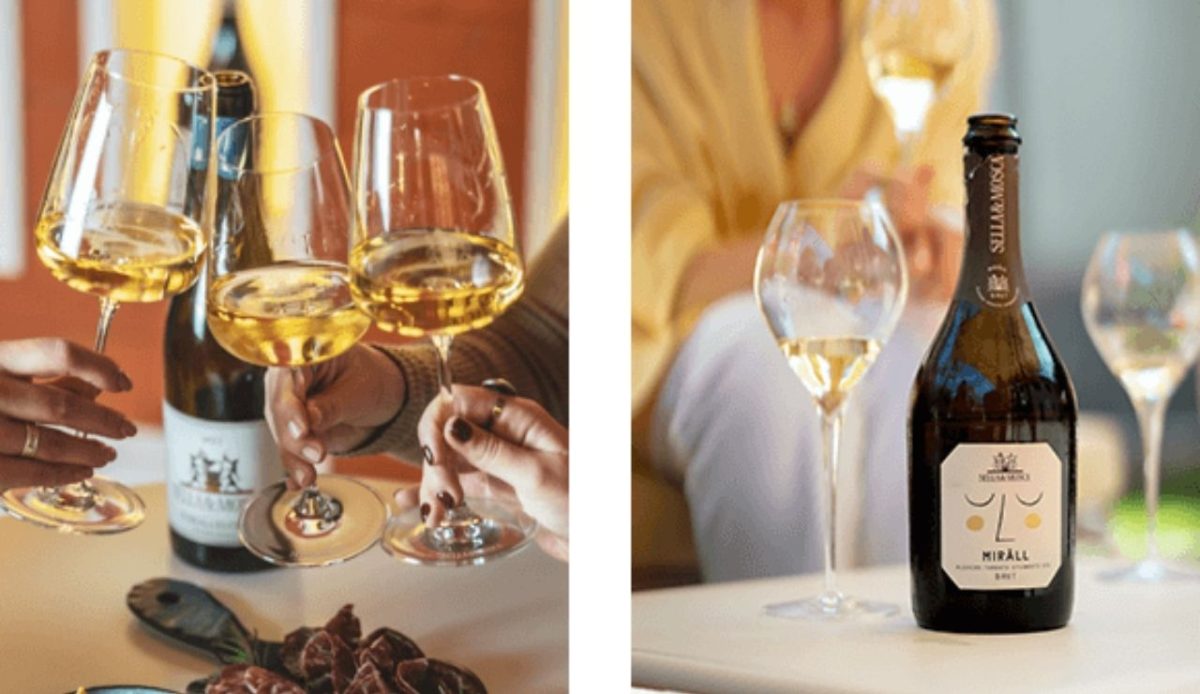
Sella and Mosca is known for its broad grounds near Alghero, where long rows of vines stretch across warm, open land. Visitors appreciate the practical explanations of Torbato, Vermentino, and Cannonau during tastings that move at a manageable pace. Staff members provide clear information about vine management, soil conditions, and seasonal tasks. The tasting areas offer relaxed seating that allows guests to follow each step without feeling rushed. Outdoor views help visitors understand how sunlight and airflow affect the vineyards. Many travelers spend extra time walking the grounds, making this estate one of Sardinia’s most steady and approachable wine stops.
2. Cantina Santadi, Sulcis Region, Sardinia
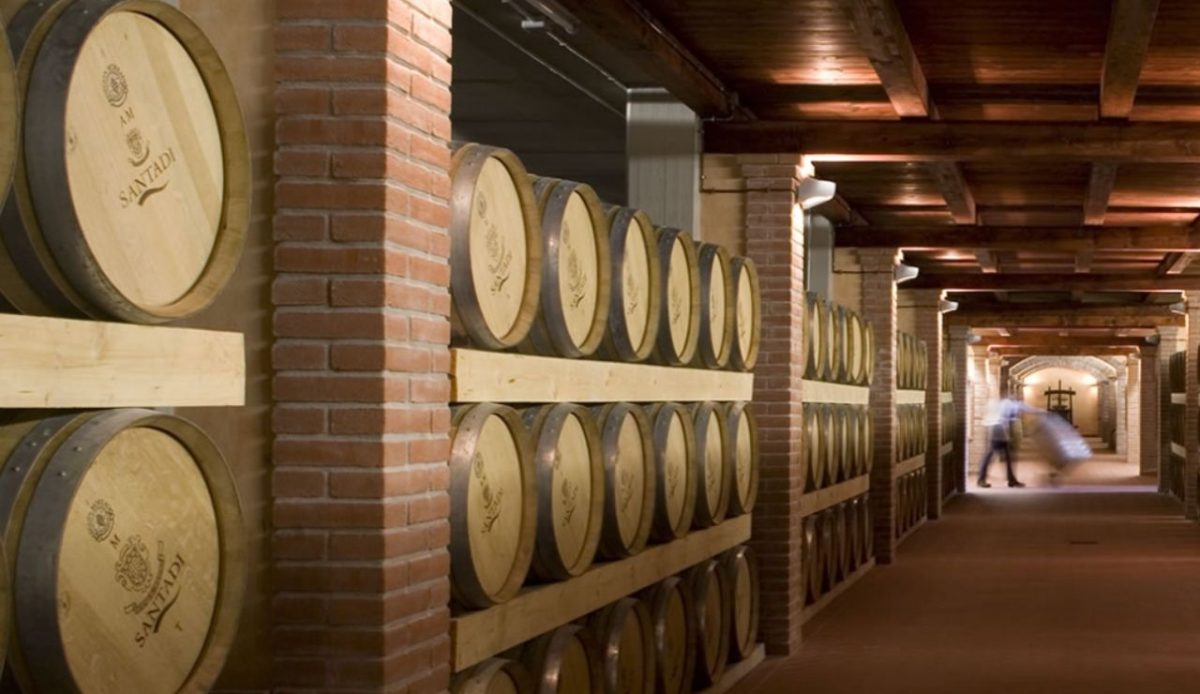
Cantina Santadi focuses on wines from the Sulcis area, where sandy soils and warm conditions support local varieties. Guests receive direct explanations about how older vines are maintained and why Carignano performs well in this climate. Tastings usually include Carignano, Vermentino, and Nuragus, all presented in a calm setting with organized seating. The rural terrain around the winery helps visitors understand the region’s long connection to agriculture. Staff members move through information at a comfortable pace, giving guests opportunities to ask questions. Production rooms are shown during tours, helping travelers see how tradition and modern equipment work together.
3. Cantina Argiolas, Serdiana, Sardinia
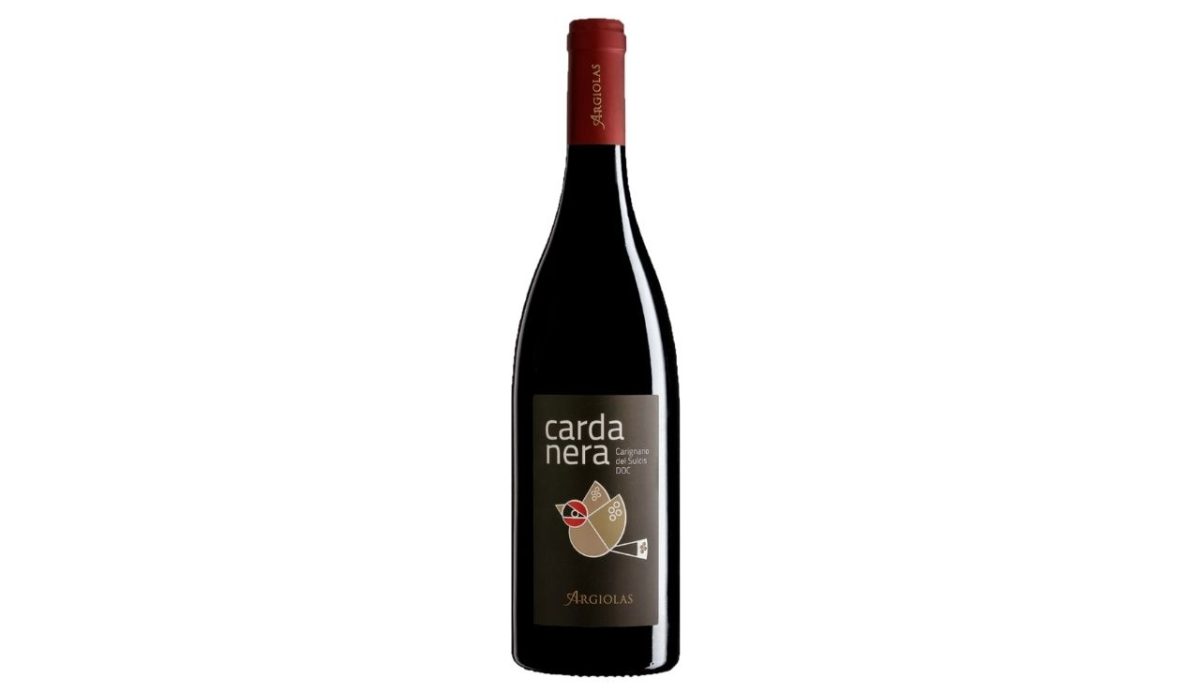
Cantina Argiolas sits in the countryside near Cagliari, surrounded by vineyards, farmland, and olive trees. Tastings highlight Cannonau, Monica, and Vermentino, with staff offering practical explanations behind each wine. Visitors can sit outdoors or indoors depending on weather, and both areas are organized for clear communication. Guides describe tasks such as pruning, harvest timing, and fermentation choices, helping guests understand how the estate maintains quality. The environment remains quiet, which allows visitors to focus on the information shared during the tasting. The estate’s steady approach makes it a dependable stop for travelers seeking clear and structured wine experiences.
4. Mesa Winery, Porto Pino, Sardinia
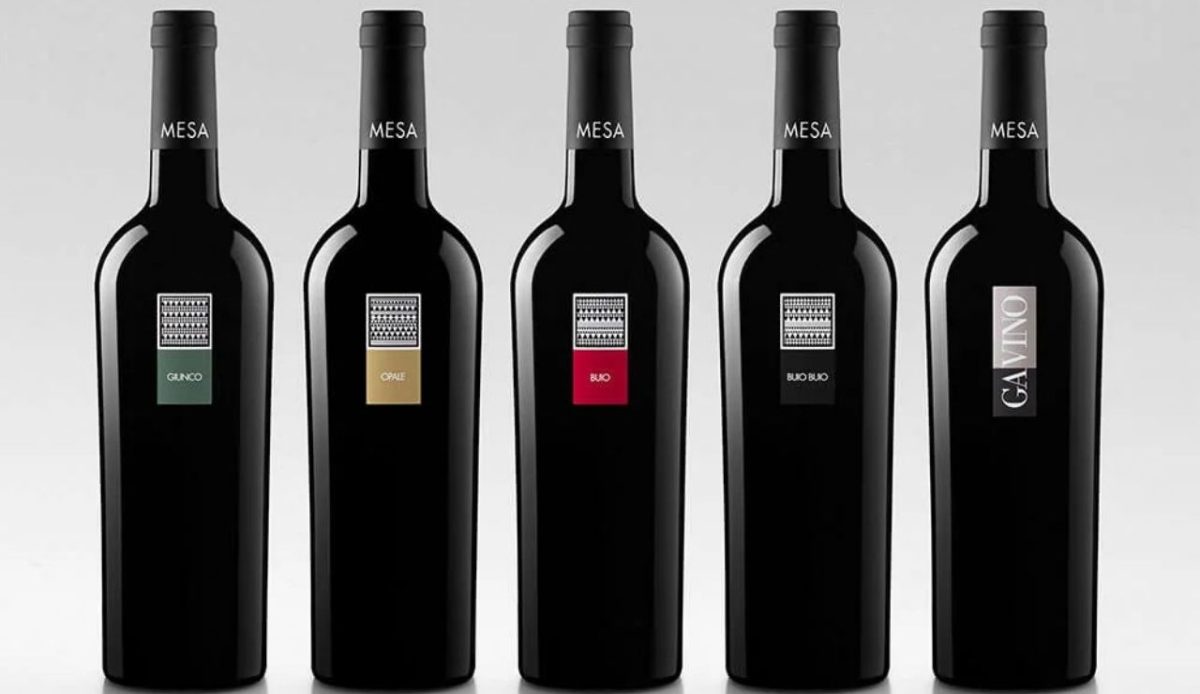
Mesa Winery is known for its modern architecture and clean layout, which contrast with Porto Pino’s rugged surroundings. Travelers visit for organized tastings featuring Carignano and Vermentino, presented with clear explanations about vineyard conditions and production steps. Staff members describe how sea breezes influence grape development, and visitors often observe the open landscape outside. Tours may include discussions about fermentation and bottle aging, helping guests understand why the winery’s approach remains consistent. The outdoor views toward the coast add context to the tasting sequence. The experience stays calm and focused on practical details rather than elaborate presentations.
5. Planeta Feudo di Mezzo, Etna, Sicily
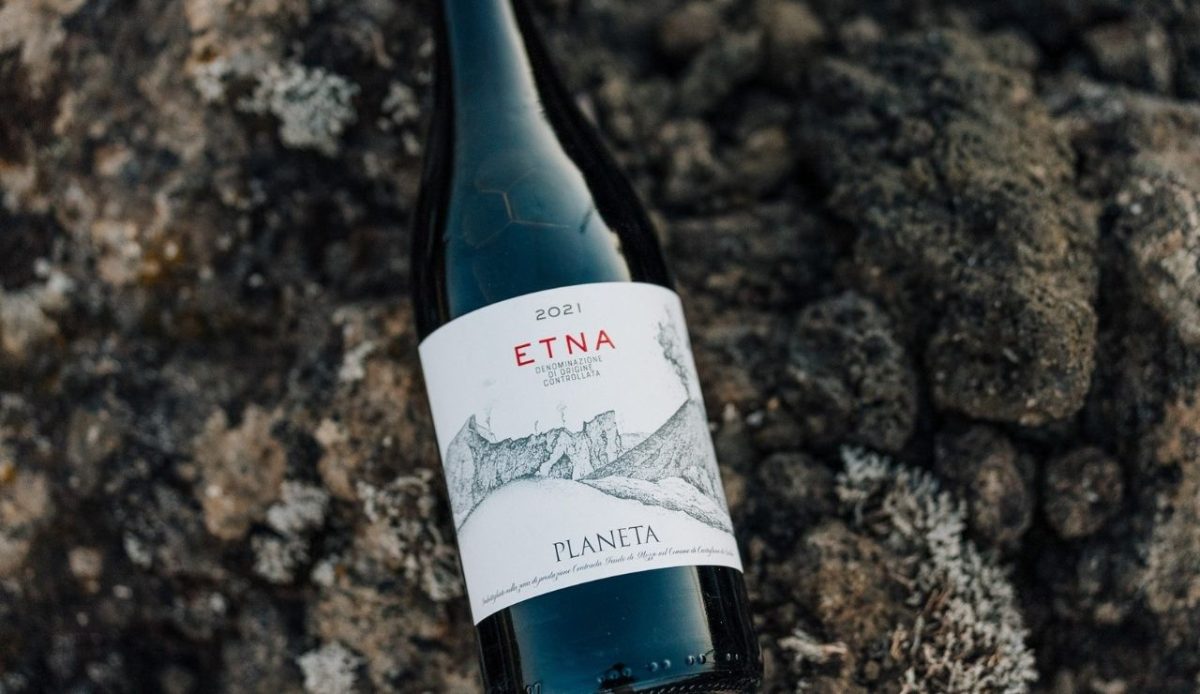
Planeta’s Feudo di Mezzo estate sits on Etna’s lower slopes, where dark volcanic soil and older lava flows create a distinct environment for Carricante and Nerello Mascalese. Tastings follow a clear structure that explains how cooler nights and elevation help shape acidity and flavor. Visitors can explore outdoor areas with terraced vineyards that show the region’s unique layout. Indoor rooms are designed for focused conversation and easy movement. Guided walks, when available, take guests through sections where soil changes are visible. Many travelers value the calm pace and accurate explanations provided by the staff during each step of the visit.
6. Benanti Winery, Etna, Sicily
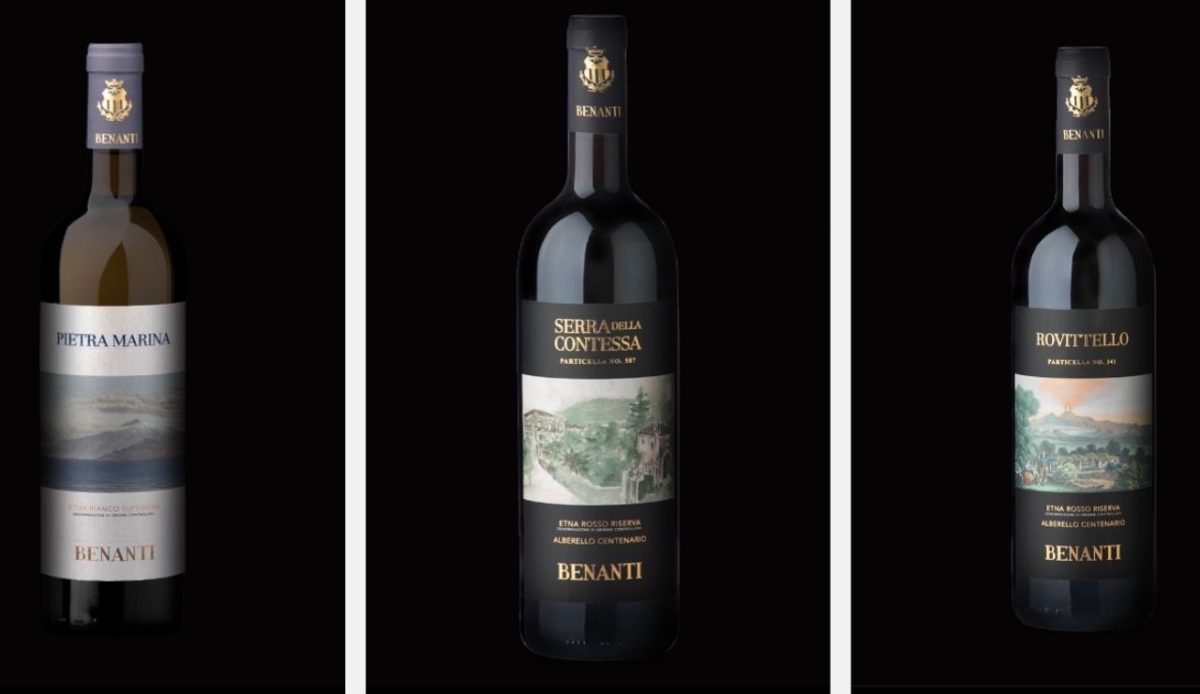
Benanti Winery is recognized for its role in Etna’s wine development and offers a clear, organized tasting experience. Visitors learn how volcanic soils, altitude shifts, and vineyard orientation influence Nerello Mascalese and Carricante. Staff members explain the challenges of farming on uneven slopes and how these conditions affect ripening. Outdoor areas offer steady views of Etna’s landscape, while indoor rooms remain simple and structured for direct communication. The pace of the visit allows guests to absorb details without pressure. Many people appreciate how the estate balances historical context with practical information during the tasting.
7. Tenuta delle Terre Nere, Etna, Sicily
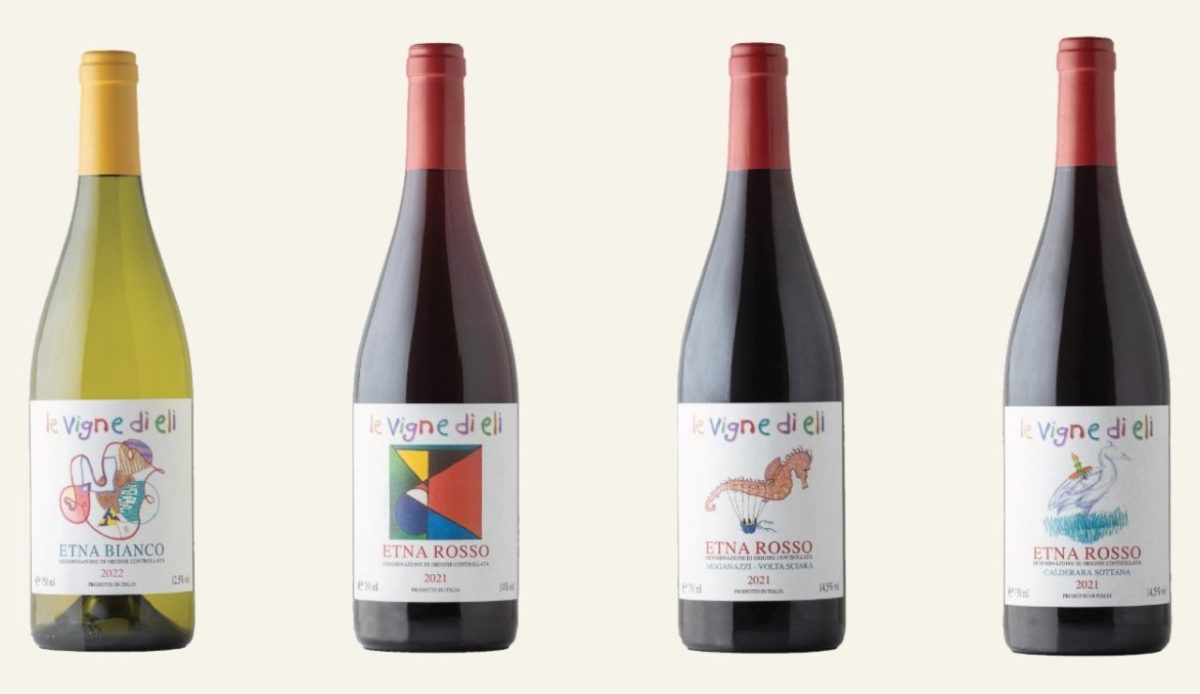
Tenuta delle Terre Nere is known for single-vineyard expressions of Nerello Mascalese grown along Etna’s northern slopes. Tastings focus on differences in soil depth, exposure, and terrace design across vineyard parcels. Staff members explain how these variations influence structure and acidity, offering clear comparisons between wines. Visitors often observe stone terraces and older vines that reflect the region’s agricultural history. The tasting sequence moves in an organized order to help guests understand changes between sites. Indoor spaces remain functional and dedicated to accurate communication. Travelers interested in vineyard-specific insights find this estate particularly useful.
8. Tasca d’Almerita Regaleali Estate, Central Sicily
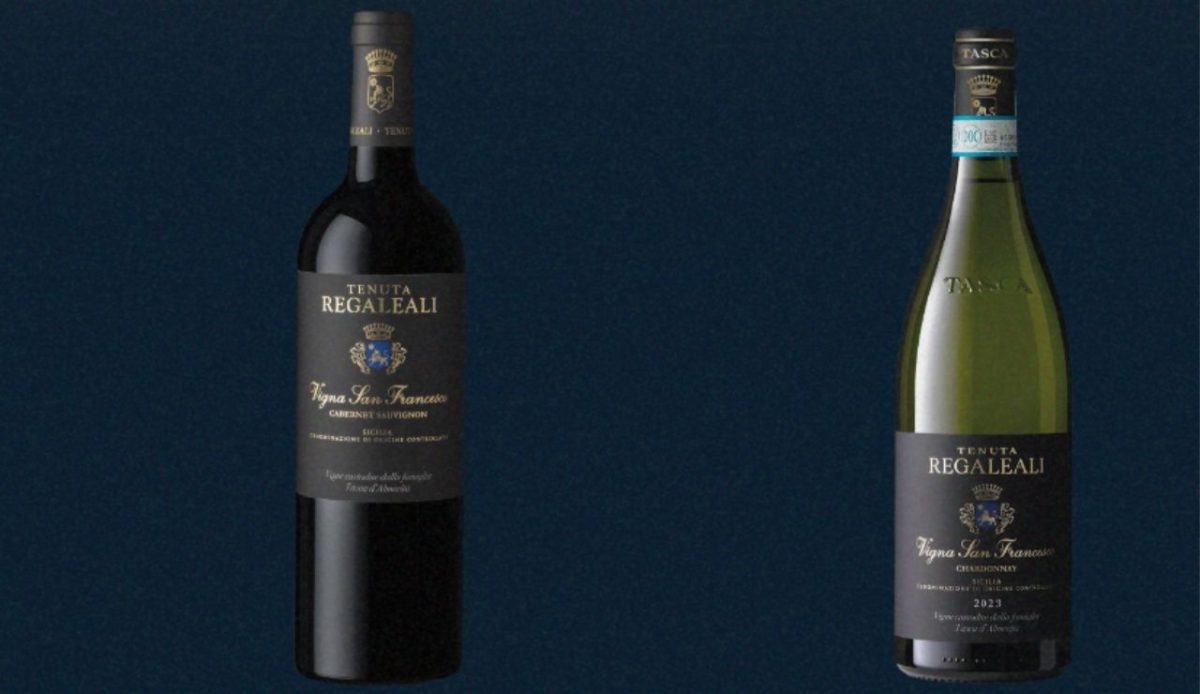
The Regaleali Estate is located in central Sicily and surrounded by wide hills that create steady airflow and support diverse plantings. Tastings cover whites, reds, and rosés, each explained through practical details about vineyard management and fermentation decisions. Visitors often walk through vineyard blocks and production rooms to learn how the estate handles large-scale operations. Indoor areas support organized movement and clear discussion. The quiet landscape helps guests observe how elevation and temperature shape ripening. Many travelers appreciate the estate’s structured approach and consistent hospitality.
9. Barone di Villagrande, Milo, Etna, Sicily
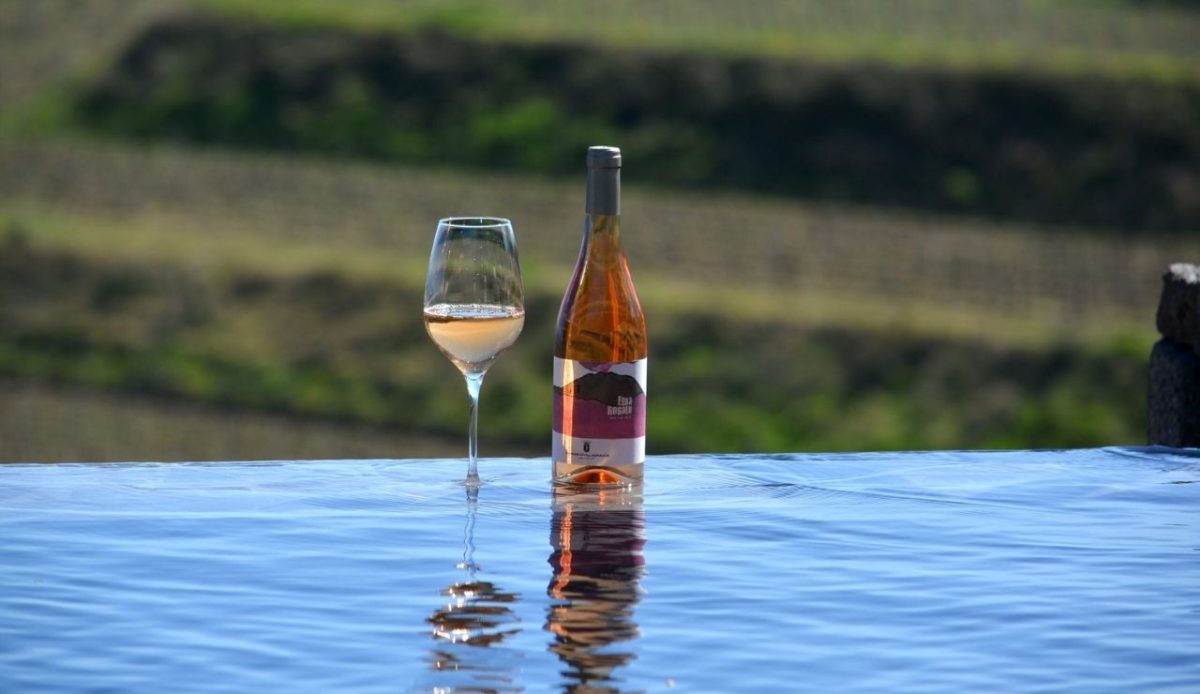
Barone di Villagrande is one of Etna’s oldest wineries, located on the eastern slope with views toward the Ionian Sea. Tastings highlight traditional Etna varieties with direct explanations about altitude, volcanic ash, and temperature shifts. Outdoor walks follow terraced plantings supported by stone walls, giving guests a view of water movement and root systems. Indoor spaces maintain a simple design to support steady communication. Staff members describe how older vines are cared for and how these parcels influence the estate’s wines. Visitors often comment on the calm setting and consistent flow of information.
