
Walkable cities make it easier to notice the small things that guide locals through daily life. Instead of racing between headline sights, a visitor can drift through side lanes, courtyards, markets, and stair streets until an unexpected museum, craft shop, or viewpoint appears. Each destination below is supported by walkability research, preservation rules, or documented street networks that prioritize walking over driving. Hidden gems are often found where housing, shops, and transit stops sit close together, so a flexible route can be used without stress. The list avoids generic picks and points to specific districts to wander.
1. Kyoto, Japan
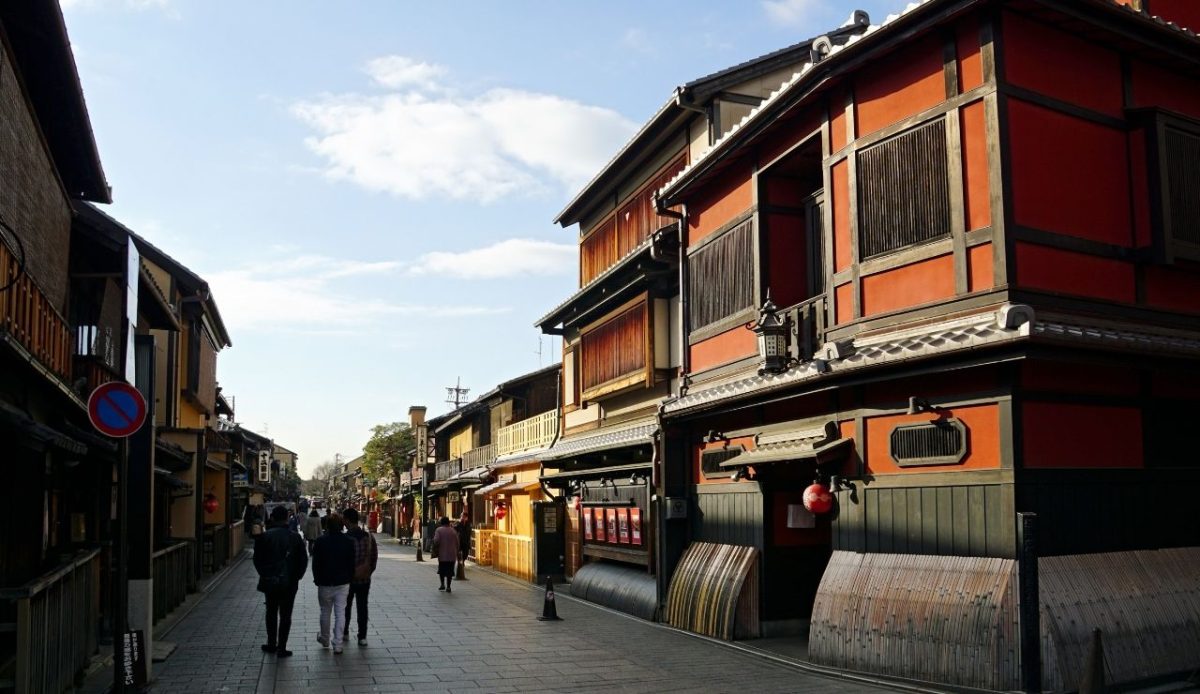
Kyoto is well-suited for roaming because many neighborhoods maintain a low-rise profile and have clear street edges. Beyond the temple corridors, Nishijin’s textile blocks and the Demachiyanagi area offer tiny shrines, river paths, and family cafés that are reached through lanes meant for locals. Signage is kept restrained, so attention is pulled to shop curtains, garden gates, and seasonal displays. A lot of the charm is encountered by accident, and it is sustained by residents rather than tourists. Short blocks connect to frequent bus stops, so a loop can be walked and reset easily when a quiet alley or small workshop appears.
2. Lisbon, Portugal
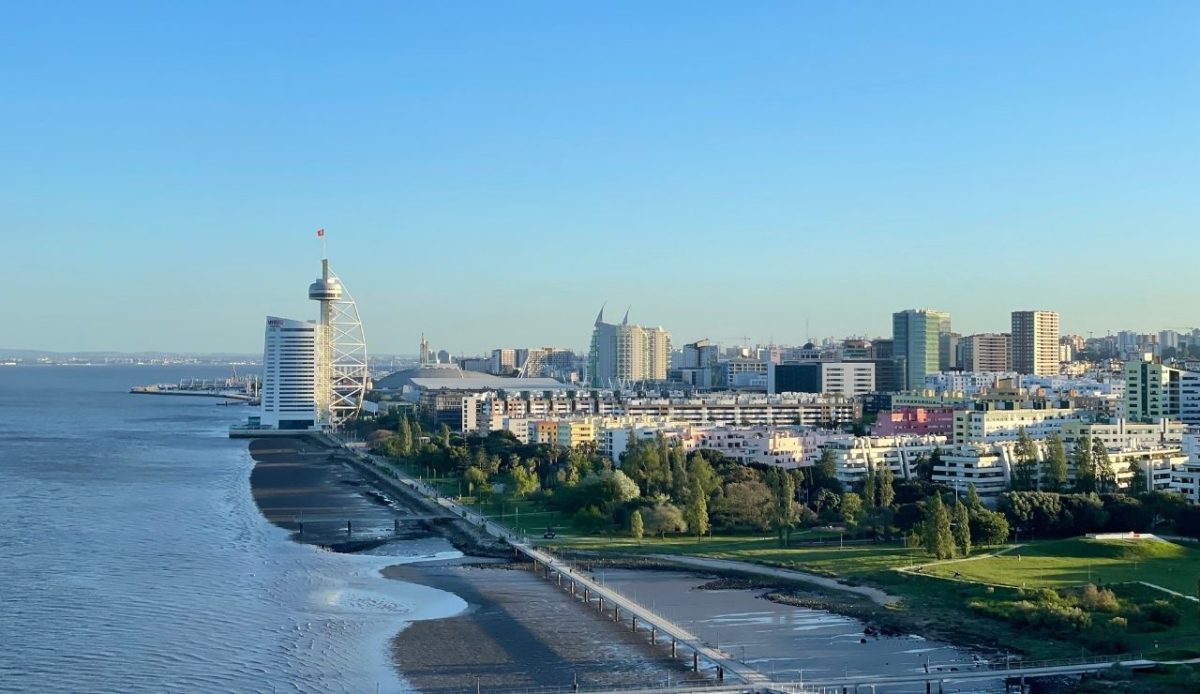
Lisbon rewards slow steps in Alfama and Mouraria, where steep grades and staircases limit traffic and keep routes human-scaled. Back streets open onto miradouros, tiled entryways, and corner bakeries that are not always signed for visitors. Because the street plan bends and narrows, shortcuts are discovered while climbing between tram lines. Small taverns and local music rooms are scattered inside residential blocks, so a detour can turn into an unplanned stop. Many lanes end at pocket squares where kids play, and laundry hangs above, and those everyday scenes are what make the finds feel earned.
3. Florence, Italy
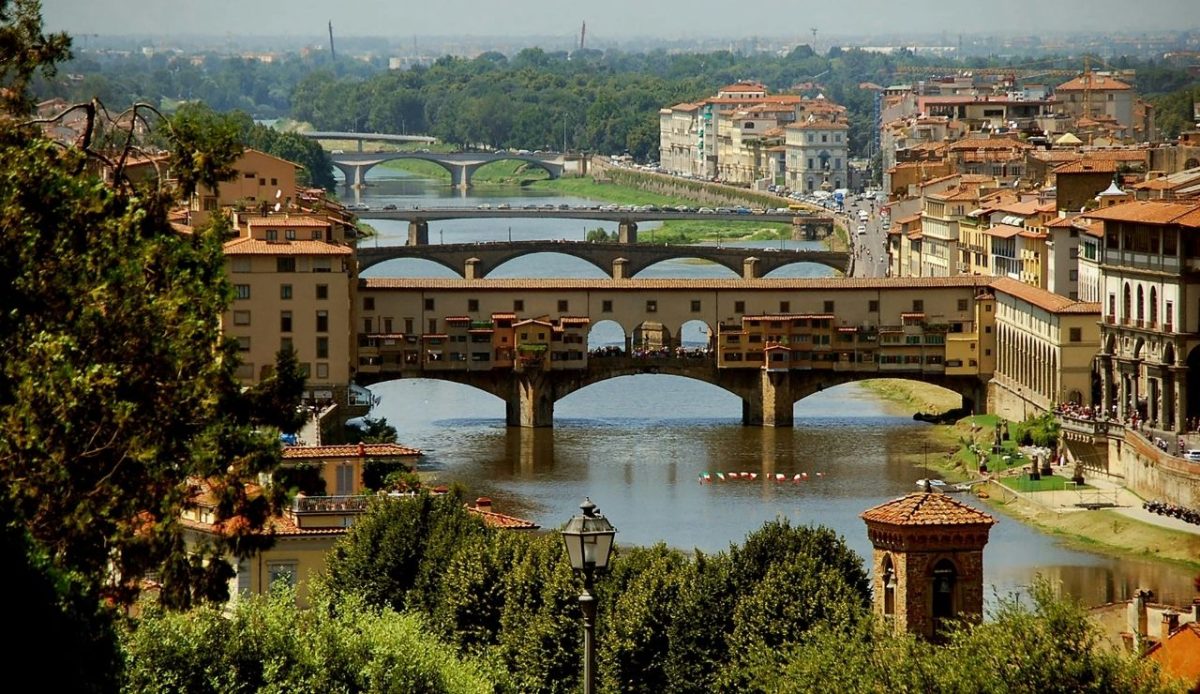
Florence stays compact, so walking across the Arno quickly shifts the mood. In Oltrarno, craft studios, bookbinders, and small repair shops sit beside cafés that serve nearby residents. Wine windows and workshop doors can be missed on a fast route, yet they show up when streets are taken at a relaxed pace. Chain retail is limited in parts of the center, so independent businesses remain visible. Much is still driven by daily trade, not staging. Side lanes lead to small churches, inner courtyards, and quiet piazzas where artisans work in view, making wandering a reliable way to find something new.
4. Prague, Czech Republic
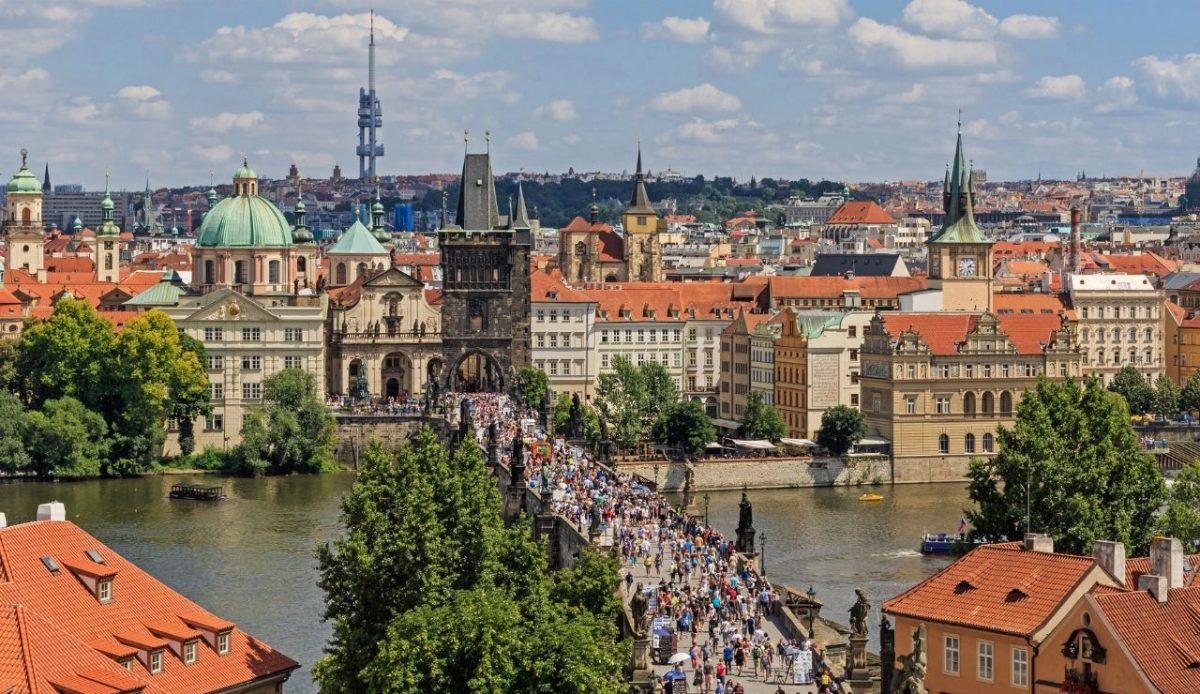
Prague’s core is dense, and many streets were built long before cars, so the city reads well on foot. In Malá Strana, passages cut through blocks and surface in courtyards, gardens, or small museums that sit behind plain doors. River walks connect to hillside stairs, and viewpoints are reached without long rides. Because the route choices are layered, an aimless turn often reveals a baroque facade, a quiet park bench, or a local pub away from tour lines. Pedestrian zones near Charles Bridge can be left quickly, and within minutes, the crowd noise is gone, and neighborhood groceries and bakeries take over.
5. Buenos Aires, Argentina
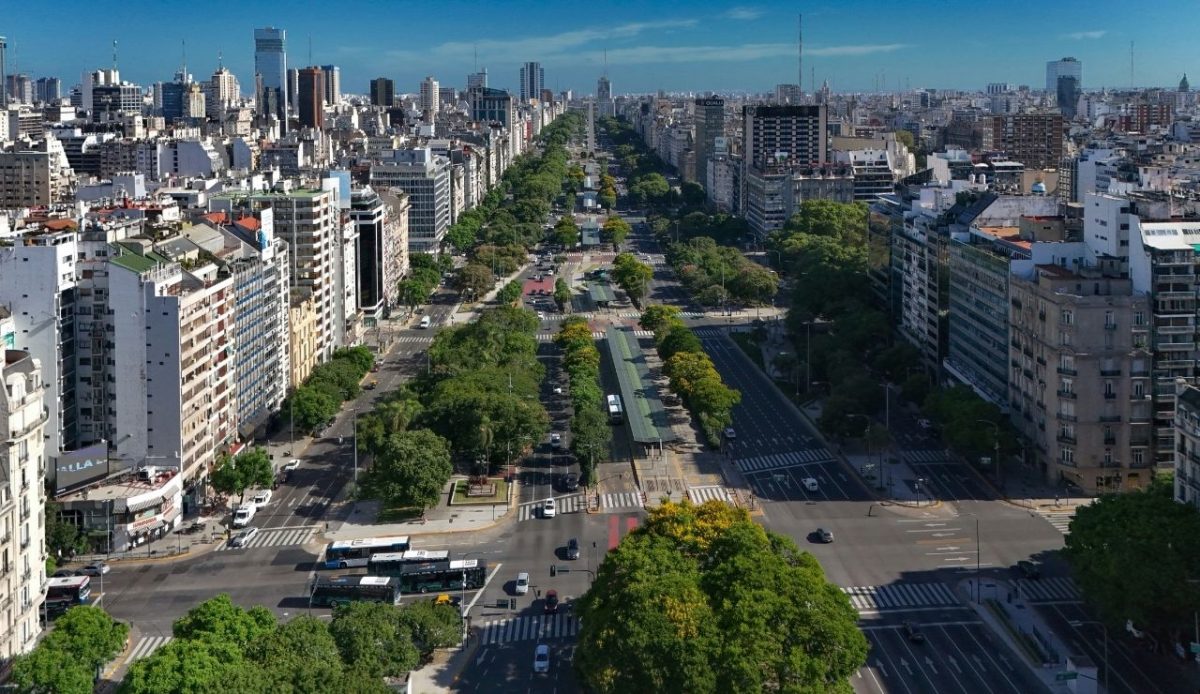
Buenos Aires invites long walks because blocks are steady, shade is common, and cafés encourage lingering. San Telmo’s cobblestones and old houses hide interior patios, small galleries, and antique stalls that are easiest to spot by wandering side streets. On market days, a single corner can turn into an informal performance space. Palermo’s quieter lanes add murals, bookshops, and pocket parks, giving walkers reasons to keep circling. The city’s late schedule means evenings still feel active. Mixed housing and retail keep eyes on the street, so a new route can be tried with confidence while searching for a hidden café or courtyard.
6. Edinburgh, Scotland

Edinburgh’s Old Town is built in layers, and that vertical design creates surprises for walkers. Closes and wynds branch off the Royal Mile, then drop into courtyards, stairs, and out-of-the-way squares. Many passages look private, yet public access is allowed, and history is carried in plaques and stonework. Because the center is compact, a loop can include a writer’s corner, a small museum, and a viewpoint in one stretch. A contrast is felt when the route reaches the New Town grid, where quieter streets hide gardens behind plain railings. With a map put away, short turns often lead to unexpected stairs and quiet entries.
7. Barcelona, Spain
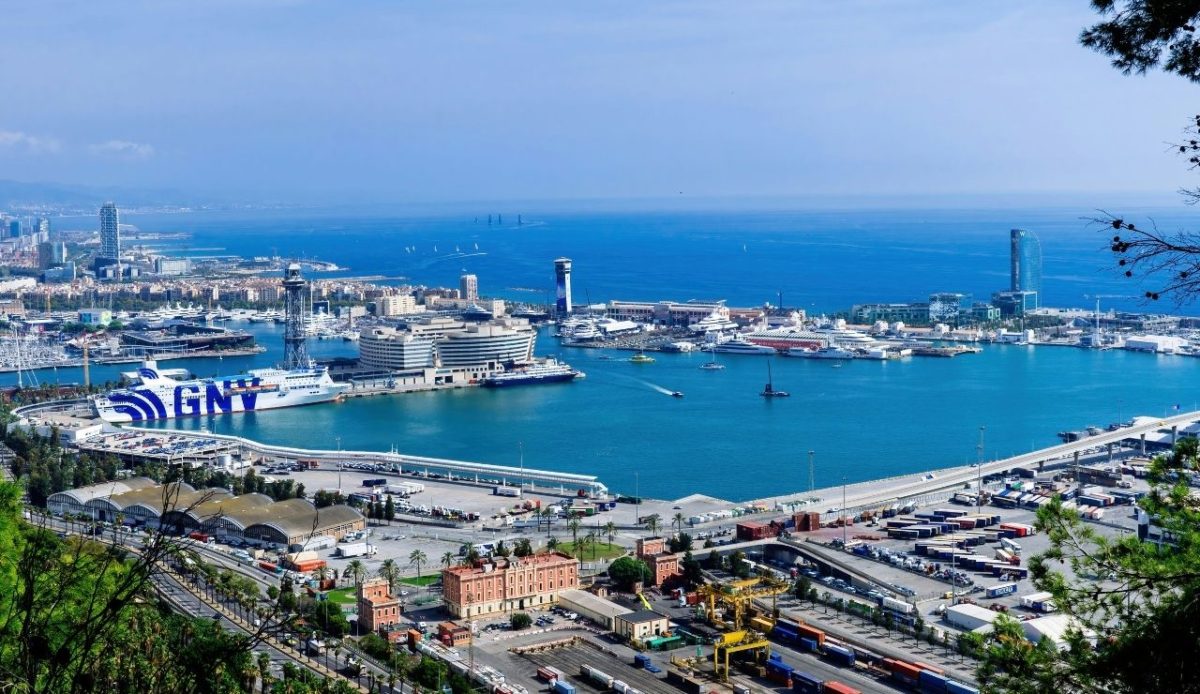
Barcelona’s El Born works well for walking because narrow medieval streets limit speed and keep destinations close. Roman remains, small plazas, and independent galleries are reached through alleys that bend without warning. Traffic restrictions around the old quarter reduce through cars, so foot routes feel direct even when they zigzag. In nearby Gràcia, the rhythm shifts to local squares with simple bars and bookstores. Wandering is rewarded because social life is centered on public space, not on single attractions. A short walk can surface a food market, a courtyard café, or a workshop that stays busy year-round.
8. New Orleans, Louisiana
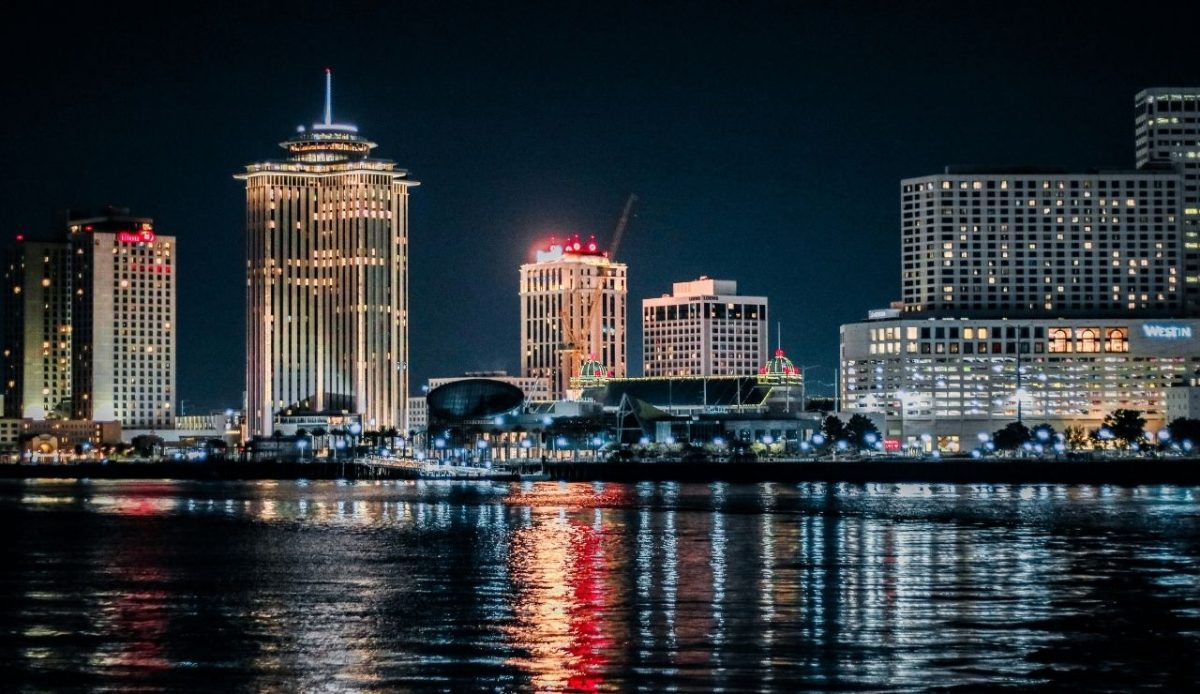
New Orleans is best on foot in the French Quarter and the Faubourg Marigny, where blocks are short, and buildings meet the sidewalk. Hidden courtyards sit behind gates, and Creole cottages line side streets that stay quieter than the main strips. Because live music venues are scattered rather than concentrated, a sound from a doorway can guide the next turn. Local food counters and small bars are found on routes between riverfront walks and neighborhood parks. Much of the texture is preserved by historic rules, so street character has been kept intact. Even a short stroll can end at a porch concert or an unplanned gallery stop.
9. Amsterdam, Netherlands
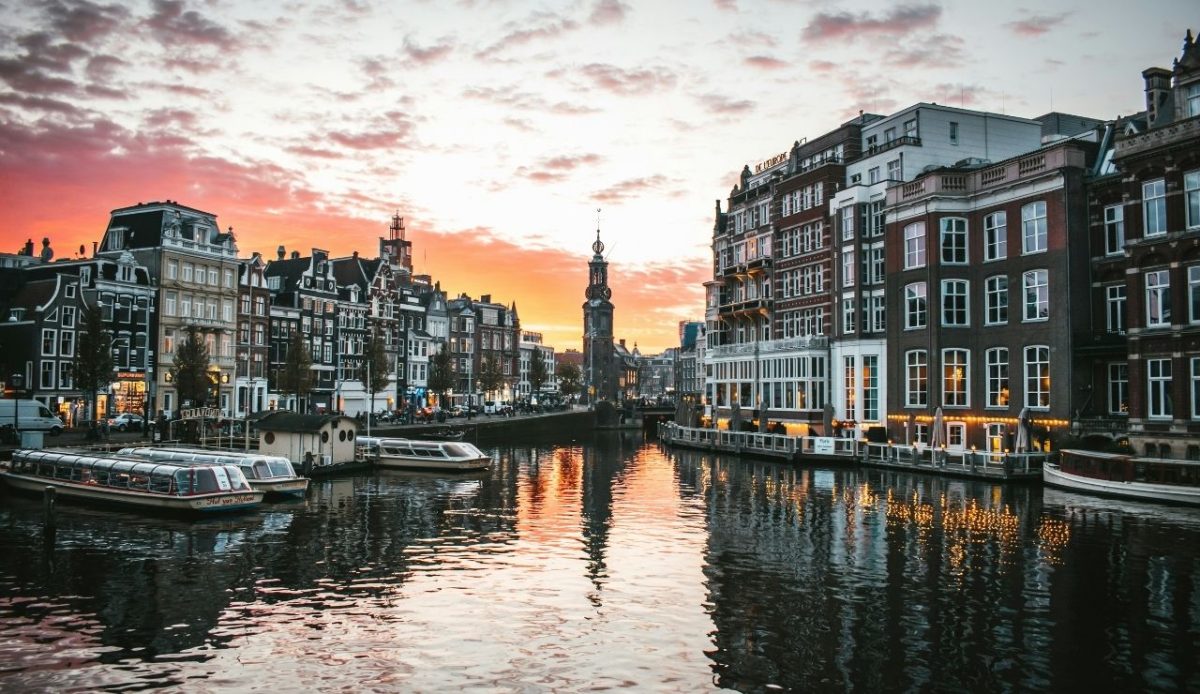
Amsterdam remains easy to explore without transit because canals create a clear orientation and crossings are often available. In the Jordaan, hofjes are entered through discreet doorways, opening onto quiet shared gardens that can be missed from the street. Short blocks and traffic calming support slow movement, and small museums fit into regular routes between cafés and markets. Eastern canal islands add another layer with calm quays and local breweries. When wandering is done along water, the next turn is guided naturally, and new courtyards or shops are uncovered without a strict plan. Many finds feel local, not staged.
