
Utah’s mountain towns have always been magnets for skiers, hikers, and nature lovers, but the pandemic reshaped them in ways no one expected. Once quiet getaways suddenly filled with remote workers, homebuyers, and new businesses chasing scenic stability. The surge in tourism, housing demand, and lifestyle shifts has transformed these once-sleepy towns into thriving, and sometimes crowded, year-round destinations. Here are nine Utah mountain towns that look and feel very different today.
1. Park City
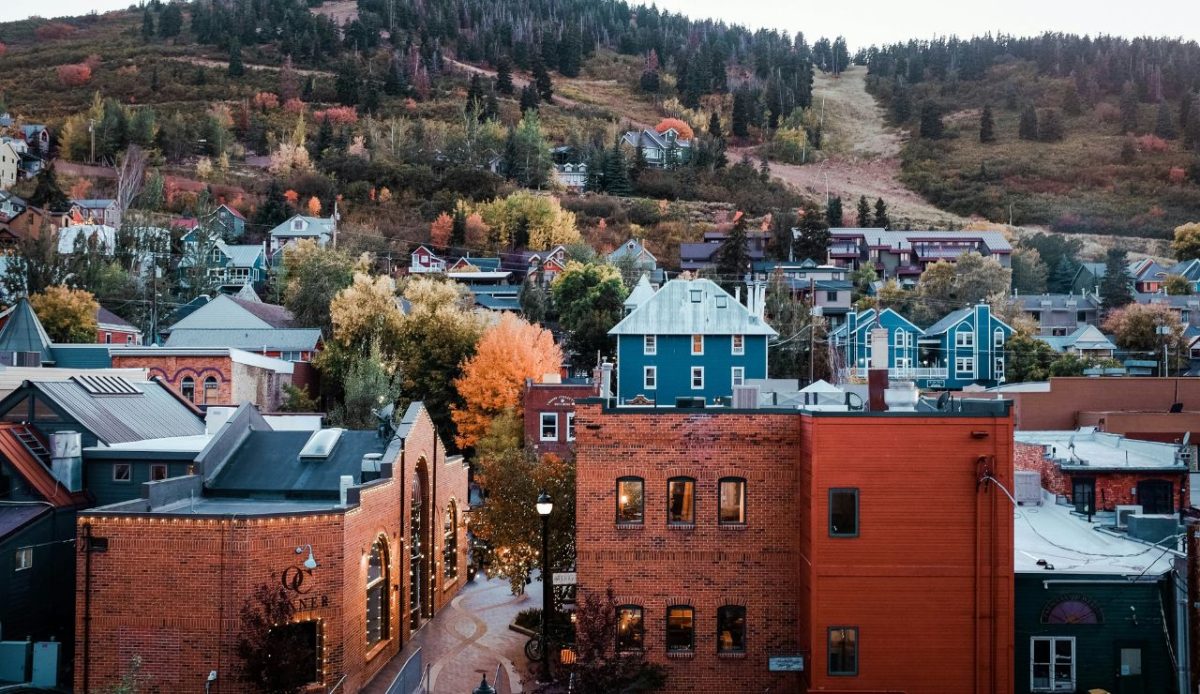
Park City became one of Utah’s biggest pandemic boomtowns. With remote work rising, second-home buyers flocked in, driving property prices sky-high. Once known for seasonal tourism, the town evolved into a year-round hub for professionals seeking mountain views and luxury living. Restaurants, coworking spaces, and new developments flourished. While locals enjoy a stronger economy, they also face rising costs and crowding, a lasting reminder of Park City’s pandemic-era transformation.
2. Moab
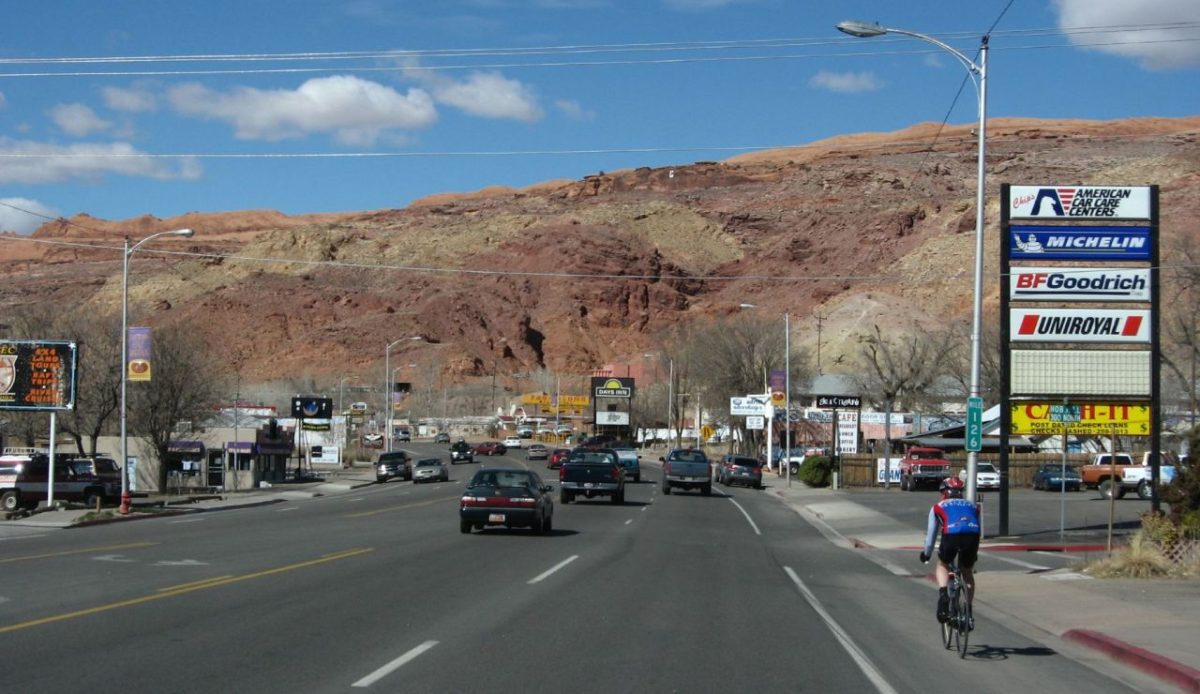
Moab’s red-rock wonderland drew record crowds as travelers avoided international trips during the pandemic. Once a quiet desert town, it became one of Utah’s busiest outdoor destinations. Locals faced skyrocketing rents and packed parks, but small businesses thrived as tourism returned stronger than ever. Post-pandemic, Moab now balances sustainability efforts with economic growth, trying to preserve its natural beauty while adapting to its new status as a must-see adventure hub.
3. Heber City
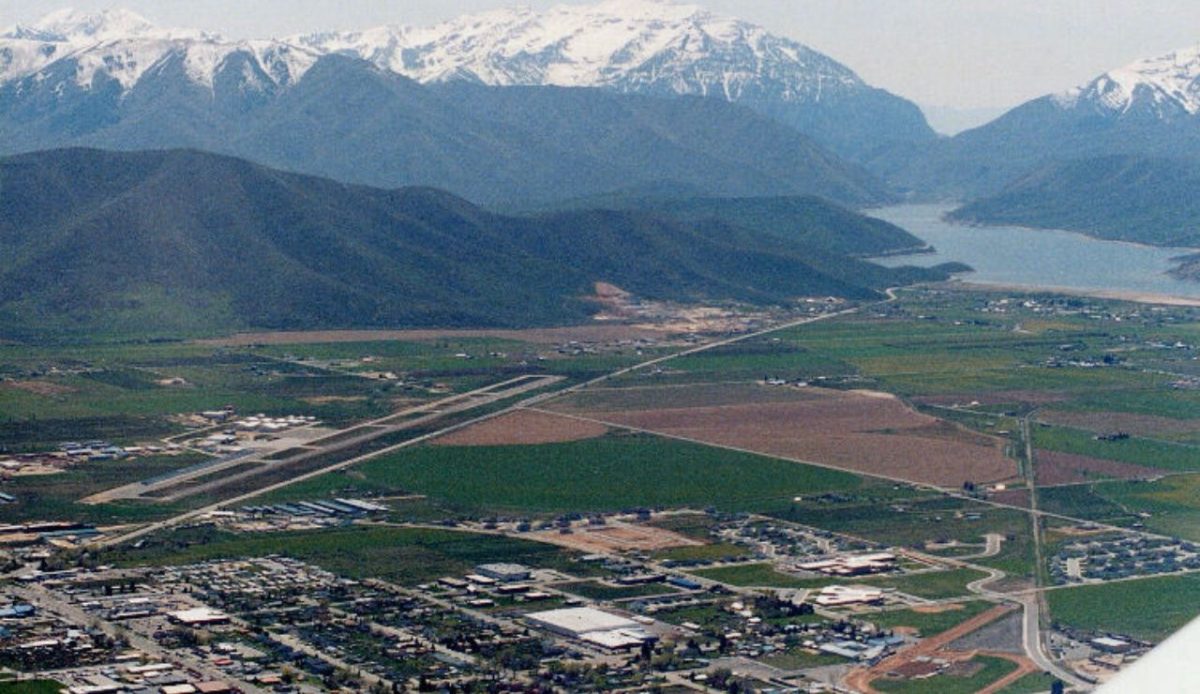
Heber City transformed from a small farming town into a commuter haven during the pandemic. With Park City just a short drive away, many Utahns relocated here for more space and lower housing costs. New housing developments and boutique businesses popped up quickly, giving Heber City a more urban edge. Though growth boosted local services and restaurants, traffic and home prices rose, reshaping what was once a quiet rural community into a busy mountain suburb.
4. Brian Head
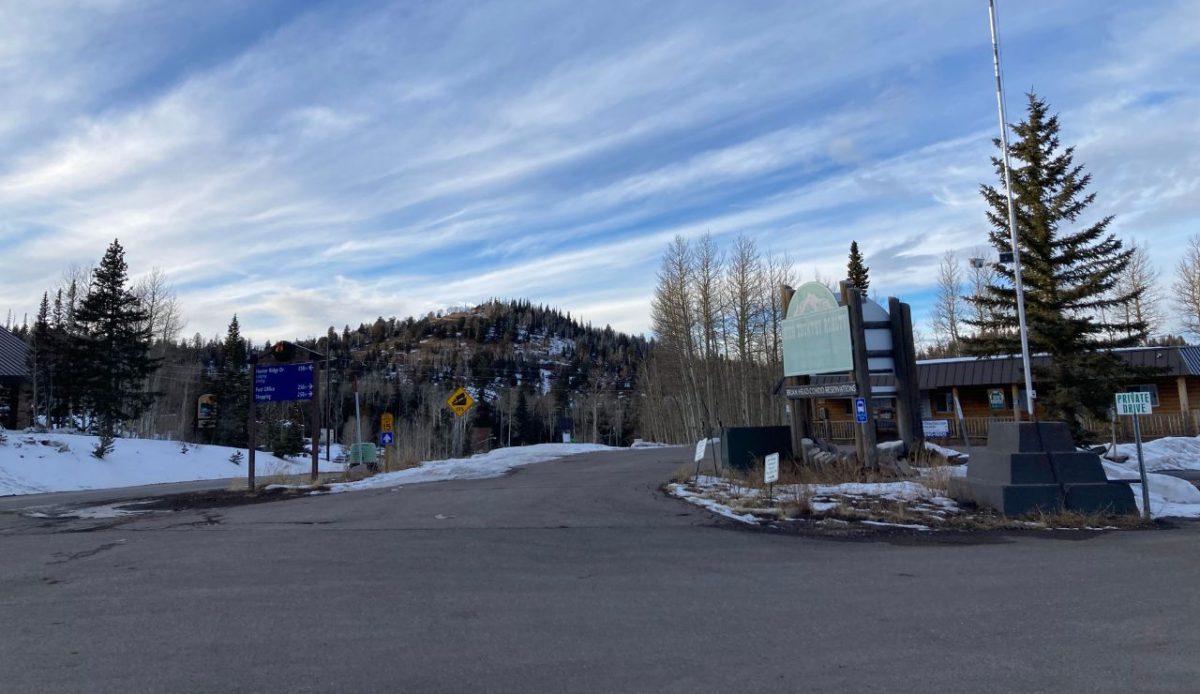
Brian Head, famous for its ski slopes and small-town charm, saw a surge in cabin sales during the pandemic as families sought peaceful mountain escapes. What was once a seasonal ski town now attracts full-time residents and digital nomads. Infrastructure upgrades, new restaurants, and improved connectivity have followed. While the town’s economy has flourished, some locals worry the quiet winter solitude that defined Brian Head is disappearing amid its newfound popularity.
5. Huntsville
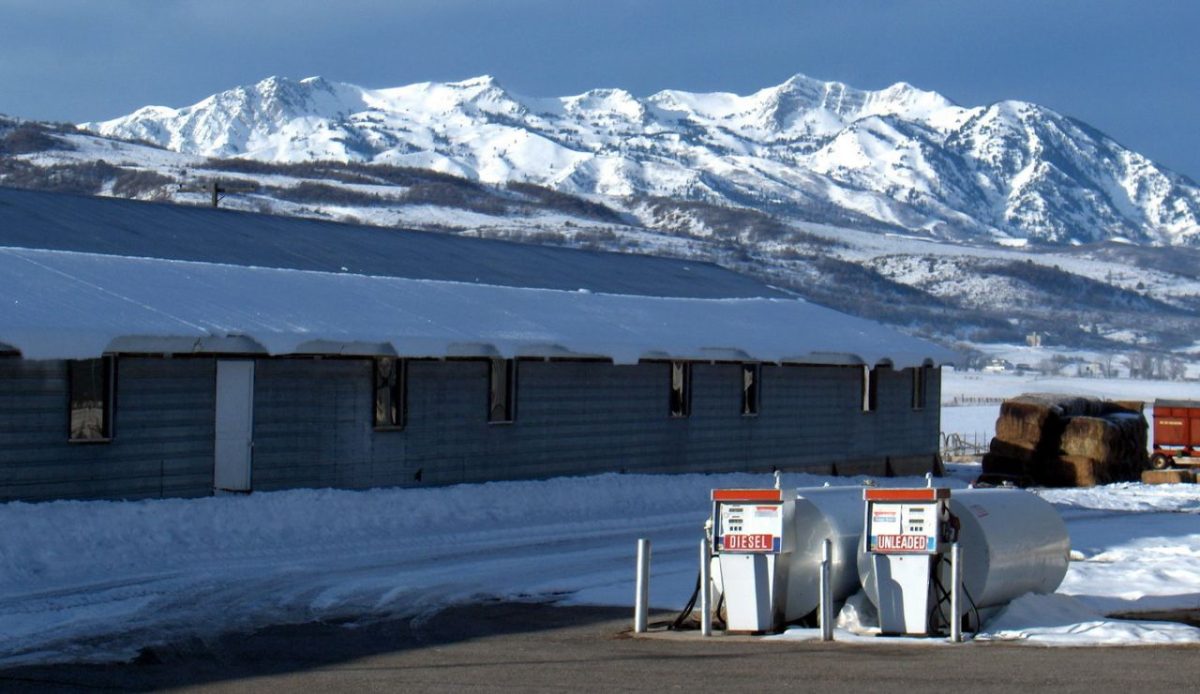
Nestled near Ogden Valley, Huntsville became a pandemic refuge for Utahns craving wide-open spaces and lake views. The remote-work shift brought an influx of newcomers, driving up real estate values and changing the town’s character. Cafés, outdoor outfitters, and boutique rentals multiplied, fueling tourism and growth. While longtime residents enjoy new amenities, they also lament the loss of the town’s once-sleepy, small-community vibe that defined Huntsville before the boom.
6. Midway
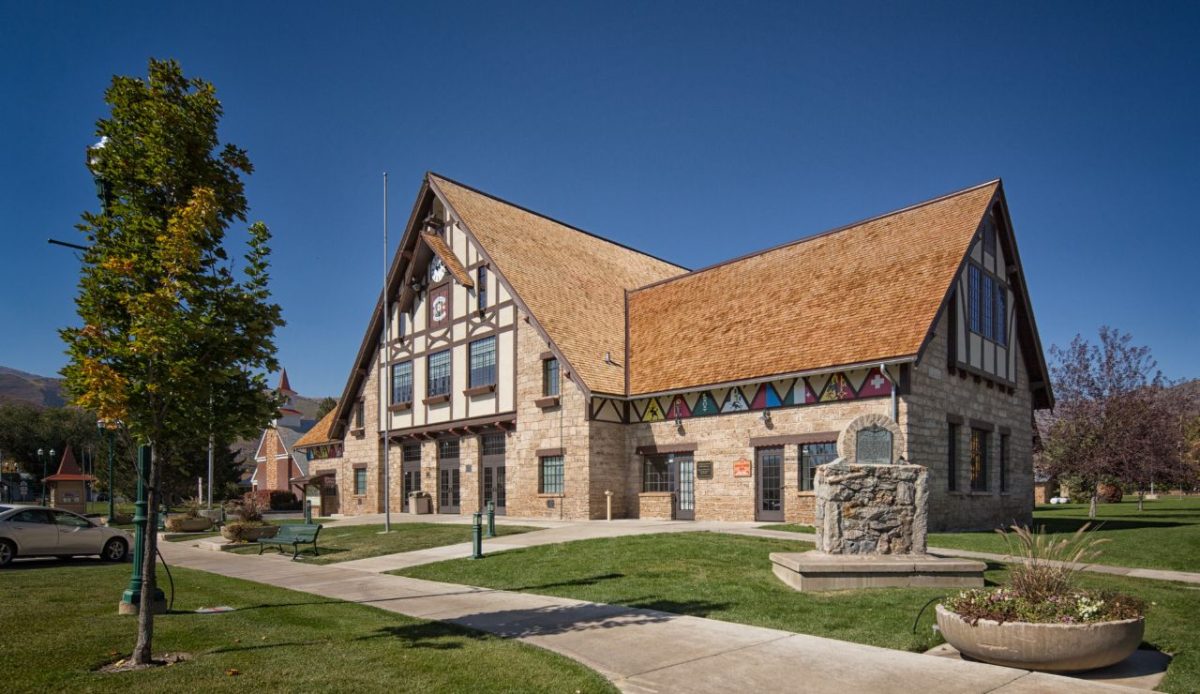
Midway’s Swiss-themed charm drew attention during the pandemic as people sought scenic, peaceful escapes. Remote workers bought vacation homes, turning this quiet resort town into a full-time community. Local dining and tourism businesses thrived, while festivals like Swiss Days saw record attendance. Yet, with growth came challenges; rising housing prices and busy streets changed Midway’s rhythm. The town now balances modernization with preserving its Alpine-style charm and close-knit feel.
7. Eden
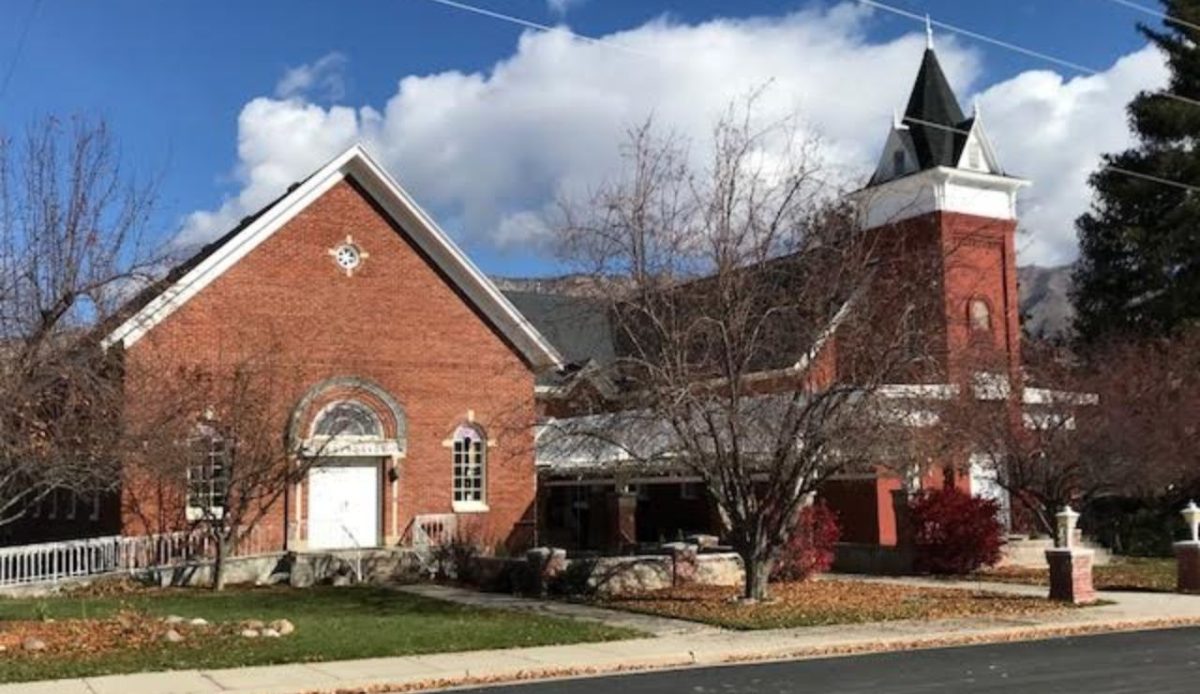
Eden, a gem in the Ogden Valley, experienced a quiet boom during the pandemic. Its serene mountain setting and proximity to Powder Mountain made it a magnet for outdoor-minded transplants. Remote workers and retirees moved in, boosting local commerce and home demand. While residents enjoy better amenities, the town faces challenges in managing growth while keeping its rustic appeal intact. Eden’s mix of tranquility and transformation makes it one of Utah’s most interesting post-pandemic stories.
8. Kanab
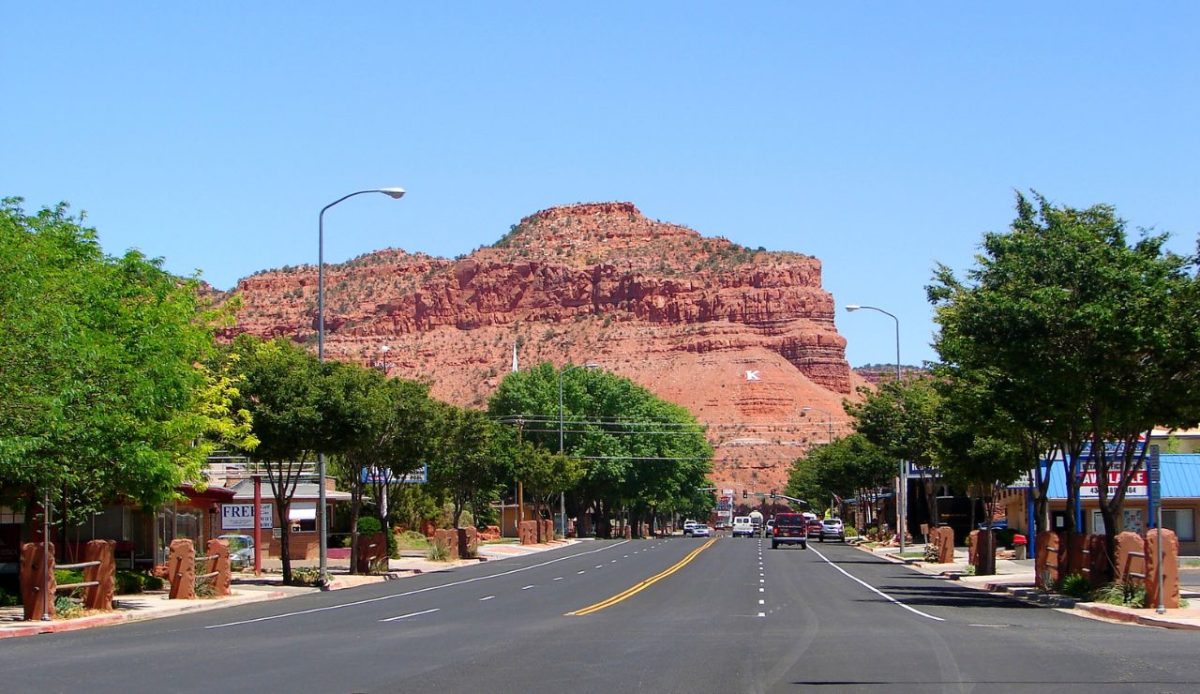
Kanab, once a hidden gem near Zion National Park, gained fame as travelers rediscovered domestic adventure during the pandemic. The town’s tourism industry exploded, leading to new hotels, restaurants, and tour companies. Property prices climbed as retirees and remote workers settled in. While economic growth has been positive, locals now navigate a delicate balance between development and preserving Kanab’s small-town spirit and stunning natural surroundings that first drew visitors in.
9. Alta
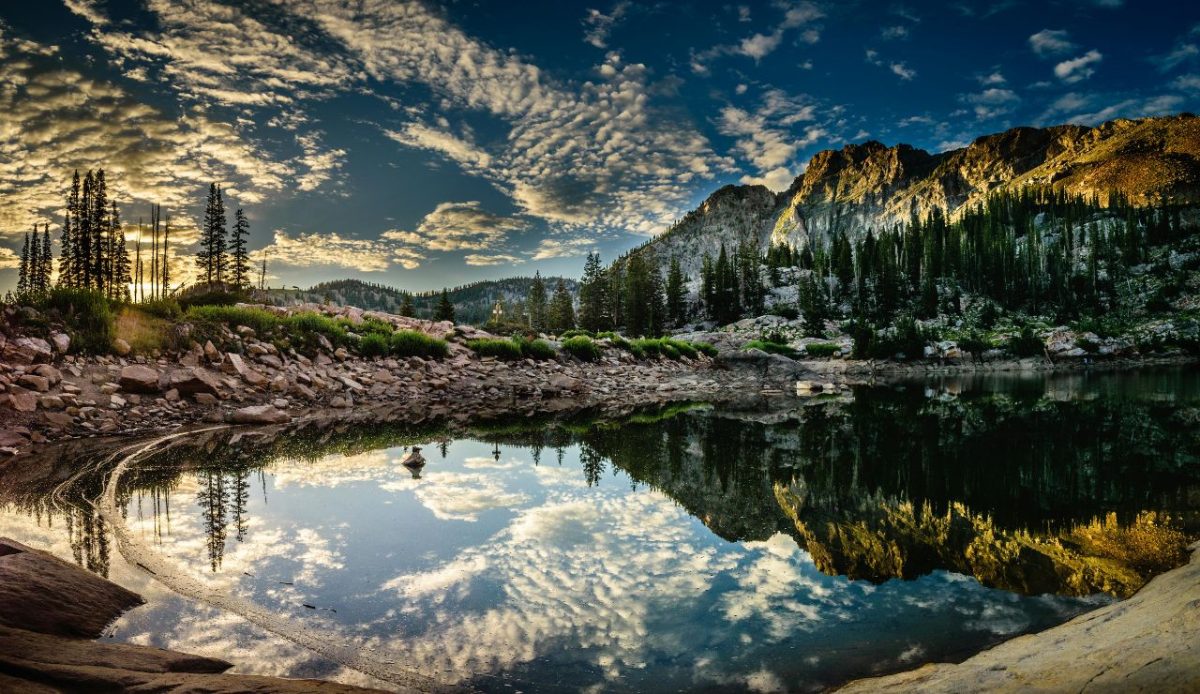
Alta, one of Utah’s oldest ski towns, saw a major shift during and after the pandemic. Once a haven for hardcore skiers, it’s now attracting year-round residents and adventure travelers looking for fresh mountain air and open space. The rise of remote work brought a mix of digital nomads and long-term renters to this tiny alpine community. While the powder still reigns supreme, Alta has grown into a vibrant, tight-knit town blending old ski culture with a modern mountain lifestyle.
