
Quiet trips work best when the calm is protected by distance, permits, or hard limits on beds and arrivals. Places that look peaceful in photos can still feel loud when buses, cruise calls, or traffic funnel visitors into a small area.
For this list, each destination was chosen for constraints that keep crowds low most of the year, such as legal caps, roadless access, or very small resident populations. Remote geography helps, but the rules and logistics matter more.
The picks cover islands, desert reserves, and northern parks where solitude is normal. Each section highlights the practical reason silence is maintained so travelers can plan with fewer surprises.
1. Lord Howe Island, Australia
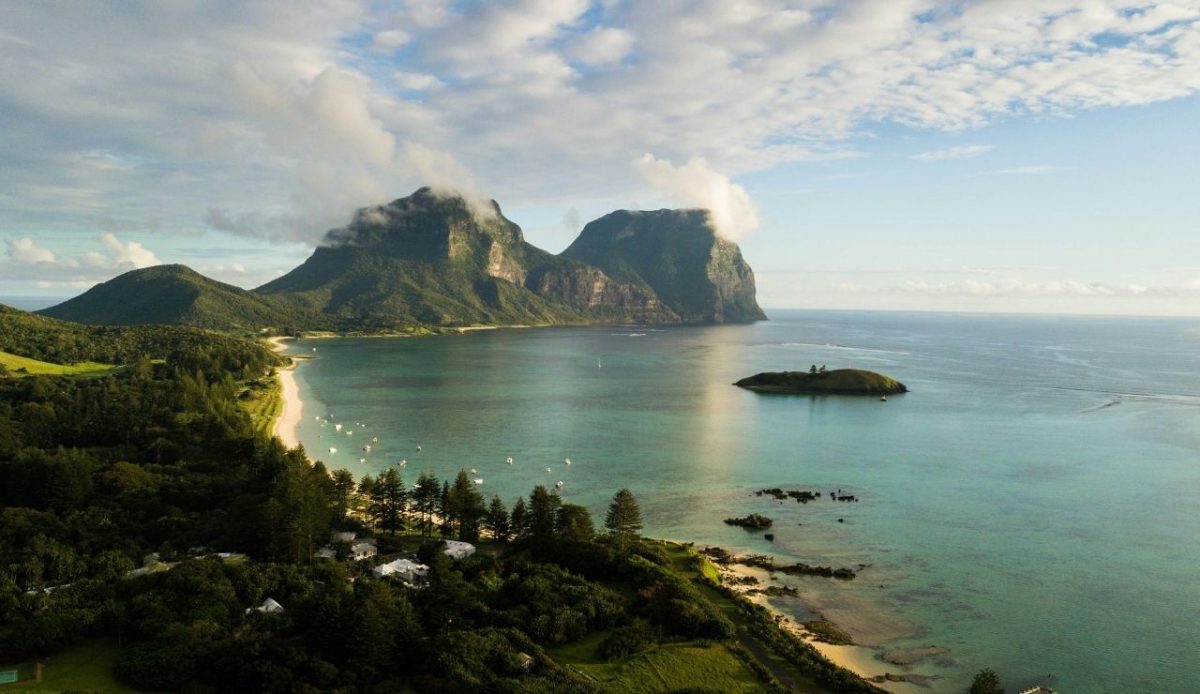
Lord Howe Island keeps tourism small through an enforced cap that allows only a few hundred visitors on the island at once. Because lodging permits are limited, demand cannot turn into mass occupancy during school breaks.
Most movement happens on foot or by bicycle, and the small settlement has no large nightlife strip. Noise from traffic stays low, and busy public spaces are rare outside the airstrip arrival window.
Development has been constrained under World Heritage management, so large resorts were not built. The result is a steady, predictable level of activity that supports an off-grid reset without chasing timing. Even peak weeks feel orderly.
2. Tristan da Cunha
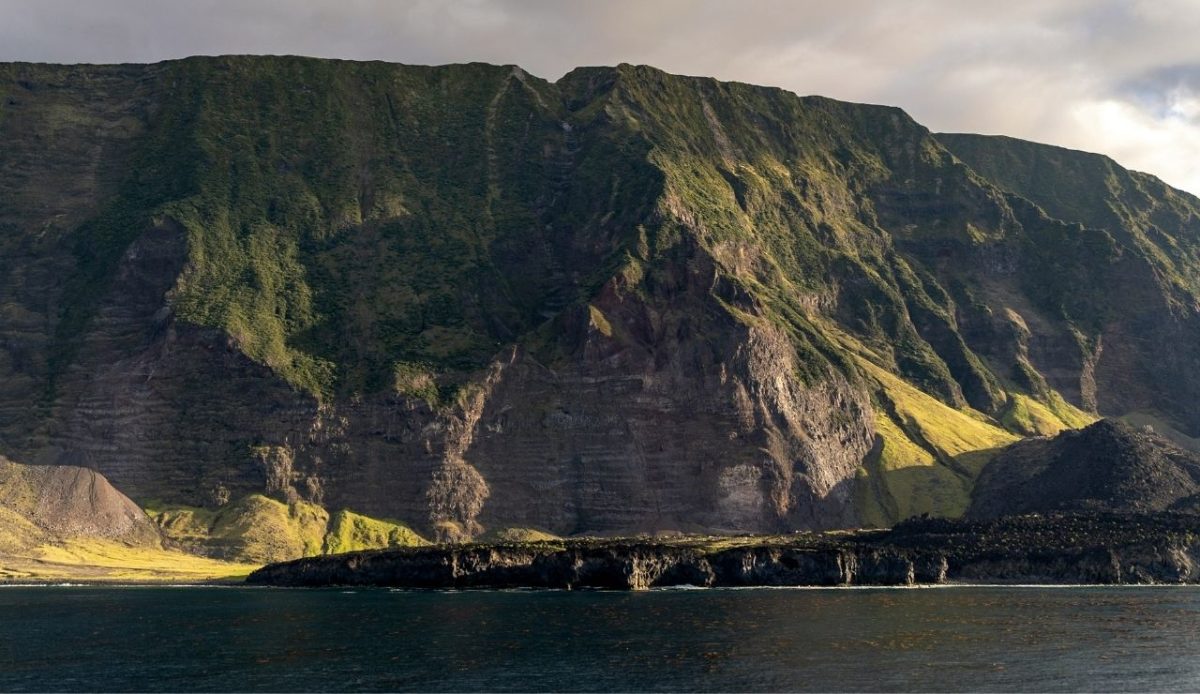
Tristan da Cunha has no airport, so arrivals depend on a small number of ship voyages from South Africa that run only a few times each year. Visitor permission is required, and berths are limited, which prevents sudden crowd growth.
The main settlement is tiny, with a population under three hundred, and services follow local needs rather than tourism. With no traffic network and little commercial activity, the background sound stays low through most hours.
There are no cruise terminals to accommodate day visitors, and the weather can cancel landings with little notice. Travelers who accept the long transit get a rare kind of quiet where outside noise is almost absent.
3. Pitcairn Island
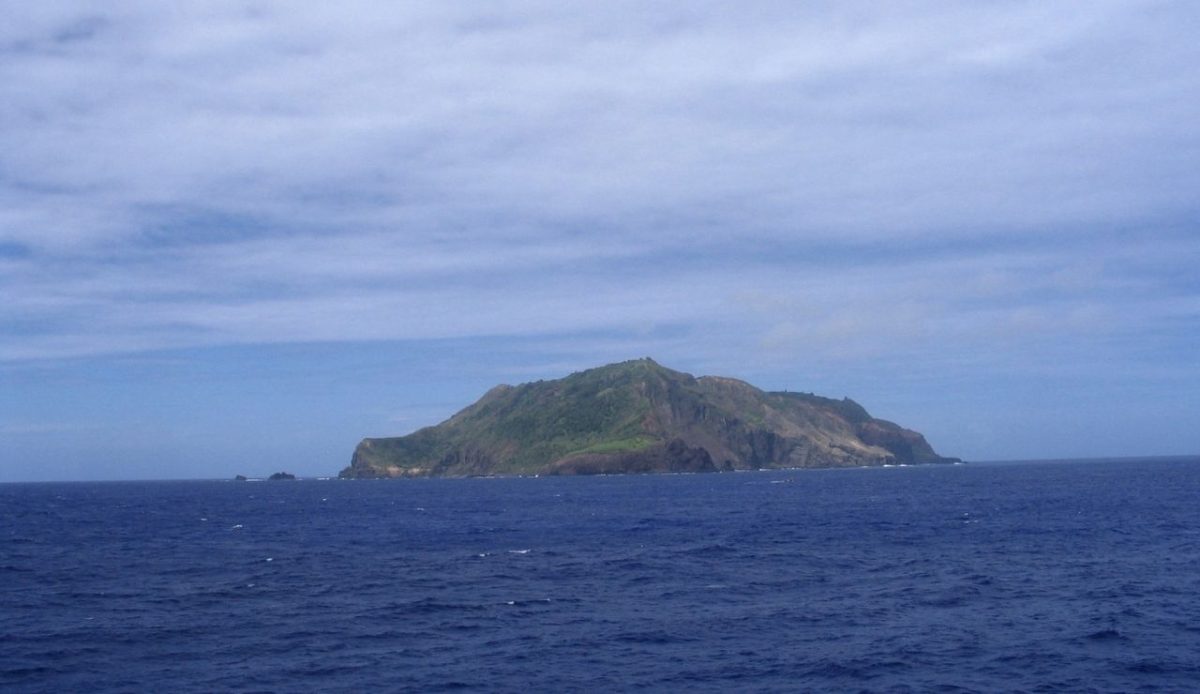
Pitcairn Island is reached by sea routes that connect through Mangareva in French Polynesia, not by direct flights. Ship schedules are infrequent, voyages take days, and capacity is small, so visitor numbers remain low.
The resident community is counted in a few dozen people, which limits local traffic and organized entertainment. There are no large hotels, and most activity happens in one settlement area, leaving big stretches quiet.
Because supplies and mail arrive on set calls, daily life stays routine and slow. Mobile coverage can be limited, and bookings must be arranged early. The payoff is a true break from crowds and constant noise.
4. NamibRand Nature Reserve, Namibia
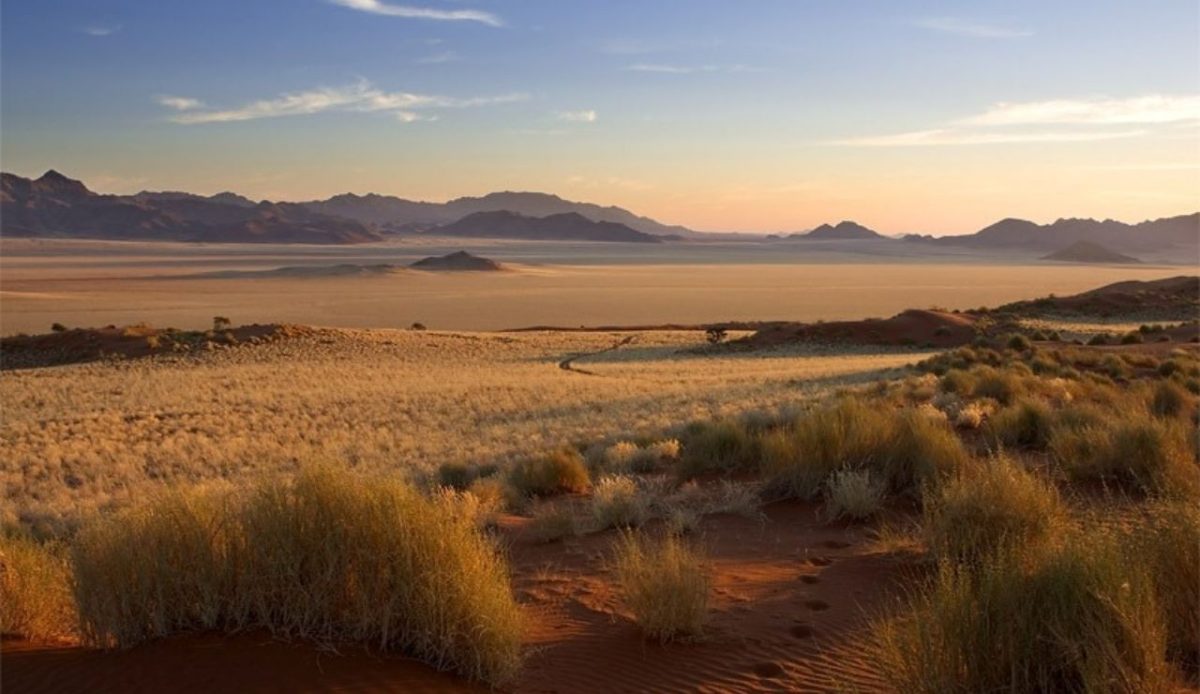
NamibRand Nature Reserve controls access through low-capacity lodges and strict private land rules. Entry is coordinated, permits are checked, and vehicle movement is managed to protect habitats, which also reduces human noise.
Its International Dark Sky Reserve status means outdoor lighting is tightly restricted. Nights stay calm because bright floodlights and late activity are discouraged across properties, and nearby towns are far away.
Distances between camps are large, so guests rarely cluster in one spot. Most travel happens on dirt tracks at low speed, keeping sound brief. Visitors get quiet hours with guided support for safety year-round.
5. Gates of the Arctic National Park, Alaska
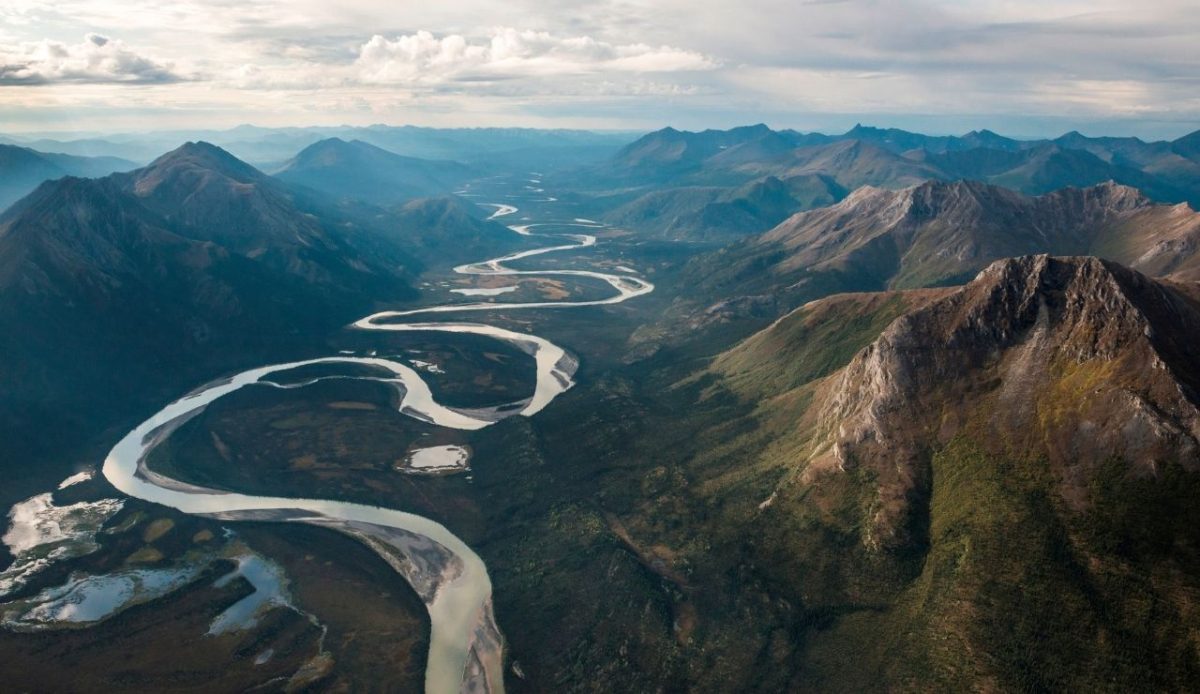
Gates of the Arctic National Park has no roads and no marked trail system. Access usually requires a bush flight or a long river approach, so casual day trips are not part of the experience. Travel plans are weather-dependent and can change quickly.
Because there are no developed campgrounds or visitor centers inside the park, groups spread out fast. Sound from other parties is uncommon once a drop-off point is left behind. Many visitors carry satellite messaging since phone service is unreliable.
Visitation has been among the lowest in the U.S. national park system for years. That low volume, plus the huge size of the Brooks Range terrain, keeps solitude reliable in most seasons. A guide is often used, but it is not required.
6. Kobuk Valley National Park, Alaska
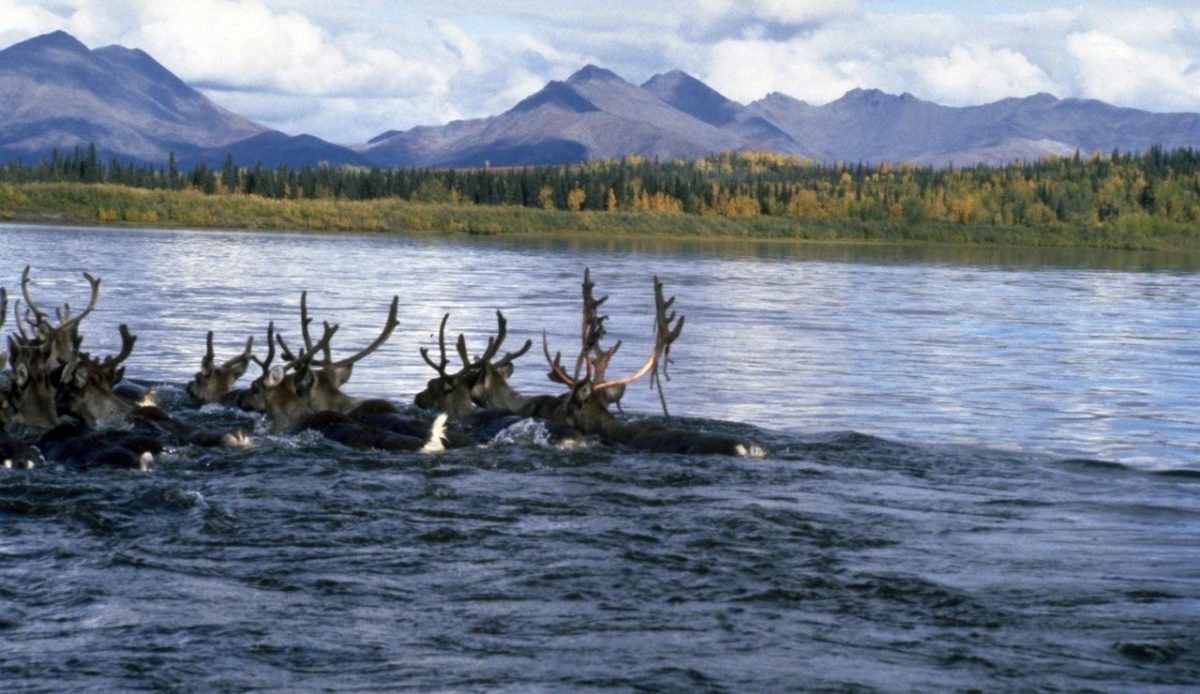
Kobuk Valley National Park is reachable only by air taxi or by river travel, and there is no road connection to the park. The effort and cost filter out high-volume tourism. Most trips start from small hub villages and require advance coordination.
Facilities are minimal, and there are no built trails that funnel hikers into the same corridor. Visitors often arrive in very small parties, which keeps noise dispersed across the landscape. Camps are chosen on the fly, spreading use even more.
The Great Kobuk Sand Dunes can draw interest, yet the area stays quiet because access is controlled by logistics and weather delays. Outside of brief aircraft arrivals, long periods can pass without hearing another group.
7. Lake Clark National Park, Alaska
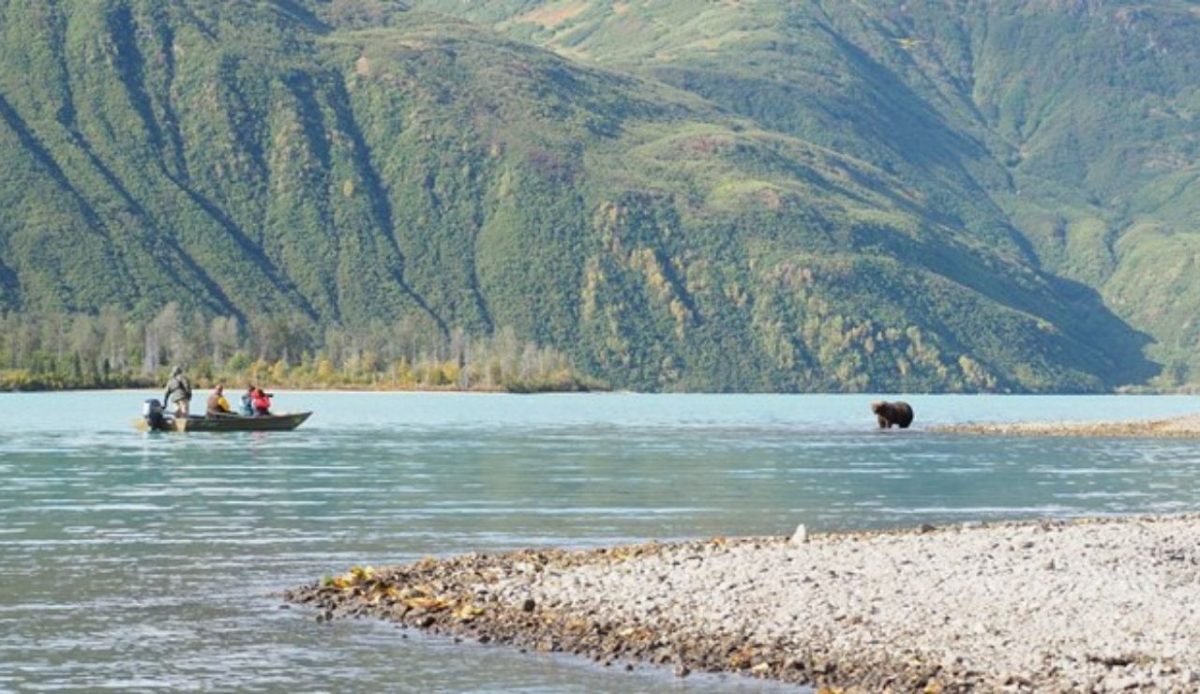
Lake Clark National Park is mostly entered by small aircraft or boat, since road access is limited. That keeps daily arrivals low and stops the steady traffic that makes many parks feel crowded. Many visitors based in Port Alsworth then disperse.
Visitor services are concentrated near a few lakeside areas, while the larger backcountry remains quiet. Few maintained trails exist, so routes vary by party and season. Once away from lodges and floatplane docks, meetings are rare.
Bear viewing and fishing trips can be arranged, but they run in controlled numbers and at set times. Planning around weather windows is needed, yet the reward is consistent space and low background sound across long days.
8. Lemmenjoki National Park, Finland
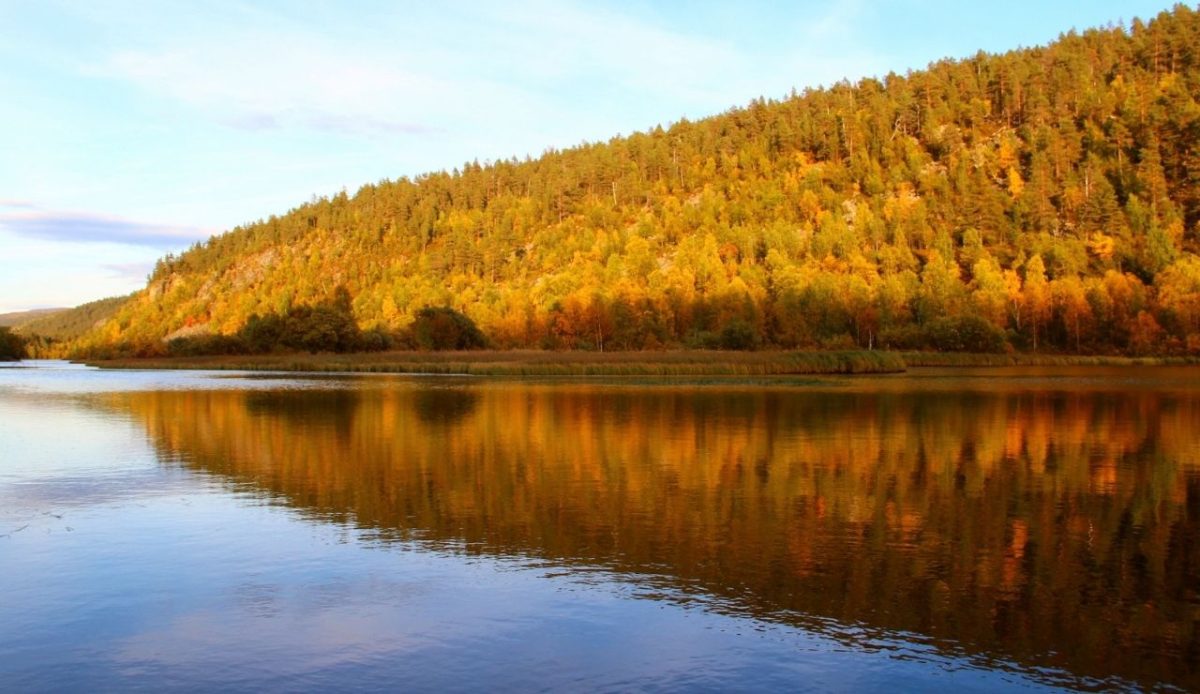
Lemmenjoki National Park in Finnish Lapland covers a huge area with long distances between access points. Much of it is roadless, so visitor flow stays light compared with parks near major cities. Driving ends well before the interior, then travel continues on foot or by river.
Services are limited to a few marked routes, huts, and river transport options. Outside those corridors, hikers and paddlers are widely spaced, and quiet dominates most hours. Cell service can be patchy, which further reduces casual visitation.
The park is also known for traditional reindeer herding and protected river valleys, which restrict development. Travelers who plan for variable weather and shorter daylight in the shoulder seasons can secure solitude for days.
9. Isle of Eigg, Scotland
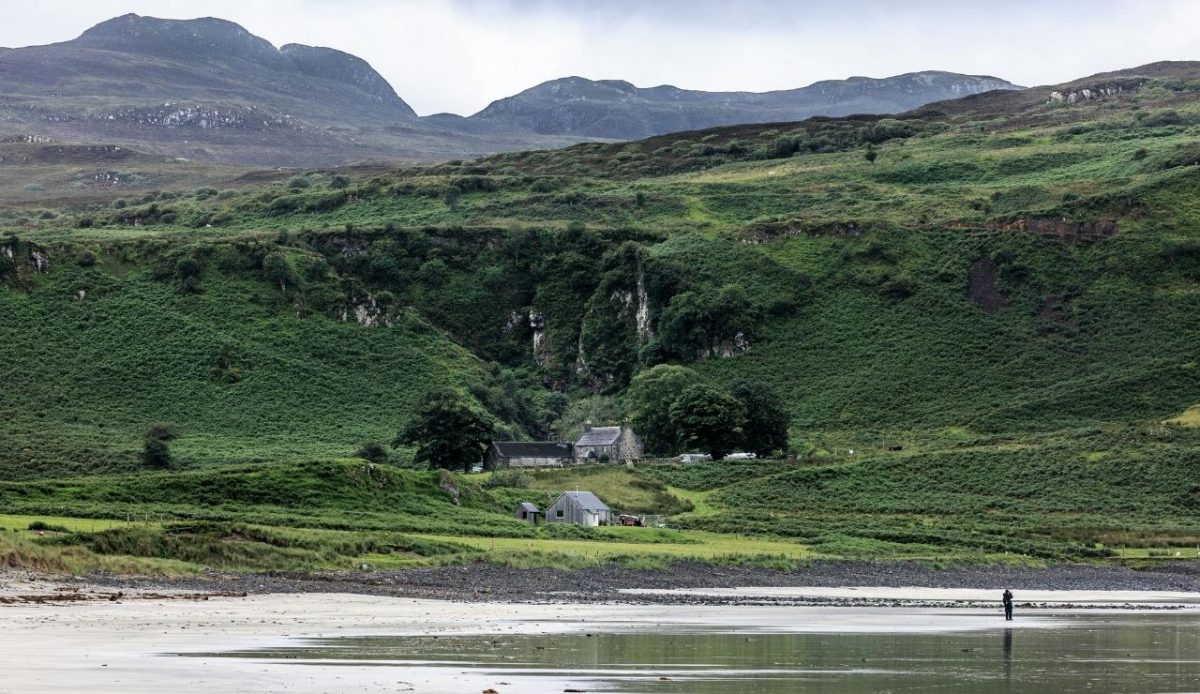
The Isle of Eigg in Scotland is small, community-owned, and reached by a limited ferry schedule. Home to fewer than one hundred residents, movement is light, and the island avoids large-scale tourism buildout. Supplies arrive on sailings, so services remain simple.
There are no big hotels and few vehicles, so traffic noise is limited. There is also no late bar scene, which keeps evenings quiet. Once the ferry departs, the pace slows, and public areas are not dominated by crowds or tour groups.
Power on the island is supplied by a renewable grid, which has supported careful planning and modest growth. Walking routes lead to beaches and viewpoints without signage or bus stops. Visitors who book early and stay midweek can keep quiet steady.
