
Many U.S. getaways are sold as easy resets where scenery does the work and schedules loosen. Photos show empty trails, quiet shorelines, and unhurried streets, so travelers expect calm days that require little coordination upon arrival.
High demand meets limited roads, parking, and staff, so access is managed with shuttles, permits, and timed entry. Crowds cluster at a few signature stops, and ordinary tasks like finding a restroom or a seat can take longer than planned.
Stress emerges when the reality of access conflicts with the expectation of ease. The places below still deliver beauty, yet their systems routinely add friction. Each section explains a specific mechanism that turns a restful idea into a stressful day.
1. Zion National Park, Utah
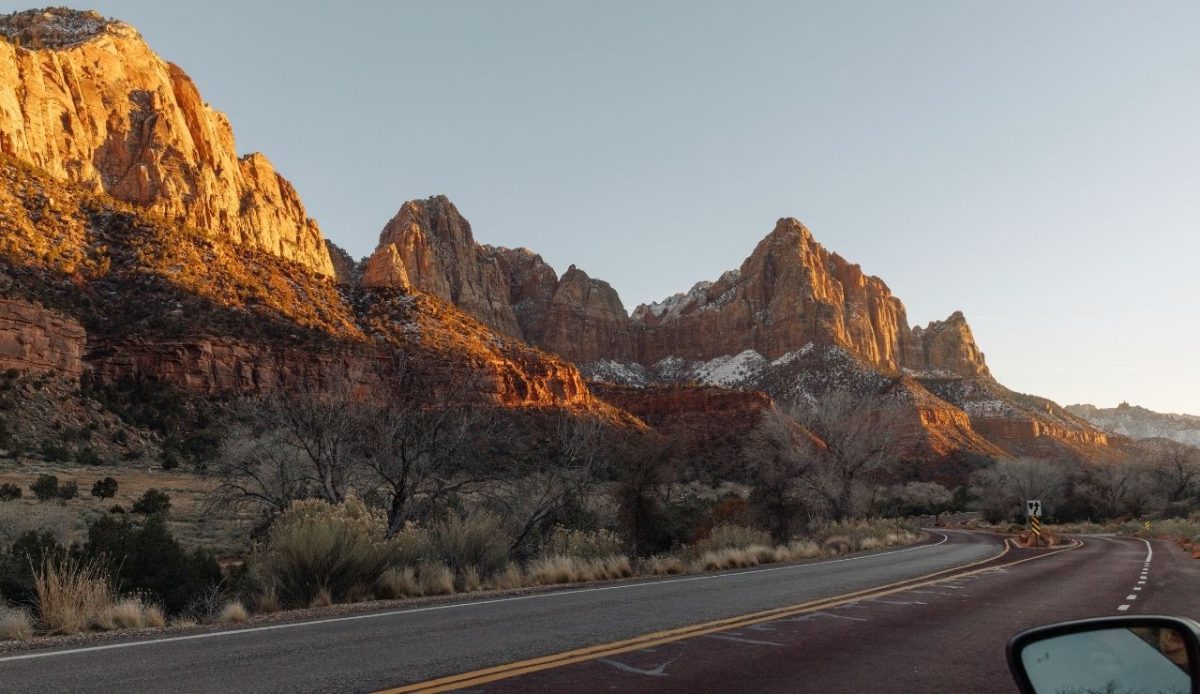
Zion is pitched as a simple canyon escape with short walks, big views, and a scenic drive that seems made for slow sightseeing. Many visitors arrive expecting to park once, hop between stops, and choose hikes on the fly.
For much of the warm season, private cars cannot use Zion Canyon Scenic Drive. Movement depends on park shuttles that run fixed loops, and lines build quickly after breakfast. Seats fill, stops crowd, and return trips stack up.
Stress comes from being tied to a single transport spine. When shuttles delay, the trail starts shifting, and plans compress. A day meant for wandering turns into managing queues, boarding orders, and the last ride back to the visitor center.
2. Yellowstone National Park, Wyoming, Montana, Idaho
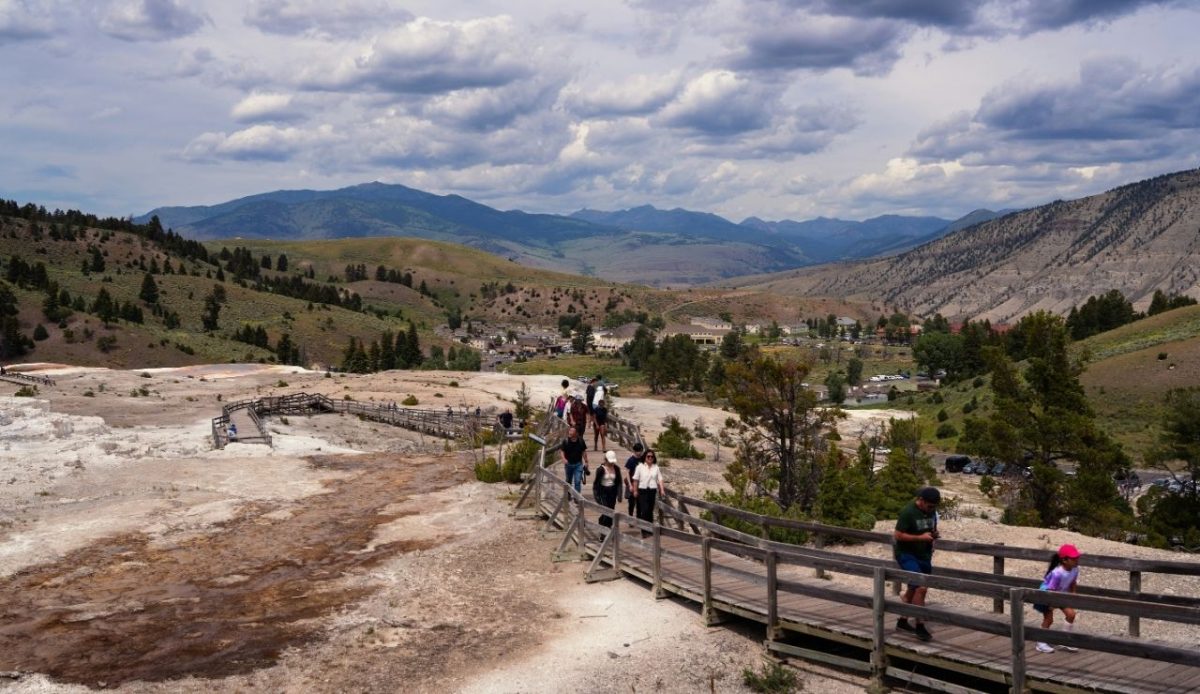
Yellowstone sells wide horizons and slow wildlife watching. The brand promise is space and time, where a traveler can drift from a geyser basin to a valley pullout and still feel alone in a huge landscape.
In peak summer, most traffic funnels onto a few loops and short spurs near famous features. Bison jams, construction zones, and full lots can lock cars into stop-and-go movement. Entrance stations also back up at predictable hours.
Stress is produced by bottlenecks rather than terrain. Visitors spend long stretches idling, then hurry when a spot opens. The rhythm becomes reactive, and the quiet that marketing suggests is hardest to find near marquee sites.
3. Yosemite National Park, California
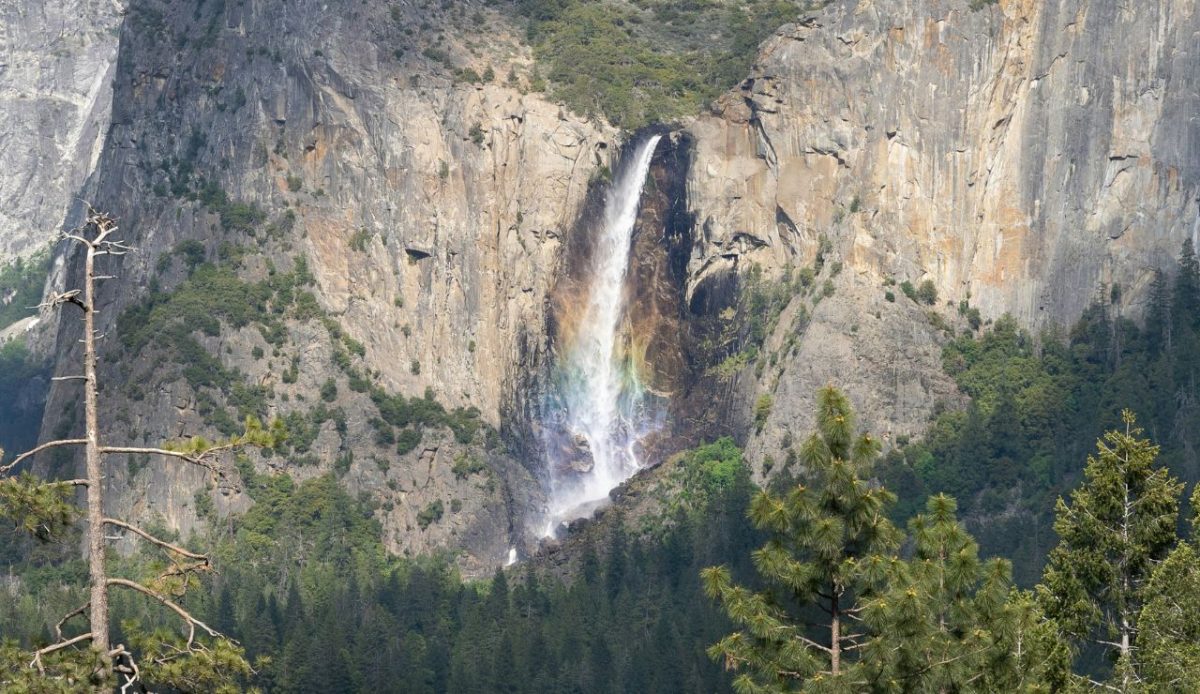
Yosemite is marketed as an iconic valley where waterfalls and granite walls invite a peaceful reset. Many people expect to drive in early, roam between viewpoints, and adjust plans with the weather or mood.
During high-demand periods, vehicle entry can require a reservation on select dates. Without it, arrival may be delayed or denied. Inside the valley, parking remains scarce, so circling lots can replace time on trails.
Stress grows from uncertainty and lost time. A late flight or traffic delay can break the entry plan. Once admitted, the day can still be ruled by parking turnover, pushing visitors to rush morning stops before space disappears.
4. Glacier National Park, Montana
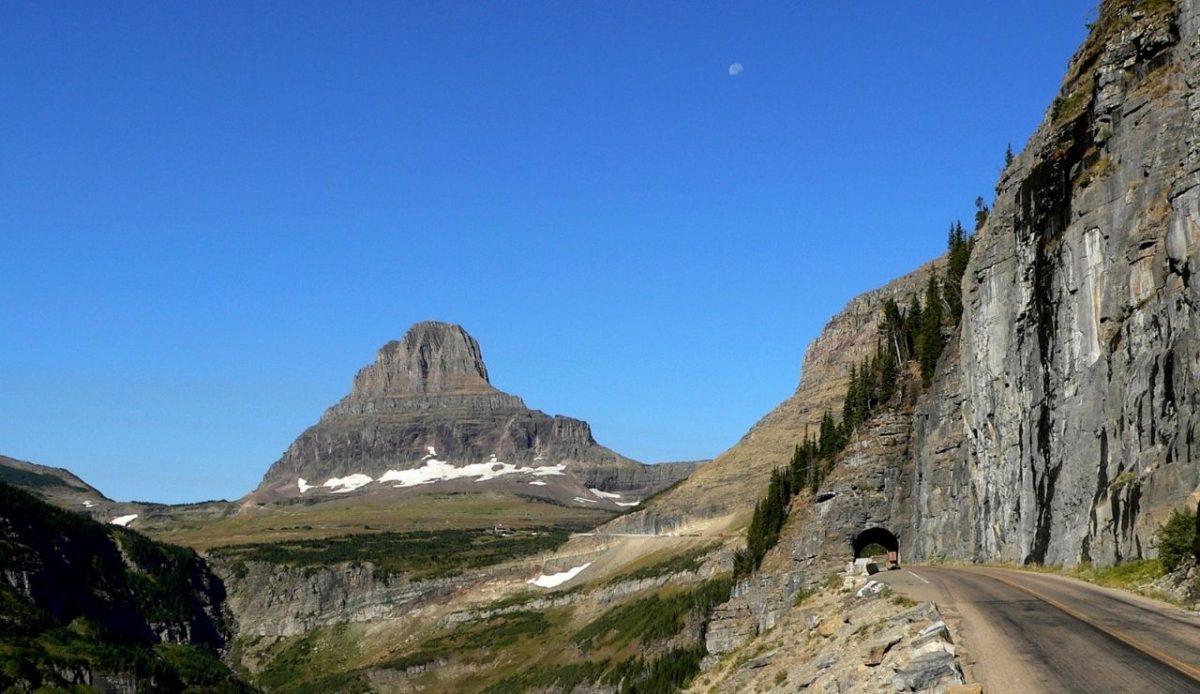
Glacier promotes crisp air and a classic mountain drive, especially along Going to the Sun Road. Promotions present it as a relaxed loop of overlooks, lakes, and short strolls that fit families and casual travelers.
Access to key corridors has been managed with timed vehicle reservations in recent seasons. Availability varies by route and date, and rules may change between years. Even with entry, pullouts fill fast on clear days.
Stress comes from layered control points. Securing a slot is only step one; then drivers compete for the limited stopping space. The experience becomes planning-heavy, and spontaneous detours are often skipped to stay within access windows.
5. Rocky Mountain National Park, Colorado
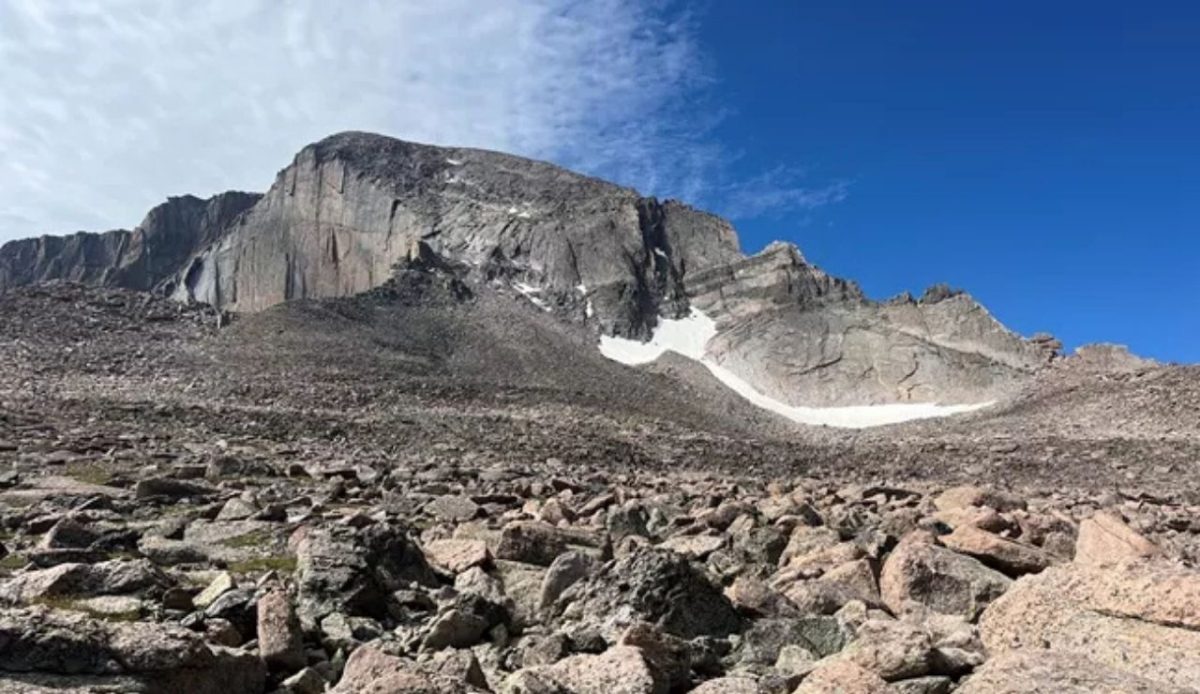
Rocky Mountain National Park is sold as an easy alpine break near Estes Park, with scenic roads and trailheads close to town. Many visitors assume they can arrive late morning, cruise a loop, and pick a hike after lunch.
Timed entry permits are used during busy months, with separate options for high-use areas like Bear Lake Road. The system ties access to specific hours, and re-entry can be restricted. Arriving outside the window may block key sites.
Stress stems from tight coordination. Lodging checkout, traffic, and weather must align with a permit clock. Small delays cascade into missed trail starts, and the day becomes a series of deadlines rather than a flexible mountain outing.
6. Acadia National Park, Maine
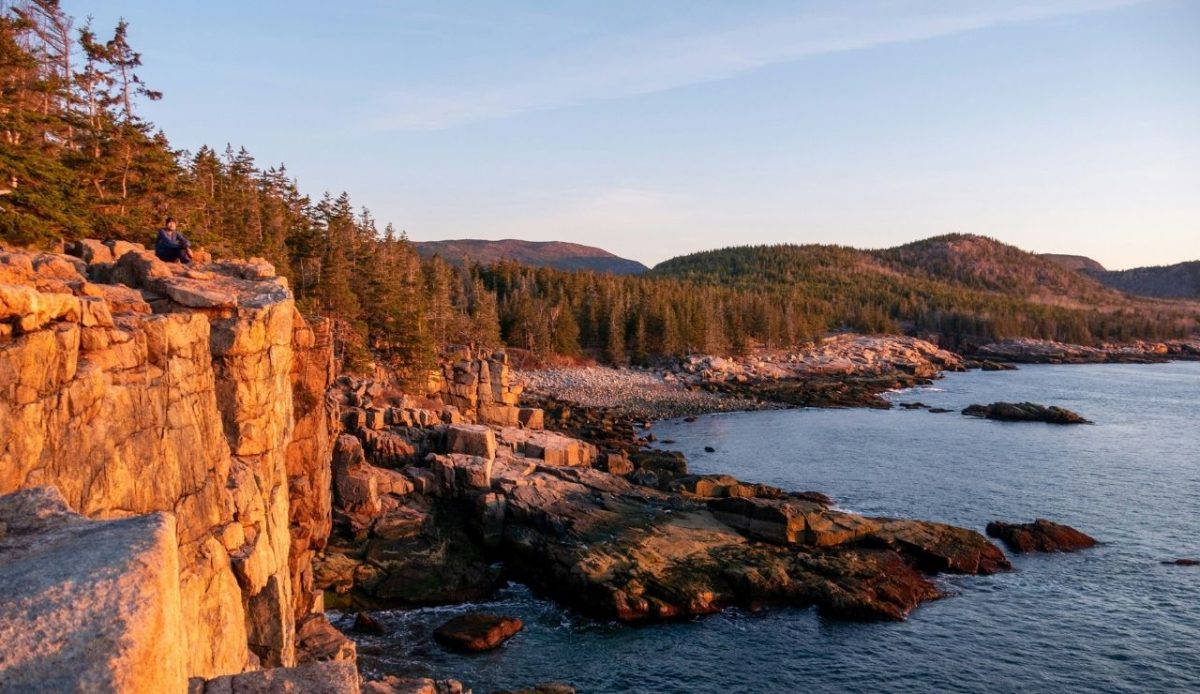
Acadia is promoted as a mellow coastal park where ocean air and granite peaks support a slower pace. Cadillac Mountain sunrise is presented as a quiet moment that rewards early risers with color and stillness.
Vehicle access to the summit road is limited through a reservation system during the main season. Capacity is fixed, and popular dates sell out quickly. Those without a pass must shift plans to crowded alternates or skip the peak.
Stress is created by scarcity and competition. The calm promise depends on winning a booking window and arriving on time. Instead of easing into the morning, visitors track release dates, confirmation emails, and a narrow arrival slot.
7. Great Smoky Mountains National Park, Tennessee, North Carolina
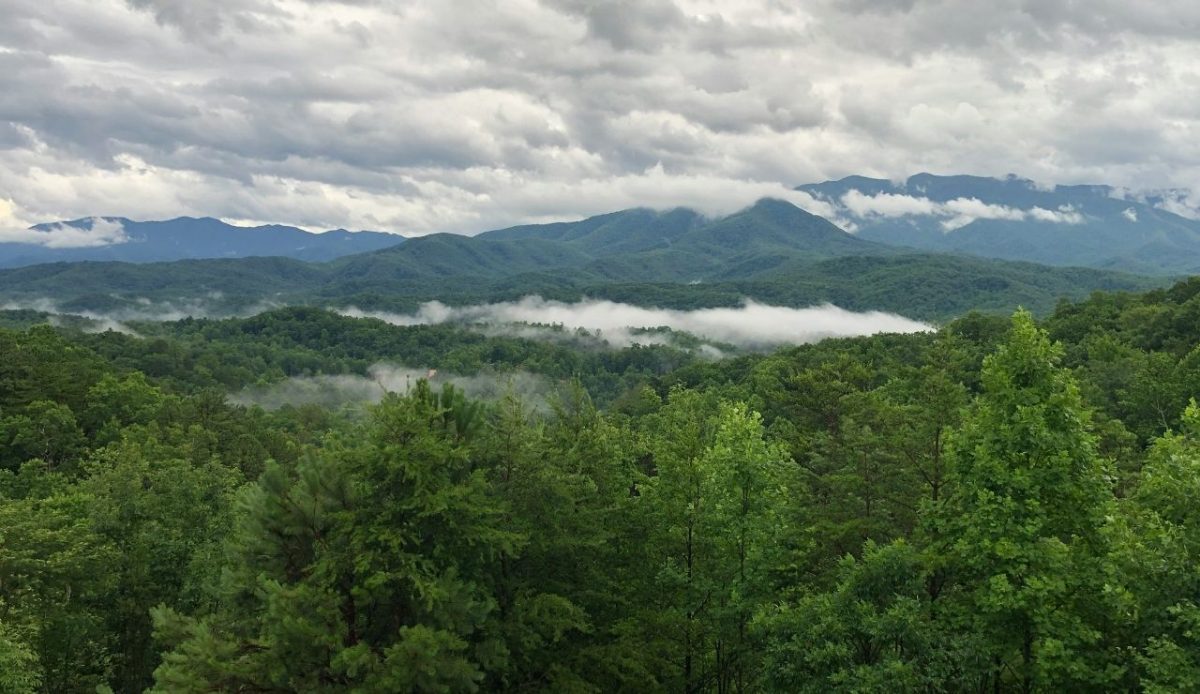
The Great Smoky Mountains are marketed as simple nature access with no entrance fee and countless roadside pull-offs. Families expect casual stops, quick walks, and flexible days that do not require advance purchasing.
Parking tags are required for most stops longer than fifteen minutes. Enforcement applies across many popular areas, including trailheads and overlooks. Visitors must buy, display, and monitor compliance while moving between locations.
Stress comes from constant rule management. Time awareness replaces lingering, and a short detour can trigger a fee decision. The park still offers beauty, yet the experience feels more transactional than its easy-going image suggests.
8. Haleakala Sunrise, Maui, Hawaii
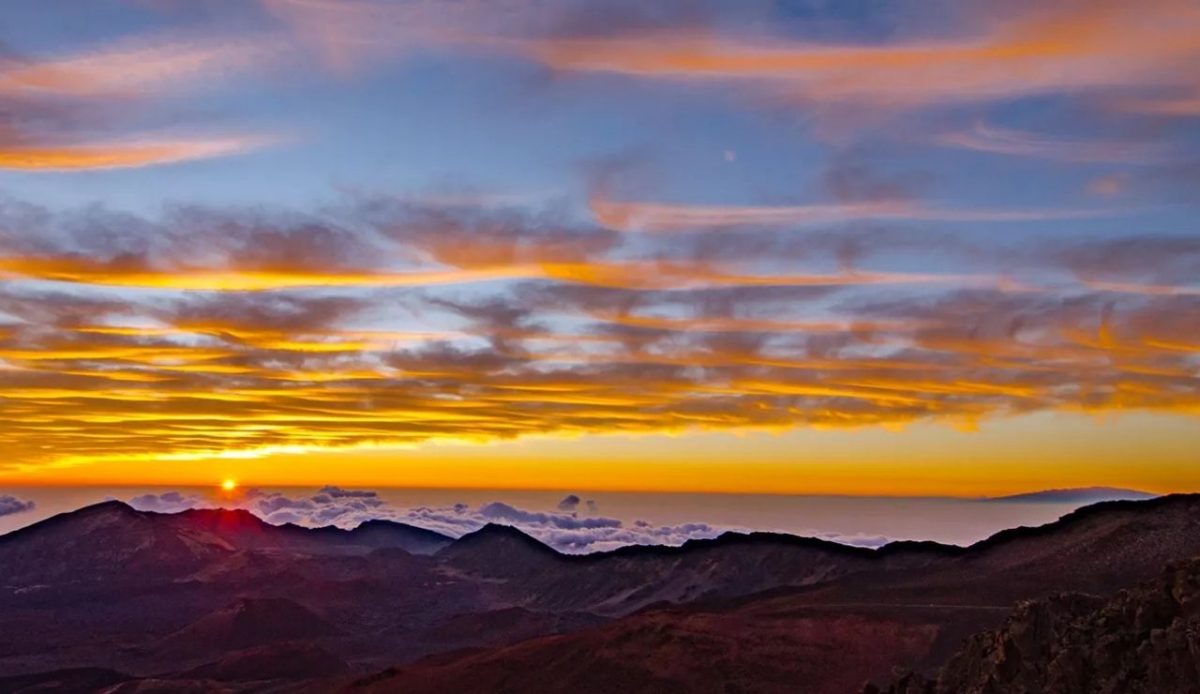
Haleakala sunrise is sold as a serene, above-the-clouds experience where quiet and light do the talking. Travelers imagine arriving before dawn, finding a spot, and watching the sky change without much friction.
Vehicle entry during sunrise hours is limited by a reservation requirement. Permits are released in small numbers, demand is high, and booking is time-sensitive. Many visitors set alarms and attempt multiple times to secure access.
Stress arrives before the trip day. If a permit is missed, the signature experience may vanish. Even with confirmation, timing is strict, so people drive while anxious about checking in windows and limited parking at the summit.
9. Key West, Florida
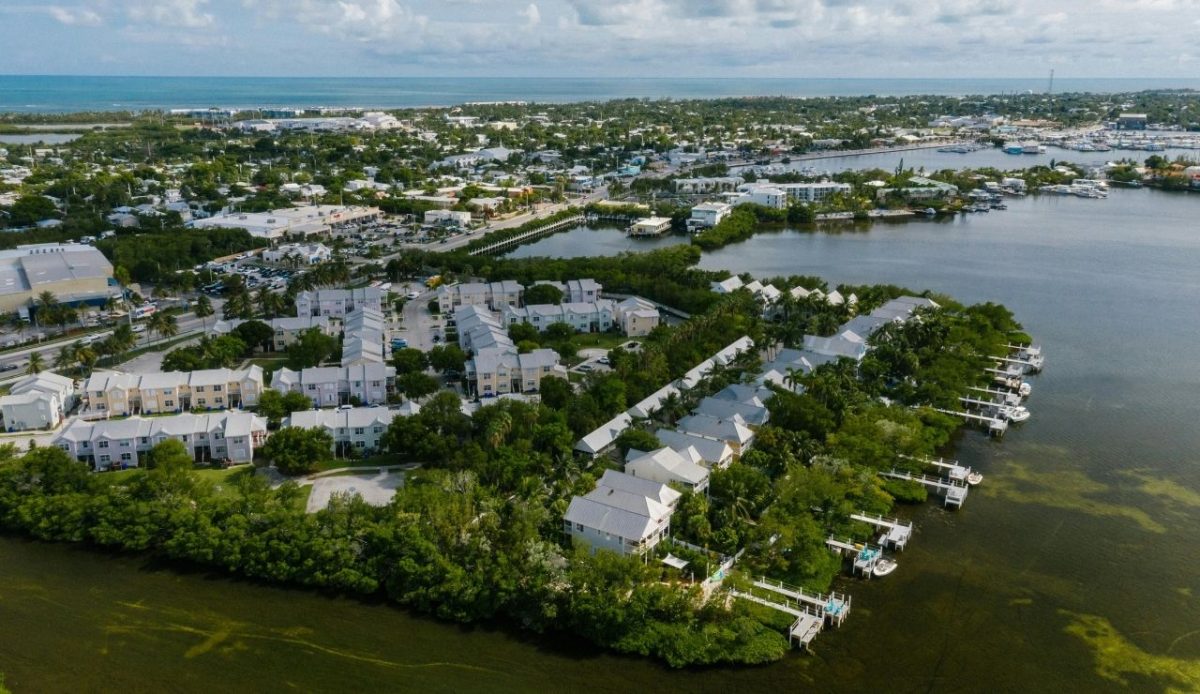
Key West is marketed as a slow island town where walking, sunsets, and casual meals create a break from mainland pressure. Visitors expect short distances, easy navigation, and a relaxed street vibe.
The island has limited road access and little room for cars, yet visitor volume can spike, especially when cruise ships are in port. Parking is scarce, traffic backs up on U.S. 1 approaches, and popular blocks become tightly packed.
Stress comes from a capacity mismatch. Simple errands like finding a space to stop can take real effort, and noise rises in dense areas. The destination can still charm, but the logistics often undercut the promise of ease.
