
Road trips work best when drivers can stop on impulse, keep moving, and park without drama. On several iconic U.S. routes, peak season now brings long gate lines, full lots, and enforced traffic patterns, even on weekdays.
Crowd pressure shows up as timed entries, shuttle-only corridors, lane holds, and hours lost to circling. Instead of choosing viewpoints by mood, travelers are pushed into fixed windows and limited access nodes.
These trips fit the title because high demand directly disrupts the driving experience well into 2026. Each section explains the specific control or bottleneck that turns a scenic drive into a slow, rule-bound route. Conditions show little sign of easing anytime soon.
1. Yosemite National Park Valley Loop and Glacier Point Road
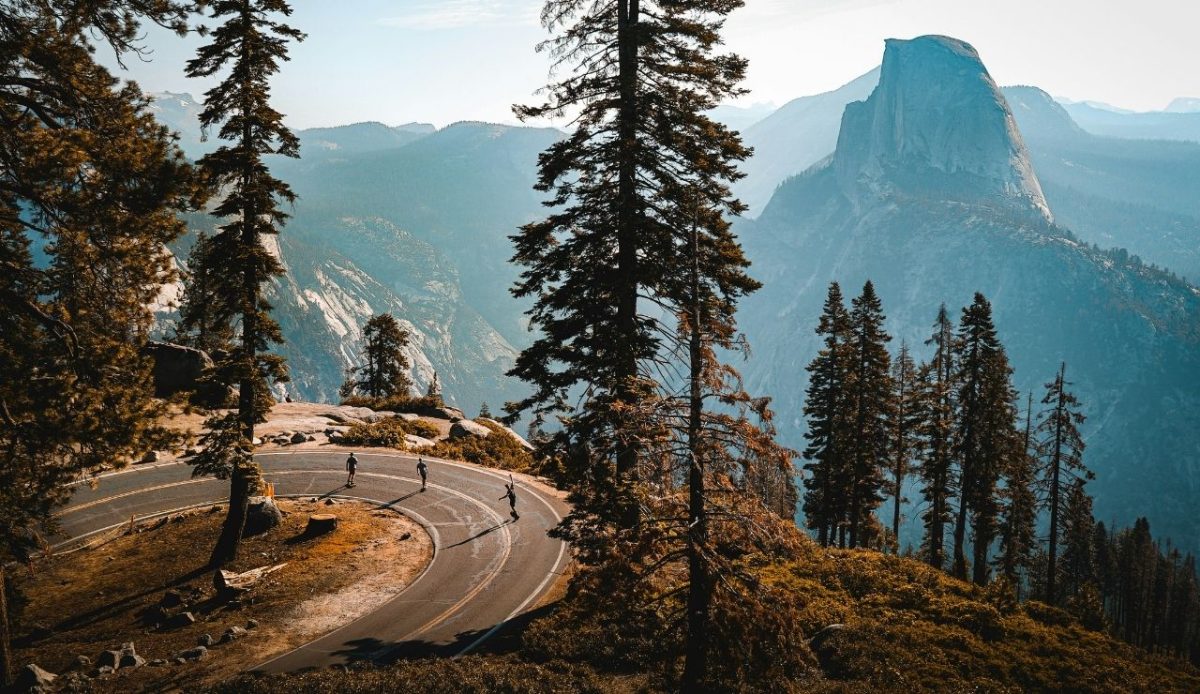
Summer driving in Yosemite Valley is constrained by a narrow road grid and very limited parking. Entrance queues and internal slowdowns are common once morning arrivals stack up, and multi-hour delays can follow.
Most destinations sit on the same loop, so a full lot triggers repeated laps while drivers hunt for space near trailheads. When this happens, travel times between close stops can stretch far beyond the map distance.
Glacier Point Road can add another choke point because many drivers leave the Valley to escape congestion. In 2026, casual viewpoint hopping is often replaced by early arrival tactics, shuttle reliance, and long waits again.
2. Zion National Park, Zion Canyon Scenic Drive, and UT 9
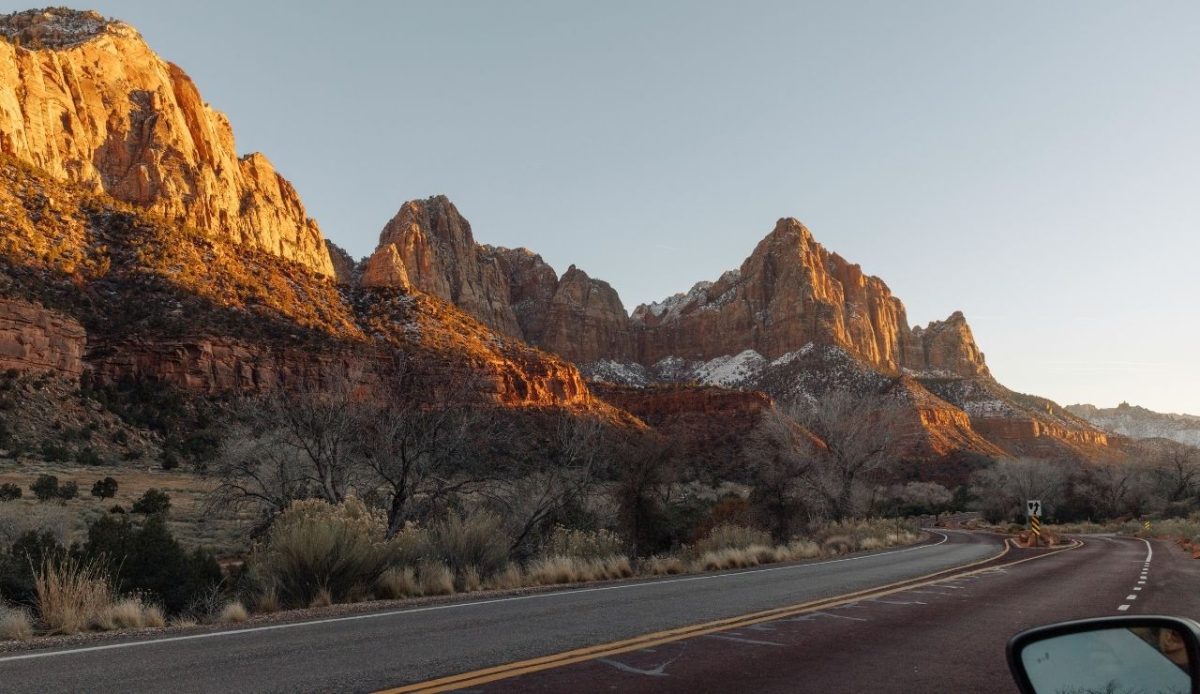
Zion Canyon Scenic Drive is not a free drive in peak season because private vehicles are restricted. Shuttles carry most visitors, so a road trip plan must pivot to boarding times and stop sequences for the main canyon daily.
UT 9 still moves traffic through the park, yet the tunnel creates periodic holds and escorted passes for larger rigs. Those controls can turn a short segment into a long, stop-and-go corridor.
Parking near the visitor area fills early, pushing drivers to remote lots and longer walks before any canyon access. As 2026 arrives, the route feels managed from end to end, with spontaneity reduced to small choices between shuttle stops.
3. Rocky Mountain National Park Trail Ridge Road
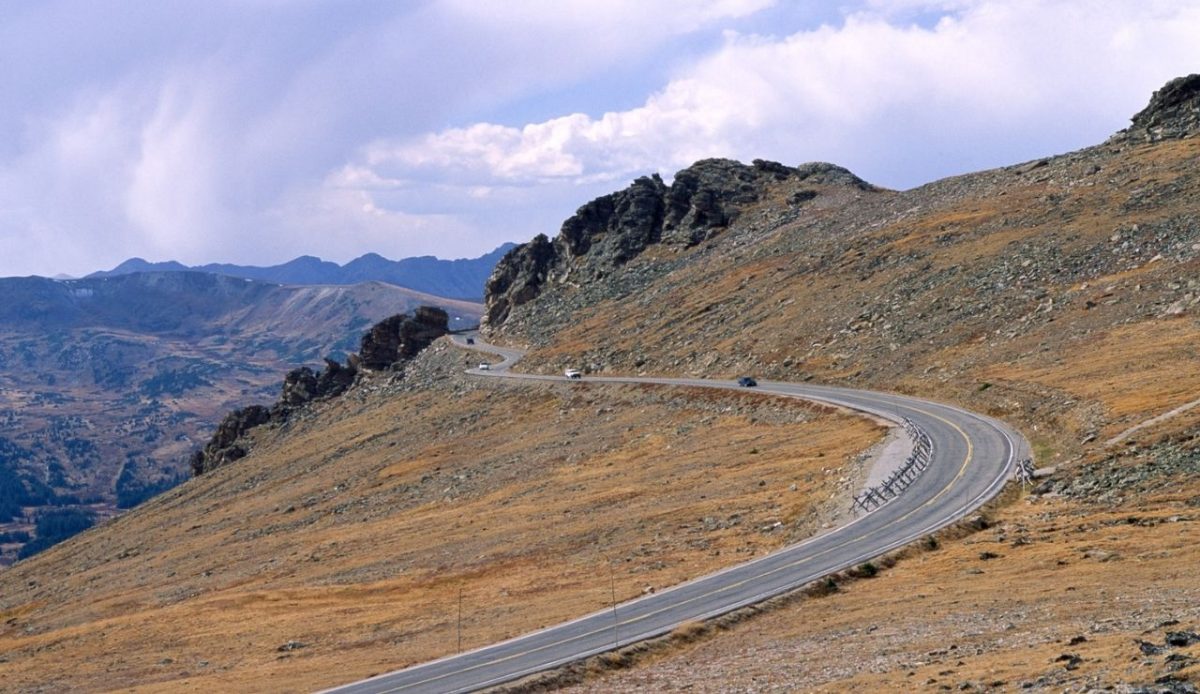
Trail Ridge Road attracts heavy summer demand while offering few high-capacity pullouts above treeline. Timed entry permits are used to cap vehicle arrivals and prevent parking chaos at key overlooks.
When permits sell out, the drive cannot be started at a convenient hour, even if the weather is clear. Inside the park, full lots force drivers to pass viewpoints or wait for turnover, which breaks the rhythm of the route.
Altitude, storms, and limited shoulders already require careful driving, and congestion adds another layer of risk. For 2026 travel, the road still delivers scenery, but it behaves like a controlled corridor rather than an open mountain traverse.
4. Acadia National Park Cadillac Summit Road
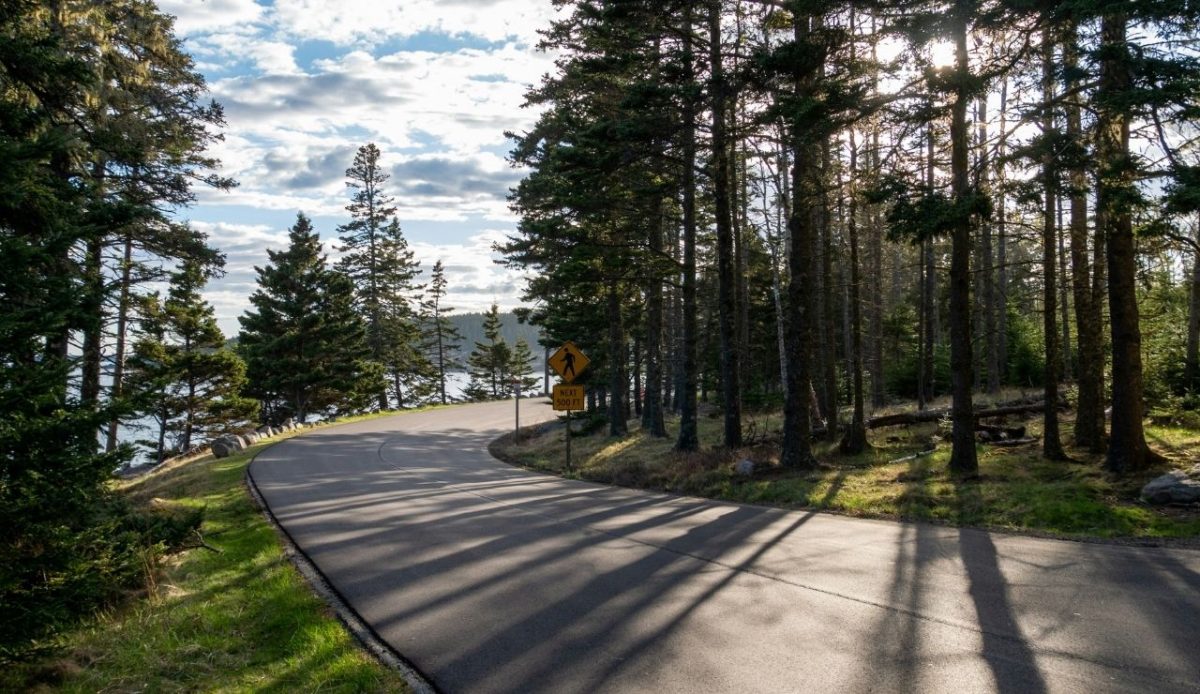
Cadillac Summit Road is constrained by reservation-based access during much of the warm season. A fixed entry time is required, which converts a simple sunrise or sunset drive into a scheduled commitment.
Capacity limits were set because the summit parking and roadside shoulders cannot absorb peak arrival waves. Without a booking, drivers must redirect to other areas, and that detour can cascade across a tight island itinerary.
Even with a reservation, bottlenecks form as vehicles queue for checkpoints and compete for limited spaces at the top. In the 2026 season, road trip value drops because timing flexibility, the core advantage of driving, is largely removed.
5. Arches National Park Main Scenic Drive
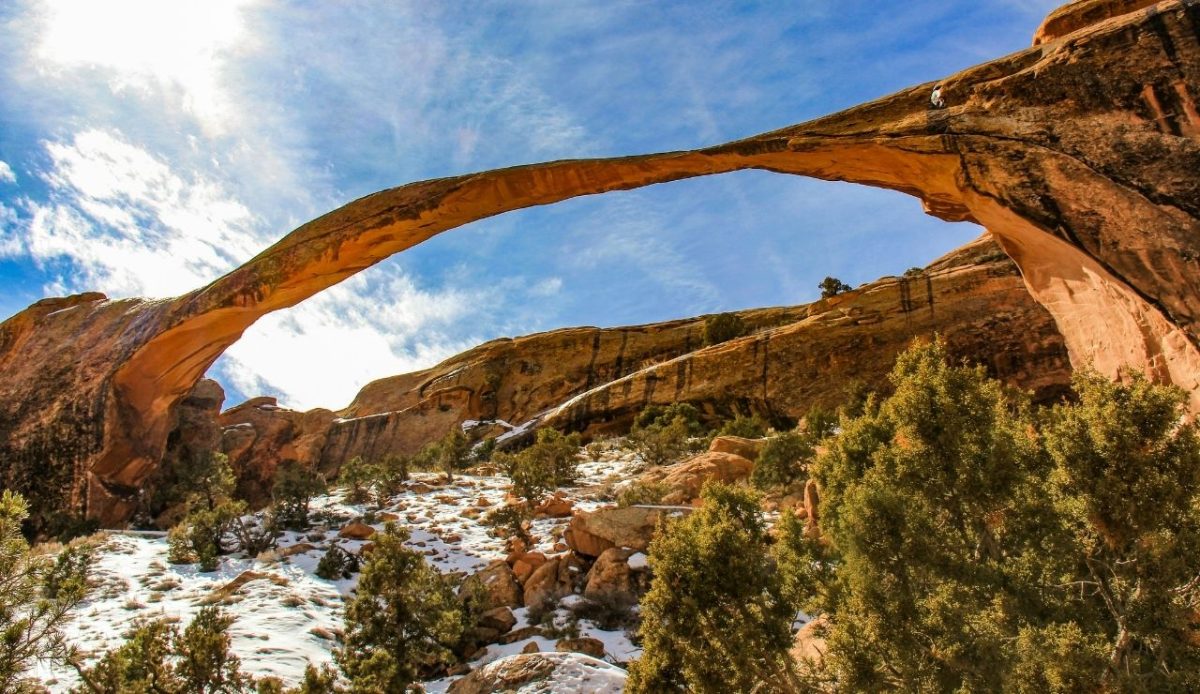
Arches is built around a single entrance and one main road that funnels every car to the same trailheads. Timed entry systems have been used to control demand when lines and parking failures became routine.
If an entry window is missed or sold out, access can be blocked for the busiest hours, forcing idle time outside the gate. Inside, lots near signature hikes fill fast, and slow circulation follows as drivers loop for openings.
The terrain offers few alternate routes, so congestion cannot be bypassed once the drive begins. During 2026 trips, the drive can feel like a series of waits between short segments, not a smooth desert cruise through viewpoints.
6. Yellowstone National Park Grand Loop Road
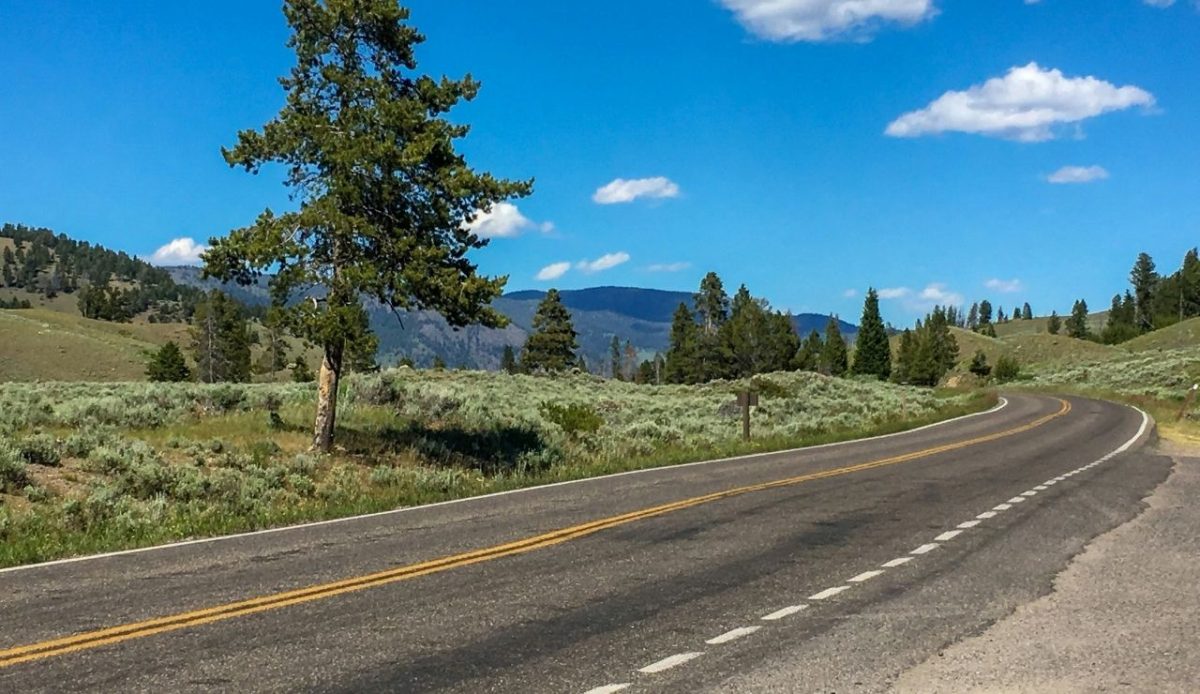
Yellowstone’s Grand Loop Road carries massive volumes on two-lane segments with frequent roadside stops. Wildlife viewing can trigger complete standstills as cars cluster behind a few animals near the pavement.
Geothermal basins add another pressure point because parking is finite, and visitors arrive in bursts. When lots fill, drivers either circle or park far away, and the resulting pedestrian crossings slow traffic further.
Even a well-planned circuit can lose hours to unpredictable jams and slow-moving convoys. In 2026, the loop remains drivable, but reliable travel times are hard to maintain, which undercuts a classic road trip schedule during peak summer days.
7. Grand Canyon National Park South Rim Drives
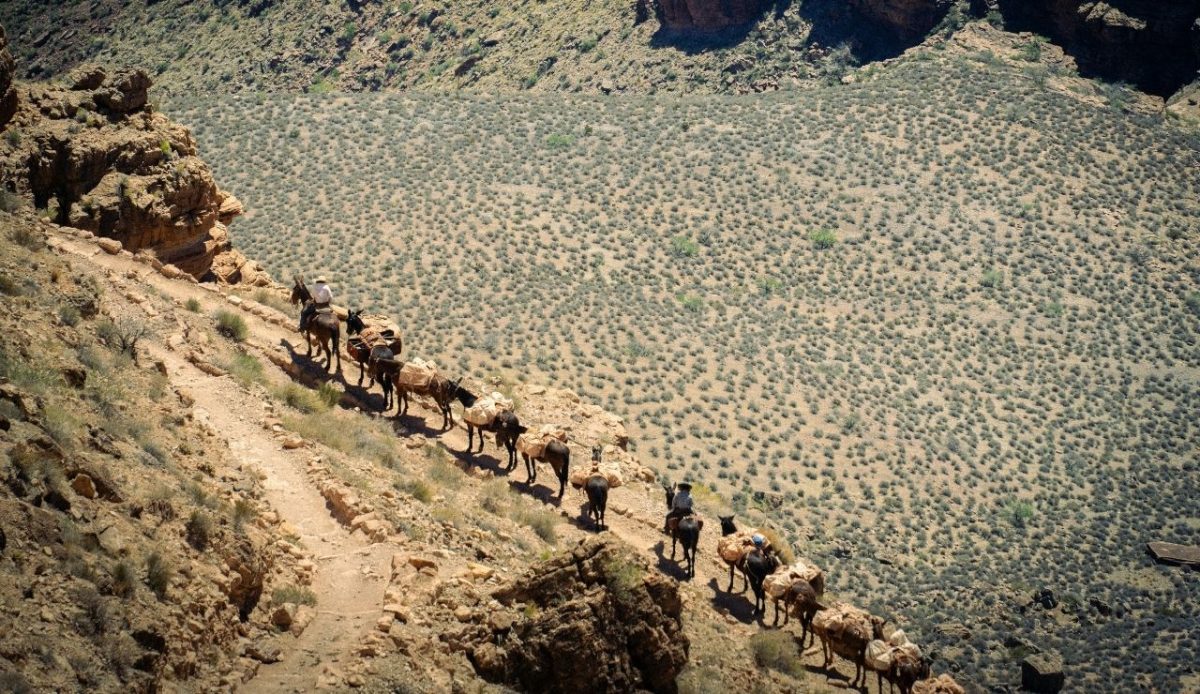
South Rim driving is limited by parking scarcity near Grand Canyon Village and major rim hubs. During busy seasons, lots can fill early, and vehicles are pushed into long searches that add traffic to every junction.
Shuttle routes are used to reduce cars in the core, which shifts the experience from viewpoint to viewpoint. Desert View Drive stays open, yet popular overlooks create stop waves as cars stack for short parking opportunities.
Heat, distance, and a few services outside the developed zone mean detours carry real-time and fuel costs. Across 2026 peak days, many plans are rewritten around remote parking and transit links rather than continuous rim access.
8. Great Smoky Mountains National Park Cades Cove Loop Road
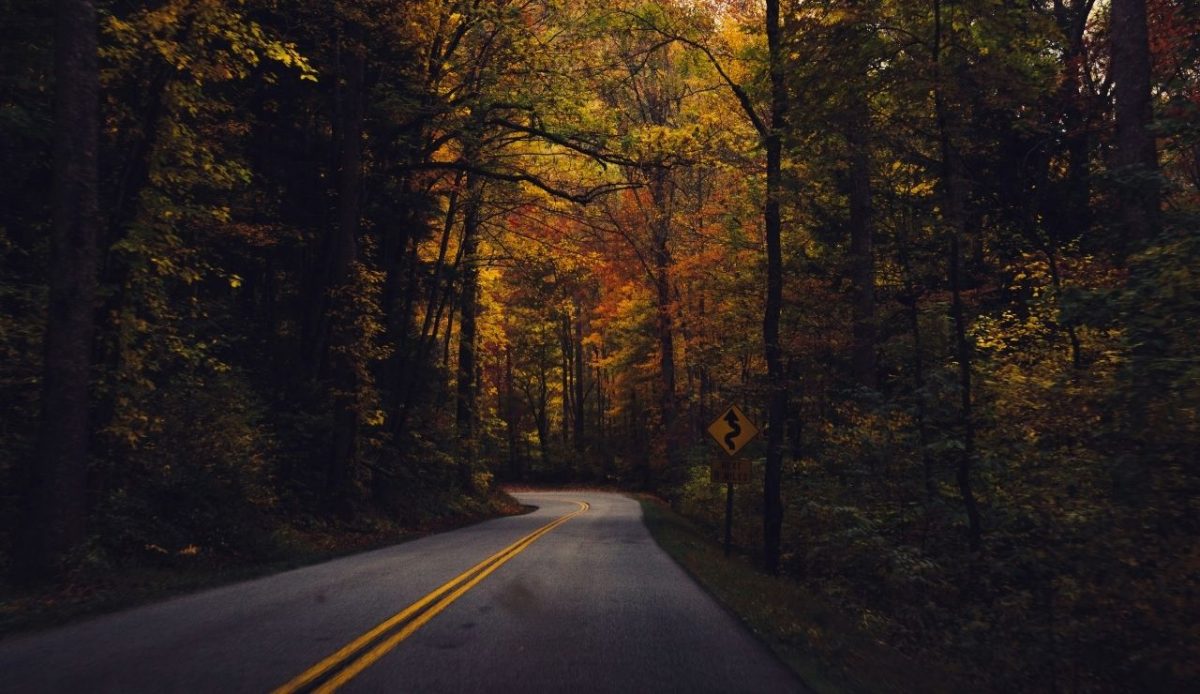
Cades Cove Loop Road is an eleven-mile circuit that draws heavy daily traffic in peak months. A single slow vehicle or a wildlife stop can back up the entire loop because passing opportunities are limited.
The loop has become so congested that vehicle-free periods are scheduled, removing cars to manage crowding. On driving days, cyclists, pedestrians, and frequent pullovers create a low-speed environment that frustrates through travel.
Access roads to the cove also bottle up as arrivals spike around midmorning and late afternoon. For 2026 visitors, the trip is often either gridlocked or unavailable to cars, which breaks the expectation of a simple scenic loop drive.
9. Blue Ridge Parkway
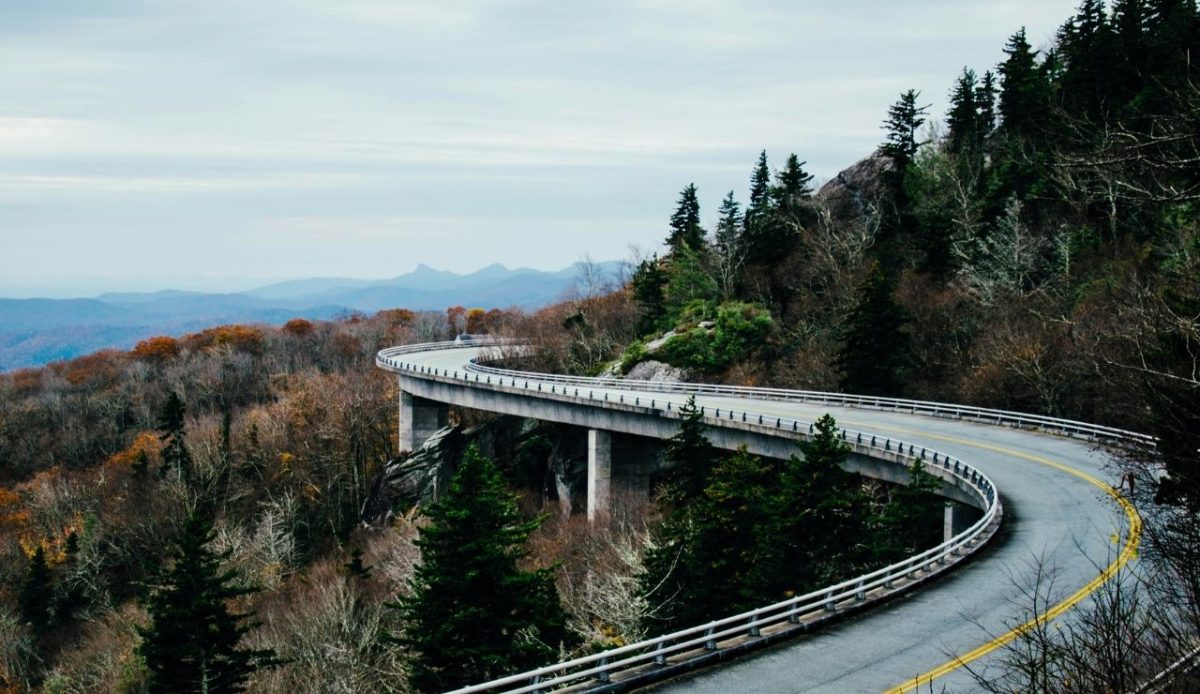
The Blue Ridge Parkway concentrates visitors at overlooks, short hikes, and tunnel-like ridge segments. High visitation means popular stops can overflow quickly, turning pull-ins into slow merges and long exit lines.
Maintenance work and weather closures can interrupt continuity, forcing drivers onto local roads to reconnect later. When that happens, traffic compresses into the remaining open stretches and crowding intensifies at the same few viewpoints.
Limited commercial services on the parkway add stress when delays run longer than expected. In 2026, peak periods often feel like stop-and-wait travel between packed overlooks, even though early and late hours can be calmer.
