
Entering the United States often feels familiar to international travelers, yet U.S. border rules operate under a legal system that grants wide authority to inspection officers. Many visitors assume visas, airline approval, or prior travel history guarantee smooth admission. In practice, entry decisions depend on federal immigration law applied at the port of arrival. Small misunderstandings can lead to delays, refusals, or future travel issues, making preparation essential for anyone arriving from abroad. These rules apply regardless of nationality and are enforced even when travelers believe all paperwork was completed correctly in advance.
1. ESTA Approval Does Not Guarantee Admission

Approval through the Electronic System for Travel Authorization only allows a traveler to board a flight under the Visa Waiver Program. It does not grant a right to enter the country. Final admission decisions are made by border officers at the airport or land crossing. Officers may refuse entry if travel intent appears unclear, prior immigration history raises concerns, or answers during questioning conflict with stated plans. Many visitors are surprised that preapproval functions as permission to request entry rather than a guarantee of admission. This authority exists under federal law and cannot be appealed at the checkpoint.
2. Electronic Devices May Be Inspected at the Border
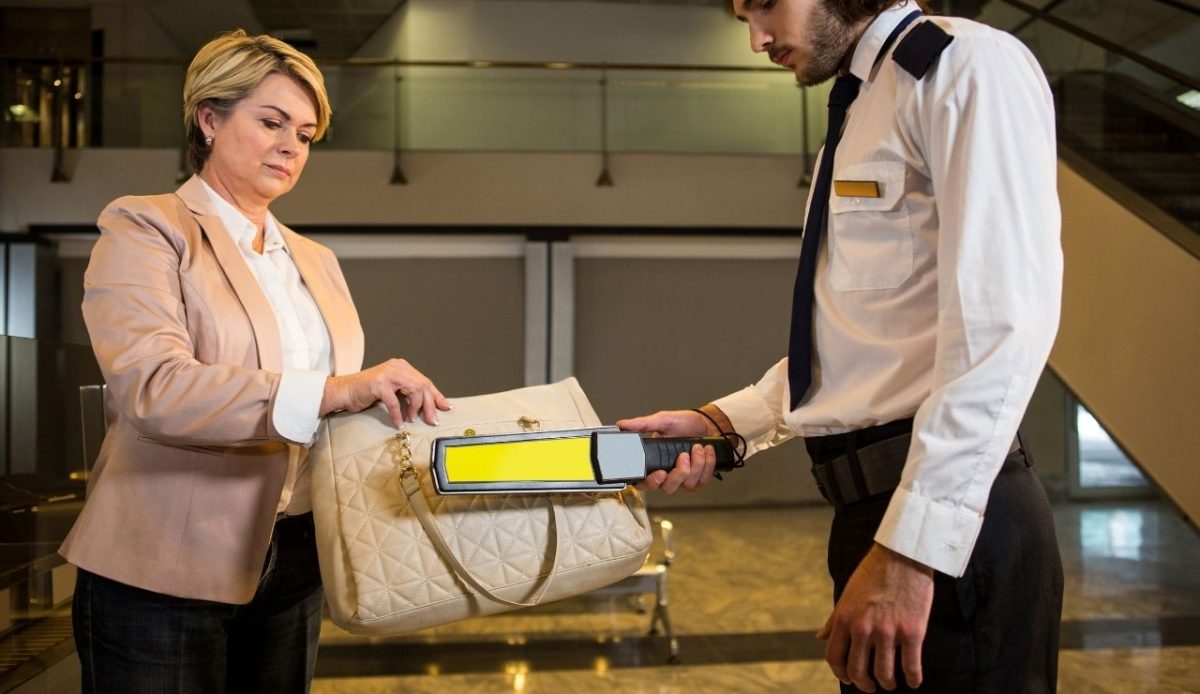
At U.S. ports of entry, border officers have legal authority to inspect electronic devices such as phones, tablets, and laptops. These inspections may include reviewing stored content related to travel purposes or prior stays. The standards differ from those applied inside the country. Refusing a device search can result in delayed processing or denial of entry for visitors. Many travelers are surprised that warrant requirements common in daily life do not apply at the border. Searches are classified internally, and more intrusive reviews require additional approval steps. The authority is rooted in long-standing border inspection powers.
3. Visa Expiration Dates Do Not Control Stay Length
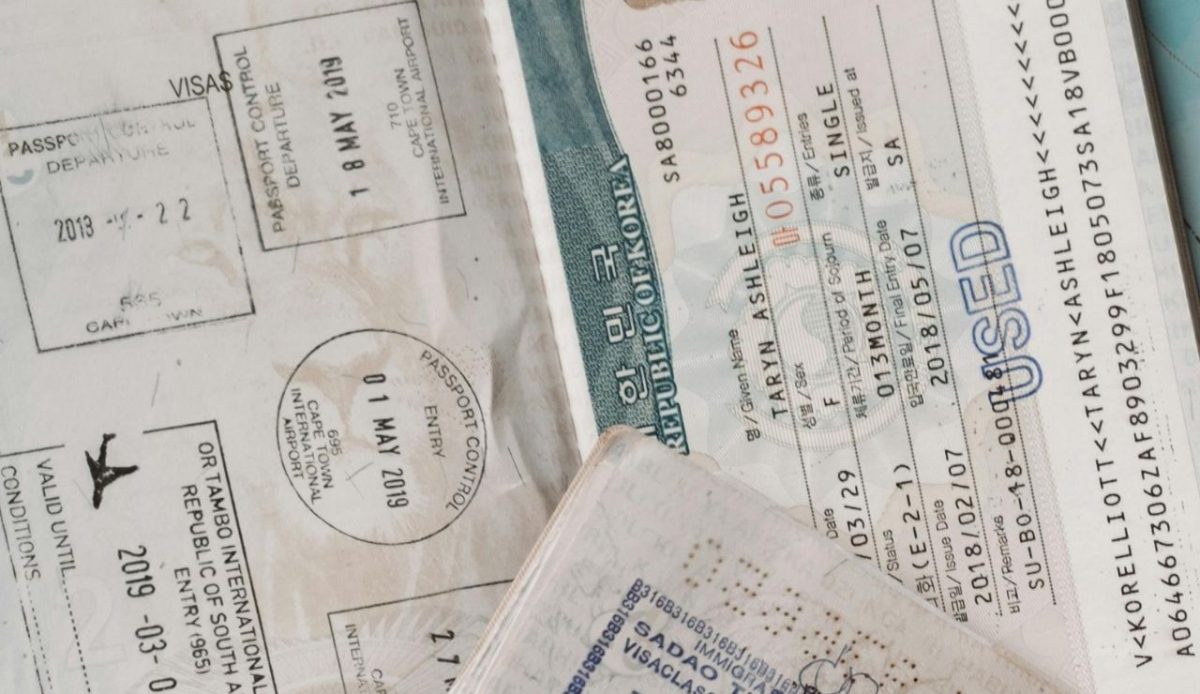
A U.S. visa expiration date does not control how long a visitor may remain in the country. The authorized stay is determined by the admission record issued at arrival, commonly reflected on an electronic Form I-94. Travelers often assume a long validity visa allows lengthy stays, but admission is frequently limited to months or less. Remaining beyond the authorized date can trigger penalties even when the visa itself remains valid. This distinction surprises repeat visitors who overlook the admission stamp details. Overstays are recorded electronically and affect future inspections. Officers rely on these records during later entry review.
4. Visa Waiver Program Stays Cannot Be Extended
Travelers entering under the Visa Waiver Program are not permitted to extend or change their stay beyond the admission period. Departure must occur by the date set at entry, regardless of personal circumstances. Extensions commonly available to visa holders do not apply. Many visitors are surprised by the lack of flexibility and assume emergency exceptions exist. Violating this rule can permanently block future use of the Visa Waiver Program. Even short overstays under this program are treated as serious violations. Compliance is checked automatically during later travel attempts. Airlines may also refuse boarding based on prior misuse.
5. Cash Over Ten Thousand Dollars Must Be Declared

Bringing more than ten thousand dollars in cash or monetary instruments into the United States is legal, but a declaration is mandatory. The rule applies to combined totals carried by individuals or families. Failure to report the amount can result in immediate seizure, even when funds were earned legally. Many visitors are surprised that non-declaration is treated as a serious offense rather than a simple paperwork mistake. Disclosure is required both when entering and leaving the country. Officers may question the source and intended use of funds. Penalties apply regardless of intent or awareness of the rule.
6. Food and Agricultural Items Require Disclosure

The United States enforces strict agricultural controls to prevent pests and diseases from entering the country. Travelers must declare foods, plants, seeds, meats, and similar items, even if purchased at duty-free shops. Some items are confiscated on arrival. Visitors are often surprised that forgetting to declare food can result in fines and delays separate from normal security screening. These inspections are conducted at airports and land borders nationwide. Declaring items does not always mean penalties, but failure often does. Agricultural officers operate under separate federal authority.
7. Medications Should Be in Original Containers

Prescription medications brought into the United States should remain in original pharmacy containers with clear labeling. Travelers are advised to carry copies of prescriptions or medical documentation. Certain substances legal abroad may be restricted domestically. Undeclared or improperly labeled medications can be confiscated. Many visitors are surprised by these requirements, especially when traveling with routine treatments. Liquid quantities and controlled substances receive closer scrutiny. Medical exemptions are not automatic and must be supported by records. Failure to comply can affect future inspections.
8. Social Media Identifiers Are Requested on Visa Forms

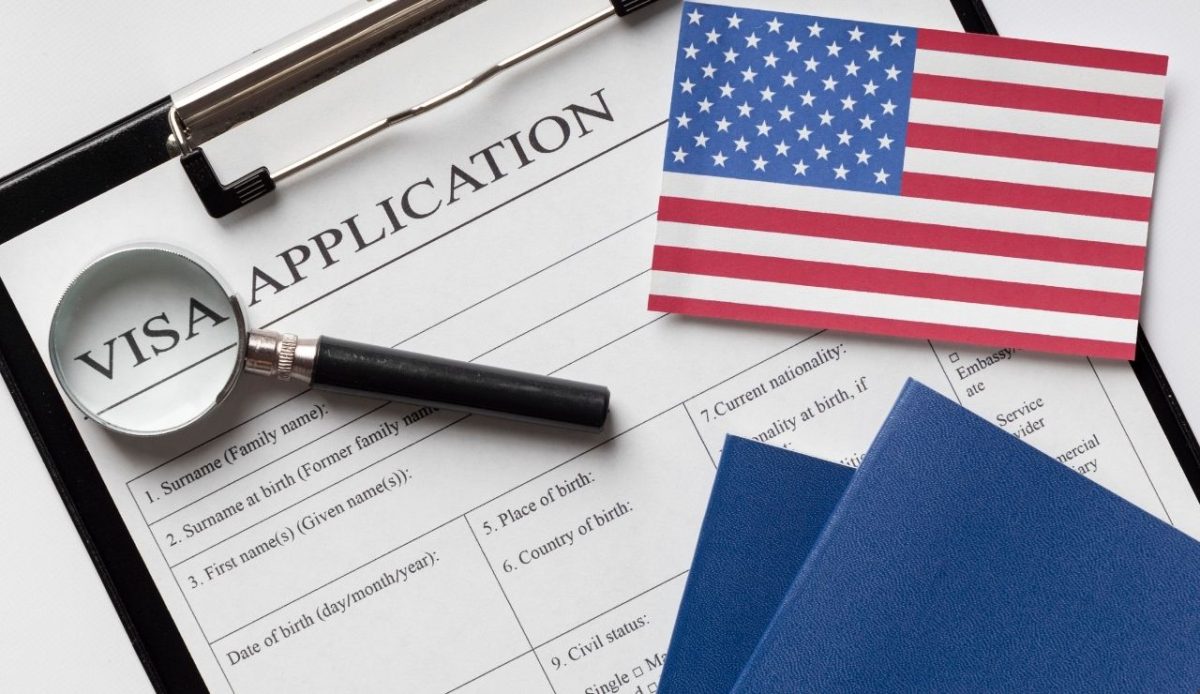
Most U.S. visa application forms request social media identifiers used during recent years. This policy was introduced as part of expanded screening procedures. While online content alone does not determine admission, public posts may be reviewed during background checks. Many travelers are surprised that digital activity forms part of visa evaluation and can be considered during admissibility decisions. The information requested covers multiple platforms and usernames. Omissions or inconsistencies can delay processing. Disclosure requirements apply regardless of account activity. Travelers overlook this step when preparing applications.
9. Secondary Inspection Can Occur Without Suspicion
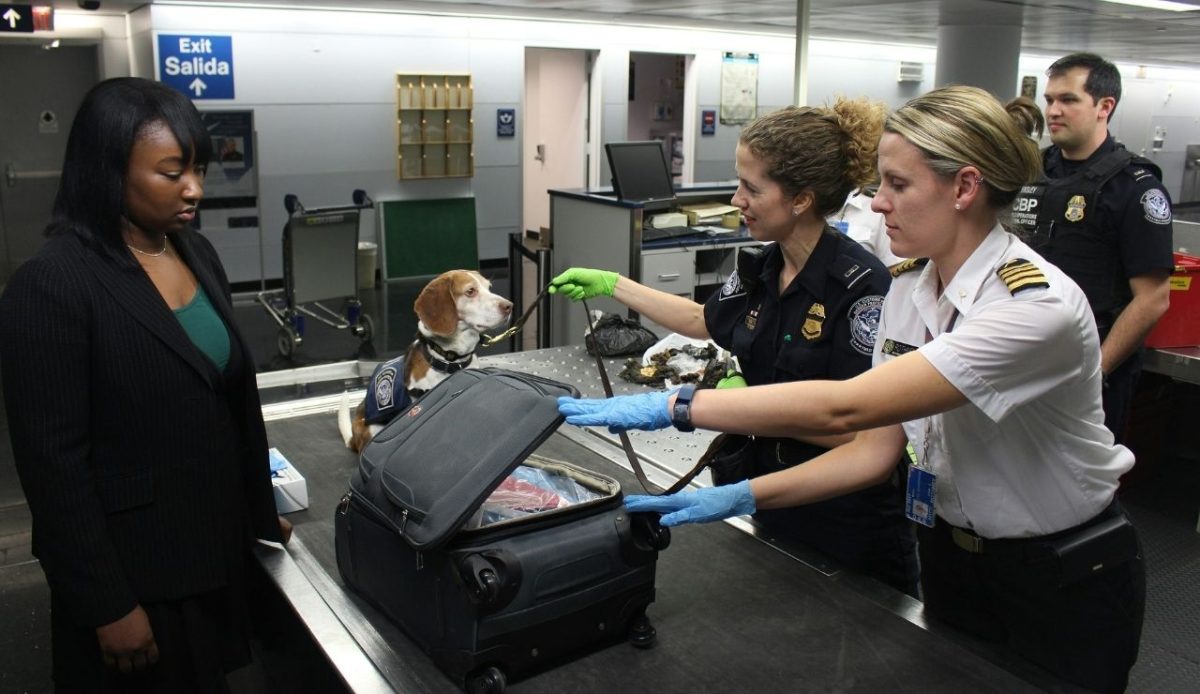
Border officers may refer travelers to secondary inspection for additional questioning or document review, even without suspected wrongdoing. This process is used to verify information or resolve inconsistencies. Waiting times can be lengthy. Many visitors assume secondary inspection signals a violation, but it is often a routine step within the admission process. Personal items and travel history may be examined during this stage. Cooperation generally helps resolve questions more quickly. Access to phones or contacts may be limited temporarily. Outcomes range from admission to refusal depending on findings.
