
Modern U.S. travelers are booking downtown stays for trips that work without constant driving. They want hotels near museums, coffee shops, and night markets, with safe lighting and clear wayfinding.
Many cities are rebuilding cores around transit links, riverfront access, and renovated historic buildings. Pop-up events, food halls, and small venue shows help weekdays feel less empty for visitors. Local tourism offices also pitch car light itineraries.
The nine downtowns below show reinvention that is easy to notice on foot. Each has visible public investment and private upgrades that make the center a practical base for a short trip in any season.
1. Detroit, Michigan
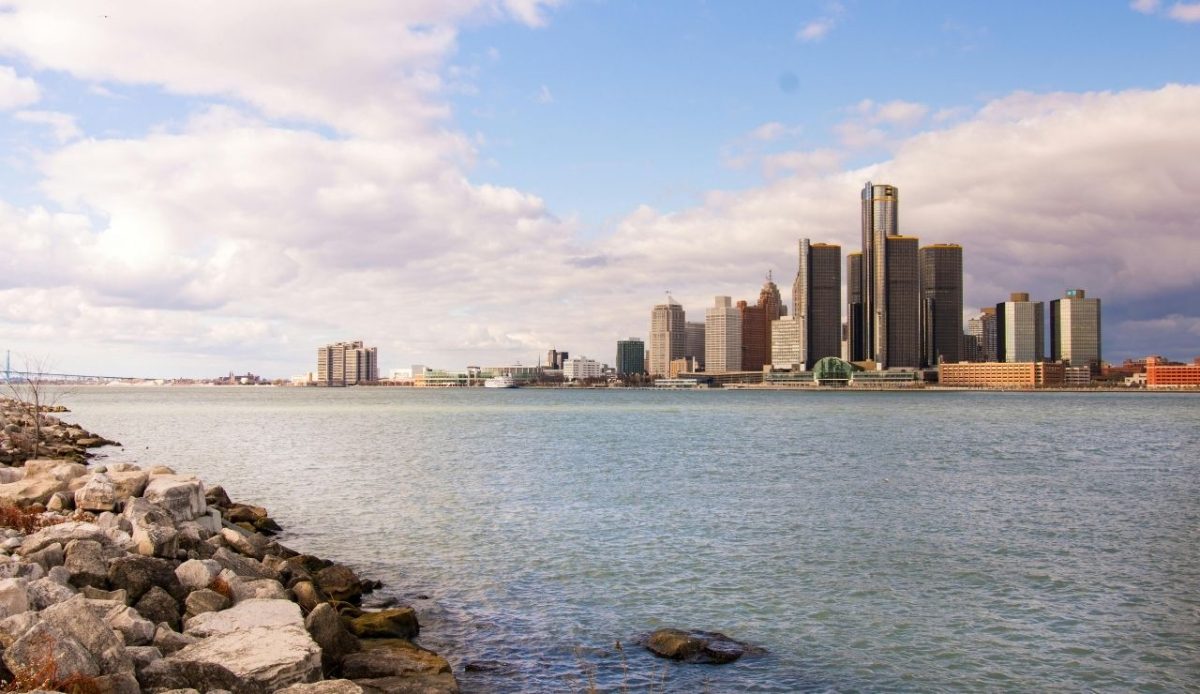
Detroit rebuilt its visitor core around Campus Martius and nearby streets, where year-round programming keeps people downtown. A central park, markets, and big event permits support repeat weekend travel.
Historic towers have been converted into mixed use space, which increased rooms, dining, and late-night foot traffic. The QLine links downtown to Midtown stops that matter to tourists, including museums and arenas.
Visitors now find a tighter loop of hotels, sports venues, and restored landmarks such as the Guardian Building. Public safety lighting upgrades and active ground-floor storefronts make walking feel more predictable at night for most guests.
2. Buffalo, New York
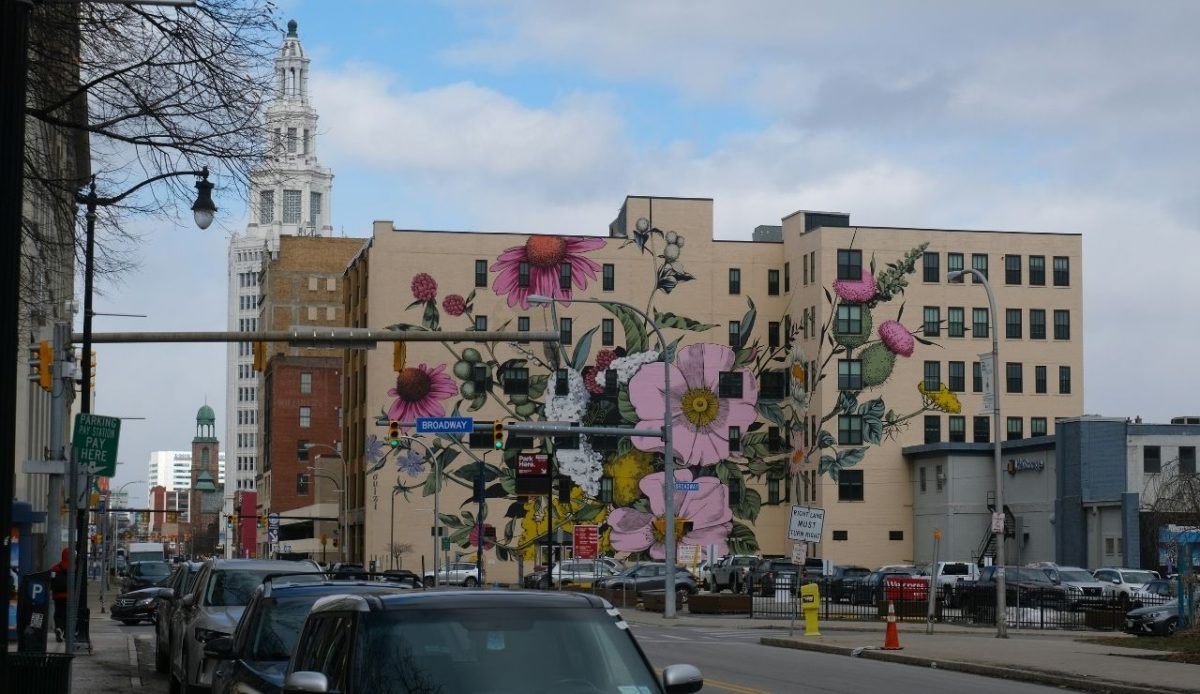
Buffalo shifted its downtown image by centering trips on the waterfront and canal history. Canalside and nearby harbor sites add skating, concerts, and boat access that extend visits beyond a single meal.
Industrial structures along the water have been repurposed for tours and event rentals, giving the city a distinctive backdrop. Streets and trail connections tie the shoreline to Main Street, theaters, and the rail station.
That linkage supports short stays where travelers can walk from hotels to food markets and waterfront programming. Museum and architecture tourism also benefits when the route between sites is safer and easier to navigate.
3. Cincinnati, Ohio
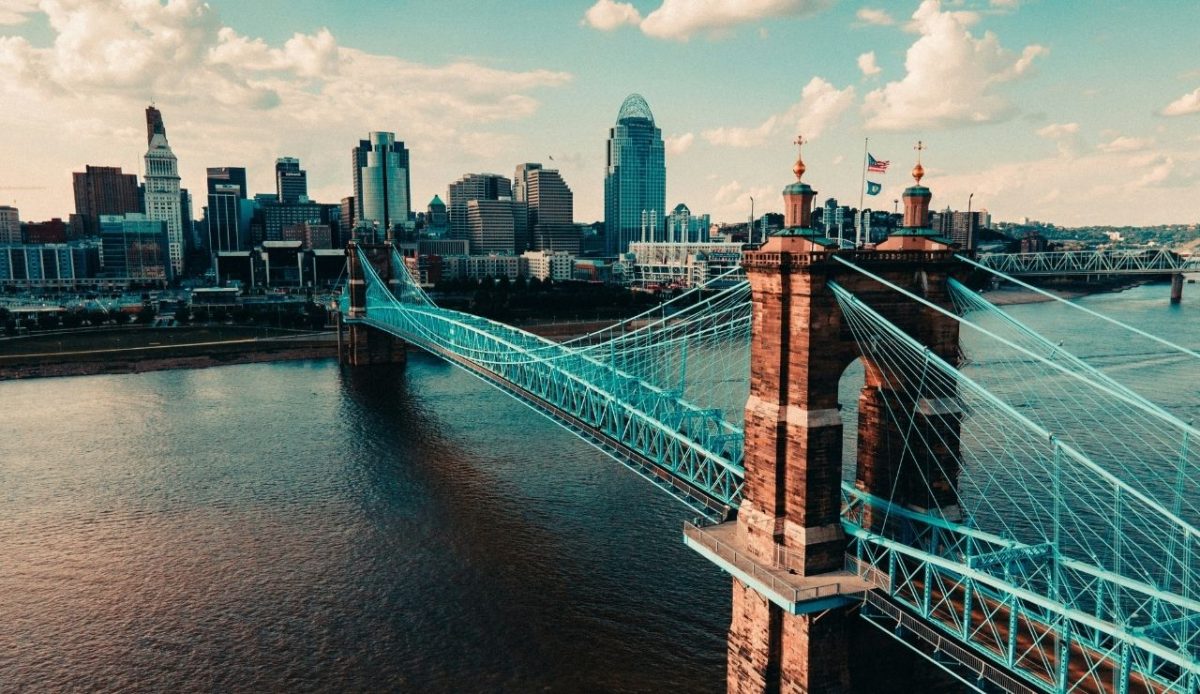
Cincinnati paired building restoration with simple downtown mobility, which helps modern visitors cover more without driving. Over the Rhine rehab created a dense grid of shops, breweries, and small hotels near the core.
The streetcar loop connects the riverfront, Fountain Square, and Findlay Market, reducing parking stress for weekend travelers. Public plazas and renovated parks host festivals that keep the area active through different seasons.
Historic tax credits helped vacant properties return as housing and ground-floor retail, which improves street life. Travelers benefit from a concentrated set of dining, arts venues, and sports sites within a short ride or walk.
4. Oklahoma City, Oklahoma
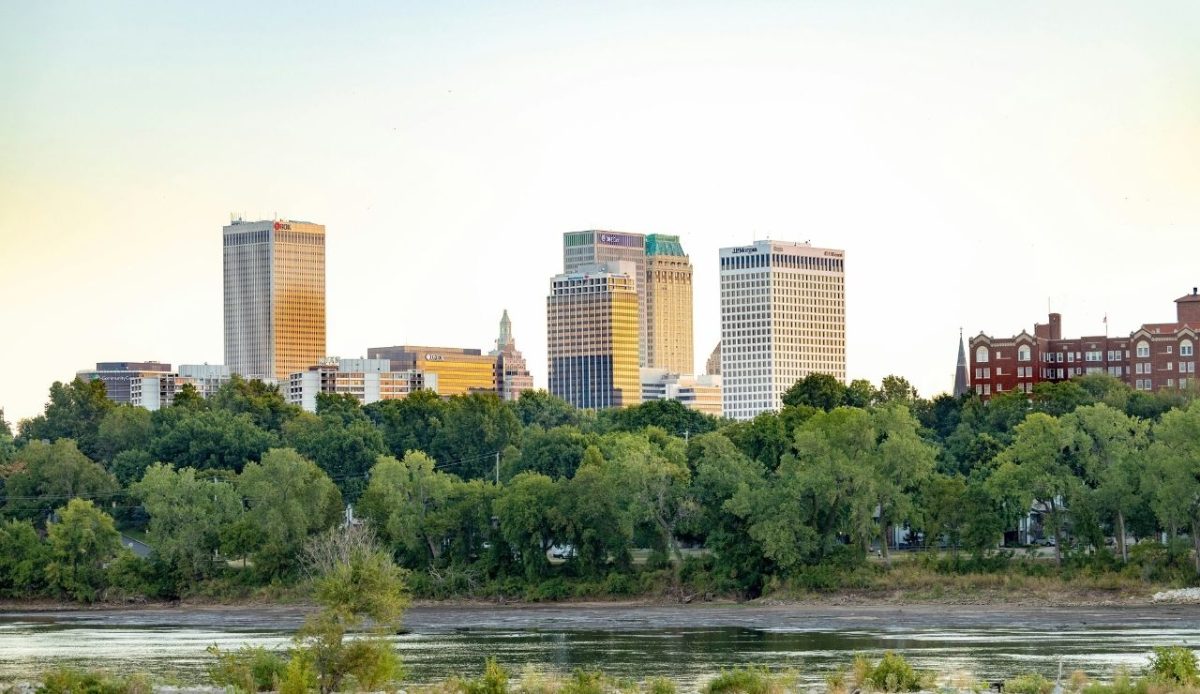
Oklahoma City used long-running MAPS programs to build a downtown that works for conventions and leisure trips. New public assets gave visitors reasons to stay central area instead of commuting to one attraction.
Scissortail Park created a major green spine next to the convention center, while Bricktown offers the canal, nightlife, and family activities. Hotel supply increased as apartments and offices brought steady daily demand.
Because projects arrived in phases, streets, lighting, and public art improved in a coordinated way. Travelers now have a walkable triangle of parks, arenas, and dining that supports both event weekends and quieter weekday stays.
5. Greenville, South Carolina
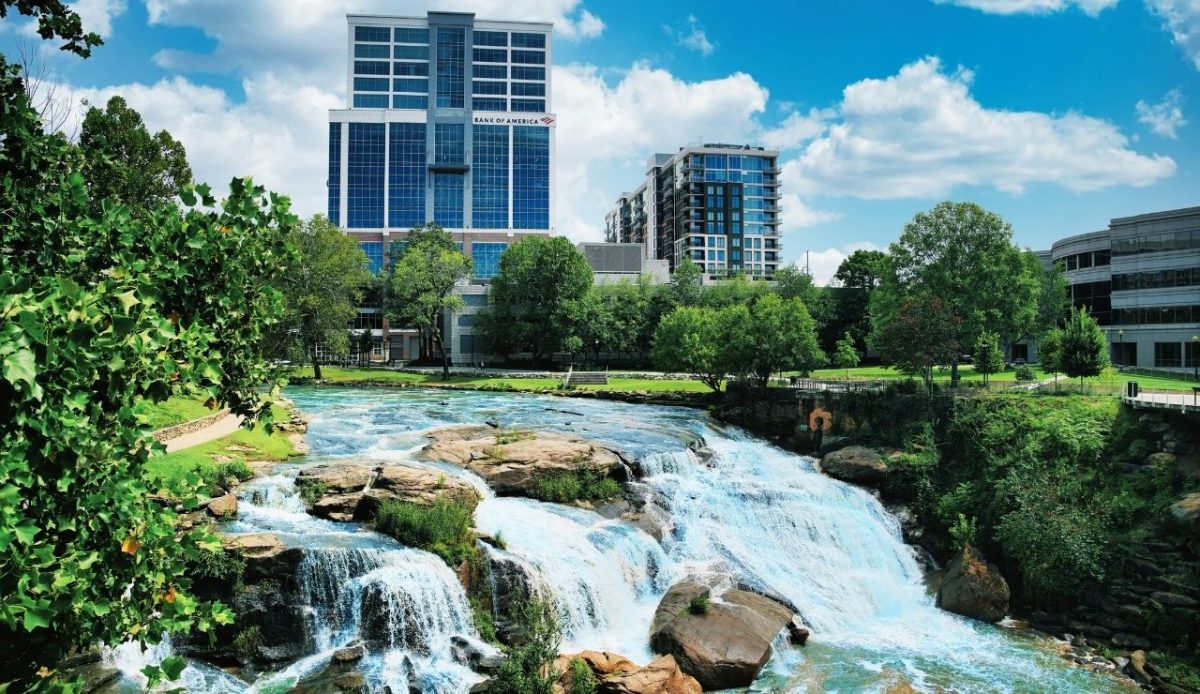
Greenville rebuilt its downtown identity around the Reedy River, turning a former barrier into a centerpiece for visitors. Falls Park and the Liberty Bridge made the waterfall a must-see stop within the city grid.
Main Street redesign work prioritized sidewalks, trees, and outdoor seating, which supports day-to-night strolling. Boutique lodging and galleries sit close to cafés, so travelers can plan a full itinerary without a car.
Regular arts events and food-focused weekends keep hotel demand steady beyond peak summer. The result is a compact core where parks, performance spaces, and local shops are linked by short blocks and clear pedestrian routes.
6. Boise, Idaho
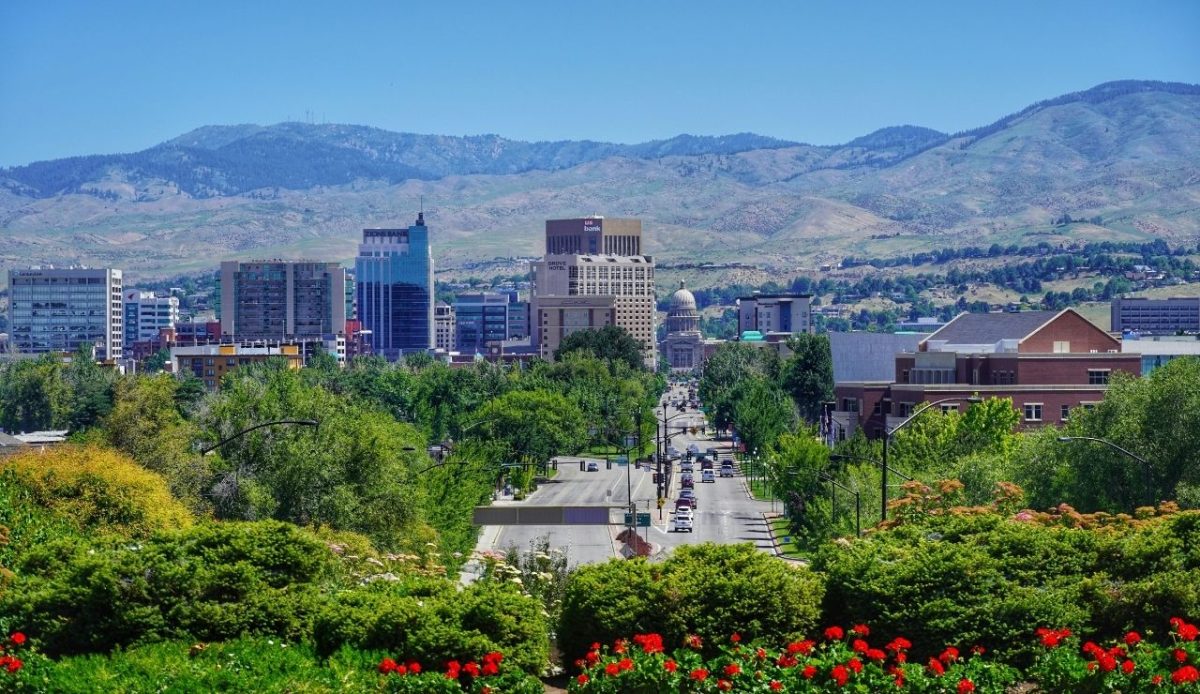
Boise made its center more visitor-friendly by investing in pedestrian corridors and river access that start near downtown hotels. The city core now feels like a base for both dining and outdoor time.
8th Street improvements and adjacent blocks support patios and easy crossings, while redevelopment added new rooms and renovated older buildings. The Boise River Greenbelt connects the core to parks and cultural stops by trail.
Travelers can move between breweries, museums, and riverfront paths in one continuous loop. Market events and public art installations add reasons to linger, and the compact scale makes short weekend plans realistic year-round.
7. El Paso, Texas
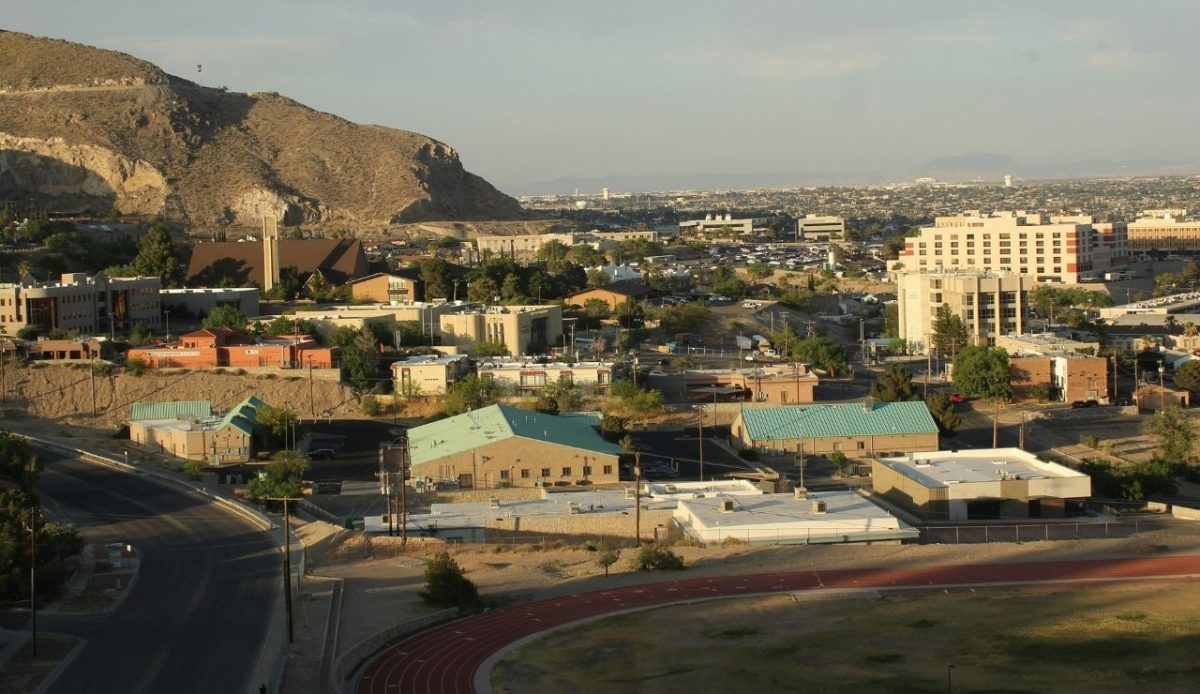
El Paso repositioned downtown through landmark restoration and a transit link that helps visitors move between districts. The Plaza Theatre and nearby civic spaces became anchors for nightlife and cultural trips.
A modern streetcar line reconnects downtown with the university area, making quick rides part of the visitor experience. Older commercial buildings have been renovated into hotels, restaurants, and offices that fill the streets after dark.
Public squares host markets and festivals that highlight border history and local food. Travelers get a compact itinerary where performances, museums, and dining are close, and the streetcar reduces the need for frequent driving.
8. Milwaukee, Wisconsin
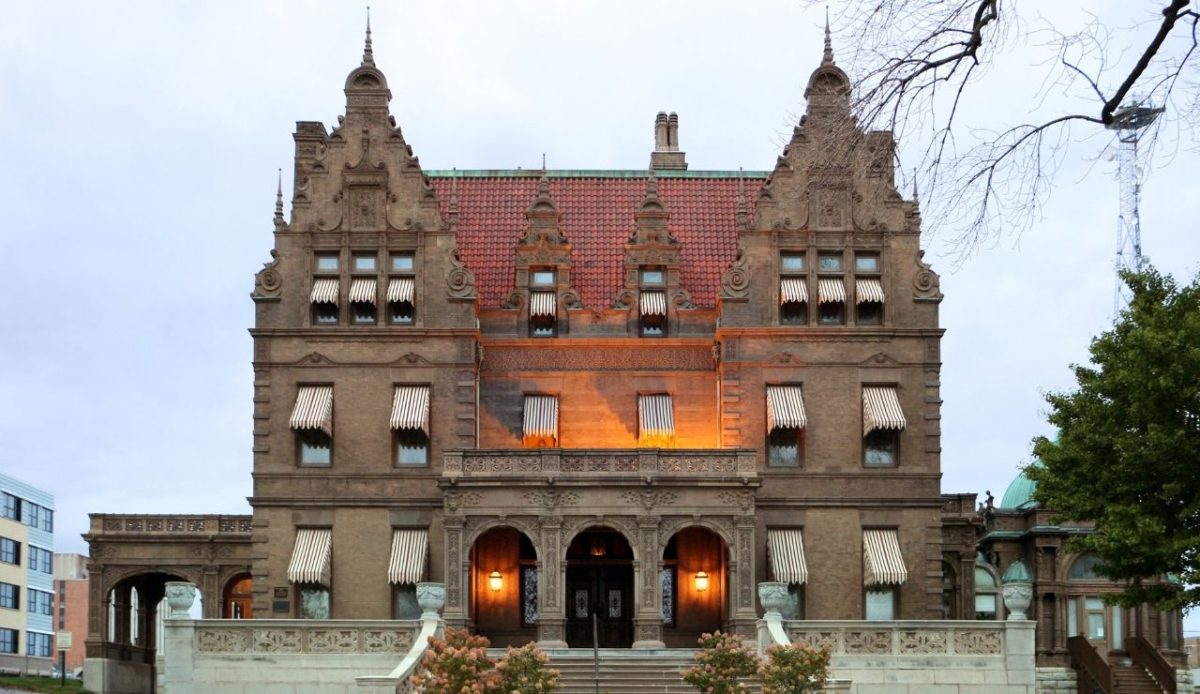
Milwaukee strengthened downtown travel appeal by building continuous pedestrian access along the river and concentrating entertainment near it. The RiverWalk turns waterways into a route between restaurants, museums, and hotels.
New mixed-use projects added housing and hospitality space, which increased activity outside office hours. The Deer District and arena schedule pulls visitors for games and concerts, while renovated warehouses support breweries and events.
Lakefront trails and public art make it easier to stitch together a car-light weekend that includes waterfront parks. Travelers benefit from short distances, clear walking corridors, and a steady calendar that supports repeat trips.
9. Tucson, Arizona
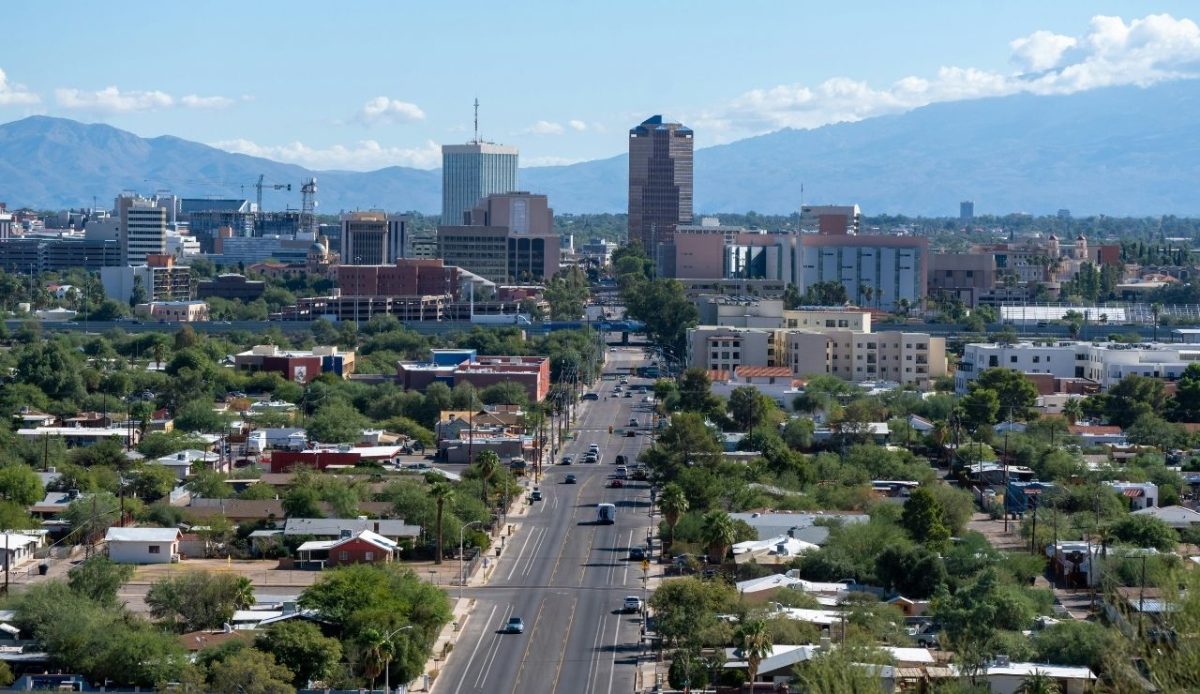
Tucson accelerated downtown change through Rio Nuevo redevelopment spending that targeted visitor assets and streets that invite walking. Renovated theaters and new lodging helped the core compete for weekend and meeting travel.
The Sun Link streetcar connects the historic district with the University of Arizona, which improves access for out-of-town guests. Streetscape upgrades added shade, seating, and safer crossings that suit the desert climate.
Restored adobe and brick buildings now hold Sonoran cuisine spots, galleries, and small music venues. A stronger festival calendar and easier transit routing keep the center active, giving travelers a practical hub for short stays.
