
Travel across the United States often assumes access to a personal vehicle. While some cities support walking and transit, many destinations were built around long distances and road-based movement. In those places, arriving without a car quickly limits what visitors can do.
The problem usually appears after arrival. Lodging, food, attractions, and services may exist, but the links between them depend on highways rather than sidewalks or transit routes. Mobility becomes a barrier instead of a choice.
The destinations below show how geography, infrastructure, and planning decisions create places where driving is required. Each example explains why moving without a car breaks down under normal travel conditions.
1. Death Valley National Park, California and Nevada
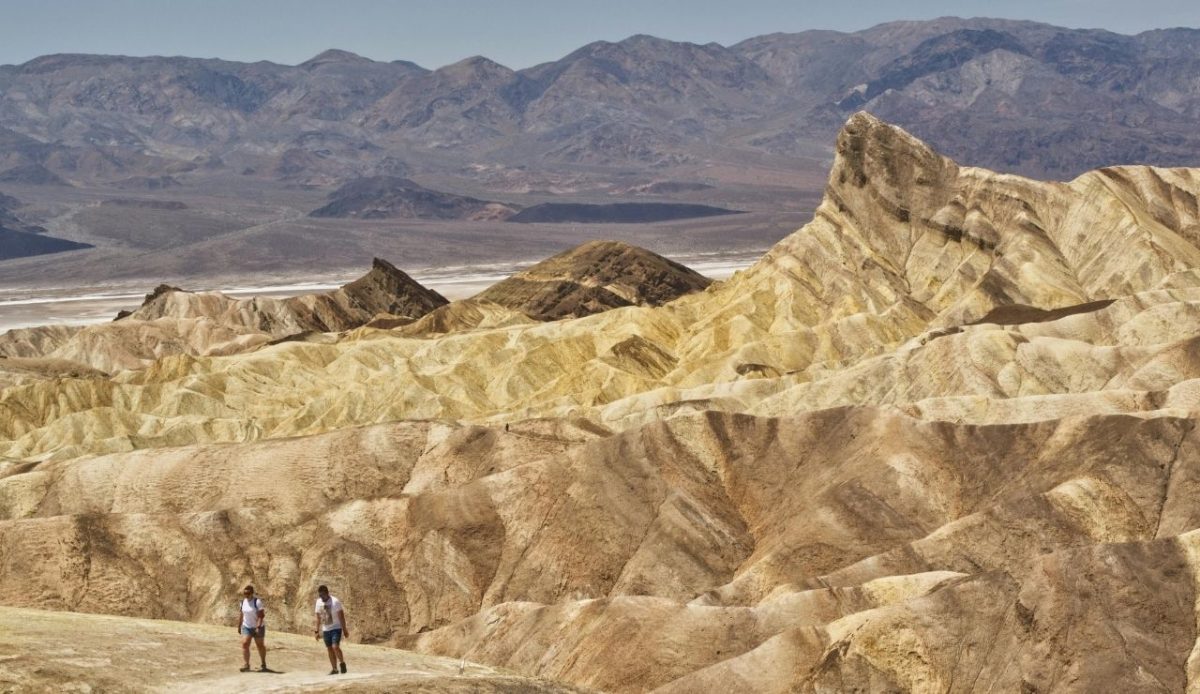
Death Valley spreads across a huge desert basin where stops are separated by long highway stretches. Viewpoints, dunes, and trailheads sit far apart, and shade is rare. Heat and elevation swings make slow travel risky for most visitors.
No scheduled transit reaches Death Valley, and no service operates within it, so movement depends on a private vehicle. Taxi fleets and ride apps are scarce, and tours cover only narrow loops. Walking or biking between sites can be dangerous due to exposure.
If no car is available, travelers can reach only a small area near an entrance and miss most signature places. Supplies and water are spaced out, so plans cannot be adjusted easily. A normal visit becomes impractical because core sites are out of reach.
2. Big Bend National Park, Texas
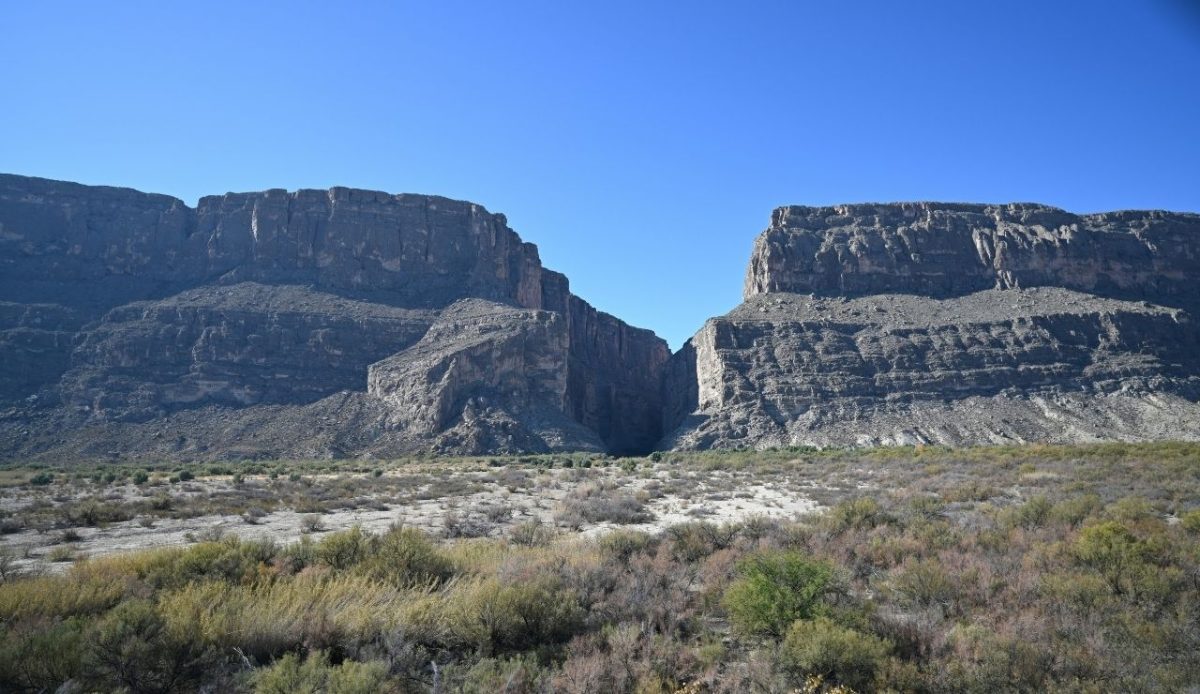
Big Bend lies far from major cities, with long approaches on rural roads and few services. Inside the park, zones like the Chisos, Rio Grande Village, and Santa Elena are separated by significant driving time. Many access roads have limited shoulders.
Regular transit does not serve Big Bend, nor does it link the developed areas. Commercial outings exist but are limited in scope and timing, and rideshare is unreliable. Self-driving remains the consistent way to connect key points.
Travelers lacking a vehicle cannot link trailheads, visitor centers, and lodging in a single day. Food, fuel, and water options are concentrated, so missed connections have consequences. For most itineraries, the park cannot be experienced without driving.
3. Great Basin National Park, Nevada
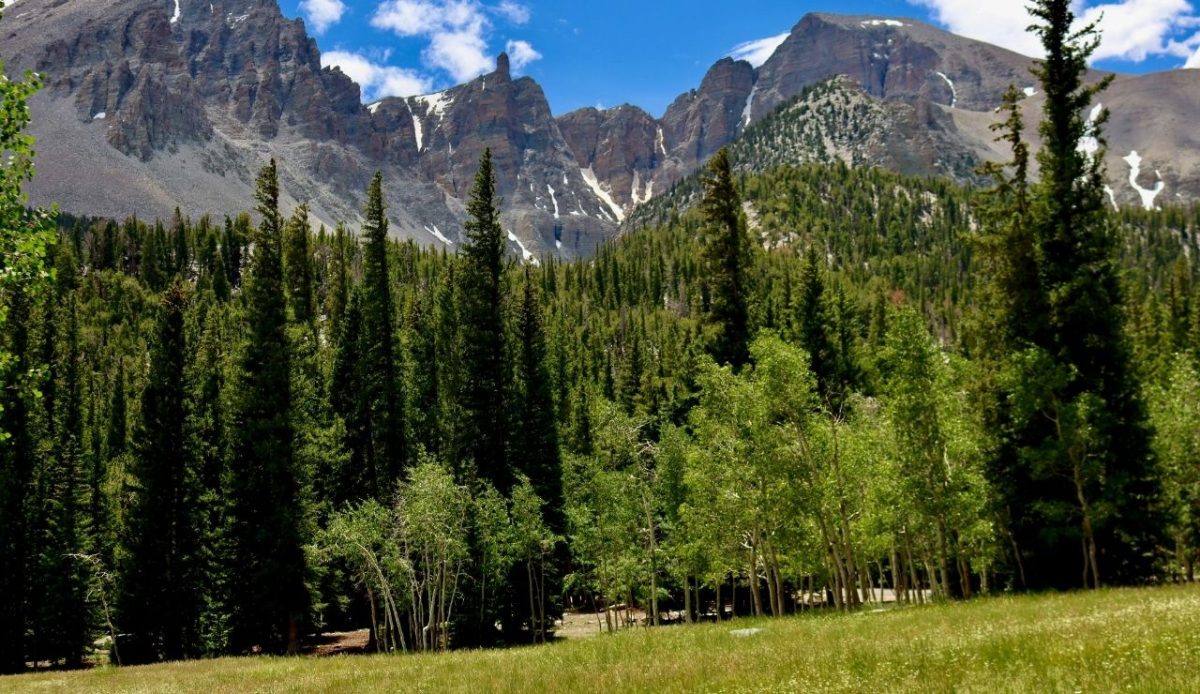
Great Basin is remote by Nevada standards, set among highways and small towns. The cave area, alpine trails, and scenic drives require travel across spread-out elevations. The weather can change quickly, adding risk to long outdoor transfers.
No buses or shuttles reach the Great Basin, and none operate inside the boundary. Local taxis are not a dependable option, and services near entrances are limited. Walking between sites is not realistic because distances are large and road shoulders are narrow.
With no car available, access is reduced to whatever is near one point, while caves and high country trails remain unreachable. Timing becomes rigid because supplies are far apart. A functional visit depends on having a vehicle for internal movement.
4. Canyonlands National Park, Utah
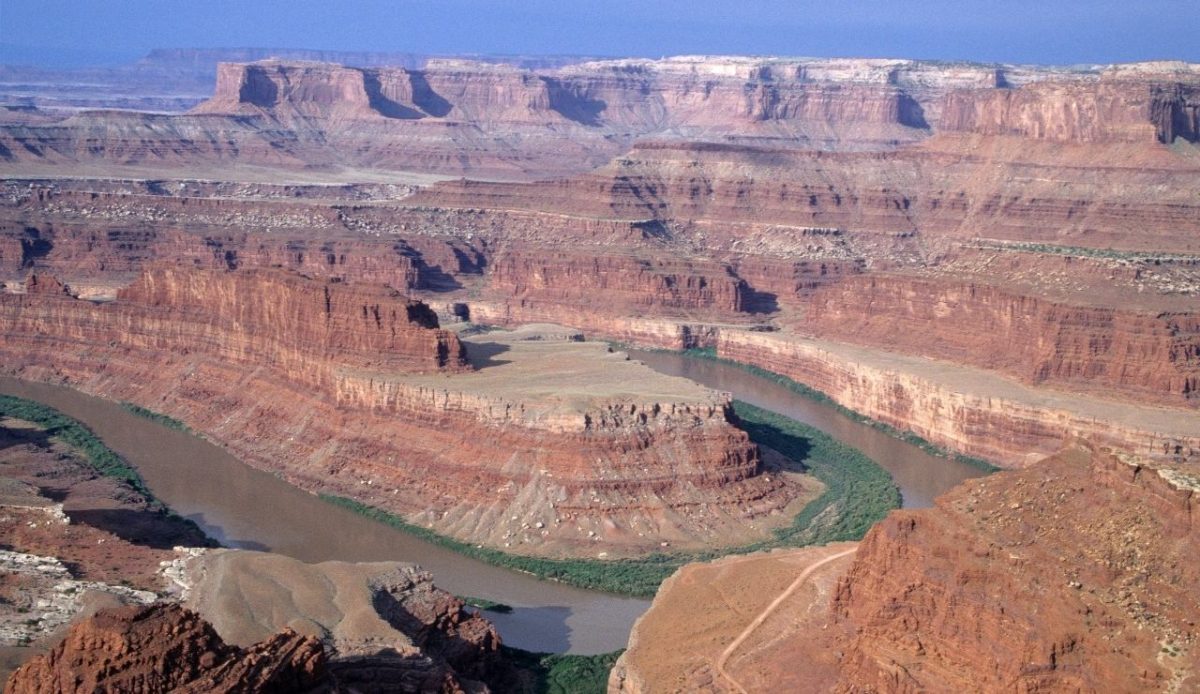
Canyonlands is divided into districts separated by rivers and rugged terrain. Island in the Sky, The Needles, and the rivers corridor require different approach roads and long drives. Distances between them are measured in hours, not minutes.
No public transit serves the park, and there is no internal shuttle linking overlooks or trailheads. Tours run from Moab but do not provide flexible district-to-district movement. Roads are the only practical connectors for typical visitors.
With no car, most trailheads and viewpoints cannot be reached, and access may stop at areas outside park lines. Switching districts becomes nearly impossible. Standard visits rely on driving to connect the core sites.
5. Lassen Volcanic National Park, California
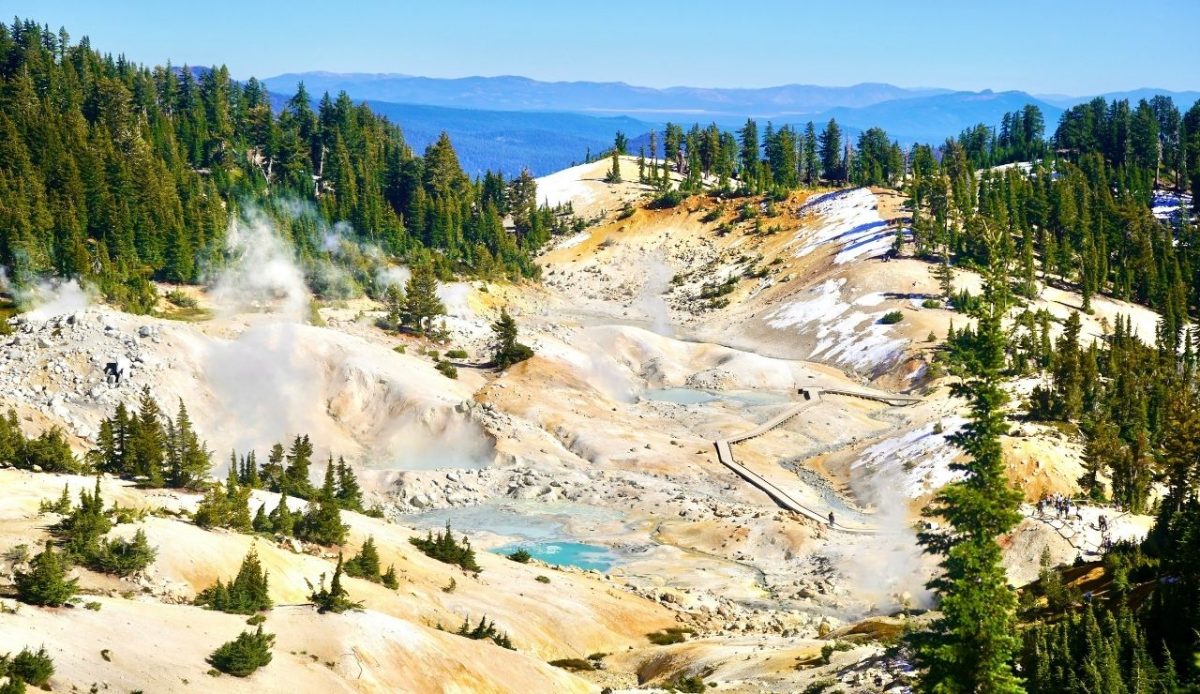
Lassen is organized around a scenic roadway that ties together lakes, trailheads, and geothermal areas. Stops are spaced along mountainous terrain, and seasonal conditions can change access quickly. Services are limited between hubs.
No regular transit serves Lassen, and no internal shuttle carries visitors between major features. When snow closes sections of road, alternative routes are scarce. Ride-hailing is not reliable in the surrounding rural area.
Car-free travelers can see only a single nearby area and cannot shift plans if the weather closes a route. Key features are too far apart for walking. For most visitors, a vehicle is needed to make the visit workable.
6. Petrified Forest National Park, Arizona
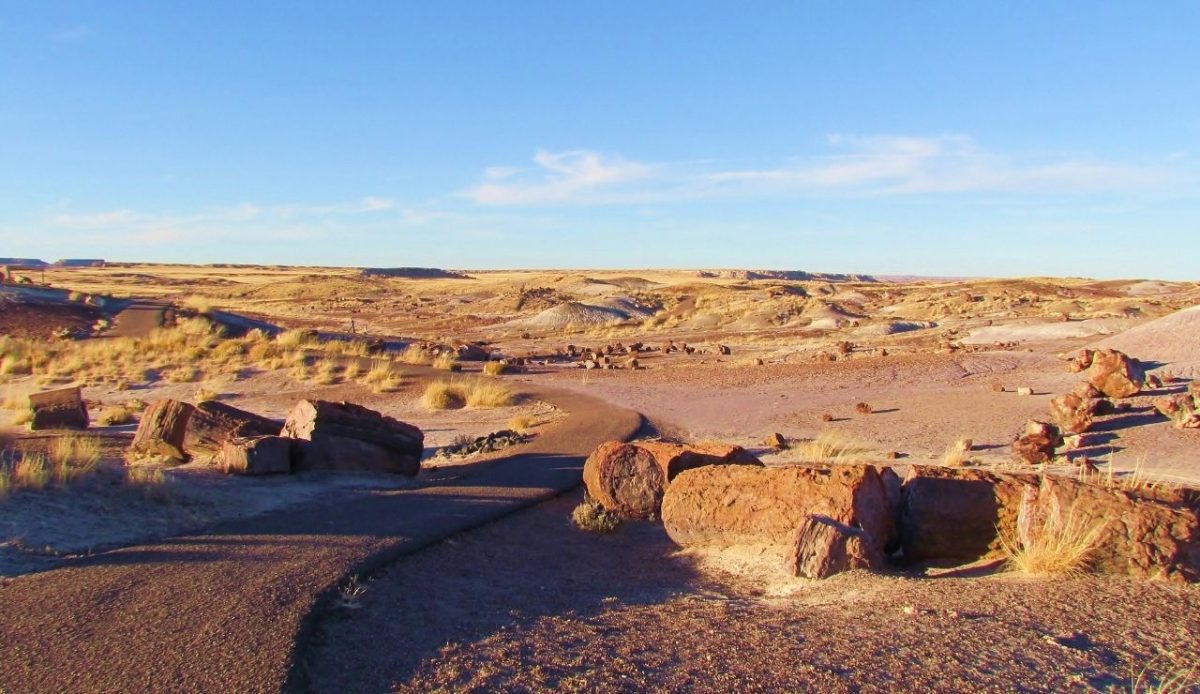
The park stretches along a long corridor with two distant entrances connected by a main park road. Overlooks and trailheads are spread across the desert land with little shade. The route is designed for driving between stops.
No scheduled buses reach Petrified Forest, and none run inside. Nearby towns do not provide frequent connections. Walking between sites would require miles in open sun, and commercial outings are not a consistent substitute for multi-stop movement.
If a car is not available, visitors may reach only one area and miss much of the park road experience. Water and services are limited, so gaps matter. A normal itinerary depends on driving to access the major viewpoints and trails.
7. Big Thicket National Preserve, Texas
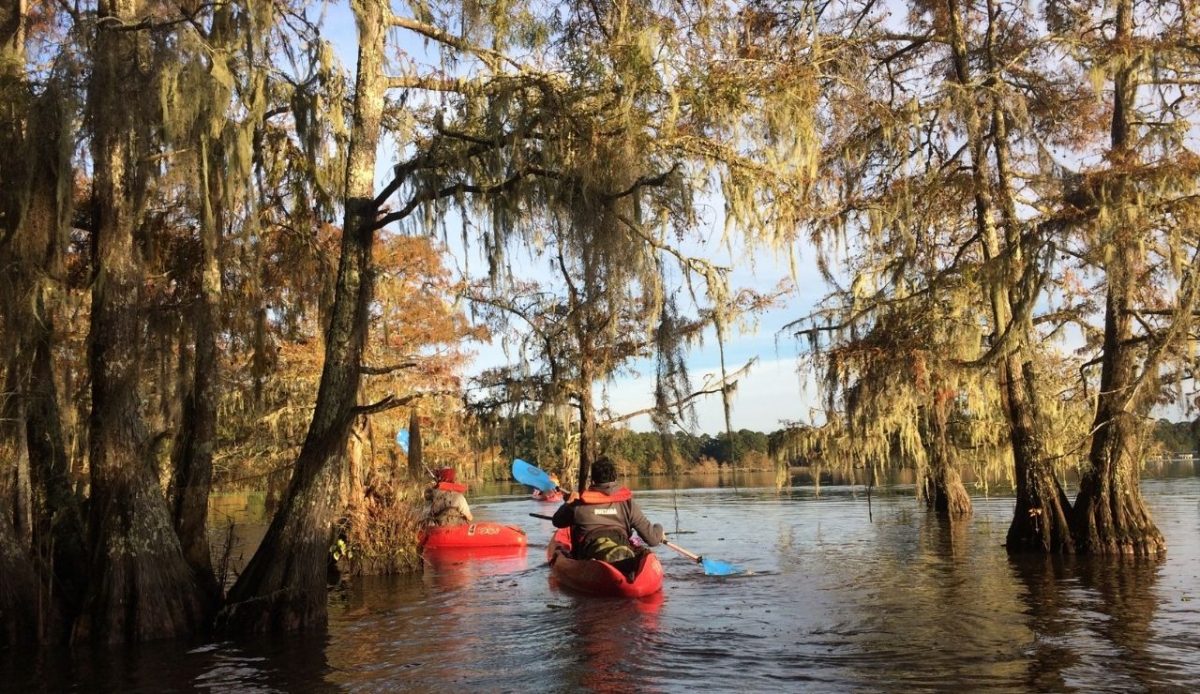
Big Thicket is a patchwork of separate units spread across southeast Texas. Trailheads, river launches, and visitor services sit on different roads and are not linked by pedestrian networks. Many access points are in low-density areas.
No fixed route transit serves the preserve, and no shuttle moves people between units. Rideshare can fail outside towns, and some roads have limited signage. A car is a dependable way to reach and switch locations.
Without a vehicle, visitors are confined to one unit near where they are staying and cannot sample the preserve’s variety. Reaching water access points becomes difficult. For most trips, driving is required to make multiple units feasible.
8. Lānaʻi, Hawaiʻi
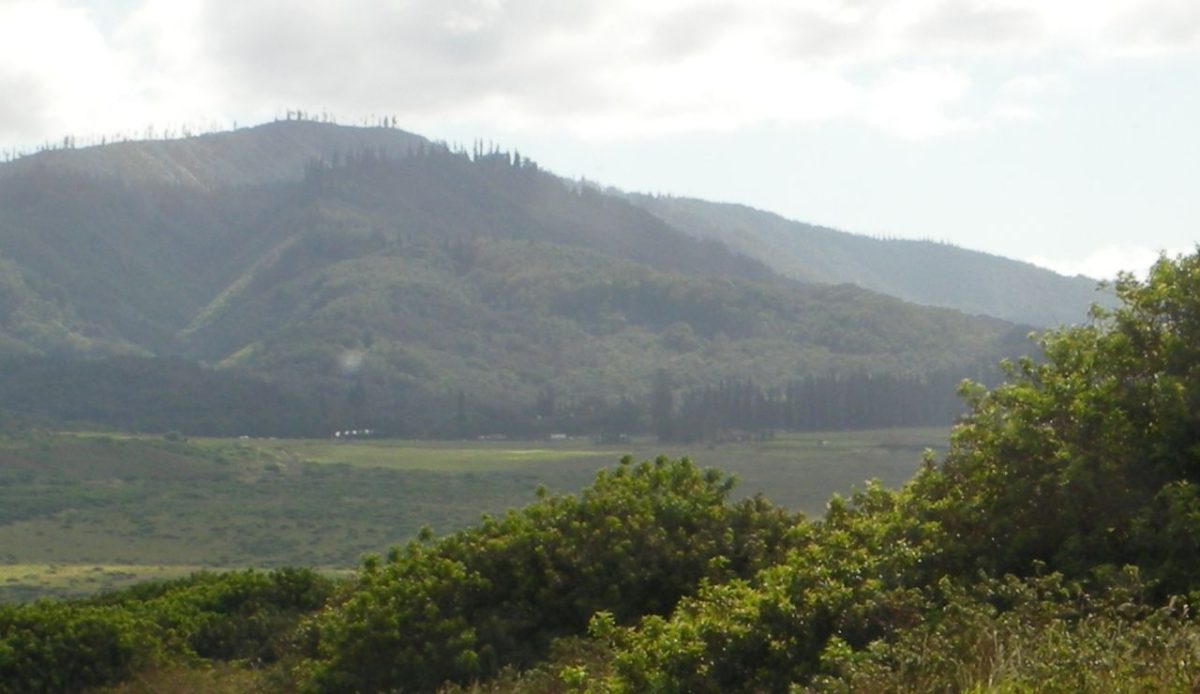
Lānaʻi has a small road network connecting Lānaʻi City with beaches and inland sites. Distances are short on a map but long on foot due to heat, grades, and limited sidewalks. Many attractions sit outside the town core.
There is no island-wide bus service, and options are limited to rentals, private shuttles, or taxis. Availability can be thin, and prices can be high, which reduces spontaneity. Rideshare coverage is not comparable to larger islands.
Without personal transport, many visitors remain near lodging or the town center and cannot reach remote beaches or trail access points. Day planning becomes restricted by paid rides. A typical itinerary relies on self-driving for basic mobility.
9. Sanibel Island, Florida
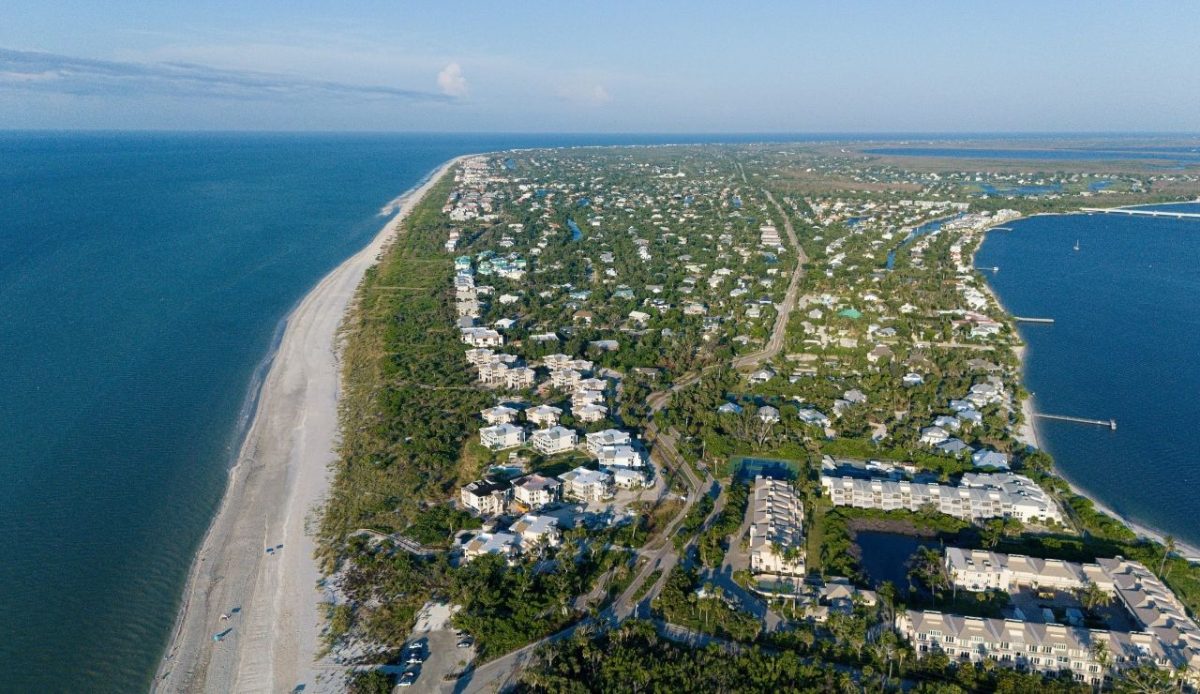
Sanibel stretches along several miles of roadway with beaches, shops, and wildlife areas spread out. The causeway brings drivers in, but movement within the island still involves distances that are hard to cover on foot. Heat and storms can limit long walks.
Sanibel does not operate an island-wide bus network that connects major destinations on a frequent schedule. Biking helps in some corridors, yet gaps remain for many lodging areas and beach accesses. Taxis and app rides are limited compared with cities.
Visitors without a car often cannot combine nature areas, dining, and lodging in one day without long travel times. Plans become vulnerable to weather and fatigue. Many trips end up requiring a vehicle for basic movement.
