
The Netherlands charms travelers with peaceful canals, lively neighborhoods, and a strong cycling culture. Still, many visitors run into avoidable problems because rules and habits here differ from other countries. Bike traffic moves fast, museum tickets disappear early, and public behavior guidelines feel stricter than many expect. A little local awareness goes a long way. Knowing common mistakes in advance saves time, prevents awkward moments, and helps trips feel smoother from the moment you land at Schiphol to your final stroll along the water in a quiet Dutch town.
1. Walking in Bike Lanes
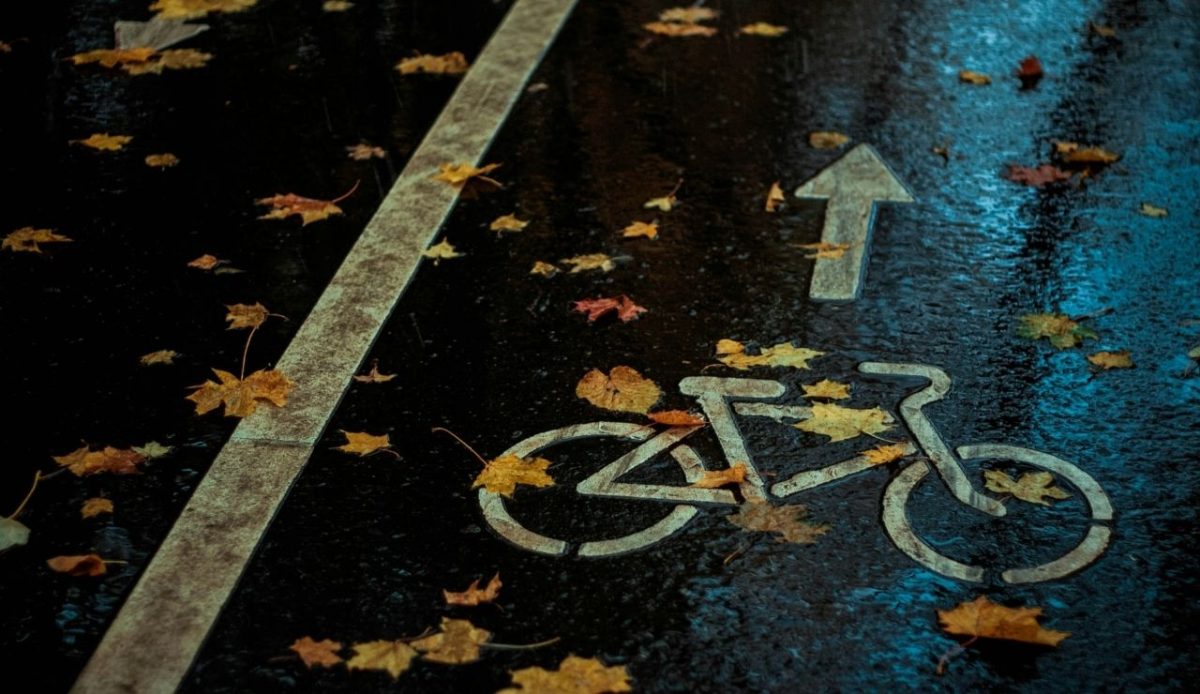
In Dutch cities, bikes rule the road, and lanes built for cyclists often sit right beside sidewalks. Travelers who drift into these paths without looking cause near crashes, and locals react quickly with bells or short warnings. Cycle lanes may be red or have bike symbols painted, yet jet-lagged visitors miss them while searching for photo spots or shop signs. The simplest approach is to pause before stepping off a walkway and check whether people on bikes are approaching fast. Following pedestrian traffic also helps until someone feels comfortable reading the street layout. Staying aware keeps everyone safe, especially during busy hours when commuters rely on bikes to get across town on time.
2. Smoking Cannabis in Public

Many tourists think cannabis can be used anywhere. In reality, local rules limit where smoking is allowed, particularly in central Amsterdam. Police and city staff remind visitors to follow restrictions in crowded nightlife streets and residential pockets. Enjoying legal products inside licensed cafés or private lodging keeps plans smooth and avoids complaints from neighbors. New visitors also underestimate strength and choose too much too fast, turning a fun evening into a stressful one. Starting slow and staying within regulated places is the easiest way to enjoy the experience without problems.
3. Forgetting to Tap Transit Cards
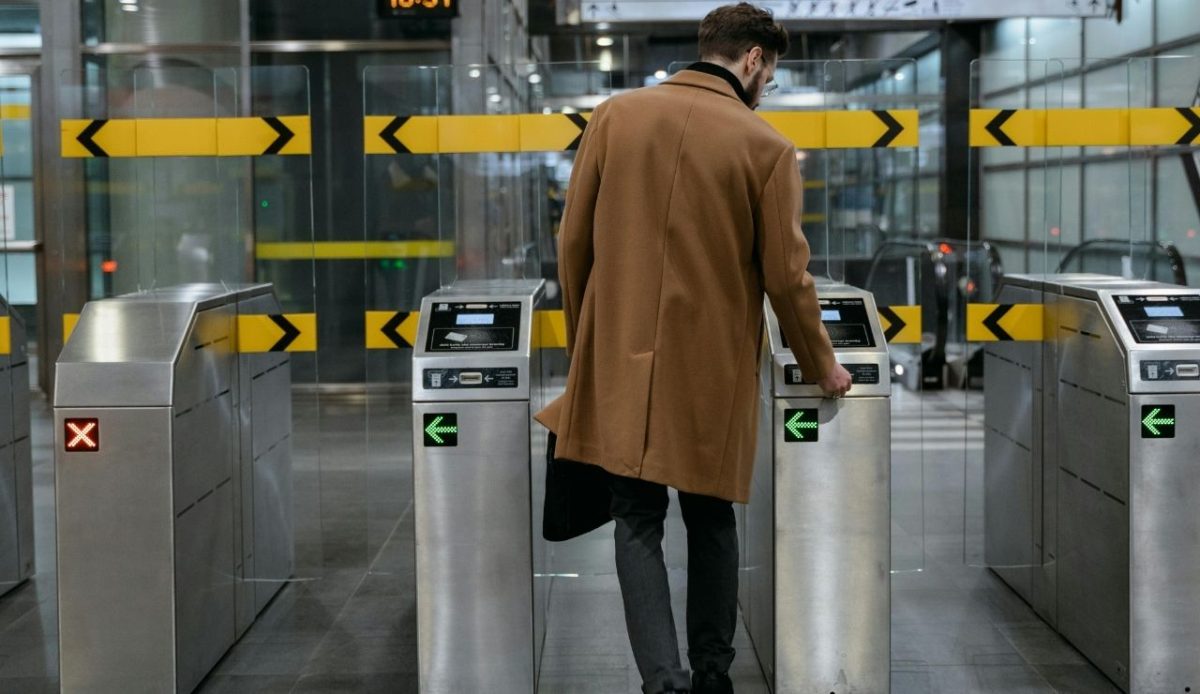
Metro stations, trains, trams, and buses require riders to tap cards when entering and leaving. Travelers often tap only once, then face automatic maximum fares that drain credit quickly. Contact points sit near doors on trams and buses, and by station gates on trains. Keeping the card in a jacket pocket or phone wallet helps during quick transfers. If someone switches lines, they may need to tap again, and forgetting the exit tap costs more. Understanding this system early prevents frustration and makes travel through Rotterdam, Amsterdam, Utrecht, and smaller towns smooth and efficient.
4. Misunderstanding Tipping

Restaurant staff earn fair wages here, so tipping works differently from high-tip countries. A small round-up or a modest addition shows thanks without feeling forced. Many cafés operate on a relaxed model where customers pay at the counter, and dropping spare change is considered kind. Visitors who leave big percentages out of habit often feel confused later when locals barely add anything. Understanding customs keeps budgets steady and avoids awkward moments where staff try to refuse a huge tip out of politeness.
5. Not Booking Major Museums Early
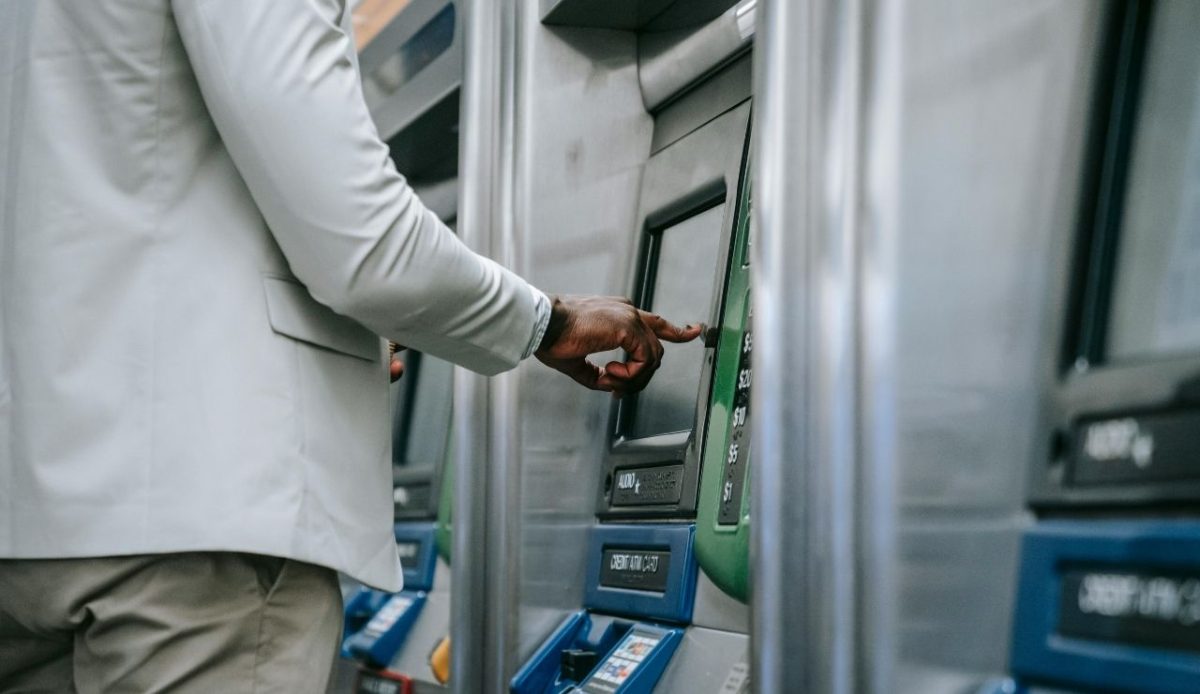
Top museums sell out weeks ahead, especially in spring and summer. Walk-up slots rarely appear, so visitors who plan late end up disappointed. Buying tickets in advance protects time for other sights, like canal cruises or day trips to nearby towns. Early morning entries often feel calmer, while midday becomes crowded with group tours and school trips. Planning also lets travelers fit in smaller museums and historic houses that do not require long waits but offer deeper insight into Dutch daily life and art history.
6. Entering Tulip Fields for Photos

Spring flower fields look tempting, yet stepping between rows harms bulbs and soil. Farmers repeatedly deal with damaged crops, and many now post signs or rope off areas to keep people out. Instead of sneaking into rows, visitors can use official viewing paths or book guided outings that allow respectful pictures. Buying bulbs from certified shops avoids trouble at home customs checkpoints. Supporting proper flower tourism keeps rural areas thriving and protects photographers’ access for future seasons.
7. Photographing Workers in the Red Light District
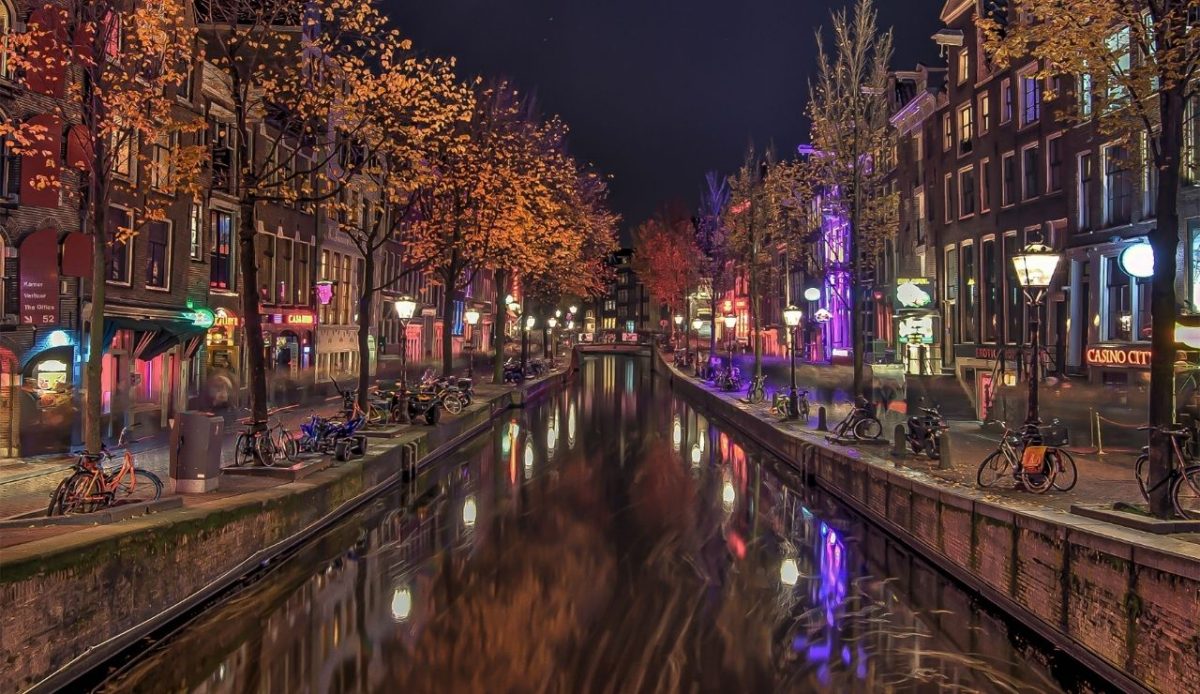
The Red Light District has clear privacy rules. Taking photos of workers is not allowed and is taken seriously. Visitors unfamiliar with these expectations may raise their phone without thinking, which can bring strong reactions. Instead, tourists can enjoy scenic canals, bridges, and night reflections. Plenty of historic buildings and lively street scenes offer great pictures without violating personal boundaries. Respecting these rules supports a safer and more considerate environment for everyone.
8. Ignoring Weather Changes
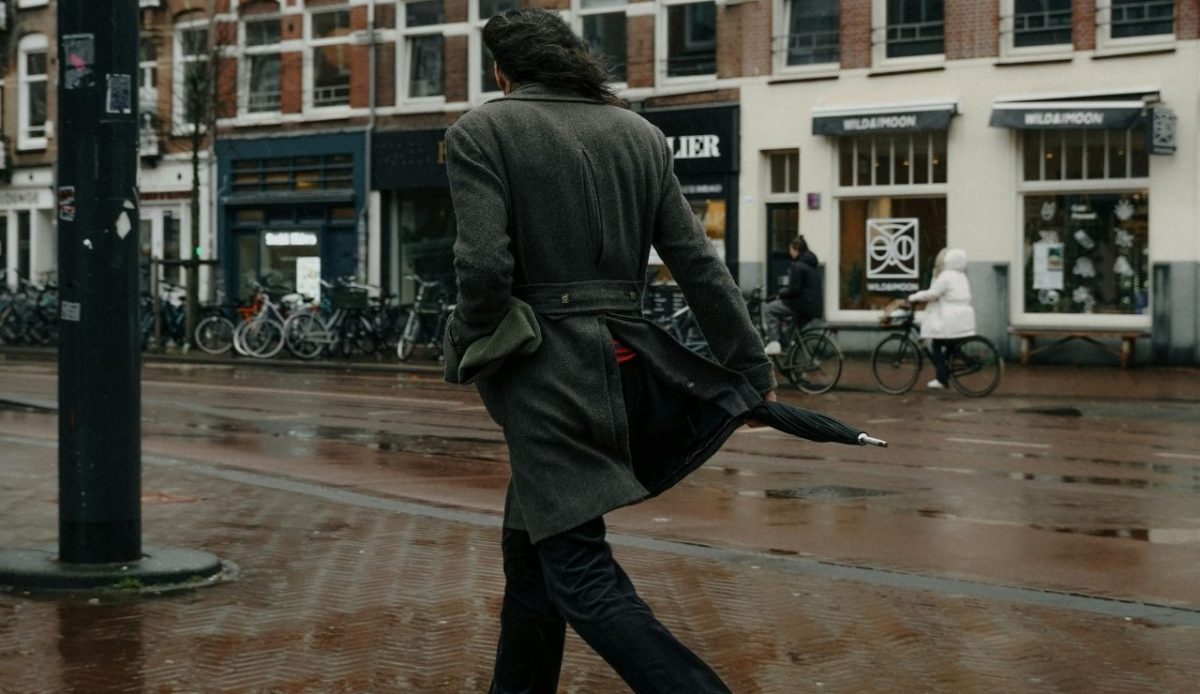
The weather can shift from calm to windy rainy within minutes. Cheap umbrellas flip fast, and heavy gusts surprise travelers walking over bridges or open plazas. A light jacket and comfortable shoes make long days outdoors easier, and checking forecasts each morning helps set expectations. Layering also helps during boat tours or windmill visits, where breezes feel stronger near the water. Being prepared keeps trips enjoyable and avoids cutting outings short.
9. Only Visiting Amsterdam
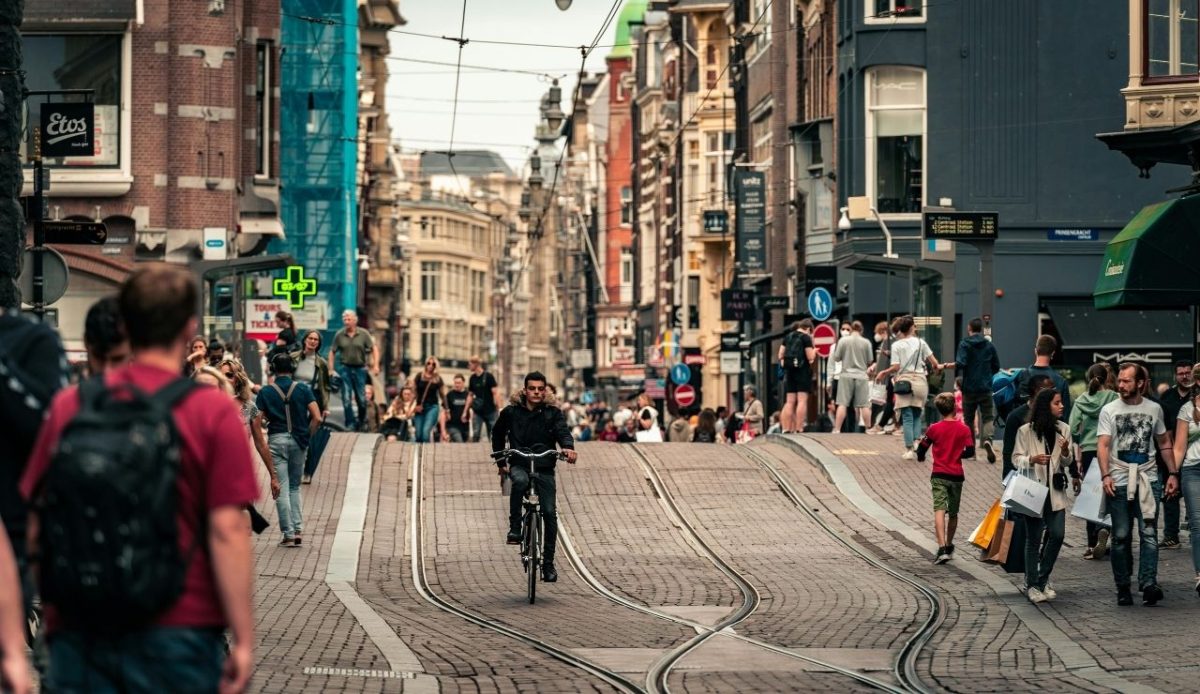
Amsterdam offers canals and major museums, but exploring only the capital leaves travelers missing unique places close by. Utrecht serves quiet waterside cafés, Haarlem gives a calm city feel near seaside dunes, Leiden mixes student life with historic charm, and Rotterdam features bold architecture and lively food halls. Trains make quick trips easy. Spending even one day outside Amsterdam provides a broader variety and a calmer pace, showing daily life beyond the busiest streets.
