
A road trip with your dog can be a rewarding experience when you plan their safety and comfort from the beginning. A smooth journey depends on preparation, consistent routines, and understanding how your dog handles long hours in a moving vehicle. Dogs respond well when their surroundings feel stable and predictable, so the way you set up the car and schedule the drive plays a major role in shaping their behavior. With the right approach, your dog stays more relaxed, and you remain focused on the road without interruptions throughout your trip.
1. Secure Your Dog Properly
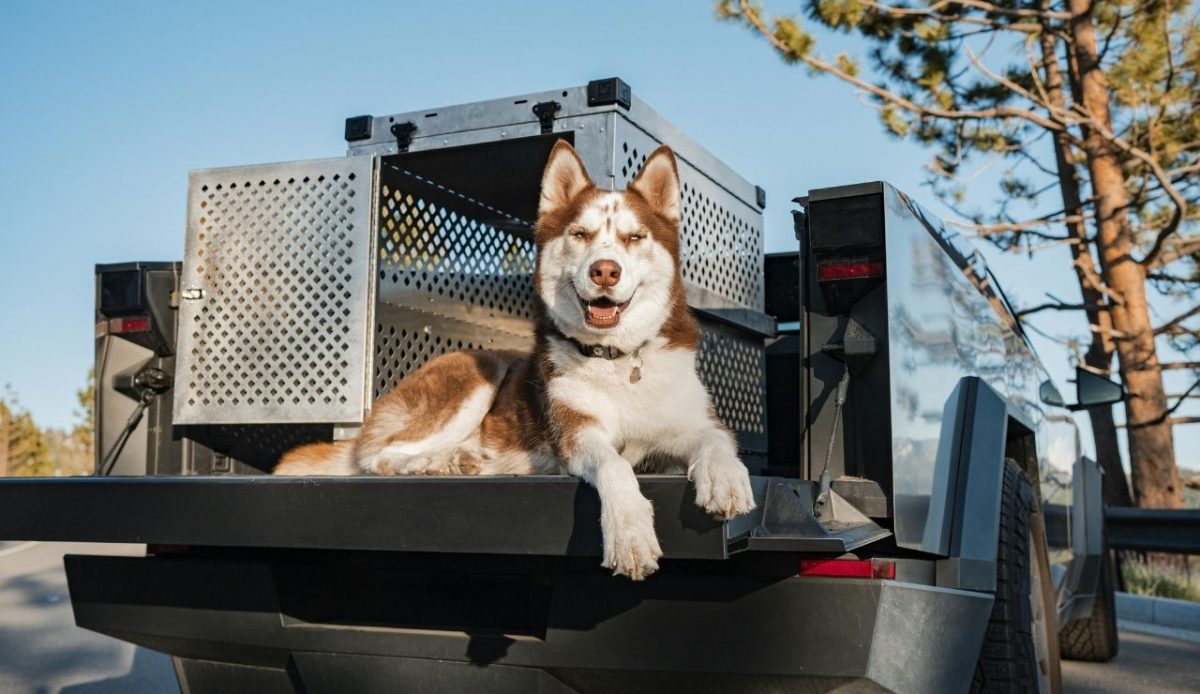
Safety begins with reliable restraint. A crash-tested harness or a well-built crate helps keep your dog steady during sudden stops and prevents roaming that can distract you while driving. Position restraints in the back seat or cargo area to reduce injury risk from front airbags. Test the fit before the trip to ensure your dog can lie down comfortably without too much slack. If you use a crate, anchor it so it does not shift during turns. A secure setup protects your dog and gives you more control over the vehicle because you do not need to manage constant movement or repositioning during the drive.
2. Practice Short Drives Ahead
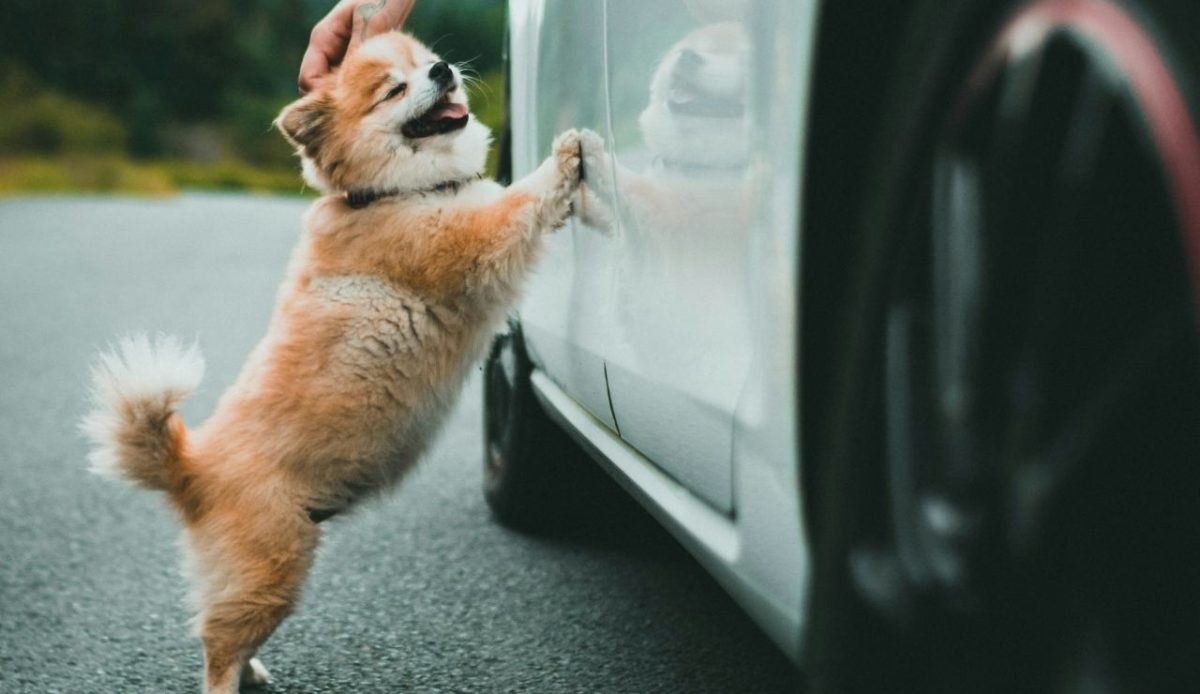
Short trips before a long journey help your dog adapt to motion, new noises, and changes in scenery. Start with brief drives around your neighborhood, then extend the distance once your dog shows signs of comfort. Offer praise when the ride goes smoothly to create positive associations. These practice runs allow you to check how your dog responds to their harness, crate, or seating arrangement. You also get a chance to adjust airflow, temperature, and placement of water bowls or blankets. Consistent preparation builds confidence for both you and your dog and leads to calmer behavior on the main trip.
3. Visit Your Veterinarian Early
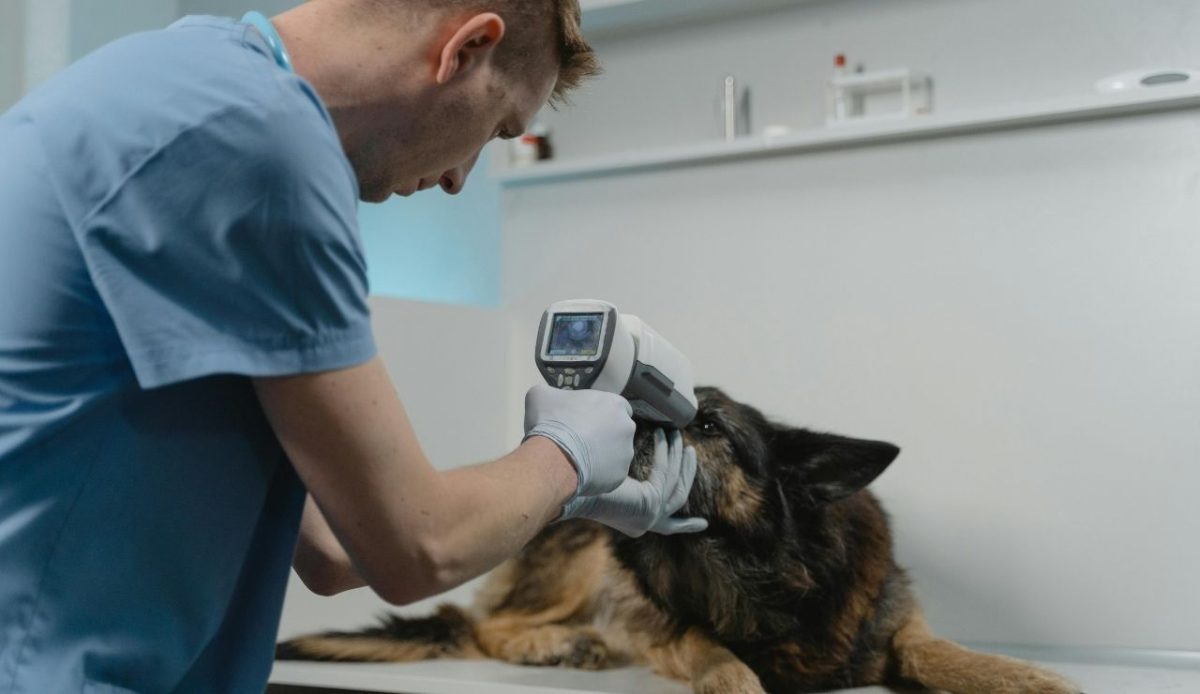
A pre-trip appointment helps confirm that your dog is healthy enough for extended travel. Use this visit to discuss any medical concerns, including allergies, heart conditions, or past stomach issues that long drives may aggravate. Ask about motion sickness support or anxiety solutions if your dog has struggled with travel before. Ensure vaccinations are current if you plan to enter areas with specific requirements. Request updated copies of medical records in case an emergency arises during your trip. This preparation gives you clear guidance on how to manage your dog’s health and reduces uncertainty once you are on the road.
4. Bring a Complete Essentials Kit
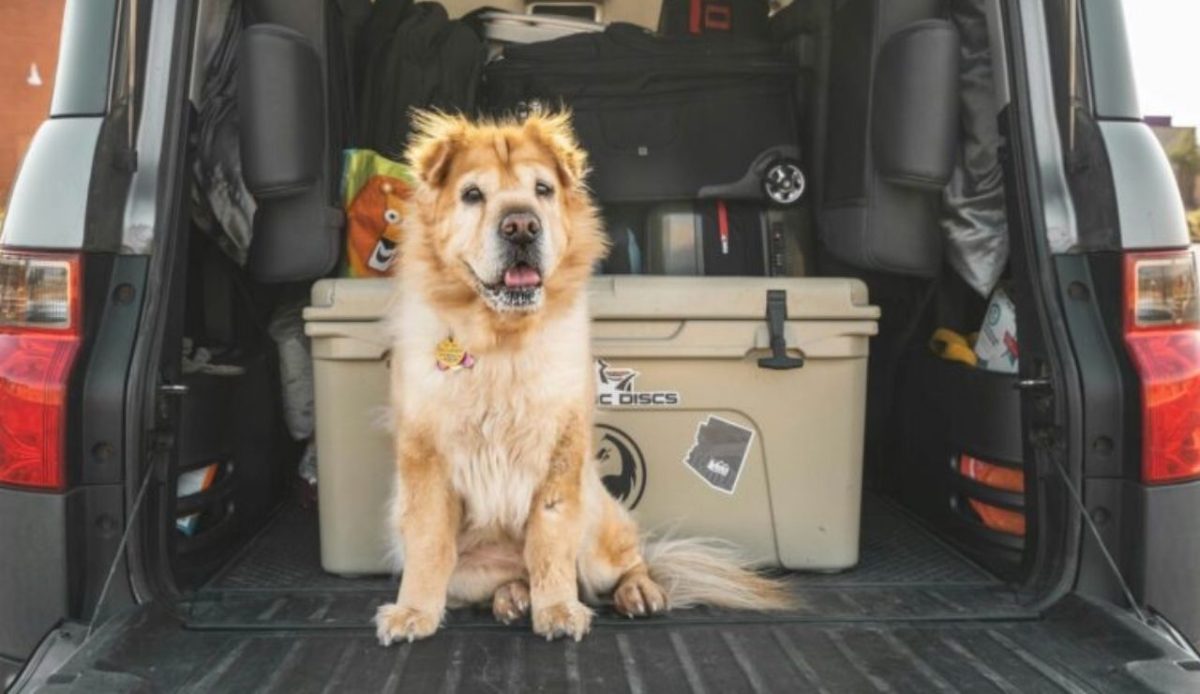
Packing all necessary supplies before leaving saves time and avoids stress once you start driving. Include food for the entire trip, a portable water bowl, waste bags, grooming wipes, and any daily medications. Add a backup leash, collar, and a few familiar toys to support comfort during stops. Keep medical records in a waterproof pouch so they remain intact throughout the journey. Store everything in one easily reachable container to prevent searching through bags at rest stops. A thorough kit ensures your dog’s needs are covered and helps maintain steady momentum during the trip without unnecessary delays.
5. Create a Comfortable Resting Area
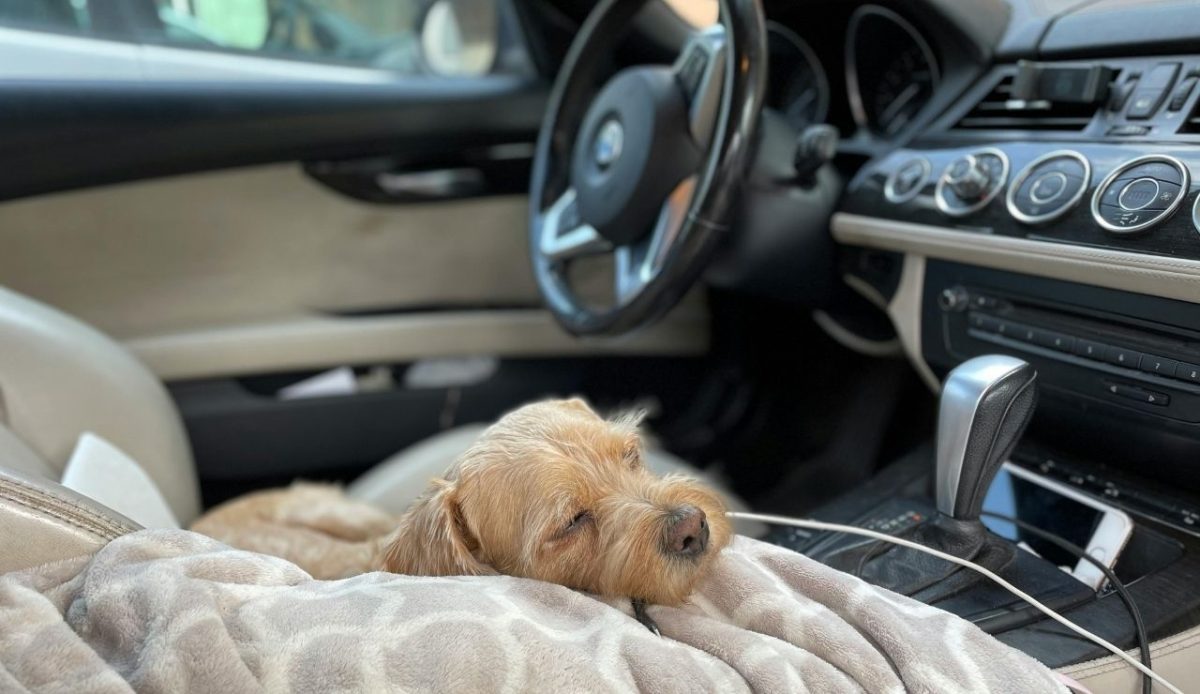
Your dog’s space inside the vehicle should feel steady and predictable. Use a padded mat or a familiar blanket to build a soft surface that minimizes joint pressure during long periods of lying down. Adjust airflow so the space stays cool without drafts. Avoid placing your dog near loose items that might slide during turns. If your dog becomes uneasy in cars, bring a favorite toy or fabric item from home to help reduce tension. A calm resting area supports better sleep during long stretches and keeps your dog relaxed while you stay focused on the drive.
6. Maintain Steady Hydration
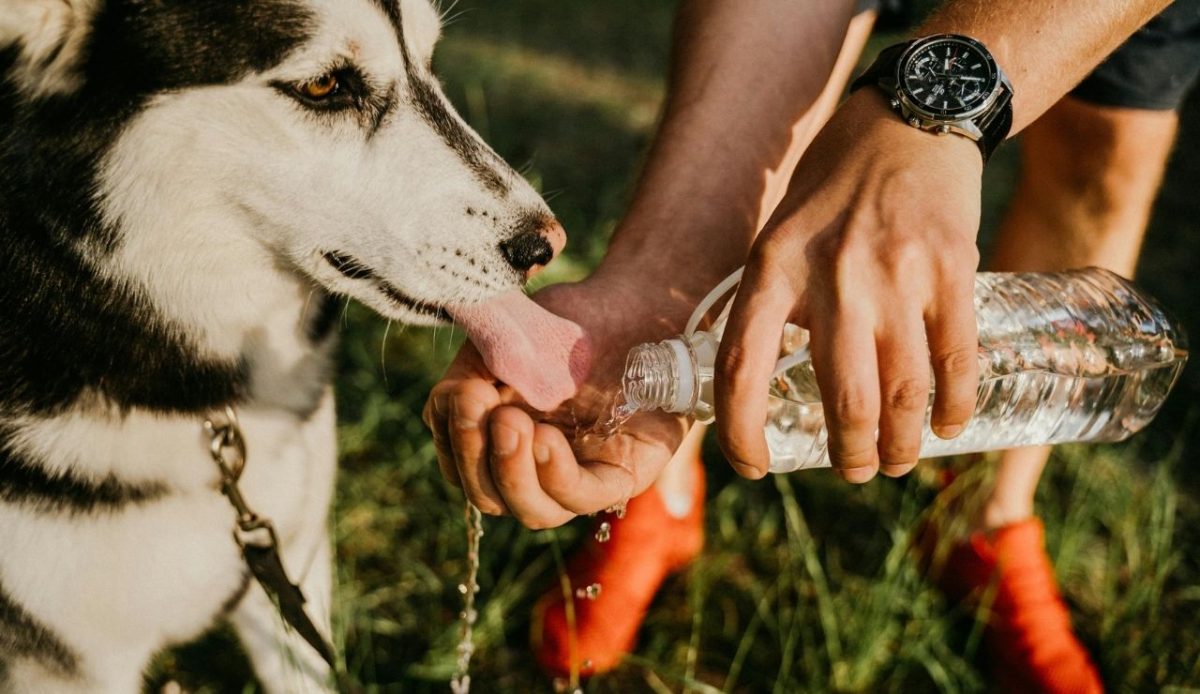
Dogs can become dehydrated quickly during long drives, especially when the vehicle stays warm for extended periods. Keep fresh water available and offer small amounts during every stop. A travel-friendly bottle or collapsible bowl helps you give water without making a mess inside the car. Avoid waiting for signs of thirst because many dogs do not show clear signals until dehydration begins. Bring water from home if your dog has a sensitive stomach or reacts poorly to changes. Consistent hydration supports better energy levels and reduces fatigue that can appear during long road hours.
7. Feed Your Dog at the Right Time
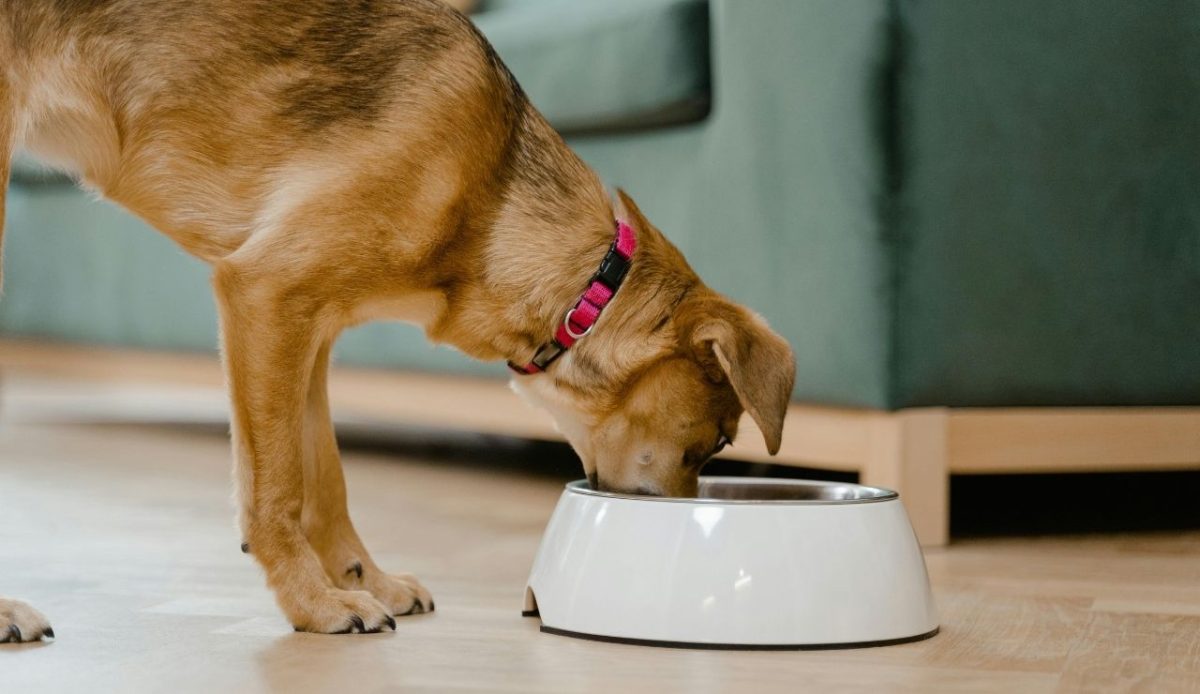
Meal timing plays a major role in avoiding stomach upset on the road. Feed your dog a light meal several hours before departure to reduce discomfort from motion. Avoid feeding during travel because movement can trigger nausea. Keep your dog’s regular food on hand so you do not need to buy unfamiliar brands along the way. Portion meals properly to maintain routine without overfeeding. Bring airtight containers to keep food fresh and free from spills. This approach keeps your dog comfortable and steady throughout the journey without digestive issues that interrupt your schedule.
8. Research Dog-Friendly Stops
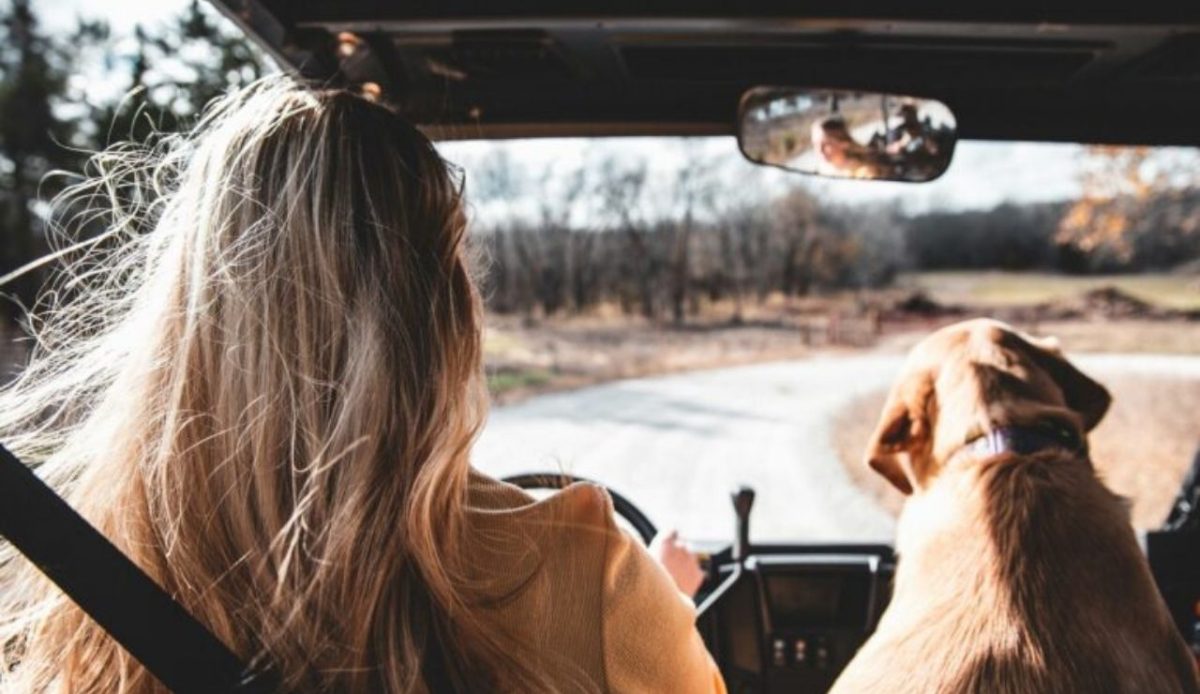
Before your trip begins, take time to research parks, rest areas, beaches, or walking trails along your route that welcome dogs. Many stops have specific rules about leashes or designated areas, so review guidelines in advance to avoid confusion. Use reputable platforms or state tourism websites to confirm accurate information. Mark safe locations where your dog can move freely and explore without hazards like heavy traffic or restricted zones. Planning prevents unnecessary delays and ensures your dog has suitable places to stretch, stay active, and enjoy outdoor time throughout your journey.
9. Watch for Stress Signals
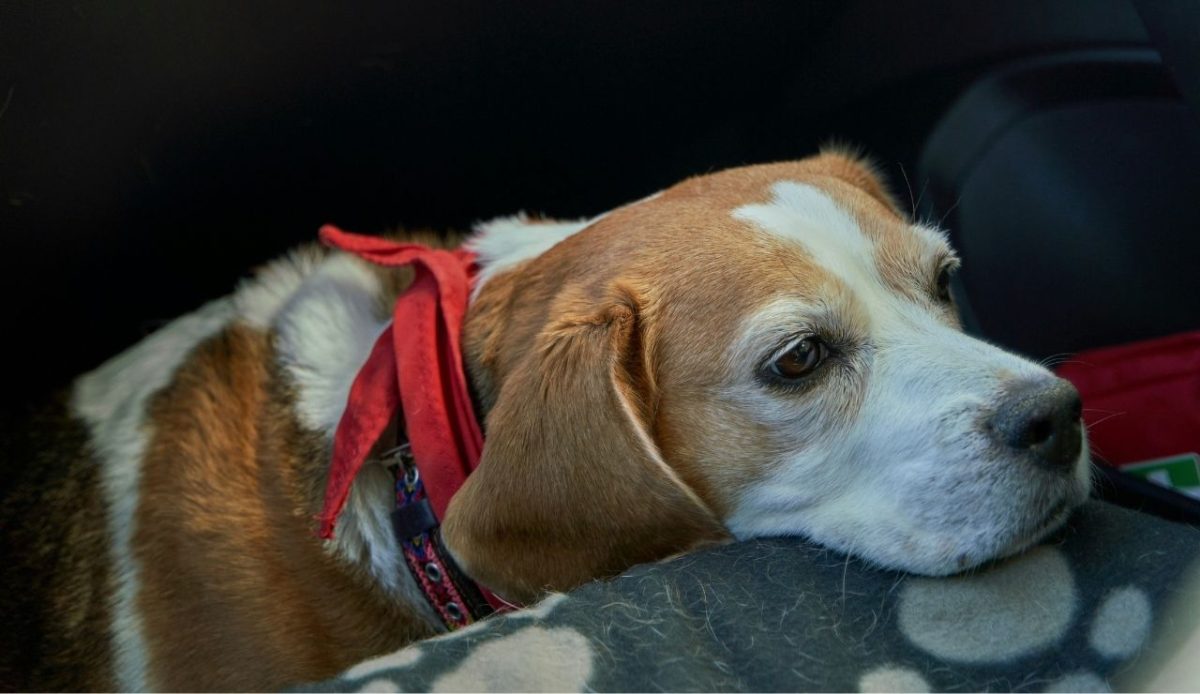
Dogs often display clear signs when they feel uneasy during travel, so pay close attention to changes in behavior. Excessive panting, whining, drooling, or pacing can indicate discomfort. Adjust airflow, offer water, or pause for an extra break if these signs appear. For dogs with a history of anxiety, check with your veterinarian about calming options before the trip. Some dogs avoid lying down when they feel unsure, while others become unusually quiet. Responding early prevents stress from building and helps your dog stay comfortable and secure during long hours inside the vehicle.
