
National parks may feel like wide-open spaces where anything goes, but the rules are strict. Every law protects the land, wildlife, and visitors who pass through. Breaking them can lead to steep fines, damage to fragile ecosystems, or even personal injury. A careless act can destroy habitats that took centuries to form or put someone else in danger. Knowing what’s not allowed helps teens on field trips, families on vacation, and hikers on solo treks keep their adventures safe. These banned actions are reminders that public lands belong to everyone and must stay protected.
1. Feed the Wildlife
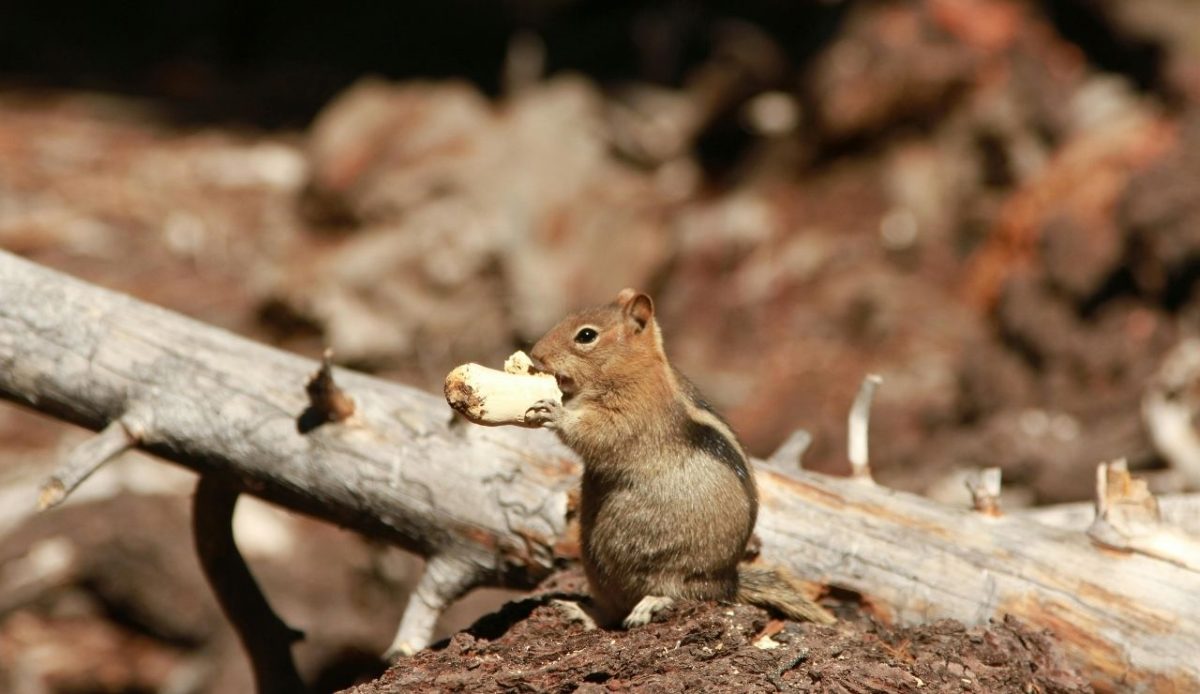
Feeding a chipmunk, a crow, or even a deer may feel like a fun way to connect with nature, but it is strictly against park rules. When animals eat human food, they lose the instincts that allow them to survive on their own. A bear that raids coolers and picnic tables can quickly become a threat, leading rangers to put it down for safety. Even smaller animals grow aggressive once they expect handouts, sometimes biting or spreading disease. Fines are steep, and rangers patrol picnic areas to enforce this rule. Snap pictures, but keep your snacks packed away.
2. Take Rocks, Plants, or Artifacts

Grabbing a colorful rock, plucking a wildflower, or pocketing an arrowhead might feel harmless, but it is considered theft in a national park. Every item left behind is part of the natural and cultural story that belongs to all visitors, not just one person. Removing them erases history and prevents scientists from studying how ecosystems change. When thousands of travelers take “just one,” entire areas can be stripped bare. Rangers constantly remind visitors that parks are not souvenir shops. Leaving everything as it is ensures that the beauty and history remain untouched for the next visitor.
3. Hunt or Trap Animals
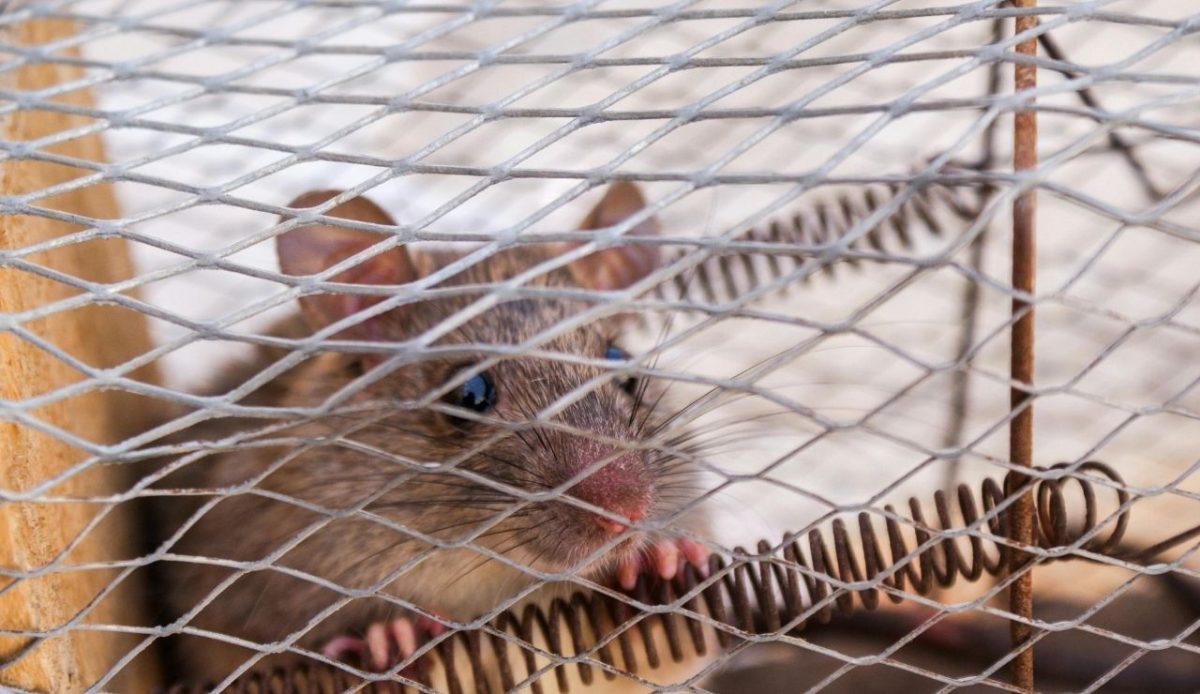
Hunting may be common on public lands outside park borders, but inside national parks, it is almost always forbidden. These areas are designed as safe spaces for wildlife, where species can live free from human pressure. Shooting or trapping animals disturbs the balance, reduces populations, and ruins the experience for visitors who come to see nature alive. Carrying weapons for hunting inside a park can result in heavy fines and legal charges. While regulated hunting is allowed in some national preserves, national parks protect animals as part of the living landscape for everyone to enjoy.
4. Fly Drones Over Park Land
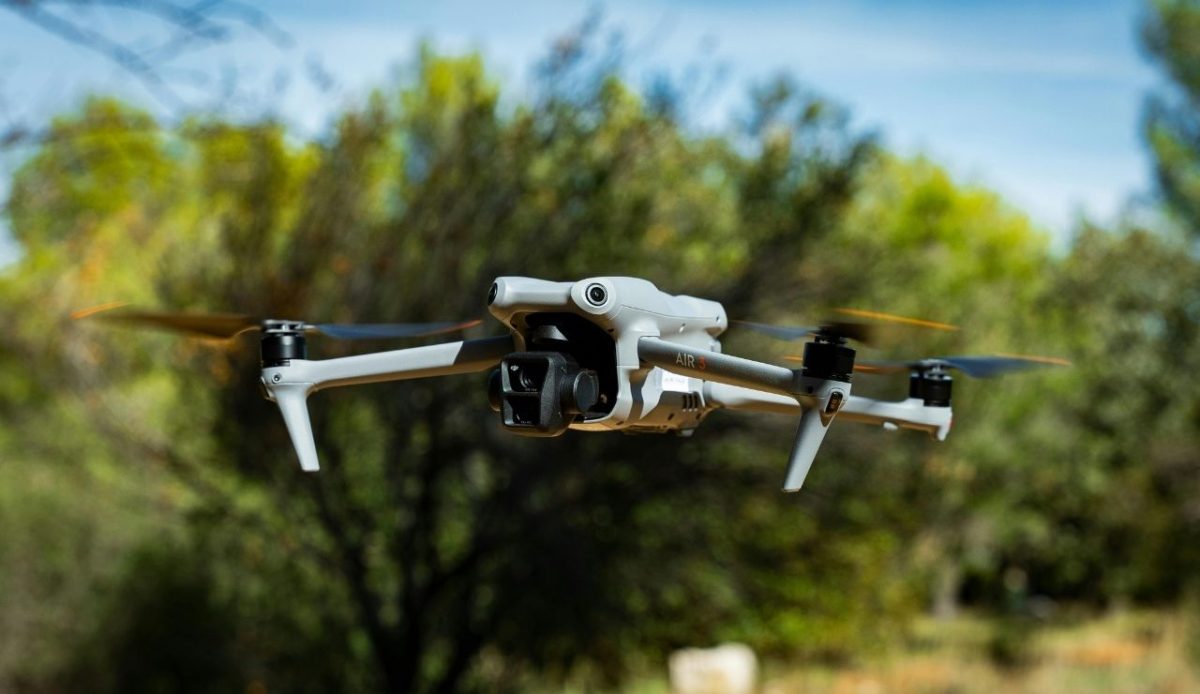
Launching a drone above a canyon or waterfall may sound like the best way to capture the scenery, but it is banned in nearly every national park. The buzz of drones disturbs wildlife, disrupts nesting birds, and shatters the quiet that visitors expect. Animals may flee their habitats, while hikers complain about privacy when cameras hover overhead. The National Park Service enforces this rule with fines and even confiscation of equipment. Visitors are encouraged to use cameras, phones, or tripods instead. Quiet skies keep the focus on the natural sights and sounds that make these places unforgettable.
5. Bring Pets on Trails Without Leashes
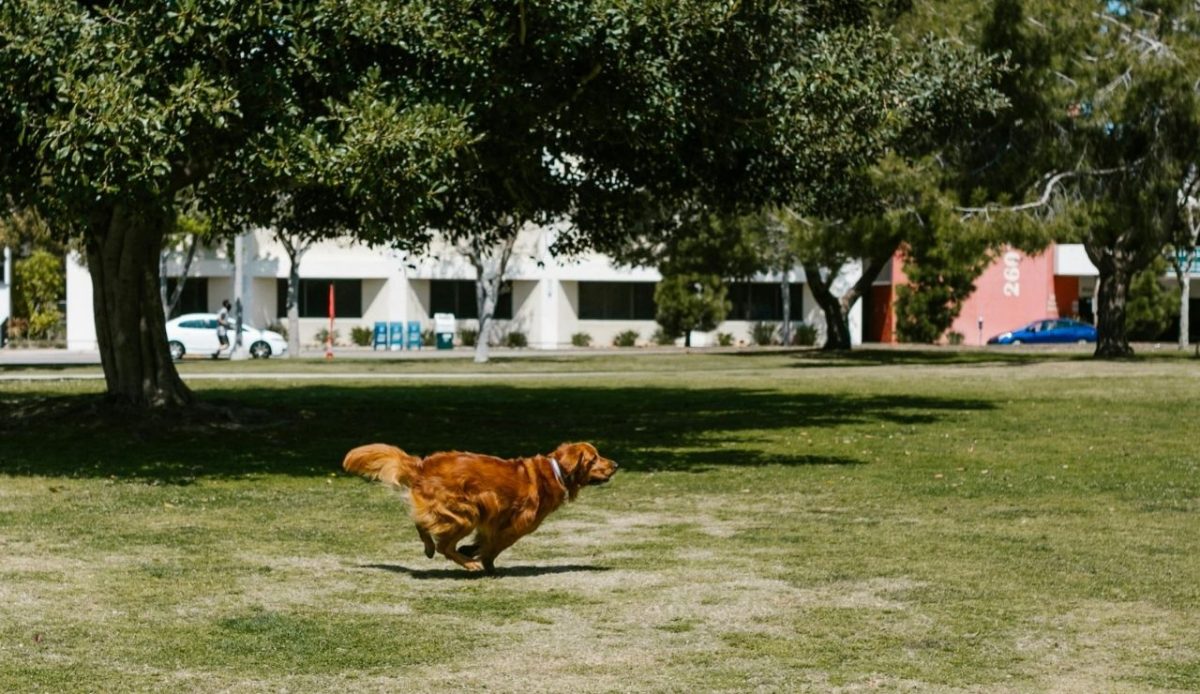
Dogs are welcome in many areas of parks, but strict leash laws exist for a reason. An unleashed pet can chase deer, disturb nesting birds, or trample fragile plants along narrow paths. Small dogs may also become targets for coyotes or larger predators. Loud barking carries across canyons and ruins the sense of peace for other visitors. Rangers may fine owners or remove them from trails if pets are left to roam freely. Designated pet-friendly routes and campgrounds exist, so those who plan can still enjoy the outdoors without breaking the rules or putting animals at risk.
6. Camp Outside Designated Areas
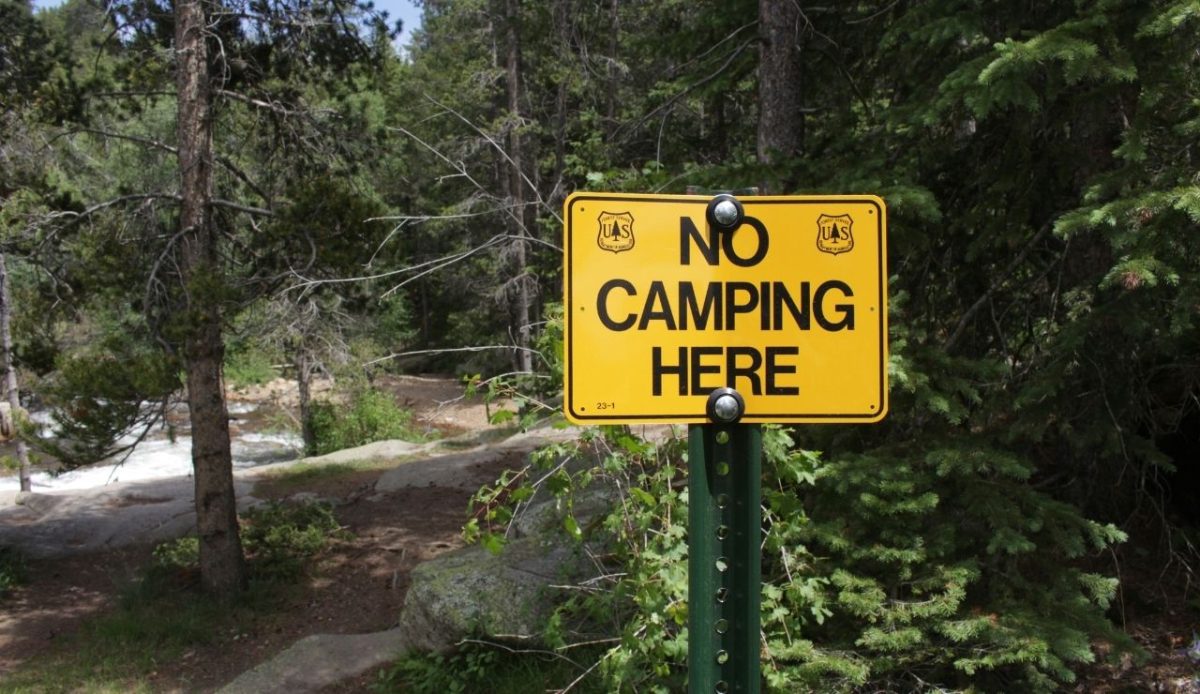
Pitching a tent wherever you find a flat spot may sound adventurous, but it is illegal in most national parks. Backcountry zones and front-country campgrounds are clearly marked to limit human impact to designated areas. Camping in random meadows or riverbanks can crush plants, pollute waterways, and disturb wildlife nesting sites. Fires built in unauthorized areas often spread quickly, especially in dry seasons, leading to devastating forest damage. Rangers monitor campsites closely and issue fines for violations. Following park maps and reserving approved spots helps protect fragile environments and keeps camping enjoyable for everyone.
7. Carve or Write on Natural Surfaces
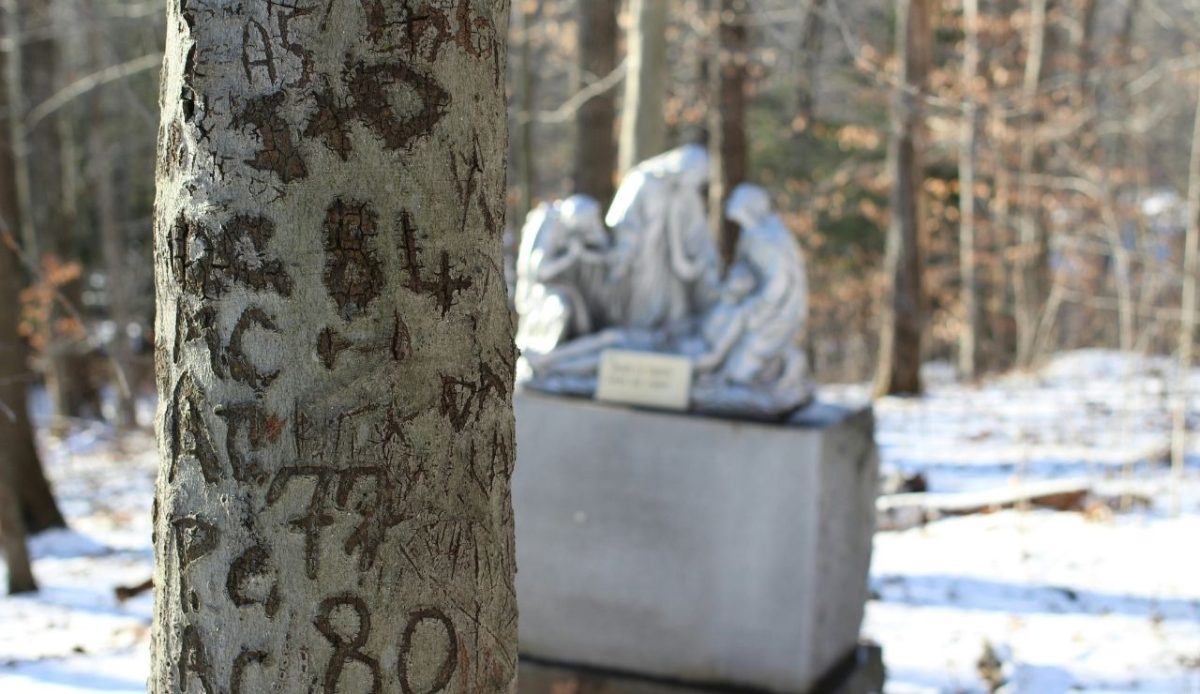
Scratching your name into a tree trunk, carving initials on rocks, or spray-painting canyon walls is treated as vandalism, not art. What may seem like a small mark destroys the natural scene and encourages others to do the same. Some carvings stay for decades, marring landscapes that millions of people come to see untouched. Removing graffiti is costly and often damages the surface even more. Rangers take these offenses seriously, with fines and even criminal charges possible. Photos and memories are the best way to leave your mark, not words or initials etched into irreplaceable nature.
8. Stray Off Posted Trails

Cutting across meadows or climbing over fences may look like shortcuts, but it is against park rules for good reason. Trails are designed to handle foot traffic while protecting fragile soil and plants that cannot recover from constant trampling. Going off-path can also lead to erosion, which scars hillsides and changes waterways. In areas with geysers, cliffs, or unstable ground, stepping off a marked route can be deadly. Rangers often remind visitors that straying from trails doesn’t just harm nature, it risks personal safety. Staying on paths ensures both the land and visitors remain protected.
9. Use Fireworks or Explosives

Lighting sparklers on the Fourth of July or setting off fireworks to celebrate a trip may sound fun, but it is completely illegal in national parks. Fireworks spark wildfires that spread quickly through dry brush, destroying thousands of acres in minutes. Loud explosions also terrify wildlife and ruin the peace for other visitors. Rangers respond swiftly to reports of fireworks and impose heavy penalties. The only safe option is to attend a local show outside the park borders. National parks were created for quiet stargazing and campfires, not flashing skies filled with smoke and danger.
