
Recreational vehicle travel has changed in surprising ways. Decades ago, it was common for families to park overnight in rest areas, dump wastewater in fields, or let children nap without seatbelts while driving. At the time, these habits felt harmless, but growing crowds, safety concerns, and environmental damage pushed officials to enforce new rules. Adults may look back and remember the freedom of those days, while teens may find it difficult to imagine. Here are the things that once seemed ordinary but are no longer legal on the road.
1. Staying Overnight in Store Parking Lots
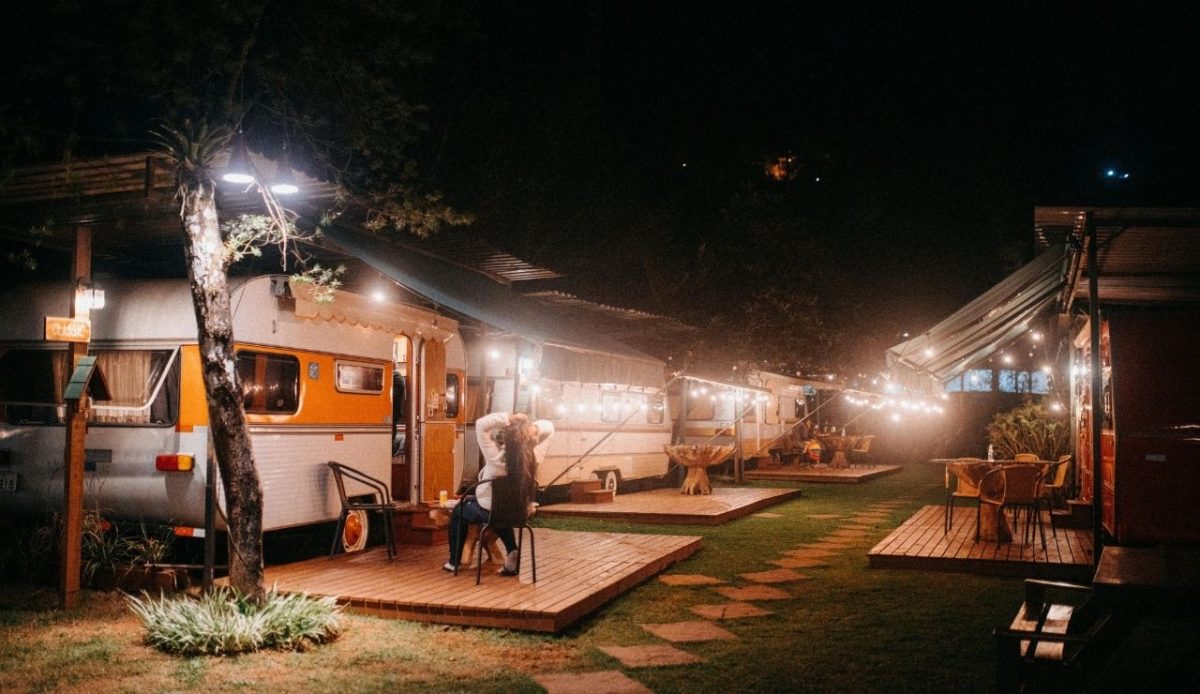
Retail stores such as Walmart once welcomed RV travelers for a safe overnight stop. Families arrived late, bought a few items, and left early without fuss. Crowds and complaints from local campgrounds and businesses led many cities to ban the practice. Today, signs warn against it, and security often enforces the rule. Some stores still allow short stays if permission is asked, but many do not. What was once routine is now risky. Planning ahead and booking campgrounds or approved lots has replaced the casual habit of simply pulling in for the night.
2. Pulling Over on Highway Shoulders
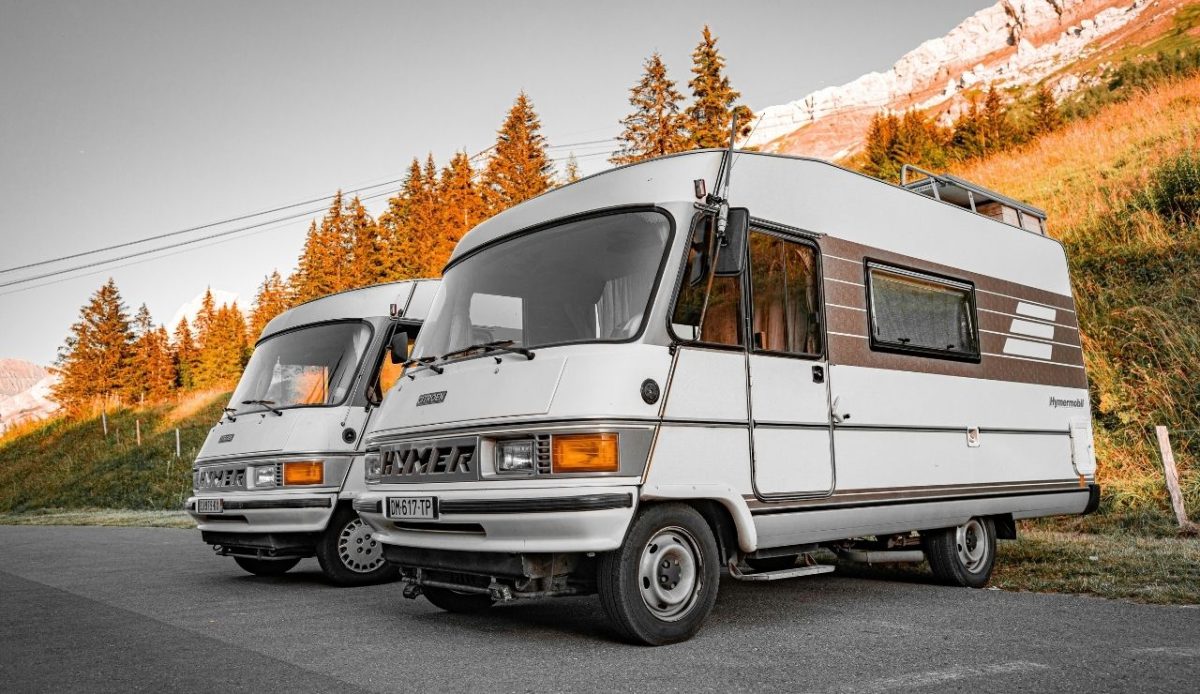
Years ago, tired drivers often pulled onto the shoulders for naps, meals, or to check maps. At the time, it seemed harmless, but it created major safety risks for fast-moving traffic. Today, nearly every state restricts the use of the shoulder to emergencies or breakdowns. Officers fine drivers who stop for convenience instead of real need. Adults recall when it felt normal, but those days ended as highways grew busier. Rest areas, travel centers, and truck stops now fill the role shoulders once played. What was once casual freedom is now unsafe and illegal along America’s busiest routes.
3. Lighting Fires Outside Safe Zones
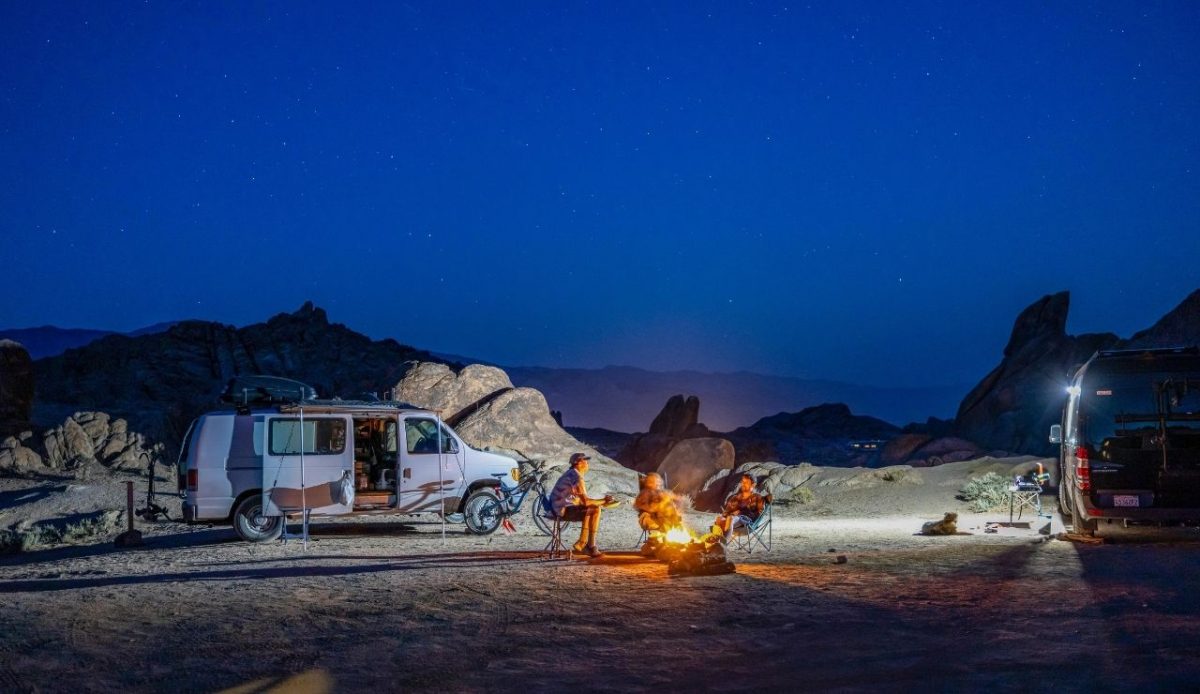
Campfires once burned along rivers, open fields, and roadside stops wherever space allowed. The tradition felt harmless, yet wildfires in dry seasons changed the rules. Today, fires are limited to approved pits or grills, and bans appear quickly when conditions are risky. Rangers check campsites and fine those who ignore posted signs. Adults may remember fires by the water, but strict limits now protect forests and communities. Portable stoves, propane grills, and clean fire rings give travelers safe choices. The freedom to light fires anywhere is gone, replaced with rules built to prevent disasters.
4. Dumping RV Waste in the Wrong Places
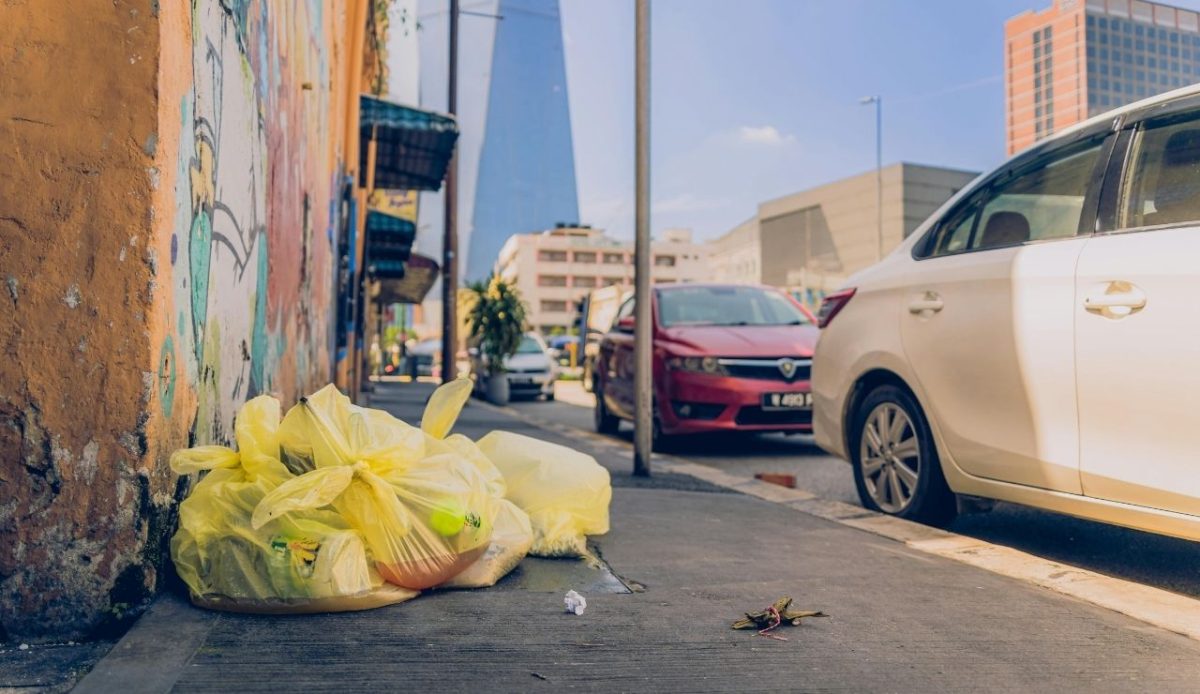
In the past, some travelers drained gray water in fields or ditches and dumped black tanks far from stations. At the time, many believed it caused no harm. Today, both are banned, since waste pollutes soil, water, and wildlife areas. Rangers quickly spot violations, and fines can be steep. Certified dump stations with proper hoses are now the only legal option. Apps and maps show locations along major routes, making it easy to plan ahead. What once seemed like a shortcut is now treated as a real hazard, with clear rules to keep public lands clean.
5. Camping Too Long in Free Sites
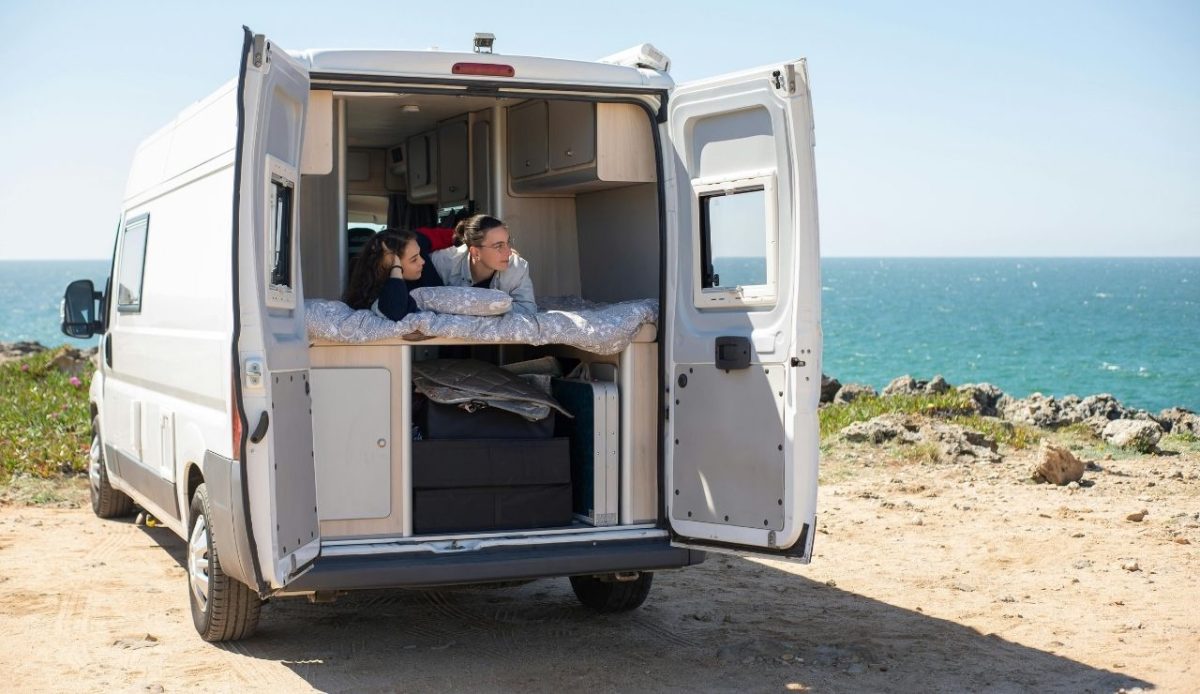
Free public sites once allowed extended stays, with some campers settling in for weeks or months. As crowds grew, damage and overuse forced new limits. Today, most national forests and Bureau of Land Management lands enforce fourteen-day stay rules. Rangers check plates, record visits, and move on those who remain too long. The rule spreads use more fairly and protects fragile soil. Adults recall longer stays, but modern visitors must rotate sites. While it feels restrictive, the limit helps preserve access. Without it, many free camping areas would close altogether under pressure from heavy use.
6. Parking in National Parks Without Permits
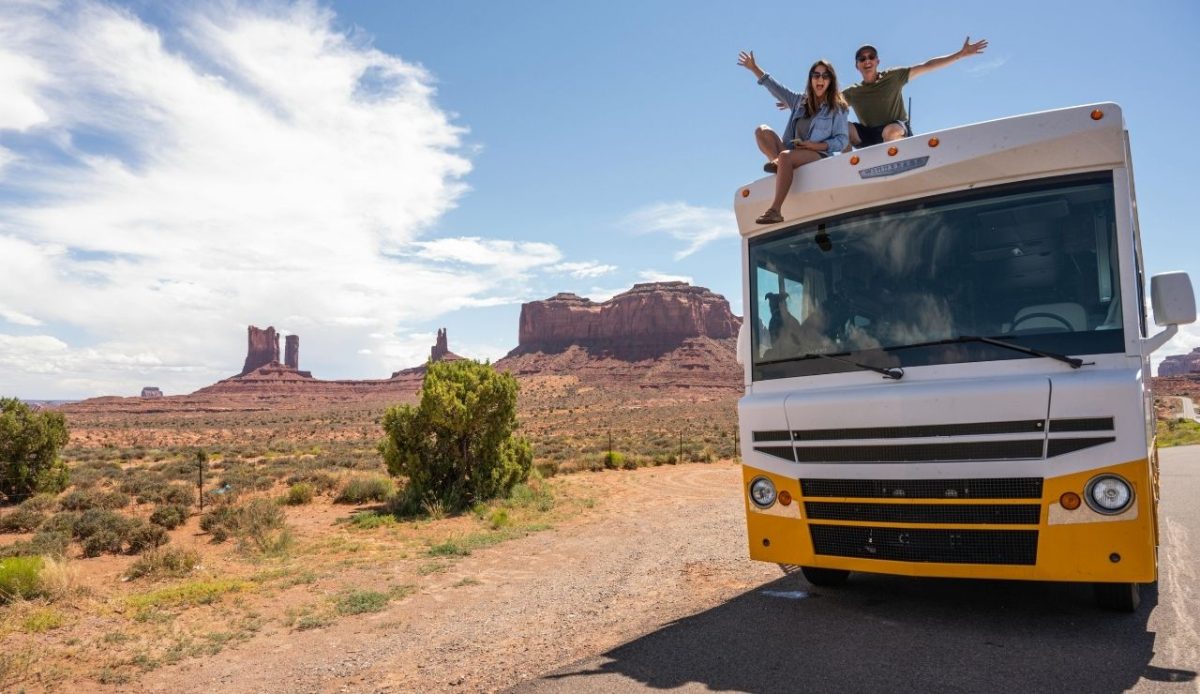
Travelers once pulled into national park lots or scenic areas and stayed without paying. It was seen as part of the adventure and rarely checked. Today, parks require permits and visible proof of payment, with rangers enforcing rules. Tickets are issued to those who skip the process. Crowds and rising visitor numbers made this change necessary to keep areas fair. Adults may recall easier times, but permits now protect a limited space for all. Parking anywhere may once have felt normal, but in modern parks, a reserved site tag is as important as fuel in the tank.
7. Drinking Alcohol in Public Campgrounds
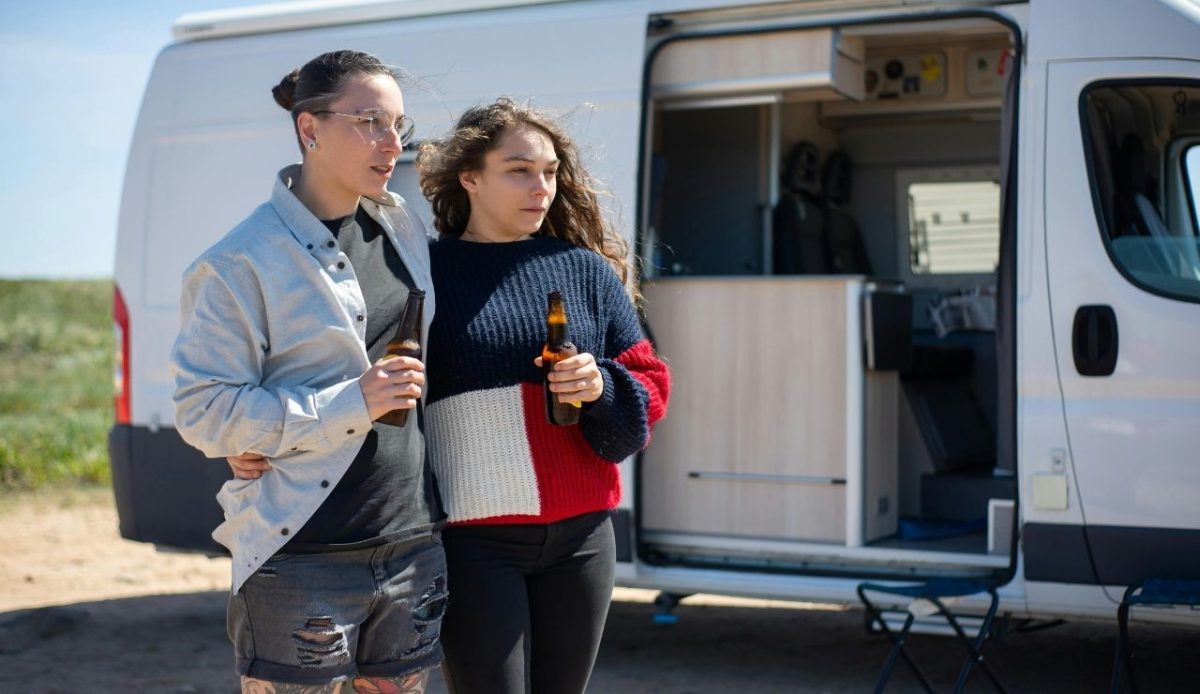
Open drinks once felt common in public campgrounds, with families gathering by fires and sharing without limits. Over time, accidents and disturbances led to new restrictions. Today, many state and federal campgrounds ban open alcohol or limit it to certain areas. Rangers patrol, and tickets follow those who break the rules. Private parks often still allow it, but public lands enforce tighter standards. Adults remember relaxed nights, but families now appreciate safer settings. Enjoying a drink is still possible, yet in many U.S. parks it must wait until the RV door is closed and the rules are respected.
8. Carrying Cannabis While Driving
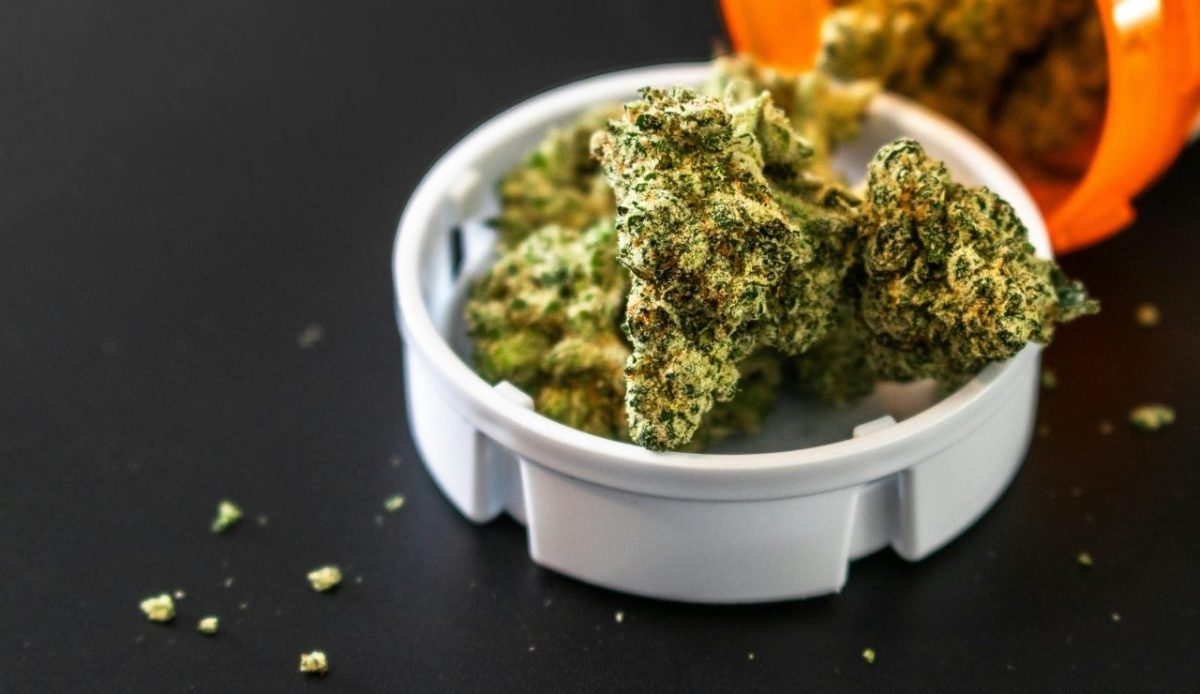
Changing state laws confused many travelers, who thought what was legal at home stayed legal on the road. Crossing state lines or driving through federal land with cannabis is still illegal. Patrols enforce rules with fines or arrests, and possession can create big problems. Adults may recall times when enforcement was rare, but today, penalties are clearer. Teens may find the patchwork of laws confusing, but the safest choice is easy: never carry cannabis in motion. Legal stops exist, but only in certain places. On the road, the rules are strict and always enforced.
9. Flying Drones in National Parks
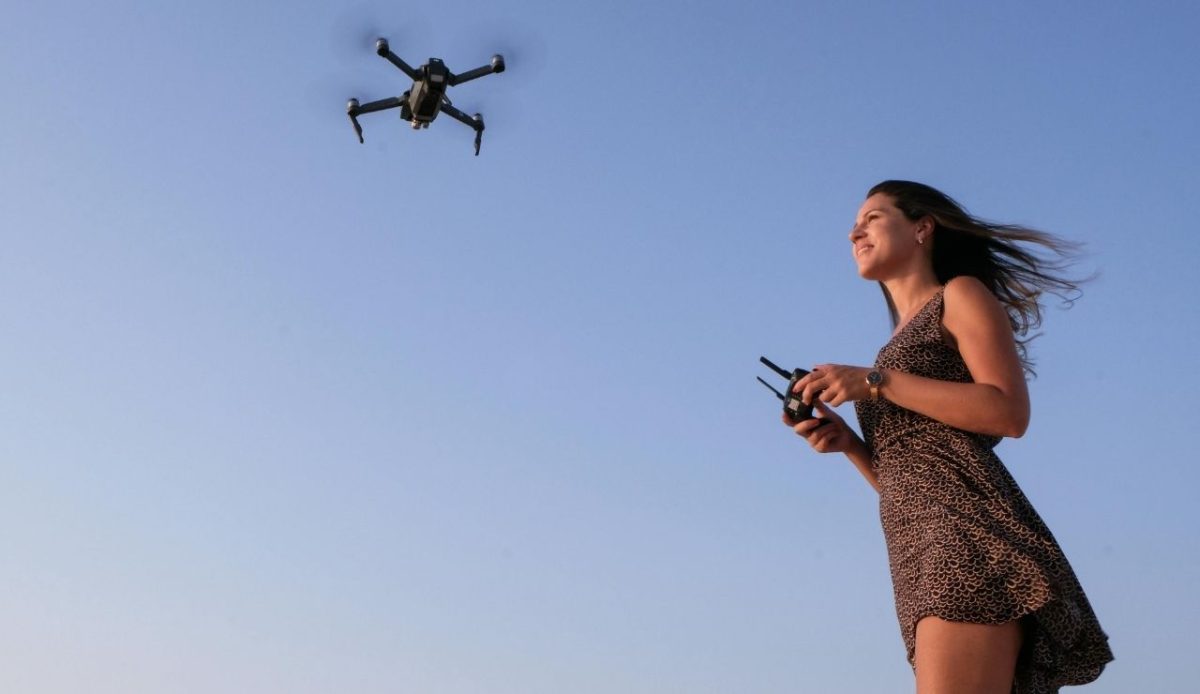
When drones first appeared, travelers launched them over canyons, lakes, and campgrounds to film from above. The sound disturbed wildlife, and accidents created safety issues for crowds. Today, drones are banned in all national parks without a permit, and many states apply similar rules. Violations lead to fines or confiscated gear. Adults may recall when drones flew freely, but rules now protect animals and people. Teens who love aerial shots can still fly outside park borders in approved zones. The skies remain open, but not inside America’s most treasured places.
