
Puerto Rico concentrates major viewpoints into a compact island, so rainforest peaks, cliff edges, and harbor walls can be visited without long transfers. Many celebrated panoramas remain open because conservation designations and historic protections limited tall construction near key ridges and shorelines. Some lookouts are maintained by park staff with towers and paved access, while others depend on short hikes that can become slick after showers. Check cloud cover and swell forecasts before going, since visibility can change quickly and wave spray can close coastal paths. Early arrival also helps with parking at popular sites.
1. Yokahú Observation Tower, El Yunque
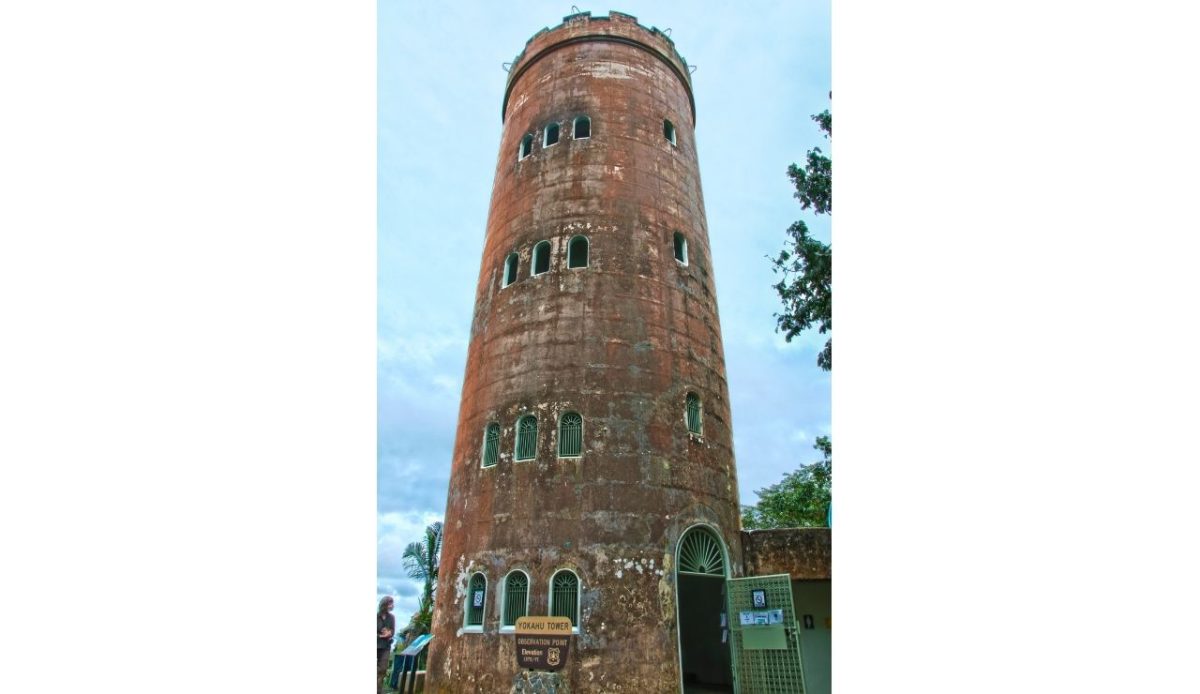
Yokahú Observation Tower in El Yunque is a reliable place for a wide, 360-degree look over the Luquillo mountains and the Atlantic. It is listed by Discover Puerto Rico as a key stop and stands about 1,575 feet above sea level, so distant water can appear even on humid days. The tower is reached from Road 191, and the final climb is a short set of stairs, so the view is available without a long trek. Interpretive panels help identify forest layers and nearby peaks. Bring a lens cloth, since wind can push drizzle through the openings and soften photos. Parking fills by midmorning on weekends, especially during holidays.
2. Cueva Ventana, Arecibo Area
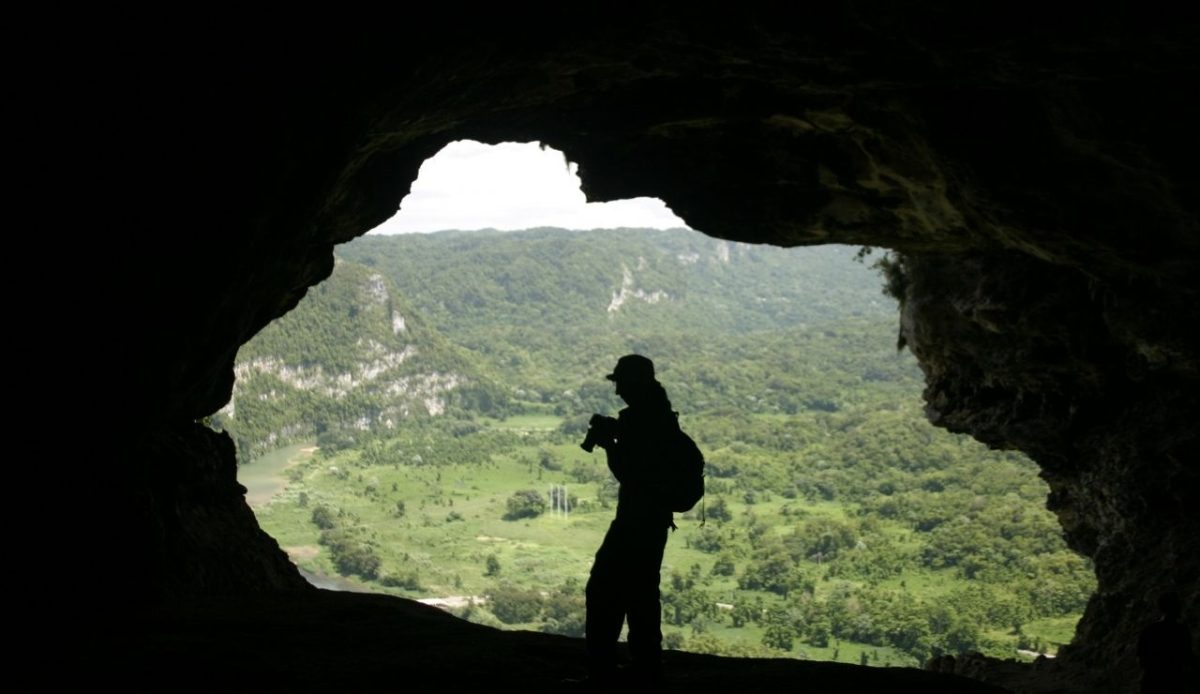
Cueva Ventana near Arecibo is visited for the framed valley view that appears through a natural opening high on a limestone cliff. Puerto Rico Day Trips notes that access is now by guided tour, which helps manage safety and protects the cave environment. After a short walk, the “window” looks out over the Río Grande de Arecibo valley, with farms, river bends, and distant hills laid out like a map. Go earlier for softer light and fewer crowds, and keep your hands free, since railings can be uneven. Many tours provide helmets and flashlights, and the floor can be damp where thin soil feeds moss. Closed shoes are required.
3. Faro Los Morrillos, Cabo Rojo
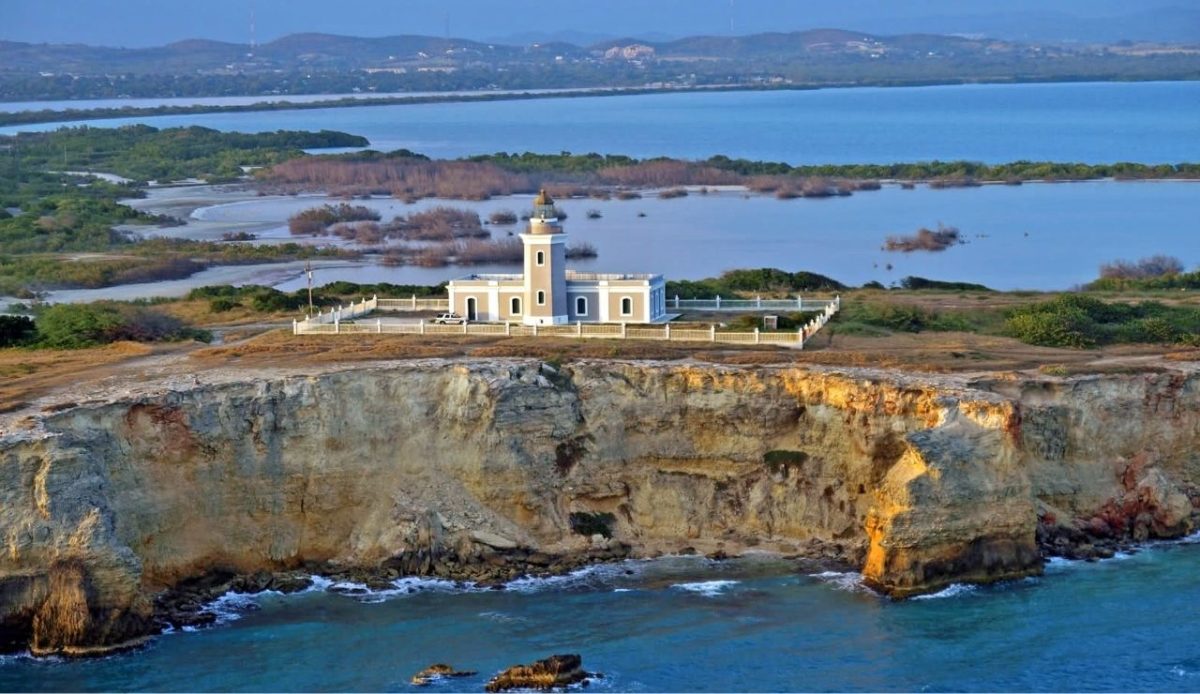
Faro Los Morrillos de Cabo Rojo stands above pale limestone bluffs where the Mona Passage opens into broad water. A well-known local day-trip guide describes the site as set on about 200-foot cliffs, and the open terrain keeps sightlines clear across the sea and salt flats. From the paths near the lighthouse, wave lines and reef shelves can be watched, and the late afternoon sun adds strong color to the rock. Stay behind posted barriers because edges are undercut, and wind gusts can arrive without warning. A short walk also reaches Playa Sucia, where the beach curve can be seen from higher ground before you descend.
4. Castillo San Felipe del Morro, San Juan
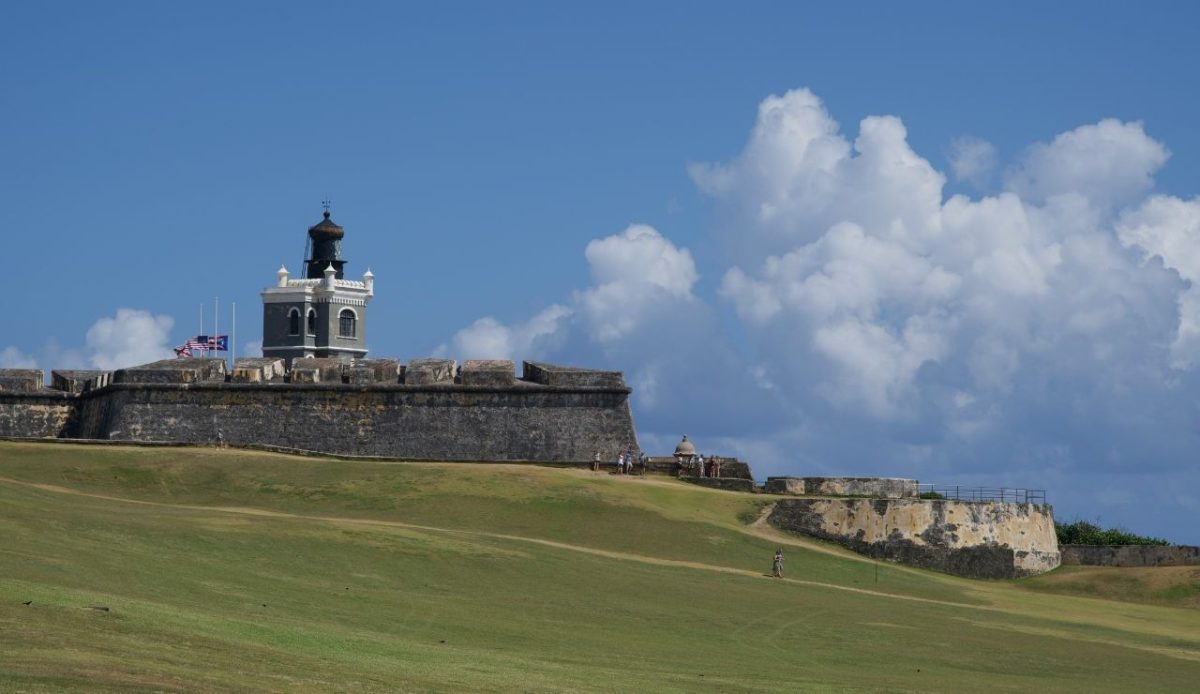
Castillo San Felipe del Morro in Old San Juan offers a clean look over the Atlantic and the entrance channel to San Juan Bay. From the upper gun deck, the city’s grid drops toward the water, while cruise terminals and modern towers appear across the harbor. The wide lawn outside the fort creates an unobstructed foreground, so photos capture both the stone walls and the open sea. Much of the structure was built to resist naval attack, and the thick masonry keeps viewpoints stable even in high winds. Sea spray can leave surfaces slick, so slower steps are advised near stairwells and ramp edges. Sunset brings strong side light.
5. Castillo San Cristóbal, San Juan
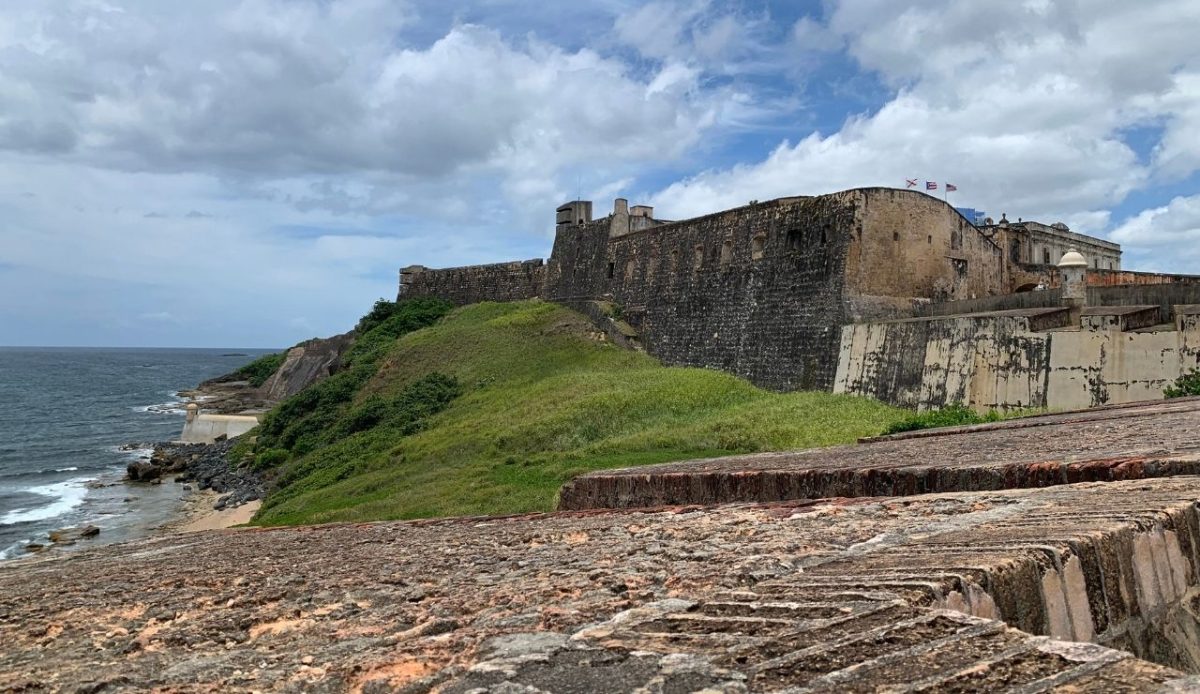
Castillo San Cristóbal provides a different vantage than El Morro because it faces the city side and the eastern approaches to Old San Juan. From its high bastions, visitors see rooftops, narrow streets, and the curve of the shoreline near Condado and beyond. The fort’s layered defenses create multiple terraces, so angles change as you walk, and parts of the site are shaded by tunnels below. Interpretive signs explain how the hilltop position protected land attacks, and that context makes the skyline view more meaningful. Midday heat can build on exposed stone, so carry water and plan a pause in the inner courtyard.
6. Flamenco Beach Overlook, Culebra
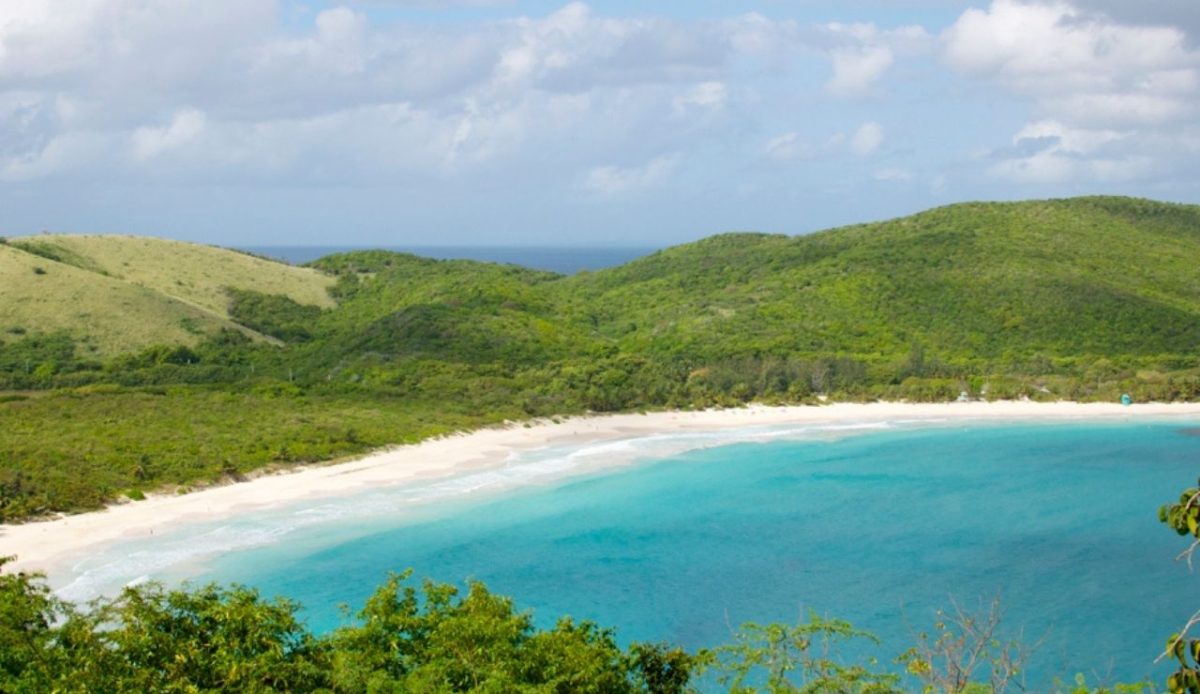
Flamenco Beach on Culebra becomes even more impressive when seen from the low hill at the east end, where the full crescent shoreline comes into view. From that higher spot, water color shifts are easy to see, from light turquoise over sand to darker blue beyond reefs. Because buildings are limited, the scene feels open, with boats anchored offshore and little vertical clutter behind the beach. Walk up with care in flip flops, since loose gravel can slide, and return before dusk if you rely on public ferries. The trade wind often blows sand across the path, but it also clears haze and sharpens the horizon.
7. Fortín Conde de Mirasol, Vieques
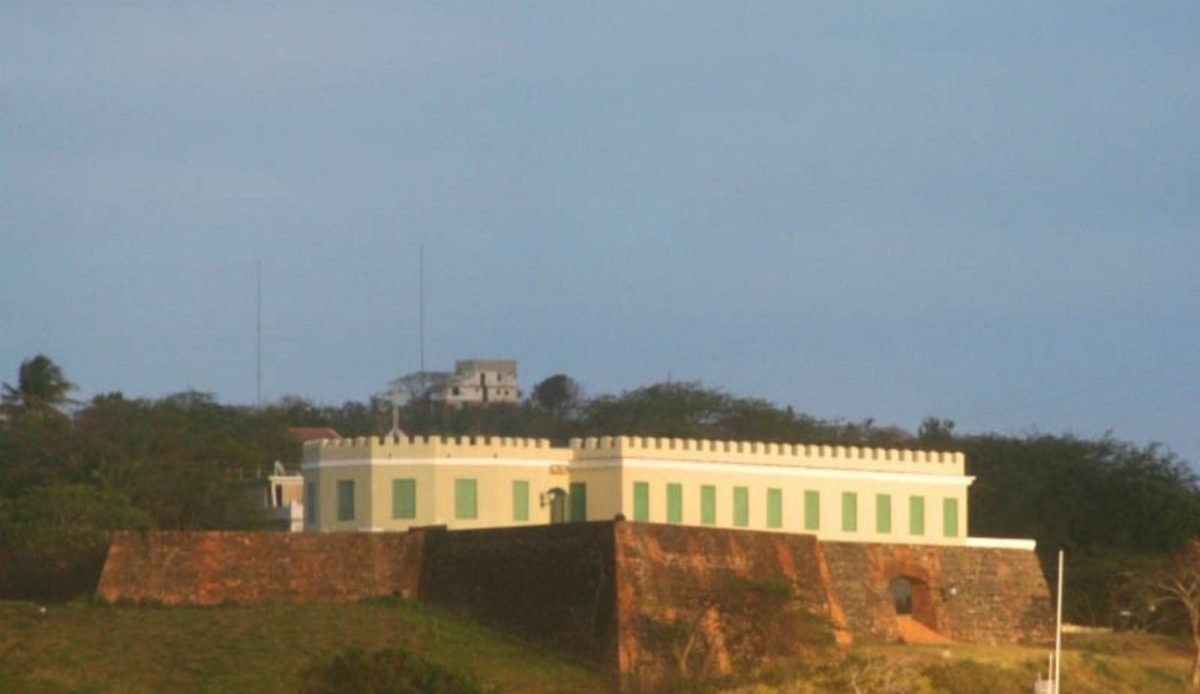
Fortín Conde de Mirasol in Isabel II, Vieques, stands on a rise above the harbor and gives a quiet, structured view over rooftops and sea. From the outer walls, the ferry pier, small boats, and distant shoreline lines can be seen, while the town’s pastel streets show daily life below. The fort was built under Spanish rule and later reused for other purposes, so exhibits add historical context to the lookout. Late afternoon light warms the stone, and breezes off the water help keep the walk comfortable. Some stairways are narrow and worn, so a slow pace is helpful when moving between levels. A tripod fits easily.
8. Cerro de Punta, Jayuya Area
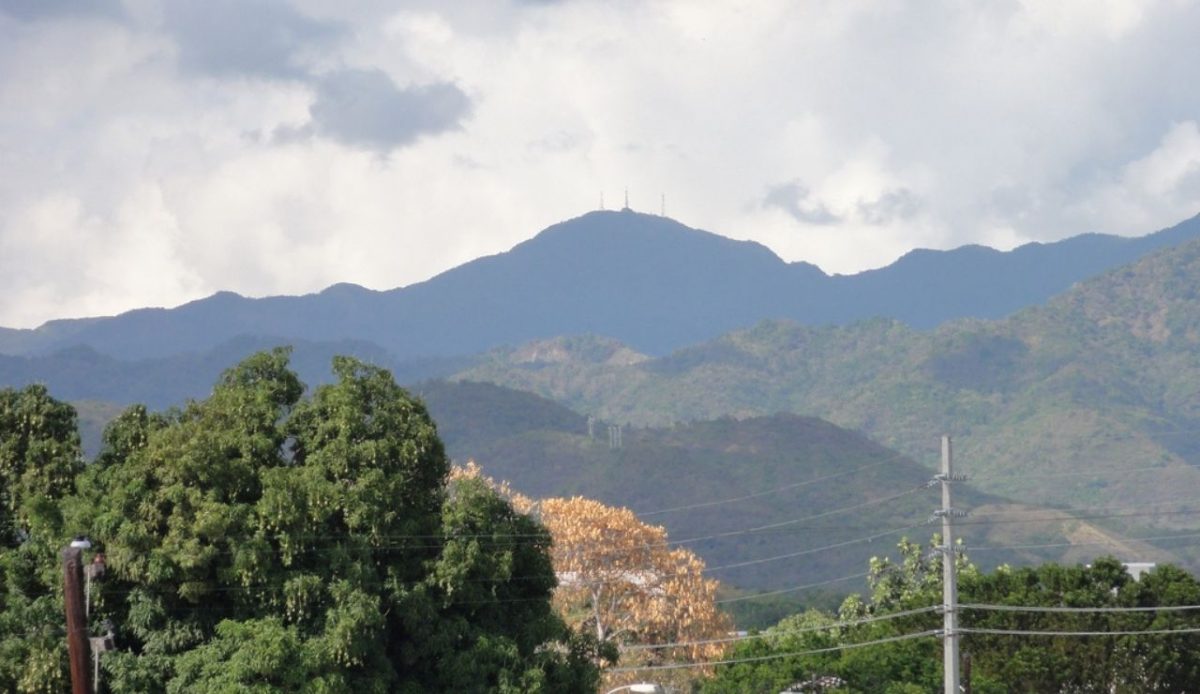
Cerro de Punta near Jayuya is Puerto Rico’s highest peak, and the drive along PR 143 reaches cool air and long interior views. TripAdvisor descriptions emphasize the height at 4,389 feet, and on clear days, the horizon can stretch toward both coasts. The setting highlights the Cordillera Central, with steep slopes, coffee country, and scattered small towns visible in the folds below. Clouds can arrive fast, so the scene may be revealed in brief openings, and a light jacket helps because temperatures drop at the summit. Use designated pullouts for photos, since the road is narrow and curves limit sight distance.
9. Toro Verde Area Views, Orocovis

Toro Verde in Orocovis is known for adventure attractions, but the simplest reason to stop is the mountain panorama from its platforms. Even without riding a zip line, visitors can look across deep green ravines where the Cordillera Central drops into narrow river valleys. Cloud shadows travel quickly over the slopes, creating changing bands of light that show how uneven the terrain really is. Because the area is high, afternoons can bring sudden showers, and some viewing decks may be closed until surfaces dry for safety. Weekday mornings are calmer, and the clearest photos often come before haze builds over the lowlands.
