
Asia’s mountains hold some of the most dramatic passes on earth, yet many remain far from tourist routes. These roads and trails have carried traders, herders, and armies for centuries, linking valleys and cultures across vast distances. Today, they still offer breathtaking views, remote villages, and reminders of history carved into stone. Each pass tells its own story of survival, exchange, and endurance in places where the natural world dominates daily life. Travelers who venture to them gain both challenge and a glimpse into traditions shaped by altitude and time.
1. Khardung La, India
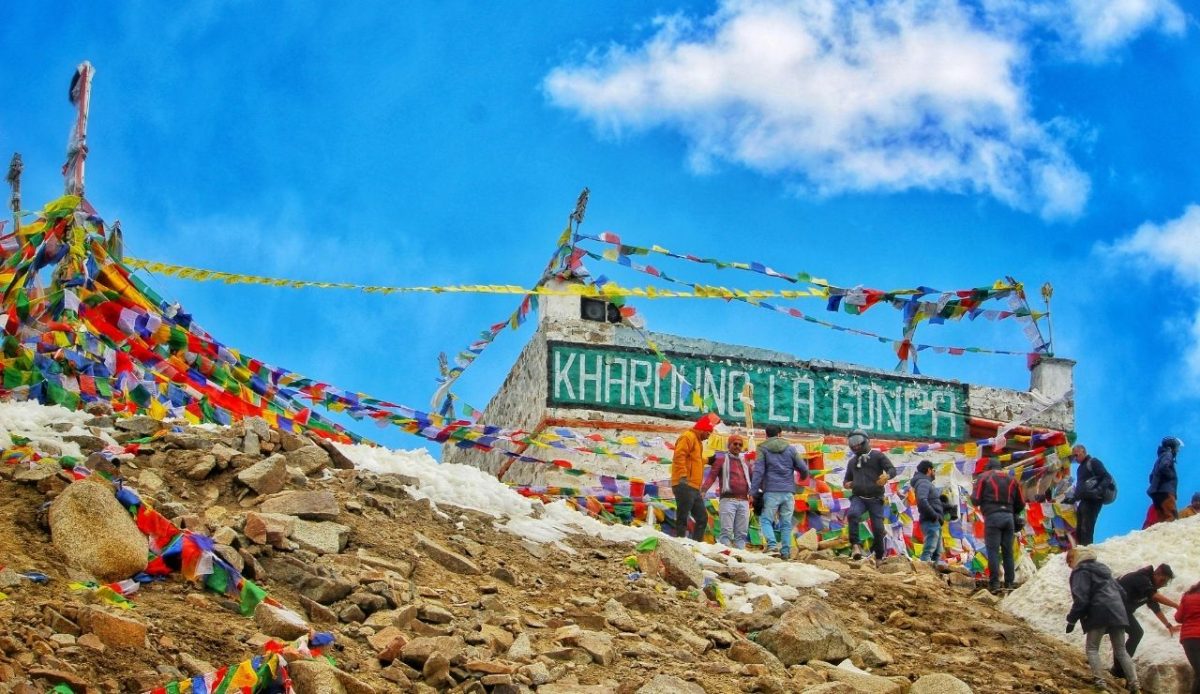
Khardung La in Ladakh rises above 17,500 feet and is among the highest motorable roads in the Himalayas. It links Leh with the Nubra Valley, a desert of dunes, icy streams, and grazing Bactrian camels. Monasteries overlook the valleys, and prayer flags stretch across the ridges. The air is thin, making the drive demanding, yet the views are striking. Travelers see peaks stretching to the horizon and encounter villages where daily life remains much as it has for centuries. The pass stands as both a challenge for drivers and a cultural landmark in Ladakh’s rugged highlands.
2. Torugart Pass, Kyrgyzstan to China
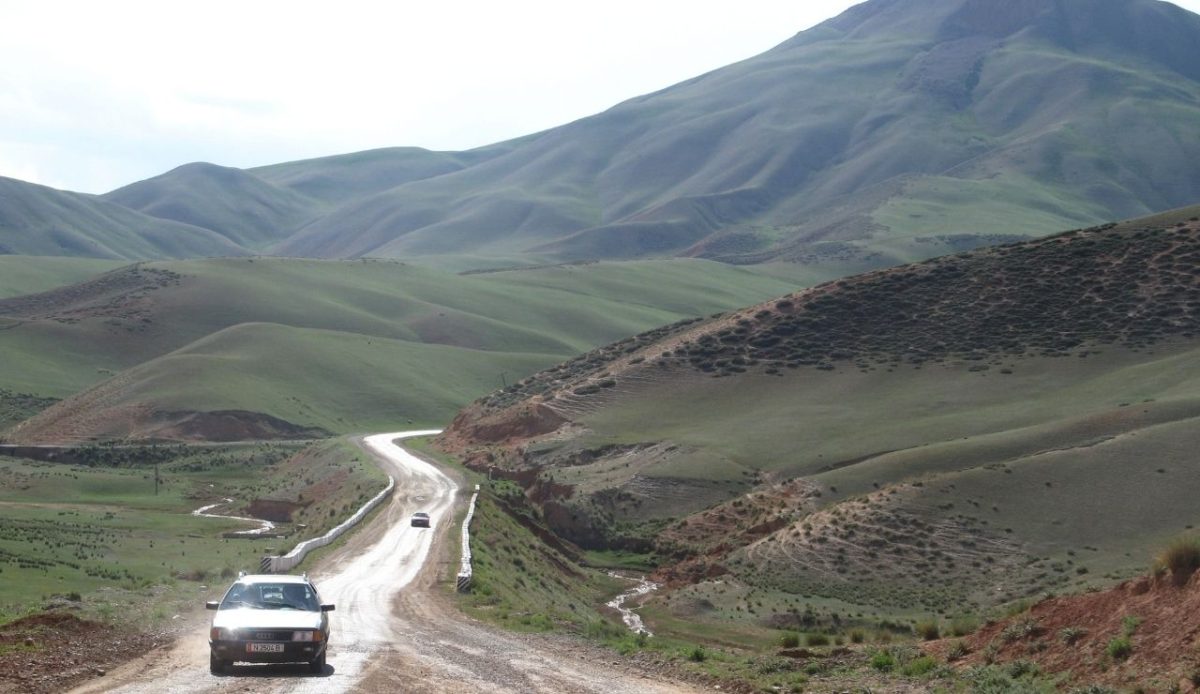
The Torugart Pass, over 12,000 feet high, connects Kyrgyzstan with China’s Xinjiang region. It once carried caravans along the Silk Road and still feels remote. The road climbs through valleys where herders graze flocks near yurts that dot the grasslands. Jagged ridges rise above, often holding snow deep into summer. Broad basins spread across the Kyrgyz side, while the Chinese approach leads toward Kashgar, a trading city with a long past. Few travelers cross here, but those who do see Central Asia as it has been for generations. It remains one of the region’s most atmospheric and demanding frontiers.
3. Nathu La, India to Tibet
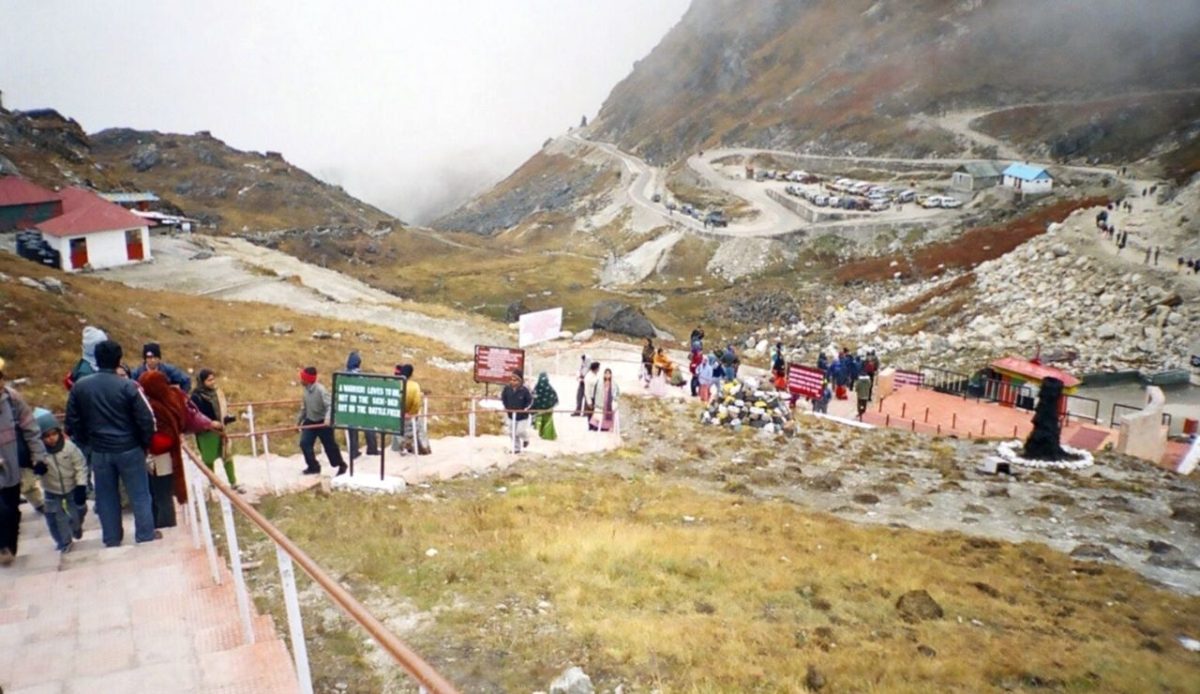
Nathu La, at more than 14,000 feet, links Sikkim with Tibet. Closed after conflict in the 1960s, it reopened in 2006 for limited trade and visits. The road winds through sharp switchbacks, often hidden by clouds, then opens to snow ridges and high valleys. Yaks graze along the slopes, and prayer flags brighten the passes with color. Guards from both nations watch the line, yet the mountains remain calm. Travelers who reach Nathu La feel both the history of divided borders and the lasting presence of Himalayan culture. The pass also recalls the role it once played in trade between Tibet and India.
4. Shandur Pass, Pakistan
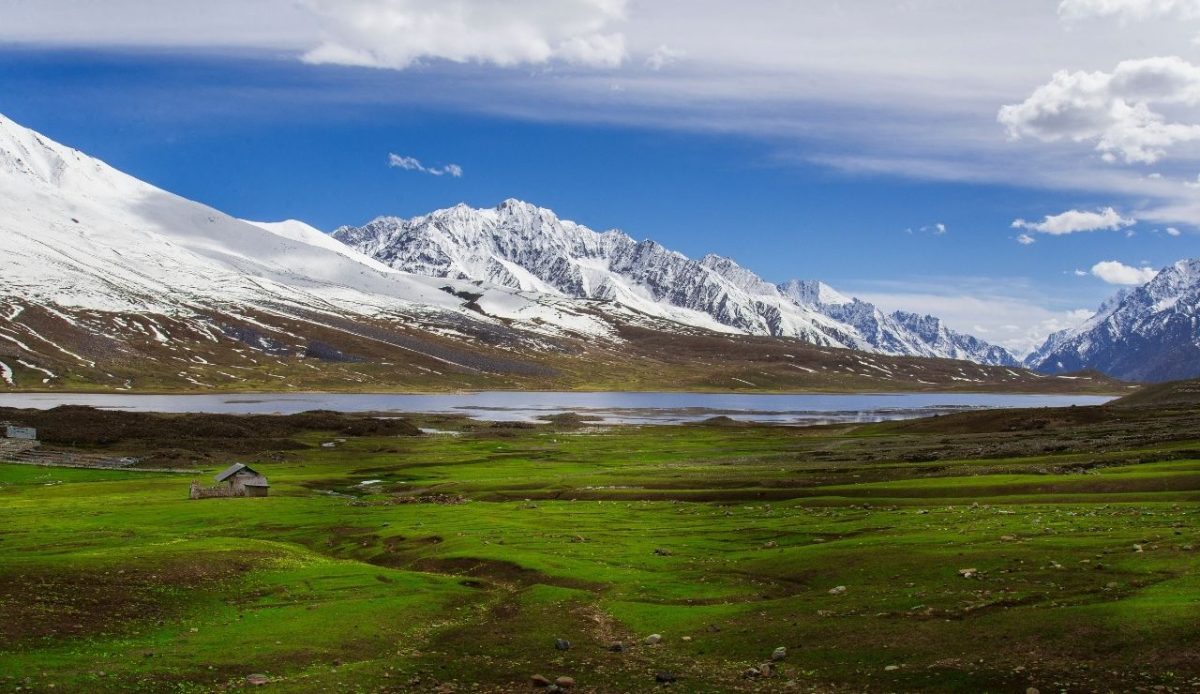
Shandur Pass, over 12,000 feet high, lies in northern Pakistan and is known as the “Roof of the World.” Each July it becomes the stage for the Shandur Polo Festival, when teams from Gilgit and Chitral compete in matches that echo centuries of tradition. Visitors camp beside locals under the open sky, adding music and celebration to the mountain plain. Beyond the event, the pass is quiet, with alpine flowers, streams, and peaks surrounding the broad meadow. For many, Shandur offers both cultural color and the stark beauty of Pakistan’s highlands. It is a meeting ground of tradition, sport, and mountain life.
5. Zoji La, India
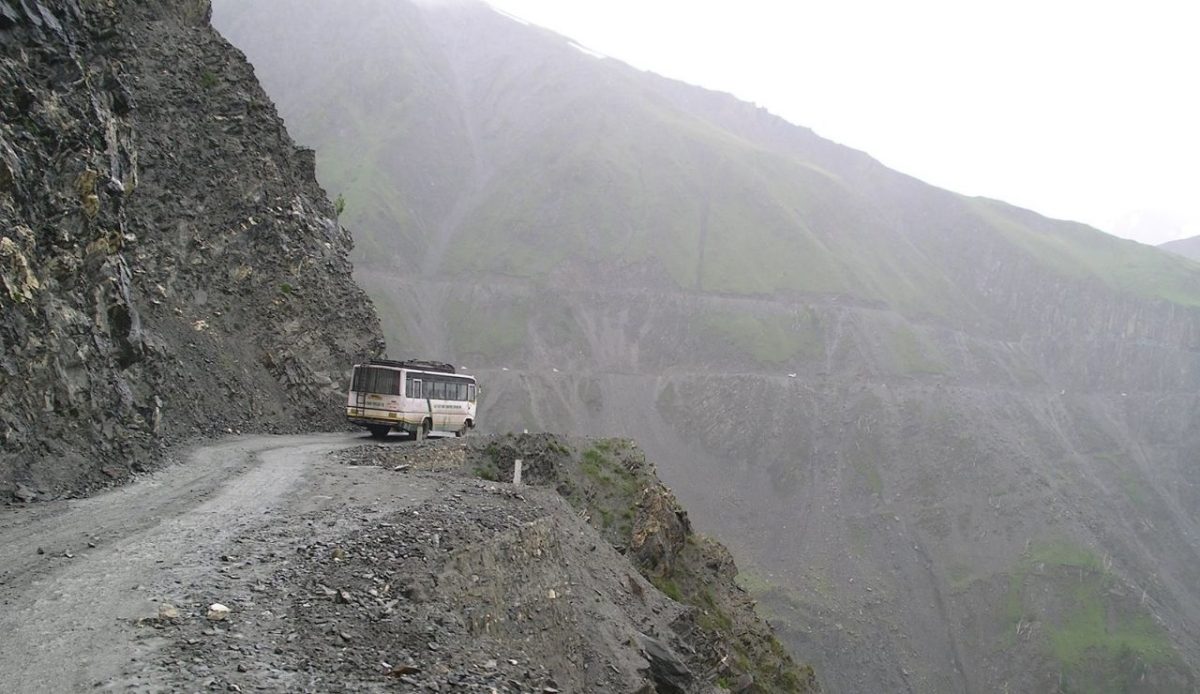
Zoji La, at an elevation of nearly 11,500 feet, connects Kashmir with Ladakh through one of India’s most demanding roads. The path hugs cliffs, with sharp drops on one side and towering rock on the other. Heavy snow closes it in winter, cutting Ladakh off for months. When the pass reopens, travelers are struck by the sharp shift between Kashmir’s green valleys and the dry highlands of Ladakh. Sheep and ponies move along the trail with herders, prayer flags snap in the wind, and the road carries both risk and unmatched mountain views. Zoji La remains one of the most dramatic gateways into Ladakh.
6. Karakoram Highway Passes, Pakistan to China
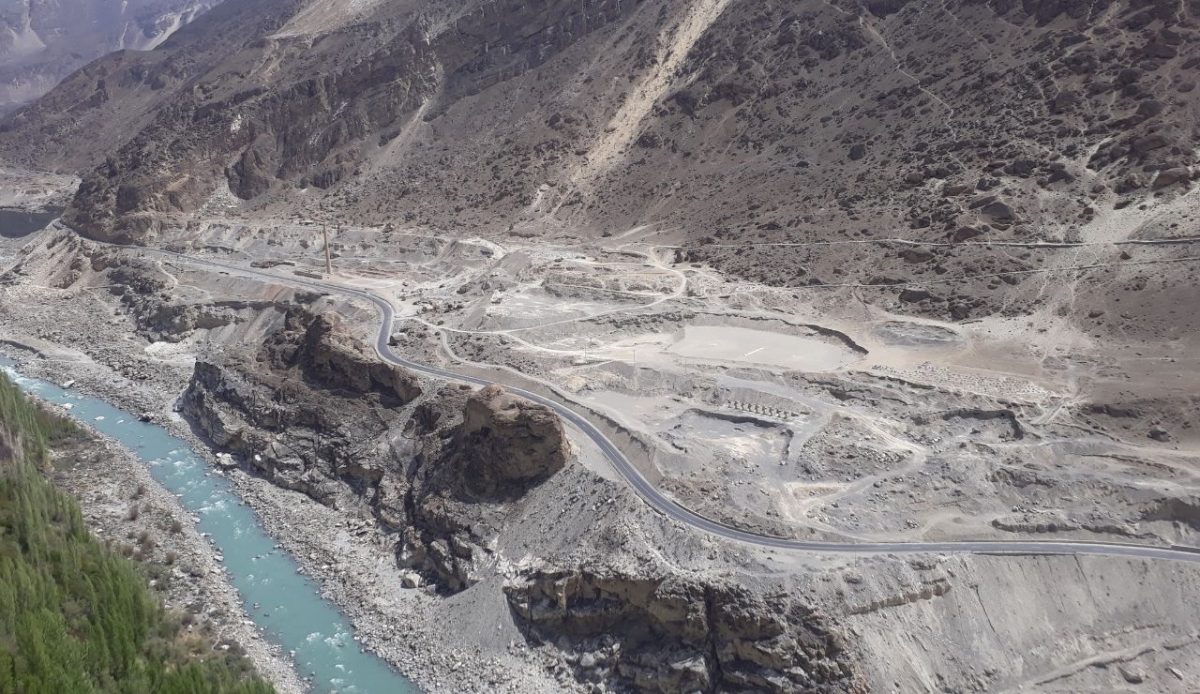
The Karakoram Highway links northern Pakistan with China, cutting through glaciers, gorges, and unstable slopes. Along it lies Khunjerab Pass, at 15,400 feet, the highest paved border crossing in the world. Snow falls even in summer, and marmots dart through meadows near the road. The highway remains a lifeline of trade but also carries a long story of cultural exchange. Villages along the way show traditions that stretch back centuries. For travelers, the road is both a test of endurance and a view of mountain country shaped by history. It remains one of Asia’s most ambitious and scenic roads.
7. Salang Pass, Afghanistan
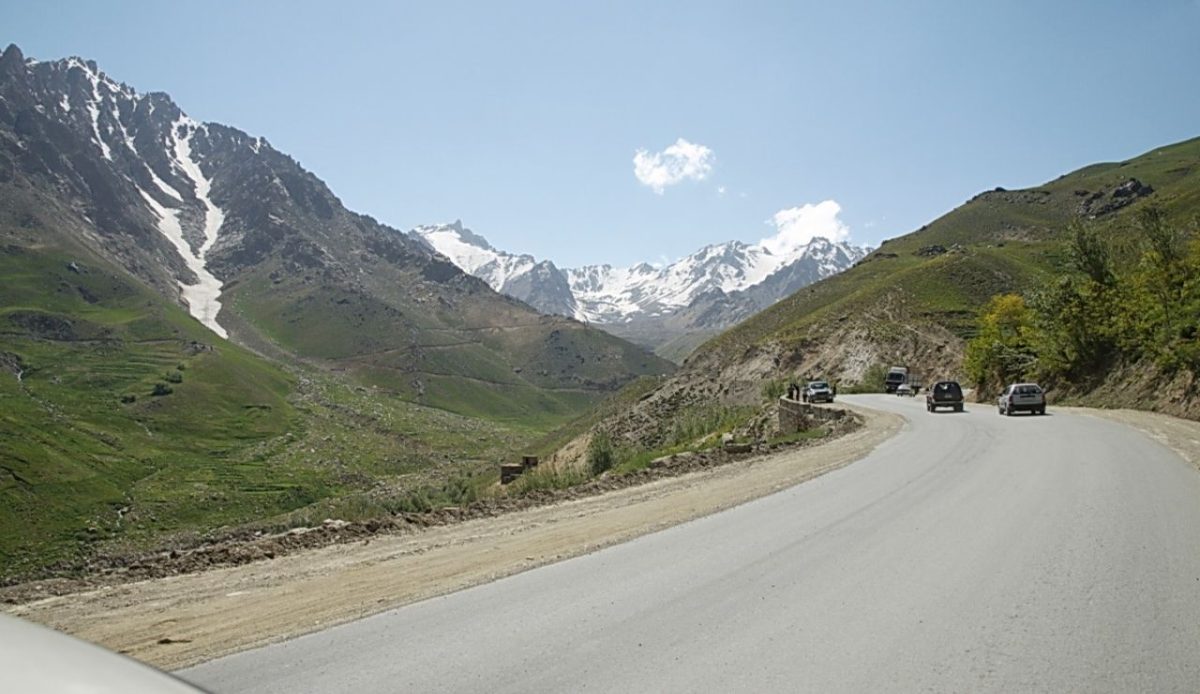
Salang Pass, at a height of nearly 11,000 feet, links Kabul with northern Afghanistan and includes a high tunnel built in the 1960s. Avalanches and landslides remain a threat, but it is a crucial link for movement and trade. Glaciers hang above the slopes, rivers rush through valleys, and peaks dominate the horizon. In winter, deep snow closes the road, and vehicles wait for days. The tunnel itself is often difficult, yet it keeps the country connected. The pass is less a tourist site than a reminder of Afghanistan’s struggle and its striking mountains. It embodies both hardship and the determination to endure.
8. Kora La, Nepal, Tibet Border
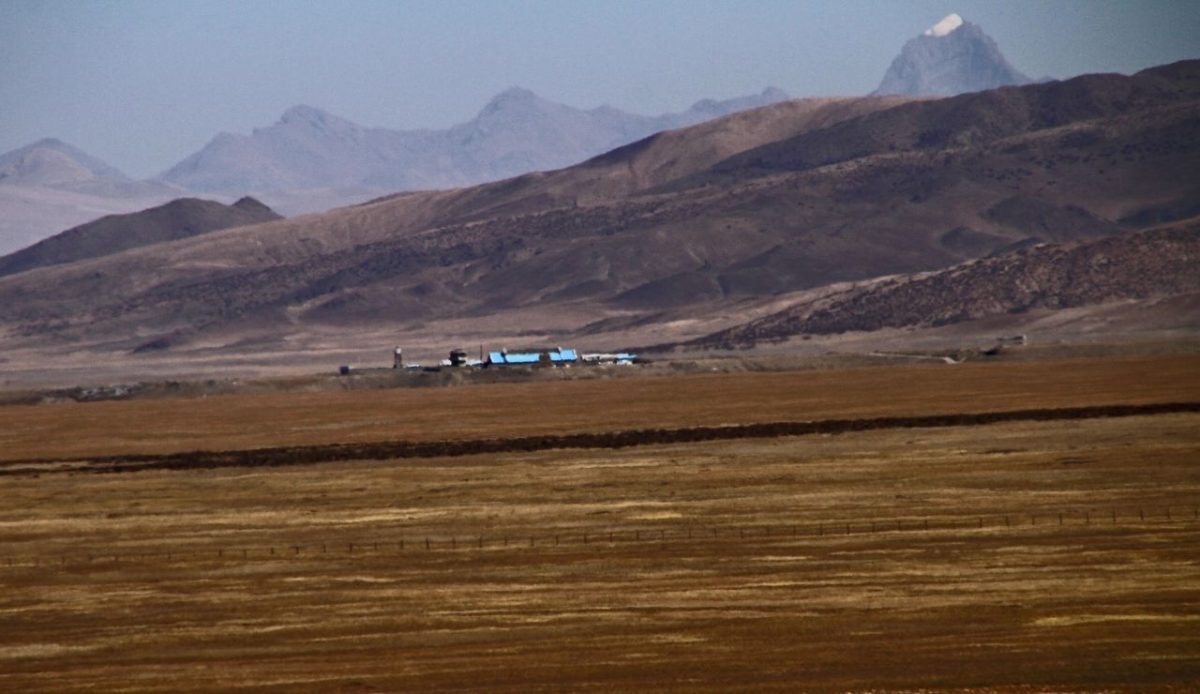
Kora La, under 15,000 feet, is low by Himalayan standards but carries a long history. Caravans once brought wool and salt from Tibet while rice and spices traveled north. The ruins of forts and posts still line the path. Few trekkers come here today, so the route stays quiet. The scenery is wide, with Annapurna rising to the south and the Tibetan plateau spreading north. It lacks the fame of Everest or Annapurna Base Camp, but it offers a clear sense of how trade shaped the Himalayas long before modern borders. The pass is a reminder of commerce carved into mountains.
9. Khyber Pass, Pakistan, Afghanistan
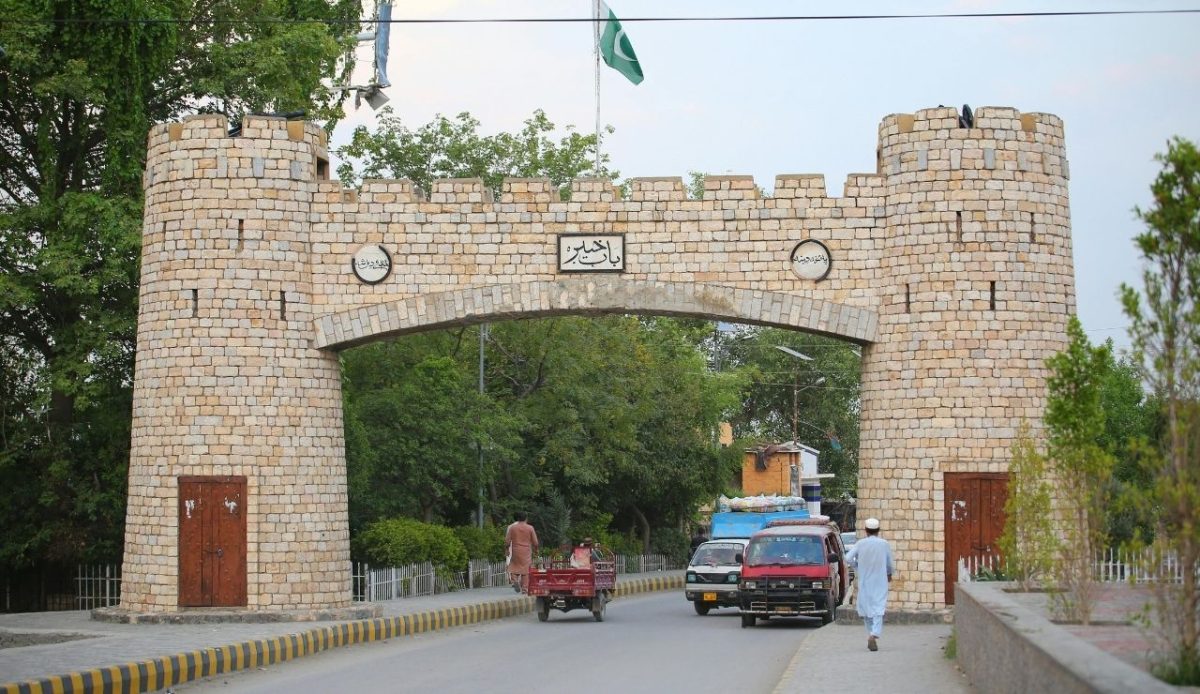
The Khyber Pass, at about 3,500 feet, is one of Asia’s most historic crossings. For centuries, it carried armies and traders between Central Asia and the Indian subcontinent. Alexander the Great, the Mughals, and the British all marched through here. Today, forts and watchtowers remain along its rocky hills. Security restrictions limit access, but the pass still holds its place as a symbol of both conflict and connection. For those who enter, it is less about scenery and more about standing in a corridor that shaped history. The Khyber continues to symbolize the crossroads of power and trade.
