
Whenever you plan for a trip, juggling flight schedules, baggage rules, and unexpected costs can feel exhausting. Delays, surprise fees, and last-minute changes often turn excitement into stress. A travel credit card helps ease those challenges by turning everyday spending into rewards while adding protections that make traveling easier. Points can cover flights or hotel nights, and perks like free checked bags or lounge access reduce hassles at the airport. Built-in insurance, fraud protection, and emergency assistance also provide reassurance when problems arise far from home. With so many advantages built in, it becomes clear why travelers see these cards as more than payment tools and why each benefit deserves a closer look.
1. Earn Miles on Everyday Spending
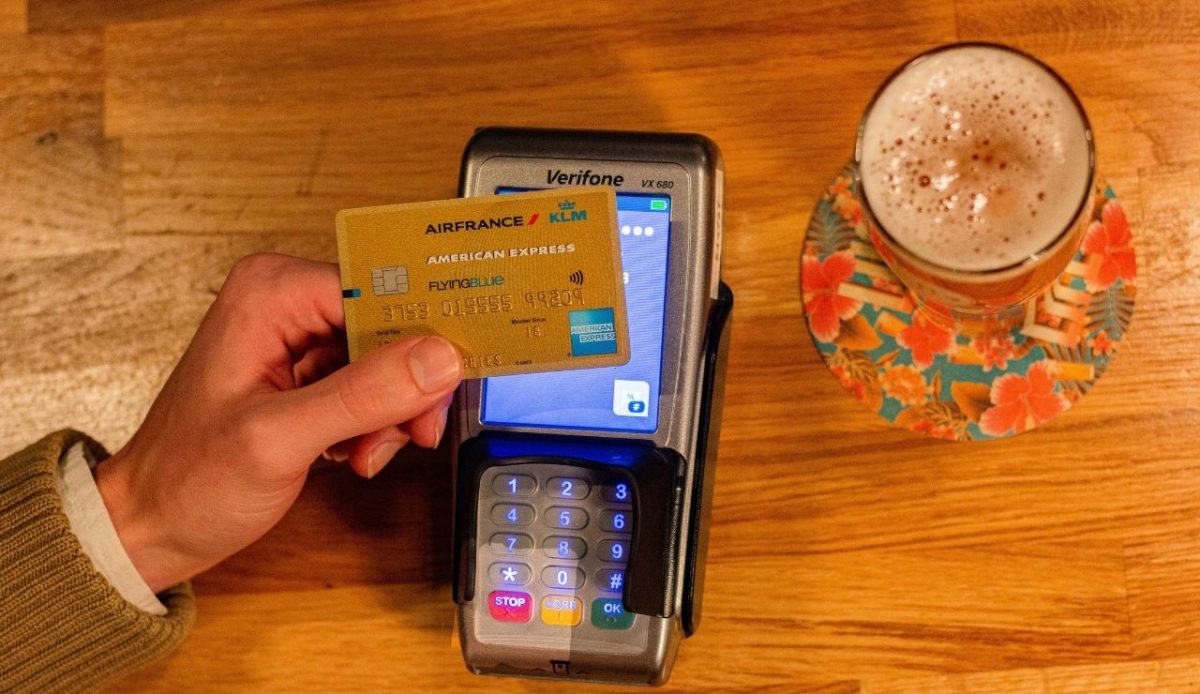
Travel credit cards turn everyday purchases into future trips. Whether you are buying groceries, paying bills, or booking a ride, each purchase collects points or miles. Over time, even small transactions build toward free flights or hotel stays. Many cards also offer bonus rates for categories like dining or travel, accelerating the pace of earning. This system allows travelers to get more out of the money they already spend. By using the card consistently, people enjoy a steady stream of rewards that lower travel costs. It creates a sense of progress with each swipe, making even routine expenses feel purposeful.
2. Free Checked Bags Save Cash
Checked baggage fees can drain budgets quickly, especially for families or frequent travelers. Many airline credit cards include a free checked bag for the cardholder and often for companions on the same reservation. With fees averaging $30 to $60 per bag, a single trip can save more than the annual fee of the card. This benefit is particularly helpful for travelers carrying sports equipment, baby items, or souvenirs from long journeys. Instead of stressing about packing light or paying extra, cardholders check their luggage with confidence. Over multiple trips, the savings add up, turning a card into a practical travel companion.
3. Airport Lounge Access Makes Travel Easier
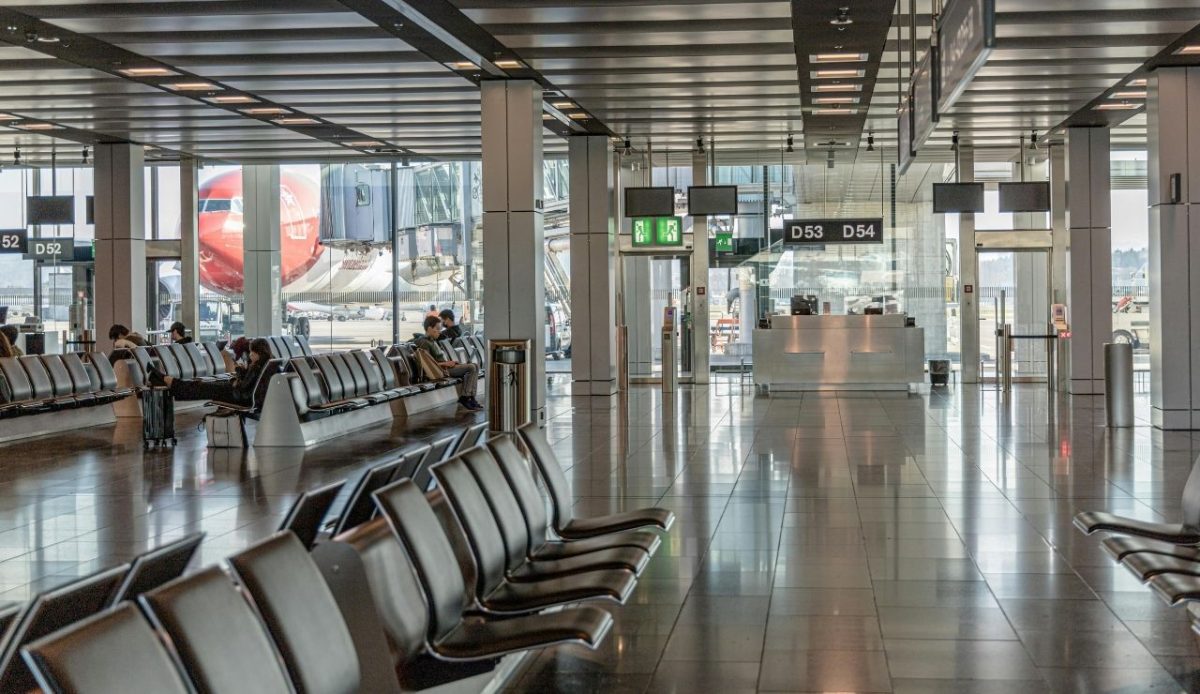
Waiting at crowded gates is one of the least enjoyable parts of travel. Travel credit cards with lounge access change that experience. Lounges often include comfortable seating, free food, Wi-Fi, and even showers or work areas. Some provide quiet rooms for resting between flights. For business travelers, the calm atmosphere allows time to prepare before meetings. Leisure travelers enjoy a more relaxing start or finish to their journeys. Instead of paying high prices for airport meals or competing for a chair at a busy gate, cardholders unwind in dedicated spaces that make layovers and delays far more comfortable.
4. No Foreign Transaction Fees Abroad
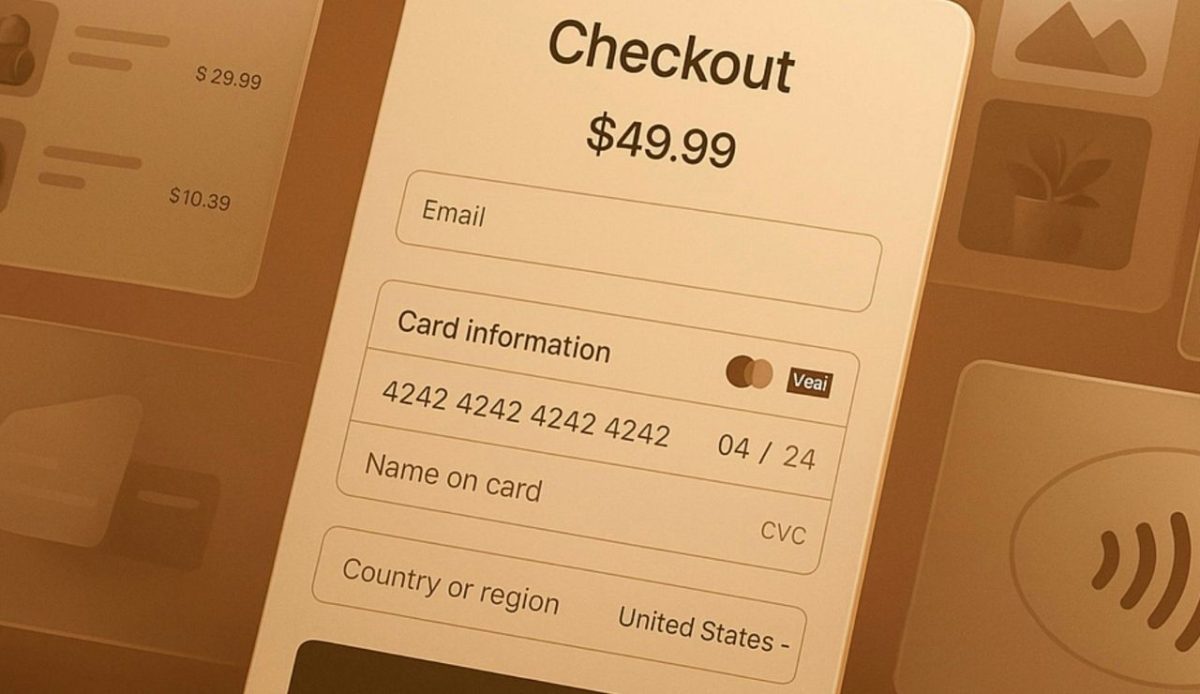
International travel can expose you to fees every time you swipe your card. Many banks charge around 3% on foreign purchases, which adds up quickly. Travel credit cards typically remove these charges, allowing you to spend abroad without penalties. This saves money and makes it easier to use cards for shopping, dining, and transportation. Travelers avoid carrying large amounts of cash or relying on costly exchange counters. A single card that works worldwide simplifies the journey while keeping budgets intact. It ensures each purchase abroad reflects its true cost rather than one padded by unnecessary fees.
5. Trip Delay Coverage Protects Your Plans

Flight delays and cancellations can throw off even the best-planned trip. Many travel credit cards include trip delay coverage that reimburses food, lodging, or transport when delays extend for hours. This protection turns frustrating waits into manageable interruptions by covering costs that would otherwise come out of pocket. Instead of scrambling to find solutions, cardholders can arrange meals and accommodations with confidence. For travelers on tight budgets, the benefit is especially helpful. It ensures an unexpected setback does not ruin the trip entirely. Having reliable coverage provides peace of mind whenever schedules do not go as planned.
6. Built-In Travel Insurance for Peace of Mind

Emergencies on the road can range from lost luggage to sudden illness. Travel credit cards often include built-in insurance that covers many of these risks. Policies may reimburse for canceled trips, provide medical support, or assist with evacuation in serious cases. This feature reduces the need to purchase separate insurance policies and saves money over time. More importantly, it ensures travelers are not left vulnerable during stressful moments. Knowing protection exists in the background allows cardholders to focus on enjoying their trip. With coverage built in, a single card provides both convenience and financial security.
7. Priority Boarding Gets You On Faster
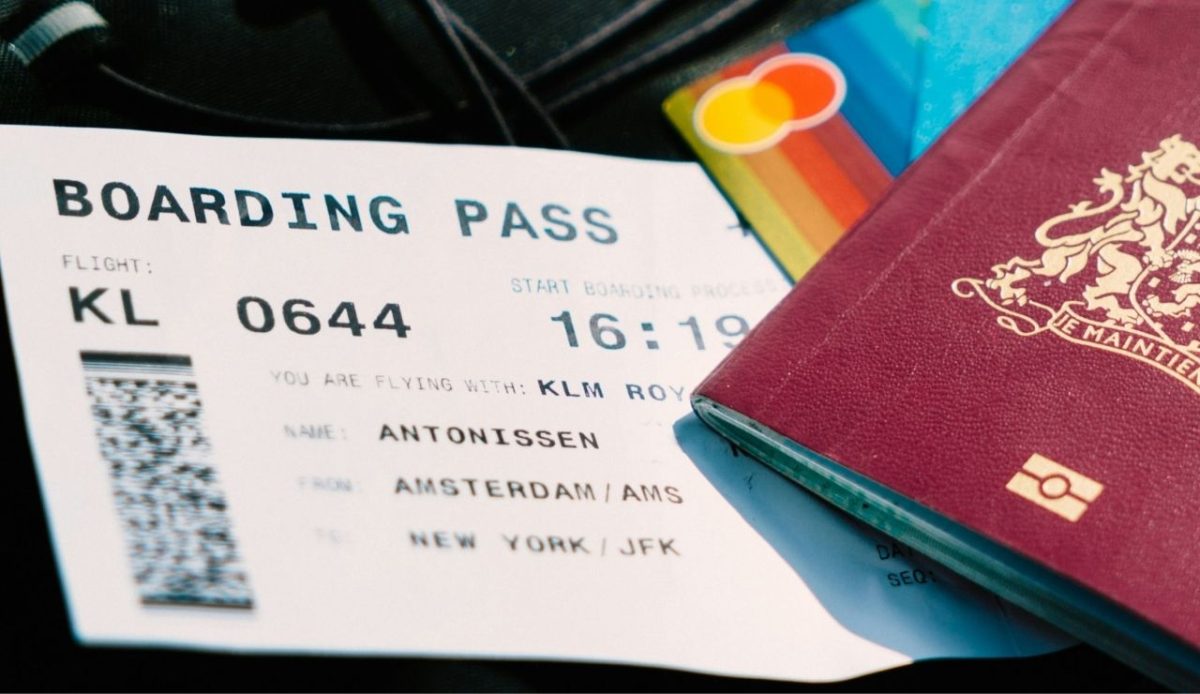
Boarding early can mean the difference between calmly stowing your bag above your seat and rushing to find space in the back of the plane. Travel credit cards often grant priority boarding privileges that help cardholders avoid the chaos of crowded gates. Families benefit from extra time to settle their children, while business travelers appreciate starting their flights without stress. Even leisure travelers enjoy the smoother process of entering the plane earlier. This perk does not change the destination, but it improves the journey by removing one of the most stressful parts of air travel.
8. Annual Travel Credits Offset Card Fees
Some travel cards charge high annual fees, but many balance the cost with yearly credits. These credits automatically reimburse travel expenses like baggage fees, ride-hailing services, or in-flight purchases. For frequent users, these credits can cover much or all of the fee. Instead of viewing the card as expensive, cardholders see it as self-funding. Used wisely, the card not only pays for itself but also provides benefits that far exceed its cost. Annual credits make premium cards accessible and worthwhile for travelers seeking both comfort and savings.
9. Rewards Boost on Dining and Travel Purchases
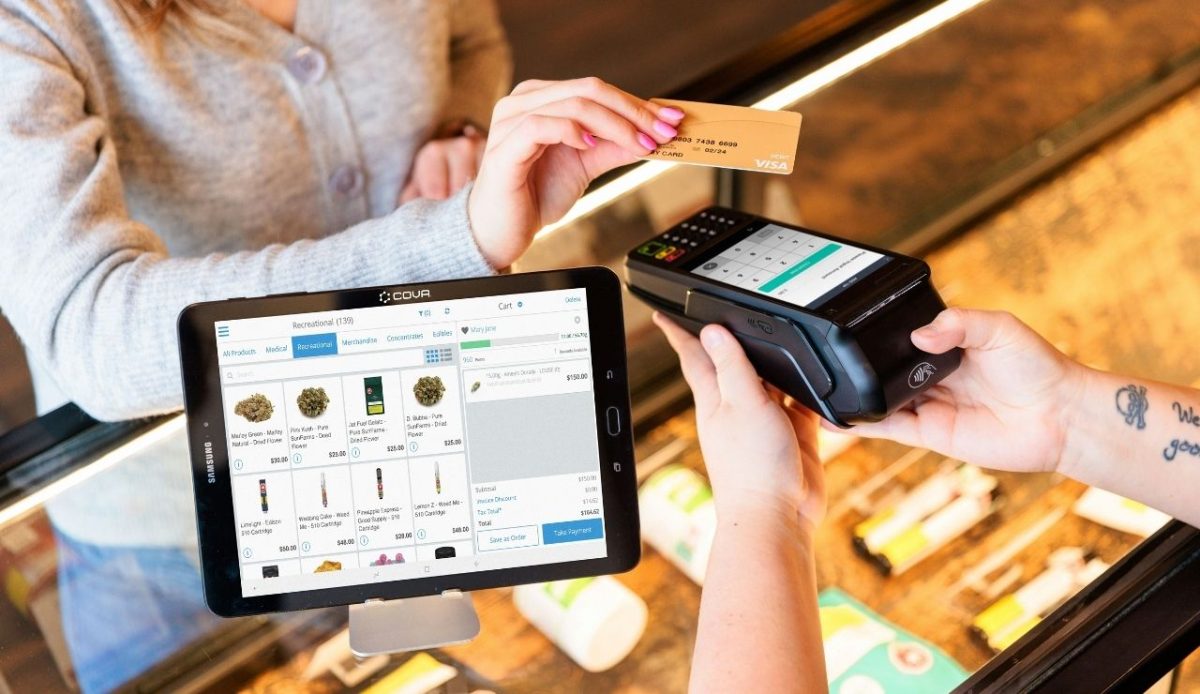
Many travel cards increase rewards on categories like dining, flights, or hotels. A meal at a restaurant or a ticket purchase can earn two to five times more points than everyday spending. This accelerated rate helps travelers accumulate rewards faster without changing habits. People who eat out often or book frequent trips benefit the most, as their normal expenses yield substantial returns. Over time, the boosted categories lead to free flights or hotel nights. The ability to earn more from common activities makes travel cards practical for both frequent and occasional travelers.
