
Remote work changed how people pick a home. Many workers are now looking past big cities and choosing places with clean air, steady internet, and lower costs. Small towns that once relied on tourism, farming, or a single employer now welcome designers, engineers, teachers, and freelancers who log in from kitchens and spare rooms. Local cafés offer outlets and quiet corners. Libraries extend Wi-Fi hours. Real estate agents explain school options and winter driving. New residents join trail groups, parent clubs, and business meetups to build a circle. These towns demonstrate how steady online jobs can support Main Street while maintaining a simple and close-to-nature lifestyle.
1. Whitefish, Montana
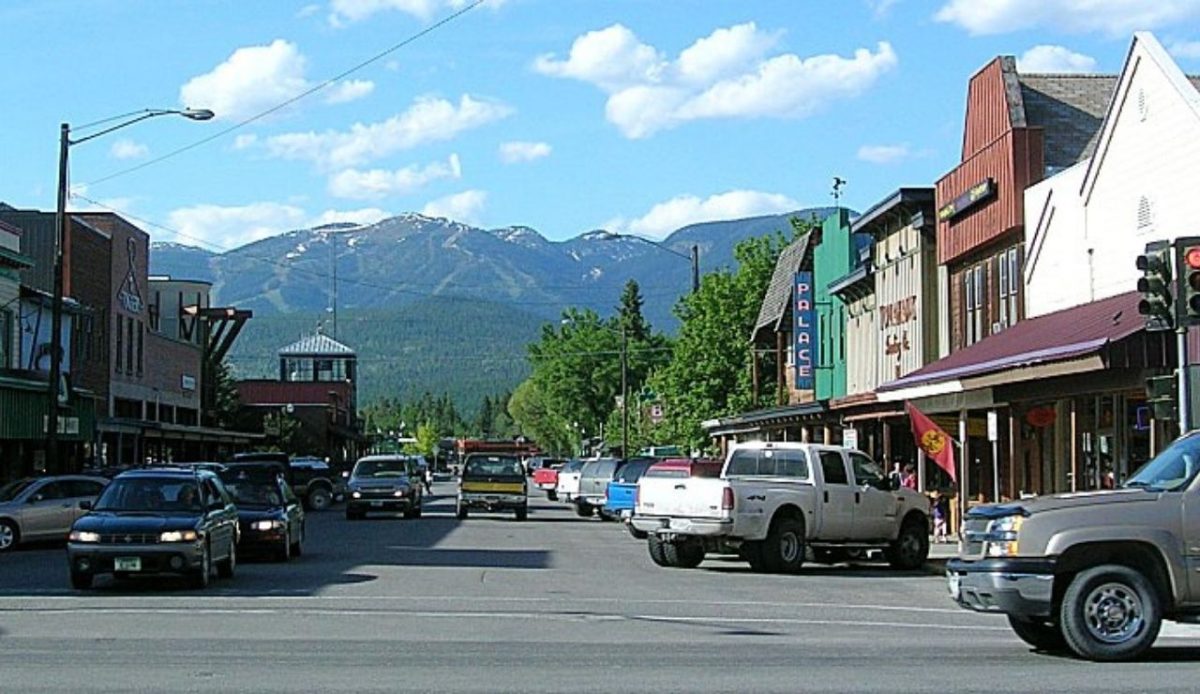
Whitefish borders Glacier National Park and draws remote workers who want mountain views with reliable service. Fiber lines support video calls, while the walkable downtown gives easy access to coffee, printers, and quick lunches. Many newcomers choose condos or small homes near the lake to keep errands short. After work, people head to trails, ski runs, and community events that run year-round. Rising housing costs push buyers to act fast and consider nearby neighborhoods. The Amtrak stop in town and flights out of Kalispell help with team visits. Whitefish pairs outdoor access with daily convenience, which keeps remote teams running smoothly.
2. Sandpoint, Idaho
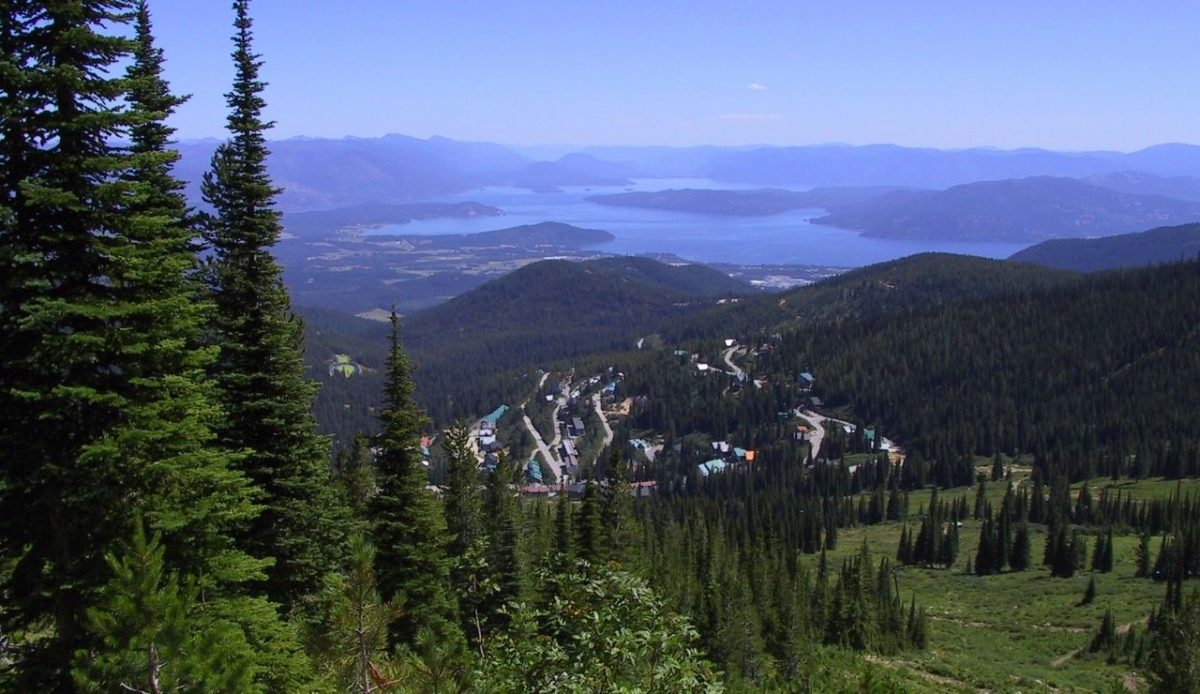
Sandpoint lines the shore of Lake Pend Oreille and offers steady broadband that supports long upload days and live meetings. People set up offices near downtown so they can walk to errands between calls. Cafés welcome laptops and keep regular hours on weekdays. Weekends bring skiing at Schweitzer, paddle time on the lake, and short hikes with easy views. Growth raises demand for rentals, so early searches and flexible move dates help. Volunteer projects, maker clubs, and open mic nights give newcomers ways to meet people without a long drive. Sandpoint offers quiet mornings, clean water, and the tools needed to stay employed online.
3. Driggs, Idaho (Teton Valley)
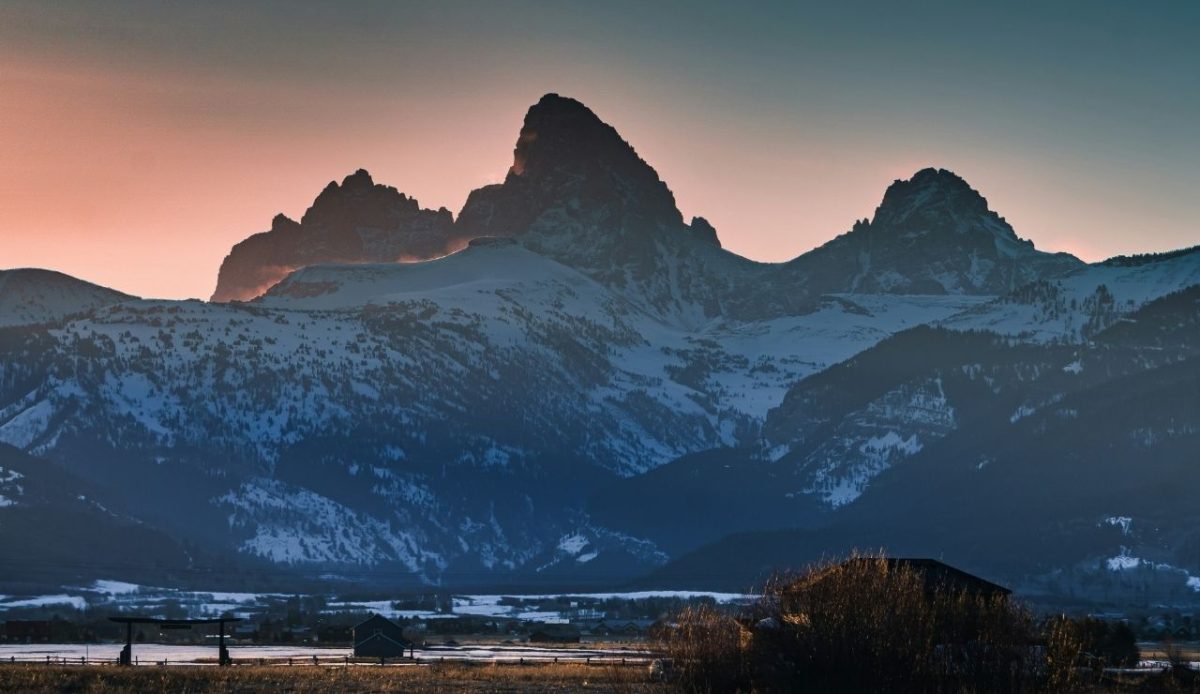
Driggs anchors the Idaho side of the Tetons and offers a calmer base than the pricey resort towns over the pass. Remote workers choose it for stable internet, an active main street, and quick trips to Grand Targhee. Many buyers pick townhomes with room for a desk and gear storage. Winters run long, so residents plan for snow tires and indoor workouts when storms roll through. Summer brings farmers’ markets, bike loops, and music nights that fill the calendar. Local leaders back trail work and small business training, which helps remote workers hire help, find clients, and keep a steady routine without big-city stress.
4. Stowe, Vermont
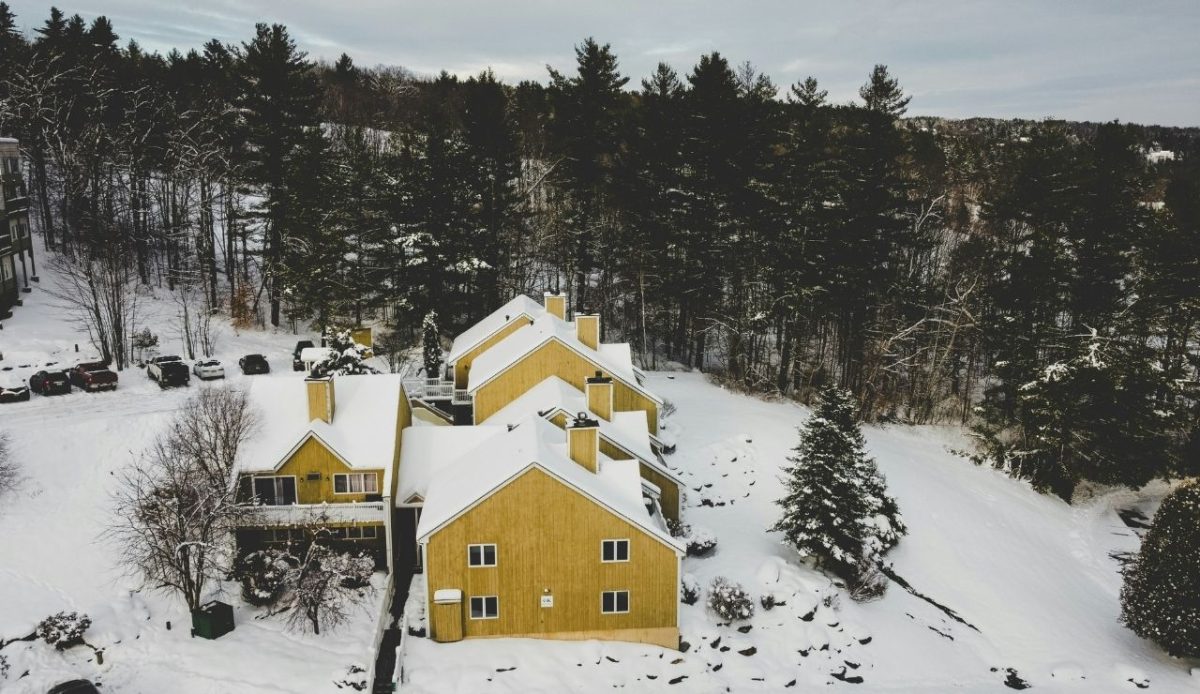
Stowe first attracts visitors with ski terrain and green hills, and then many return to live there once they see the school quality and healthcare access. Broadband supports full-time roles, and several hotels sell quiet-lobby day passes for those who need a change of scene. Families plan weeks around practice, library time, and mountain days while staying connected to teams in other states. Housing is tight, so shoppers work early with local agents and consider nearby villages for value. Year-round events and trail groups make it easy to meet neighbors. Stowe pairs small-town care with the services remote professionals need to stay effective.
5. Taos, New Mexico
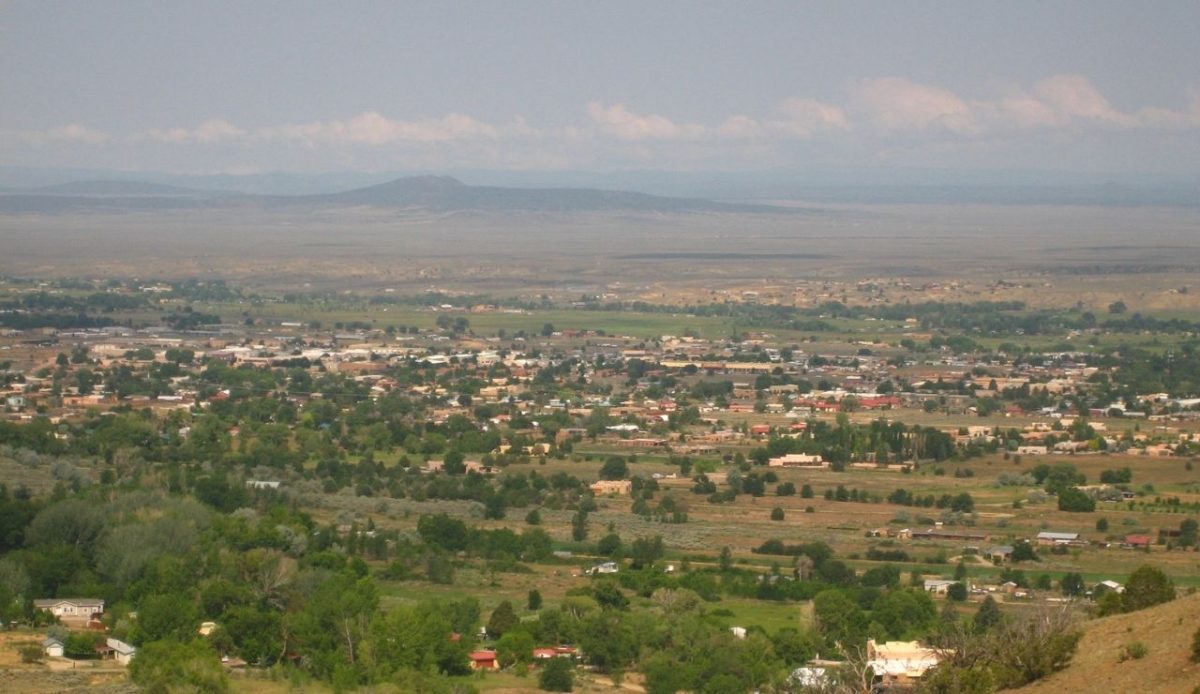
Taos draws writers, designers, and developers who want clear light, quiet mornings, and strong ties to art. Recent internet upgrades make code pushes and long video calls reliable in most areas. Newcomers often rent small casitas, then choose neighborhoods based on winter sun, yard size, and distance to the plaza. Afternoons end on the Rift Valley trails or in galleries that keep late hours. Winters bring ski days up the road, while spring and fall favor road rides and festivals. The steady rhythm helps people keep work time focused and home time calm, which is why many stay after a trial year.
6. Brevard, North Carolina
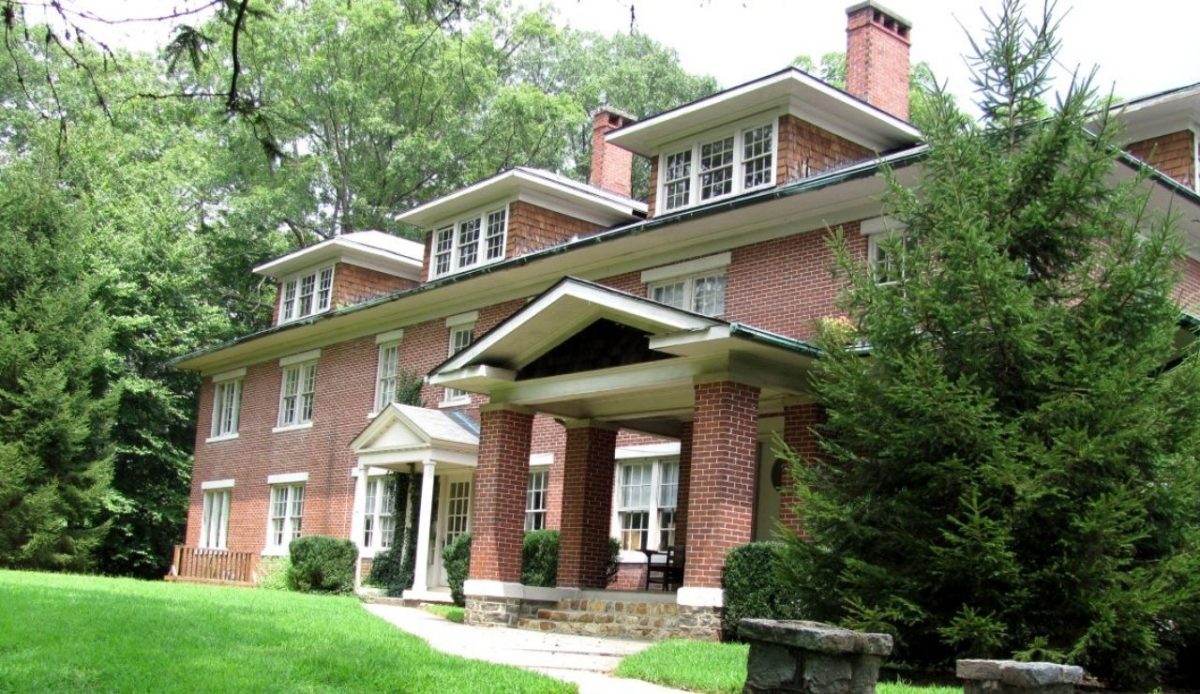
Brevard sits in the Blue Ridge foothills, where Pisgah National Forest surrounds the town with waterfalls and bike trails. Reliable broadband and modest costs draw remote workers from Asheville and Charlotte who want shorter commutes on foot. Small coworking rooms, cafés, and the library offer quiet desks with easy parking. Music nights, college events, and art walks fill the calendar, so it is simple to meet people after hours. Housing demand is rising, yet rentals and new townhomes keep options open for families. Brevard’s steady pace, trail access, and service culture help remote teams stay productive without giving up fresh air.
7. Livingston, Montana
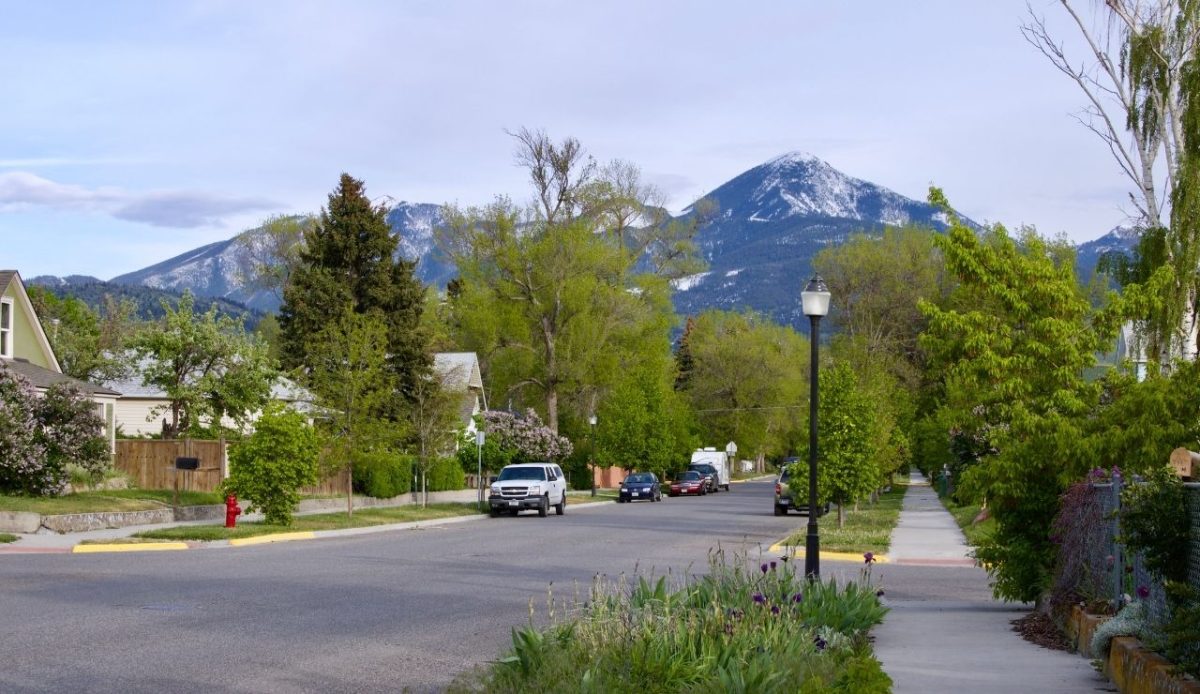
Livingston faces the Yellowstone River and gives remote workers mountain views with a strong community core. People rent near downtown to stay close to coffee, bookstores, and shared offices that allow drop-in days. Broadband reliability continues to improve, which builds confidence for full-time roles. After work, residents fish, hike, or drive a short distance for ski laps. Local groups host readings, river cleanups, and gear swaps that bring newcomers into the fold. Prices climb as interest grows, so buyers look early and consider smaller footprints. Livingston offers daily practicality with quick access to wild places, a balance many workers value.
8. Lincoln, Kansas
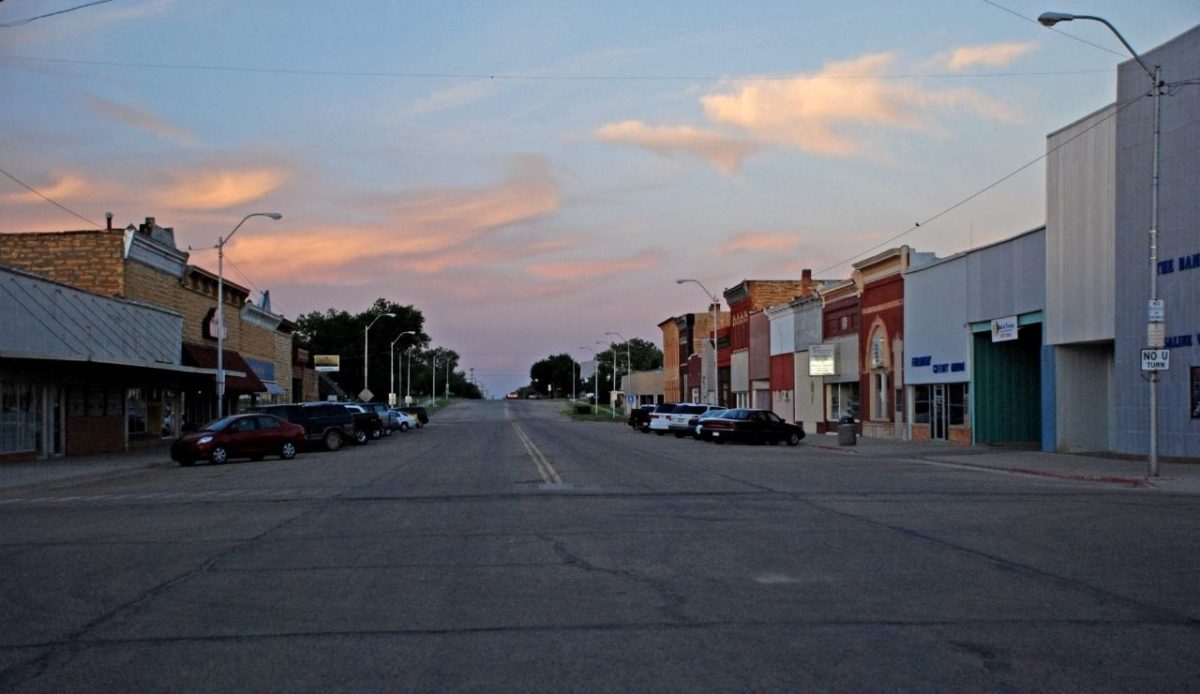
Lincoln promotes free residential lots for those who qualify, and that policy has pulled in remote workers ready to design a home from the ground up. Local cooperatives provide a stable internet that supports long workdays and cloud tools. The low cost of living makes saving easier, and small yards give space for gardens and pets. New residents join school boards, historical groups, and volunteer crews, which keeps civic life strong. Hardware stores, cafés, and clinics benefit from weekday customers who now earn online but spend locally. Lincoln shows how simple incentives and modern service can help a rural town grow again.
9. Lindsborg, Kansas
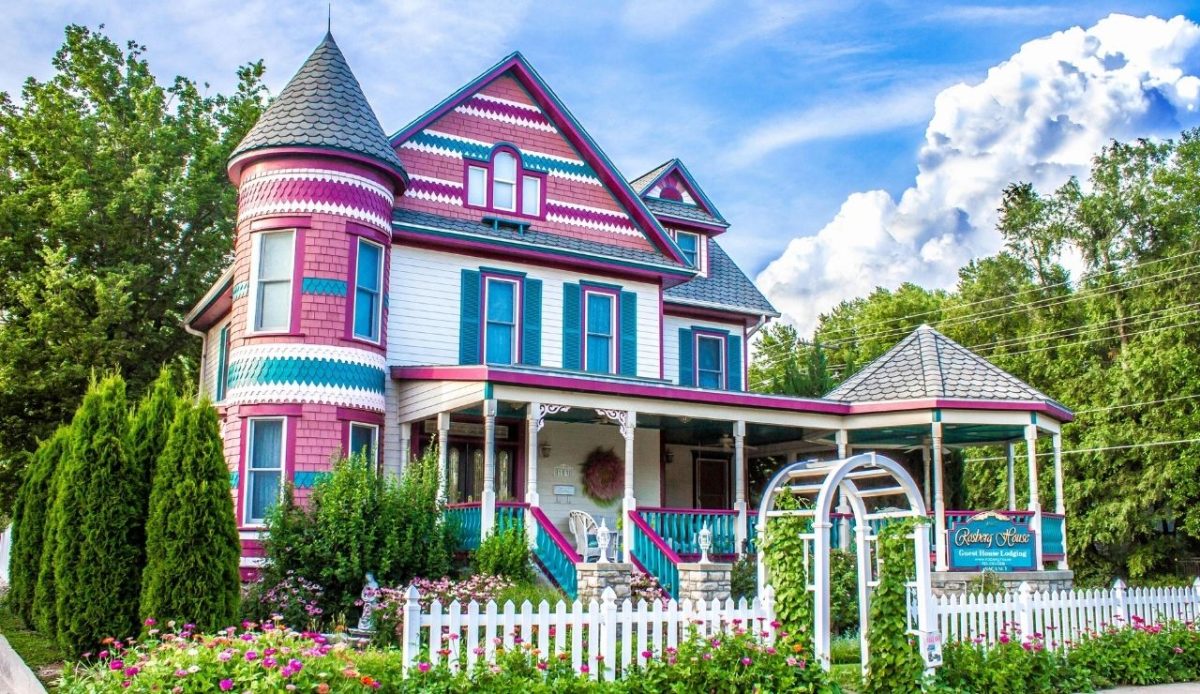
Lindsborg, known as Little Sweden USA, attracts remote workers who want a cultural calendar without big-city traffic. Downtown galleries, bakeries, and coffee shops offer welcoming work corners and reliable outlets. Internet service from regional providers supports video meetings and cloud design tools. Many newcomers choose cottages or ranch homes and enjoy short walks to parks and schools. Festivals, art walks, and language clubs make it easy to build friendships quickly. Prices remain reasonable compared with larger metros, so people can buy sooner and settle in. Lindsborg pairs tradition with modern service, which helps remote workers keep steady schedules.
