
Travelers often focus on tickets, schedules, and gear, but the small actions they use around others can influence how locals respond far more than any plan. Simple gestures help people feel at ease during brief interactions that happen in markets, transit stations, cafés, or neighborhoods where communication may not flow easily. A friendly expression, a polite greeting, or a calm reaction during delays can set the tone for a smoother day. These habits help you avoid tension, show respect for local routines, and create a sense of comfort for the people who interact with you. The following sections explain the gestures that consistently help visitors build quick, positive connections in many destinations.
1. Offer A Genuine Smile

A relaxed smile helps people feel comfortable around you, especially in places where visitors pass through quickly. It signals that you approach situations with calm behavior rather than tension. Staff, drivers, and locals often respond faster and with more patience when they see a friendly expression. You can use it at hotel check-ins, train platforms, food counters, and busy markets where communication may feel rushed. A simple smile also eases small misunderstandings that occur when accents, hand movements, or fast speech get in the way. Even brief encounters become smoother because the gesture shows that you respect the moment and the person in front of you.
2. Use A Few Local Phrases

Learning short greetings and courtesy words helps you connect in places where English may not come first. A quick hello, thank you, or goodbye in the local language shows that you made an effort before arriving. People tend to respond more warmly when travelers try even a few basic words. The pronunciation does not need to be perfect; sincerity matters more. These small phrases help during payments, simple directions, or interactions with taxi drivers and shopkeepers. Locals often appreciate that you recognize their language instead of expecting them to switch instantly, which reduces confusion and creates a positive first impression.
3. Greet People First

Starting interactions with a polite greeting sets a balanced tone, especially in cultures where acknowledgment comes before any request. A short good morning or good evening can prevent awkward moments when you approach staff or residents who manage busy places. The style of greeting changes from region to region, so paying attention to how locals greet one another helps you match their approach. Some prefer a nod, while others prefer a light handshake or verbal greeting only. This small step creates a sense of respect for personal space and shows that you understand the rhythm of daily interactions rather than jumping straight into questions.
4. Respect Lines And Personal Space
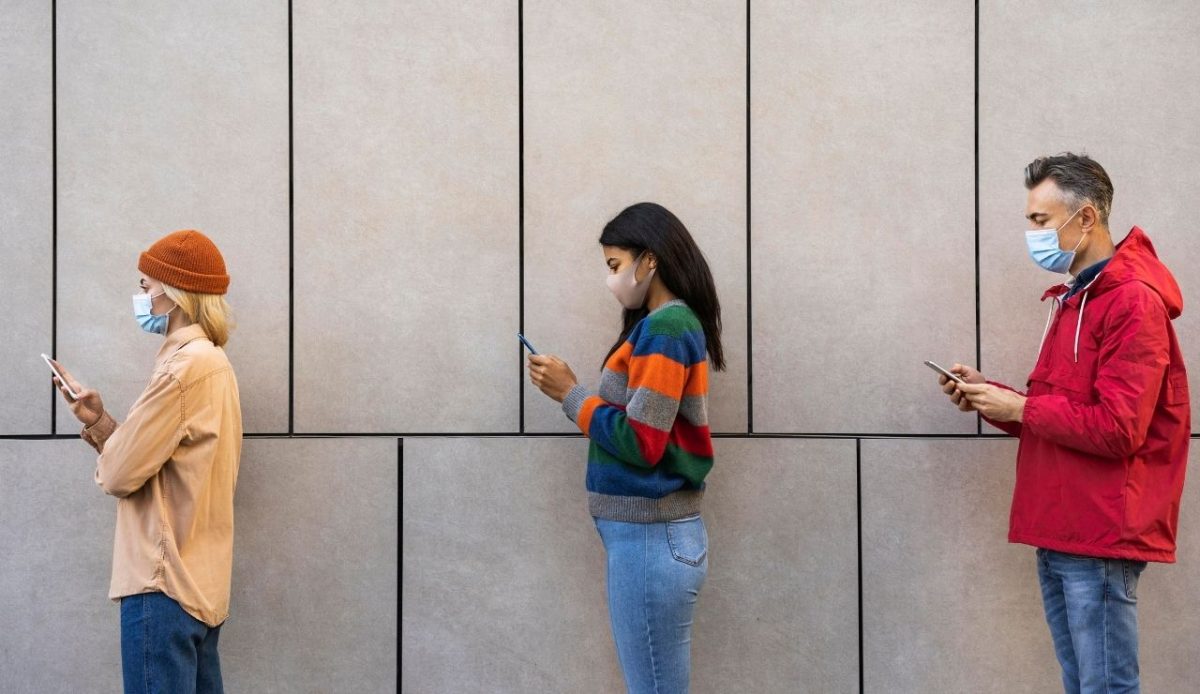
People often judge travelers by how well they follow shared rules, and standing in line properly is one of the clearest signals. Cutting, crowding, or leaning too close makes others uncomfortable, especially in packed transport hubs, ticket counters, and food stalls. Giving a bit of space shows that you recognize the order already in place. When you cannot find the end of a line, asking with a short gesture helps you avoid mistakes. Remaining aware of your backpack, shopping bags, or camera also prevents accidental bumps. These habits help you blend into local routines and keep interactions smooth, even during crowded hours.
5. Keep Your Voice Low In Public

Many cities, trains, cafés, and historic areas maintain a naturally quieter sound level, and loud conversations can make travelers stand out uncomfortably. Keeping your voice low shows that you understand how locals share public environments. It becomes especially important during early mornings, late evenings, and long transit rides when people try to rest. Speaking softly helps you avoid drawing unwanted attention and reduces misunderstandings caused by raised tones, which can be mistaken for irritation. Whether you talk to a friend, ask for directions, or make a phone call, a calm voice shows awareness of the space around you.
6. Ask Before Taking Photos Of People
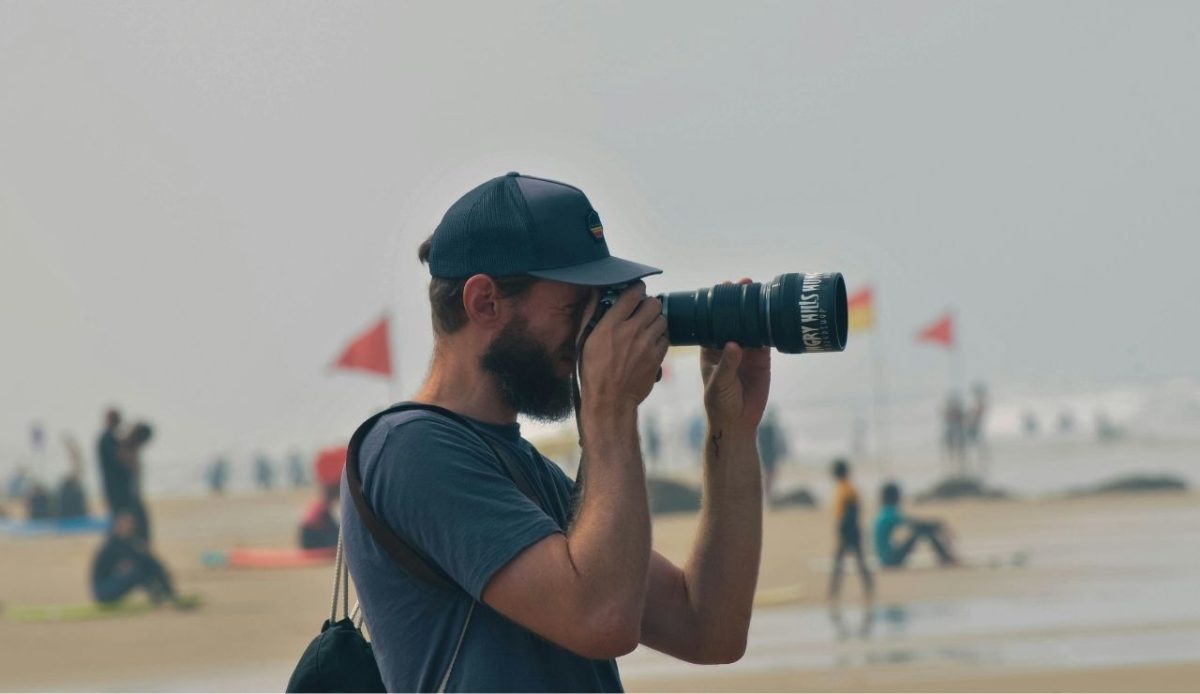
Asking before taking photos helps you avoid uncomfortable moments and shows basic respect for privacy. A simple gesture toward your camera or a short “Photo OK?” gives the person a clear choice, which matters in markets, temples, neighborhoods, and outdoor work areas where people may feel exposed. Some individuals might decline due to cultural norms, personal preference, or concerns about how the image could be used. Accepting their answer with a smile keeps the interaction positive. When someone agrees, take the picture quickly and avoid blocking pathways or drawing a crowd. This small habit protects trust and avoids tension with locals.
7. Dress In A Way That Fits Local Norms
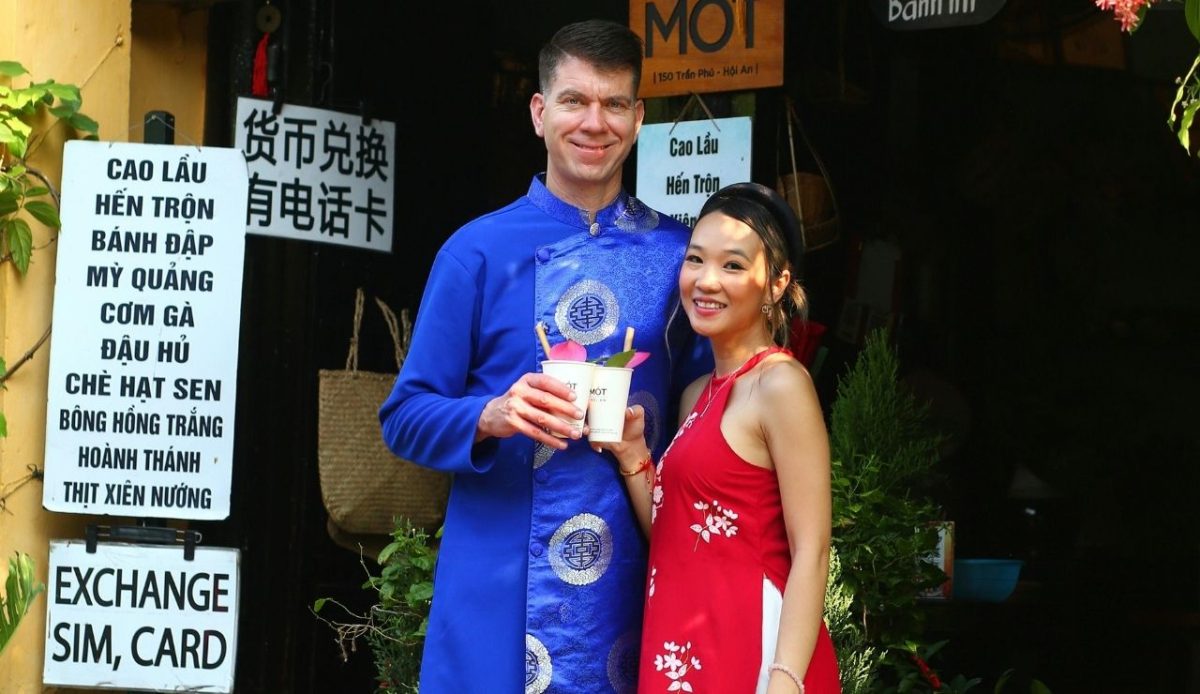
Clothing expectations differ widely across regions, and adjusting your attire helps you avoid unwanted attention or denied entry at cultural sites. Wearing modest clothing near temples, mosques, and churches shows that you recognize local customs, even if your usual style differs. In some countries, covering shoulders or knees is a basic requirement, while in other countries simply expect to wear clean and practical clothing for public spaces. Carrying a scarf, light jacket, or longer layer helps you adapt without effort. Observing how locals dress gives you quick guidance and prevents confusion at entrances, especially when staff enforce rules politely but firmly.
8. Accept Food Or Drink Politely
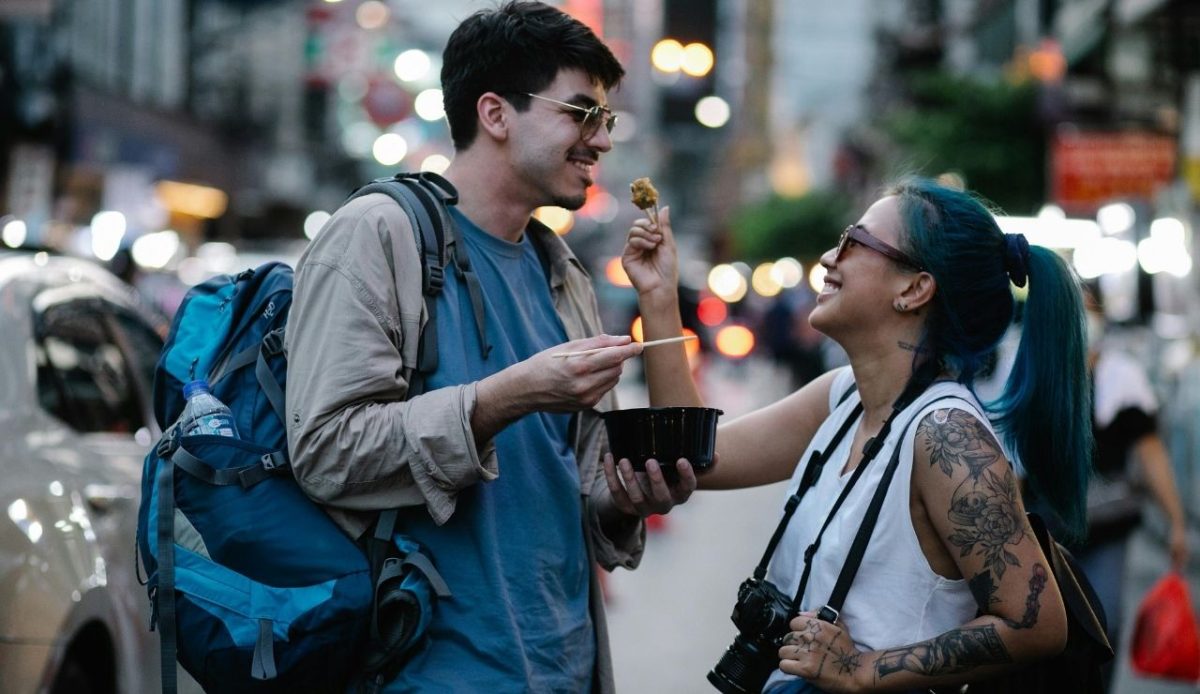
In many cultures, sharing a small snack or drink represents hospitality rather than formality, and accepting it politely strengthens your connection with the host. You do not need to consume everything; tasting a small amount usually satisfies the expectation. If you cannot accept due to allergies or other restrictions, declining gently with a smile avoids offense. These moments often occur in homes, markets, rural villages, or guesthouses where hosts welcome visitors warmly. Even simple gestures, like saying thank you and appreciating the effort, show that you value the interaction instead of treating the offer as an inconvenience.
9. Clean Up Shared Spaces

Cleaning up after yourself helps you maintain good relationships with locals and other travelers who use the same surroundings. Whether you finish a meal at a café, prepare food in a hostel kitchen, or take a break at a scenic viewpoint, leaving the area neat shows responsibility. Picking up wrappers, bottles, and small items you brought in prevents staff from dealing with unnecessary clutter. In outdoor areas, carrying your trash until you find a bin protects trails and parks from damage. People notice when visitors make an effort to keep shared spaces tidy, and it often creates a more welcoming environment.
