
A scenic drive can look easy on a postcard and feel different from behind the wheel. In the U.S., some of the most photographed roads also demand more attention than drivers expect, whether that comes from sharp curves, fast-changing weather, narrow lanes, steep drop-offs, or long stretches with few services.
What makes these routes memorable is often the same thing that makes them tiring. Elevation, fog, tunnel restrictions, one-lane bridges, and cliffside driving can turn a casual road trip into a route that rewards patience more than speed.
These nine drives stand out for scenery first, but they also show why beauty and difficulty often arrive together. For travelers planning one of them, preparation matters almost as much as the view.
1. Blue Ridge Parkway
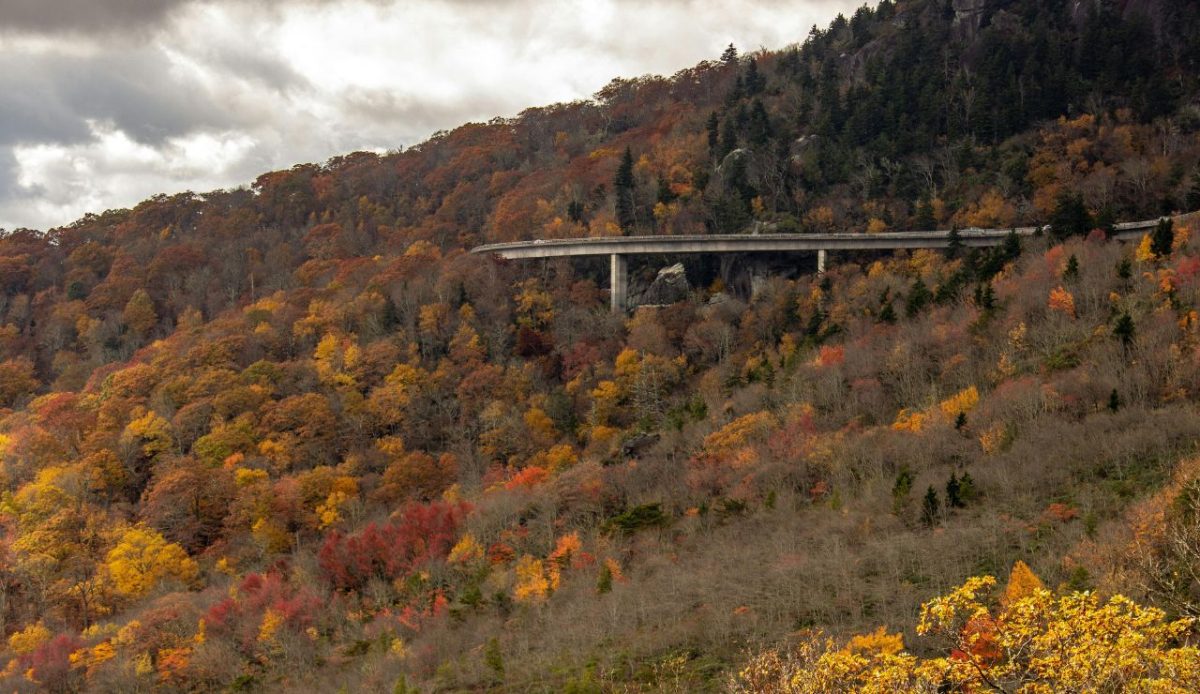
Blue Ridge Parkway sounds gentle because it is famous for overlooks, fall color, and leisurely road trips. In practice, the National Park Service warns that the route can sit in the clouds at any time of year, with fog cutting visibility even when nearby towns have clear weather.
That matters on a long, elevated road where curves keep coming and conditions can change from one section to the next. The parkway also includes many tunnels, especially in North Carolina, which adds another layer of concentration in low light or wet weather.
It is not an off-road challenge, but it can become a draining drive when fog, rain, or closures turn a relaxed pace into constant caution. The scenery is calm. The workload for the driver is not always.
2. Going-to-the-Sun Road
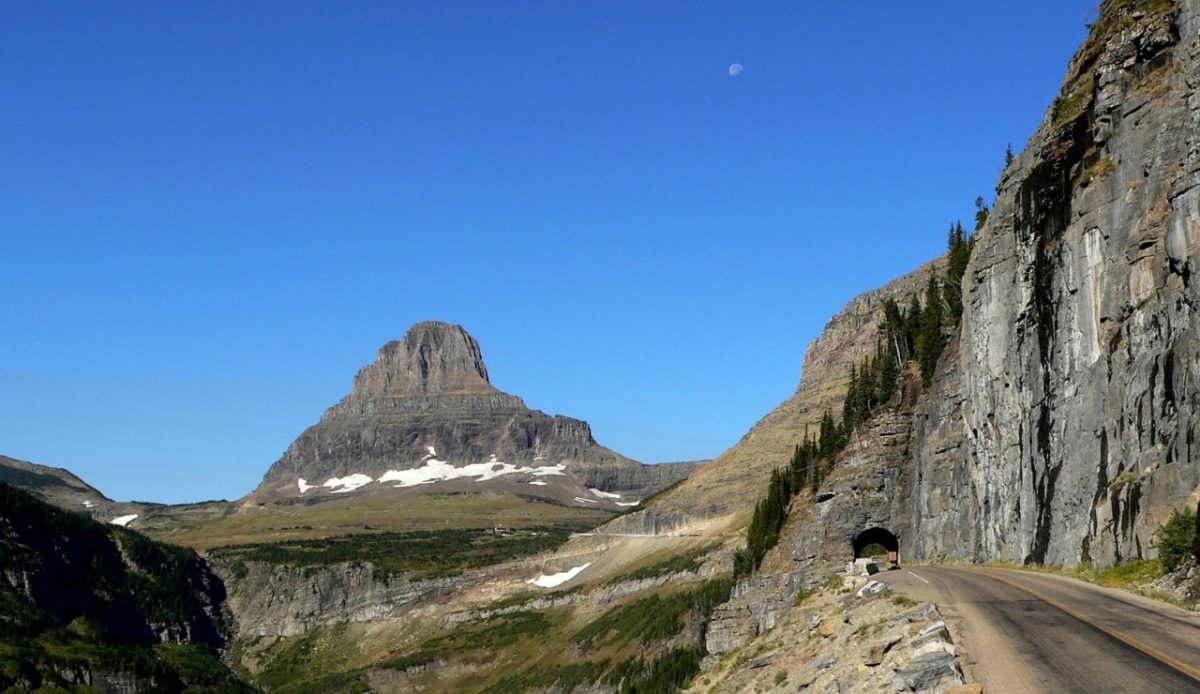
Going-to-the-Sun Road in Glacier National Park is one of America’s great mountain drives, but it often feels more serious than travelers expect. The road climbs high through alpine terrain, and the park reports seasonal closures, traffic delays, and spring conditions shaped by snow and avalanche risk.
The appeal is obvious: narrow ledges, dramatic peaks, and nonstop views. The pressure comes from sharing the road with many other visitors while navigating a route where weather can shift quickly and the mountain still sets the rules.
Drivers may picture a scenic cruise and instead get a concentrated, slow-moving experience where exposure, elevation, and changing conditions demand full attention. It is unforgettable, but rarely casual.
3. Moki Dugway
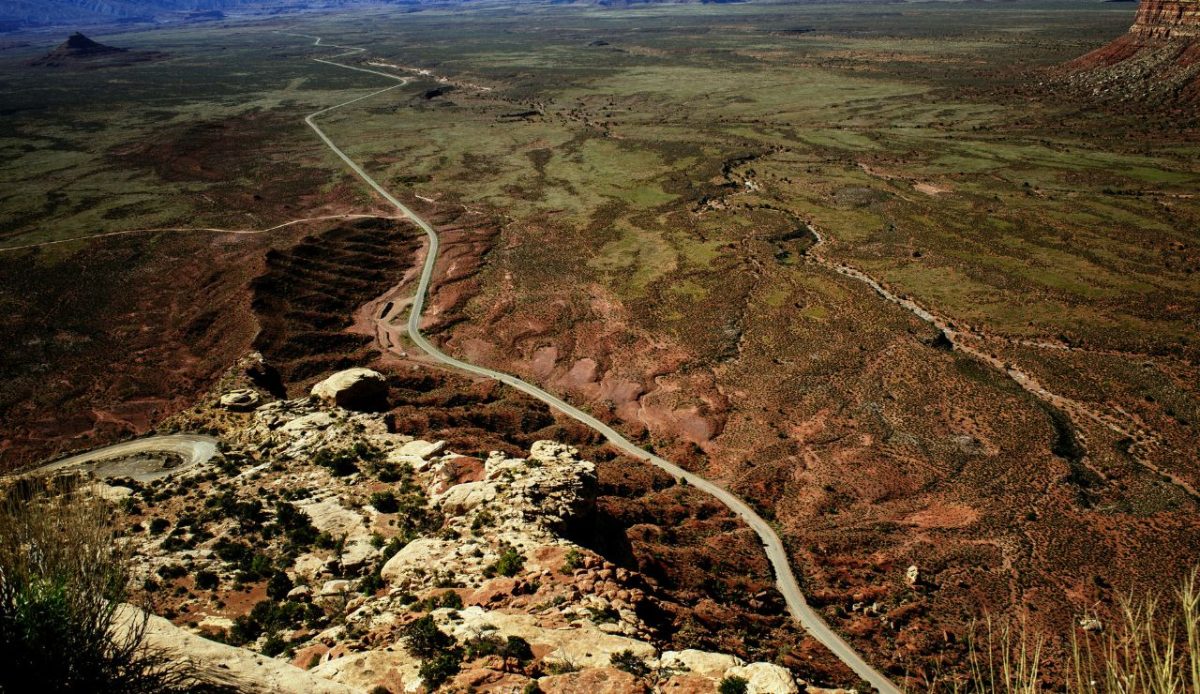
Moki Dugway in southern Utah looks like a scenic detour until the road starts dropping through steep gravel switchbacks. Federal land managers and Utah travel material both warn about the descent, describing dramatic grades, pullouts for photos, and conditions not recommended for RVs or trailers.
That combination is what catches drivers off guard. The views are enormous, but the route stays narrow, unpaved, and exposed enough that sightseeing can become the thing that makes the drive less safe.
Unlike a long mountain highway, Moki Dugway concentrates its tension into a short, memorable stretch. It is the kind of road people talk about for the scenery, then remember for the steering, braking, and nerves it demanded at the same time.
4. Beartooth Highway
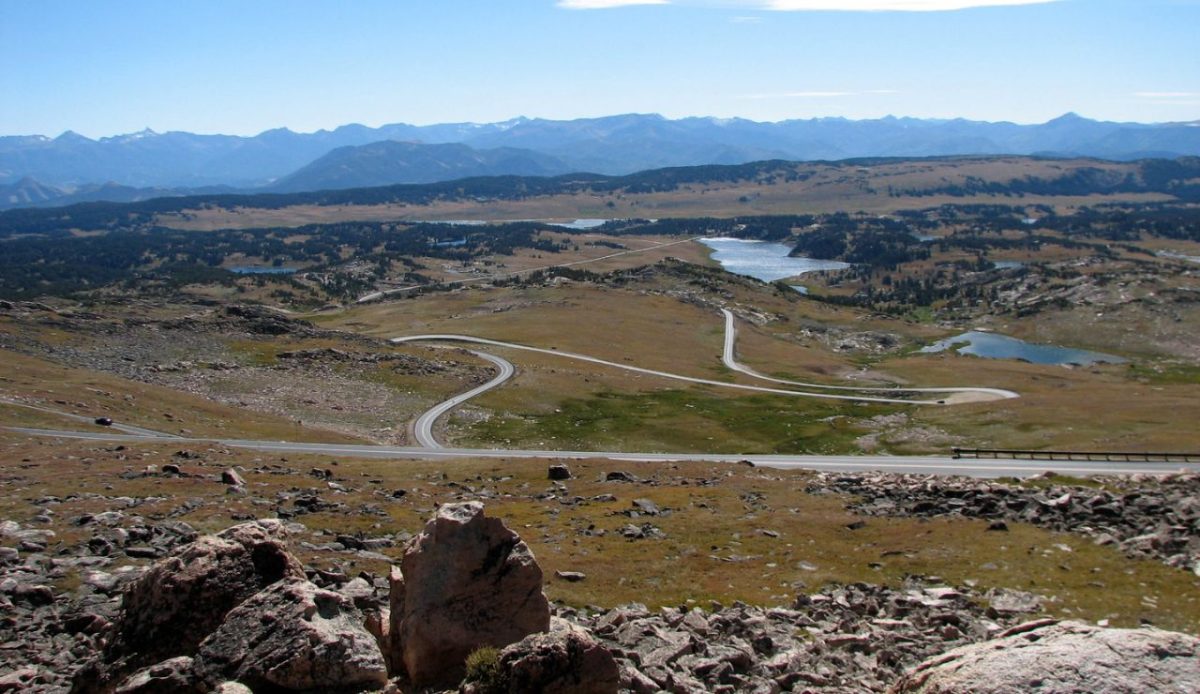
Beartooth Highway delivers huge scenery, but the U.S. Forest Service makes clear that this is a short-season road where snow can linger into summer and winter conditions can return near the edges of the open period. That changes the tone for drivers expecting an easy trip.
High elevation is part of the attraction, yet it also raises the stakes. Long climbs, switchbacks, and changing temperatures make the road feel exposed and remote, especially when weather shifts faster than a forecast.
Because it is only open seasonally, some travelers assume the hardest part has been managed for them. In reality, the road still demands planning, patience, and comfort with mountain driving. The views are broad. The margin for distraction is not.
5. Hana Highway
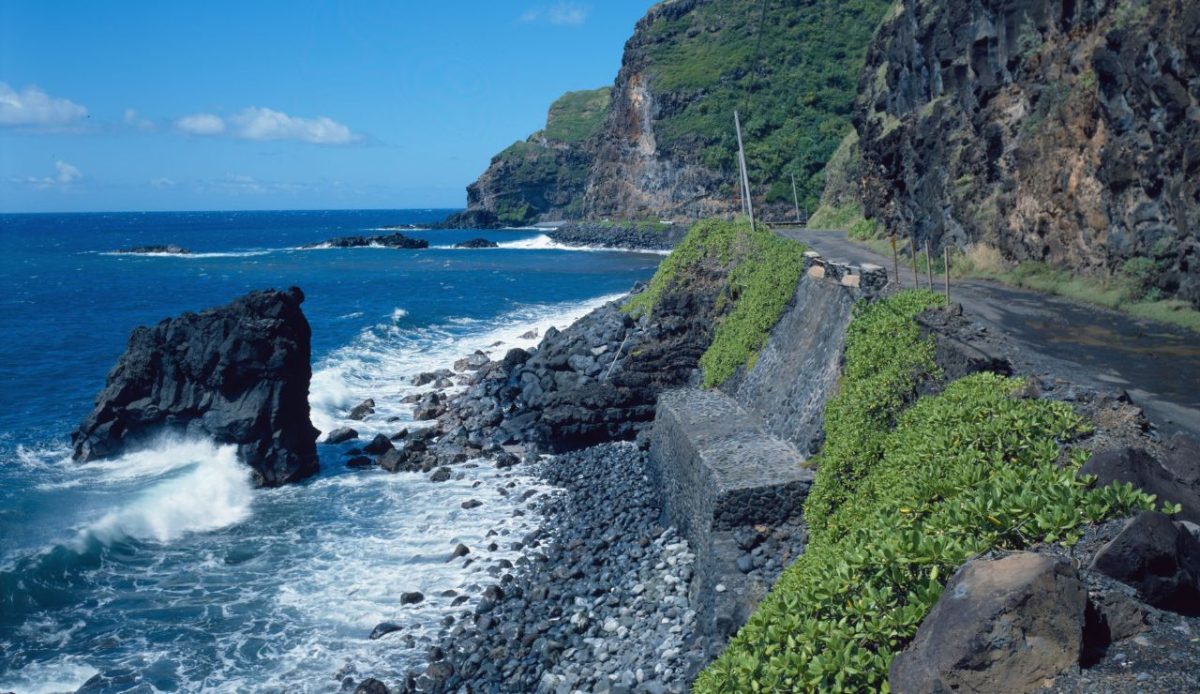
Hana Highway on Maui is often described through waterfalls, rainforest, and coastal scenery, which can make it sound like a gentle island outing. The reality is more demanding. Official Hawaii transportation material describes the route as narrow and winding.
The challenge is not just the number of curves. The road asks for repeated speed changes, careful lane placement, and patience around bridges and slower traffic. Sightseeing also creates its own risk when drivers split attention between the road and the landscape.
That is why this drive can feel more tiring than expected even at modest speeds. It is visually calm and beautiful, but behind the wheel it rewards restraint, courtesy, and more focus than the vacation mood suggests.
6. Overseas Highway
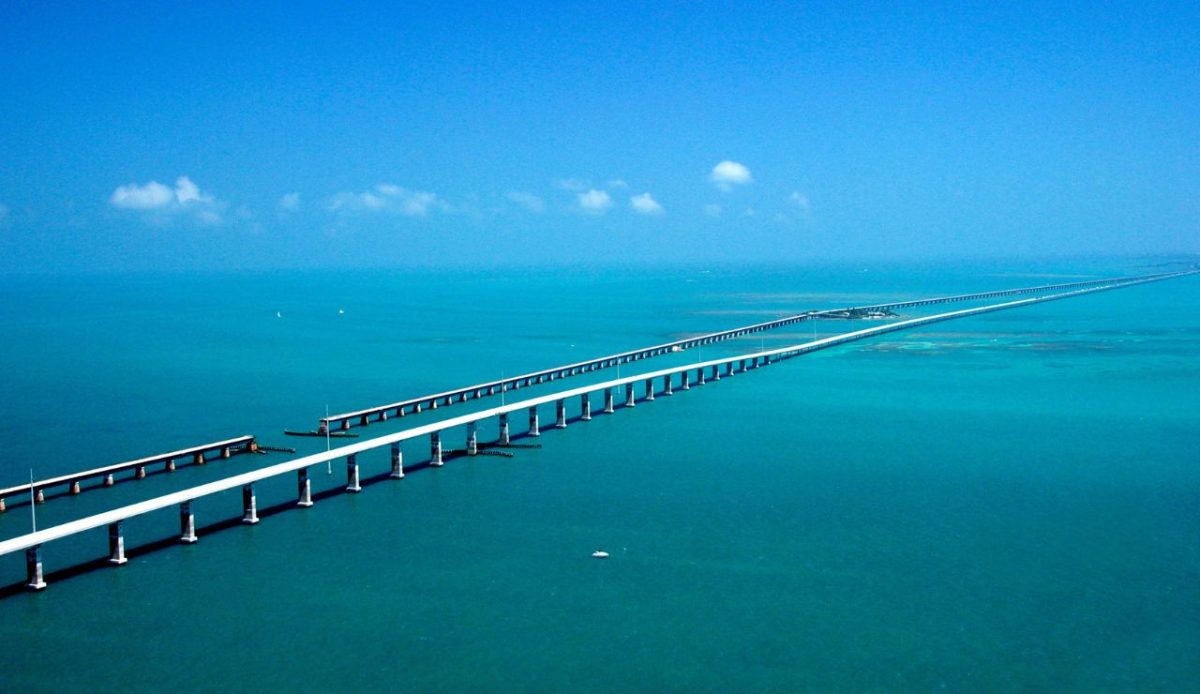
The Overseas Highway in the Florida Keys can surprise drivers because it is famous for ocean views, not difficulty. Yet a route defined by long bridge crossings and open exposure can feel less relaxed when wind, weather, or traffic enter the picture.
Florida planning documents have long treated the Keys as a place where transportation and evacuation matter, which hints at how limited and exposed the corridor really is. There is beauty on both sides of the road, but that openness can make drivers uneasy.
Unlike a mountain route, this drive rarely relies on hairpins or steep grades to feel demanding. Its tension comes from elevation above water, bridge travel, and the sense that there are few easy alternatives once committed to the route.
7. Dalton Highway
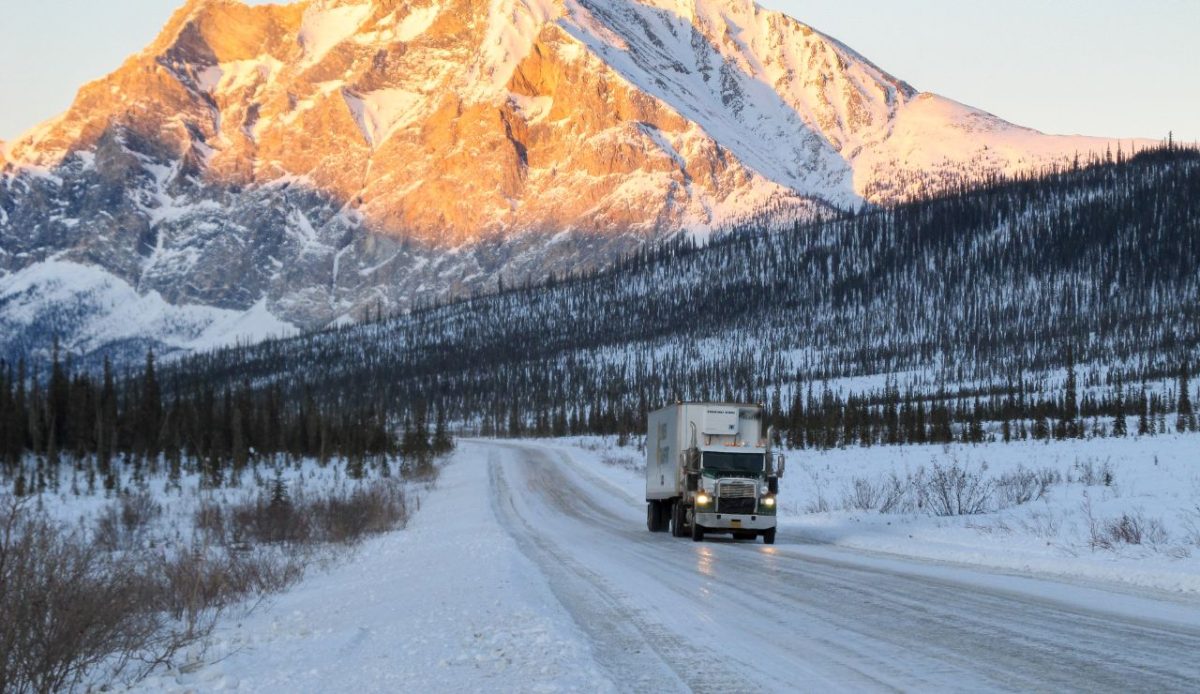
Alaska’s Dalton Highway is less about dramatic curves than about isolation, surface changes, and the consequences of getting something wrong far from help. State transportation material notes that the road runs 414 miles and includes gravel sections.
This is not the kind of scenic route where a full tank and a playlist feel like enough. Sparse services, freight traffic, and long distances create pressure that is as much psychological as physical. The landscape is extraordinary, but it shows how remote the drive is.
For many travelers, that remoteness is the point. It is also why the road can feel riskier than expected. The challenge here is not only road design. It is exposure, distance, and the need to stay prepared for a long time.
8. Tail of the Dragon
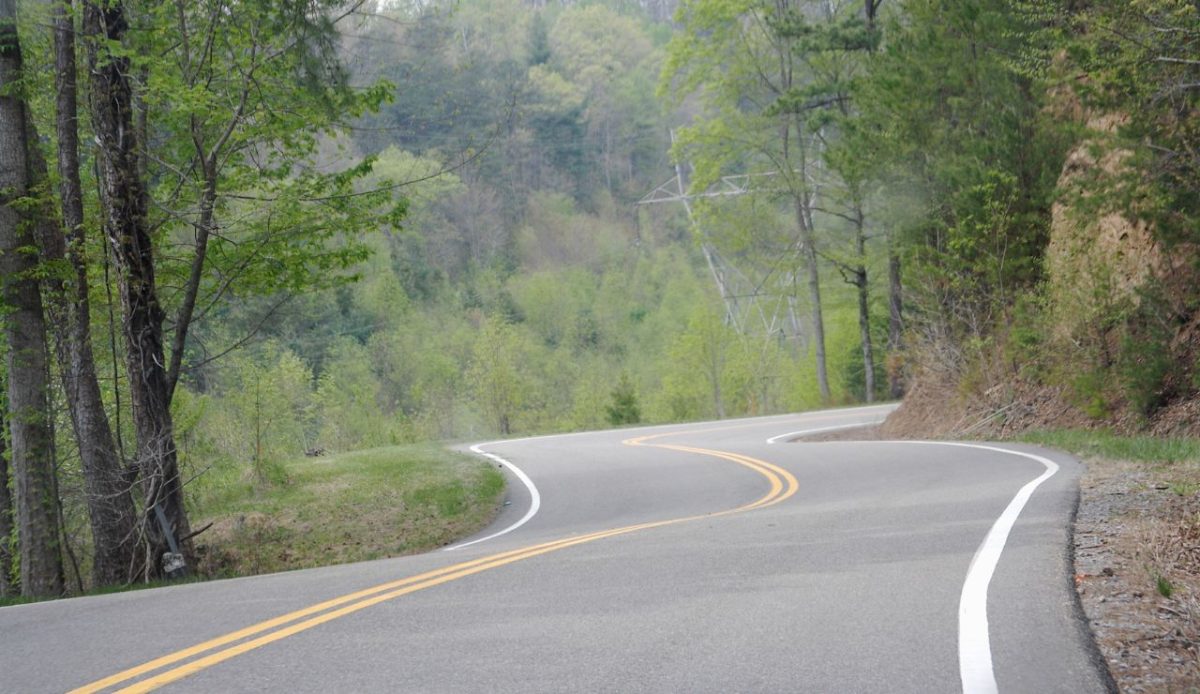
Tail of the Dragon on U.S. 129 does not hide what it is, but it still catches people off guard. The road’s tourism site leads with the number that defines it: 318 curves in 11 miles. Even experienced drivers can underestimate what that means once they are actually threading through the mountains.
There are no long recovery sections where attention can drift. The route demands repeated steering input, disciplined speed, and respect for other drivers using the same narrow ribbon of pavement for different reasons.
That is why the drive can feel more intense than its short length suggests. The challenge is compressed rather than extended. It is famous for fun, but the concentration it requires is real from the first curve to the last one.
9. Zion-Mt. Carmel Highway
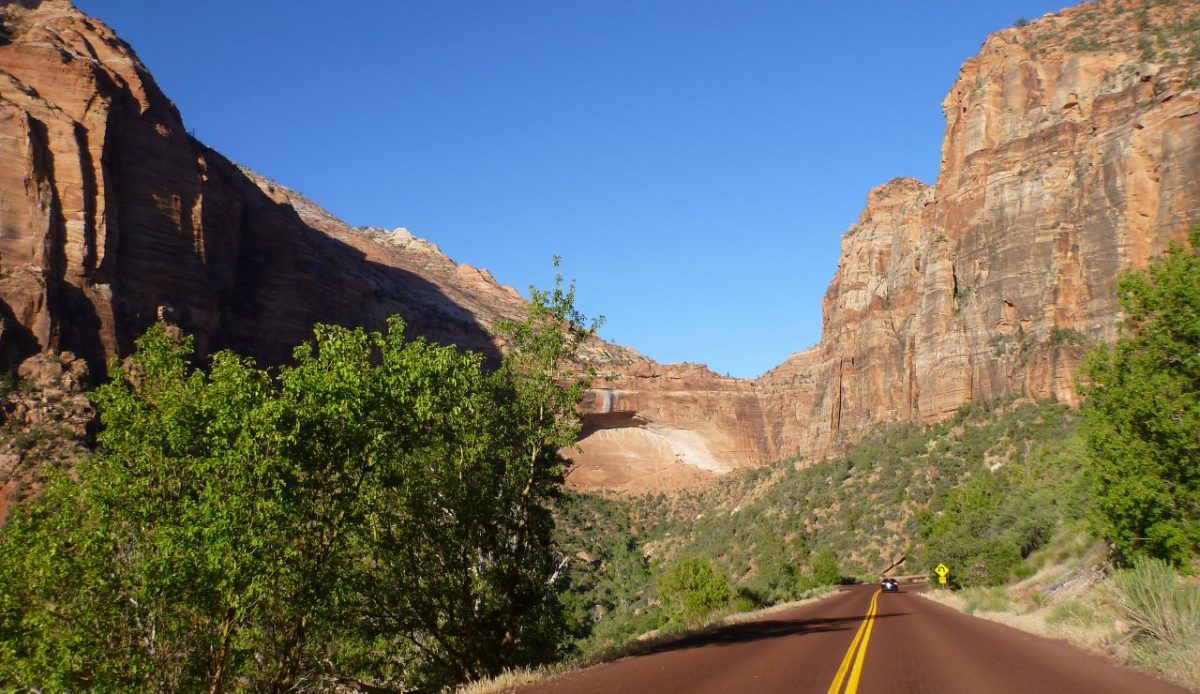
Zion-Mt. Carmel Highway feels manageable in photos, but the National Park Service has spent years addressing collision risk and oversized-vehicle problems on this route. The road includes tight geometry and a tunnel section with traffic control for larger vehicles.
That alone tells you this is not a simple scenic connector. NPS says oversized vehicles must be escorted through the tunnel, and restrictions set for June 7, 2026 are meant to reduce collisions and lane-crossing problems.
For everyday travelers, the result is a drive that can feel more technical than expected. The cliffs, switchbacks, and sandstone views are spectacular, but they sit beside a road where space, size, and precision matter more than a casual glance suggests.
