
India rewards solo travelers with color, history, and constant movement, but those same qualities can feel overwhelming without preparation. Crowded stations, late-night bus rides, and unfamiliar customs sometimes test even confident explorers. Staying safe is not about fear; it is about making smart choices that keep the journey smooth. Awareness in daily habits, respect for traditions, and careful planning allow travelers to enjoy India’s charm while avoiding unnecessary risks. These tips focus on building confidence for independent travelers who want both safety and freedom during their journeys.
1. Keep Your Documents Secure
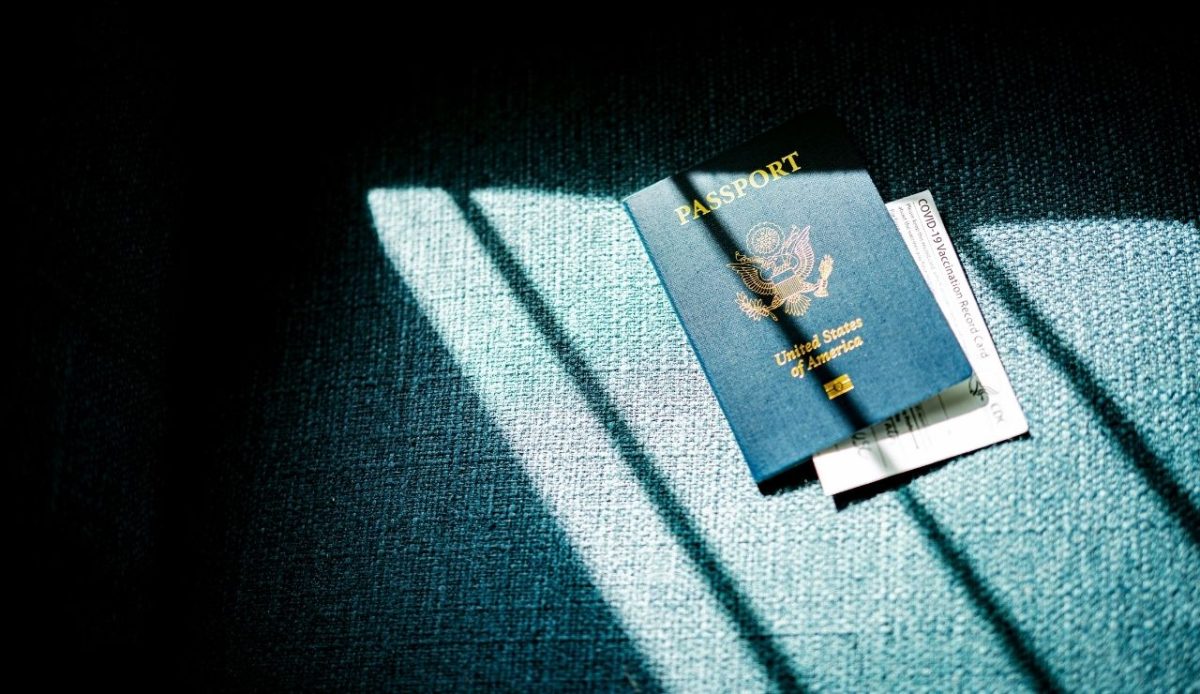
Your passport, visa, and ID remain your most important possessions. Always carry copies in a separate bag and keep digital backups stored in email or cloud accounts. Use a money belt or hidden pouch for the originals and avoid pulling them out in public unless required. Many hotels request a copy at check-in, so having extras prevents stress. Losing papers can quickly turn into days of bureaucracy, wasted travel time, and unnecessary costs. Protecting them from the start makes the entire journey smoother and much safer.
2. Choose Trusted Transportation
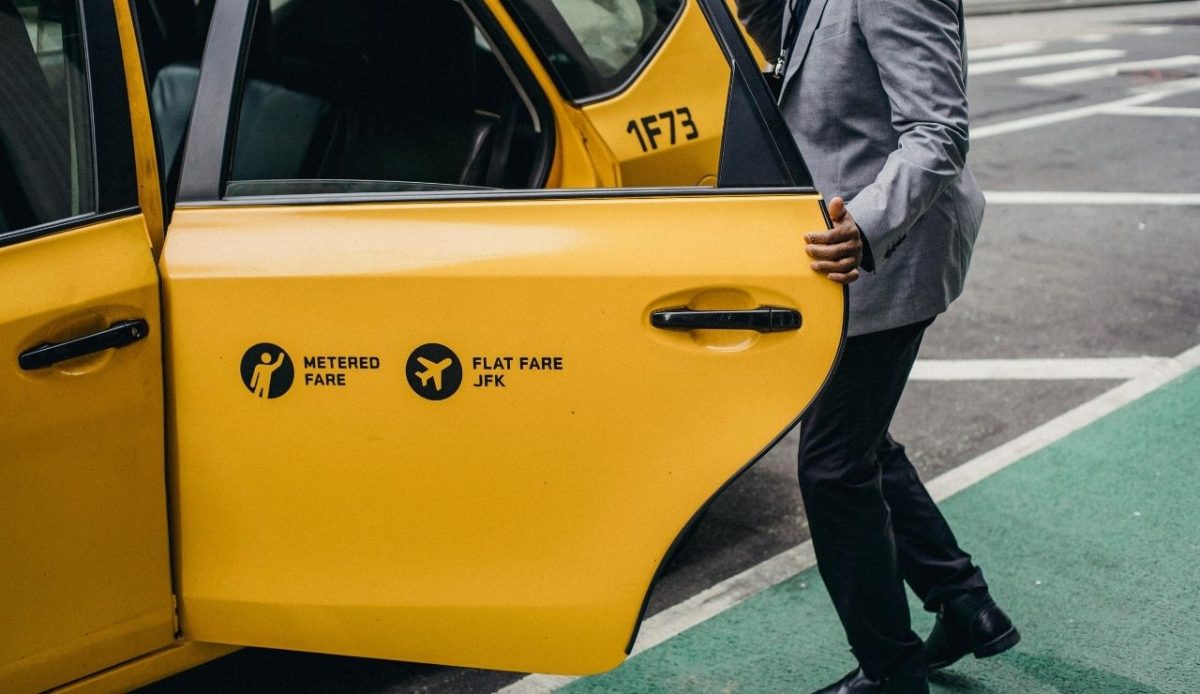
India offers many ways to get around, but not all carry equal safety. When possible, rely on prepaid taxi counters at airports or railway stations. Ride-hailing apps like Uber and Ola provide tracking features that let friends follow your trip in real time. Avoid unmarked taxis or unofficial offers, especially at night. For trains and buses, book tickets through official websites or trusted agents. A reliable ride reduces the risks of scams and ensures you reach your destination without added worry. Safe travel begins with careful choices on how you move.
3. Stay in Reputable Lodging

Where you sleep each night plays a big role in how safe your trip feels. Look for hotels or guesthouses with strong reviews on trusted platforms. Check for clear security measures such as cameras, locks, and staffed receptions. Avoid rooms without proper windows, exits, or lighting. Many budget travelers find hostels comfortable, but confirm the property is licensed and well-maintained. A good location near transport or busy areas makes moving around easier and reduces isolation. Picking the right lodging turns rest time into part of your safety plan.
4. Dress with Local Norms in Mind

Clothing choices influence how travelers are treated, especially when exploring alone. In many regions of India, modest outfits help avoid unwanted attention. Loose shirts, longer pants, and covered shoulders let you blend more easily with the crowd. Temples and mosques often require respectful attire, so planning prevents denial at the door. Lightweight fabrics suit the heat while reflecting styles many locals already wear, which helps you fit in naturally. Observing what people around you choose offers instant guidance. Dressing with awareness not only shows respect but also keeps interactions smooth and safe.
5. Stay Connected with Family or Friends
Solo travel does not mean cutting ties with those back home. Share your itinerary with a close friend or relative before you leave. Check in regularly through calls, texts, or simple messages, especially when moving between cities. Many ride apps and maps allow you to share live locations for extra reassurance. Staying in touch provides both comfort and safety, giving someone the ability to notice quickly if plans change. Even short updates reduce risks and create peace of mind for you and those waiting for your safe return.
6. Avoid Isolated Areas at Night

India’s cities stay lively long after sunset, yet side streets and poorly lit areas often carry higher risks. Busy roads, night markets, and transport hubs remain safer since activity continues late. If travel after dark is unavoidable, arrange reliable transport in advance and keep trusted contacts informed. Many hotels assist with cars or taxis, which reduces the need to search for rides on your own. Quiet streets may make a traveler stand out, while crowded spaces help reduce exposure to crime. Choosing well-lit areas with steady movement keeps you safer and less vulnerable at night.
7. Limit Alcohol Consumption

Alcohol lowers awareness and slows reaction time, which can place solo travelers at risk. In social settings, drink slowly and know your limits. Avoid accepting beverages from strangers or leaving drinks unattended. Many bars in large cities feel lively and safe, but losing control can make you vulnerable to theft or harassment. Carry cash for your return trip and plan transportation before drinking. If you want to enjoy local nightlife, do so in trusted venues with clear security. Keeping a clear head ensures you remain alert, capable, and ready to handle unexpected situations at any hour.
8. Use Cash and Cards Wisely
Money handling needs care, especially when traveling alone. Carry small bills for daily transport, meals, and entry fees, while keeping larger amounts stored securely in your hotel or a hidden pouch. Avoid pulling out large sums in public, which may draw unwanted attention. ATMs are widely available in cities, but use machines in secure locations like malls or bank branches. Many shops accept cards, yet cash remains necessary in rural areas or markets. Balancing both methods ensures you never feel stranded, while reducing the risks of theft or financial stress during your journey.
9. Respect Food and Water Safety

Enjoying India’s flavors is part of every trip, yet food and water safety matter for health. Choose bottled water with sealed caps and avoid drinks packed with ice from unknown sources. Street food can taste wonderful, but pick vendors who stay busy, as steady turnover keeps food fresh. Wash fruit before eating and favor cooked dishes over raw salads. Carrying hand sanitizer helps when soap is unavailable. Food poisoning or dehydration can cut a trip short. Taking simple steps protects your health, keeps energy high, and lets you enjoy local meals without worry.
