
Remote Canadian tourism often depends on a scheduled flight link because highway distance, driving limits, and airport capacity shape visitor flow. When a carrier ends a route, the short stay market shrinks as same-day transfers fall.
The cut shifts demand timing. Visitors cancel quick trips because connections add hours and need weather buffers, which lowers shoulder season occupancy. Towns with limited hotel rooms and seasonal staffing then see wider gaps between peak and off weeks.
This article covers nine towns where scheduled service ended or a key route was suspended by airline decision or airport constraint. Each case ties access loss to impacts such as fewer event arrivals, reduced rental car turnover, or lower weekend bookings.
1. Kenora, Ontario
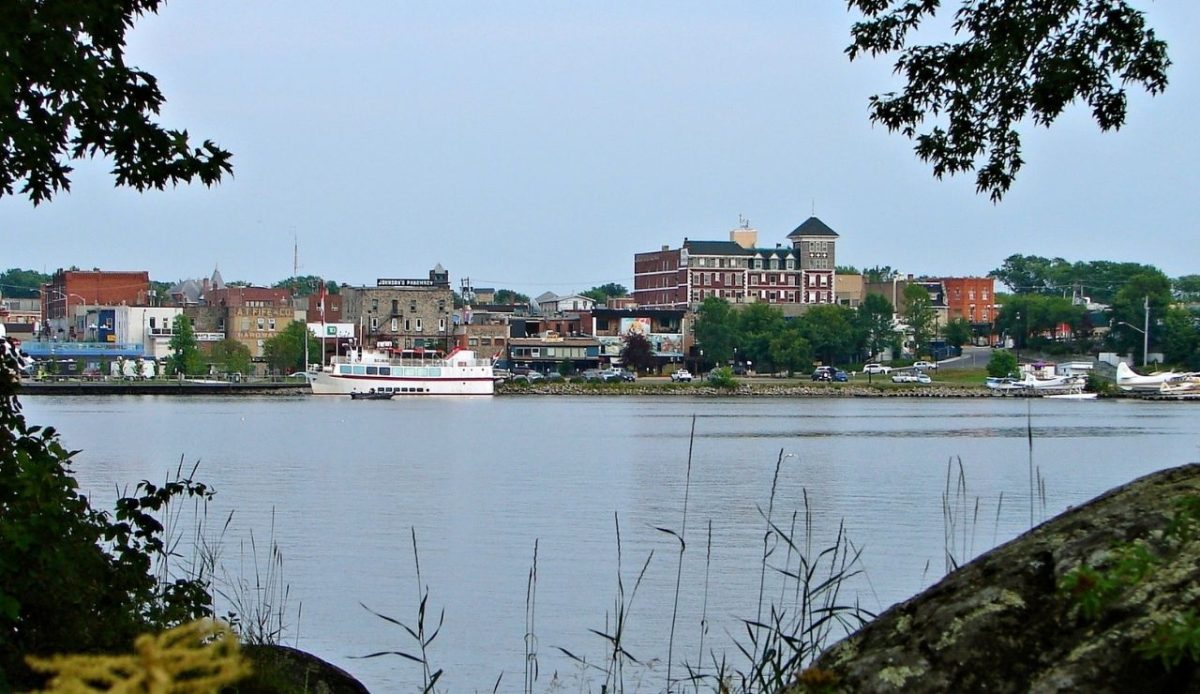
Kenora is on Lake of the Woods near the Manitoba line, and fly-in visitors used Kenora Airport for fishing trips. When scheduled service ended, access shifted to drives from Winnipeg, increasing trip time and cutting weekend turnover.
The cut hit operators tied to fixed summer inventory. Lodges and guide boats have limited berths, so fewer arrivals push demand into peak weeks and weaken shoulder season occupancy. Rental car supply is small, so fewer arrivals also reduce daily pick-ups that support short stays.
Demand peaks in June through September, and lost air seats remove inflow for tournaments and meetings. Organizers lean on charter or road travel, which raises cost per visitor and reduces attendance from out-of-province markets.
2. Dryden, Ontario

Dryden lies on Highway 17 between Thunder Bay and Winnipeg, and its airport once offered a flight option for leisure and business trips. After scheduled flights ended, visitors added road hours, reducing weekend demand.
Tourism ties to hunting, fishing, and lake cabins with limited rooms and seasonal staff. When air access drops, parties shift toward longer stays because travel cost is paid once, lowering separate arrivals per week and changing cleaning and guide schedules.
Events rely on arrival windows tied to published timetables. Without them, groups face a higher disruption risk from winter storms on the Trans Canada corridor and fewer backup options, so attendance becomes more regional and spending concentrates into fewer dates.
3. Fort Frances, Ontario

Fort Frances lies on the Rainy River at the Minnesota border, and its airport served as an entry for anglers and visiting teams. When scheduled service ended, the town relied on drives from Thunder Bay or Winnipeg, narrowing the visitor radius.
Border location adds constraints. Customs rules and lake seasonality shape timing, and fewer air seats mean fewer same-day arrivals for Rainy Lake tournaments. Lodging supply is limited, so fewer flight parties reduce midweek occupancy, which helps cover winter fixed costs.
Organizers lose schedule certainty. Without a stable timetable, events are planned around road delays and storms, lowering participation from distant provinces. Spending shifts toward nearby travelers, reducing fly-in related revenue.
4. Lloydminster, Alberta, Saskatchewan

Lloydminster straddles the Alberta-Saskatchewan boundary, and its airport relied on a single link to a major hub for short visits. When the Calgary route ended, travelers had to drive to other airports, reducing same-day meetings and leisure stopovers.
The market has a low daily seat supply, so a cancellation removes a large share of capacity at once. Fewer seats cut weekend arrivals for tournaments, and hotels see weaker midweek occupancy when visitors shift to day trips by road.
City officials pursued service recovery through incentives and carrier talks, since airport fixed costs remain even with fewer flights. Without a replacement timetable, events compete against better-connected centers and visitor spending shifts elsewhere.
5. Whatì, Northwest Territories

Whatì is a Tlicho community in the Northwest Territories that relies on its airstrip and seasonal roads for access. When the scheduled link from Yellowknife was suspended, visitor travel shifted to charter or surface routes, reducing arrivals.
Tourism is small-scale, and capacity is fixed by limited lodging and local guides. Without a regular timetable, groups add buffer days for weather, and some trips are cancelled when conditions close the strip, lowering guest nights that support operators.
Seat loss also affects mixed-use flights where passengers and freight share rotations. Fewer passenger movements reduce turnout at regional gatherings and training sessions, and spending falls during shoulder periods when cash flow is tight.
6. Bathurst, New Brunswick
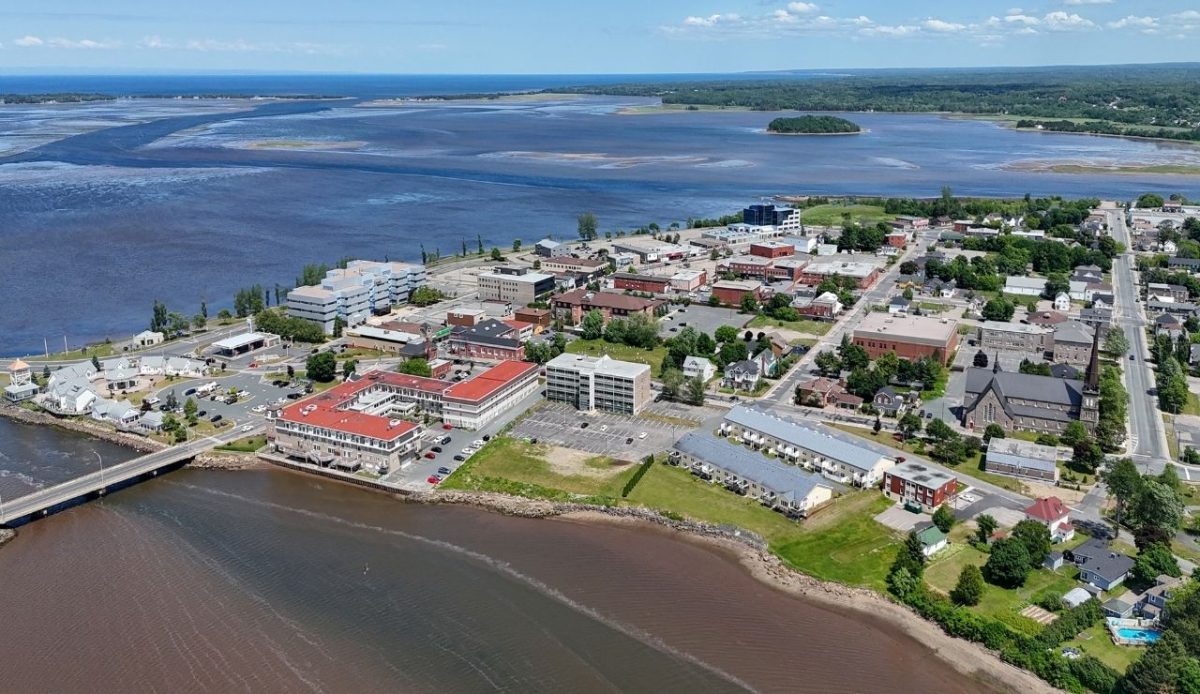
Bathurst is on Chaleur Bay in northern New Brunswick, and its airport links the town to larger networks on a thin schedule. When service is suspended, access from cities needs longer transfers, reducing short-stay event visits.
The visitor economy depends on seasonal coastal demand and trail use, while hotel inventory is modest and staffing varies by season. Fewer seats reduce visitors arriving without cars, lowering rental demand and shifting spending toward road day trips.
Regional agencies seek alternate carriers or support because airport fixed costs continue even when flights stop. If service stays absent, meeting planners face a higher itinerary risk, and the town loses competitiveness against coastal centers with direct air links.
7. North Bay, Ontario

North Bay is a transport node in northeastern Ontario, and the airport saved time for travelers connecting to Toronto itineraries. When service is suspended, visitors face longer road legs from airports, reducing short trips.
The visitor economy includes lake seasons and conference demand tied to institutional travel. With fewer seats, attendance shifts toward markets reached by car, and hotel demand becomes seasonal. Ground transport use increases, straining downtown parking on event weekends.
Airport managers pursue retention through fees and marketing because terminal and runway costs stay fixed. If suspension persists, operators face a smaller catchment, and visitor spending shifts toward places with direct links and stable schedules.
8. Cranbrook, British Columbia

Cranbrook is in the East Kootenay valley, and the airport was once linked to Vancouver for ski and summer travel. When that route ended, visitors relied on highways, reducing short stays tied to weekend windows.
Tourism is constrained by limited rooms in resort towns and by mountain passes that are closed during winter storms. With fewer direct arrivals, demand shifts toward drive markets, and shoulder occupancy drops when travelers avoid long transfers for brief trips. Rental car turnover also falls.
Local agencies promote alternate access and work with carriers on incentives because airport costs persist even with fewer flights. Without a restored nonstop link, group tours face tighter planning windows and a smaller catchment from coastal markets.
9. Rouyn Noranda, Quebec
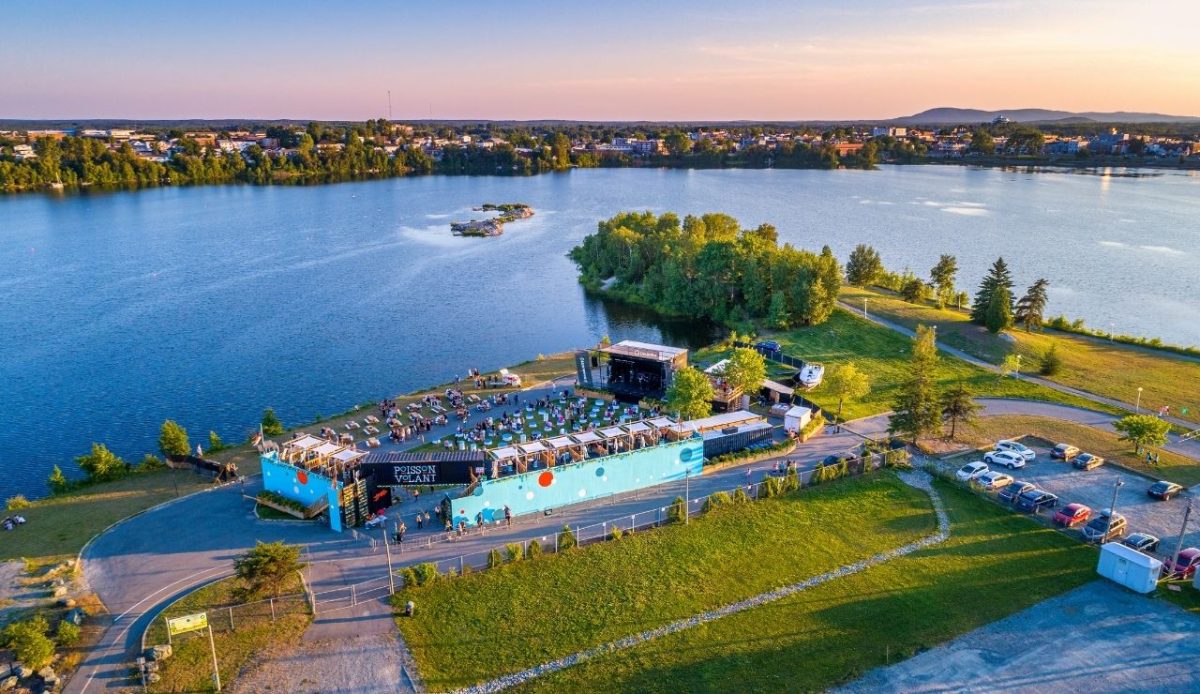
Rouyn-Noranda serves the Abitibi-Témiscamingue region, and its airport supports visitor flow for industry travel and events. When a direct route disappears, travelers must connect through a hub or drive long distances, reducing attendance.
The city has a limited hotel base, so capacity shifts show up quickly in room availability during festival peaks. With fewer direct seats, visitors shift to longer stays or skip overnight travel, lowering restaurant and taxi turnover.
Local agencies pursue route support through partnerships and marketing because air service is an infrastructure constraint. If direct links remain absent, organizers rely more on regional audiences and bus travel, changing sponsorship value tied to out-of-region visitation.
