
Off-grid camps can feel like a reset: no signal, no schedules, just trees and sky. But distance from help changes the risk math, especially when a “site” is a flat spot someone shared online and the nearest staffed ranger station is hours away.
This guide covers nine off-grid camp setups that look peaceful in photos yet carry predictable hazards such as flash-flood paths, wind exposure, limited water, and confusing exit routes. The goal is not to scare you, but to help you spot red flags before you commit.
Each section explains what typically goes wrong, why it happens, and planning checks that reduce risk: verifying land rules, checking forecasts and fire status, packing for sanitation, and leaving an itinerary with a reliable contact.
1. Dry Wash and Riverbed Camps
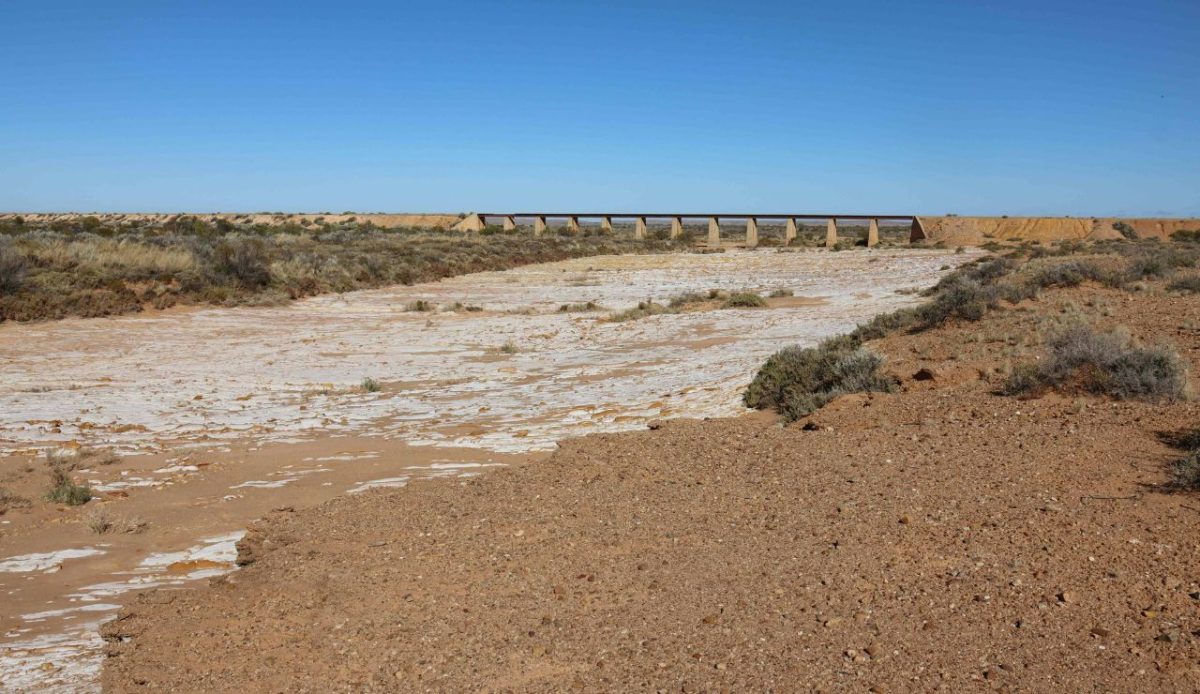
A sandy riverbed or dry wash can look like the perfect flat campsite, especially in arid regions. The problem is that water can return fast after storms many miles upstream, even if your sky is clear.
Flash floods move like a wall, carrying branches and rocks that can shred tents and block escape routes. Nighttime is worse because you may not hear rising water until it is close.
Choose higher ground with visible drainage away from you, and check the whole watershed forecast, not just your location. Keep vehicles and gear out of the channel so you can leave quickly. If the “bank” shows debris lines or fresh scouring, treat that as a no-go and move.
2. Cliff-Edge Overlook Camps
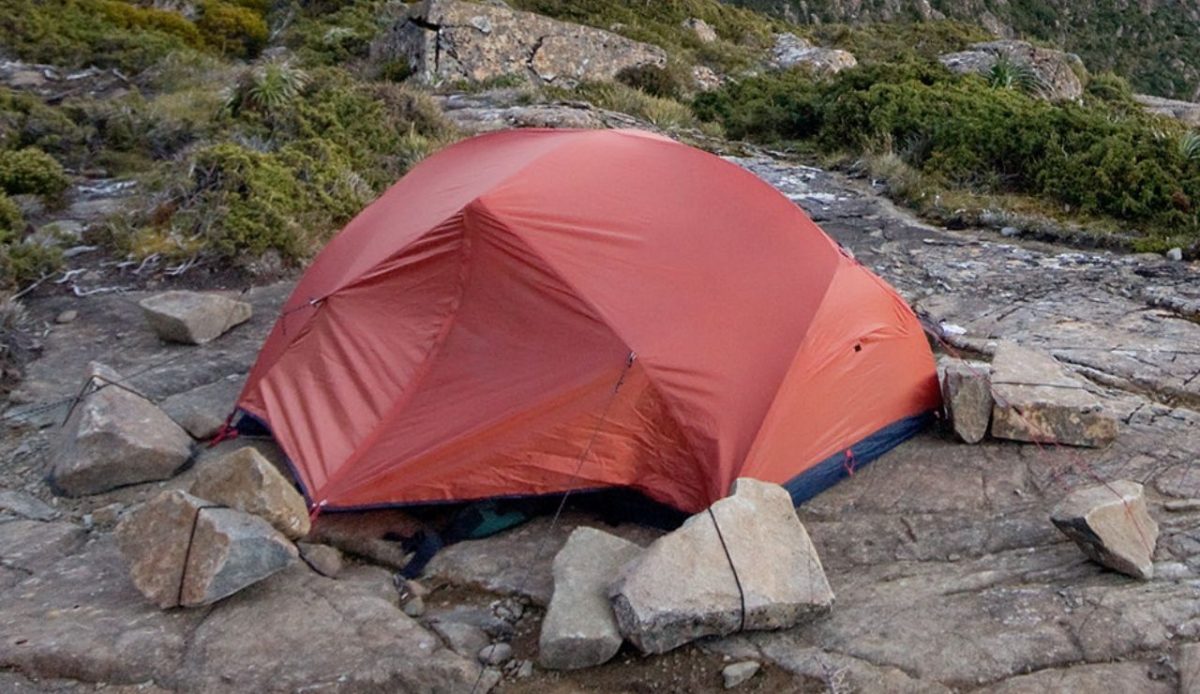
Ridgelines and overlooks deliver sunrise views, but they also amplify wind and hide unstable ground at the edge. Erosion undercuts soil, and a “solid” lip can crumble after heavy rain or freeze-thaw cycles.
Strong gusts can collapse shelters, turn loose gear into projectiles, and make cooking risky. In fog or darkness, people misjudge distance to the drop, especially when they step out half-awake at night.
Set camp well back from any edge, using natural wind breaks like trees or boulders without damaging them. Stake and guy lines for forecasted gusts, not calm conditions, and store items in closed bags. If visibility drops, use a headlamp and keep a clear, marked path to the tent.
3. Exposed Desert Flats Camps
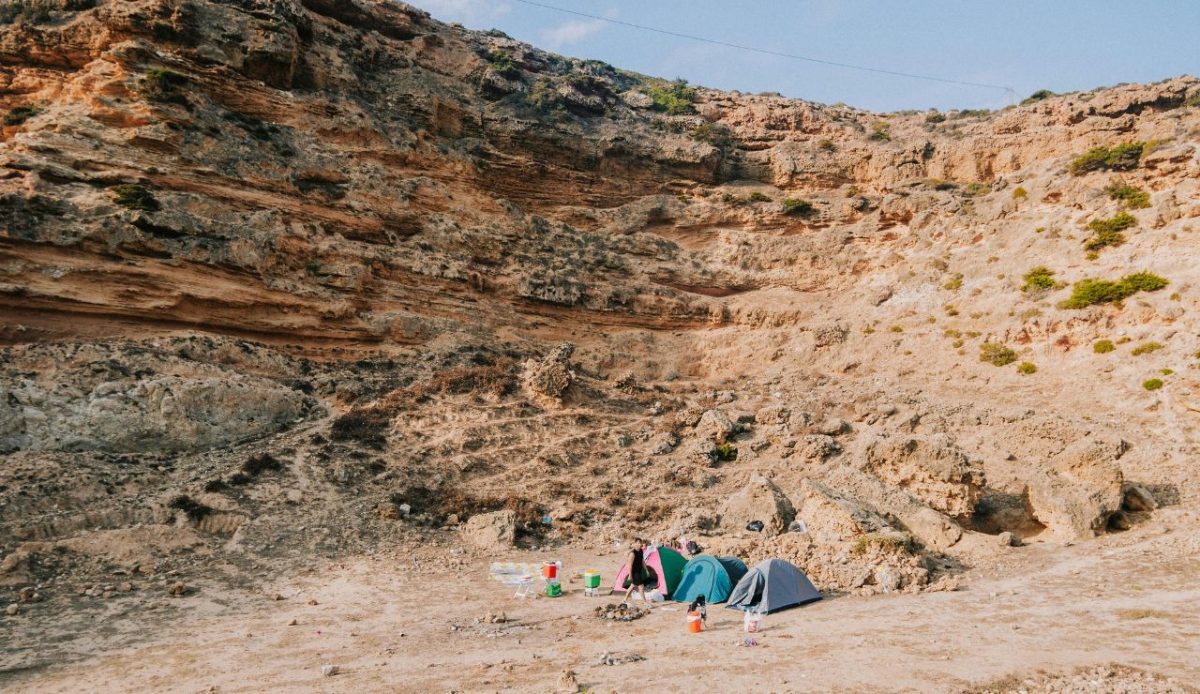
Open desert flats feel spacious and easy to set up, yet exposure is the main hazard. Without shade or nearby water, dehydration and heat illness can build before you notice, especially with dry wind.
Temperature swings also hit hard: hot afternoons, then cold nights that catch light sleepers unprepared. Fine sand gets into zippers, stoves, and lungs, and sudden dust storms can reduce visibility to a few meters.
Plan water by the day and the activity, not by a guess, and carry extra for delays. Use a sun shelter, wear sun protection, and choose a site with a natural wind break if available. Check for storm warnings, and anchor tents with proper stakes or deadman anchors in loose soil.
4. Alpine Treeline Camps
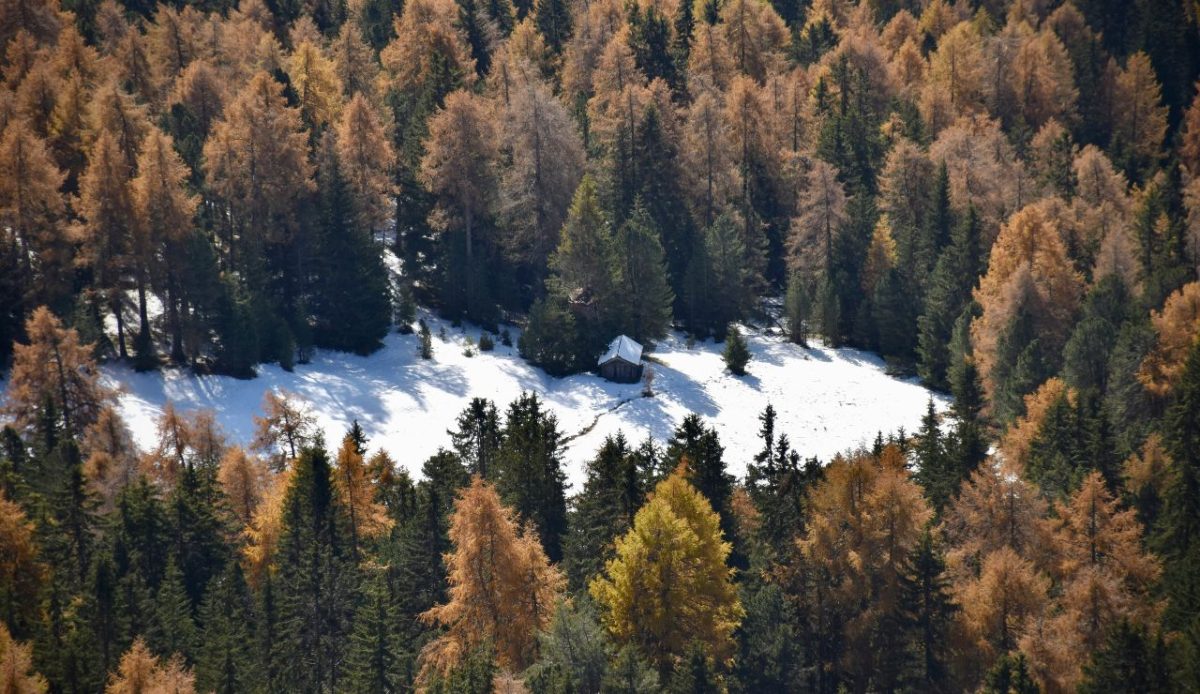
High-elevation camps above or near treeline can be stunning, but weather shifts quickly and hits harder. Thunderstorms form fast, and lightning risk rises when you are the tallest object in an open basin.
Cold rain, hail, and wind can trigger hypothermia even in summer, because wet clothing loses insulation. Snowfields and icy patches also complicate late arrivals, and navigation errors multiply in low visibility.
Arrive early, watch the sky, and plan to be off exposed ridges before afternoon storms. Carry a warm layer that still insulates when damp, and keep a dry set sealed in a bag. If thunder starts, move away from peaks and isolated trees, and avoid setting camp in obvious runoff channels.
5. Remote Beach Camps
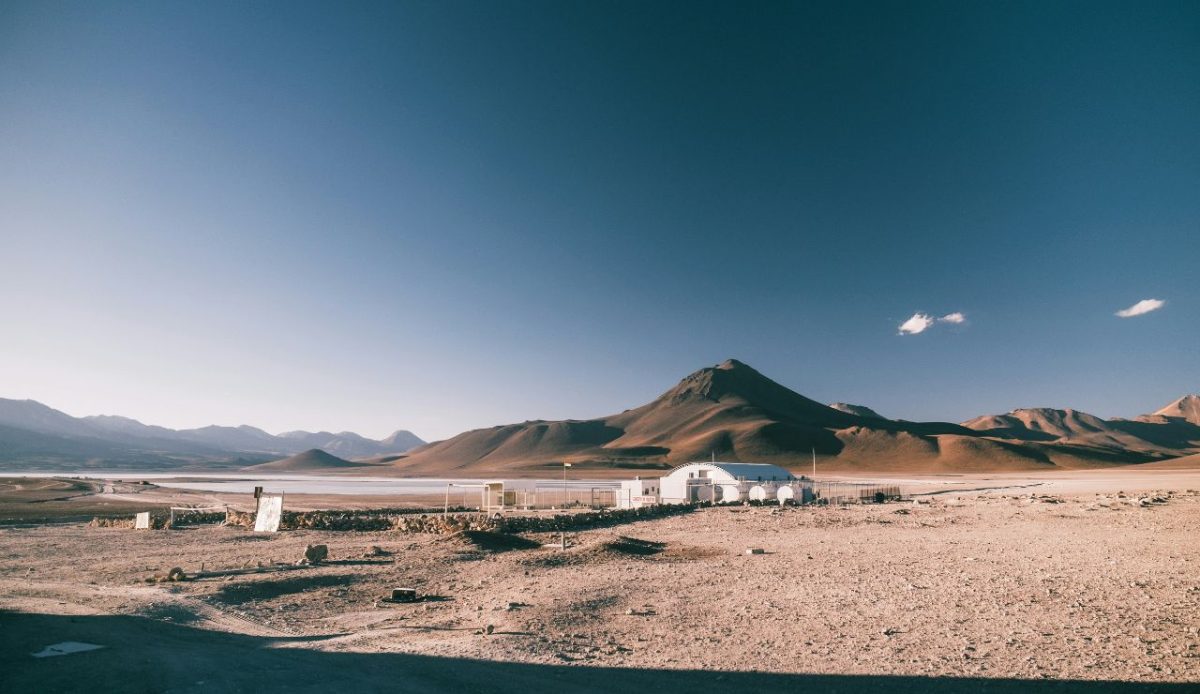
Remote beaches can seem safe because the terrain is open and navigation is simple. The hidden issue is tide timing: a spot that looks dry at dusk can be in the surf zone a few hours later.
Waves and storm surge can flood low dunes and trap you against cliffs or dense vegetation. Wind-driven sand also works into everything, and salt spray can corrode gear or make sleeping bags damp.
Check tide tables for the nearest point, then camp well above the high-tide line and away from driftwood piles. Watch for wrack lines that show where water reached recently, and keep an exit route in mind. If weather turns, relocate early rather than hoping the beach stays the same overnight.
6. Burn Scar and Dead-Tree Camps
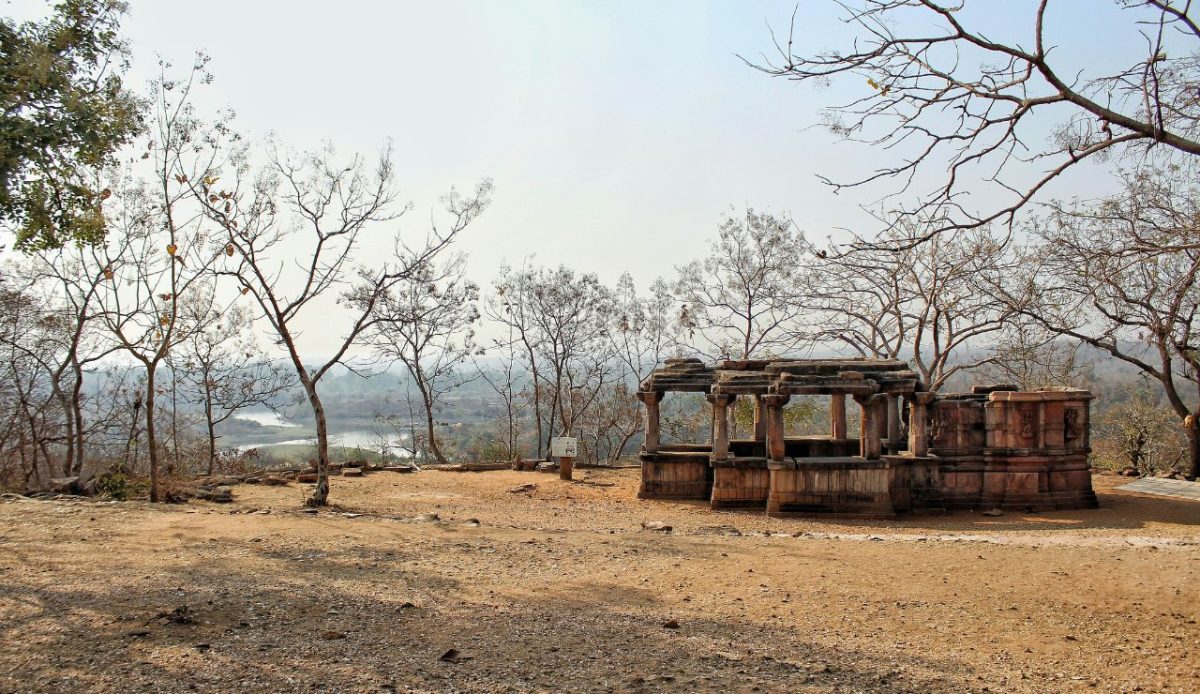
Camping near a recent burn area or in stands of dead trees can feel open and quiet, but it carries “widowmaker” risk. Fire-damaged trunks and branches fail without warning, especially after wind, rain, or snow load.
Loose ash and unstable soil can hide hot spots in some regions, and falling trees can block roads you need for exit. Burn scars also funnel runoff, increasing erosion and debris flow risk during storms.
Scan above and around the site for leaning snags, hanging limbs, and cracked trunks before you pitch a tent. If you cannot find a clear zone, move. Check fire restrictions and avoid camping where exit depends on a single narrow road through dead timber.
7. Narrow Canyon Camps
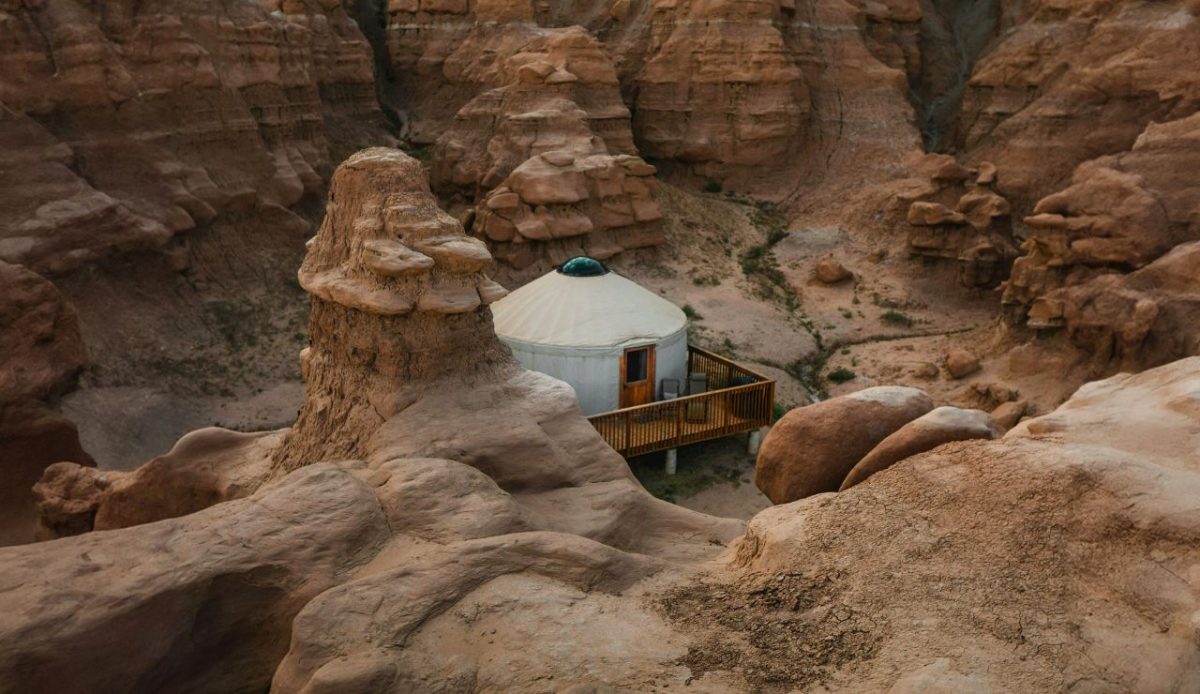
Narrow canyons offer shelter from wind, but they also concentrate hazards above you. Loose rock, scree, and freeze-thaw fractures can send small slides down steep walls without much warning.
Canyons can trap cold air, making nights much colder than nearby high ground, and they limit satellite visibility for some devices. If rain hits upstream, water and debris can funnel through the corridor faster than you can climb out.
Avoid camping directly below cliffs, gullies, or fresh talus piles, and look for signs of recent rockfall. Pick a wider bench with multiple exit options, not a dead-end pocket. Treat upstream weather as relevant, and leave extra time to relocate before dark if conditions change.
8. Wetland and Marsh Camps
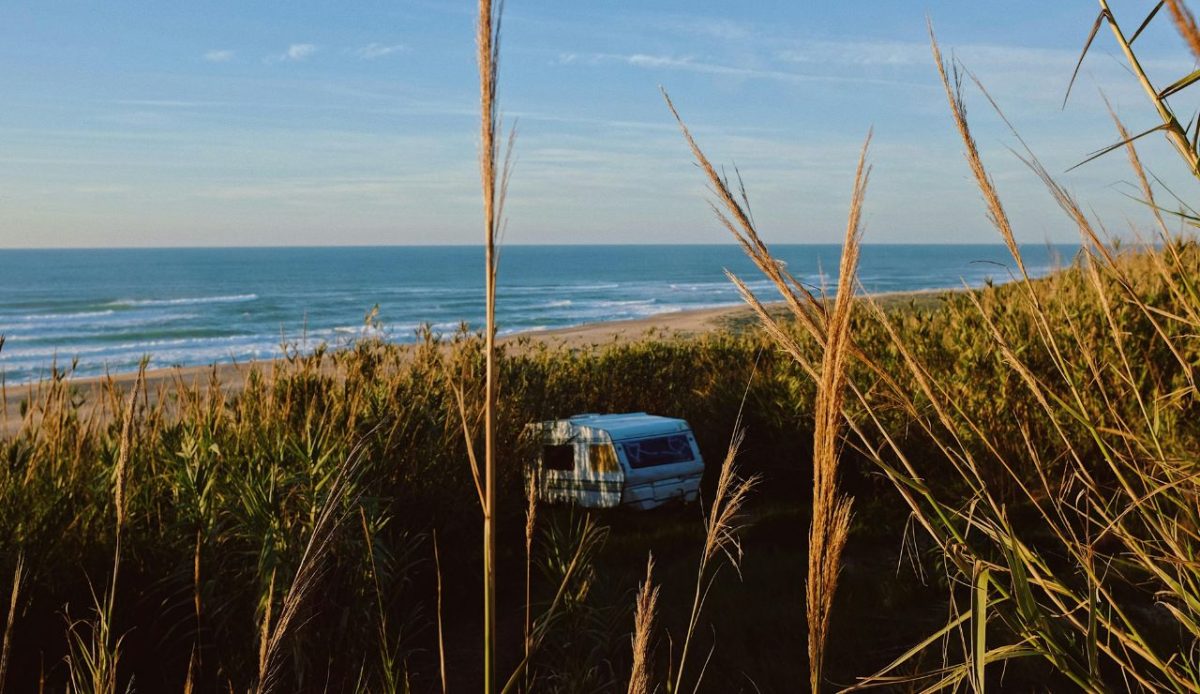
Wetlands and marsh edges can look like an easy water source, yet the ground can be unstable and deceptively deep. A firm mat of grass may hide mud that swallows stakes or shoes if you camp too close.
Insects are a predictable issue: mosquitoes, midges, and ticks concentrate near standing water and can disrupt sleep and judgment. Water quality is also harder to judge, with more contamination risk from animals upstream.
Choose higher, drier ground back from the waterline and use reliable filtration or purification for any collected water. Pack a head net or repellent for your region and do tick checks morning and night. If the area smells stagnant or shows heavy algae, treat it as a move-on signal.
9. Unverified “Pinned” Campsites
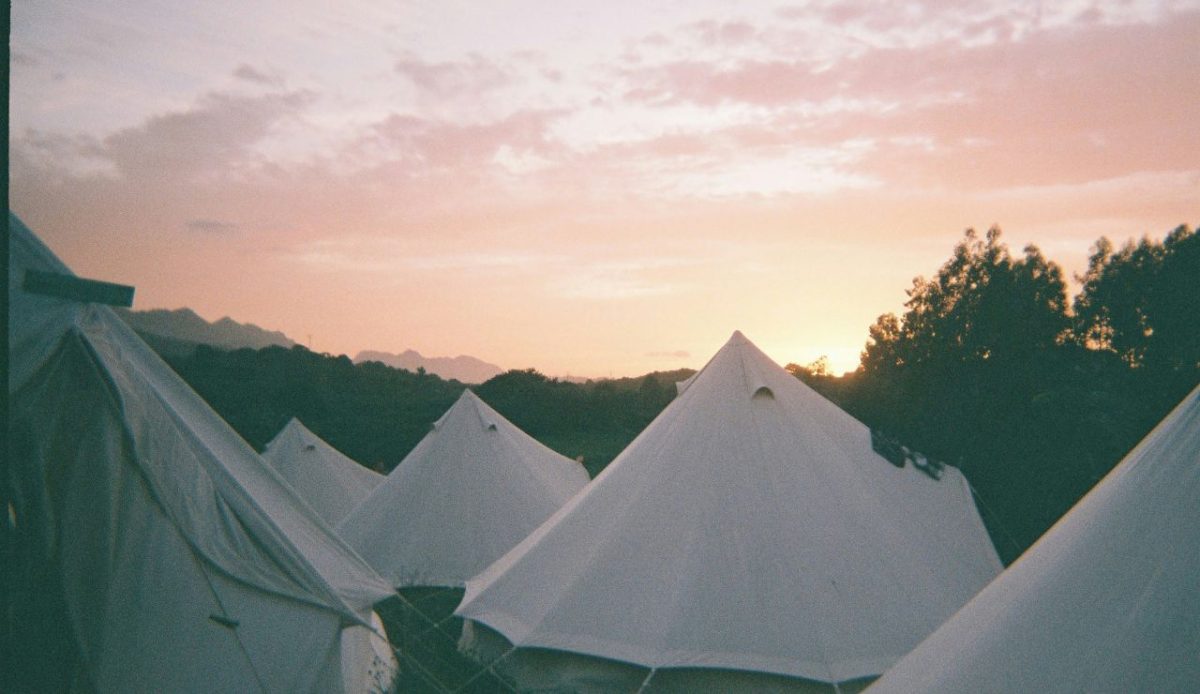
Some off-grid camps go viral as a map pin or social post, but the listing may skip key details. The land could be private, closed, or managed with permit rules that are not obvious on arrival.
Beyond fines or towing, the real problem is being forced to relocate late, in bad weather, or after dark. Crowding can also degrade sanitation, increase wildlife conflicts, and raise fire risk when people improvise rings and stoves.
Verify land status with the managing agency or a current map layer, and confirm access roads are legal and passable. Arrive with a backup site and enough daylight to reach it. If you see posted signs or heavy impact, skip the spot and camp where use is allowed.
