
Local rules can look strict on paper, while daily policing tells a different story. Across North America, lawmakers and voters have narrowed what officers may do in specific areas, such as when a stop can be made, what qualifies for arrest, or whether city staff can assist another agency. These limits were created to reduce harm, focus resources, or shift issues toward health and civil systems. In practice, compliance may be encouraged through design, notices, fines, or follow-up, but the street-level response is smaller than expected.
1. California Statewide

California revised how jaywalking is handled after AB 2147 took effect. Officers generally cannot stop a person on foot for crossing outside a marked crosswalk unless an immediate risk of collision is present. The crossing rule still exists, yet the usual tool of a quick stop and ticket was removed for most situations. Safety issues can still be addressed, but only when danger is clear, so everyday midblock crossings are often left alone. Cities have been pushed toward better signals, lighting, and curb design instead of citations, which changes what residents experience on ordinary errands each day.
2. Philadelphia, Pennsylvania

Philadelphia limits certain traffic enforcement through its Driving Equality law. Police may not initiate a stop only for listed minor violations, including items like a broken light in some cases, or paperwork issues that are treated as secondary. The rule has not been erased, but the common roadside stop is barred as the first step. Compliance is expected through warnings, later notices, or enforcement after a different lawful stop begins. Supporters pointed to disparities in who gets pulled over for low-level defects, so the policy reduces discretionary contact while keeping safety checks available when a primary reason exists.
3. Austin, Texas

Austin created a local gap in marijuana possession by limiting how police respond to small amounts. City policy has directed officers away from arrests, and many citations for low-level possession, and lab testing has been restricted, which makes prosecution harder. State law still treats possession as illegal, yet the typical city outcome is a report or seizure rather than booking. This leaves a clear difference between what the statute allows and what local practice produces. Because charging choices often depend on the county attorney and available evidence, cases may be declined even when an officer documents the incident.
4. New York City, New York

New York City’s cannabis rollout produced a visible enforcement gap around unlicensed retailers. For a long period, many storefronts sold products without authorization, even though state rules prohibited those sales. Enforcement moved slowly because authority was split across agencies, court orders affected closures, and staffing was limited for inspections and seizures. Later operations increased, yet the earlier window showed how new regulatory systems can lag what the rules require. Residents often saw the market as tolerated, and licensed operators faced unfair competition while tax revenue was delayed.
5. Washington, D.C.
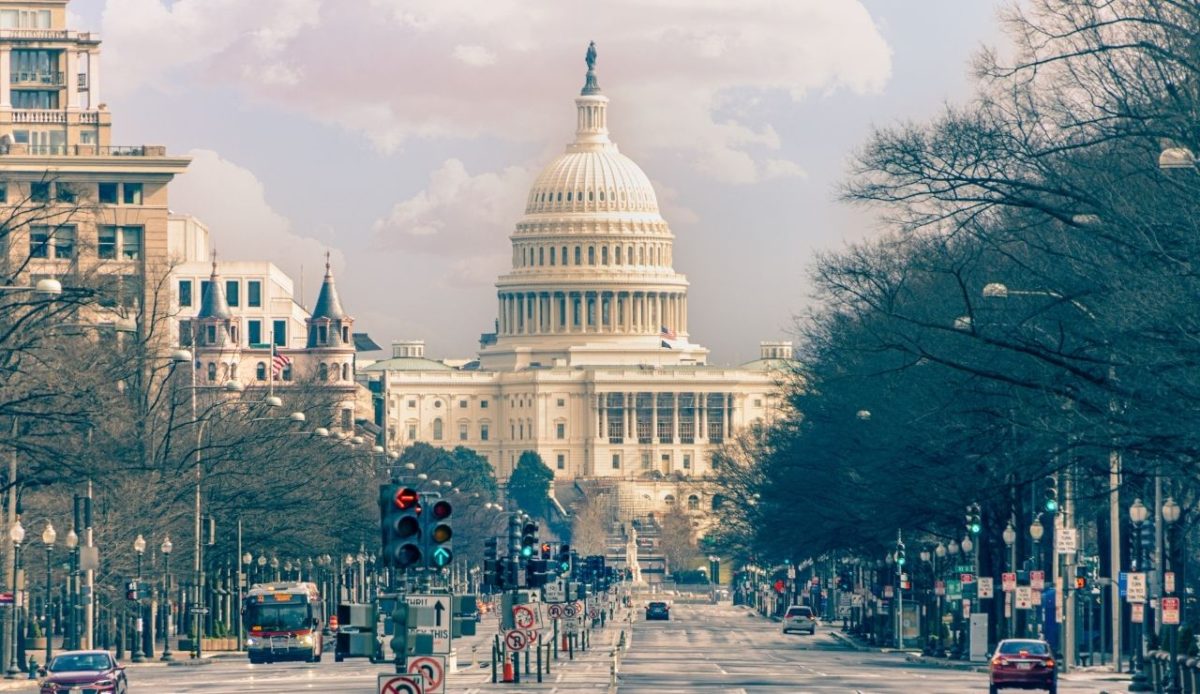
Washington, D.C. legalized adult possession of cannabis through Initiative 71, but left retail sales outside the legal framework. That design created a gray gifting economy where cannabis was transferred alongside another item, making enforcement narrow and fact-specific. Police could not target simple possession, and proving an illegal sale required clearer evidence than a casual transaction. For years, the result was uneven action, with closures and prosecutions occurring in waves rather than steady day-to-day enforcement. Federal oversight of the District added friction to building a full market, which prolonged the gap.
6. British Columbia, Canada

British Columbia has operated a decriminalization pilot under a federal exemption for adults who possess small amounts of certain drugs for personal use. Within set thresholds, criminal charges for simple possession are not pursued, even though trafficking and impaired driving rules remain. Police may still seize substances and offer referrals, but arrest-based possession enforcement is constrained by the exemption’s terms. This shifts the front-line response toward health services and reduces the role of criminal courts in routine possession cases. Officers have had to apply guidance in the field and document amounts to stay within policy.
7. Oregon Statewide

Oregon’s Measure 110 created a statewide enforcement gap by turning many drug possession offenses into noncriminal violations. Instead of arrest and booking, a citation and a health assessment option were used for simple possession, which changed daily police work. The substances did not become legal, but criminal penalties were removed for that narrow conduct, so pressure through jail was not available. When lawmakers later moved to restore criminal penalties, it confirmed how strongly enforcement had been limited during the measure’s years. County follow-through differed, so the citation system did not look the same everywhere.
8. Denver, Colorado

Denver voters approved a rule that makes adult possession and personal use of psilocybin mushrooms the city’s lowest law enforcement priority. That does not create a retail market or a full legalization framework, yet it limits how city resources are used for investigation and prosecution. Cases are expected to be deprioritized unless another offense is involved, so routine possession is rarely pursued. The result is a practical gap where the broader legal status remains criminal while local attention is intentionally minimal. This kind of ordinance often changes behavior because residents assume arrests are unlikely in ordinary settings.
9. Chicago, Illinois

Chicago’s Welcoming City Ordinance limits how city workers, including police, cooperate with federal civil immigration enforcement. During routine interactions, officers are restricted from asking about immigration status, and detainer requests are handled only under narrow conditions. Federal immigration rules were not changed, but local assistance is constrained by municipal policy and court-informed procedures. This creates a cooperation gap where federal objectives may exist, yet city agencies are directed to focus on local public safety duties instead. Supporters argue that victims report crimes readily when status questions are avoided.
