
Europe is entering a new golden age of rail travel, with high-speed routes, eco-friendly night trains, and ambitious international connections reshaping how people explore the continent. As airlines face rising sustainability pressure and travelers crave slower, scenic experiences, rail companies are investing heavily in modern fleets and expanded services. From overnight sleepers to hydrogen-powered trains, these new routes launching in 2026 and beyond promise faster travel, greener technology, and a more comfortable way to see Europe.
1. European Sleeper: Amsterdam to Barcelona
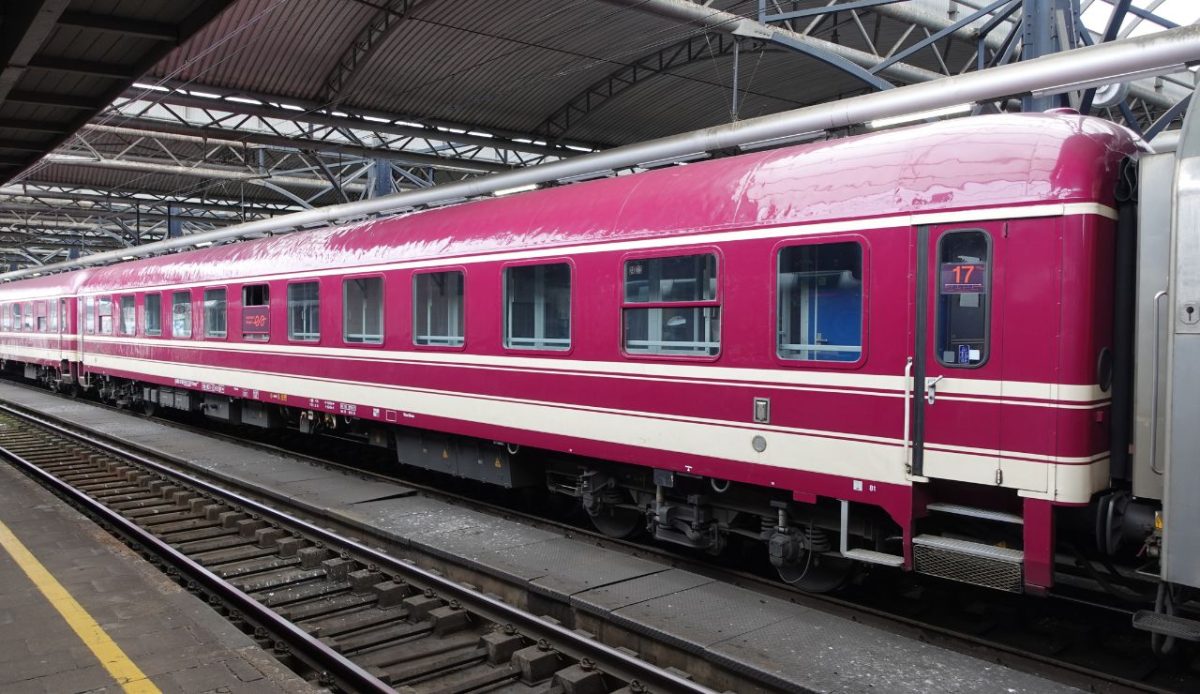
Launching in 2026, European Sleeper’s new night train will connect Amsterdam and Barcelona with comfortable cabins, Wi-Fi, and onboard dining. Instead of airport transfers and security lines, passengers can fall asleep in the Netherlands and wake up on the Mediterranean coast. The route links major cities like Antwerp, Lyon, and Montpellier while promoting low-emission travel. It’s set to become one of Europe’s most appealing long-distance rail alternatives to short-haul flights.
2. Nightjet Sleeper: Zurich to Rome Upgrade
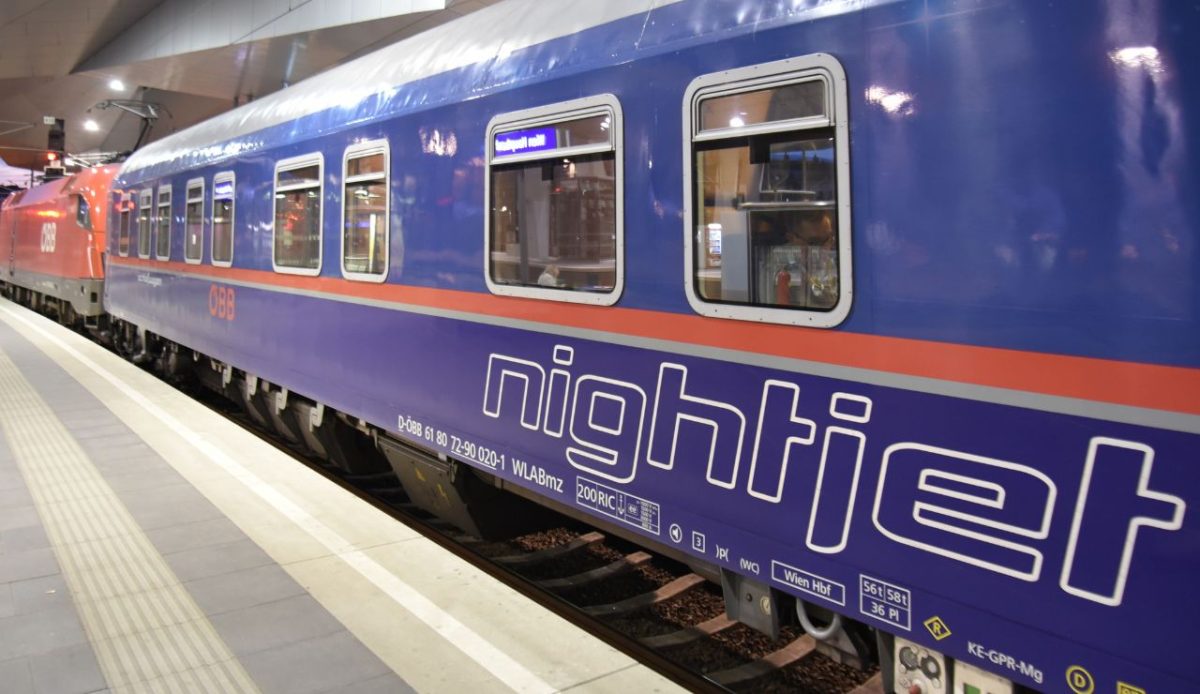
ÖBB’s Nightjet network continues expanding, and its upgraded Zurich–Rome route will feature modern sleeper cabins, private bathrooms, and improved accessibility. Travelers can board in Switzerland and arrive in Italy refreshed the next morning, no flights needed. Nightjet trains are part of Europe’s push toward climate-friendly overnight travel, offering privacy, comfort, and direct city-center access. With sleek designs and better pricing options, this new service aims to rewrite the future of sleeper trains.
3. Renfe–SNCF High-Speed Revival
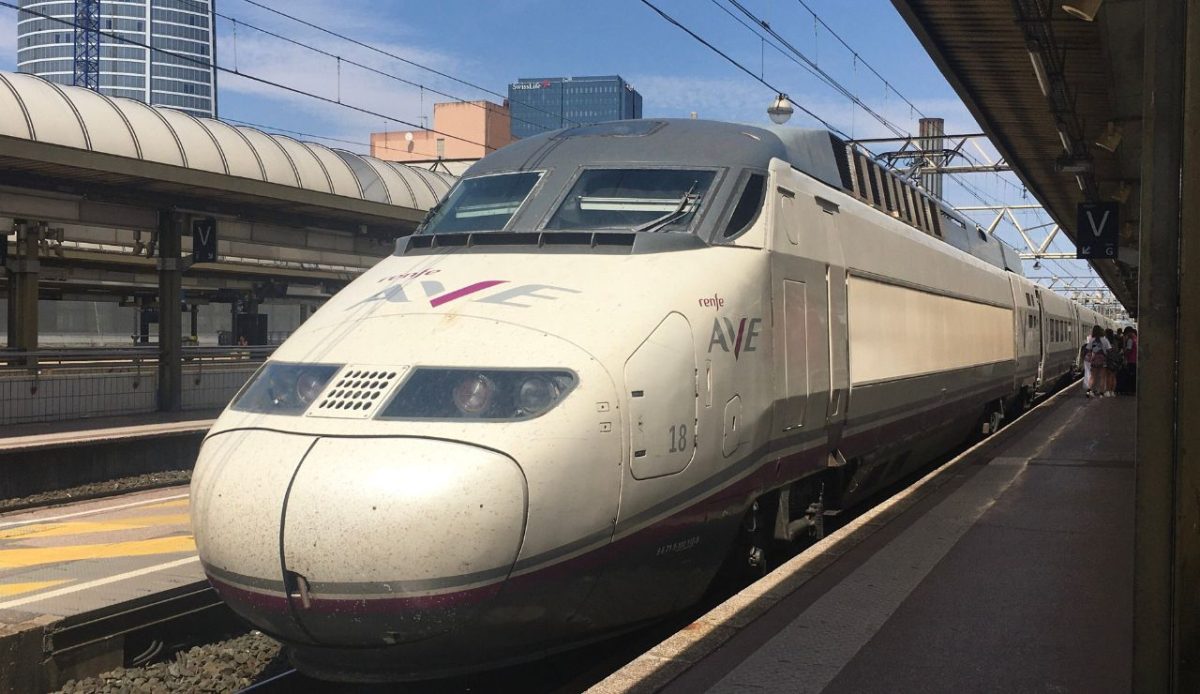
After years of discontinuity, high-speed rail service between Spain and France is returning with new joint operations expected to expand in 2026. The upgraded trains will link cities like Madrid, Barcelona, Marseille, and Lyon, offering seamless cross-border travel with reduced travel times. With competitive fares and increased frequency, the revival strengthens rail travel as a rival to short-haul flights. It’s another sign of how European nations are rebuilding international train networks.
4. Midnight Trains: Paris to Berlin
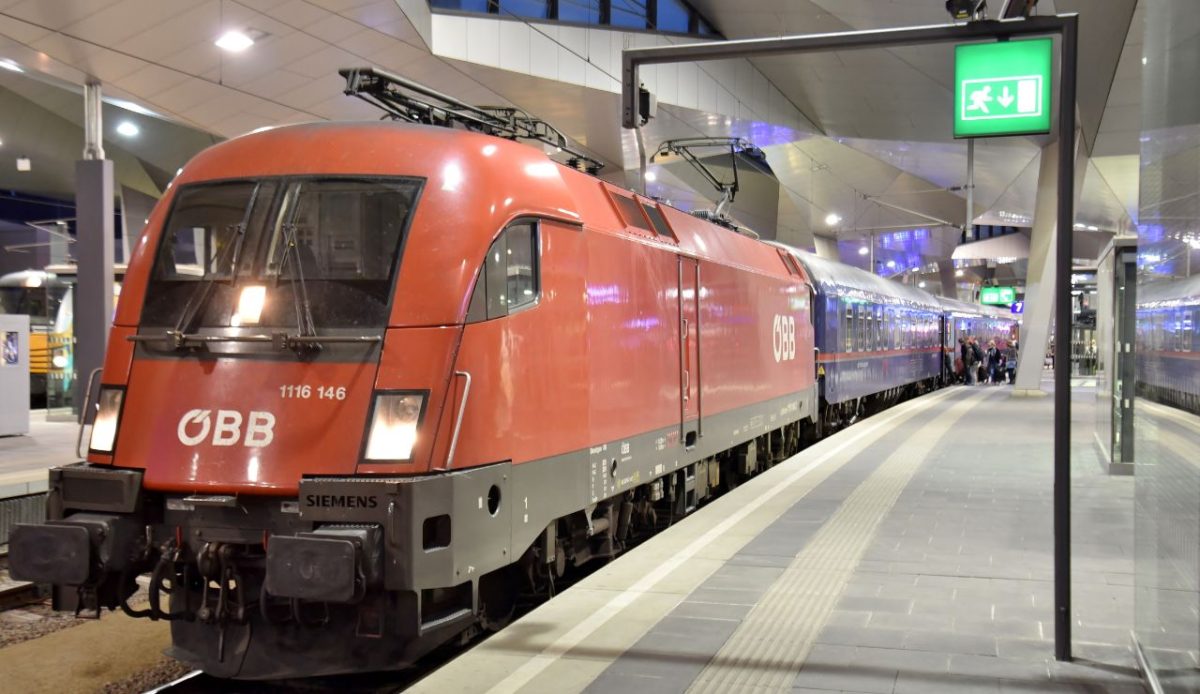
Often described as “hotels on rails,” Midnight Trains plans to launch a luxury overnight service connecting Paris and Berlin with private rooms, restaurant-quality dining, and boutique design. The company’s goal is to compete with air travel by combining comfort with sustainability. Instead of bunk beds, passengers can expect elegant interiors, spacious double cabins, and curated menus. If successful, it may set a new standard for modern European night trains.
5. Hydrogen-Powered Trains in Germany
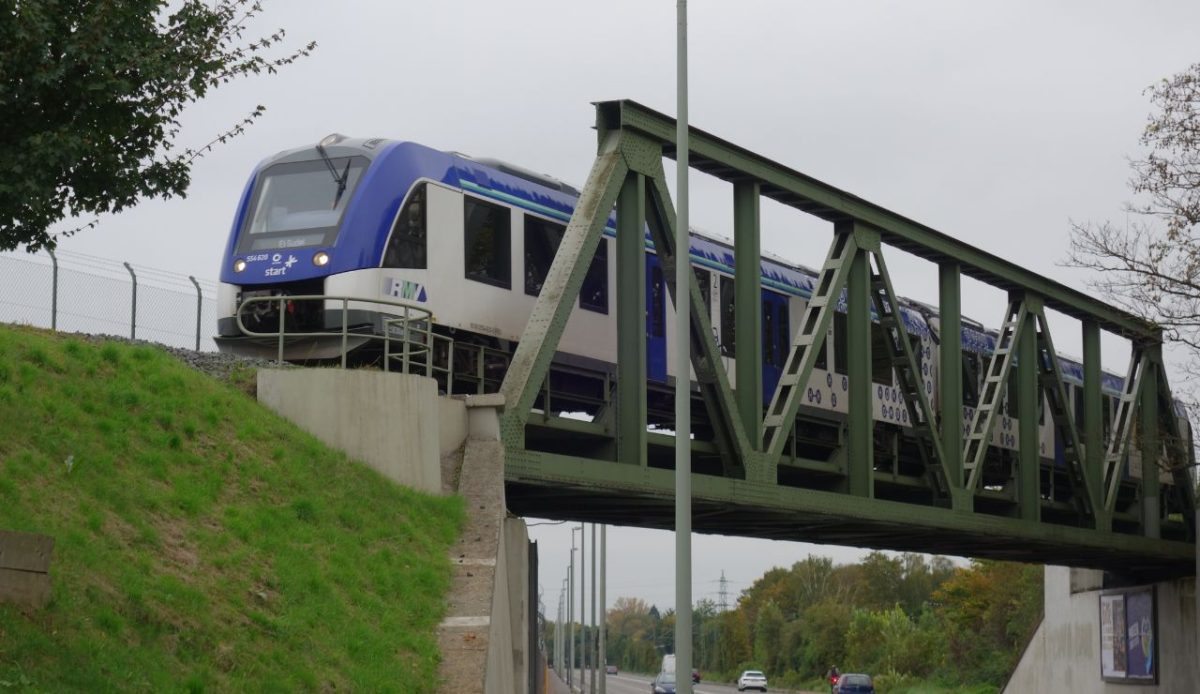
Germany is rolling out the world’s first commercial hydrogen-powered trains, replacing diesel on regional routes. These trains emit only water vapor and run quietly through rural areas, proving rail can be both sustainable and efficient. Expanded deployments are scheduled through 2026 and beyond, with more routes adopting hydrogen fleets. They’re not just a technological milestone; they represent the future of green transportation in Europe, especially where electrification isn’t possible.
6. Trenitalia High-Speed Service to Slovenia
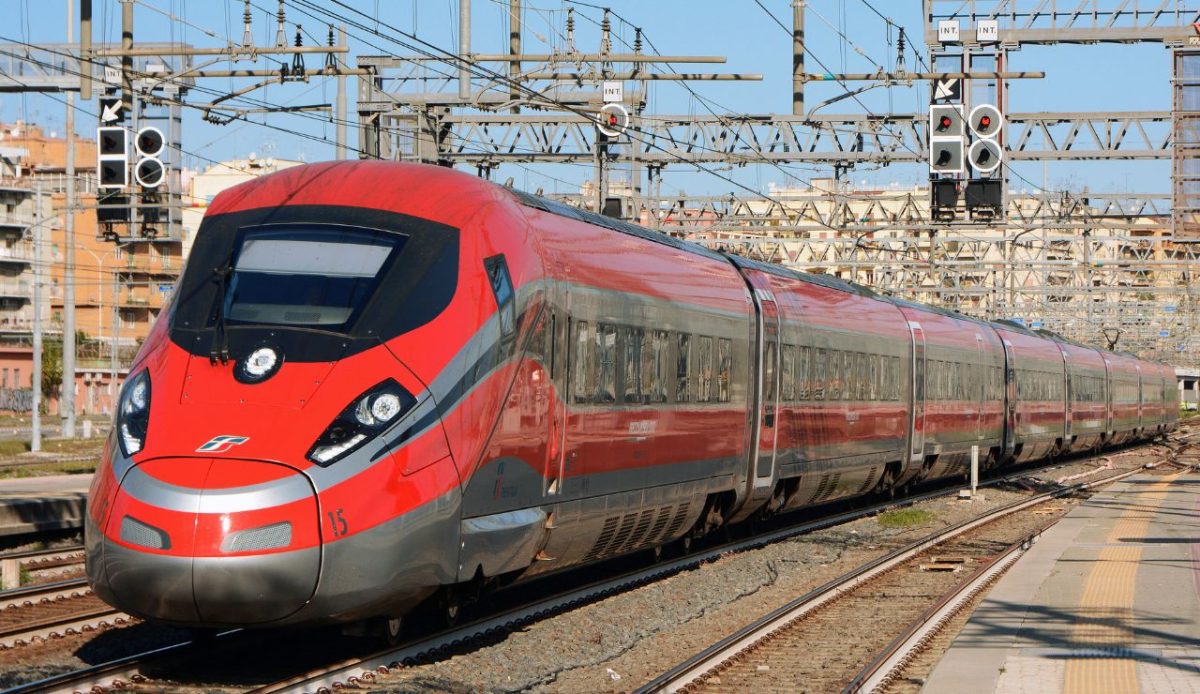
Trenitalia plans to expand its Frecciarossa network eastward with a high-speed route linking Italy and Slovenia. This service will dramatically cut travel times between cities like Venice, Trieste, and Ljubljana, making cross-border travel easier than ever. The modern trains offer Wi-Fi, reclining seats, and sleek interiors. It’s part of a larger vision to connect Central and Southern Europe via rail, giving travelers more than just scenic views, but faster, greener access to new destinations.
7. Portugal’s New High-Speed Network
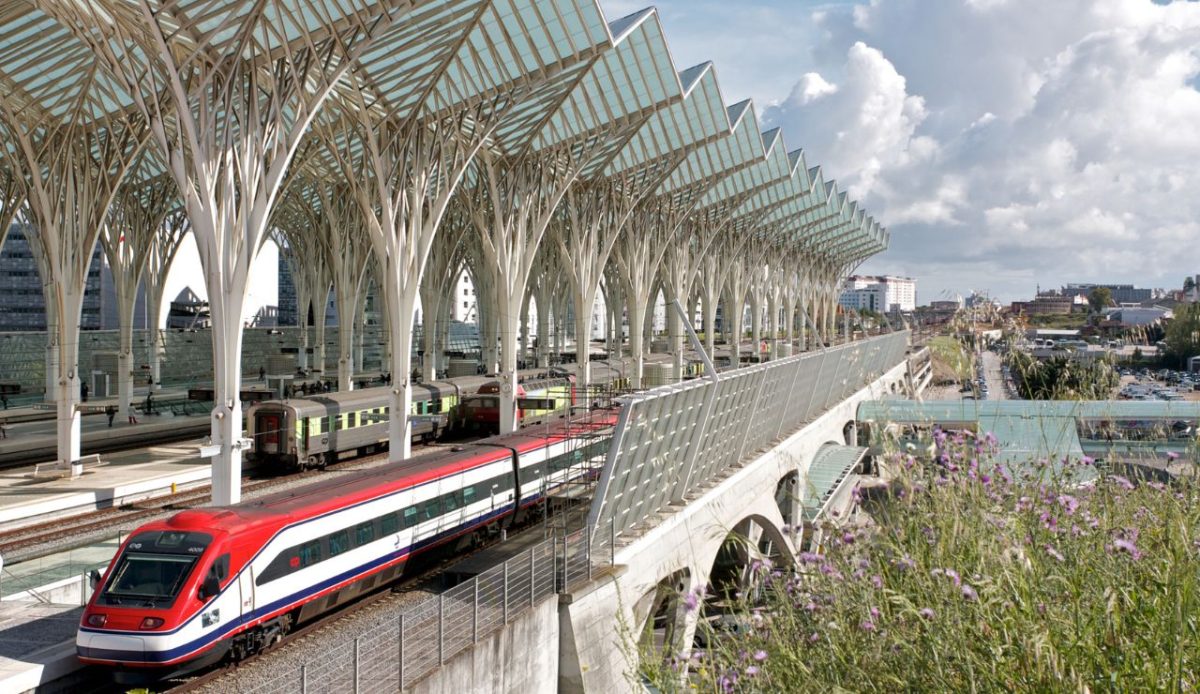
Portugal is investing heavily in a brand-new high-speed rail system connecting Lisbon, Porto, and eventually Spain. The first segments are slated to open in 2026–2027, cutting travel times in half and offering direct international connections. The trains will include modern interiors, reduced emissions, and improved comfort. For locals and travelers alike, it marks a major upgrade in mobility, and it puts Portugal on the map as a future rail leader.
8. Sweden–Denmark–Germany Overnight Route
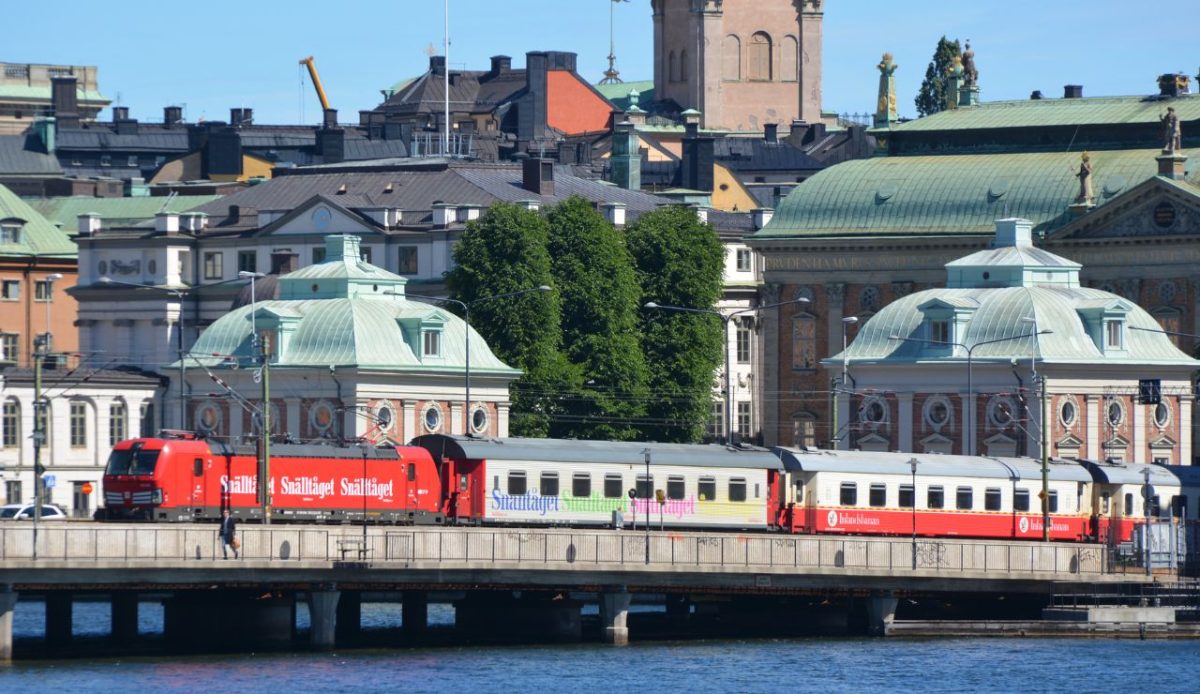
SJ and other partners are working on a new overnight route connecting Malmö and Copenhagen to major German cities like Hamburg and Berlin. Designed for 2026 and beyond, the service will offer sleeper cabins, bike storage, and sustainable travel options. It lets passengers skip airports and cross three countries while they sleep. This route strengthens Scandinavia’s connection to continental Europe and signals the return of international night trains in the region.
9. Baltic Rail Line: Tallinn to Warsaw
Part of the massive Rail Baltica project, this high-speed line will eventually link Tallinn, Riga, Kaunas, and Warsaw, dramatically improving travel across the Baltic region. While full completion extends beyond 2026, partial service and testing could begin in the coming years. The trains will run up to 234 km/h, connecting capitals that currently rely on slow buses or flights. Once finished, it will be one of the most transformative rail projects in Europe.
