
Drone access in US national parks is subject to a National Park Service restriction that bans launching, landing, or operating an unmanned aircraft within park boundaries without written authorization. This removes aerial angles used to document routes, scale, and crowd concentration.
Many parks wrap valleys, rim drives, or island shorelines, so photographers cannot step outside an entrance to regain a legal takeoff. The boundary becomes an access barrier, and nearby land often lacks a launch corridor into protected viewsheds.
Enforcement increased following noise conflicts, wildlife disruption, and the risk of aircraft interference. With the ban in place, ground viewpoints must carry evidence of capacity limits, traffic queues, and seasonal visitor flow.
1. Yosemite National Park
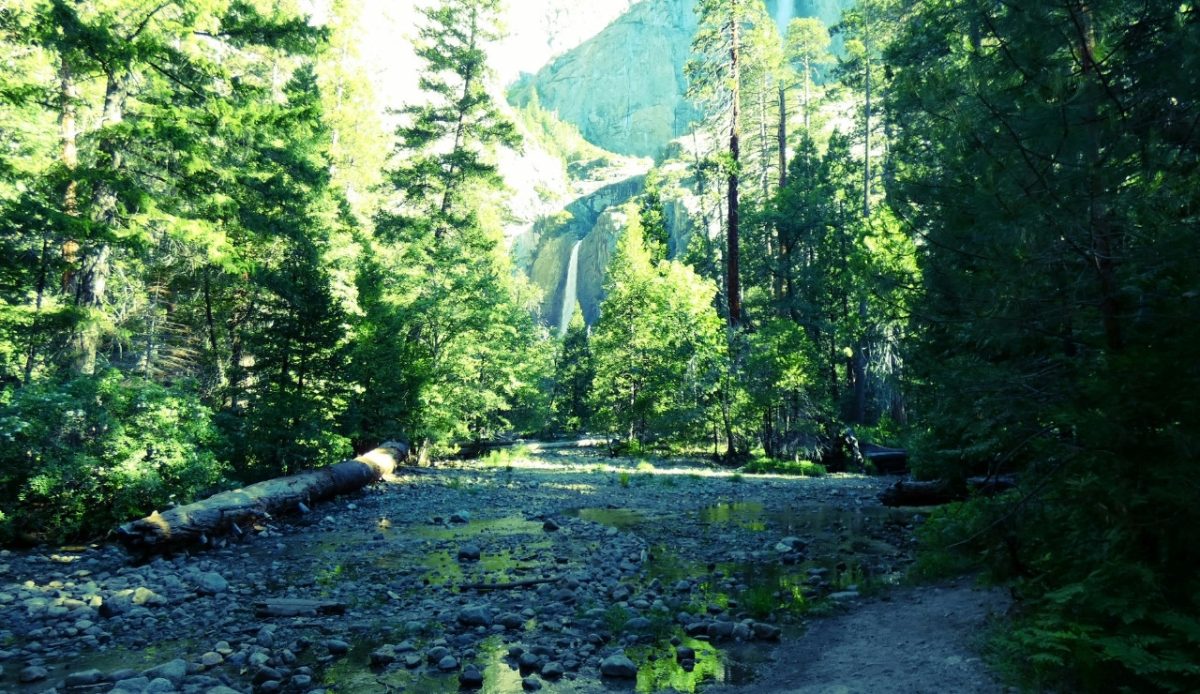
Yosemite National Park concentrates arrivals in Yosemite Valley, where a road loop and limited pullouts control circulation. The drone ban removes overhead framing of traffic queues near Bridalveil Fall and the El Capitan turnout, so photographers cannot record congestion.
Unmanned aircraft use is prohibited across the park, and valley walls block views from outside boundaries. Noise and proximity issues near cliffs drew complaints from climbers, which strengthened enforcement rather than limited permits.
Without aerial capture, crowd evidence relies on Tunnel View, valley bridges, and shuttle stop angles. Ground framing compresses distances, so images hide how peak demand stacks vehicles and foot traffic along the Merced River corridor.
2. Yellowstone National Park
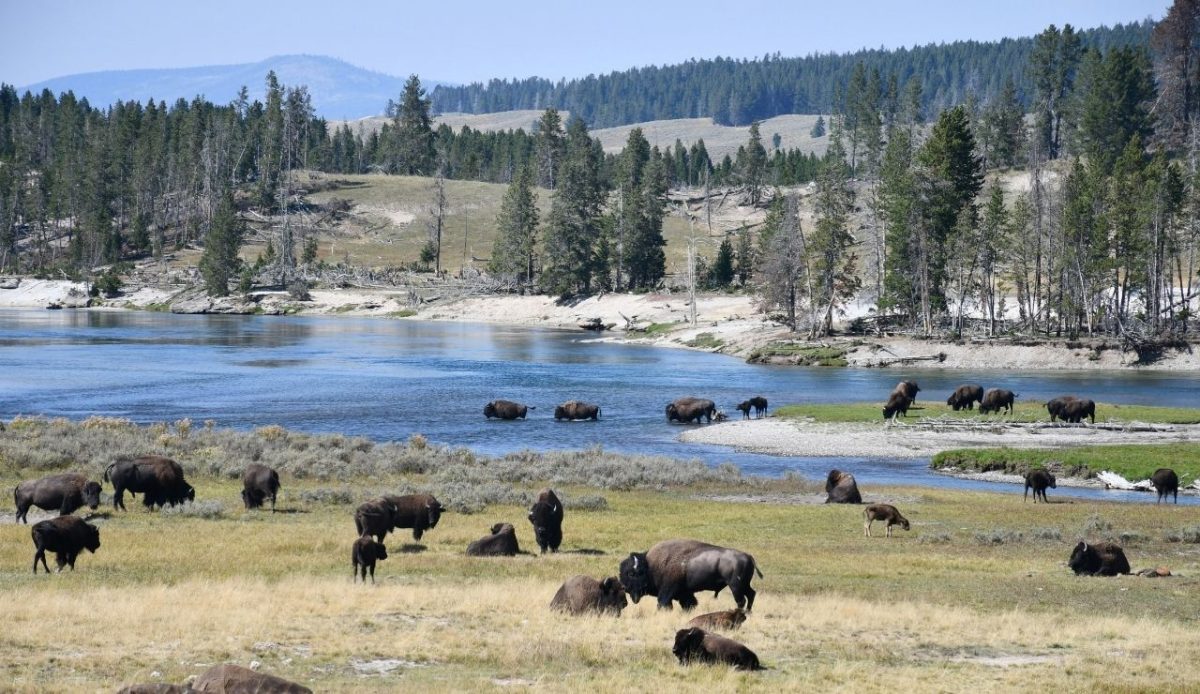
Yellowstone National Park places many photo subjects along a road loop with fixed parking nodes at geothermal basins. The drone ban blocks overhead shots that would show how boardwalk capacity and parking limits combine at Grand Prismatic and Old Faithful during peaks.
Unmanned aircraft are prohibited inside the park, and enforcement tightened after a drone crashed into Grand Prismatic Spring. The incident showed resource risk and led to restitution, linking recreational flights to damage in a managed thermal zone.
With drones excluded, photographers rely on boardwalk angles that isolate features. That reduces evidence of crowd compression, since ground views rarely show the spread of visitors across basin loops, pullouts, and trails.
3. Zion National Park
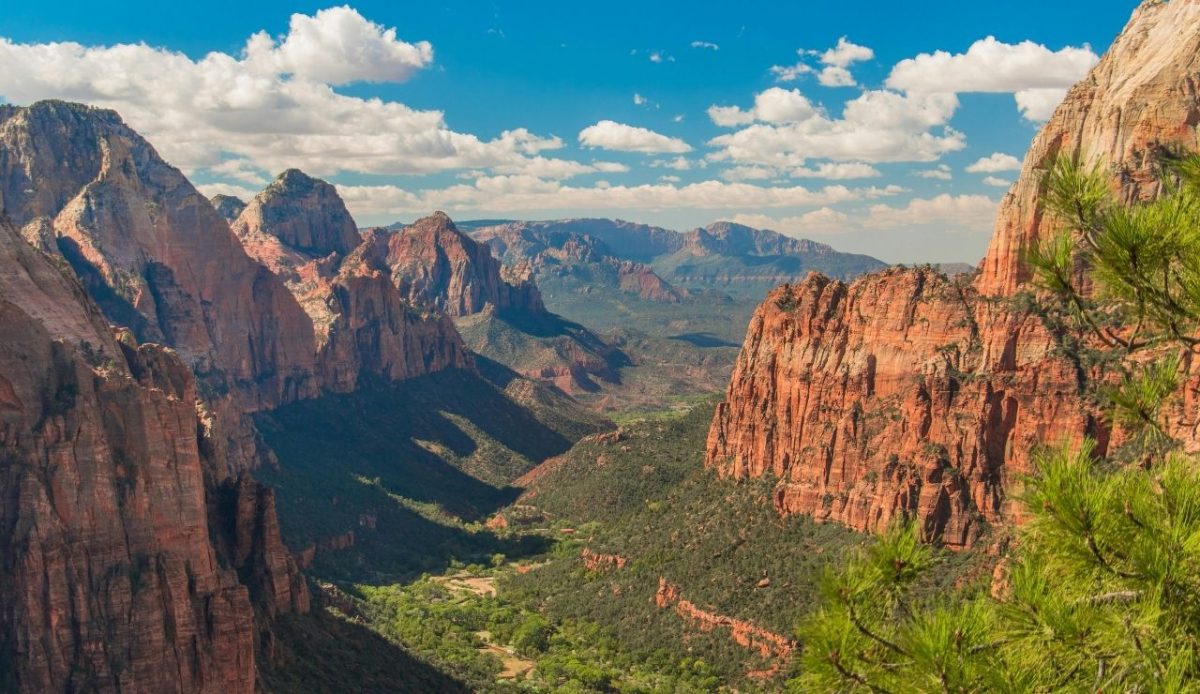
Zion National Park funnels visitation into Zion Canyon, where shuttles replace private cars for much of the year. The drone ban removes a method to show how queues and trailheads cluster along the corridor from the Visitor Center to the Narrows.
Unmanned aircraft are prohibited, and canyon walls block framing from outside the boundary. Wildlife disturbance reports, including drones affecting bighorn sheep, linked flights to habitat stress and reinforced strict enforcement over limited access windows.
Photographers work from rim viewpoints, bridges, and shuttle stops where angles are constrained by terrain. Images can show crowd density, but they cannot map circulation controls like stop capacity and headways that reshape visitor flow.
4. Arches National Park
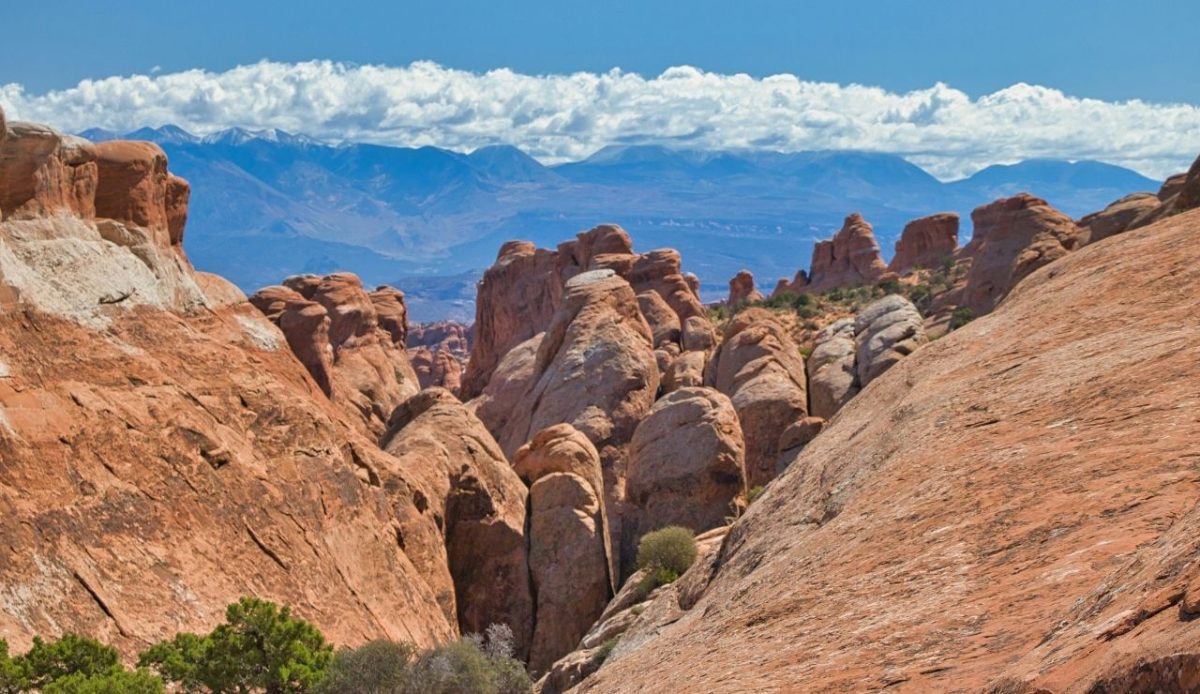
Arches National Park concentrates access on the entrance road and parking lots serving Delicate Arch, Devil’s Garden, and Windows. The drone ban prevents overhead images that would show how timed entry and lot capacity shift congestion from the gate to the trailhead nodes.
Unmanned aircraft are prohibited under a superintendent determination, so there are no legal visitor launch areas inside the park. The rule responds to safety risk near narrow fins and drop-offs, where crowded overlooks and low flights increase risk.
Photographers work from trails and viewpoints where people and formations overlap in frame. That reduces documentation of usage strain, since ground angles hide the spread of overflow parking, roadside stops, and approach queues.
5. Glacier National Park
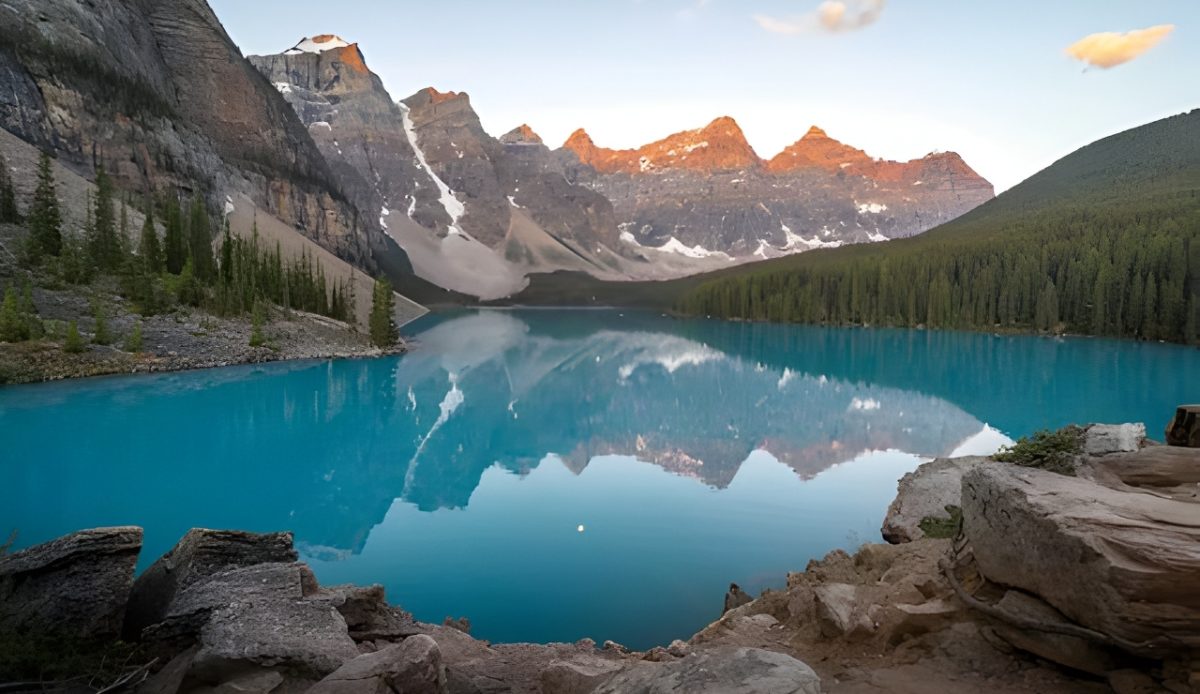
Glacier National Park depends on Going to the Sun Road, a corridor with limited pullouts and seasonal vehicle limits. The drone ban prevents overhead documentation of traffic stacking at Logan Pass, where road width and parking supply set hard ceilings.
Unmanned aircraft are prohibited without written approval, and interference with rescue aircraft is treated as an operational risk. When drones are reported, helicopter operations can pause, so enforcement protects response time on a route with few alternate access points.
Photographers use roadside vistas and trail overlooks where forest and terrain block views. This shifts evidence toward scenic framing and away from circulation effects, such as how vehicle permits redistribute arrivals.
6. Rocky Mountain National Park
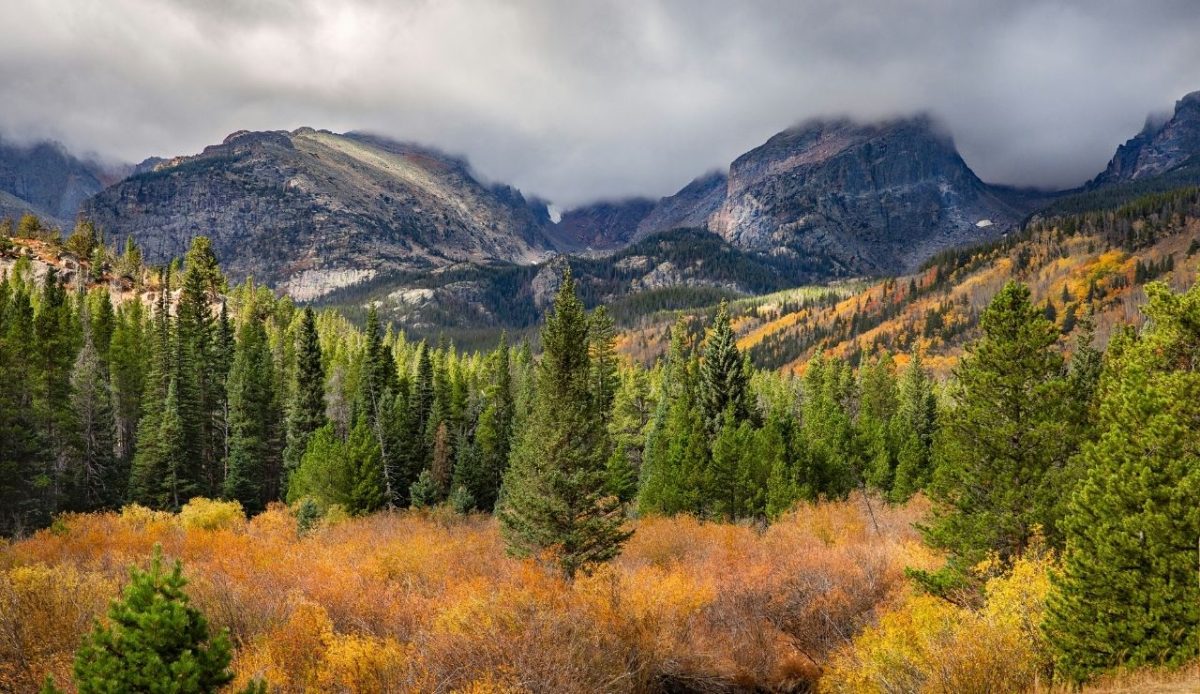
Rocky Mountain National Park concentrates demand along Trail Ridge Road and lots near Bear Lake. The drone ban blocks aerial images that could show how reservation entries and lot capacity create queue spillback on Bear Lake Road during peaks.
Unmanned aircraft are prohibited park-wide, and high elevation terrain raises the chance of loss that can trigger recovery activity. Sound impacts also matter near wilderness zones, where managers protect conditions and reduce disturbance to elk habitat.
Photographers rely on roadside overlooks and tundra trails where wind and exposure limit setups. Without aerial framing, it is harder to document how timed entry shifts arrival peaks, since ground views hide distances between queues and trailheads.
7. Hawaiʻi Volcanoes National Park
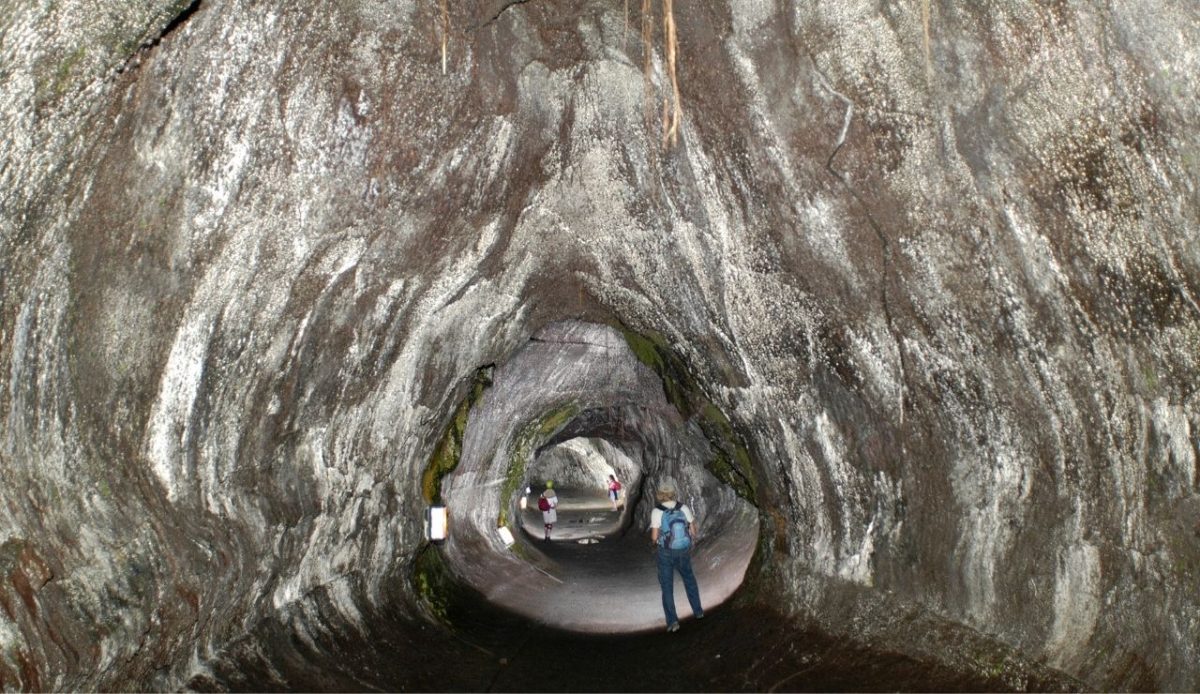
Hawaiʻi Volcanoes National Park combines active hazard zones with routes like Crater Rim Drive and Chain of Craters Road. The drone ban removes overhead views that could document closure lines, detours, and crowd clustering when volcanic activity shifts safe viewing areas.
Unmanned aircraft are prohibited unless written approval is granted, which excludes most visitor photography. The rule ties to aviation safety and hazards from gas, heat, and unstable ground, where a downed drone can force staff response in restricted zones.
Photographers rely on platforms and marked trails that move as conditions change. This limits documentation of eruption-driven reroutes, since ground frames cannot show the perimeter of closures and access buffers.
8. Bryce Canyon National Park
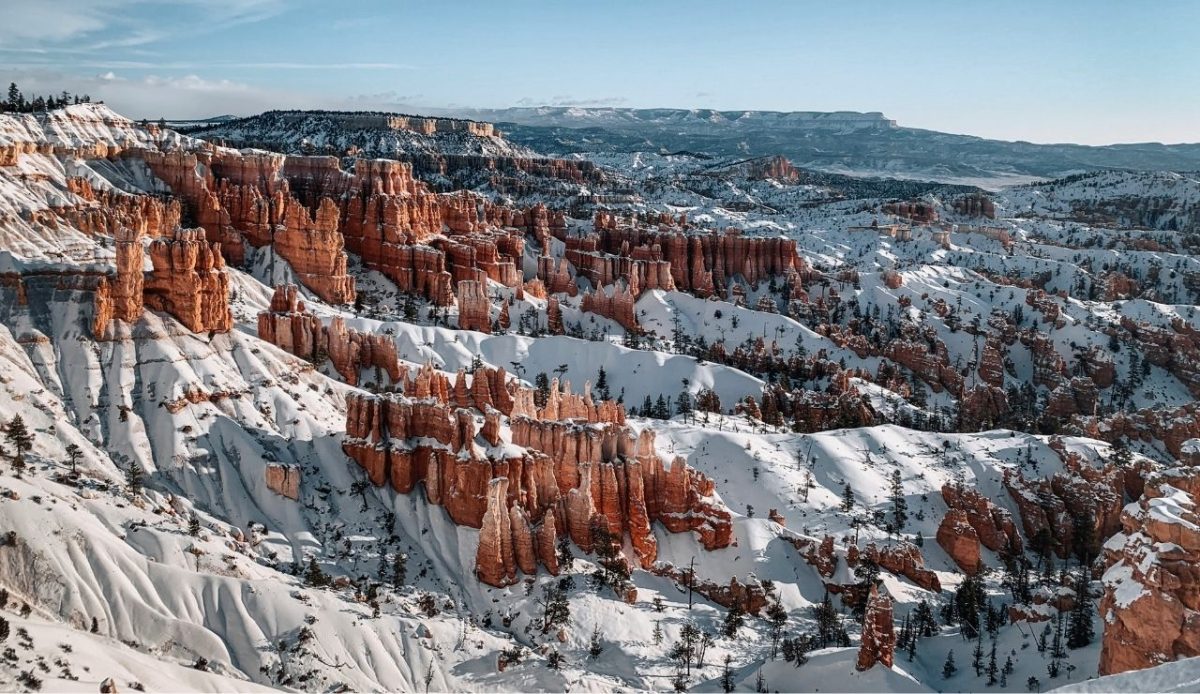
Bryce Canyon National Park operates around a rim road with fixed overlooks above the amphitheater. The drone ban removes vertical perspectives that could show how limited overlook space concentrates visitors at Sunset Point and Sunrise Point during bus arrivals and peaks.
Unmanned aircraft are prohibited due to safety near cliff edges and sound impacts in a compact viewing zone. Drones are treated as a management conflict because the overlooks experience crowd compression and walking space limits.
Photographers use viewpoints and the Navajo Loop switchbacks, where sightlines are controlled by rock walls and railings. Ground frames show hoodoo detail but cannot map how rim parking limits and overlook capacity shape crowd distribution.
9. Acadia National Park
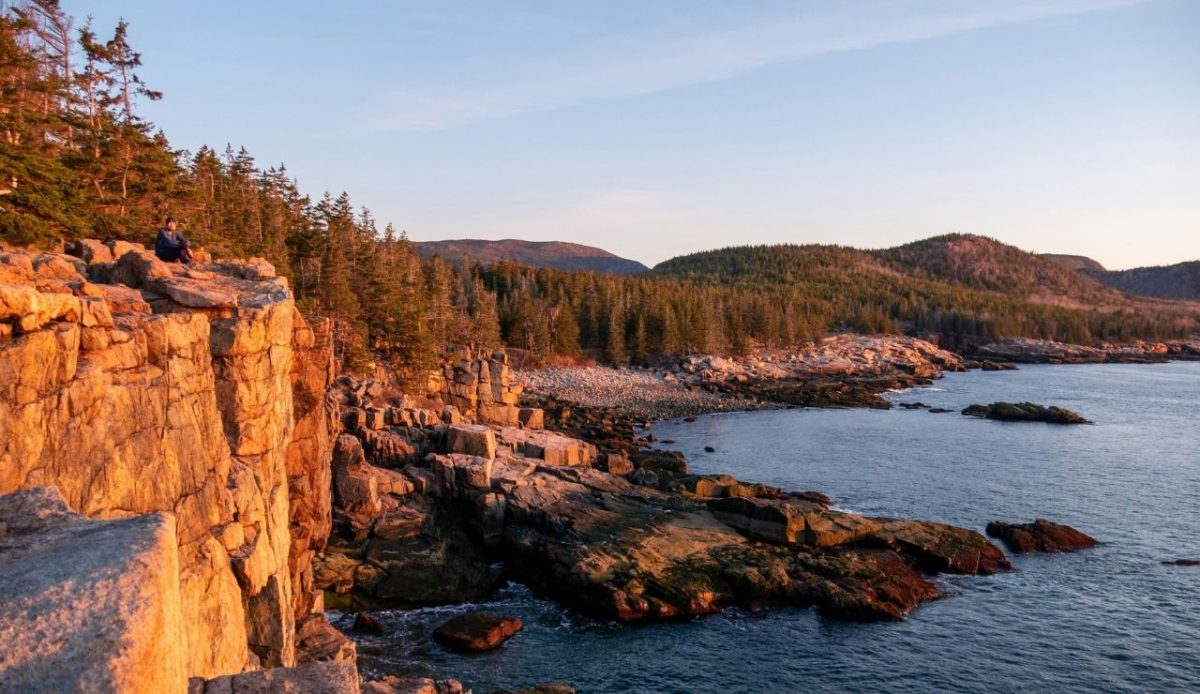
Acadia National Park combines an island road network with constrained summit access at Cadillac Mountain and the Park Loop Road. The drone ban prevents aerial shots that would show how reservation windows and limited parking concentrate sunrise crowds at the summit.
Unmanned aircraft are prohibited, and cliffs plus nesting areas raise safety and wildlife concerns. Offsite launch options are limited by private land and water boundaries, so the ban acts as an access cutoff for visitors.
Photographers depend on pullouts, summit paths, and junctions where space is limited, and movement is regulated by reservations. Without aerial views, images cannot document how traffic controls redistribute vehicles between the summit and beach lots.
