
Long-haul flying is getting tougher as cabins get denser and travelers spend more hours upright, sleeping badly, and battling dry air. Economy comfort varies by airline and aircraft, but the same pain points show up again and again: tight pitch, narrow seats, and limited chances to move.
These nine routes are notorious for how long you’re in the seat, how full flights often are, and how hard it can be to avoid a “bad” seat assignment. “Rising complaints” here means more travelers publicly comparing comfort and expecting more than the bare minimum.
Use this as a route checklist, not a verdict on any one carrier: check aircraft type, seat maps, and cabin class before you book, because one swap to premium economy can change the whole trip.
1. Singapore–New York (JFK)
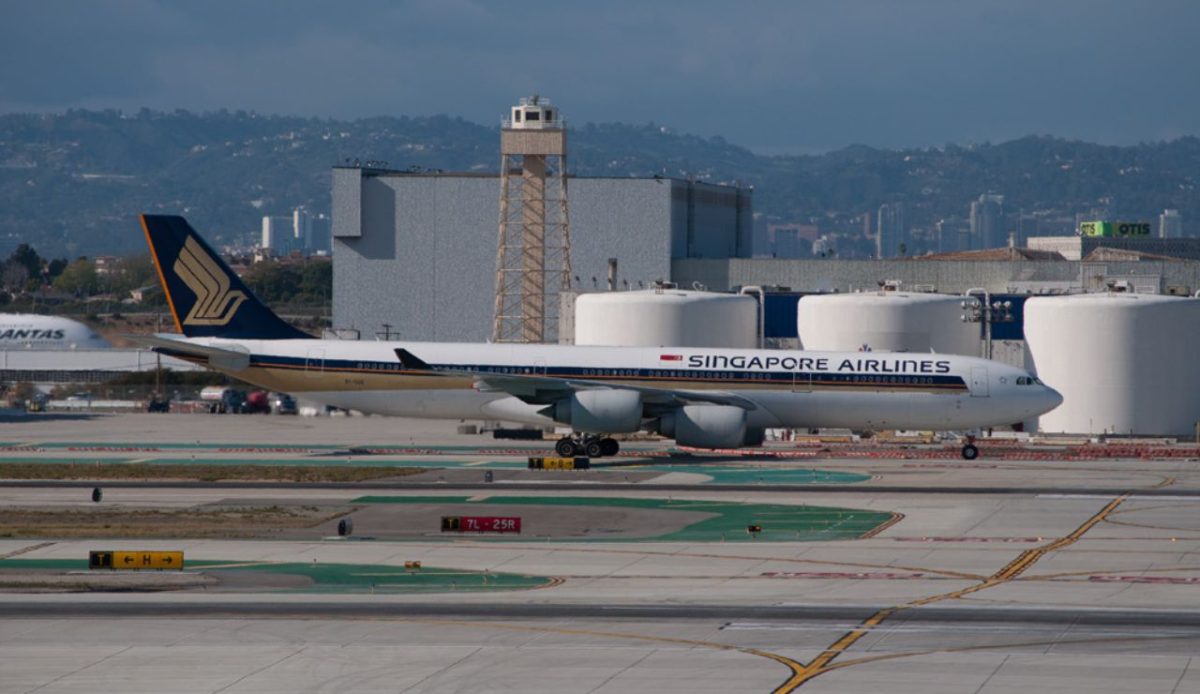
This ultra-long flight keeps you seated for roughly 19 hours, so small design tradeoffs feel huge by hour ten. Even with modern aircraft, travelers often mention firm cushions, limited recline, and the awkward “sleep math” of sitting upright for nearly a full day. Jet-stream routing can also shift the exact time aloft.
Because it’s a premium-heavy route, economy and premium economy can sell out fast, leaving fewer seat choices late in the booking cycle. That pushes more people into middles or rows with restricted recline, and makes “seat roulette” feel riskier.
Comfort tip: Prioritize aisle access for movement, and pack a thin lumbar roll. On flights this long, posture beats “toughing it out.”
2. Perth–London (Heathrow)
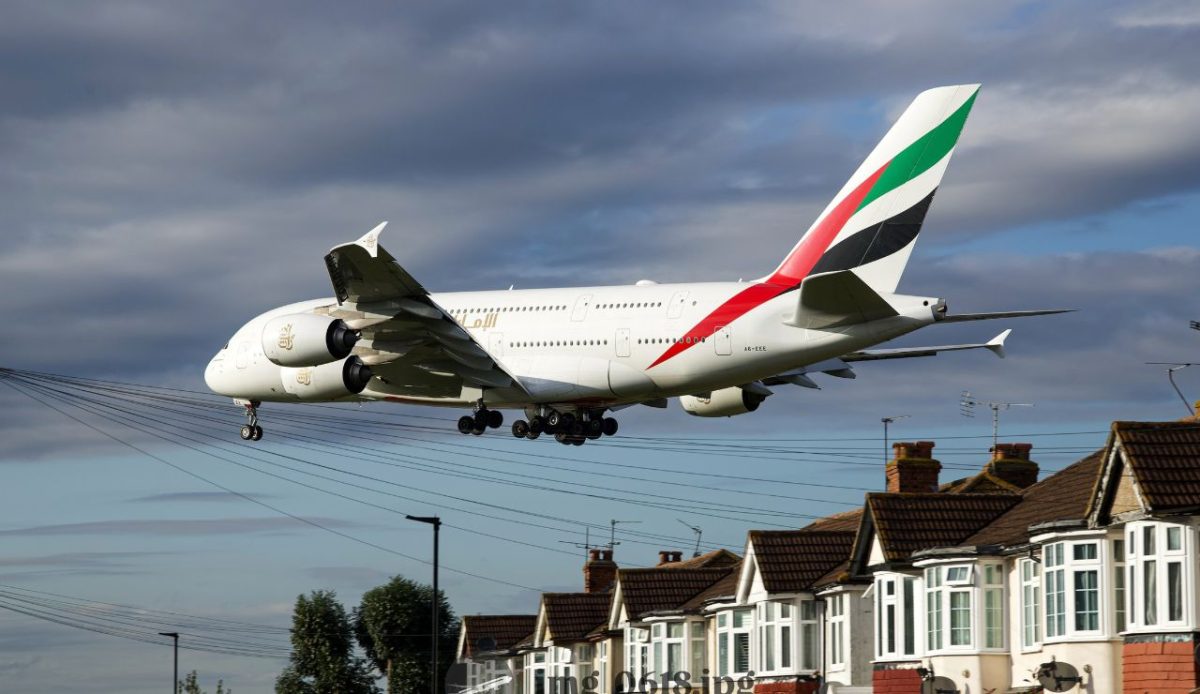
At around 17 hours and 45 minutes nonstop, Perth–London is a marathon even on a Dreamliner. Passengers often point to pressure points from thin padding and the way tight legroom feels worse once you’ve tried to sleep, stand, then sit back down. Small seat-angle differences become big comfort issues.
Flight demand can stay strong because it saves a connection, so cabins run full, and overhead space becomes part of the comfort debate. A packed cabin also means fewer gaps to stretch without feeling like you’re in someone’s way, especially during meal services.
If you’re tall, pay extra attention to bulkhead tradeoffs: more knee space can come with fixed armrests or screen placement that changes posture.
3. Doha–Auckland
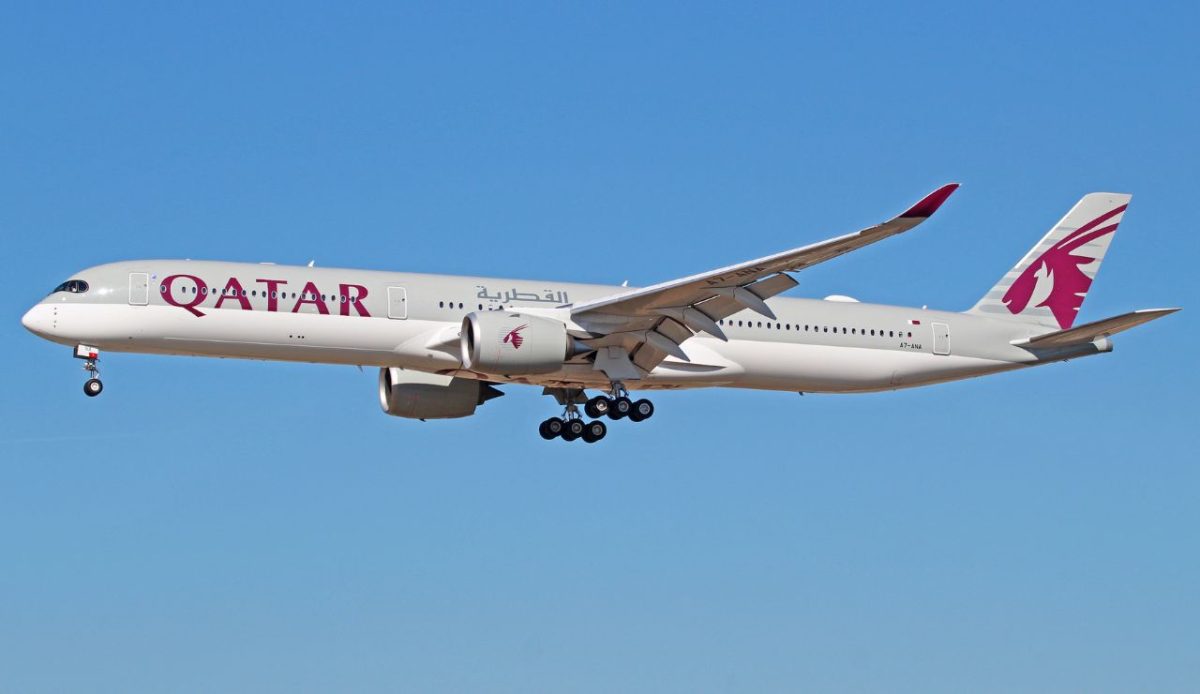
Doha–Auckland sits in the 16–17+ hour zone, where “average” economy seats start feeling like a test of patience. Travelers commonly report that shoulder room matters as much as legroom, because you’re wedged next to strangers for so long that every armrest battle is amplified, too.
These flights often run on widebodies configured for high capacity, which can mean more seats across and narrower personal space. When loads are high, even getting up to the aisle can feel like a negotiation.
Plan for comfort like it’s part of the itinerary: hydration, compression socks, and a mid-flight walk schedule are more effective than relying on recline alone.
4. Los Angeles–Singapore
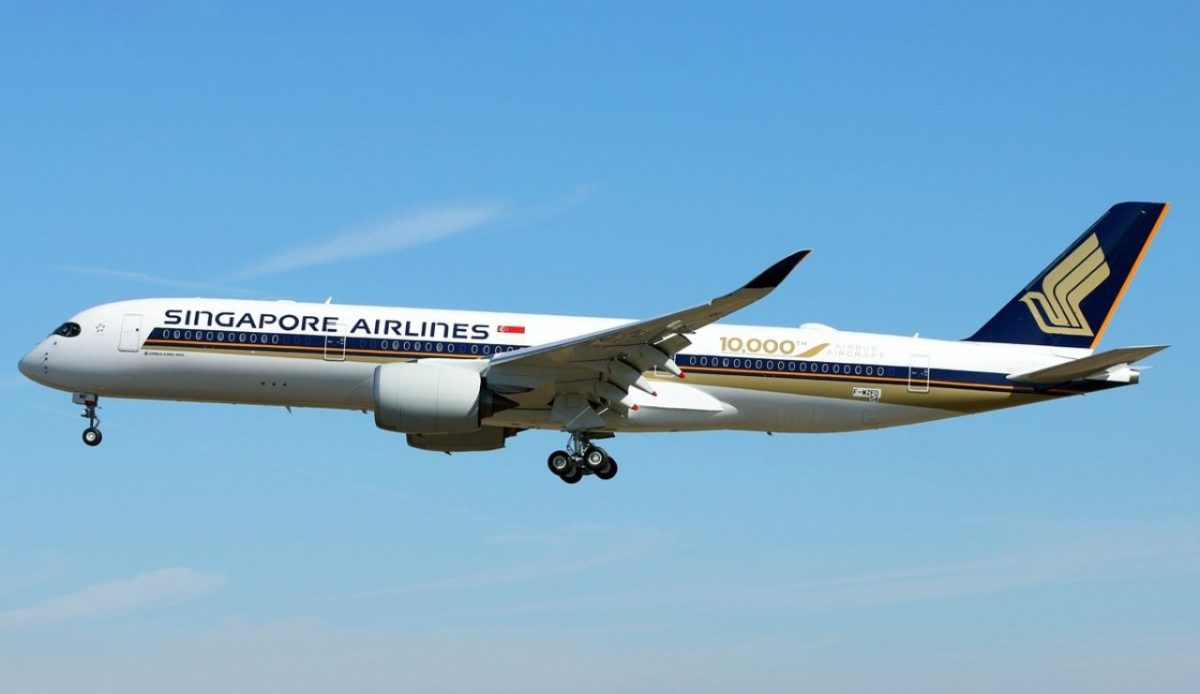
Los Angeles–Singapore is another ultra-long haul where the seat feels changes from “okay” to “why am I shaped like this” halfway through. Passengers often complain that headrests don’t fit well for shorter or taller bodies, so neck support becomes a bigger issue than people expect.
Because the route attracts a mix of business and leisure travelers, cabins can be busy with constant movement, laptops, and meal cycles. That sounds minor, but a noisy, fully lit cabin makes it harder to rest, which makes the seat feel worse.
Before booking, compare premium economy layouts. Extra width and pitch tend to matter more than fancy amenities on flights over 15 hours.
5. Dallas–Sydney
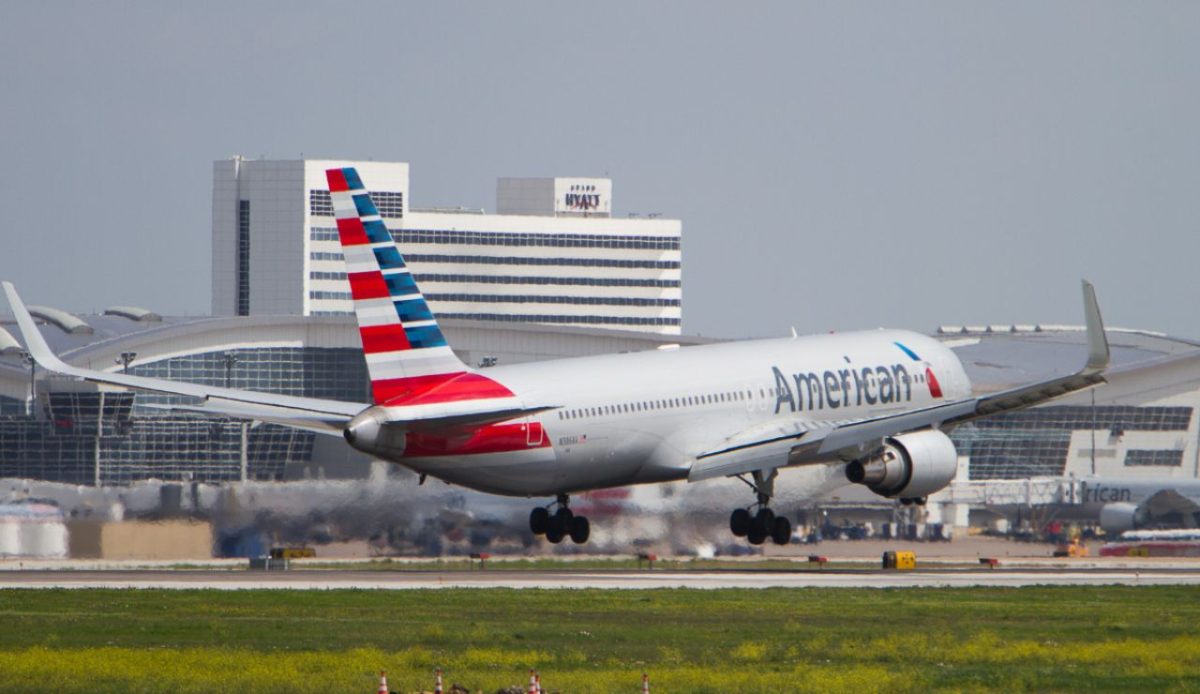
Dallas–Sydney is a long Pacific crossing that can push well past 16 hours depending on winds. Comfort complaints often focus on how long you’re stuck in the same posture, plus the “temperature swings” that make people tense up and hunch forward. Even small bumps can interrupt rest repeatedly.
On routes like this, aircraft choice matters: different cabins on the same model can have very different seat pitch, padding, and foot space. Travelers who book late sometimes end up in rows near galleys or lavs where traffic never really stops.
Try to avoid seats with limited recline on overnight sectors. If you can’t, treat sleep as short blocks and prioritize movement between them.
6. London–Hong Kong
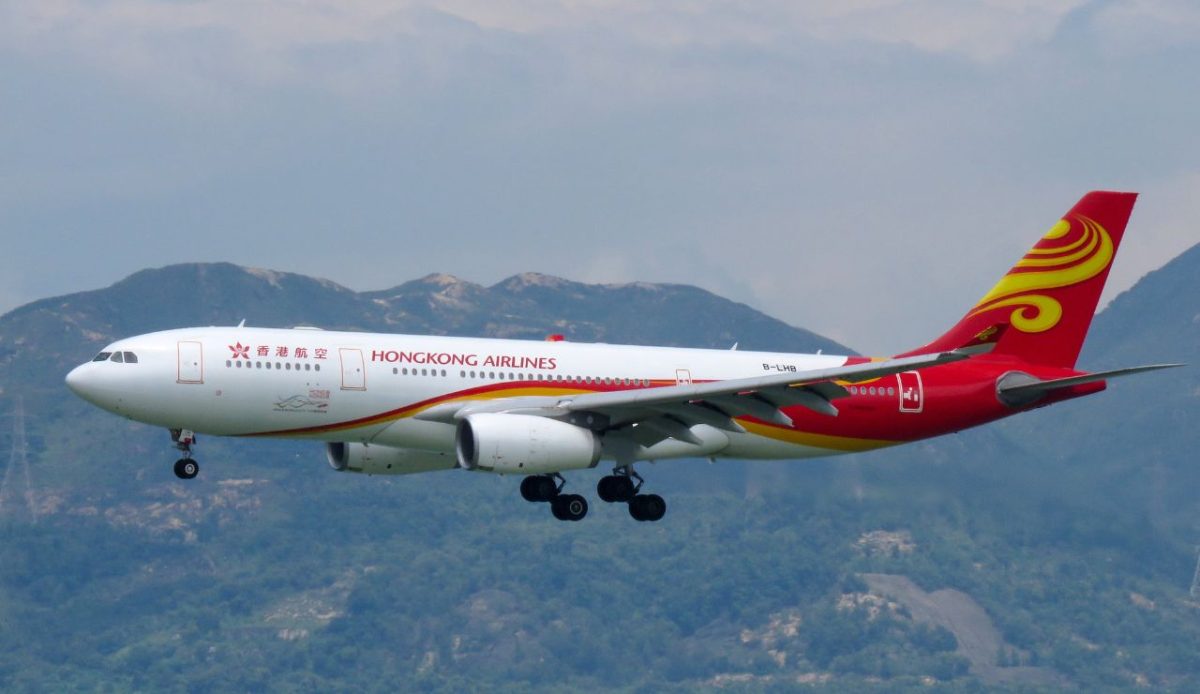
London–Hong Kong isn’t the very longest, but it’s long enough that seat comfort becomes the headline, especially on overnight departures. Travelers often report that the biggest issue is “micro-space”: knees brushing the tray, elbows fighting for armrests, and nowhere to put feet without tripping someone.
Because this is a major hub-to-hub market, loads can be high year-round, and seat selection gets competitive. When cabins are full, the small annoyances, seatback bumps, aisle traffic, and recline disputes compound into a bigger comfort story.
If you’re price-shopping, check the seat width and pitch by aircraft version, not just the airline name. The same route can feel very different week to week.
7. San Francisco–Bengaluru
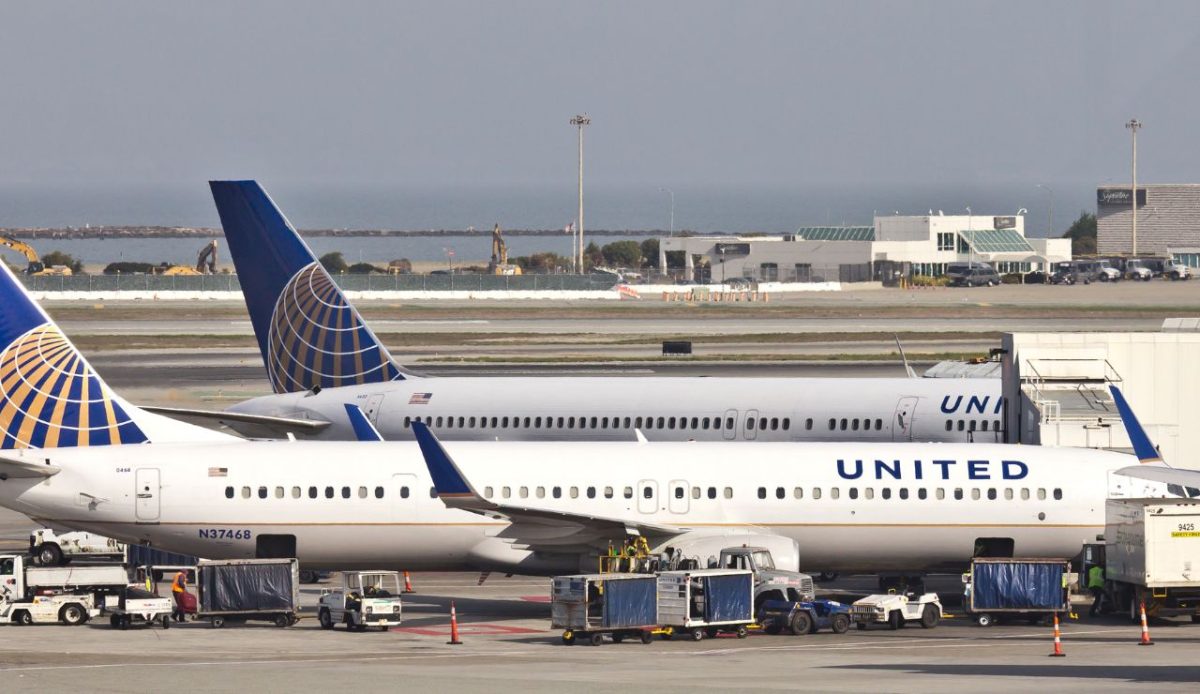
San Francisco–Bengaluru is a long, time-zone-warping trip where travelers tend to notice seat firmness and limited leg stretch more than on shorter Asia routes. Many passengers arrive after a full workday, so fatigue is higher and tolerance for cramped seating drops fast.
This corridor serves a lot of tech and family travel, which can mean heavy carry-ons and fuller cabins. When overhead bins fill up early, people end up twisting into awkward positions to access bags during the flight, and that adds to the “my back hurts” narrative.
Comfort moves: pick an aisle, set a timer to stand every couple of hours, and use a foot sling or small bag to keep your knees from locking in one angle.
8. Newark–Cape Town
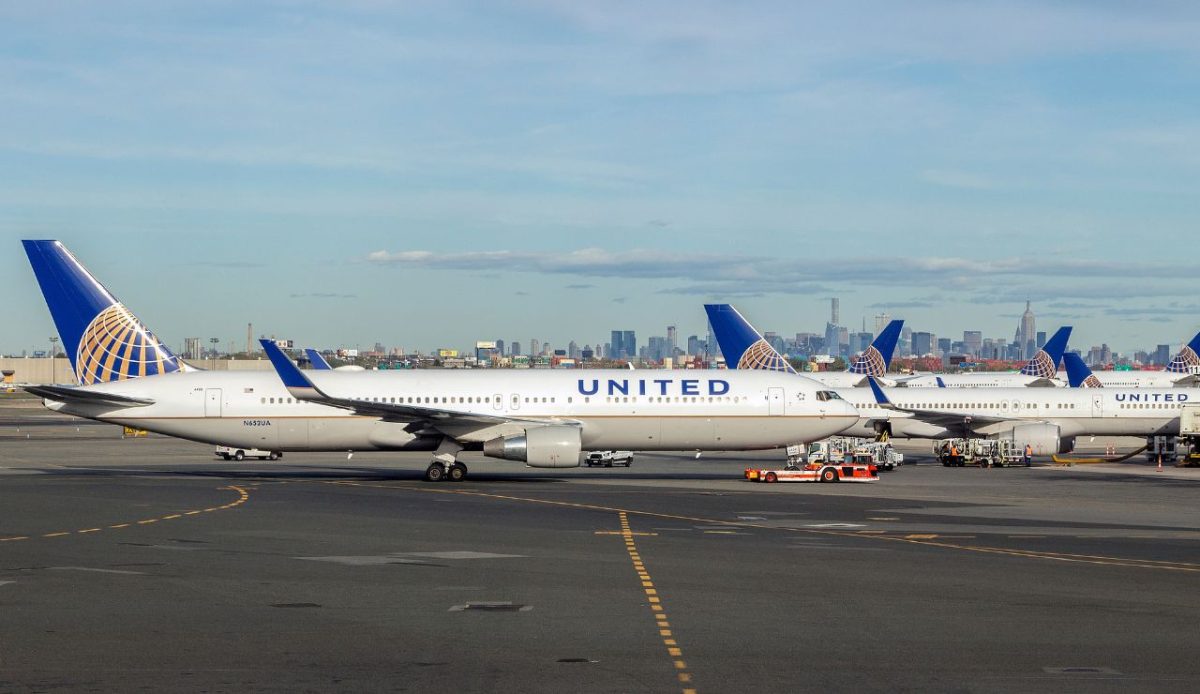
Newark–Cape Town is long enough that seat comfort becomes a planning factor, not an afterthought. Travelers frequently mention that the hardest part is staying comfortable through two sleep windows: the first feels too early, the second arrives when the cabin is already restless.
On long South Atlantic sectors, turbulence can keep seatbelt signs on for extended stretches, limiting chances to walk. If you’re stuck in a tight row, that “can’t move” feeling makes the seat seem smaller than it actually is.
Look for seats with consistent recline and avoid areas with high lavatory traffic. Noise and foot traffic don’t sound like seat issues, but they’re why the seat feels unbearable at 3 a.m.
9. Dubai–Auckland
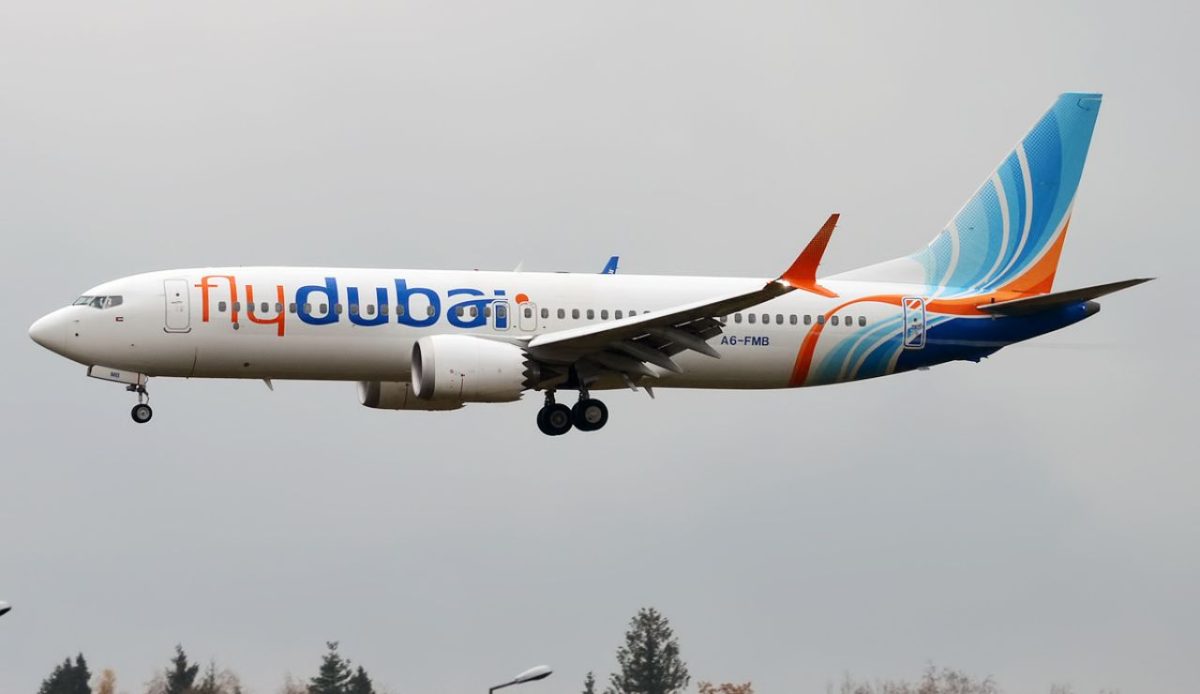
Dubai–Auckland is a long haul where comfort complaints often come down to cabin density: the difference between a roomier layout and a tighter one is obvious by the halfway point. Travelers commonly compare shoulder space and seat width, especially on aircraft with more seats across.
The route also attracts connection traffic, so flights can be packed with people starting or ending multi-leg itineraries. That means more cabin movement, more sleep disruption, and more sensitivity to a seat that felt “fine” on a shorter hop.
If comfort is priority one, treat aircraft type as a feature, not trivia. When you can choose, pick the configuration with fewer seats across and a quieter cabin zone.
