
International routes operate with fixed overhead bin volume and short gate windows. When cabin bags exceed storage, aisles clog, and departures slip at slot-managed airports. Airlines can change fare rules faster than they can add capacity.
On selected KLM and Air France flights, Economy Basic includes only an under-seat personal item. Charging for an overhead bag shifts volume into paid categories, which lowers gate checks and boarding disputes. The effect is strongest on dense short-haul corridors.
The nine routes below show route-specific pressure tied to hub connections, airport limits, and travel mix. Each case links a constraint to a policy choice that removes free overhead carry-on from the entry fare.
1. Amsterdam to Dublin
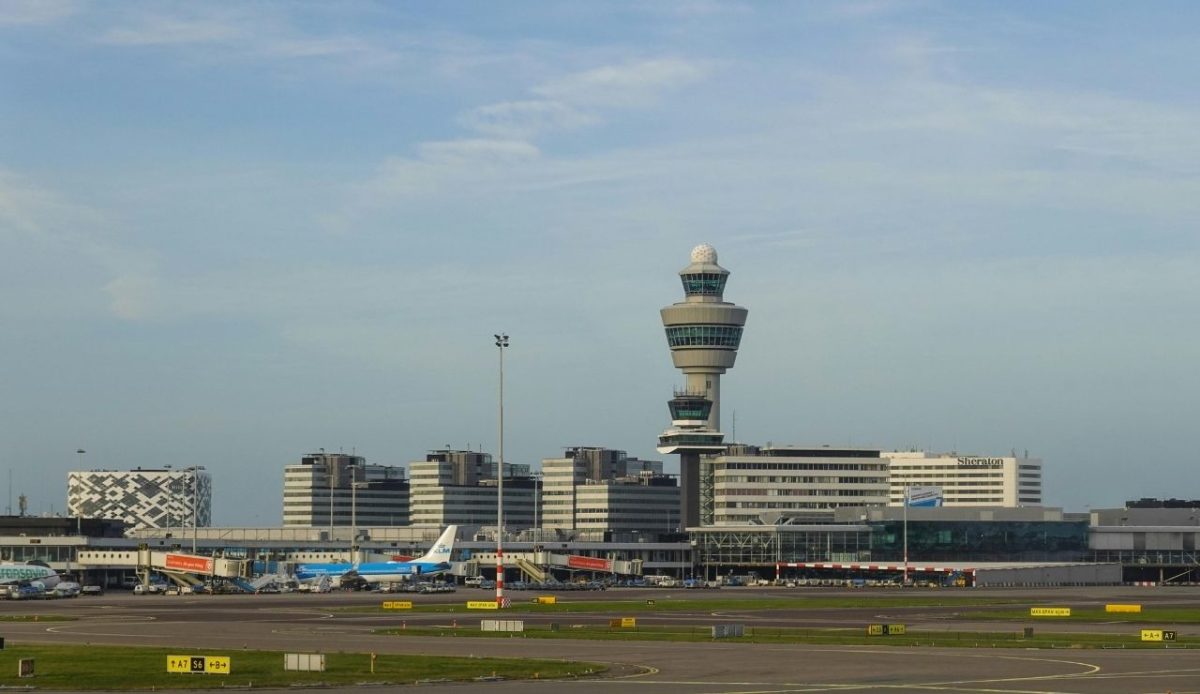
Amsterdam Schiphol and Dublin Airport run under tight slot coordination, so small boarding delays cascade into missed windows. High-frequency schedules and short block times mean aisle congestion from cabin bags directly affects punctuality.
On this route, Economy Basic removes the free overhead carry-on, leaving only a personal item under the seat. With fewer roller bags entering the cabin, gate staff do fewer last-minute tags, and boarding lines move faster.
The rule shifts costs onto travelers who need bin space, while price buyers accept the under-seat limit. Because overhead volume is fixed, the policy reallocates scarce storage instead of changing capacity, which supports consistent turns at both airports.
2. Amsterdam to Helsinki
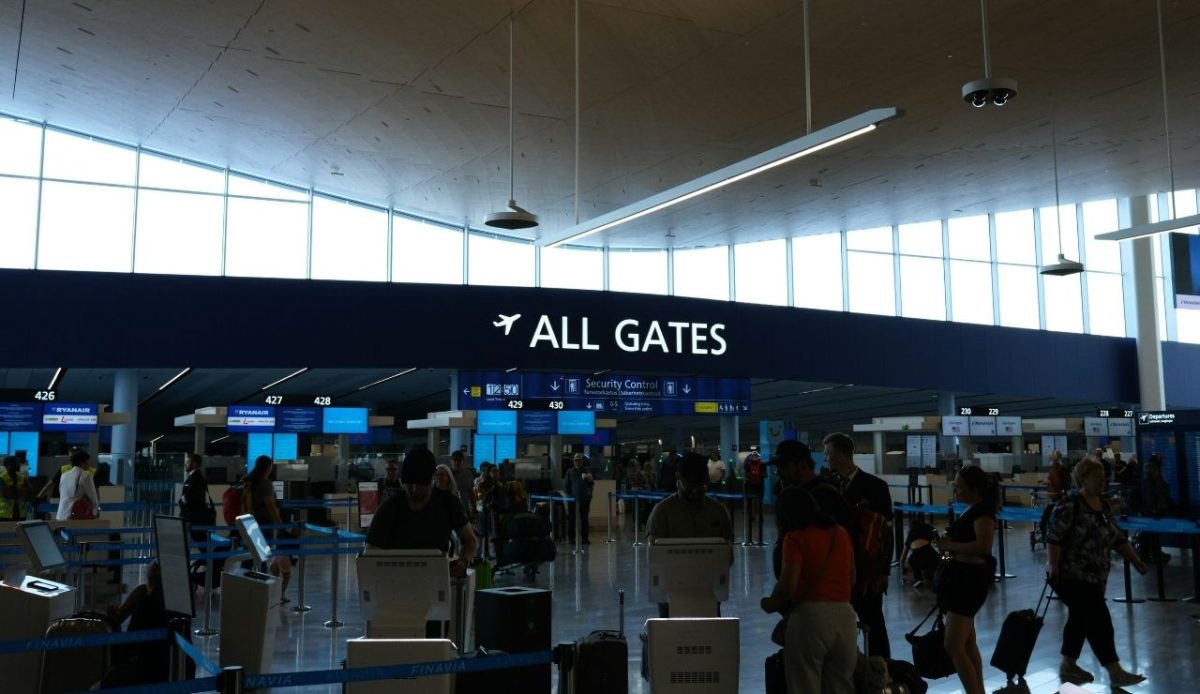
The Amsterdam to Helsinki corridor feeds onward journeys through Helsinki Airport, where transfer banks concentrate passengers in short time blocks. When many travelers avoid checked bags to protect connections, carry-on volume rises beyond what cabin bins can absorb.
Economy Basic on this route excludes a free overhead carry-on and permits only an under-seat personal item. That rule reduces bin competition created by multi-segment itineraries and cuts the number of bags pushed into the aisle during boarding.
The outcome is less gate intervention and fewer forced bag checks at the door. Since aircraft type and bin size do not change with season, the restriction acts as a control that matches storage demand to a fixed constraint.
3. Amsterdam to Stockholm
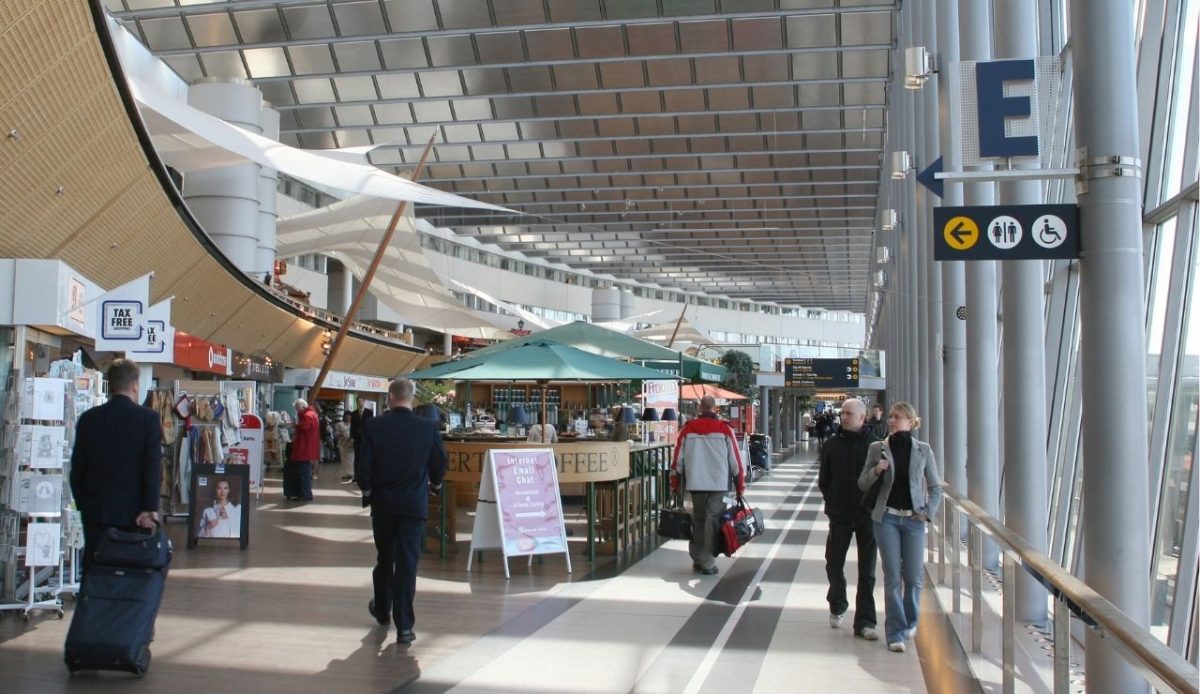
Amsterdam to Stockholm serves business traffic tied to short stays in central districts near each airport rail link. Short trips increase the share of passengers who bring cabin bags to avoid baggage belts, which raises overhead demand even on midweek flights.
On this route, Economy Basic removes free overhead carry-on, limiting the base fare to an under-seat personal item. The policy changes boarding behavior because travelers who need bin space must purchase it, which reduces uniform bin saturation.
With fewer large bags, boarding queues clear with less aisle blocking, and fewer gate agents are pulled into dispute handling. The route keeps the same flight frequency, so the fare rule becomes the lever used to protect turnaround time.
4. Amsterdam to Prague
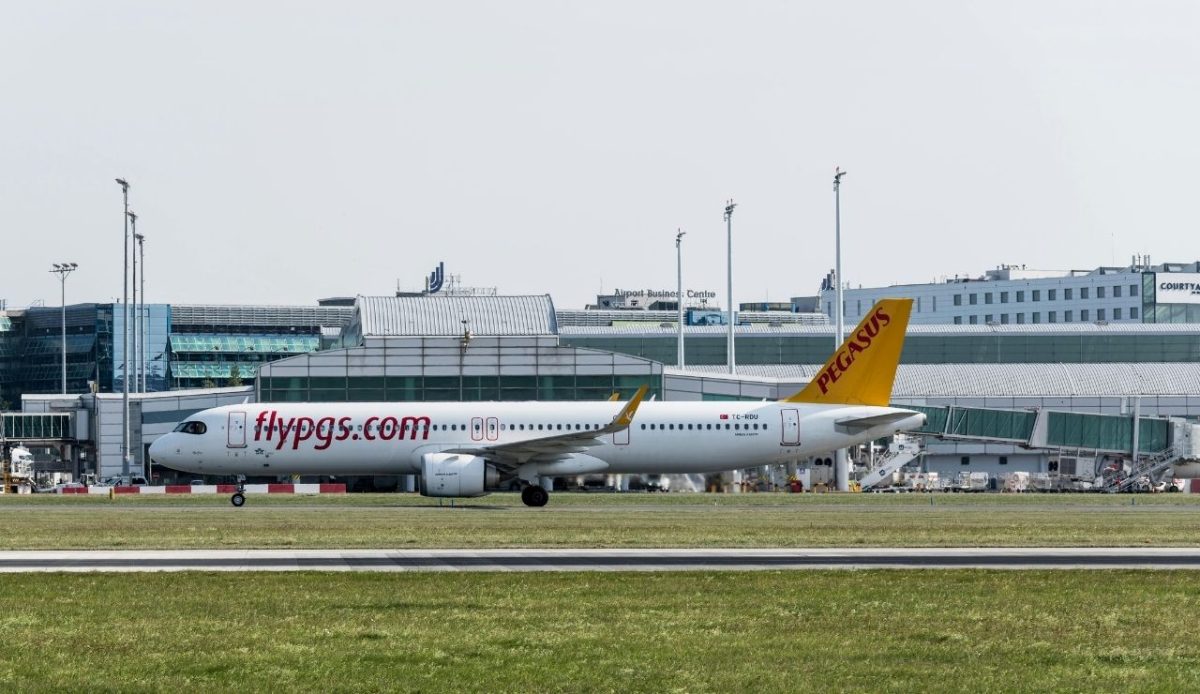
Amsterdam to Prague carries seasonal city break demand that peaks around school holidays and event weekends in Prague 1. Load factors rise while cabin storage stays constant, so overhead bins fill earlier, and gate checks increase.
Economy Basic on this corridor excludes a free overhead carry-on and allows only an under-seat personal item. The restriction reduces variability in cabin load because the lowest fare group brings fewer large bags, which shortens boarding on full flights.
The rule also reduces pressure on jet bridge space when bags are pulled at the last minute. Since adding slots is difficult at Amsterdam Schiphol, the fare-based limit works as an administrative control on a fixed resource.
5. Amsterdam to Munich
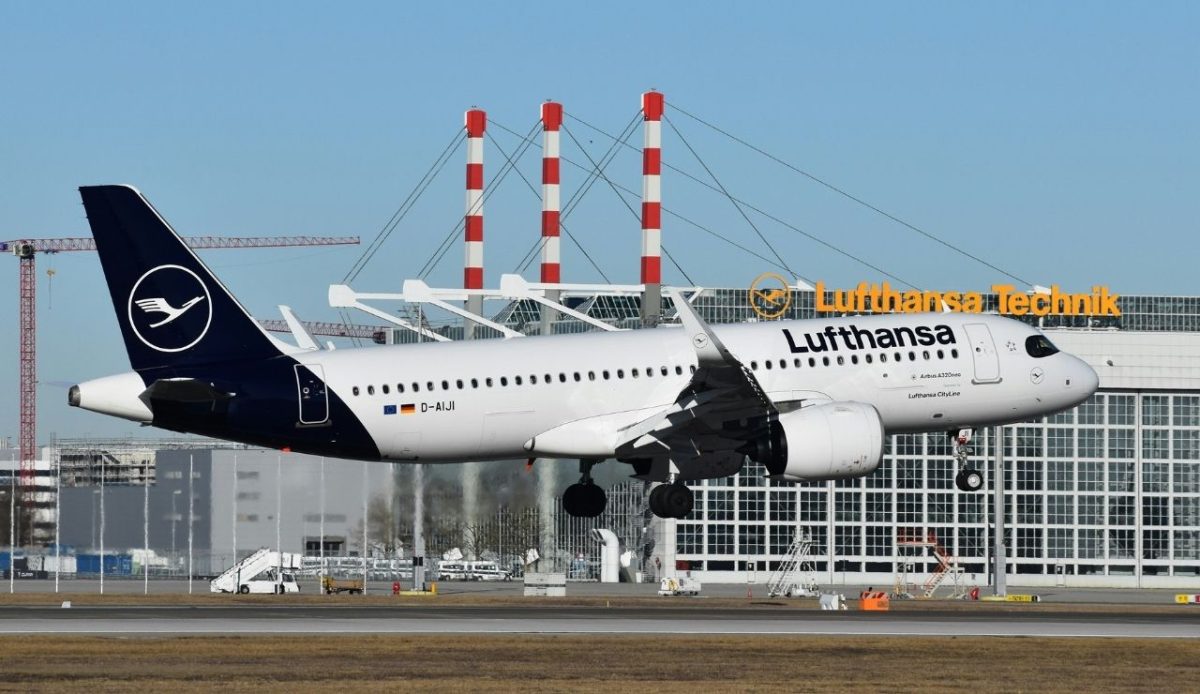
Munich Airport is slot coordinated, and its banked departures leave little slack for late pushes. The Amsterdam to Munich route carries dense weekday demand, and short stays near Messe München and the inner city increase reliance on cabin bags.
KLM sells an Economy Basic fare on this route that does not include a free overhead carry-on. By charging for bin access, the airline reduces the share of roller bags, which lowers aisle blocking and speeds the final cabin stow process.
This matters because small delays can trigger missed slot times and disrupt aircraft rotations back to Amsterdam. The policy reallocates a limited storage resource through pricing rather than changing equipment, which supports predictable turnaround performance.
6. Amsterdam to Florence
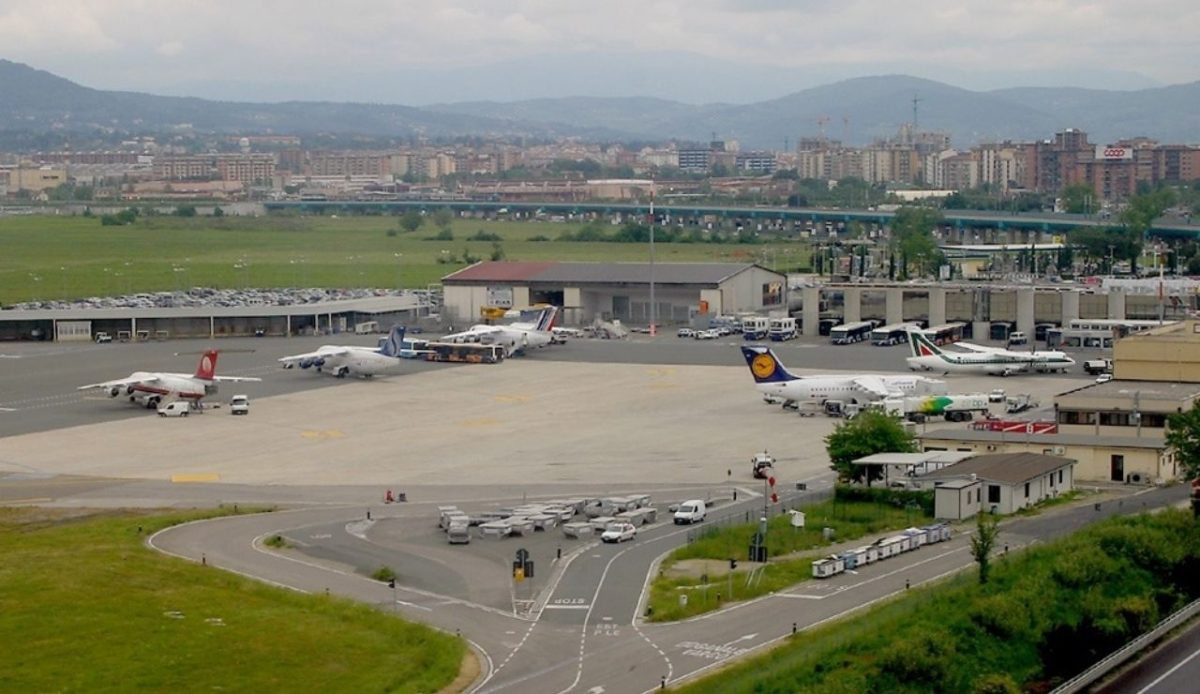
Florence Airport operates with runway limits and a compact terminal, which constrains aircraft size and ground handling flexibility. Amsterdam departures to Florence see high leisure demand in peak months, and longer stays raise average bag volume per passenger.
On this route, Economy Basic excludes a free overhead carry-on and permits only an under-seat personal item. Fewer cabin trolleys reduce forced tagging at the gate, which keeps boarding within narrow turnaround windows at both ends.
The change also reduces bin overflow, which can require bags to be placed in holds at the last moment. Since Florence cannot absorb prolonged gate occupancy, a fare rule becomes the practical control for managing fixed terminal capacity.
7. Paris to Athens
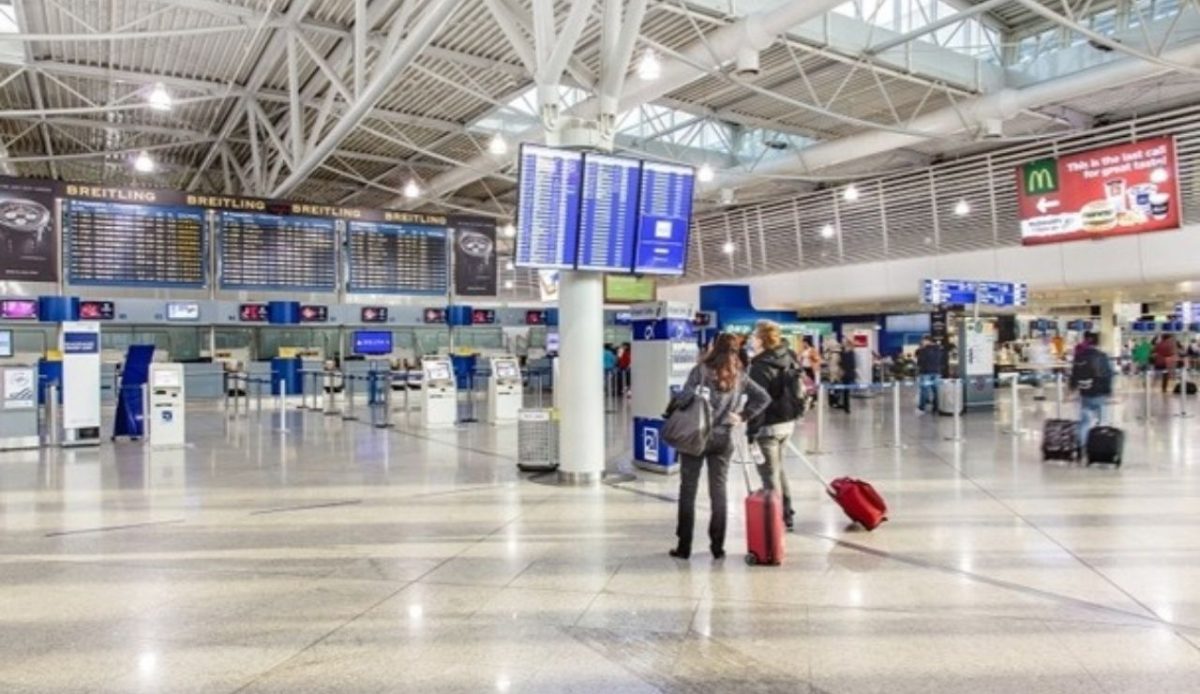
Paris to Athens combines strong summer tourism with shoulder season traffic tied to islands and mainland resorts. Seasonal peaks increase average trip length, which raises luggage volume and pushes overhead bins to capacity early in boarding.
Air France applies an Economy Basic fare on this route that removes the free overhead carry-on and limits the base ticket to an under-seat personal item. Charging for bin access shifts many bags into paid categories, reducing last-minute cabin overflow.
This helps manage gate operations at busy terminals where boarding time is closely monitored. Because cabins have fixed bin space and peak loads recur each year, the restriction operates as a predictable control on a repeating seasonal constraint.
8. Paris to Vienna
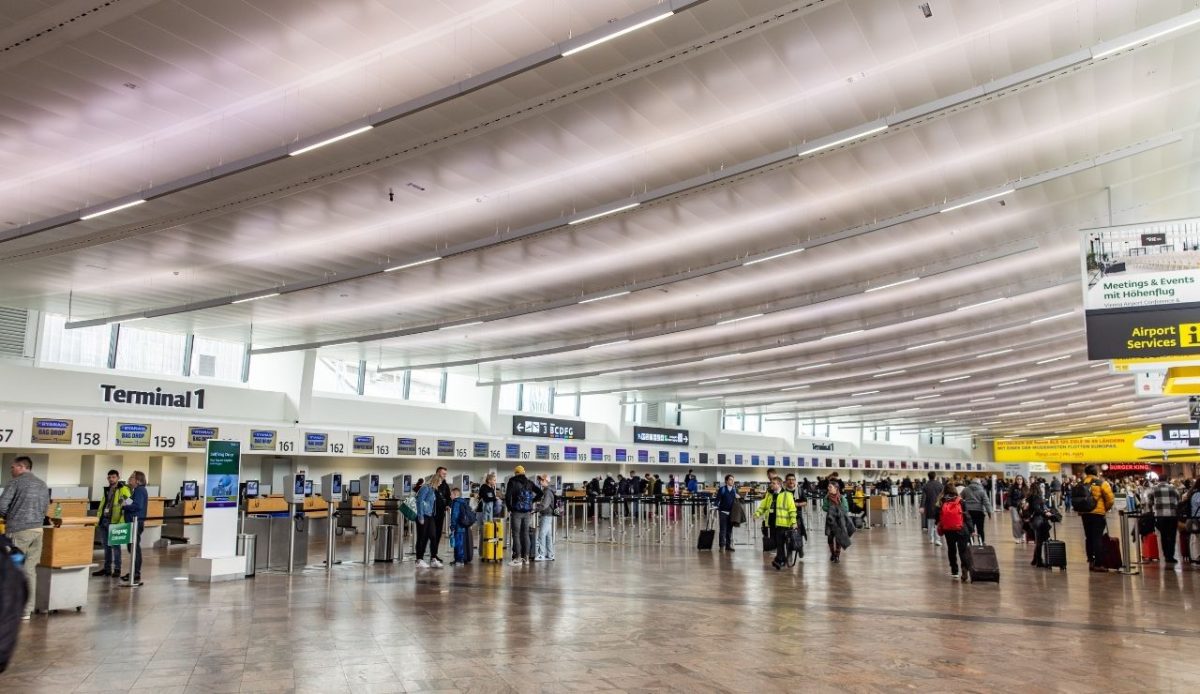
Paris to Vienna serves steady year-round demand that includes government travel, corporate trips, and short stays near Innere Stadt. Short visits increase cabin bag use because travelers avoid checked baggage waits, creating persistent overhead bin competition.
On this route, Air France Economy Basic removes the free overhead carry-on and allows only an under-seat personal item. The rule separates passengers by storage need, which reduces bin saturation and lowers gate enforcement workload.
The operational effect is fewer door-side bag pulls and faster aisle clearing during boarding. Since demand is stable, the policy responds to consistent usage intensity and the fixed limit of bin volume on narrow-body aircraft.
9. Paris to Tunis
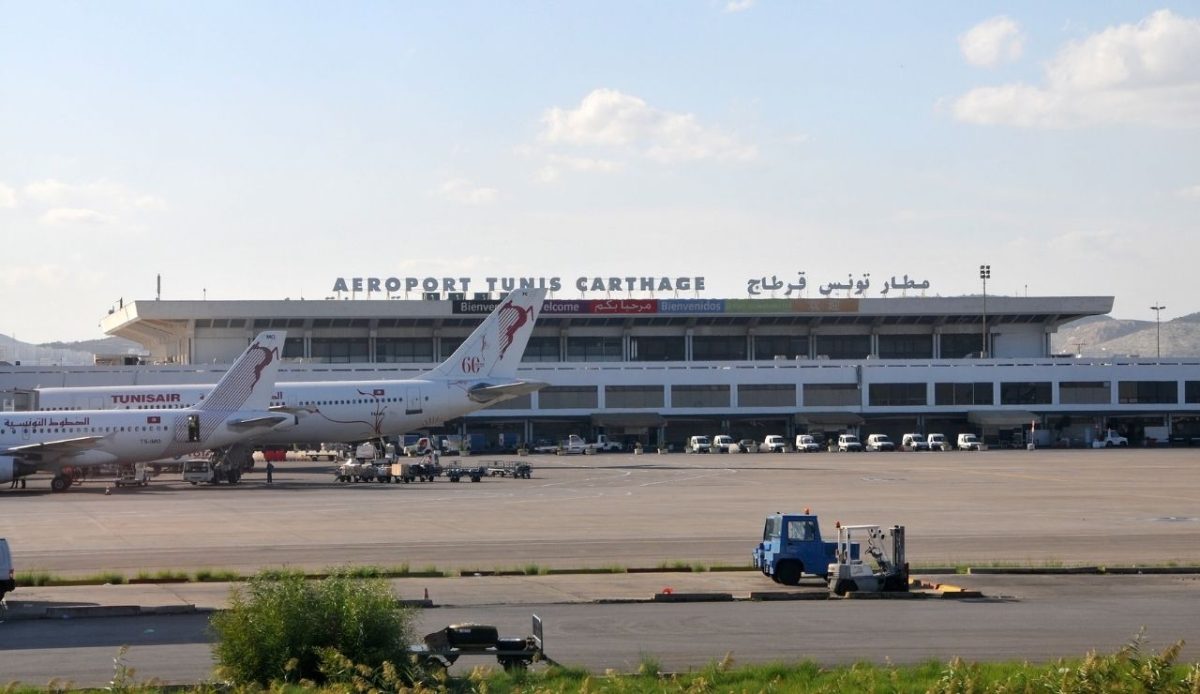
Paris to Tunis carries a mix of leisure travel and visiting friends and relatives flows tied to specific suburbs and regional towns. Longer visits and gift carrying raise average baggage volume, so overhead bins fill even outside peak holiday weeks.
Air France sells Economy Basic on this route without a free overhead carry-on, limiting the base fare to an under-seat personal item. Charging for bin access reduces uncontrolled cabin loading and lowers the chance of late gate checks.
The policy also helps manage storage when many passengers arrive with dense carry-on items. Since aircraft capacity and bin volume are fixed, shifting baggage into paid options works as a route-level control tied to predictable travel purpose patterns.
